

Maze Therapeutics Goes Public After Missing $755M BD Deal, Advances Precision Oral Therapies for APOL1-Mediated Kidney Disease

Maze Therapeutics
Developer of Therapeutic Drugs for Genetic Diseases
In October 2024, Maze Therapeutics (hereinafter referred to as "Maze") presented the Phase I clinical results of its core product, MZE829, at the American Society of Nephrology (ASN) annual meeting. The experimental data showed that plasma exposure (AUC) was linearly correlated with dose.。This orally administered small molecule inhibitor targeting APOL1 supports once-daily dosing and has now entered Phase II clinical trials.
By the end of 2024, Maze Therapeutics announced the completion of a $115 million Series D financing round, followed by an IPO in January 2025, raising $140 million.
Maze Therapeutics leverages the Maze Compass platform to transform "natural protective mechanisms" discovered through human genetics into a pipeline of highly targeted oral small-molecule drugs. This strategy of "seeking cures from the human body itself" significantly enhances target validation efficiency and development success rates, directly addressing the significant unmet needs in the field of kidney disease.
Precisely Targeting Genetic Mechanisms: Addressing "Untreatable" APOL1 Double Mutation Nephropathy
Maze Therapeutics Focuses on Drug Development for APOL1-Mediated Kidney Disease and Chronic Kidney Disease (CKD).CDC(The Centers for Disease Control and Prevention: CDC) official website shows that one in seven people in the United States alone suffers from CKD. According to the Maze Therapeutics, Inc. website, approximately 6 million African Americans in the U.S. carry high-risk APOL1 gene variants with biallelic mutations and are at risk of developing AKD (APOL1-mediated kidney disease).
Currently, the treatment for kidney diseases is quite challenging. Traditional treatments mainly focus on "slowing progression," lacking curative methods and facing issues such as single-mode therapies and limited effectiveness.
First, the single therapyThere is a lack of curative drugs for primary glomerular diseases and hereditary kidney diseases. Existing therapies (such as hormones and immunosuppressants) can only control symptoms and cannot reverse the process of renal fibrosis. Secondary kidney diseases like diabetic nephropathy require long-term management of blood sugar and blood pressure, but most patients still progress to renal insufficiency.
Secondly, there are limitations in efficacy.In recent years, although SGLT2 inhibitors and GLP-1 receptor agonists have been proven to delay the progression of kidney disease, they are only suitable for specific populations (such as those with diabetes) and cannot prevent all patients from progressing to dialysis. For patients with APOL1 double mutations, there is currently no approved therapy, and standard treatments (such as RAS inhibitors) can only slow the progression with limited efficacy.
The development of Maze Therapeutics has achieved a paradigm innovation that traditionally relies on "trial and error" in drug development. The core pain point of traditional drug research and development is insufficient target validation, leading to most failures.It is precisely because of this.Maze's innovation lies in using human genetic data to pre-validate targets—equivalent to leveraging nature's completed "clinical trials."
Currently, Maze's core products are MZE829 for Acute Kidney Disease (AKD) and MZE782 for Chronic Kidney Disease (CKD) and Phenylketonuria (PKU).
1MZE829: Mimetic Protective Variant Mitigates AKD Risk Associated with APOL1 Gene Mutation
APOL1 Variants Were Initially Retained by Natural Selection Due to Resistance to African Trypanosomiasis (Sleeping Sickness). However, Populations Carrying the APOL1 Gene Are at Risk of High-Risk Variants (G1/G2). Generally, Individuals Who Carry Two APOL1 Alleles, Both Being G1/G1, G2/G2, or G1/G2, Are Defined as a High-Risk Variant Population.
This high-risk variant can eventually lead to glomerular damage and impaired kidney filtration function. This condition is enriched in populations of West African descent (approximately 13% of African Americans carry two copies of the mutation), with about 20% of carriers (over one million people) eventually developing AKD.
The advantage of MZE829 lies in its ability to directly inhibit the activity of the APOL1 toxic protein, precisely target the genetic mechanism, and offer superior safety. Specifically, the protein expressed by APOL1 high-risk mutations (G1/G2) forms channels on the renal cell membrane, leading to cell lysis.MZE829 can lock APOL1 in a closed state by mimicking the function of the protective variant (G3), preventing pore formation.
Phase Ⅰ data showed that plasma exposure (AUC) was linearly correlated with the dose after a single 480 mg dose, with no serious adverse reactions. Currently, Maze Therapeutics has completed the first patient dosing in Phase Ⅱ in the first quarter of 2025, with top-line data expected to be released in the first quarter of next year.
2MZE782: Multi-indication Therapy for Chronic Kidney Disease and Phenylketonuria
Through genetic analysis on the Maze Compass platform, Maze found that loss-of-function variants in the protective gene solute carrier SLC6A19 (neutral amino acid transporter, mutations in the SLC6A19 gene cause neutral aminoaciduria) were significantly associated with improved kidney function.
MZE782 is an orally administered SLC6A19 inhibitor with dual-indication efficacy. For chronic kidney disease (CKD), it reduces amino acid reabsorption by inhibiting the SLC6A19 protein in renal tubules, thereby alleviating the metabolic burden on the kidneys and improving renal function.
For Phenylketonuria (PKU), the drug acts by blocking intestinal absorption of phenylalanine, effectively reducing the level of phenylalanine in the patient's blood.
The advantage of MZE782 lies in its ability to cover a broader population of CKD and PKU patients, showing considerable market potential, particularly in terms of oral administration benefits and potential combination therapy capabilities.In September 2024, MZE782 has initiated Phase I trials, with a comprehensive evaluation of its safety, pharmacokinetics, and biomarkers (such as PBMC glycogen) expected to be conducted. Preliminary data is anticipated to be released in the second half of 2025.
Maze Compass Platform: Discovering Natural Antibodies from Genetic Variations
Maze's several core products currently available were all achieved through breakthrough discoveries via its self-developed proprietary platform, Maze Compass. Maze Compass is a set of systematic tools that transforms human genetic data into precision medicines, focusing on "protective genetic variations," and works by deciphering disease mechanisms and designing drugs.
Geneticist Mark Daly once discovered a paradox: some African Americans carry the high-risk mutation (G1/G2) of the APOL1 gene but do not develop kidney disease. Further analysis revealed that these individuals carry a rare genetic variant that can inhibit the toxic function of the APOL1 protein. This discovery became the starting point for Maze Compass technology platform.
Maze Compass is a technology platform that covers every stage of drug development. The platform can understand and integrate the key steps of variant functionalization, with its core being the "Decode-Simulate-Validate" three-step cycle:
First, it involves "panning for gold" from massive amounts of data. Maze Compass integrates ultra-large population databases such as Finland's FINNGEN and the UK Biobank to screen for genetic variations associated with reduced disease risk. For instance, carriers of certain loss-of-function mutations in the SLC6A19 gene exhibit a significantly lower risk of abnormal kidney function.
After identifying the appropriate genetic variants, the protective mechanisms of these variants were recreated in the laboratory. This is the origin of MZE829's design. It stabilizes the closed conformation of the APOL1 protein, preventing it from forming pores that damage cell membranes.
Finally, "gene mimicry" is performed: by developing compounds to mimic the function of variants, ultimately designing small-molecule drugs to simulate the biological effects of protective variants.
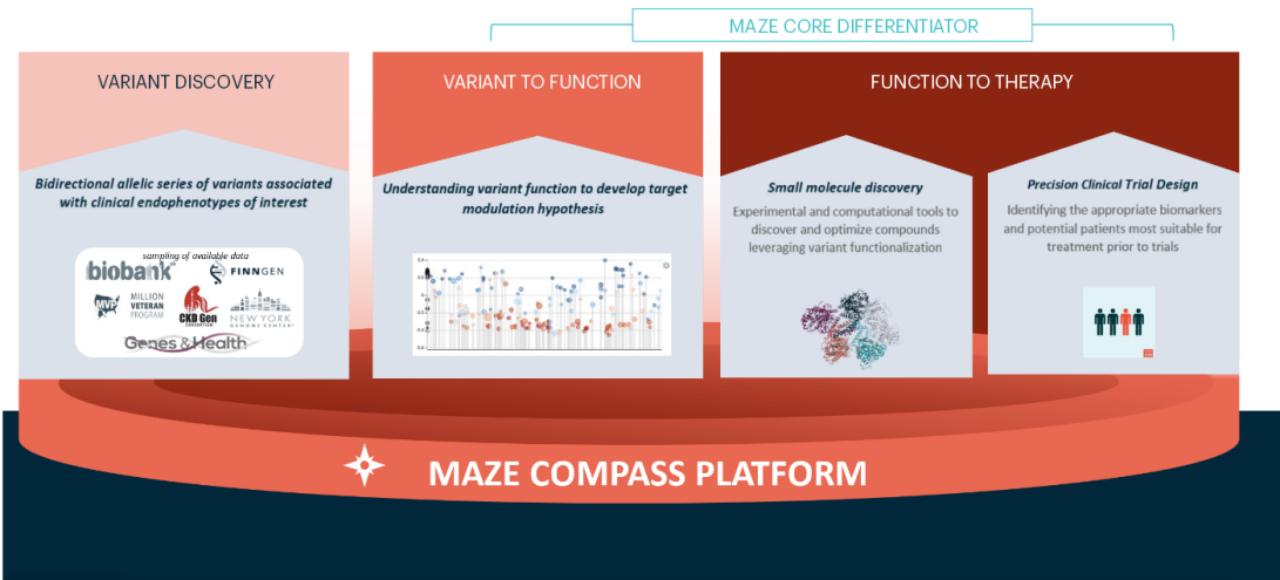
Image source: Company's official website
The core advantage of Maze Compass lies in its high target validation rate, precise patient stratification, and the achievement of a breakthrough in oral drug delivery.
In terms of target validation, since the platform's starting point is the naturally occurring "experimental evidence" in the human body, it significantly reduces the risk of failure caused by incorrect targets in traditional drug development. Next is patient stratification, where the platform selects patients who naturally carry relevant genetic mutations or are in similar pathological states, making them more likely to respond to the drug, thereby improving the precision and success rate of clinical trials. Finally, both MZE829 and MZE001 are oral formulations, showing significantly better patient compliance compared to enzyme replacement therapies (such as current treatments for Pompe disease) that require frequent hospitalization.
$140 Million IPO, Once a BD Target of Sanofi
On January 31, 2025, Maze Therapeutics announced the completion of its IPO financing, raising $140 million. With this, the company's total financing has reached $636 million. This round of financing reflects capital's recognition of its innovative technology and R&D model, while also highlighting the twists and turns in the company’s strategic partnerships.
In May 2023, Sanofi secured its Pompe disease drug MZE001 with a $150 million upfront payment and up to $600 million in milestone payments, aiming to consolidate its monopoly position in the Pompe disease market. However, the U.S. Federal Trade Commission (FTC) aggressively intervened on antitrust grounds, accusing the deal of malicious monopolization and maintaining high prices for life-saving drugs, ultimately forcing Sanofi to terminate the collaboration in December of the same year.
Dramatically,Only five months later, Japan's Shionogi & Co. took over the MZE001 project with a $150 million upfront payment. Its CEO, Tadasuke Yoshida, stated outright that the project "highly aligns with Shionogi's strategy.", and emphasized that it is expected to become the world's first oral medication for Pompe disease.
Although the rare disease field has clear targets and a short clinical development cycle, it is limited by a small patient base, stringent payment environments, and is prone to monopolization by industry giants. As exemplified by Sanofi's absolute control over the Pompe disease market, which led to the termination of an antitrust transaction, the strategic cooperation between Maze Therapeutics and Shionogi is undoubtedly a wise choice.
The influx of capital attests to Maze's growth potential. Despite the company not yet being profitable, with a loss per share of $18.32 in Q4 2024, its strategic collaboration with Shionogi and the vast market space in the APOL1 kidney disease field make Maze's commercial value still highly significant. If MZE829 continues to show promising data in Phase II clinical trials advancing in 2025, the company is expected to achieve a paradigm shift in traditional trial-and-error R&D.
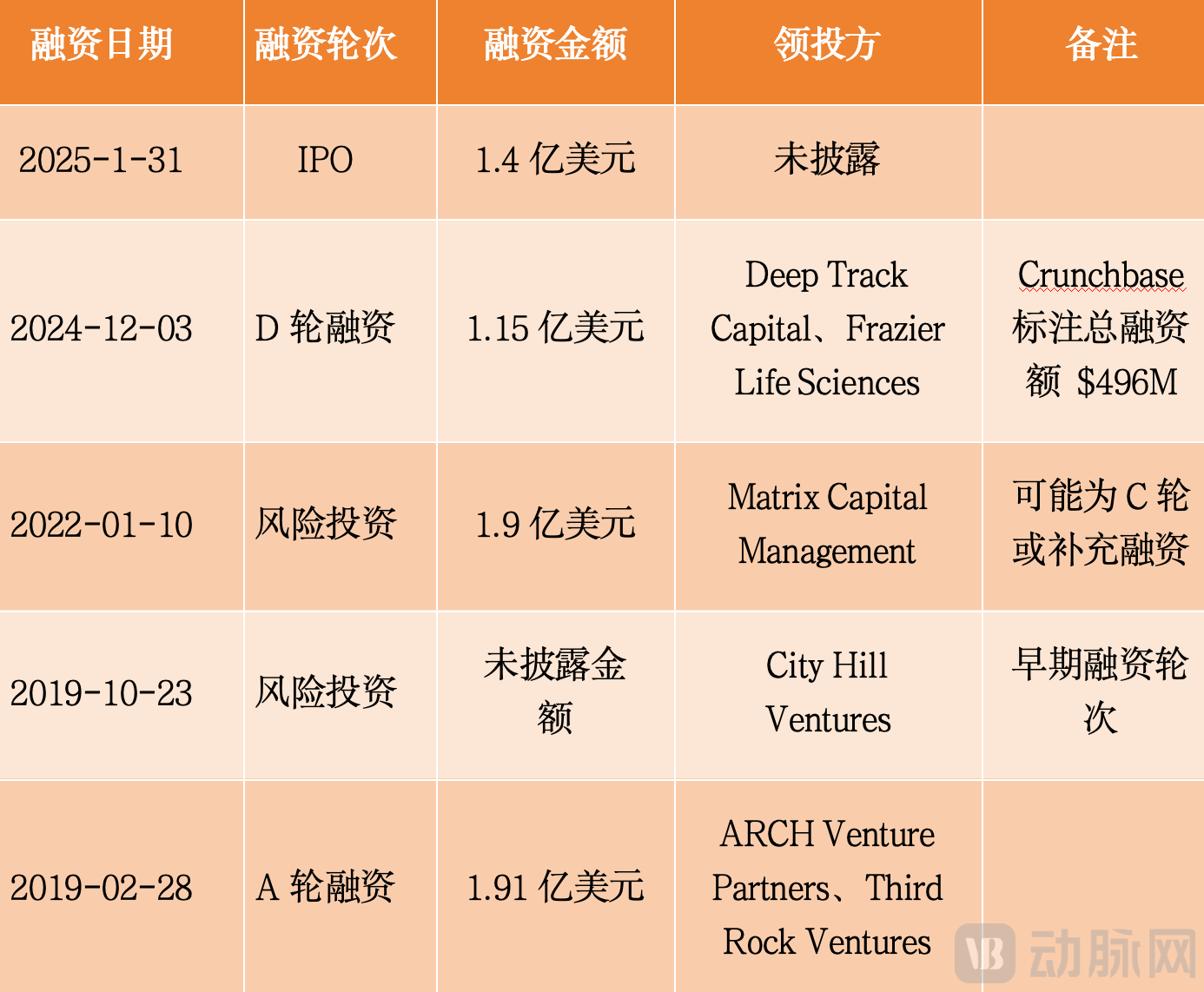
Maze Historical Financing (Source: Crunchbase)
Multiple rounds of large-scale financing and BD are attributed to Maze's team, which combines academic insight with industrial transformation capabilities.
Dr. Jason Coloma is the CEO of Maze Therapeutics. Prior to his appointment as CEO, he served as the Chief Operating Officer of Maze Therapeutics and as a Venture Partner at Third Rock Ventures.
Dr. Bernstein is the Chief Medical Officer of Maze Therapeutics. With over thirty years of experience in basic scientific research, translational medicine, and clinical development, he is primarily responsible for the strategic development of novel gene-based drugs.
Atul Dandekar is currently the Chief Strategy and Business Officer of Maze Therapeutics, comprehensively responsible for the company's strategic planning, partnership expansion, corporate development, and portfolio management. Prior to joining Maze Therapeutics, he served as the Global Franchise Head of Ophthalmology at Roche, leading the formulation of the global ophthalmology business strategy and spearheading the development of faricimab, the ranibizumab PDS, and an industry-leading pipeline for retinal diseases.
Clinical data yet to be tested, APOL1 treatment competition fierce
At present, there are still many challenges yet to be overcome for Maze Therapeutics:
In clinical manifestations, the Phase II trial of MZE829 will be the first to validate efficacy in real patients. APOL1 nephropathy exhibits extremely high heterogeneity—approximately 80% of individuals carrying high-risk mutations never develop the disease during their lifetime, making the identification of the 20% of progressive patients crucial.
In terms of market competition, giants such as Novartis and Vertex are also laying out plans for APOL1 mutation-targeted therapies. If they receive approval first, it may squeeze the market space for Maze Therapeutics.
Overall, the competition among giants in the APOL1 field has entered the white-hot stage of clinical validation: Vertex temporarily takes the lead with its first-mover advantage and breakthrough designation, while Maze seeks differentiated advantages through precise stratification and a broad-spectrum indication layout. The core focus going forward will be the direct comparison between Vertex's Phase III data in 2025 and Maze's Phase II results in 2026, which will influence the allocation landscape of the billion-dollar AMKD market.