Genentech Terminates $1.7B Collaboration with Bicycle Therapeutics Amid PDC Setbacks

Bicycle Therapeutics
Cancer Treatment Drug Developer

Genentech
Pharmaceutical R&D Manufacturer
 On August 8, 2024, Bicycle Therapeutics announced that it would reduce its workforce by approximately 25% in order to extend its cash runway to 2028. The company stated that this move was based on the need to address the "changing macroeconomic environment" and "ongoing market uncertainties."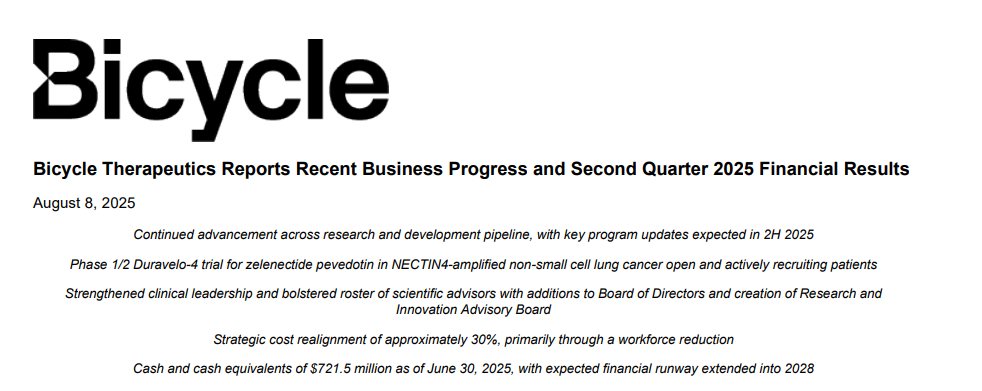
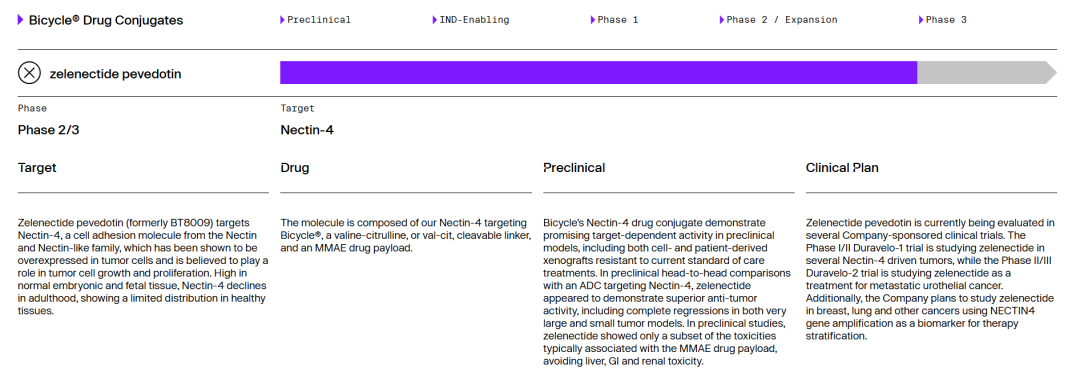
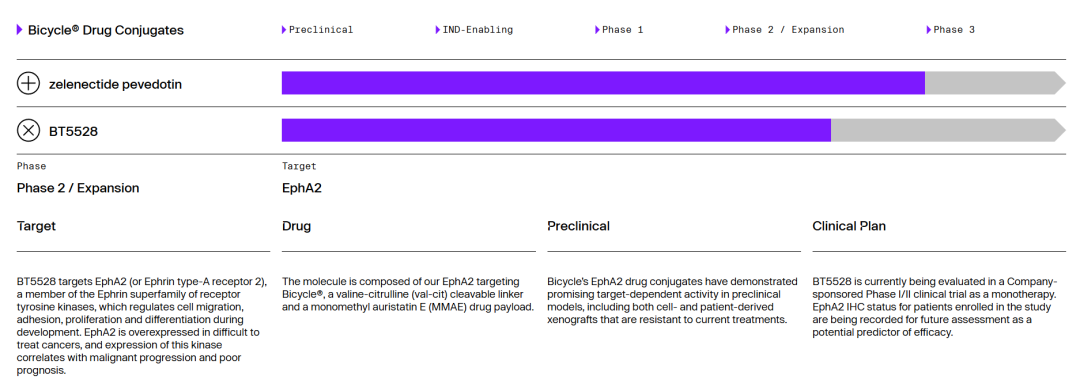
This restructuring will focus resources on advancing the development of its core oncology assets, including zelenectide pevedotin and BT5528.
The company also disclosed that it would terminate the multi-year research collaboration with Genentech, a division of Roche. The collaboration, which began in 2020 and was valued at up to $1.7 billion, aimed to develop so-called "Bicycle" peptides for up to four immuno-oncology programs. In reality, two projects were terminated in 2024 and early 2025. Last month, Genentech decided to terminate the entire cooperation agreement, a decision that will take effect in August.
The collaboration between the two began in early 2022.Bicycle Therapeutics and Genentech are collaborating on the discovery and preclinical development of novel Bicycle-based immunotherapies targeting multiple targets. Under the agreement signed in February 2020, Genentech was granted two collaboration expansion options, each allowing it to add a new research program to the collaboration and pay Bicycle $10 million. In October 2021, Genentech exercised the first expansion option; the exercise of this second expansion option will trigger an additional $10 million payment. It is important to note that none of the compounds in Bicycle’s wholly owned oncology pipeline, including immuno-oncology candidates, are within the scope of this collaboration.
Now, Genentech has chosen to fully terminate the agreement cooperation.
Bicycle Therapeutics is known for its PDC.PDC, or Peptide-Drug Conjugates. This drug format has always been controversial due to its short half-life, which makes it difficult for the drug to achieve sufficient exposure in the tumor microenvironment, and its therapeutic window is also very narrow. Its efficacy is only slightly better than that of traditional chemotherapy drugs, and it may not be able to compete with ADCs. The advantage of ADCs lies in their long half-life, which provides ample time for the drug to be exposed as much as possible in the tumor microenvironment.
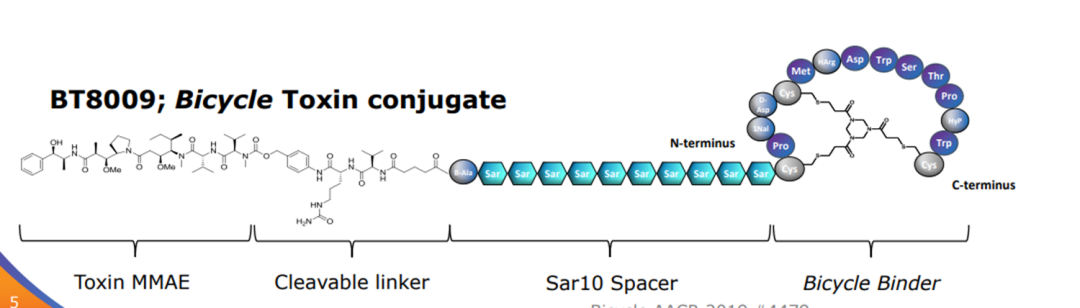
In 2022, from the results of BT8009 (Nectin-4 PDC) published by Bicycle Therapeutics, it showed equal or slightly better advantages, but it is still difficult to gain recognition in the U.S. market, resulting in a sharp decline in stock price.
Turning back to this round of layoffs, CEO Kevin Lee stated that the layoffs are part of a broader operational streamlining effort, which will "provide us with operational flexibility to deliver potentially value-creating datasets in an uncertain market environment, while strengthening our financial position." As of the end of June, the company had cash reserves of $721.5 million.
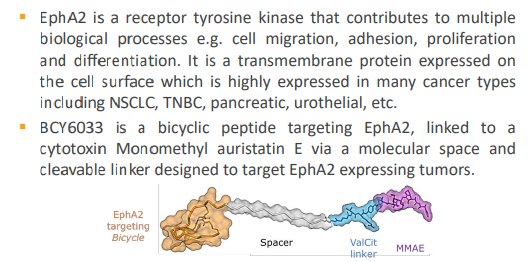
Bicycle Therapeutics is developing Zelenectide Pevedotin, a "Bicycle" Toxin Conjugate (BTC) targeting Nectin-4, for the treatment of metastatic urothelial carcinoma (mUC) and other tumors. Meanwhile, the company is advancing the clinical research of BT5528 (targeting EphA2) and establishing a fully self-developed pipeline of radioconjugates.
In December last year, Bicycle Therapeutics announced early clinical results of zelenectide pevedotin in the Phase I/II Duravelo-1 trial: In the primary target population—patients with bladder cancer—the overall response rate (ORR) reached 60% when used in combination with Merck & Co.'s PD-1 inhibitor Keytruda (pembrolizumab), although many responses had not yet been confirmed at the data cutoff. Higher response rates were observed in biomarker-driven subgroups of lung and breast cancer patients, which, despite smaller sample sizes, drew the attention of analysts.
Meanwhile, Bicycle expects to update the dosing regimen for the Phase II/III Duravelo-2 registrational study following a meeting with the FDA in the fourth quarter and discuss the accelerated approval pathway for zelenectide pevedotin in metastatic urothelial cancer (mUC). As part of the restructuring, the company has also paused the planned Phase I/II Duravelo-5 trial, which was intended to be conducted across multiple tumor types.
In May last year, the company raised $555 million through a private placement, increasing its cash reserves at the time to approximately $1 billion to support multiple R&D projects. Since then, R&D expenditures have increased significantly, with R&D expenses reaching $71 million in the second quarter of 2025, up from $40.1 million in the same period last year, primarily driven by clinical activities related to zelenectide pevedotin.
Relatively speaking, from the cash flow level, Bicycle still has a certain safety baseline. However, considering the development difficulty of PDC and the clinical efficacy being lower than expected, the interest of MNCs in this field has been greatly reduced. Genentech's termination of the comprehensive cooperation agreement this time is undoubtedly another blow to the already quiet PDC track.
However, this does not surprise me. The nature of drugs is the art of balance. While Bicycle Therapeutics pursues high permeability of PDCs, it inevitably brings metabolic disadvantages.


All articles reprinted by this official account are intended to convey more information, with the source and author clearly indicated. Media or individuals who do not wish to be reprinted can contact us (cbplib@163.com), and we will immediately delete the content. All articles represent the views of the author and do not represent the position of this website.