Home Innovative Drugs and Therapies Gain Approvals as Pudong's Biopharma Sector Demonstrates Sustained Momentum
Innovative Drugs and Therapies Gain Approvals as Pudong's Biopharma Sector Demonstrates Sustained Momentum

Aug 11, 2025 17:08 CST Updated 17:08
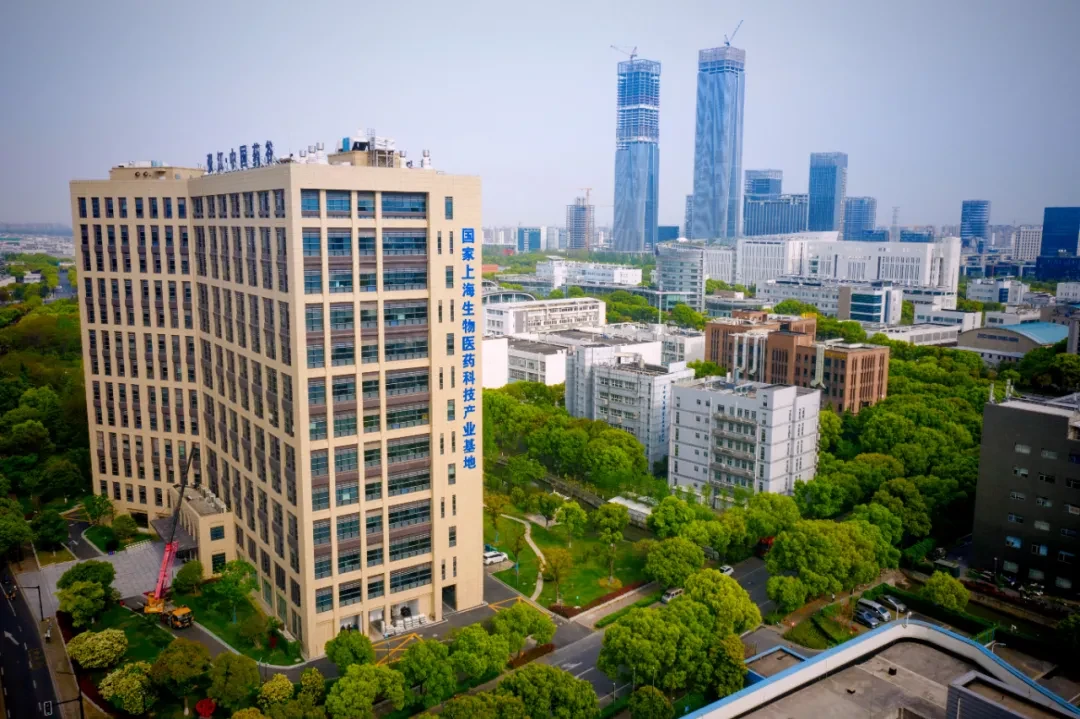
Hrain Biotechnology

Developer of Tumor Immunotherapy Technology R&D

图片

Recently, there have been new developments in the Pudong biopharmaceuticals field: Shanghai Hengrun Dasheng Biotechnology Co., Ltd's developed Reni Kiohlun Race Injection has been approved for marketing by the National Medical Products Administration. The multinational pharmaceutical company Bristol-Myers Squibb introduced China’s first approved dual immunotherapy combination treatment for lung cancer, and Henlius independently developed and produced the anti-PD-1 monoclonal antibody H drug, which completed its first batch of supplies to the Indian market...


Against the backdrop of global technological innovation, changes in policy environment, and intensifying market competition, China's biopharmaceutical industry is facing unprecedented opportunities and challenges. As one of the regions with the most complete biopharmaceutical industrial chain, the best ecosystem, the most concentrated talent pool, the most efficient R&D, and the most active innovation, Pudong adheres to the equal emphasis on R&D and manufacturing, continuously improving the innovative biopharmaceutical industry ecosystem. A steady stream of innovative products has emerged, industrial vitality continues to burst forth, and the scale of the industry keeps expanding.


Image
Image

Filling the Domestic Gap: Another China-produced Class 1 Innovative Drug Approved for Marketing
It is reported that Reni Kiohlens Injection (trade name: Hengkailai) will be used to treat adult patients with relapsed or refractory large B-cell lymphoma after two or more lines of systemic therapy, including diffuse large B-cell lymphoma not otherwise specified, diffuse large B-cell lymphoma transformed from follicular lymphoma, high-grade B-cell lymphoma with MYC and BCL2 rearrangements, and high-grade B-cell lymphoma not otherwise specified.


Notably, as China's first fully self-developed CD19 CAR-T product targeting relapsed or refractory large B-cell lymphoma (r/r LBCL), the approval of Reni Kiolis Cell Injection, a Class 1 innovative biologic, not only fills the gap for domestically produced CAR-T in this field but also marks a new phase of autonomous control in China’s immune cell therapy technology, offering solutions for more unmet clinical needs.


图片

(Image source: Pudong Release)


Heng Kai Lai®"The principal investigator of the clinical trial registered in China, Professor Peng Liu from Zhongshan Hospital Affiliated to Fudan University, stated: 'This drug has demonstrated durable remission effects in patients with this type of lymphoma and has shown excellent overall safety. Its emergence not only provides clinicians with a powerful weapon to combat this refractory disease but also brings new hope and vitality to countless patients and their families.'"


Shanghai Hengrun Dasheng Biotechnology Co., Ltd. introduced that Hengkailai®The entire process of research, development, and production is based on Shanghai Hengrun Dasheng Biotechnology Co., Ltd's proprietary intellectual property in molecular design, independently constructed process quality systems, and a closed, large-scale production platform. This has achieved the full-process localization of CAR-T cell production in China, breaking foreign technological monopolies. Particularly noteworthy is Hengkailai.®It is the first China-produced CAR-T product approved to adopt a stable-transformation cell strain virus process. The achievements of Shanghai Hengrun Dasheng Biotechnology Co., Ltd's proprietary viral vector platform successfully passed the inspection of a high-quality research project by the Ministry of Industry and Information Technology in 2023. The platform’s annual production capacity can meet the CAR-T cell preparation needs for over 10,000 patients.


Image

Benefiting More Chinese Patients, Multinational Pharma Companies Gain Consecutive Approvals for New Drugs and Therapies
In the biopharmaceutical field, a group of multinational enterprises are accelerating their innovation pace in China, continuously promoting the introduction of innovative drugs and therapies into the Chinese market, showcasing a development pattern of "integrating diversity." Recently, Bristol-Myers Squibb, a multinational pharmaceutical company in Pudong, announced Opdivo.®(Nivolumab Injection) in combination with Yivu®(The Ipilimumab Injection) regimen has been approved by the China National Medical Products Administration (NMPA), becoming the first dual immunotherapy for lung cancer to be approved in China. This is also the only currently approved dual immunotherapy in the field of non-small cell lung cancer treatment. After approval, patients in China will have the opportunity to enter a "chemotherapy-free" mode, gaining a new option for high-quality survival.


图片

(Image source: Pudong Release)


Reporters learned that Opdivo and Yervoy were approved in October 2015 as the world's first immunooncology drug combination therapy to receive regulatory approval, and have now been approved for seven types of cancer in more than 50 countries and regions worldwide. Opdivo is the first immunooncology drug approved for marketing in China, and the combination of Opdivo and Yervoy is the first dual immunotherapy approved for marketing in China. Currently, immunotherapy based on Opdivo has been approved for a total of 14 indications in China.


Qian Jiang, Vice President of Bristol-Myers Squibb and General Manager of China, stated that Bristol-Myers Squibb will continue to innovate, accelerate accessibility, and bring more breakthrough treatment options to patients in China.


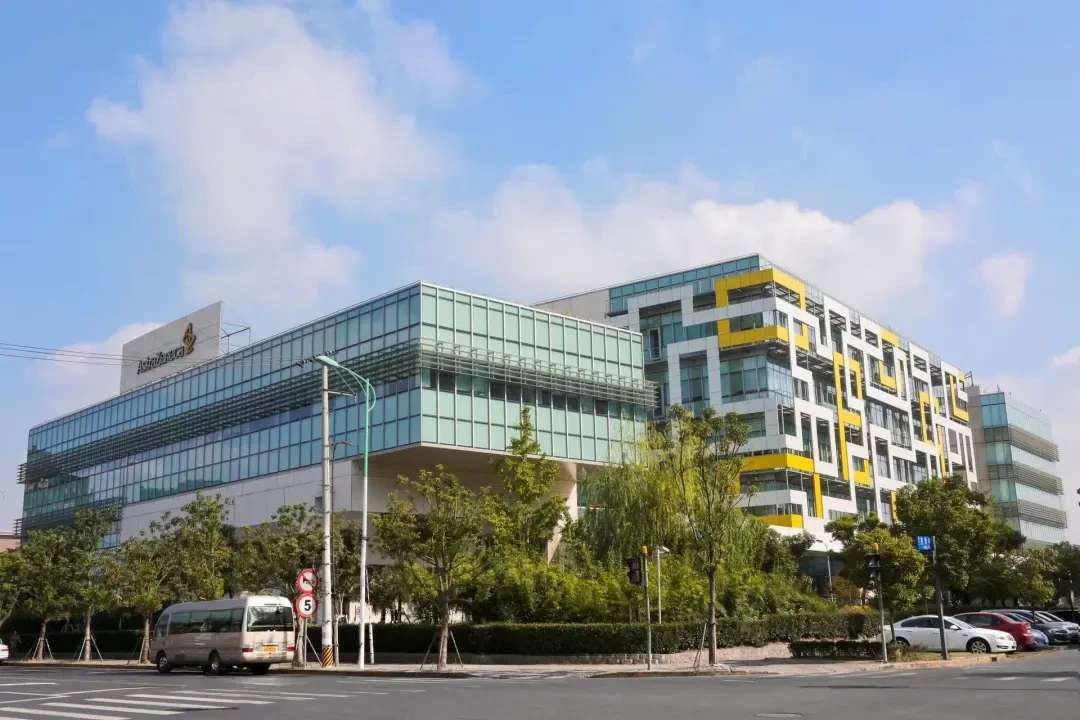
Coincidentally, AstraZeneca recently announced that its subsidiary Vilery®(General Name: Relizumab Injection) has been officially approved in China for the treatment of adult patients with neuromyelitis optica spectrum disorder (NMOSD) who are positive for anti-aquaporin-4 (AQP4) antibodies.


图片

(Image source: Pudong Release)


Neuromyelitis Optica Spectrum Disorder (NMOSD) in adults is a rare and highly disabling autoimmune disease that primarily affects the central nervous system, particularly the spinal cord and optic nerves. It is reported that NMOSD is the second indication for which Rezlidhia has been approved in China within half a year. "We look forward to accelerating the availability of innovative drugs to benefit more Chinese patients with rare diseases," said Hu Yiqing, Vice President of AstraZeneca China and Head of the Rare Disease Division.


Image

Innovative Drugs "Going Global",Henlius H Drug Completes First Batch Supply to Indian Market

In terms of innovative drugs "going global," companies in Pudong are also making continuous progress. Recently, Henlius announced that its self-developed and produced anti-PD-1 monoclonal antibody H drug (trade name: Hansizhuang)...®, Serplulimab) has completed its first batch of supplies to the Indian market, helping to meet the urgent clinical needs in the field of small cell lung cancer (SCLC).

H Drug is the world's first approved anti-PD-1 monoclonal antibody for the first-line treatment of extensive-stage small cell lung cancer (ES-SCLC). To date, it has been approved for marketing in nearly 40 countries and regions, including China, the United Kingdom, Germany, India, Indonesia, and Singapore, covering nearly half of the global population.


Huang Wei, President of Henlius, stated: "The completion of the first batch shipment of H drug to India this time not only fully verifies the efficient operation capability of our global supply system but also serves as another example of China's original innovative drugs continuously reaching the world and benefiting people globally. Since its launch, the H drug has benefited more than 110,000 patients worldwide, continuously expanding the accessibility boundary of global immunotherapy."


It is reported that H drug was approved by India's Central Drugs Standard Control Organization (CDSCO) in June 2025 for the first-line treatment of extensive-stage small cell lung cancer, becoming the first anti-PD-1 monoclonal antibody approved for this indication in India.


Currently, Henlius has six products approved for marketing in China, four products approved for international markets, and five marketing applications accepted by the Chinese NMPA, the U.S. FDA, and the European EMA. The company has proactively built a diversified and high-quality product pipeline covering approximately 50 molecules, comprehensively advancing based on its proprietary anti-PD-1 monoclonal antibody H drug Hansizhuang.®The combination therapy for tumor immunotherapy. Henglin Fuhong stated that it will continue to deepen collaboration with global partners to advance the global market launch of more high-quality drugs, benefiting more patients.


"Pudong New Area Biomedical Industry Park Functional Enhancement Plan (2025-2027)" has been recently introduced to further stimulate market vitality and promote industrial quality improvement. Next, Pudong will aim to accelerate the construction of a world-class biomedical industry park characterized by "factor aggregation, complete ecosystem, comprehensive supporting facilities, and vibrant dynamism." It will benchmark against international standards to form a "1+1+X" integrated development functional pattern, focus on Zhangjiang's renewed departure, achieve rapid growth in "3F" innovative products, major IPs, and "overseas" products, and build a global launching site for innovative drugs and medical devices, a pioneering ground for institutional reform, and the top choice for scientists and entrepreneurs.

Image

Source of the article: Published by Pudong

Image

