EdiGene Presents Breakthrough in Universal CAR-T Therapy with Single-Gene Deletion Strategy Published in Cell

Edigene
Genome Editing Technology Developer
The universal CAR-T cell therapy has some defects, including the risk of host-versus-graft (HvG) immune rejection and limited persistence in vivo. To combat GvHD, the vast majority of allogeneic CAR-T cells are engineered through T-cell receptor (TCR) knockout strategies. However, this TCR-deficient approach also limits the persistence of CAR-T cells.
A groundbreaking study published in *Cell* by Boya Jiyin (Beijing) Biotechnology Co., Ltd., Wei Wensheng's team from Peking University, and Wei Dong Han's team revealed that glycosylation shielding achieved through SPPL3 gene editing significantly reduces allogeneic immune responses without affecting TCR function, providing a new optimization direction for universal CAR-T therapy.
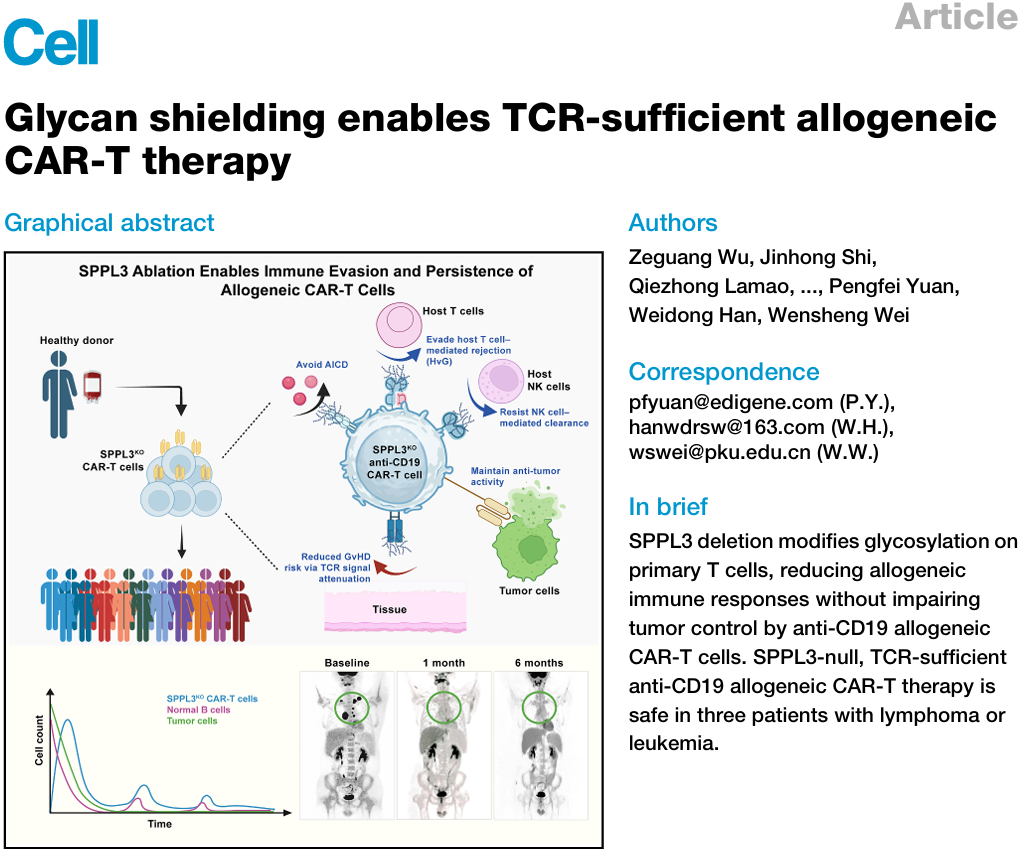
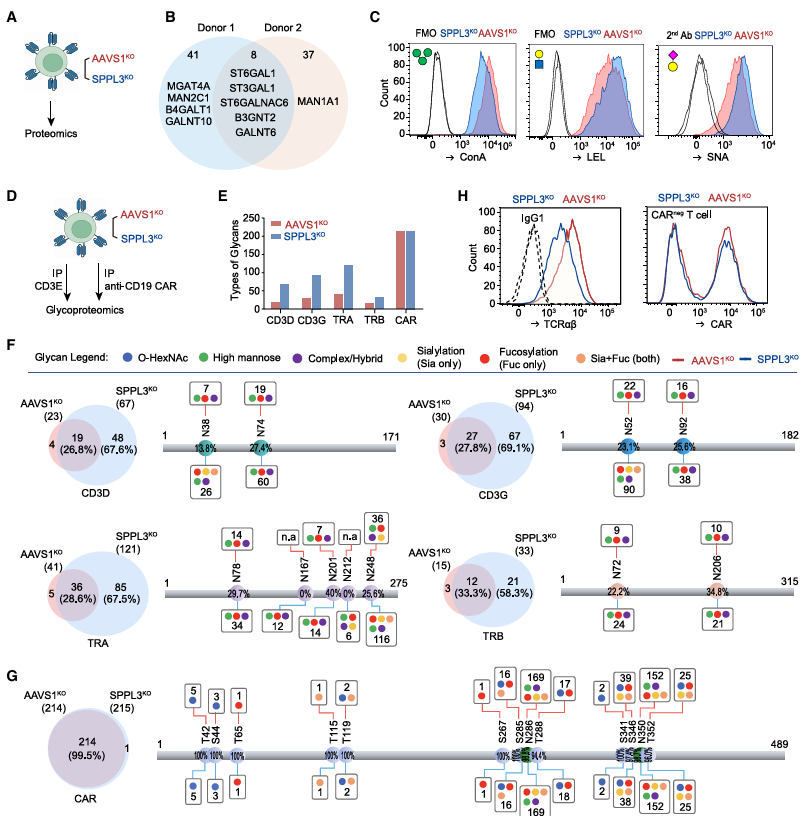
This study successfully identified signal peptide peptidase-like 3 (SPPL3) as a key regulator of glycosylation in human T cells through an unbiased genome-wide CRISPR screen. The findings revealed that,The absence of SPPL3 can increase the level and pattern of glycosylation on primary T cells.Through mass spectrometry analysis, the abundance of various enzymes involved in glycosylation increased in SPPL3-knockout T cells, indicating a change in glycosylation patterns, such as elevated levels of N-acetyl-D-lactosamine (LacNAc) and sialic acid. ThisGlycosylation modifications caused by SPPL3 deficiency effectively "shield" the accessibility of ligands on the T-cell surface, significantly reducing allogeneic immune responses.
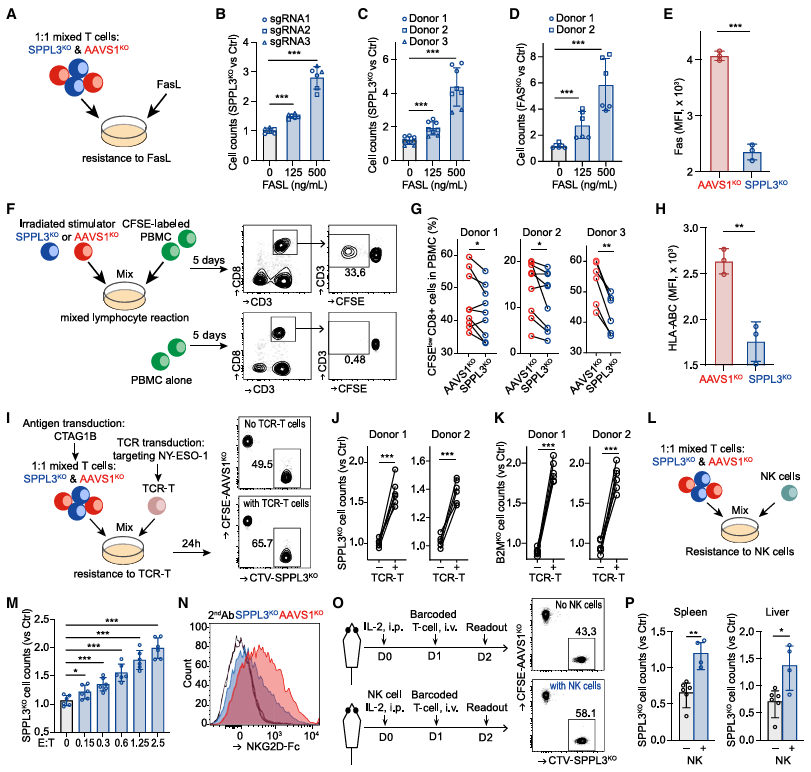
Specifically manifested asPrimary T cells with SPPL3 knockout exhibit stronger resistance to FasL-induced cell death., which may be due to the reduced binding of anti-Fas monoclonal antibody to SPPL3 knockout T cells. Meanwhile, in a one-way mixed lymphocyte reaction (MLR),The ability of SPPL3-knockout T cells to stimulate allogeneic T cell proliferation is weakened., which is consistent with the observed reduction in anti-HLA-ABC monoclonal antibody binding on SPPL3 knockout T cells, indicating its evasion of allogeneic T cell recognition through the TCR-HLA axis.The absence of SPPL3 also confers resistance to natural killer (NK) cell-mediated killing in T cells., and this resistance is independent of B2M expression but may be related to the weakened binding of activating receptor ligands (such as NKG2D).
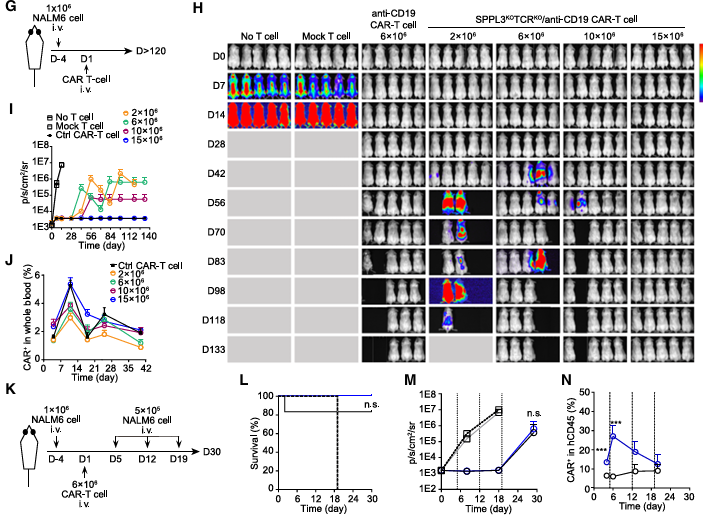
Although the absence of SPPL3 significantly altered the glycosylation patterns and total levels of the TCR/CD3 complex,And led to a significant reduction in TCR detection., but it has no effect on the composition and abundance of CAR molecules, ensuring that the anti-tumor function of anti-CD19 CAR-T cells remains unaffected. Functional studies also confirmed that anti-CD19 CAR-T cells with SPPL3 knockout have cytotoxic capabilities comparable to the control group and exhibit a higher proliferation advantage under repeated stimulation. In in vivo models, CAR-T cells with SPPL3 knockout can effectively inhibit tumor growth and improve animal survival rates.
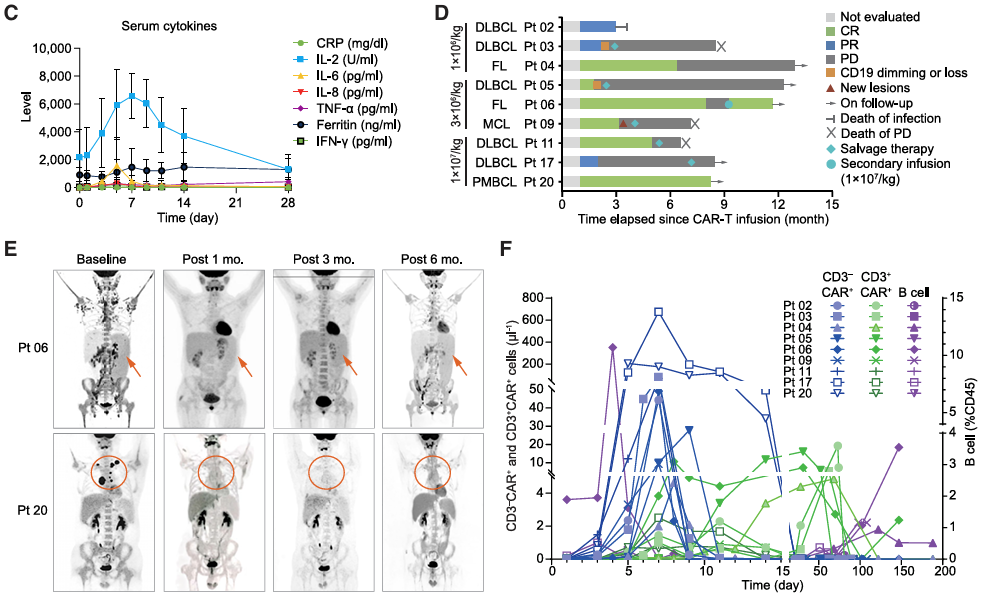
These preclinical results prompted researchers to initiate two clinical trials. First, a Phase I clinical trial (NCT06014073) in patients with relapsed/refractory B-cell non-Hodgkin lymphoma (B-NHL) evaluatedSafety of SPPL3-Deficient and TCR-Knockout Anti-CD19 Allogeneic CAR-T CellsThe results showed that among nine patients, no dose-limiting toxicity (DLTs) or GvHD was observed. The most common adverse effects were lymphocytopenia, anemia, thrombocytopenia, and cytokine release syndrome (CRS). Three patients (33%) experienced grade 3 or higher CRS, and three patients (33%) developed immune effector cell-associated neurotoxicity syndrome (ICANS). One finding was,Despite the extremely low content of CD3+ cells in the infusion product, the residual CD3+CAR+ T cells in the patient's peripheral blood showed significant expansion and persistence, strongly suggesting the critical role of TCR in maintaining T-cell longevity.In these patients with elevated CD3+CAR+ T cells, two patients developed mild rashes, classified as Grade 1 skin reactions, which were self-limiting and potentially attributed to the weakened TCR signaling caused by SPPL3 deficiency.
Based on the key role of TCR in T cell persistence and the discovery that SPPL3 deficiency can attenuate TCR signaling, the researchers designedPhase II Clinical Trial(NCT06323525), aimed to evaluateSafety of SPPL3-Deficient but TCR-Sufficient Anti-CD19 CAR-T CellsIt is expected that this design can maintain long-term anti-tumor activity while reducing the risk of GvHD. Although the study is still recruiting, the researchers provided clinical data from three patients who received the therapy under compassionate use.
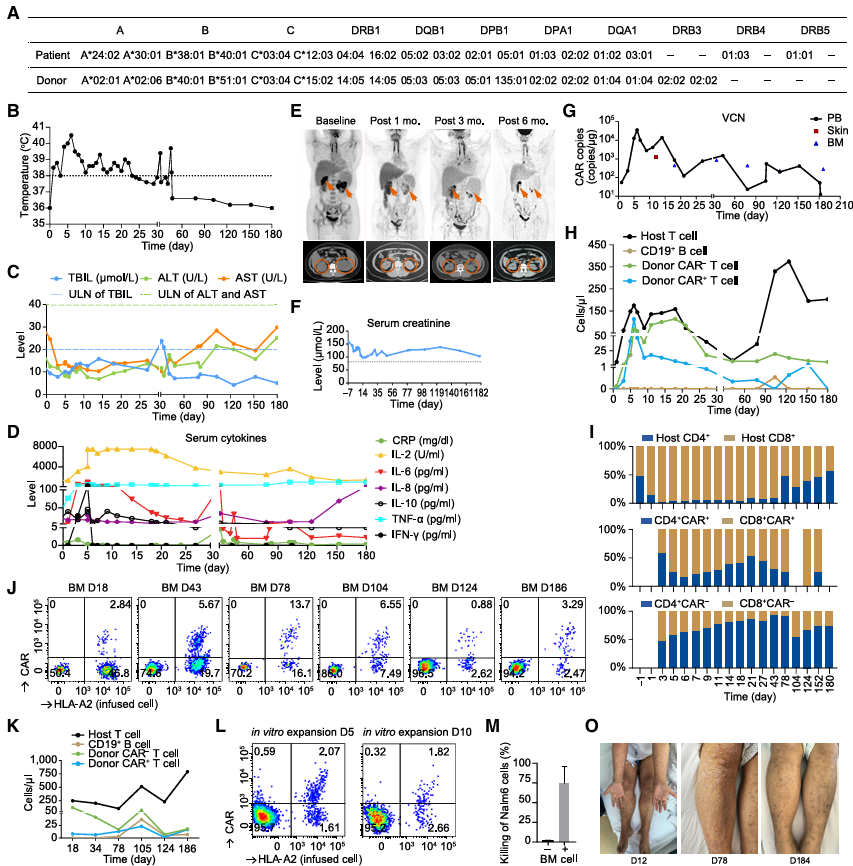
Patient C01,A 33-year-old female patient with diffuse large B-cell lymphoma received treatment despite a 3/12 HLA match with an unrelated donor. After treatment, the patient experienced prolonged fever but maintained normal liver function. She developed grade 1 CRS and grade 2 ICANS, both of which resolved after treatment.The patient achieved complete remission (CR) one month after infusion, which persisted at three months and six months.CAR-VCN levels remained consistently detectable in the patient's peripheral blood, skin, and bone marrow. CAR+ T cells peaked on day 6 and successfully suppressed B-cell recovery for up to 180 days.
CAR+T cells persisted in the patient's bone marrow for up to 6 months, and in vitro studies confirmed that these CAR-T cells retained potent tumor-killing activity. The patient developed a grade 1-3 rash on day 8, but skin biopsy showed no signs of classic GvHD, and the rash spontaneously resolved without immunosuppressive treatment. The researchers proposed the concept of "Bidirectional Allogeneic T-cell Reaction Syndrome" (BATCRS), defining it as a simultaneous, mild, interactive immune state between donor and recipient T cells in an allogeneic setting, distinct from classic GvHD. It is typically self-limiting and shows poor response to IL-6 targeted therapy.
Patient C02,A 27-year-old female patient with primary mediastinal large B-cell lymphoma received treatment despite a 2/12 HLA match with an unrelated donor. She developed grade 2 CRS, no ICANS, accompanied by mild rash and no evidence of acute GvHD. The patient achieved partial remission (PR) at 1 month.
Patient C03,A 34-year-old male patient with high-risk mixed lineage leukemia (MLL)-rearranged B-cell acute lymphoblastic leukemia (B-ALL) received SPPL3-knockout CAR-T cell therapy under complete HLA mismatch (0/12). He experienced grade 1 CRS and grade 1 ICANS, without liver or skin involvement, and no signs of acute GvHD. The patient achieved minimal residual disease (MRD)-negative complete remission (CRi) on days 14 and 28.
Integrating these data, the study provides several key findings.SPPL3 Is Identified as a Key Gene Target for Promoting Allogeneic T-Cell Persistence.The reverse translational results of this study highlight the critical role of TCR in promoting T cell persistence, particularly in universal CAR-T cells where TCR is often intentionally disrupted to mitigate GvHD.In the SPPL3-knockout anti-CD19 CAR-T cell therapy, no definitive evidence of Grade 2 or higher GvHD was observed.This work demonstrates the successful expansion and persistence of SPPL3-knockout anti-CD19 CAR-T cells in patients, effectively controlling the tumor. These findings collectively indicate thatGlycosylation Shielding CAR-T CellsAs a potential universal treatment method.
However, the higher incidence of CRS observed in the study may be related to increased tumor burden, robust CAR-T cell expansion, and BATCRS responses in an allogeneic setting. Furthermore, a comprehensive evaluation of GvHD remains critical, especially considering the potential presence of rare high-affinity TCR clones targeting host cells in a heterogeneous HLA background.Although SPPL3 knockout CAR-T cells partially reduced the detection of HLA and TCR molecules, a certain degree of interaction is unavoidable.This interaction may enhance the graft-versus-tumor effect of host T cells through IL-2 availability or alloantigen priming mechanisms. Finally, further research is needed to evaluate the safety and efficacy of extending this approach to the field of solid tumors.
References:Glycan shielding enables TCR-sufficient allogeneic CAR-T therapy


Warm Tips