

From Lab Discovery to Clinical Pipeline: Professor Yan Shi of Tsinghua University Unveils Treg 'Brake' Mechanism and Launches Bodicure Therapeutics with First-in-Class Immunomodulatory Programs

Benerhera
Innovative Immunotherapy Technology Researcher
During his Ph.D., Professor Yan Shi studied under Professor Charles Lutz at the University of Iowa, focusing on the cytotoxicity of EBV. He then joined the University of Massachusetts Medical School to work under Professor Kenneth Rock, researching immune danger signals. After establishing his lab at the University of Calgary in Canada, he collaborated with Professor Matthias Amrein to invent a single-cell force spectroscopy instrument based on atomic force microscopy, which enabled the study of mechanical effects in the regulation of immune activation.
In 2012, Shi Yan returned to China from Canada and was invited by Shi Yigong to join the School of Medicine at Tsinghua University. His research focuses on the molecular mechanisms and translational applications of Treg immune suppression, as well as the regulation of the host immune system by intestinal microbial metabolites. In 2021, he founded Benerhera, a biopharmaceutical company targeting autoimmune and inflammatory diseases, which is committed to innovative Treg immunotherapy. The company has completed multiple rounds of financing from seed to Pre-A.
In autoimmune diseases, Treg cells act as the "brakes" of the immune system, but their function is still not fully understood, and clinical modulation methods are very limited. Building on over a decade of research, Professor Yan Shi's team from Tsinghua University started with an "accidental mechanical discovery" to not only reveal the core mechanism of Treg cell-mediated immune suppression but also successfully translate this finding into innovative Treg immunotherapy. Benerhera, a biopharmaceutical company targeting autoimmune and inflammatory diseases, has developed drug and cell therapy pipelines aimed at providing novel solutions for conditions such as inflammatory bowel disease and psoriasis.
From an unexpectedly modified mechanical device to a series of technical pipelines entering clinical pathways, Professor Shi Yan and his team have demonstrated a typical example of transforming "basic discoveries" into "industrializable" pathways. More importantly, this case itself offers insights into China's research ecosystem: interdisciplinary perspectives, a keen sense of translatability, and appropriate team and organizational division of labor can lead to more socially impactful results than the traditional pursuit of academic excellence alone.
During the interview with VCBeat, Professor Shi Yan exhibited a typical "low-profile scholar" style: not fond of appearing in public, unwilling to promote excessively, and more willing to focus his energy on scientific issues. However, he also stated that as the founder of the company, participating in external communication and internal technical supervision are indispensable responsibilities—though in terms of organizational management and business advancement, he prefers to "act as an advisor and technical supervisor," leaving operational management to more professional managers.

1Breakthrough from a Mechanical Perspective: Unveiling the "Brake" Regulatory Mechanism of Treg Cells
Regulatory T cells (Treg cells) are an important subset of T cells in the immune system that act as an "immune brake" by suppressing the activity of other immune cells, such as effector T cells and B cells, ensuring that the body can defend against foreign pathogens without attacking its own tissues.
As the "peacekeeper" of the immune system, Treg cells hold significant research value in various diseases. For instance, defects in Treg function may lead to autoimmune diseases or allergic reactions, while excessive Treg activity may weaken anti-tumor immunity or resistance to infections. Therefore, uncovering and modulating Treg cell function has become a key research direction for many immunotherapies, such as cancer immunotherapy and transplant immunotherapy.
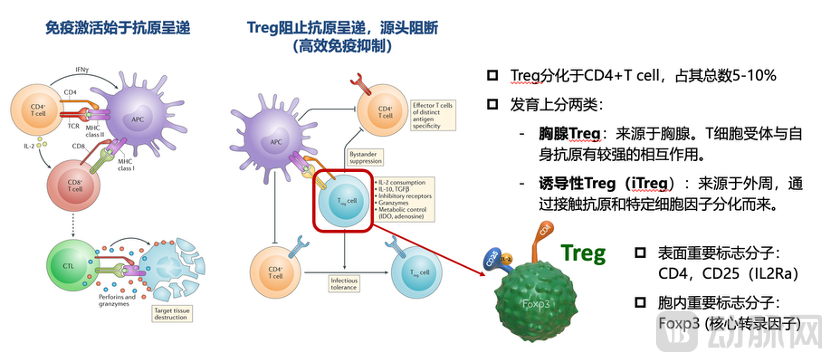
Fig: Regulatory T cells (Treg)
However, how to maintain the stability and suppressive function of Treg cells is a critical challenge. First, there are numerous subpopulations of Treg cells, and their phenotype and function are unstable in inflammatory or tumor microenvironments, easily losing their immunosuppressive function and even potentially converting into pro-inflammatory cells (such as IL-17-producing cells). Second, natural Treg cells are rare in the blood (accounting for only 1%~2% of CD4+ T cells), making it difficult to obtain the large number of cells required for clinical treatment through direct isolation. Additionally, the in vitro expansion process of Treg cells is complex, requiring strict GMP standards, and the stability and function of the expanded cells may be compromised.
Professor Shi Yan's research team's scientific journey began with early studies on "immune danger signals" and cellular mechanics. An accidental experimental phenomenon caught their attention: after high-intensity adhesion between Treg cells and dendritic cells (DC), Treg cells could inhibit the antigen-presenting function of DCs. This discovery overturned the traditional understanding that cytokines were the only pathway for Treg cell immune suppression, leading Professor Shi Yan to propose the novel hypothesis of "mechanical regulation of the immune microenvironment."
This hypothesis suggests that the immunosuppressive effects of Treg cells do not solely rely on cytokines; physical contact and mechanical forces between cells also play a critical role. The strong adhesion between Treg and DC can directly inhibit antigen presentation by DC, effectively suppressing immune responses. This mechanical action provides an immunoregulatory mechanism distinct from traditional cytokine pathways.
In fact, Professor Shi Yan's research trajectory did not start with Treg. In his early years, while studying uric acid crystals and gout, he built a single-cell mechanical measurement device to study the mechanical interactions between crystals and cell membranes.
"We used a machine that studies crystals to observe that regulatory T cells (Treg) exhibited significant strong adhesion properties when in contact with dendritic cells." It was this "accidental" finding that expanded his research perspective from traditional molecular immunology to the question domain of "how mechanics influence immune function" — a dimension that has long been overlooked but is functionally significant.
Later, Professor Shi Yan gradually shifted the lab's focus to deciphering the mechanobiological basis of Tregs. This direction carries both the depth of basic science and a clear translational pathway: if mechanics can act as a "switch" to regulate immune cell behavior, then it represents both a new drug target and a design principle for engineered cell therapies.
Further research indicates that the underlying mechanism of this mechanical effect involves a complex process of multi-level signal transduction and intracellular effector interactions. According to published literature from Professor Shi Yan's team, the expression of Foxp3, the regulation of Ryr2 (Ryanodine receptor 2) in Tregs, changes in intracellular Ca2+ concentration, and variations in mCalpain (calcium-activated neutral protease) activity ultimately affect the cleavage of Talin1 and the turnover of LFA-1 (integrin), thereby altering the mechanical performance of Tregs during contact with dendritic cells. This connection not only explains functional differences that were previously difficult to account for based solely on molecular phenotypes but also offers multiple potential points for intervention.
Beyond scientific research, this pathway also brings translational ideas that can be applied clinically: one is to induce or enhance the generation of iTreg by modulating relevant targets through small molecules or topical drugs; the other is to directly reprogram conventional CD4+ T cells into cells with Treg-like mechanics and functions via engineering methods.
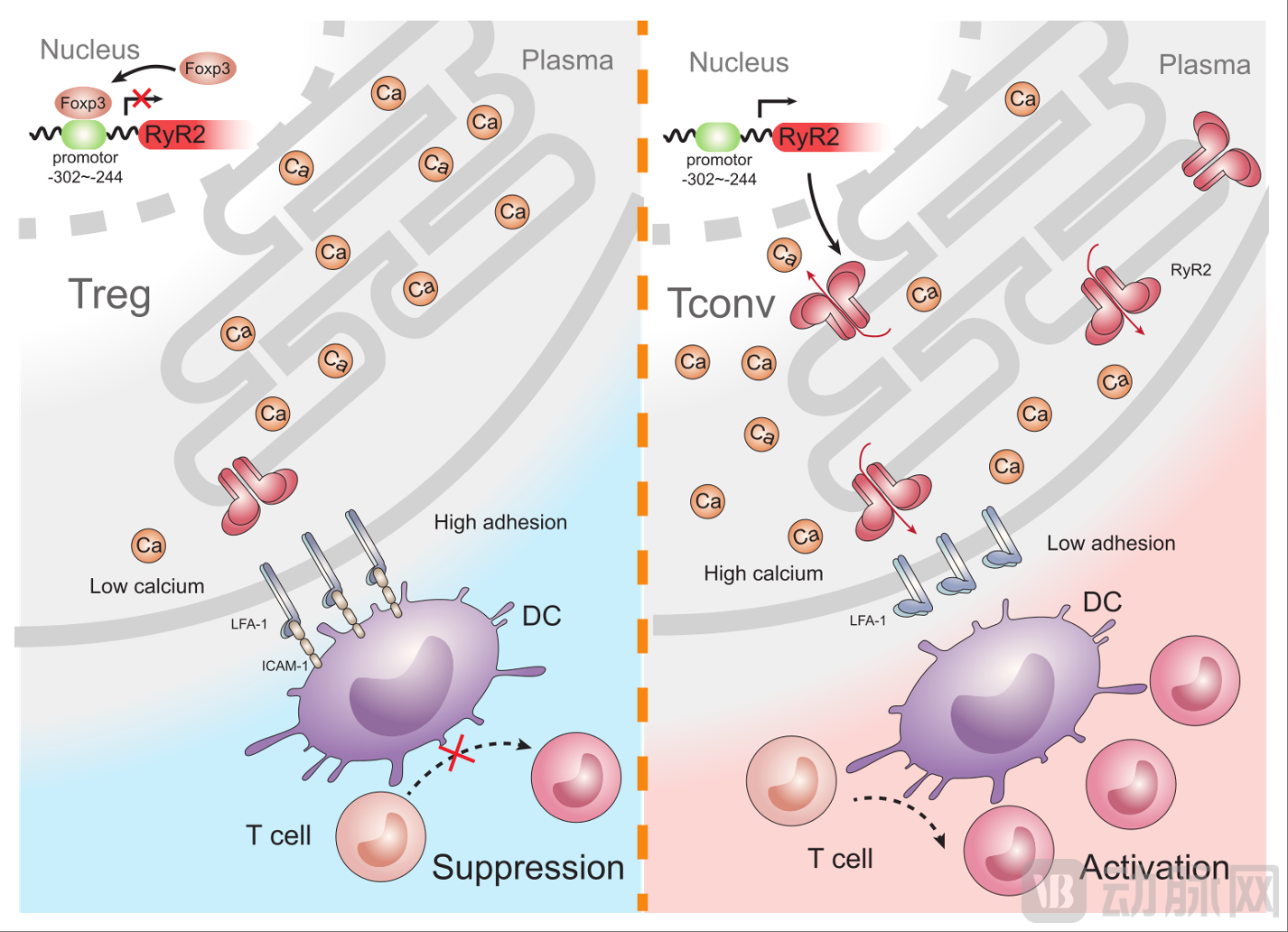
Figure: Generation of Immunosuppressive T Cells Based on Treg Immunosuppressive Pathway Targets
2From Lab to Clinic: The Translation and Pipeline Layout of Treg Technology
Statistics show that China has approximately more than 50 million patients with autoimmune diseases, with an estimated market size reaching hundreds of billions of yuan. However, current treatment methods mainly involve the long-term use of immunosuppressive drugs or hormones, which lead to poor patient compliance and carry potential risks of tumor development or infection. Even existing Treg cell therapies require regular blood collection from patients, along with separation, purification, and in vitro induction, making them operationally challenging. Moreover, the short survival period of in vitro induced Tregs after reinfusion severely limits therapeutic efficacy.
In 2021, Professor Shi Yan's team completed the Treg technology transfer with Tsinghua University and established Benerhera in December of the same year. This is a biopharmaceutical company dedicated to developing innovative Treg immunotherapies for autoimmune and inflammatory diseases. The foundation for its clinical development is based on years of research achievements by Professor Shi Yan’s team in the Treg field.

Currently, Benerhera has laid out multiple small-molecule and cell therapy pipelines around the novel mechanism of action (MoA) of Treg.
Among them, engineered cells that regulate mechanotransduction pathways transform conventional T cells into "Enforce-T" with Treg-like mechanical properties and immunosuppressive functions through gene editing or gene regulation. These cells undergo in vitro expansion and process development to address the challenges of traditional Treg therapies, such as limited cell numbers, difficulty in expansion, and loss of function after in vitro expansion. Data shows that the immunosuppressive efficiency of engineered Treg cells in vitro is comparable to that of natural Tregs. The CMC small-scale trial has been completed, and an IIT clinical trial is being planned.
In addition to cell therapy, Benerhera is also advancing two drug pipelines in the direction of small-molecule chemical drugs.
Among them, GPCRx agonist is an oral small-molecule candidate drug for inflammatory bowel disease (IBD), targeting GPCR on intestinal dendritic cells and driving their migration and iTreg induction. This orally administered enteric sustained-release formulation acts locally in the intestine, mobilizing CD11b+, CD103+, RALDH+ type intestinal dendritic cells to carry antigens into draining lymph nodes, thereby inducing the generation of peripherally derived pTreg (i.e., iTreg) and rebuilding antigen-specific immune tolerance. Currently, Benerhera’s development of BT-101 has reached the IND-enabling stage: lead compound screening completed, pharmacodynamics (DSS, TNBS, adoptive T-cell transfer models) verified, partial safety evaluation completed, with CMC and DMPK work ongoing. Clinical applications are planned to be submitted in both China and the U.S., targeting global development.
In addition, the company is also advancing another small molecule drug pipeline — Ryr2 inhibitor, mainly used for the treatment of mild psoriasis (and other autoimmune dermatitis: eczema, atopic dermatitis, etc.).
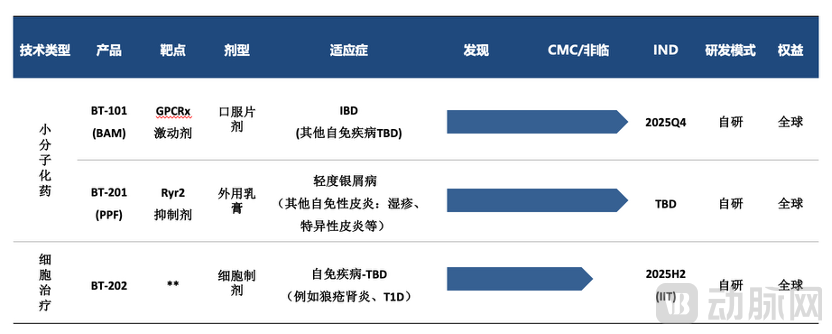
Figure: Benerhera's Layout of Small Molecule and Cell Drug Pipelines Around Treg's Novel MoA (Source: Benerhera)
"Innovative therapies based on Treg cells have broken through the limitations of traditional treatments in terms of mechanism." Professor Shi Yan believes that in the field of autoimmune disease treatment, research on Treg cells holds the potential to transform the current landscape of immune therapy. Benerhera will also continue to expand its R&D pipeline and actively advance clinical research with the aim of promoting the clinical application of Treg cells, bringing good news to patients with autoimmune diseases.
In the long run, with the continuous deepening of mechanism research, Treg cell therapy is expected to make the leap from laboratory to clinical application, providing patients with safer and more efficient treatment options, and also offering the entire industry a demonstration path from novel targets to clinical application.
3The Balance Between Research and Commerce:Technology transfer is not "a betrayal of academia"
In the biopharmaceutical field, scientists' career choices often hold clues to changes in the industry landscape. Professor Shi Yan from Tsinghua University's School of Medicine began his connection with Tsinghua through an "unexpected invitation." While serving as a professor in Canada, Shi Yan frequently returned to China for conferences. During one exchange with Fudan University, after Shi Gong learned about it, he immediately called Shi Yan to invite him to visit Tsinghua.
At that time, Tsinghua University was actively building its immunology discipline, and Shi Yigong's vision and boldness during their meeting also impressed Shi Yan. Eventually, Shi Yan decided to join Tsinghua, becoming one of the early core members of the Tsinghua University Immunology Institute. This chance invitation not only led to his in-depth academic work at Tsinghua but also contributed to the continuous development of Tsinghua’s immunology field.
Looking back on his own scientific research journey, Professor Shi Yan pointed out that only by allowing scientific discoveries to resonate with industrial needs can we truly accelerate innovation efficiency in the biopharmaceutical field and avoid the dilemma of disconnection between research and the market. He also emphasized that scientists and business managers belong to two completely different talent spectrums. Although researchers possess discovery and technical judgment abilities, enterprise operations involve commercial decisions such as financing, team management, and personnel hiring—areas where most academically trained scientists are neither proficient nor willing to take on for the long term.
Thus, he proposed a relatively pragmatic strategy: scientists can take the lead in the early stages of technology direction and IP formation, but introduce professional managers or industrialization teams as soon as possible for corporate governance and commercial advancement. Shi Yan vividly remarked that professors should return to the laboratory and hand over projects in the later stages of development to professional teams for management.
Clues can also be seen in Benerhera's growth path: The company was founded in 2021 and completed several rounds of financing from seed to Pre-A within three years, with plans to continue financing to support IND and early clinical trials. The company has chosen to establish R&D and operations in Beijing, Shanghai, and Zhejiang, while setting up a subsidiary in North America to facilitate international registration and recruit for early-stage clinical trials abroad.
"When the project reaches the preclinical stage, if further advancement will require a large amount of resources unrelated to one's expertise, it is time to consider handing it over to a professional team," said Professor Shi Yan.
In the view of Professor Shi Yan and his team, the key to China's scientific research transformation lies in establishing a clear division of labor system: professors should focus on IP creation, producing original results with academic acumen; professional managers are responsible for the entire process operation from R&D to market launch, compensating for scientists' shortcomings in commercial thinking and management capabilities.
As the interview drew to a close, Professor Shi Yan offered very pragmatic advice to young researchers: do not sanctify academia, nor view the transformation of scientific research results as "betraying academia." Basic research and the transformation of results are not mutually exclusive; young scholars need to strike a balance between the two—having the perseverance to delve deeply into foundational research and explore the unknown, while also staying attuned to industry needs, ensuring that their research direction is rooted in scientific essence while addressing real-world demands. "An interdisciplinary perspective and awareness of translatability can generate more socially impactful outcomes than pure academic pursuits."
He also encouraged young people who are interested in commercialization to try technology transfer while they are "young and strong." Everyone should choose a role based on their interests and strengths: some are suitable for staying to continue basic research, while others are suited for engaging in enterprise management. What is important is to establish a complementary mechanism between academia and industry, rather than placing the burden of both onto one person.