

Two Novel NK Cell-Targeted Immunotherapies Enter Phase I Clinical Trials, Offering New Hope for Solid Tumor Treatment
TG ImmunoPharma
ImmunoPharma Developer
The tumor microenvironment can lead to the functional exhaustion of immune cells. How to reverse this state and explore novel regulatory targets has become a key direction for global research teams to solve the challenges of solid tumor treatment. Recently, significant clinical progress has been reported in this field — two innovative immunotherapy drugs targeting NK cell checkpoints, developed by TGI, have successively initiated Phase I clinical trials at Peking University Cancer Hospital and Fudan University Shanghai Cancer Center, with both completing the enrollment and dosing of their first patients.
Among them, the bispecific antibody drug is the first domestic product of its kind to enter the clinical stage, with no similar drugs approved globally yet, showing therapeutic potential for colorectal cancer and other target-positive solid tumors. Another monoclonal antibody drug is the second internationally and the only one domestically in the same target category, covering multiple indications such as liver cancer, melanoma, and non-small cell lung cancer. These achievements come from the team at Hefei TG ImmunoPharma Co., Ltd. (referred to as "TGI"). This clinical progress may bring new treatment options for cancer patients.
Decoding the Human Anti-Cancer Guardian: Understanding the Precision Combat Mechanism of NK Cells
In the complex immune system of the human body, NK cells are known as "natural killers" and serve as the first line of defense against tumor cells. Unlike immune cells that require activation, NK cells inherently possess the ability to distinguish "self" from "non-self" through their ligand-receptor interactions, directly identifying and eliminating cancer cells, much like the body's built-in "anti-cancer patrol team." Within the tumor microenvironment, the cytotoxic function of NK cells gradually diminishes, leading to a state of NK cell exhaustion. To sustain the fight against tumors, it is crucial to find ways to "reactivate" NK cells.
Previously, the TGI research team discovered a group of immune checkpoint targets capable of reversing NK cell exhaustion, which have been widely validated by the academic community. "Our research found that NK cells, as immune effector cells, have their activity regulated by various activating and inhibitory receptors expressed on the cell surface. Through these receptors, they can naturally recognize normal cells and tumor cells, thereby initiating multiple anti-tumor immune responses," said Dr. Sun Haoyu, CEO of TGI, in an interview with reporters.
This characteristic makes the receptors and ligands of NK cells potential immune checkpoint targets, which is also the theoretical basis for TGI's drug development. Meanwhile, TGI has developed the ABC-NKer® NKCE (NK Cell Engager) platform and utilized this platform to design TGI-15, which effectively eliminates pathogenic B cells through NK cells. Combined with its low toxicity, TGI-15 brings new hope to patients with autoimmune diseases.
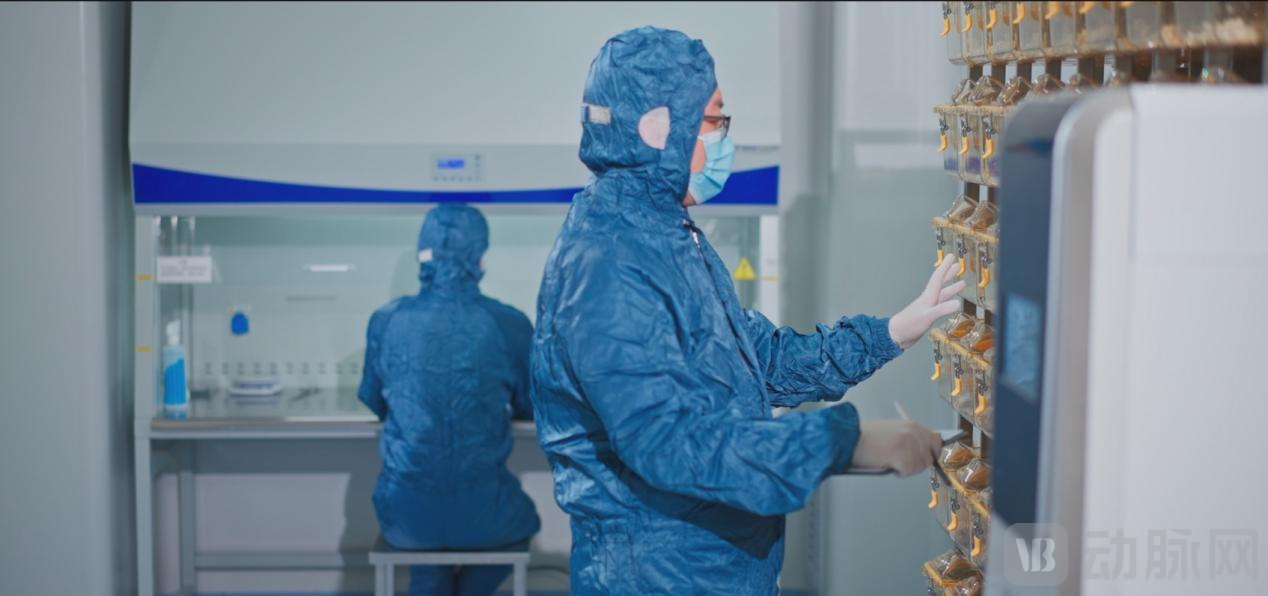
TGI Animal Laboratory
From Lab to Clinic: The Breakthrough Journey of Two "Global New" Drugs
According to reports, TGI's core product TGI-5 completed the first patient enrollment and dosing at the Fudan University-affiliated Cancer Hospital in August 2025. This novel immune checkpoint monoclonal antibody, independently developed by TGI, has received an Investigational New Drug (IND) clearance from the U.S. FDA and clinical trial approval from China’s NMPA. Currently, there are no products targeting the same checkpoint approved globally; TGI-5 is the only drug of its kind in China, the second internationally, and considered the best-in-class monoclonal antibody. As an antibody drug targeting a completely new drug target, it demonstrates high anti-tumor activity and excellent drug-like properties, primarily intended for treating colorectal cancer, hepatocellular carcinoma, HER2-negative breast cancer, melanoma, and non-small cell lung cancer.
Another core product, TGI-6, completed the enrollment of its first patient at Peking University Cancer Hospital in January of last year. It has therapeutic value for colorectal cancer and other solid tumors with positive targets and is the first bispecific antibody drug targeting the same target to enter the clinical stage in China. The clinical trial application received implied permission from the U.S. FDA and a clinical trial approval from China's NMPA. Currently, there are no approved bispecific antibody drugs targeting the same target globally. TGI-6 is one of two bispecific antibodies targeting the same target in China and globally, with significantly superior efficacy compared to competitors, better safety, and the ability to completely eliminate tumors in tumor-bearing mice with a single dose.
In addition, TGI is also very optimistic about the prospects of TCE (T cell engager) technology. Both T cells and NK cells are powerful tools in cancer immunotherapy, but T cells require antigen presentation to recognize tumor cells. The industry generally believes that the TCE field is highly promising and has the potential to overcome difficult-to-treat solid tumors. However, it can easily trigger cytokine storms, causing damage to the human body. Therefore, how to widen the therapeutic window has become a challenge for the entire TCE field.
In response to this industry challenge, TGI has developed the pH-selective TCE platform with independent intellectual property rights. By leveraging the acidic characteristics of the tumor microenvironment, the antibody drug is significantly activated only in acidic tumor tissues, thereby substantially reducing peripheral toxicity. Sun Haoyu told reporters that preclinical studies have shown that products developed based on this platform, such as TGI-10 and TGI-14, achieved complete tumor eradication in various animal efficacy models, with lower peripheral toxicity compared to similar bispecific antibody drugs.
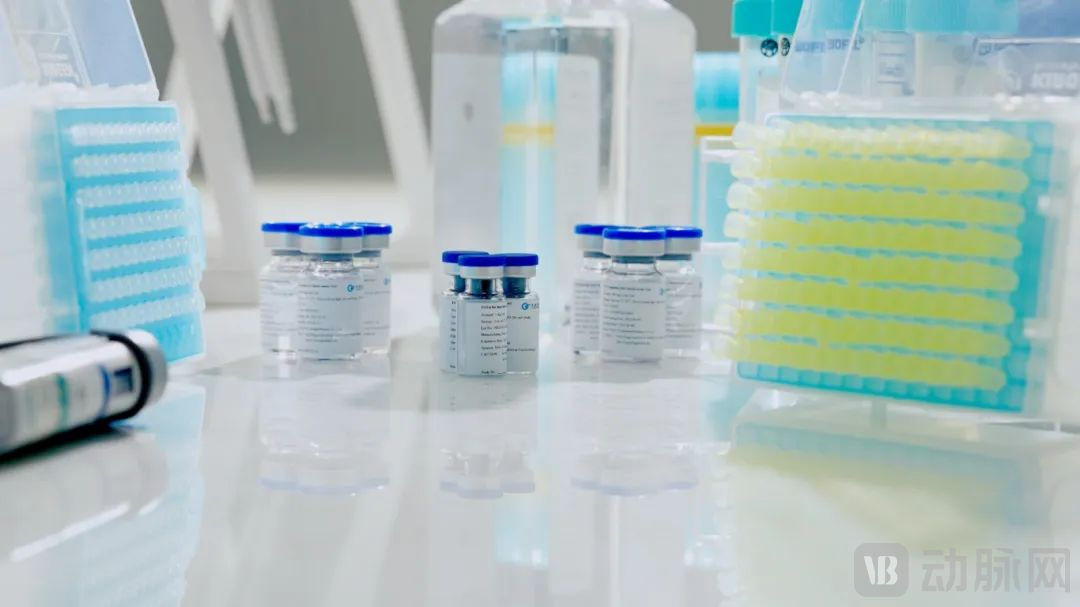
TGI has obtained approvals for three products (TGI-2, TGI-5, TGI-6) in both China and the United States.
From Academic Heights to Industrial Application: The Growth Code of Innovative Pharmaceutical Companies
The rapid development of TGI is inseparable from the academic leadership of its founder, Academician Zhigang Tian. As a dual academician of the Chinese Academy of Engineering and the European Academy of Sciences, Tian has been deeply engaged in NK cell research for over 30 years, discovering several new immunotherapy targets. He has published more than 400 SCI papers in top international academic journals such as "Science," "Cell," and "Nature Immunology." A leading figure in the field of international immunotherapy, his R&D team has ranked first globally in the number of NK cell-related publications over the past decade. The team has filed 72 patents, with 11 already approved.
As a representative enterprise of the transformation of scientific and technological achievements at the Greater Health Research Institute of Hefei Comprehensive National Science Center, TGI has grown rapidly since its establishment in 2020 under the joint efforts and cultivation of multiple parties including the Greater Health Research Institute, provincial, municipal, district authorities, and social capital in the "government-industry-academia-research-finance" sectors. It has successively received financial support from institutions such as Zhongke Chuangxing, Hefei Industrial Investment Capital, and University Town of Science and Technology. In 2022 and 2024, TGI completed Pre-A round financing of over 100 million yuan and Pre-A+ round financing of tens of millions of yuan respectively. Within five years of the company's establishment, it has built up a research pipeline covering more than 10 innovative drugs, with more than half entering the preclinical research stage.
"The entry of two drugs into the clinical enrollment and dosing phase marks an important milestone in the company's development. We will continue to advance more 'Made in China' innovative therapies from the lab to clinical settings, enabling cancer patients worldwide to benefit from these breakthrough achievements as soon as possible." Sun Haoyu revealed to reporters that TGI plans to further develop its clinical pipeline, with an expected 1-2 products entering clinical research each year. The company is also actively promoting overseas licensing for its projects and has maintained close communication with several multinational pharmaceutical companies globally.