Iaso Bio Announces 3-Year Survival Rate of Over 66% for Eque-cel in Relapsed/Refractory Multiple Myeloma

IASO Biotechnology
Cancer Treatment New Drug Developer


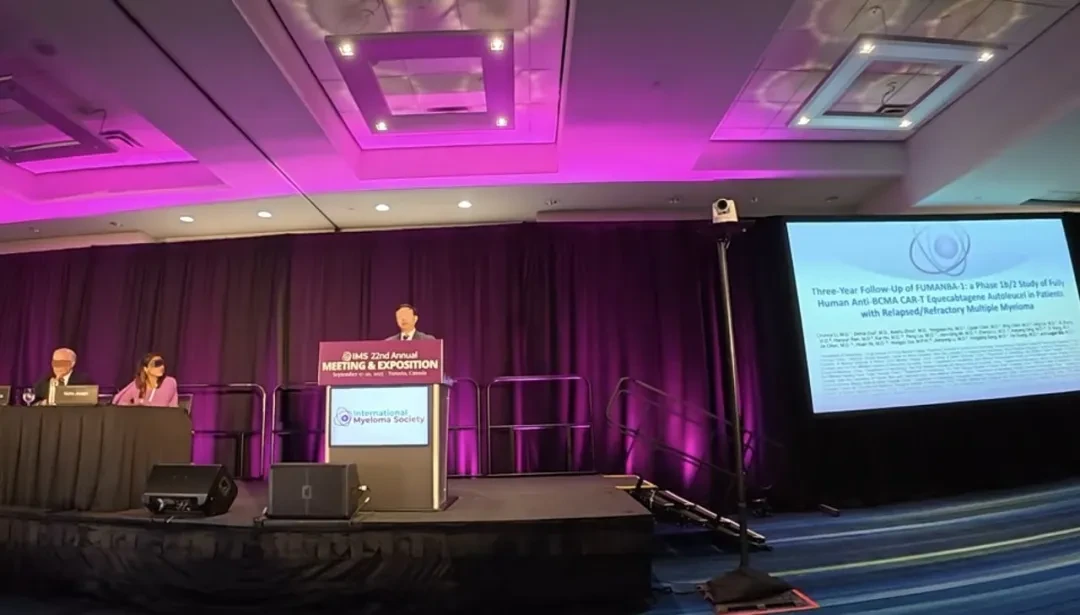
On September 19, 2025, IASO Bio announced that its self-developedFully Human Targeted BCMA CAR-T Cell Therapy Product——Eque-cel Injection (Eque-cel, Focux®)TargetingRepeatRelapsed/Refractory Multiple Myeloma (R/RMM)The FUMANBA-1 Study36-Month Long-Term Follow-Up Data Released at the Annual Meeting of the International Myeloma Society (IMS), with the final results presented in an oral report (Abstract No.: 2142568).
The results further confirm that Icarus Bio's injectable drug Icaryl can provideR/R MM patients (including those with high-risk features) experience deep and durable efficacy, with long-term safety being manageable, significantly improving patients' long-term quality of life.This achievement not only brings hope for long-term survival to patients worldwide who are trapped in treatment difficulties, but also marks that China's self-innovated CAR-T therapy has gained a solid foothold on the international stage, injecting strong "Chinese strength" into the breakthroughs in global hematological tumor treatment!
▲Source of the image“PR Newswire”`, owned by the original author, if we unintentionally infringe on intellectual property rights, please contact us for removal.`
Multiple Myeloma (MM) is the second most common hematological malignancy globally. As a malignant plasma cell tumor, it is characterized by bone destruction and extramedullary involvement. According to GLOBOCAN data, the global incidence rate of MM in 2022 was 1.8 cases per 100,000 people, with a five-year prevalence rate of 6.8 cases per 100,000 people. It is often resistant to multiple drugs and prone to relapse repeatedly. Therefore, there is an urgent need for novel treatment options that can achieve deep and durable remission.
Finally, there is a turning point in this situation. Equecabtagene Autoleucel Injection (Equecabtagene Autoleucel, Focux®) is an innovative fully human anti-BCMA CAR-T cell therapy prepared by transfecting autologous T cells using a lentivirus as a gene carrier. Its CAR structure includes a fully human scFv, CD8a hinge region and transmembrane domain, 4-1BB co-stimulatory molecule, and CD3ζ activation domain. Based on stringent molecular structure screening and comprehensive in vivo and in vitro functional evaluations, this therapy demonstrates rapid and potent therapeutic effects, along with excellent long-term persistence in the body, helping patients achieve deep and sustained remission and providing continuous treatment benefits and assurance for MM patients.
The卓越efficacy of IASO Bio's伊基奥仑赛注射液stems from its unique design: with moderate antigen affinity, it enables rapid binding and dissociation between CAR-T cells and tumor cells, achieving fast onset to eliminate tumors while avoiding overactivation. As a fully human CAR-T product, it exhibits low immunogenicity, maintaining a low exhaustion phenotype of CAR-T cells, thereby ensuring durable efficacy and sustained anti-tumor activity, ultimately prolonging patient survival.
Long-term follow-up data from the Phase 1b/2 FUMANBA-1 clinical trial released by the International Myeloma Society (IMS). The study enrolled a total of 109 patients with relapsed/refractory multiple myeloma (R/RMM), all of whom had received at least three prior lines of therapy and experienced disease progression after their last line of treatment. Among them, 12.8% had extramedullary disease (EMD), and 11% had previously undergone BCMA CAR-T therapy. All patients received lymphodepletion therapy (cyclophosphamide + fludarabine) upon enrollment, followed by a single infusion of Eque-cel (Idecabtagene Vicleucel). The results are as follows:
▲Screenshot source“PR Newswire”
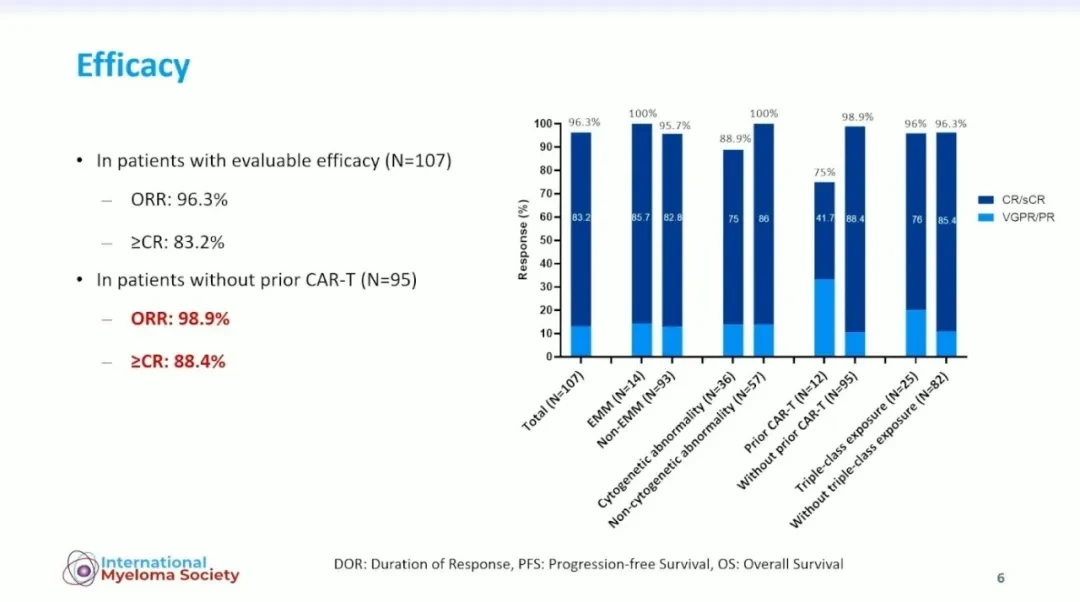
1、Excellent Performance in Response Rate: Among 107 evaluable patients,Overall Response Rate (ORR) Reached 96.3%, among which83.2% achieved complete response/stringent complete response (CR/sCR); andIn CAR-T naive patients, the efficacy is better — ORR increased to 98.9%, CR/sCR rate reached 88.4%.。
▲Source of the image“PR Newswire”`, owned by the original author, if we unintentionally infringe on intellectual property rights, please contact us for removal.`
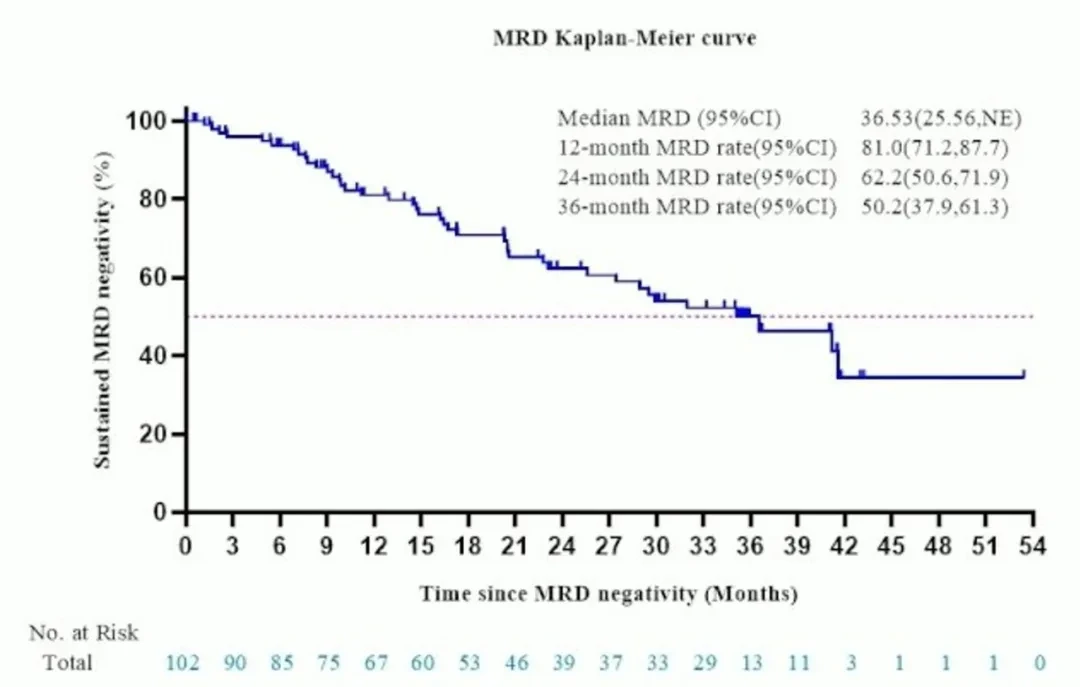
2、High and Durable MRD-Negative Rate: All patientsThe negative rate of minimal residual disease (MRD) was 95.3%., including 89 patients who achieved CRMRD negativity rate reaches 100%,The MRD-negative rate for CAR-T initial treatment patients is 98.9%.. In addition, the patientThe median duration of MRD negativity was 36.5 months.(95%CI: 25.56-Not Reached [NE]),MRD-negative rates at 12 months, 24 months, and 36 months were 81.0%, respectively.(95%CI:71.2%-87.7%)、62.2%(95%CI:50.6%-71.9%)、50.2%(95%CI:37.9%-61.3%)。
▲Source of the image“PR Newswire”`, owned by the original author, if any intellectual property rights are infringed unintentionally, please contact us for removal.`
3、Impressive Survival Data: 109 patients treated with Eque-cel,Median progression-free survival (PFS) was 30.5 months(95%CI:24.11-42.15);Median PFS Extended to 35.9 Months in CAR-T Naive Patients(95%CI:25.95-47.67),The median PFS for patients achieving CR was 39.8 months.(95% CI: 30.26-NE). The median overall survival (OS) has not yet been reached in the current patient population.66.3% of patients were still alive at the 3-year follow-up.;Median Duration of Response (DOR) was 31.3 months, with a median follow-up time of 36 months, fully demonstrating long-term efficacy advantages.
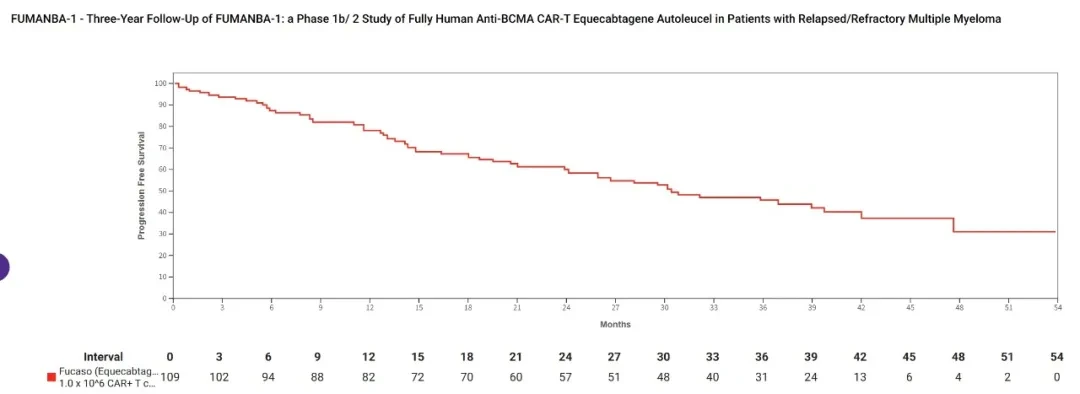
▲Source of the image“PR Newswire”`, owned by the original author, if we unintentionally infringe on intellectual property rights, please contact us for deletion.`
4、Long-term safety profile is favorable.: 93.6% of patients developed cytokine release syndrome (CRS), with only one case being grade ≥3; only two patients reported immune effector cell-associated neurotoxicity syndrome (ICANS), both of which were grade 1-2; no delayed neurotoxicity or secondary malignancy was observed throughout the process, and no new safety signals were identified. In summary, the 3-year follow-up data from the FUMANBA-1 study once again confirmed that Eque-cel, in patients with R/RMM who have undergone multiple lines of treatment (including high-risk features), canAchieving deep and durable remission, maintaining a high MRD negativity rate, and ensuring long-term safety is controllable.;Especially, the median PFS of 35.9 months for CAR-T initial treatment patients can significantly extend the treatment-free interval and improve quality of life.We look forward to this high-quality CAR-T therapy benefiting more R/RMM patients worldwide and bringing treatment hope to more families.
The remarkable efficacy of CAR-T cell therapy in the treatment of hematologic malignancies is widely recognized, and in recent years, it has also achieved several breakthrough advancements in the field of solid tumors — significant research outcomes have emerged targeting key solid tumor antigens such as GPC3, CEA, Claudin18.2, and mesothelin.
▼Potential Target Antigens in CAR-T Cell Therapy in Preclinical and Clinical Trials
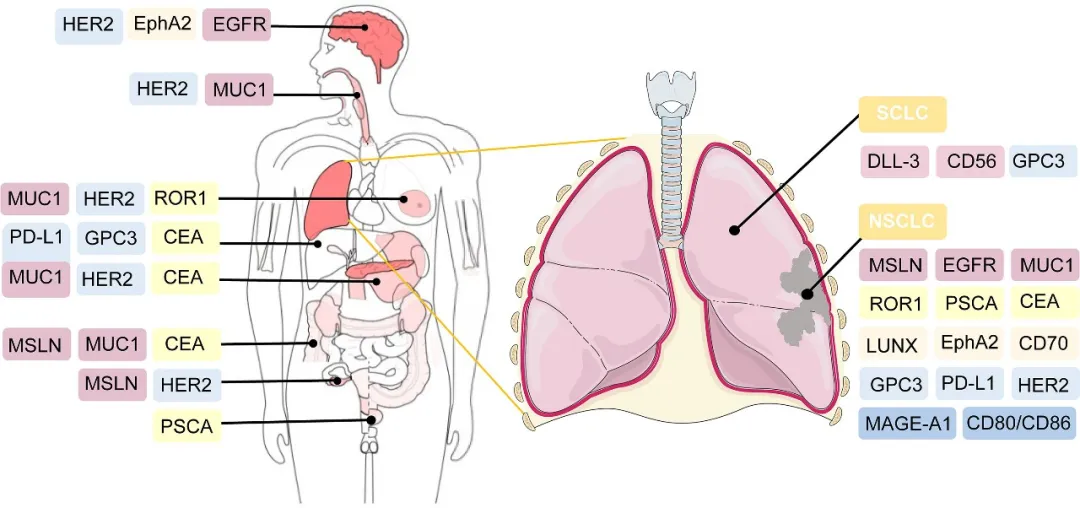
▲Source of the image"Frontiers", the copyright belongs to the original author. If we unintentionally infringe on intellectual property rights, please contact us for removal.
The good news is that multiple CAR-T clinical trials are currently recruiting, mainly targetingClaudin18.2, GPC3, GUCY2C, PSMA, CEA, Mesothelin, MUC-1, BCMA, CD1, CD20Such as targets. AndPancreatic cancer, gastric cancer, liver cancer, colorectal cancer, glioma, lung cancer, multiple myeloma, multiple myeloma, diffuse large B-cell lymphomaCancer types such as.
Patients who have undergone genetic testing can view their genetic test reports on their own. If any of the aforementioned mutations are found, they may compile their recent pathology reports, genetic test reports, and other relevant materials and submit them toGlobal Oncologist Network Medical Department (4006667998), for preliminary evaluation of whether there is an opportunity to participate in relevant clinical trials. Once the review is passed, there is a chance to receive free treatment with "astronomically priced" therapies. Patients who cannot understand their test reports or wish to clarify relevant targets may also contact the Medical Department of Global Oncology Doctors Network for detailed interpretation of the report or to learn more about the testing details.

Among them, GPC3 (glypican-3) is a heparan sulfate proteoglycan involved in the regulation of cell migration, proliferation, and survival. It is highly expressed in 72% of advanced hepatocellular carcinoma (HCC) tissues and is significantly associated with the risk of postoperative metastasis in patients. In contrast, GPC3 expression has not been detected in normal liver, cirrhotic liver, or benign liver lesions (such as dysplastic nodules and hepatic adenomas). This "present in cancer, absent in normal" characteristic makes GPC3 an ideal target for targeted liver cancer therapy—enabling precise identification of cancer cells while avoiding damage to healthy liver tissue.
Based on this, the researchers conductedThe World's First Clinical Trial of CAR-T Cell Therapy Targeting GPC3 for Hepatocellular CarcinomaRelevant data were simultaneously published in the prestigious international oncology journal, *Clinical Cancer Research*. The study enrolled 13 patients with advanced hepatocellular carcinoma, with a median age of 51 years (range: 34-70 years). All patients had refractory disease that progressed after surgery, local therapy, or systemic treatment, and no standard treatment options were available. After confirmation of GPC3 antigen positivity on tumor cells, patients were enrolled to receive CAR-GPC3 T-cell infusion therapy.
The results showed that: among the 13 patientsTwo cases achieved partial remission (PR), with significant reduction in tumor lesions.;The 3-year, 1-year, and 6-month survival rates were 10.5%, 42.0%, and 50.3%, respectively.,Median Overall Survival (OS) Reached 278 Days(95% CI: 48-615 days) (see figure below). The good news is that clinical research on GPC3 CAR-T is currently underway in China.Read the original article for more details: [Free Recruitment for CAR-T Cell Therapy] OriC902 GPC3 CAR-T Therapy Finally Launches Clinical Trials! Currently Urgently Recruiting Liver Cancer Patients!
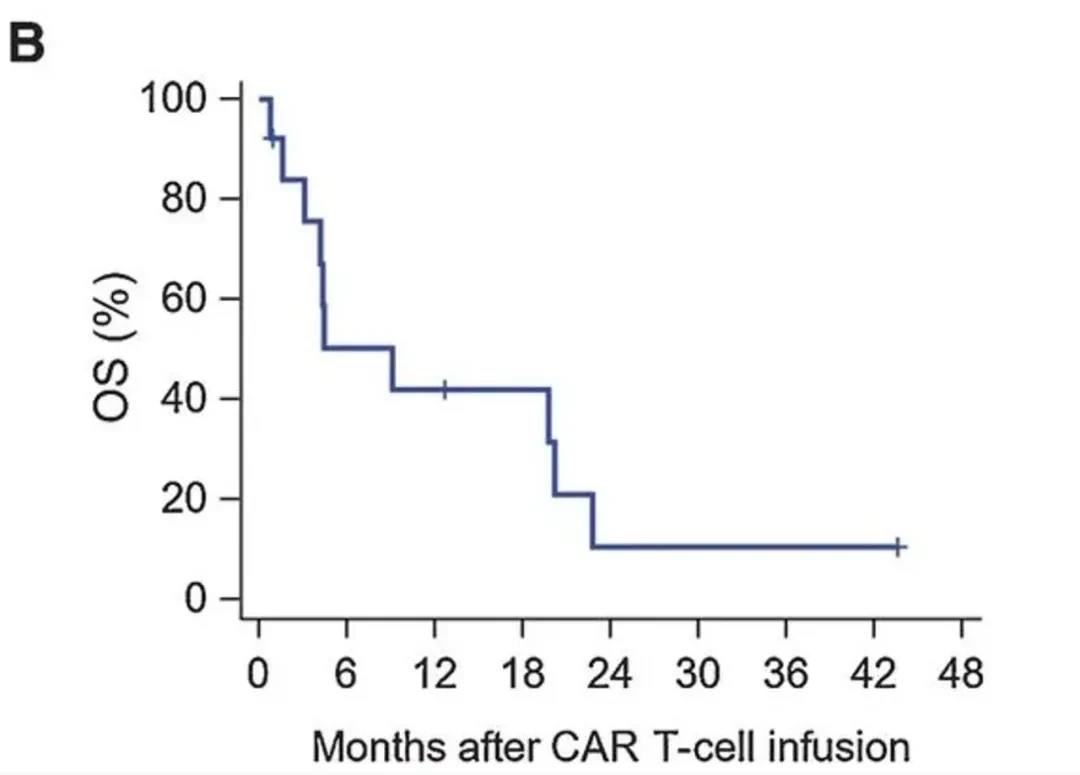
▲Source: “AACR”, all rights reserved. If we unintentionally infringe on intellectual property, please contact us for removal.

Among them, the treatment of patients P3 and P13 is particularly noteworthy, especially the remarkable efficacy observed in P3. This patient is a 50-year-old male with a history of multifocal hepatocellular carcinoma for more than 2.2 years. Before enrollment, his GPC3 IHC staining intensity score was 3+ (strongly positive). After receiving CAR-GPC3 T cell therapy,CT shows the lesion reduced from 31.0×27.8mm to 12.2×9.5mm., after evaluation reachedPartial Response (PR),Progression-Free Survival (PFS) Reached 111 Days, providing a breakthrough paradigm for the treatment of advanced liver cancer.
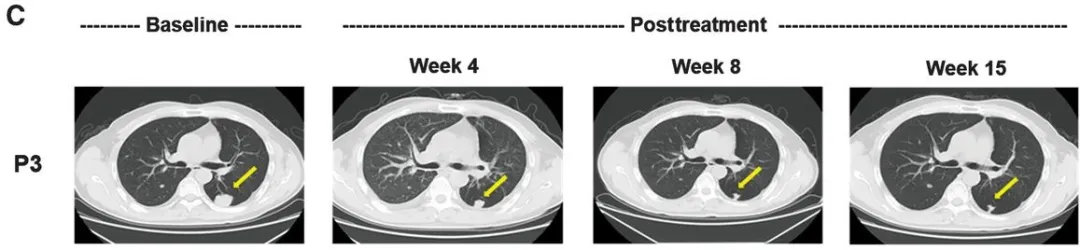
▲Source: “AACR”, all rights reserved. If we unintentionally infringe on intellectual property, please contact us for removal.
Recently, KT032, a new type of CAR-T cell therapy developed by IASO Bio, has attracted widespread attention.First-in-Human Clinical Trial Shows Promising Results——Disease control rate reaches 100% in ovarian cancer and mesothelioma patients!
KT032 is the world's first targeted mesothelin (MSLN) multi-chain DAP-CAR-T cell therapy.In vitro cell killing assays and xenograft models demonstrated that this therapy (particularly multi-chain DAP-CAR-T formed by the combination of truncated natural killer cell immunoglobulin-like receptors with DAP12) exhibited superior cytotoxicity and tumor-killing ability compared to other NK cell activation receptor-mediated CAR-T associated with DAP12, DAP10, or CD3ζ.
The study enrolled a total of 8 patients with advanced refractory ovarian cancer or mesothelioma (7 with ovarian cancer, 1 with mesothelioma). All patients had experienced recurrence or progression after receiving at least 2 standard treatments (such as chemotherapy, targeted therapy) and were confirmed by pathological examination to have mesothelin expression in tumor cells ≥15% (mesothelin is the precise target of this CAR-T therapy).
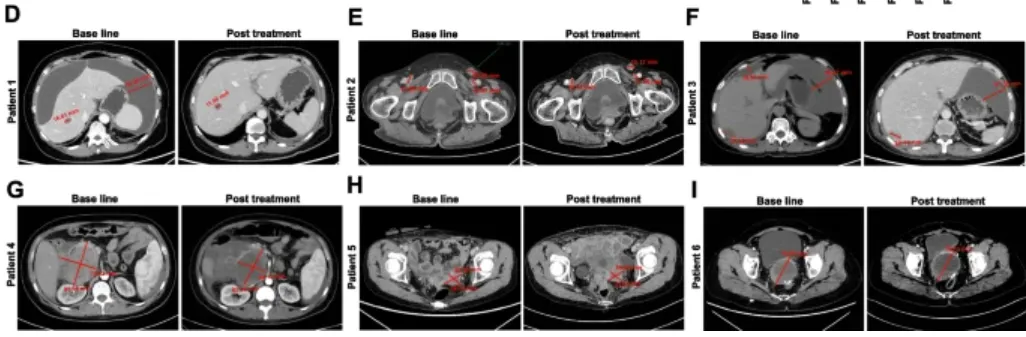
The results showed that: among the 8 patients,Six tumors were effectively suppressed, with no cases of rapid progression, achieving a 100% disease control rate (DCR).,Means CAR-T cells successfully "halt" tumor progression; PatientMedian progression-free survival (PFS) reached 5.5 months, and median overall survival (OS) reached 10.5 months, far exceeding the expected survival time for similar patients.. Some patients after treatmentCancer Antigen 125 (CA125) Levels Significantly Decreased, 4 Cases Achieved "Stable Disease"(The tumor has not increased in size or has slightly shrunk),Treatment efficacy far exceeds traditional regimens。
More notably, this therapyPartial response rate reached 33.3%: 2 patients achieved "partial response" (tumor reduction ≥30%)., among whichPatient 1: 31% reduction in liver metastases and disappearance of ascites,Patient 2 had a 42% reduction in the total maximum diameter of measurable lesions.。
Recently,C-13-X, the first China-developed CAR-T product targeting CEA to receive clinical trial approval in ChinaAt the 2025 American ASCO Conference, Nanjing IASO Bio announced breakthrough progress in its investigator-initiated clinical trial (IIT) for advanced recurrent or refractory non-small cell lung cancer (NSCLC).
C-13-X,依托专为实体瘤肿瘤微环境开发的PhiCAR®与RESCAR®技术平台,旨在攻克实体瘤微环境抑制难题,适用范围覆盖≥18周岁的CEA阳性晚期恶性肿瘤患者,包括结直肠癌、食管癌、胃癌、胰腺癌、非小细胞肺癌、乳腺癌、胆管癌等。
In the phase I clinical trial (NCT060006390) of C-13-X for the treatment of advanced metastatic NSCLC, a total of 15 refractory advanced patients who failed multiple lines of treatment were enrolled. All patients received C-13-X infusion and were included in the final analysis.
Results showed that: the enrolled patientsThe 1-year overall survival (OS) rate is as high as 71.1%, and the overall disease control rate (DCR) reaches 87%.(13/15), whereThe DCR of pulmonary target lesions was as high as 93%, and the objective response rate (ORR) reached 47%.(7/15). Notably, further analysis shows that patients with CEA expression levels ≥30% tend to experience more significant relief, suggesting that these patients may derive greater benefit from C-13-X treatment.
In addition, the survival data of C-13-X is equally impressive,The 1-year overall survival (OS) rate reached 71.1%, marking a significant breakthrough in the field of lung cancer treatment.. This achievement provides strong preliminary evidence for CAR-T therapy in solid tumors (especially advanced lung cancer), and offers new hope for lung cancer patients!
CEA (Carcinoembryonic Antigen) is a special glycoprotein that is transiently expressed during the embryonic period and only exists at low levels in gastrointestinal epithelial cells in adults. However, in various solid tumors, CEA is "abnormally active" - it is highly expressed on the surface of cancer cells in colorectal cancer, 70% of non-small cell lung cancers, 50% of breast cancers, as well as gastric cancer, pancreatic cancer, etc. This "cancer-cell specific" expression pattern makes CEA a "golden target" for precision anti-cancer therapies: CAR-T cells can recognize CEA, locking onto cancer cells like missiles without harming normal cells.
Based on this characteristic, the Chinese team developed the CEA CAR-T therapy, primarily targeting patients who have progressed after standard treatment. This includes chemotherapy/targeted therapy-resistant colorectal cancer, non-small cell lung cancer with previous treatment failure or elevated CEA levels, as well as breast cancer, gastric cancer, and pancreatic cancer patients.
China previously conducted a Phase I clinical trial (NCT02349724) on "CEA CAR-T Cell Therapy for CEA-Positive Colorectal Cancer (CRC)," with encouraging results, as clear therapeutic effects were observed in most patients post-treatment.
This study enrolled a total of 10 patients with metastatic colorectal cancer (CRC), with a median age of 58 years (range 48.8-67 years). Among them, 80% (8/10) had liver metastases, and 50% (5/10) had lung metastases. All patients received intravenous infusion of CEA CAR-T cells after enrollment.
The results showed that: among 10 patients with previous treatment progression (PD),7 cases reached stable disease (SD) after CAR-T treatment., with only a slight change in tumor diameter, among whichP3, P5 patients stable for over 30 weeks (7.5 months)。

Notably, the therapeutic effects of two typical cases were particularly remarkable:

A P9-2 patient: After receiving CEA CAR-T infusion, PET/CT showedTumor activity weakened, metabolic activity significantly reducedThe figure below shows the PET/CT comparison before CAR-T infusion (left image) and 4 weeks after treatment (right image).
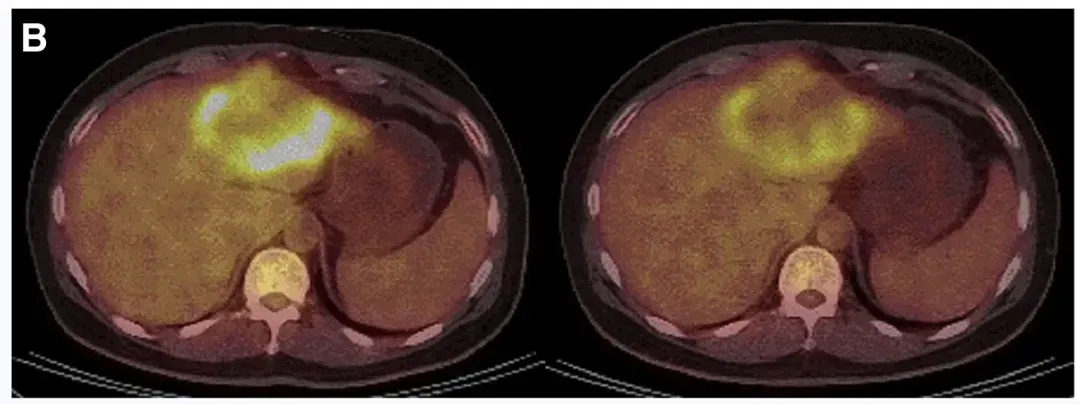
▲Source: "Molecular Therapy", all rights reserved. If we unintentionally infringe on intellectual property, please contact us for removal.

Another case of P10 patient: After receiving the DL4 dose of CEA CAR-T therapy,MRI confirmed the shrinkage of a lesion in the liver.The MRI comparison below shows the images before CAR-T treatment (left) and 4 weeks after treatment (right).
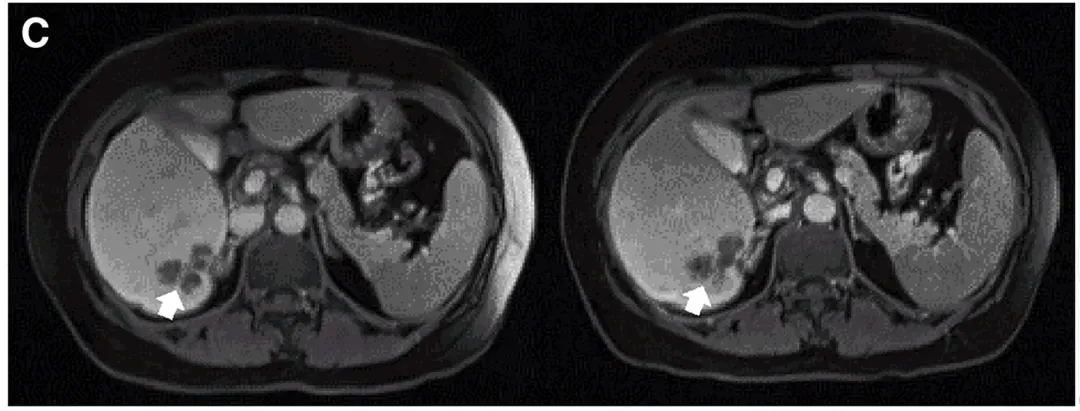
▲Source: "Molecular Therapy", all rights reserved. If we unintentionally infringe on intellectual property, please contact us for removal.
CAR-T Therapy Achieves Remarkable Success in the Field of Hematologic Tumor Treatment. Multiple products have been approved for marketing in China and abroad, bringing the hope of "life" to patients with relapsed or refractory leukemia, lymphoma, multiple myeloma, and other hematologic tumors! More inspiring is that researchers worldwide have never ceased their exploratory steps in recent years. By studying novel strategies to overcome challenges such as tumor antigen heterogeneity and breaking immune suppression, they have already made significant progress.Stomach cancer, brain tumor, pancreatic cancer, liver cancer, colorectal cancerBreakthrough progress has been made in the field of solid tumors such as...
Currently, multiple cancer centers in China are conducting clinical trials of CAR-T. Patients with advanced drug resistance, high postoperative risk, etc., can submit their medical records for evaluation to determine eligibility. Patients seeking help from cell therapies such as CAR-T, TCR-T, TIL, and other new treatment technologies at home and abroad, can submit their treatment history, imaging test results, etc., toGlobal Oncologist Network Medical Department (4006667998), for preliminary evaluation.
[1]Shi, Donghua,et al."Chimeric antigen receptor-glypican-3 T-cell therapy for advanced hepatocellular carcinoma: results of phase I trials." Clinical Cancer Research 26.15 (2020): 3979-3989.
https://aacrjournals.org/clincancerres/article/26/15/3979/82521/Chimeric-Antigen-Receptor-Glypican-3-T-Cell
[2]Zhang C,et al.Phase I escalating-dose trial of CAR-T therapy targeting CEA+ metastatic colorectal cancers[J]. Molecular Therapy, 2017, 25(5): 1248-1258.
https://www.cell.com/molecular-therapy-family/molecular-therapy/fulltext/S1525-0016(17)30108-9?returnURL=https%3A%2F%2Flinkinghub.elsevier.com%2Fretrieve%2Fpii%2FS1525001617301089%3Fshowall%3Dtrue
[3]https://www.prnewswire.com/news-releases/2025-ims--iaso-bio-highlights-three-year-follow-up-data-of-car-t-cell-therapy-fucaso-for-multiple-myeloma-treatment-302561198.html
[4]https://www.cancernetwork.com/view/eque-cel-displays-favorable-long-term-survival-in-r-r-multiple-myeloma
This article is original by Global Cancer Doctors Network. Reproduction is strictly prohibited without authorization.
Scan to Add Patient Group
Cancer Fighting News|New Technologies|New Drug Development|Authoritative Experts
Join the group to receive free anti-cancer resources