

Autoimmune Cell Therapies Advance Rapidly: BLA Submissions Expected as Early as Next Year with Major Players Expanding Pipelines

Juventas
Innovative Cell Therapy Drug Developer

Aera Therapeutics
Gene Editing Technology Developer

October 11, 2025
eMedClub News
On October 9, the IND for HY001N Cell Injection, independently developed by Juventas, was accepted by the CDE for the treatment of patients who have failed at least three prior lines of therapy.Autoimmune Hemolytic Anemia(AIHA)Patient. HY001N cell injection is developed based on the rapid preparation NexT technology platform, reducing the traditional CAR-T cell expansion and culture steps in vitro, thus shortening the production time of CAR-T cells in the workshop.Shortened from 6-8 days to within 2 days, Patients WaitingTime reduced by 50%.
At the end of last month, Aera Therapeutics, founded by CRISPR gene-editing pioneer Professor Zhang Feng and others, presentedIn Vivo tLNP CAR-T Cell Therapy AERA-109The preclinical data show that, in humanized mouse models and non-human primates, B cells in the blood and tissues were profoundly depleted after treatment with AERA-109. This candidate product is designed to treatTherapy for various B cell-mediated autoimmune diseases.
Targeting Multiple Autoimmune Diseases, Unlimited Potential
As exploration deepens, companies and researchers are attempting to apply CAR-T therapy in a wider range of autoimmune disease fields, gradually expanding from extensively validated indications to less researched ones.
Systemic Lupus Erythematosus/Lupus Nephritis
Systemic lupus erythematosus (SLE) is the autoimmune disease with the most research and clinical projects currently, and many companies are exploring this disease area. Leading international companies include Kyverna, Cartesian, ImmPACT Bio, Novartis, BMS, etc., while in China, there are Gracell Biotechnologies/AstraZeneca, WuXi Jounce, IASO Biotherapeutics, RuiShun Biotech, CSPC Pharmaceutical Group, Cellular Biomedicine Group, and Yimo Therapeutics.(No longer listed one by one)。
CAR-T cell therapies for systemic lupus erythematosus that have entered clinical trials includeThe fastest-progressing one is already in Phase II clinical stage., such as Cartesian'sDescartes-08, an mRNA-based BCMA CAR-T, has already completed the first dosing in a Phase II clinical trial for systemic lupus erythematosus patients in July of last year.
In June this year, CBMG attended the 16th International Congress on Systemic Lupus Erythematosus(LUPUS 2025)Published onCD20/BCMA Dual-Target CAR-T Cell Therapy C-CAR168Early Clinical Data for the Treatment of Autoimmune Diseases: All 4 Lupus Nephritis Patients Reaching 6-Month Follow-Up Achieved SRI-4 Response Criteria, with 2 Achieving Complete Renal Remission.(CR)Standard, 1 person achieved partial CR. The overall safety was good, and the in-depth mechanistic study conducted by the research team for the first time confirmed in human autoimmune patients that CAR-T can induce "reconstruction" of the immune system, which helps to achieve a more thorough clearance of pathogenic cells.
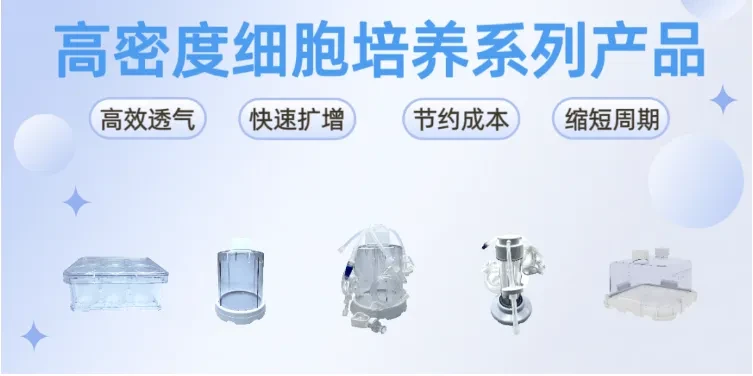

6-well/24-well/100ml culture tank
New Product Trial Application
Event Time: September-October
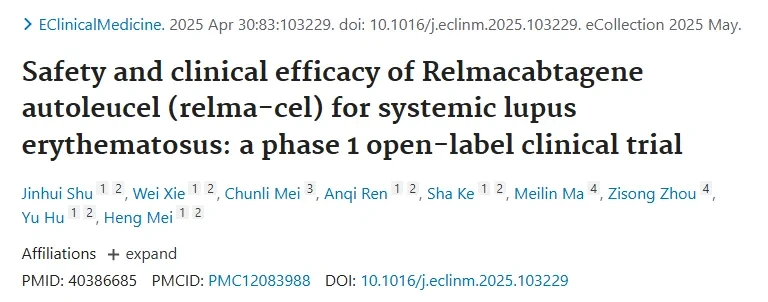
In April this year, an article titled "Safety and clinical efficacy of Relmacabtagene autoleucel (relma-cel) for systemic lupus erythematosus: a phase 1 open-label clinical trial" reported the preliminary results of an IIT study on the treatment of moderate to severe active SLE patients with Relma-cel.
Eight patients received infusions of Relma-cel at different dose levels.All patients showed significant improvement in clinical symptoms.At 6 months, the mean SELENA-SLEDAI score decreased from 11.75 at baseline to 1.625; the mean PGA score decreased from 1.82 at baseline to 0.52; and the total BILAG score decreased from 6.50 at baseline to 0.88. Among 8 patients, 4 achieved the definition of SLE remission within 1-4 months.(DORIS)The clinical remission criteria were met, with 7 cases achieving a low lupus disease activity state within 1-4 months.(LLDAS)Standard, with overall good safety.
In addition to CAR-T, there have been several advancements in the field of CAR-NK for this disease. In February 2024, SinoBio's CD19 CAR-NK received clinical tacit approval from the CDE.This is the first domestically produced NK cell therapy candidate product for the SLE indication to be approved for IND in China., a milestone significance.
Enrui Kainuo published clinical data on CD19 CAR-NK therapy for the treatment of recurrent systemic lupus erythematosus in November last year: 20 patients received the treatment, and 8 of them were followed up for more than 6 months.50% achieved DORIS remission, 75% achieved LLDAS(Low Lupus Disease Activity)。
Not only that, but some companies have also laid out plans for "expanded indications" for this disease. For example, Juventas' first self-developed CD19 CAR-T cell therapy product.Naciorl InjectionReceived a new IND approval for immune thrombocytopenia associated with refractory systemic lupus erythematosus.(SLE-ITP), the expansion from oncology to autoimmune indications will further enhance the product's competitiveness.
Myasthenia Gravis
Myasthenia Gravis is the next indication with a relatively high number of developers, following Systemic Lupus Erythematosus/Lupus Nephritis. This disease is characterized by a long course, difficulty in cure, and susceptibility to relapse. Current traditional drugs can only alleviate symptoms and fall short in terms of control duration and safety, creating an urgent need for more effective innovative therapies.
This Year's American Academy of Neurology(AAN)At the annual meeting, Cartesian announced the results of the Phase IIb MG-001 study of BCMA CAR-T cell therapy Descartes-08 in treating generalized myasthenia gravis: in the modified intent-to-treat population(mITT)In China,71% of patients in the Descartes-08 group had MG composite scale(MGC)Score improved by at least 5 points, while this proportion was only 25% in the placebo group. In terms of safety, Descartes-08 was well-tolerated, with most adverse events being transient and mild in severity.
Notably, the company has communicated with the FDA and will initiate Descartes-08 for myasthenia gravis this year.Phase III Clinical Study。
In February 2024, the clinical research results of Icarus Bio's Icolumab Injection for the treatment of two patients with refractory severe myasthenia gravis were published in an international authoritative academic journal.EMBO Molecular Medicine Above. The results showed,Clinical Symptoms of Two Patients with Refractory Severe Myasthenia Gravis Continued to Improve for Over 18 Months, and it was well tolerated with only one subject experiencing Grade 1 cytokine release syndrome.
CSPC Group's mRNA-LNP-based CAR-T cell therapy SYS6020, which targets BCMA and features high cell viability, high CAR positivity, and high safety, has received clinical approval for myasthenia gravis after obtaining clinical approval for systemic lupus erythematosus. Notably,SYS6020 is the world's first mRNA-LNP-based cell therapy approved for clinical trials in myasthenia gravis.。
On the CAR-NK cell therapy track, Nkarta's NKX019 is making relatively rapid progress. The IND for this candidate product targeting the indication has already been approved by the FDA and is currently in Phase I clinical research.
Stiff Person Syndrome(SPS)
Kyverna's KYV-101 is one of the fastest progressing pipelines in the entire track at present. It is an autologous CD19-targeted CAR-T therapy, and its chimeric antigen receptor is developed by the National Institutes of Health (NIH).(NIH)Designed to minimize cytokine release and enhance clinical tolerance. This candidate product has already undergone clinical trials for multiple细分 diseases within autoimmune diseases, including Stiff Person Syndrome.(SPS), Myasthenia Gravis and Lupus Nephritis.
SPS is also the most advanced indication in this candidate pipeline, with Phase II study results expected to be released next year if everything goes smoothly.Kyverna is expected to submit the Biologics License Application for KYV-101 in 2026.(BLA), for SPS.
Multiple Sclerosis
Multiple sclerosis is a chronic inflammatory demyelinating disease of the central nervous system, primarily affecting the myelin of nerve fibers in areas such as the brain and spinal cord. Currently, companies have developed corresponding cell therapies for this indication and are advancing them into clinical trials.
In August 2024, Indapta's IDP-023 Phase I clinical trial application was approved by the FDA for the treatment of progressive multiple sclerosis. This is an allogeneic differentiated G-NK based therapy.(FcRγ-deficient NK)Cell Therapy. G-NK cells are a class of cells with specific epigenetic changes.(such as exposure to cytomegalovirus CMV)A subpopulation of natural killer cells formed later, with enhanced immune activation and cytotoxic capabilities. Preclinical studies have shown that, compared to conventional NK cells,IDP-023 Can Reduce Tumors by More Than 99% When Combined with Cancer-Targeting Monoclonal Antibodies。
On the CAR-T track, C-CAR168, a CD20/BCMA CAR-T cell therapy by China's CBMG Biotech, and BRL-303, a CD19 CAR-T cell therapy by BondBio Pharma, have both been preliminarily proven in clinical studies to have the potential to treat multiple sclerosis.
Chronic Inflammatory Demyelinating Polyneuropathy
In May this year, Professor Tian Daishi, Associate Professor Qin Chuan, Professor Wang Wei, etc. from Tongji Hospital, Tongji Medical College, Huazhong University of Science and Technology...CellPublished an article titled in a sub-journal「Anti-BCMA CAR-T cell therapy in relapsed/refractory chronic inflammatory demyelinating polyneuropathy」Research paper.
Researchers utilized BCMA CAR-T developed by Juventas, initiating a targetedChronic Inflammatory Demyelinating Polyneuropathy(CIDP)A study on this chronic, progressive or relapsing-remitting neuropathy mediated by an autoimmune response targeting the peripheral nervous system.
Two patients received treatment,One case maintained sustained clinical remission for over 2 years, while the other experienced disease recurrence 12 months after treatment.Further research has found that the recurrence of the disease in patients is accompanied by the reactivation of pathogenic B cells and the reappearance of autoantibodies/peptides targeting axons or myelin. In terms of safety, the overall safety of the patients was good. This also preliminarily demonstrates the therapeutic potential and safety of BCMA CAR-T cell therapy in CIDP diseases, further exploring the application of CAR-T cell therapy in the field of autoimmune diseases.
Five Major Development Trends and Summary
It is not difficult to see that the development of cell therapy in the autoimmune field is showing five major development trends:
Indications Expansion Towards Diversification
In addition to the aforementioned indications, cell therapies for neuromyelitis optica spectrum disorders, rheumatoid arthritis, systemic autoimmune hemolytic anemia, idiopathic inflammatory myopathies, and immune-mediated necrotizing myopathy are also under development. Meanwhile, the exploration of indications is expanding from single diseases to complex disease clusters.
Cell Therapy Types Present a Diversified Pattern
In addition to CAR-T and CAR-NK, novel therapies such as CAR-M are rapidly emerging. For instance, Kunshi Biotech has introduced CAR-M into the field of autoimmune disease treatment for the first time, promoting a multi-technology R&D landscape.
Cross-indication Development of Single Therapy
It has become an industry norm for a cell therapy to be deployed across multiple indications. For instance, therapies such as KYV-101, SYS6020, and C-CAR168 have successively been applied to various indications. This "one drug, multiple treatments" model is emerging as a key strategy to enhance R&D efficiency.
Clinical Data Intensive Release Validates Treatment Potential
Currently, quite a few companies have released clinical data of their investigational autoimmune cell therapies. Whether viewed from the perspective of efficacy or safety, these data continuously validate the clinical value of cell therapy in the autoimmune field.
Technological Innovation Drives Industry Breakthrough into Deep Waters
From traditional CAR-T technology to mRNA-LNP technology,再到 G-NK cell therapy, and the integration of gene editing technology, technological innovation is driving cell therapy into higher barrier fields.
In the near future, cell therapy is bound to achieve significant breakthroughs in the autoimmune field. At the same time, cell therapy also needs to make substantial progress in terms of cost to gain a greater competitive edge in the autoimmune market.
Editor-in-Chief | Xun
Proofread by Xun
References:
1. Corporate Official Website
2. Public Information

Exciting Live Broadcast Preview
Press and hold to scan the QR code to participate immediately ↓



DianDian "Share”、“Like" and "In view",Give me a little recharge~"