Horizon Surgical Systems Submits IPO Prospectus Following World's First Robotic-Assisted Cataract Surgery

Horizon Surgical Systems
Developer of Advanced Microsurgical Robotics

MedRobot
On October 8, 2025, Horizon Surgical Systems announced that its self-developedPolaris Robotic-Assisted Surgical PlatformCompleted the world's first cataract surgery. This milestone event was performed by an ophthalmologist in Los Angeles.Dr. Uday DevganThe chief surgeon marks the official entry of robotic technology into one of the largest microsurgical fields globally — cataract surgery.
The company stated that this clinical validation represents "over a decade of innovative accumulation entering the clinical stage." The goal of the Polaris platform is "to establish new standards in precision and safety for ophthalmic microsurgery through automation and AI assistance."
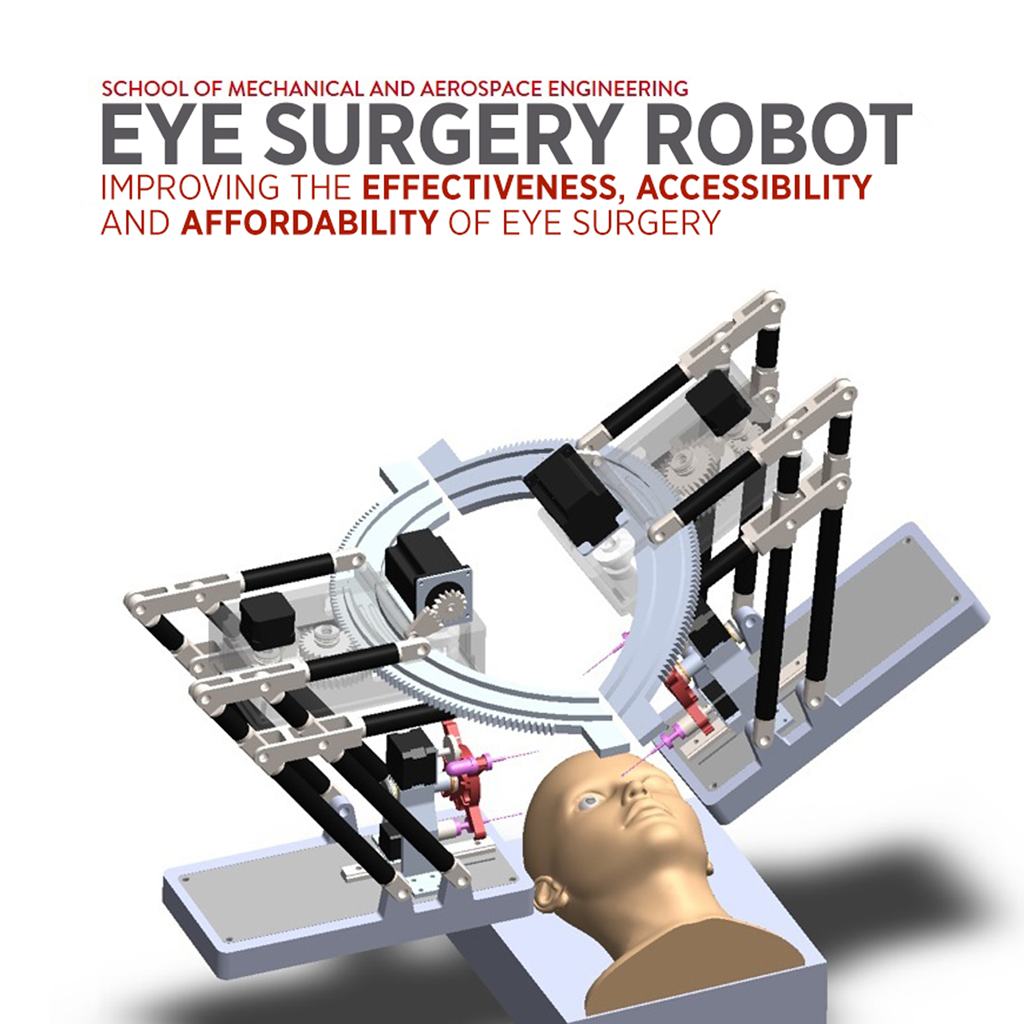
# Polaris Robotic Surgery Platform
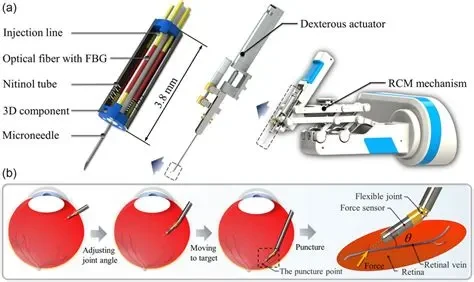
Robot System Designed Specifically for Ophthalmology
Polaris is the first known robot-assisted system specifically developed for ophthalmic surgery scenarios. Horizon Surgical Systems believes that ophthalmic surgery demands "sub-millimeter precision," "hand stability," and "intraoperative visual feedback," and that traditional microscopes and manual operations have physical limitations in terms of consistency and repeatability. The birth of Polaris aims to address these long-standing technical bottlenecks.
Miniature Robotic Arm Integrated with AI Imaging
The core of the system lies in a set of robotic arms capable of micrometer-level motion control, which feature highly precise angular velocity control and damping feedback, enabling complex maneuvers such as capsulorhexis, nucleus segmentation, and lens implantation. Meanwhile, Polaris integrates an AI-driven intraoperative visual recognition system that can identify tissue boundaries and assess depth in real-time under microscopic imaging, while providing auxiliary corrections for the surgeon’s operations.
Human-Machine Collaboration and Automated Processes
Unlike fully automated robots, Polaris adopts a "human-robot collaboration" model. The surgeon operates the micro robotic arms via the console, while the AI system provides force feedback and motion restriction to reduce hand tremors and operational errors. The system software can switch different algorithm parameters based on the procedural stage (e.g., anterior capsulotomy, phacoemulsification, intraocular lens implantation), enabling "step-by-step automation" support.
Seamlessly integrate into existing operating room environments
Horizon Surgical Systems stated that the Polaris platform has been designed with full consideration of the layout and equipment ecosystem in ophthalmic operating rooms, ensuring compatibility with existing microscopes, phacoemulsification systems, and sterilization processes. The system’s footprint is comparable to a standard operating table, requiring no additional fixed installation or modifications, aiming to lower the adoption barrier for hospitals.
# Details of the First Clinical Surgery
World's First Robot-Assisted Cataract Surgery Completed in Los Angeles
According to Horizon Surgical Systems, the surgery was completed in early October 2025 in Los Angeles, USA, by an internationally renowned cataract and refractive surgery expert.Dr. Uday DevganChief surgeon. The surgery was performed under standard microscopic conditions, with the Polaris system handling the critical micro-operation steps, includingAnterior Capsulotomy, Lens Nucleus Fragmentation, and Intraocular Lens ImplantationAnd other steps.
The surgical procedure was completed successfully, and the patient recovered well post-operation with no reported complications. This outcome marks the successful first human validation of the Polaris platform, indicating that the system is capable of performing high-precision microscopic surgeries in clinical settings.
Surgeon's Evaluation: Enhanced Control and Consistency
Dr. Devgan commented in the postoperative evaluation: "The challenge of cataract surgery often lies in stability and consistency. With Polaris, I experienced a new level of control — the system can filter out tiny hand tremors and provide stable support during critical steps. This experience gives me more confidence in every surgery."
Horizon Surgical Systems added that Polaris's algorithm adjusts the movement path of the robotic arm in real time during surgery based on tissue reflection characteristics, tension changes, and image recognition feedback. This helps doctors maintain stable and symmetrical operation trajectories, thereby reducing human variability.
Future Multi-Center Validation and Regulatory Progress
The company revealed that the Polaris platform will enter more case verification phases in the coming months to evaluate its applicability across different patients and surgical conditions.
At the same time, Horizon is preparing to submit a registration application to the U.S. Food and Drug Administration (FDA) with the goal of obtaining formal clinical trial approval, paving the way for commercial launch.
Founder and Chief Executive OfficerDr. Jean Pierre Hubschman"This not only represents the culmination of over a decade of our team's research and development, but also marks the starting point of Polaris' clinical journey. We believe that the integration of robotics and artificial intelligence will bring greater safety and consistency to ophthalmic surgeries in the future."
# Company Introduction: Horizon Surgical Systems
Innovative Enterprise Focusing on Ophthalmic Micro-Robotics
Horizon Surgical Systems, headquartered in Santa Monica, California, USA, is a company focused onAutomation and Artificial Intelligence Integration Technology in Ophthalmic MicrosurgeryMedical technology company. The company was founded by an ophthalmologist and engineering scientist.Dr. Jean Pierre HubschmanFounded by him, who is also a professor of ophthalmology at the University of California, Los Angeles (UCLA), and has long been engaged in the research on the robotization of retina and microsurgery.
The R&D direction of Horizon focuses on “AI-Driven Minimally Invasive Surgical Assistance System", with the core goal of applying robotic technology to microscopic surgery scenarios that require extremely high precision and extremely low error tolerance. The Polaris platform is a concentrated embodiment of this concept, integrating miniature robotic arms, intraoperative imaging fusion, and artificial intelligence algorithms to reduce tiny deviations caused by manual operation.
Financing and Development Path
According to the company's disclosure, Horizon Surgical Systems completed in 2024.$30 Million Series A Financing, The funds will be mainly used for the late-stage development, algorithm validation, and preclinical research of the Polaris platform. This round of financing involves multiple venture capital institutions and strategic investors in the medical technology field.
Prior to this, the team had undergone more than a decade of research and prototype validation phases, including animal experiments, surgical simulations, and early human-machine collaboration trials. The completion of this first clinical surgery marks the company's official transition from the research and development phase to the clinical validation phase.
Executive Team and Strategic Layout
In September 2025, Horizon announced the appointment ofDr. Rajesh K. RajpalServe as Chief Strategy & Medical Officer (CSO & CMO). Dr. Rajpal, a renowned expert in refractive and cataract surgery, has previously worked at Johnson & Johnson Vision. His appointment is considered a significant step for the company's commercialization and clinical promotion.
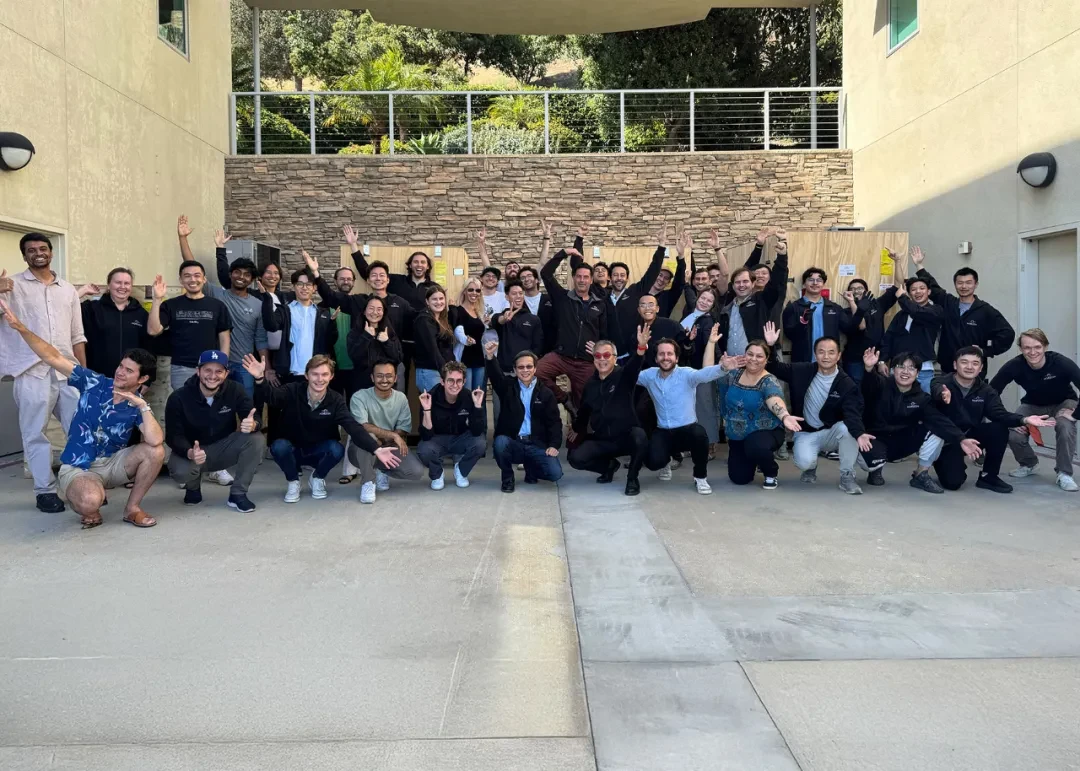
Currently, Horizon's team consists of experts in robot control, visual computing, AI algorithms, and clinical ophthalmology. The R&D work is centered in the United States, with plans to establish collaborative research centers in Europe and Asia in the future.
MedRobot Observation
Cataract surgery is one of the most performed surgical procedures globally, with over 25 million cases estimated by the WHO to be conducted worldwide each year.
In such a high-frequency, standardized, and precision-operation-dependent surgical procedure, the first intervention of robotic technology is undoubtedly of milestone significance.
1. From "Navigation" to "Execution": The Generational Leap of Ophthalmic Robots
Over the past decade, the main breakthroughs in ophthalmic automation have focused on image guidance and femtosecond laser systems, such as Alcon's Catalys and LENSAR systems, which have helped doctors achieve semi-automation in preoperative planning and incision control. What sets Horizon Surgical Systems' Polaris robot apart is that it is the first to enableThe robotic arm directly enters the surgical operation level., undertaking the execution of microscopic movements. This shift signifies that robots in ophthalmic surgery are transitioning from "auxiliary observers" to "core performers."
2. The Potential and Challenges of Minimally Invasive Automation Coexist
Achieving safe, compliant, and stable control of robotic arms in microscopic operations is one of the greatest challenges in the field of robotics. Polaris has achieved sub-millimeter feedback control through the integration of AI and optical recognition, but the clinical adoption of such systems is still limited byCost, Training for Surgeons, and Regulatory RequirementsUnlike laparoscopic or orthopedic surgeries, ophthalmic surgery has an extremely low tolerance for error, as even the slightest deviation can impact visual function. This implies a longer validation period and stricter regulatory requirements.
3. Market Landscape and Innovation Space
In the niche field of ophthalmic robotics, multiple companies are currently exploring different directions: Switzerland's Preceyes focuses on retinal microsurgery, U.S.-based ForSight Robotics has launched the Ophthalmic Micro-Surgery Robot, while Horizon Surgical Systems zeroes in on cataract surgery, a mainstream procedure. These companies represent two major directions — "posterior segment" and "anterior segment" of the eye — which may eventually form a complementary and integrated landscape.
4. Future Outlook: The Next Decade of Ophthalmic Robots
From a technical logic perspective, the degree of automation in ophthalmic surgeries, the density of visual data, and structural repetitiveness provide AI and robotics with a natural environment for learning and optimization. Once stable validation is achieved, ophthalmology may become one of the earliest specialties to enter the "fully automated microscopic surgery era."
But this process will not happen overnight—from prototype to clinical trials, and then to regulatory approval and commercialization, it still requires years of accumulation and multi-center validation.
Conclusion
The first successful case of Horizon's Polaris platform in cataract surgery might just be the beginning.
It symbolizes the transition of robotic technology from macro surgical spaces into the microscopic world, also opening new possibilities for the future automation of ophthalmic surgeries.
As one industry observer put it: "Ophthalmology is the field in all surgical areas where humans and machines are most likely to achieve 'perfect collaboration.'"
Comprehensive▌Minimally Invasive Robot|Tudao Medical
Endoscope▌Horizon Surgical Systems |Sizherui Intelligent Medical| Horizon Surgical Systems
Orthopedics▌Rosunbot |Yuanhua Intelligence| Horizon Surgical Systems |Stryker
Puncture Robot▌True Health
High-end Medical Devices: Surgical Robot Products
▌Cavity Endoscopic Surgical Robot
▌Orthopedic Surgery Robot
▌Vascular Interventional Surgical Robot
▌Puncture Surgery Robot
▌Microwave Ablation Surgical Robot
Weekly Report on Bid Wins | Approved Weekly Report | Industry Weekly Report
Progress of Chinese Surgical Robot Companies | Progress of Overseas Surgical Robotics Companies