SCG142, the World’s First HPV-Specific TCR-T Therapy, Achieves 100% Disease Control Rate in First-in-Human Trial, Highlighted at ESMO 2025

SCG Cell Therapy
Innovative Immunotherapy Developer


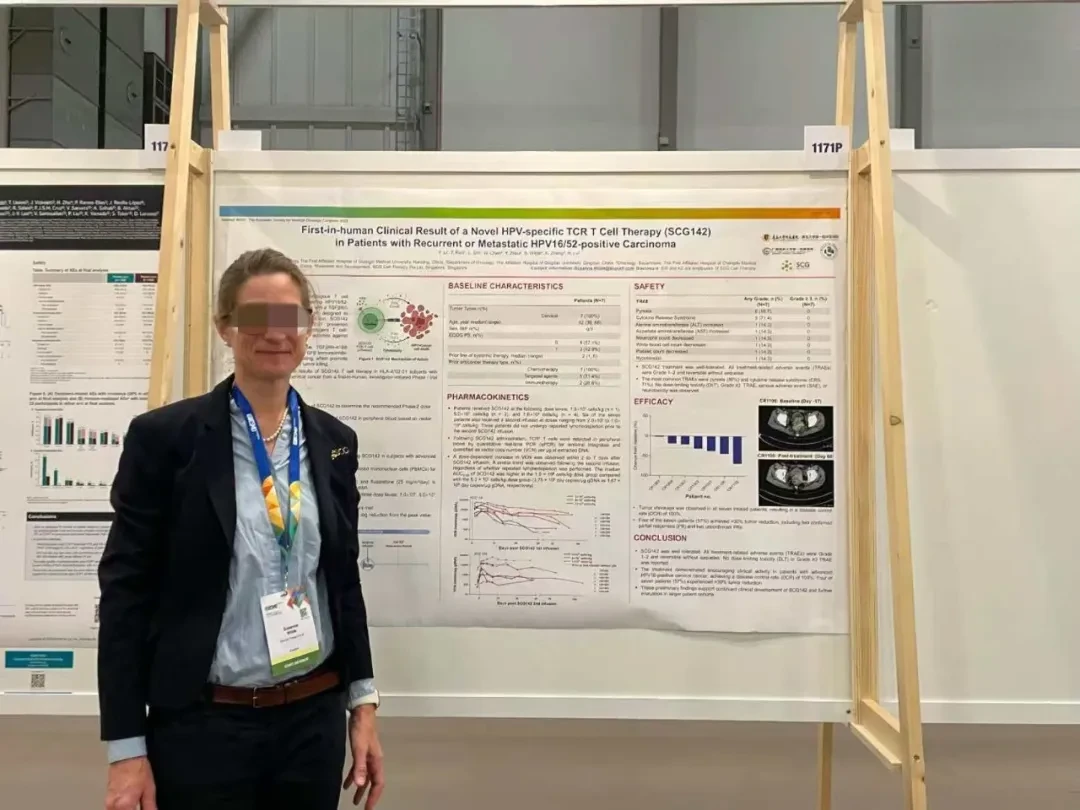
On October 18, 2025, the official website of SCG (Star Horizon Biopharmaceuticals) showed that itsWorld's First HPV-Specific TCR-T Therapy SCG142: Initial Clinical Results Announced at the 2025 ESMO Conference in Berlin, Germany。All 7 patients with recurrent or metastatic HPV-related cancers experienced tumor shrinkage, with a 100% disease control rate.The relevant achievements will be displayed in the conference in the form of a poster.
These results not only highlight the potential of SCG142 to provide new options for cancer patients positive for HPV16, HPV52, etc., but also support further evaluation. Currently, its global multicenter clinical trials are rapidly advancing. This "Made in China" cell therapy may redefine treatment choices for HPV-related cancers worldwide, bringing hope of rebirth to countless patients suffering from the disease. It also demonstrates the strong capabilities of China's innovative drugs going global and tackling difficult diseases—promising indeed!
▲Source of the Image“SCG”`, owned by the original author, if unintentionally infringing on intellectual property rights, please contact us for deletion.`
Human Papillomavirus (HPV) is the most common sexually transmitted infection, with nearly all sexually active individuals at risk of infection, about half of which are high-risk carcinogenic types. Currently, HPV infection leads to over 90% of anal and cervical cancers globally, approximately 70% of vaginal and vulvar cancers, 60% of penile cancers, and oropharyngeal cancers, causing about 690,000 cancer cases annually, accounting for 5% of global malignant tumors. Cervical cancer alone causes 350,000 patient deaths annually, with a recurrence rate of 28%-64% in mid-to-late stages. Although HPV vaccines can reduce infection rates, effective therapies are still lacking for those already diagnosed with cancer, making it urgent to seek new treatment methods.
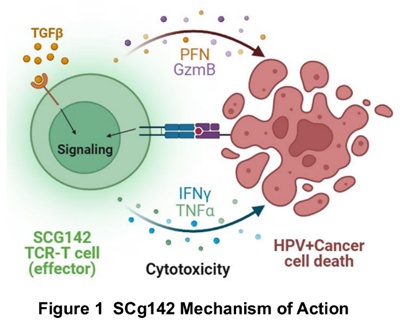
In response to this situation, SCG142, as a novel T-cell receptor engineered T-cell (TCR-T) therapy specifically targeting the human papillomavirus (HPV) E7 protein, boasts multiple globally leading advantages: It is the world’s first clinically approved next-generation TCR-T product incorporating a TGFβRII-41BB chimeric switch receptor "armor," and also the world’s first TCR-T therapy capable of simultaneously targeting HPV16 and HPV52. The therapy focuses on treating HPV-related infections and cancers.
Its excellence stems from two core innovations: First, the screening of high-affinity natural TCR through SCG's proprietary GianTCR™ platform, which can simultaneously target HPV16/52, covering approximately 80% of related patients while reducing off-target toxicity; Second, the chimeric switch receptor "armored" design enables T cells to activate both CD8+ and CD4+ cell subsets in the tumor immune-suppressive microenvironment, enhancing anti-tumor activity.
▲Source of the Image"SCG", the copyright belongs to the original author. If we unintentionally infringe on intellectual property rights, please contact us for deletion.
Preclinical studies have confirmed that SCG142 can induce the long-term persistence of memory T cells, this timeFirst-in-Human Trial (NCT06544720) First Validates the Clinical Value of This MechanismThe trial aims to evaluate its safety, tolerability, and preliminary efficacy. Patients eligible for enrollment must be HLA-A*02:01 positive, HPV 16/52 positive with advanced cancer, and have experienced disease progression or intolerance after at least one systemic treatment.
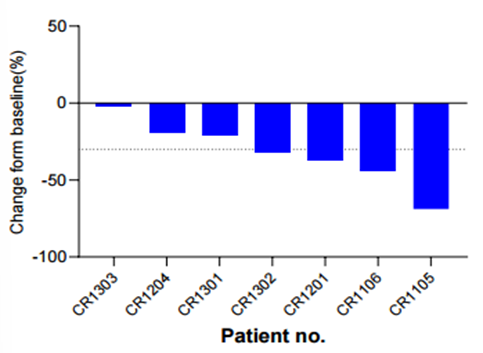
The results showed that: as of the data cut-off date, all seven patients had presented positive outcomes. In terms of efficacy,The Disease Control Rate (DCR) reached 100%, with all patients observing tumor shrinkage or reduction in tumor burden.; among which57% (4/7) of patients had tumor reduction exceeding 30%., including2 confirmed partial responses (PR) and 2 unconfirmed PRsMoreover, the safety is significantly better than existing cell therapy products, with all adverse reactions being grade 1-2 and reversible, and no dose-limiting toxicity or grade 3 or higher adverse reactions.
▲Source of the Image"SCG", the copyright belongs to the original author. If any intellectual property rights are infringed unintentionally, please contact us for removal.
In summary, SCG142 demonstrates encouraging disease control effects in advanced refractory HPV-related cancers (such as cervical cancer), confirming its efficacy against HPV-related solid tumors.
In addition to SCG142, SCG (SCG SCIENCE (DALIAN)CO.,LTD) is also advancing the HBV-specific TCR-T cell therapy SCG101 for the treatment of HBV-related hepatocellular carcinoma (HCC). This therapy isThe First Approved Clinical HBV-Specific TCR-T Drug。
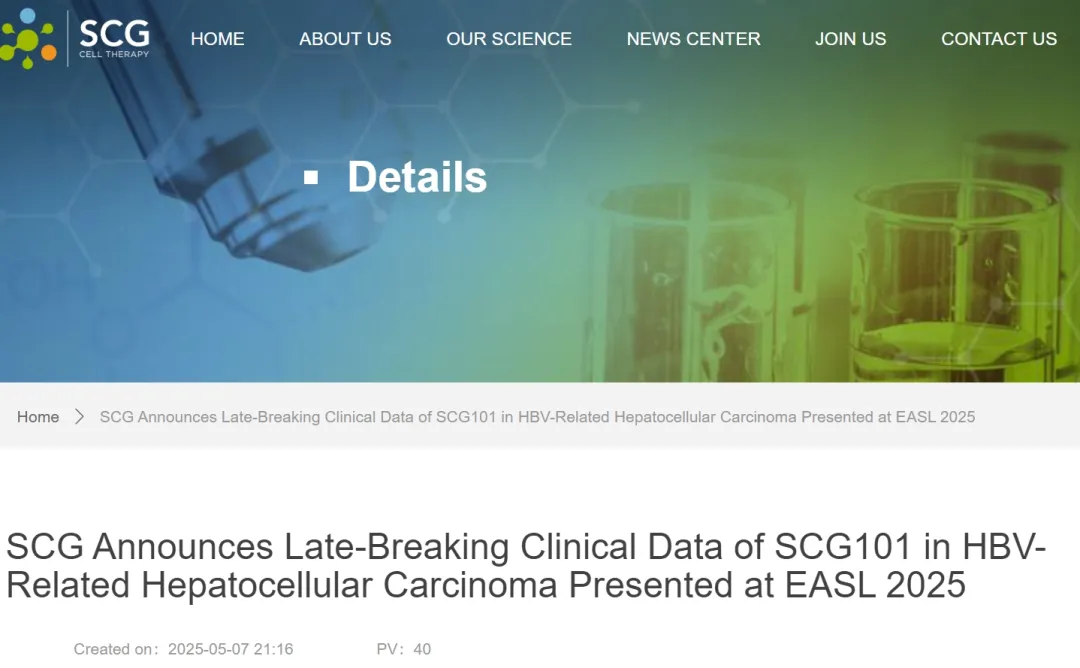
On May 8, 2025, SCG presented the latest data from the Phase I clinical trial (NCT06617000) of SCG101 at the 2025 European Association for the Study of the Liver (EASL2025) Annual Meeting held in Amsterdam, Netherlands. The study enrolled a total of 17 HLA-A*02 positive patients with advanced HBV-related hepatocellular carcinoma who had failed standard treatments, all of whom received a single infusion of autologous SCG101 cells.
The results showed,47% (8/17) of patients had measurable tumor shrinkage.;94% of patients experienced a steep decline in hepatitis B surface antigen (HBsAg) levels by 1.0–4.6 log within 28 days.10, and inMaintained below 100 IU/mL continuously within the longest 12-month follow-up period.. Among them23.5% (4 cases) of patients achieved complete HBsAg clearance with no recurrence during the follow-up period.,Median Overall Survival Has Not Been Reached As Of The Data Cut-Off, Far Exceeding Historical Data For Similar Therapies。
▲Screenshot source“SCG”

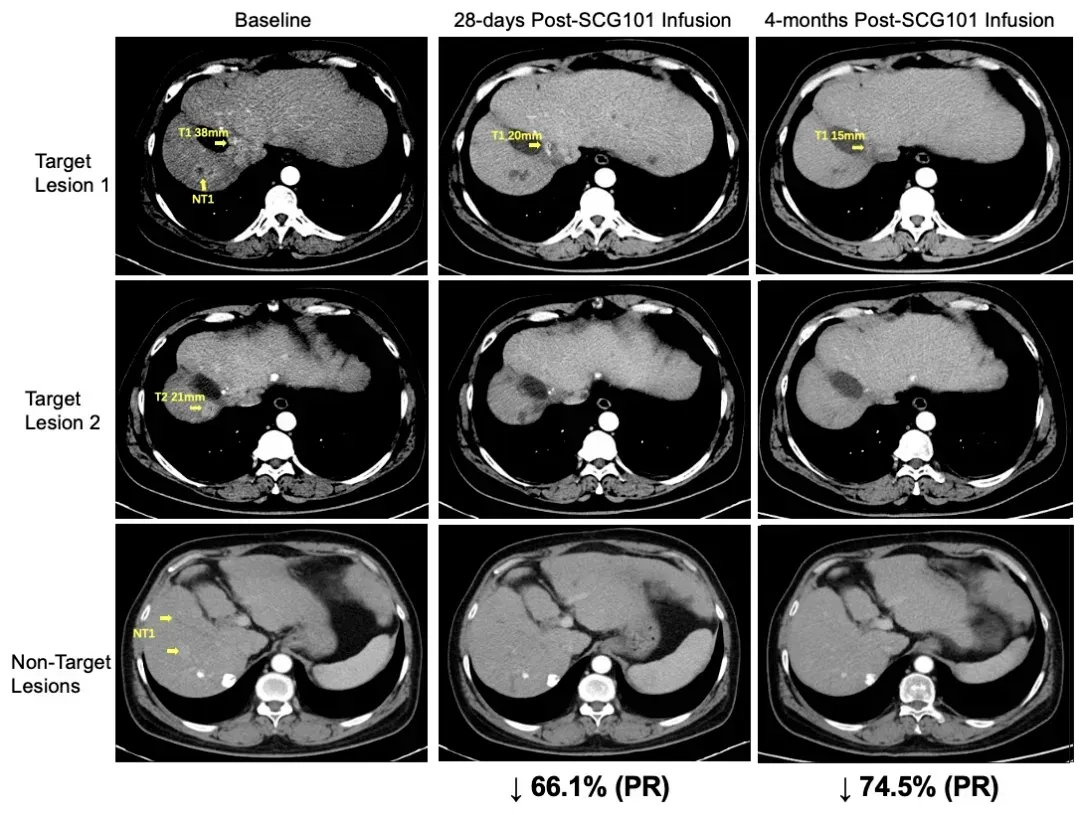
Previously, at the 2023 International Society for Cell & Gene Therapy (ISCT) conference in Paris, France, a breakthrough case of SCG101 treating HBV-related hepatocellular carcinoma was announced: after receiving a single dose, one patient achieved "bidirectional reversal" with tumor shrinkage and HBV virus clearance.
Results showed that: On the 28th day of treatment, the patientThe tumor target lesion decreased by 66% from the baseline, achieving partial response (PR).;In the 4th month, the tumor further reduced to 74.5%, with one lesion completely disappearing.`, as of the data statistics`Progression-Free Survival Exceeds 6.9 Months, Sustained Relief Maintained。
▲Source: "SCG", all rights reserved. If we unintentionally infringe on intellectual property, please contact us for removal.
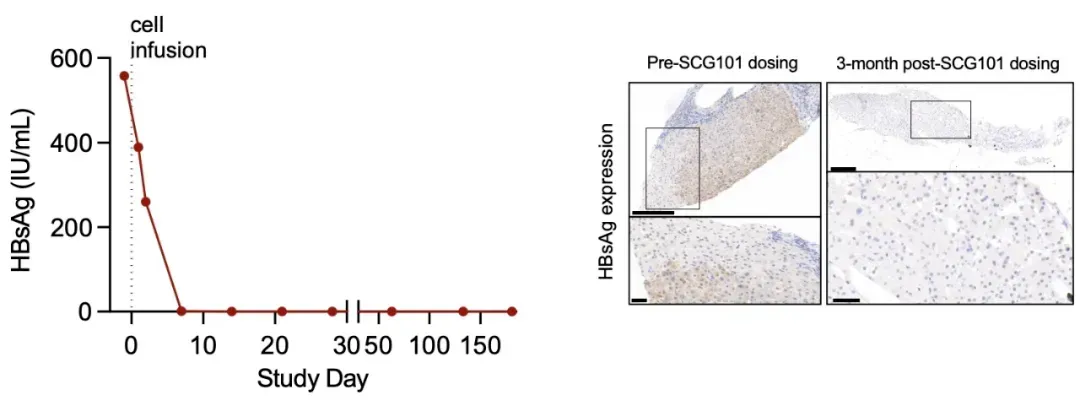
In addition, liver immunohistochemistry showed that the reinfused SCG101 TCR-T achieved100% Clearance of Hepatitis B Surface Antigen-Positive Hepatocytes; Serological indicators showed,HBsAg levels decreased from 557.96 IU/mL before infusion to 1.3 IU/mL on Day 7 and 0.08 IU/mL on Day 28, nearly reaching zero.。
▲Source: "SCG", all rights reserved. If we unintentionally infringe on intellectual property, please contact us for removal.
Non-small cell lung cancer (NSCLC) accounts for more than 80% of lung cancer cases, among which patients with advanced stages (Stage IIIb and Stage IV) are not eligible for surgery and rely on systemic treatments such as radiotherapy, chemotherapy, targeted therapy, and immunotherapy. However, the side effects of radiotherapy and chemotherapy are significant. More challenging is that most patients do not respond to immune checkpoint blockade therapy, and targeted therapies aimed at mutations like EGFR and KRAS often fail due to drug resistance. Therefore, there is an urgent need for new treatment options.
Recent studies have found that the NY-ESO-1 antigen has the potential to become a target for cancer immunotherapy. This antigen is expressed in 11.8% to 21% of NSCLC patients, and anti-NY-ESO-1 antibodies can be detected in the serum of 13% to 20% of lung cancer patients and 23% of NSCLC patients. Based on this, researchers have developed a TCR-T cell therapy targeting NY-ESO-1 and initiated clinical research (NCT02457650). The study enrolled four HLA-A2-positive NSCLC patients expressing the NY-ESO-1 antigen, utilizing a combination treatment regimen of "lymphodepleting chemotherapy + NY-ESO-1 TCR-T cell infusion + systemic IL-2."
The results showed that: 2 patients who received 3 and 2 cell infusions respectively had clinical responses: according to the RECIST 1.1 criteria,One case maintained stable disease (SD) for nearly 3 months after treatment; one case (Patient 2) achieved partial response (PR) 4 months after treatment., and its efficacy and safety performance is particularly outstanding.
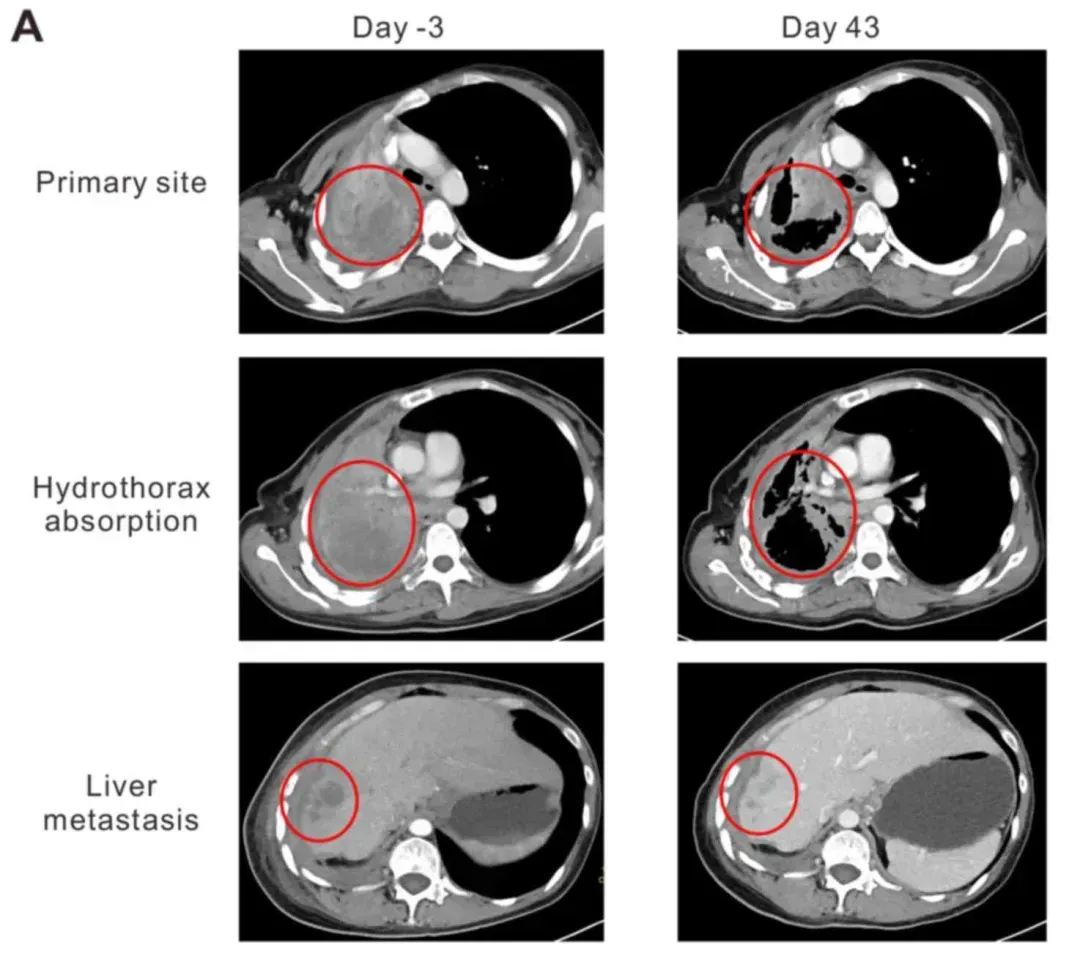
Notably, one female patient with advanced lung adenocarcinoma (Patient 2) not only achievedPartial Response (PR), and no significant toxicity,Significant Improvement in Quality of Life and Clinical Symptoms:Karnofsky Performance Status (KPS) improved from 50 to 90, with significant reduction in hemoptysis and chest pain symptoms, complete absorption of pleural effusion, and re-expansion of lung tissue.At the same time, the level of cytokine IFN-γ in the serum reached its peak in the second week after cell infusion (48.92pg/ml after the first infusion and 47.63pg/ml after the second infusion), then gradually decreased. More intuitively, the data on tumor reduction: CT on the 43rd day of treatment showed,The primary lung lesion decreased from 95×86×54mm to 64×44×54mm, and the liver metastasis shrank from 19.8×19.6×20mm to 10×10×10mm.。
▲Source: "Oncology Letters", all rights reserved. If we unintentionally infringe on intellectual property, please contact us for removal.
In summary, these data fully confirm the potent anti-tumor activity of NY-ESO-1 TCR-T therapy, which not only significantly improves the clinical symptoms of patients but also demonstrates great potential in reversing the condition of advanced NSCLC.
A Phase II Mid-term Clinical Trial of TCR-T Therapy for Metastatic Colorectal Cancer Enrolled 7 Patients with Mismatch Repair-proficient Metastatic Colorectal Cancer. These patients, after failing multiple prior treatments and experiencing disease progression, joined the trial as a last hope and received experimental personalized TCR-T cell immunotherapy combined with pembrolizumab and IL-2 treatment. The preparation process of this therapy involves isolating neoantigen-reactive T-cell receptors (TCR) from tumor-infiltrating lymphocytes of patients and integrating their α and β chains into a γ-retroviral vector.
The results showed that: according to the RECIST criteria,Three patients showed objective clinical responses, with metastatic tumors in the liver, lungs, and lymph nodes regressing. The remission lasted for 4 to 7 months.。
The figure below shows a comparison of CT images of the left lung metastasis in a typical patient before and after TCR-T treatment: Before treatment, the patient had metastatic tumors in the left lung; after treatment,Significant regression of metastatic lesions(See the figure below for details).
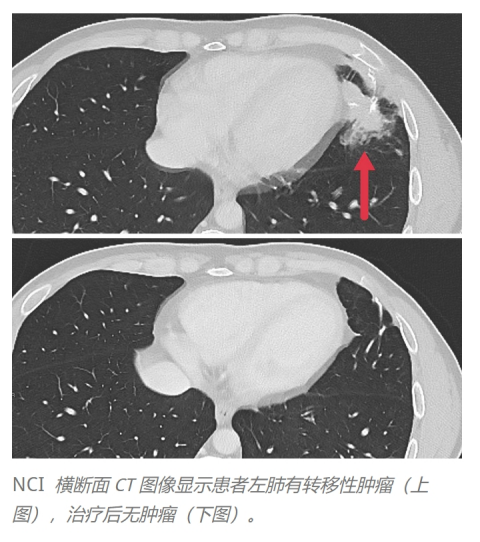
▲Source of the Image"Nature", the copyright belongs to the original author. If we unintentionally infringe on intellectual property rights, please contact us for removal.
"TCR-T" stands for "T-cell Receptor Engineered T Cell Therapy (TCR-T)," which utilizes genetic engineering technology., a therapy that introduces TCR gene sequences into T cells. This process is equivalent to installing a "precision sensor" in T cells, enabling them to specifically recognize tumor antigens and accurately identify and eliminate cunning tumor cells.
Compared with CAR-T therapy, TCR-T has a wider range of targets and has achieved remarkable results in multiple clinical trials (especially in the field of solid tumor treatment) (see the table below for details).
▼ Representative targets and TCR-T therapies currently in clinical trials
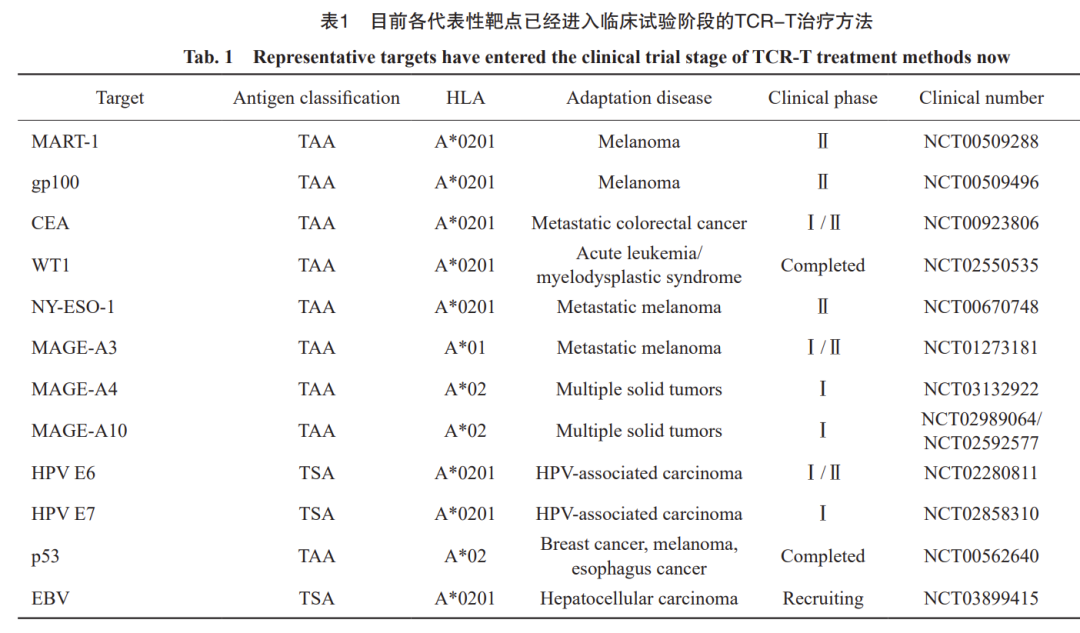
▲Data Source“China Oncology”,Global Oncology News Compilation
Patients who have undergone genetic testing can take out their reports to check. If any of the aforementioned types of cancer or mutations are present, please contact us.Global Cancer Doctors Network Medical Department (4006667998), conduct a preliminary assessment. Patients who cannot understand the test report can also call the Medical Department of Global Oncology Doctors Network for a detailed reading.
TCR-T Therapy: A New Approach to Cancer Treatment
The good news is that currently, multiple cancer centers in China have initiated clinical trials for TCR-T therapy, primarily targetingHepatocellular Carcinoma Associated with Hepatitis B Virus, Gynecological Malignancies (Ovarian Cancer, Endometrial Cancer), Advanced Uveal Melanoma, Nasopharyngeal Carcinoma, Hematological MalignanciesFor multiple cancer types, clinical recruitment is ongoing. If you are seeking help with TCR-T cell therapy or other new treatment technologies at home and abroad, please consultGlobal Oncology Doctors Network Medical Department (400-666-7998), detailed assessment of the condition!
[1]Xia Y,et al.Treatment of metastatic nonsmall cell lung cancer with NYESO1 specific TCR engineeredT cells in a phase I clinical trial: A case report[J]. Oncology letters, 2018, 16(6): 6998-7007.
https://www.spandidos-publications.com/10.3892/ol.2018.9534
[2]Parkhurst,et al.Adoptive transfer of personalized neoantigen-reactive TCR-transduced T cells in metastatic colorectal cancer: phase 2 trial interim results. Nat Med (2024).
https://www.nature.com/articles/s41591-024-03109-0
[3]Weitao Z,et al.TCR-T immunotherapy for the treatment of solid tumor: current status, challenges and future prospects[J]. China Oncology, 2023, 33(7): 707-716.
http://www.china-oncology.com/EN/abstract/abstract1917.shtml
[4]https://www.scgcell.com/newsinfo/10770542.html
This article is original content from Global Oncologist Network. Reproduction is strictly prohibited without authorization.
Scan to Add Patient Group
Cancer Fighting News|New Technologies|New Drug Development|Leading Experts
Join the group to receive free anti-cancer resources