Chinese-Developed CAR-T Therapies Achieve Over 90% Disease Control Rates Across Gastrointestinal Cancers, Lung Cancer, and Hematologic Malignancies

Hrain Biotechnology
Developer of Tumor Immunotherapy Technology R&D


Raniky Orencel Injection (Trade Name: Hengkailai®, English Trade Name: HICARA®) is a CD19 CAR-T product independently developed by Shanghai Hengrun Dasheng Biotechnology Co., Ltd. AsThe First CAR-T Drug Produced in China for the Treatment of Relapsed or Refractory Large B-Cell Lymphoma (r/r LBCL), which has been officially approved by the National Medical Products Administration of China in July this year.
Now, from clinical trials to prescription availability, the Department of Hematology at Fudan University's Zhongshan Hospital has acted as the leading unit in the registrational clinical trial for Lenalidomide, fully directing and deeply participating in the clinical trial. It has witnessed every key milestone of this drug from clinical research to commercialization! This breakthrough not only demonstrates the strong capabilities of China-produced innovative drugs but also lights up hope for more patients in difficult situations, ushering in a new journey for cancer treatment!
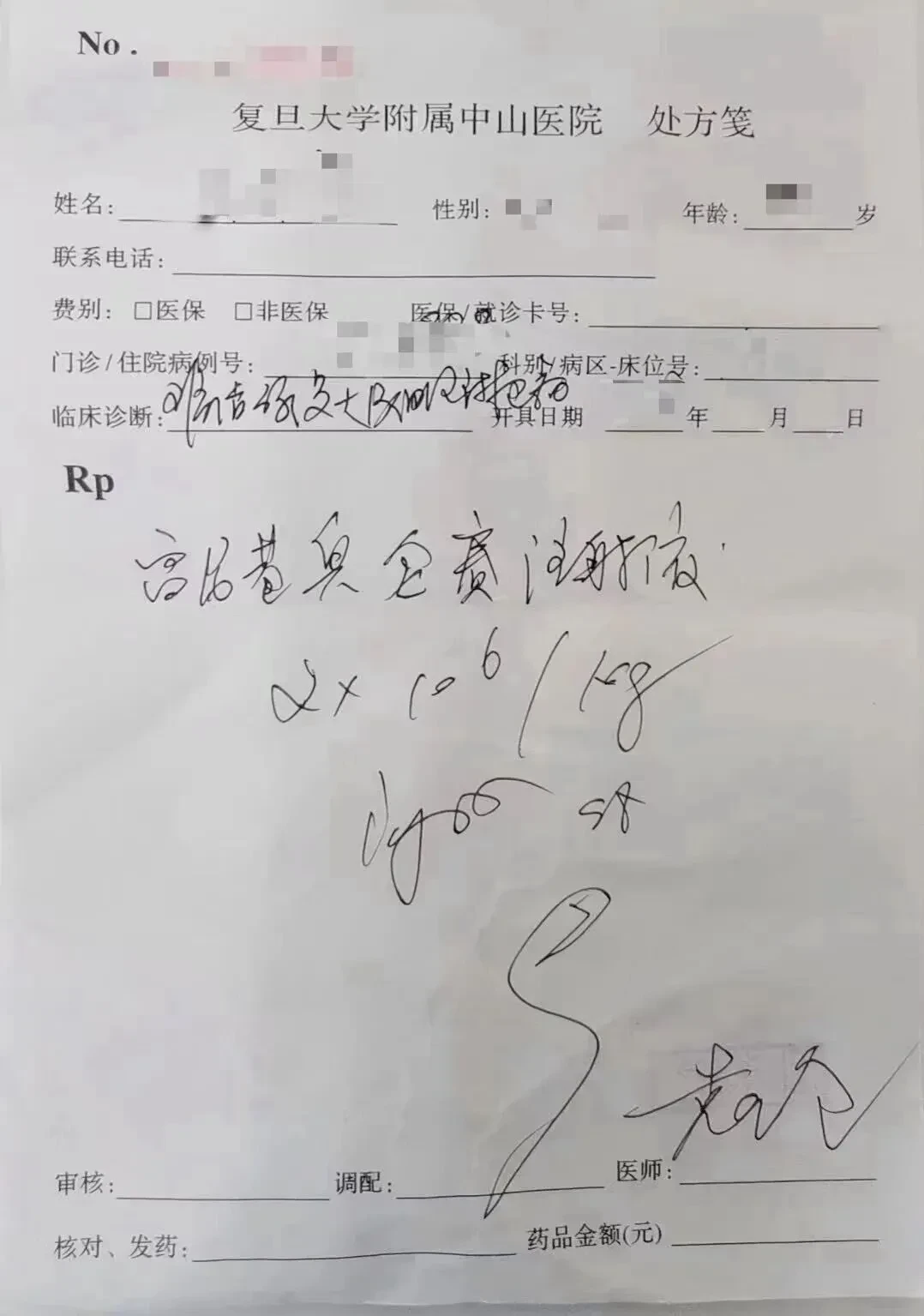
Rani Kioleucel (trade name: Hengkailai®) is a CD19-targeted CAR-T cell therapy, and alsoThe First Approved Chinese CAR-T Product Using a Stable Cell Line Virus ProcessIt genetically engineers T cells to express chimeric antigen receptors (CAR) that specifically recognize CD19, thereby precisely targeting and killing B-cell tumors.
The research, development, and production of this product are fully supported by Shanghai Hengrun Dasheng Biotechnology Co., Ltd's proprietary intellectual property in molecular design, independently established process quality system, and a closed, scaled production platform. This has achieved the full-process localization of CAR-T cell production in China, breaking the foreign technological monopoly. On July 30, 2025, the drug was officially approved for marketing by the National Medical Products Administration of China. It is indicated for the treatment of adult patients with relapsed or refractory large B-cell lymphoma after two or more lines of systemic therapy, including diffuse large B-cell lymphoma not otherwise specified, diffuse large B-cell lymphoma transformed from follicular lymphoma, high-grade B-cell lymphoma with MYC and BCL2 rearrangements, and high-grade B-cell lymphoma not otherwise specified.
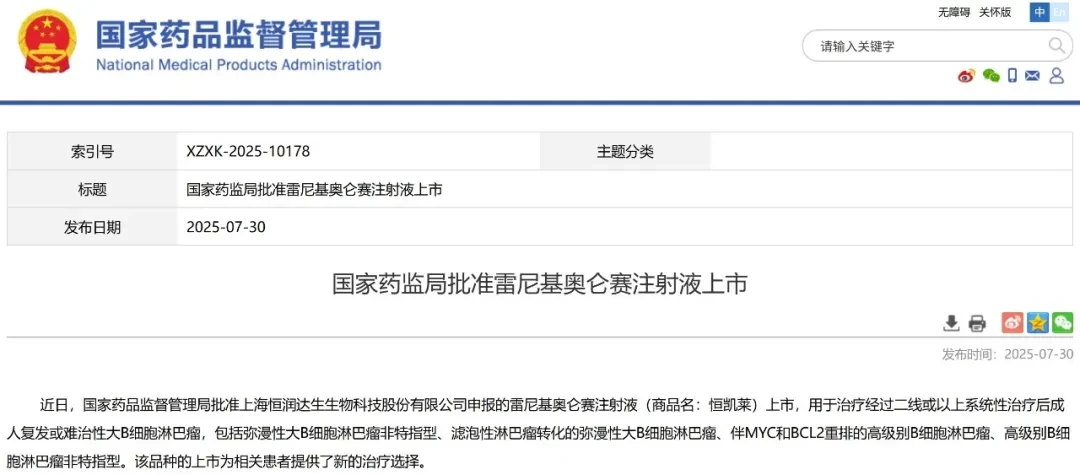
▲Screenshot source“NMPA”
This approval is based on the inspiring data from the pivotal Phase II clinical trial (HRAIN01-NHL01-II): The study enrolled 81 patients with relapsed/refractory non-Hodgkin lymphoma (R/R NHL) having a baseline ECOG score of 0-1, who received an infusion of Reni Kioleucel (code name HR001). The median follow-up time was 160 days (range 7-454 days).
Results showed: patientThe objective response rates (ORR) at 3 months, 6 months, and the best ORR were 53.1%, respectively.(95%CI:41.7-64.3)、45.7%(95%CI:34.6-57.1)、74.1%(95%CI:63.1-83.2);The 3-month, 6-month, and optimal complete remission rates (CRR) were 32.1%, respectively.(95%CI:22.2-43.4)、29.6%(95%CI:20.0-40.8)、49.4%(95%CI:38.1-60.7);The median duration of response (DOR) was 339 days.(95%CI:149-NE),Median progression-free survival (PFS) was 176 days.(95%CI:91-NE)。
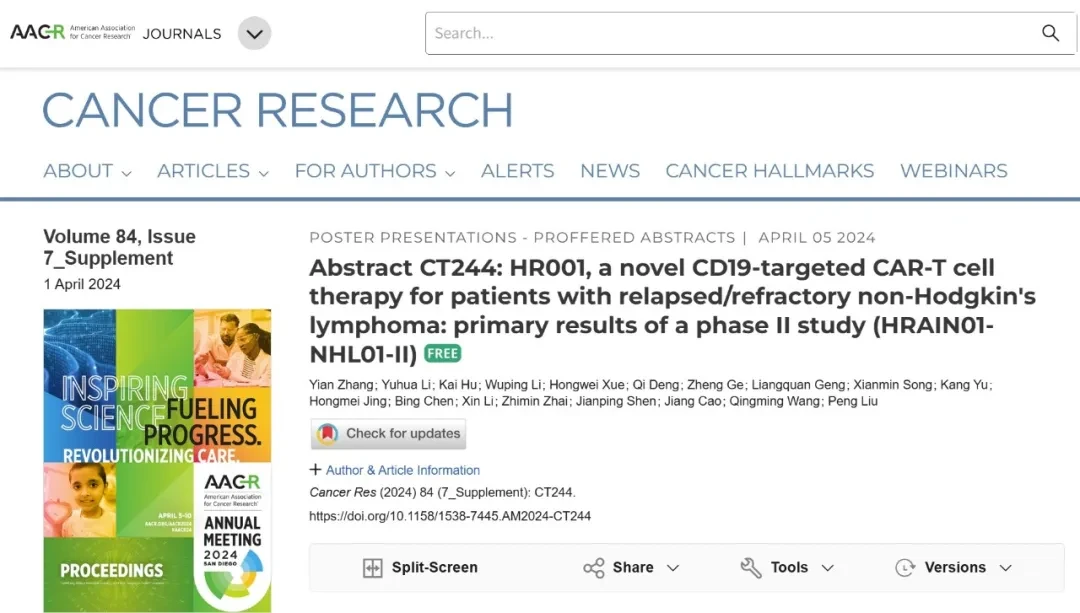
▲Screenshot source“AACR”
In summary, R/R NHL patients can significantly benefit from HR001 treatment, achieving satisfactory objective response, durable relief effects, and good safety.
In addition to the Reni Kiohlens Injection mentioned at the beginning, on the 7th of this month, another China-developed CAR-T product, Pugi Kiohlens Injection (R&D code: pCAR-19B, trade name: Pulidekai®), also received priority review and conditional approval from the National Medical Products Administration (NMPA) of China. The drug is indicated for the treatment of refractory or relapsed CD19-positive acute B lymphoblastic leukemia in patients aged 3 to 21 years (patients who relapse after 12 months of first remission need to receive salvage chemotherapy first), becoming...China's First CAR-T Cell Therapy Drug for Pediatric and Adolescent R/R B-ALL, successfully filling the treatment gap in this field.
Pucelisib Injection, developed by Chongqing Precision Biotech, is an autologous CAR-T cell product. Its core advantage lies in the optimized humanized CD19-specific single-chain variable fragment (scFv), designed specifically to enhance treatment safety.
The prestigious hematology journal *Blood* has published the exciting data from its pivotal Phase II clinical trial (NCT05334823), which is the first study focusing on pediatric B-ALL in the Asian population.
Results show: this productThe Best Objective Response Rate (ORR) Reached 90.63%(58/64), where78.13% (50/64) achieved complete remission (CR).,12.5% (8/64) achieved complete remission with incomplete hematologic recovery (CRi).,Efficacy surpasses that of currently marketed similar anti-CD19 CAR-T therapies;98.27% (57/58) of patients in remission achieved minimal residual disease (MRD) negativity.. In addition,ORR at 3 months was 76.56%(49/64),Median Duration of Response (DOR) 10.61 months(95%Cl:7.66-20.96),The median overall survival (OS) was 23.92 months.(95% CI: 9.86 - not reached).
In summary, even in the face of unfavorable conditions such as high bone marrow blast load and a high proportion of high-risk gene mutations in patients, Pukio Lonase (Prucelisib) still demonstrates a high remission rate, high MRD negativity rate, durable efficacy, and good safety. It provides a new treatment option for Chinese children and adolescent patients with R/R B-ALL.
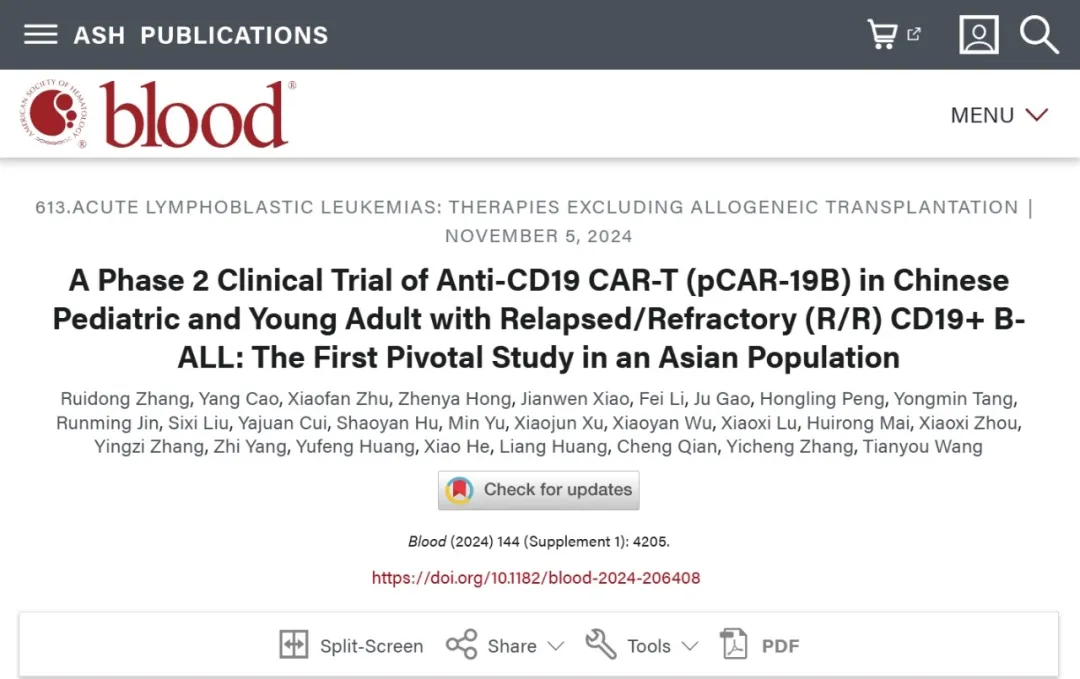
▲Screenshot from "Blood"
In addition to the two domestically developed CAR-T therapies that have already been approved for marketing, China has once again made remarkable progress in the field of solid tumor CAR-T therapy. According to an "OncLive" report on November 14, 2025, a self-developed autologous chimeric antigen receptor T (CAR-T) cell therapy targeting Claudin18.2 (CLDN18.2) — Satri-cel Injection (satri-cel, CT041, satricabtagene autoleucel) — asThe World's First CAR-T Therapy Intended for Solid Tumors, showing preliminary efficacy in the treatment of pancreatic ductal adenocarcinoma (PDAC).
The data from its related Phase 1b trial (NCT05911217) was presented at the 2025 ESMO Congress, showing that: with a median follow-up of 6.05 months (interquartile range 4.04-8.38 months), among the 6 patients who received satri-cel adjuvant therapy, only 1 experienced disease recurrence, while the remaining patients were still disease-free as of the data cutoff date of April 11, 2025.One patient who completed 52 weeks of follow-up remained recurrence-free, and 83.3% of patients showed a significant decrease in CA19-9 levels after infusion, with reductions ranging from 51.3% to 96.1%., the long-term survival trend is encouraging.

In addition to pancreatic cancer, Surugen Cladribine has also demonstrated good tolerability and efficacy in the treatment of CLDN18.2-positive advanced gastrointestinal cancer. In 2024, *Nature Medicine* published the final results of its Phase 1 clinical trial (CT041-CG4006, NCT03874897):The disease control rate (DCR) of 98 treated patients reached 91.8%, the overall response rate (ORR) was 38.8%, and the median progression-free survival (PFS) was 4.4 months.(95%CI,3.7-6.6),Median Overall Survival (OS) 8.8 Months(95%CI,7.1-10.2)。
In addition, at the 2025 American Society of Clinical Oncology (ASCO) conference, significant data updates from its Phase 2 clinical trial (CT041-ST-01) were presented, with one notable case drawing attention: although the liver lesion increased in size compared to baseline two weeks after the patient was infused with satri-cel, subsequent follow-ups showed...Continuously shrinking, and by the 26th week, it was already smaller than the baseline level, visually confirming the sustained anti-tumor activity of the therapy.。
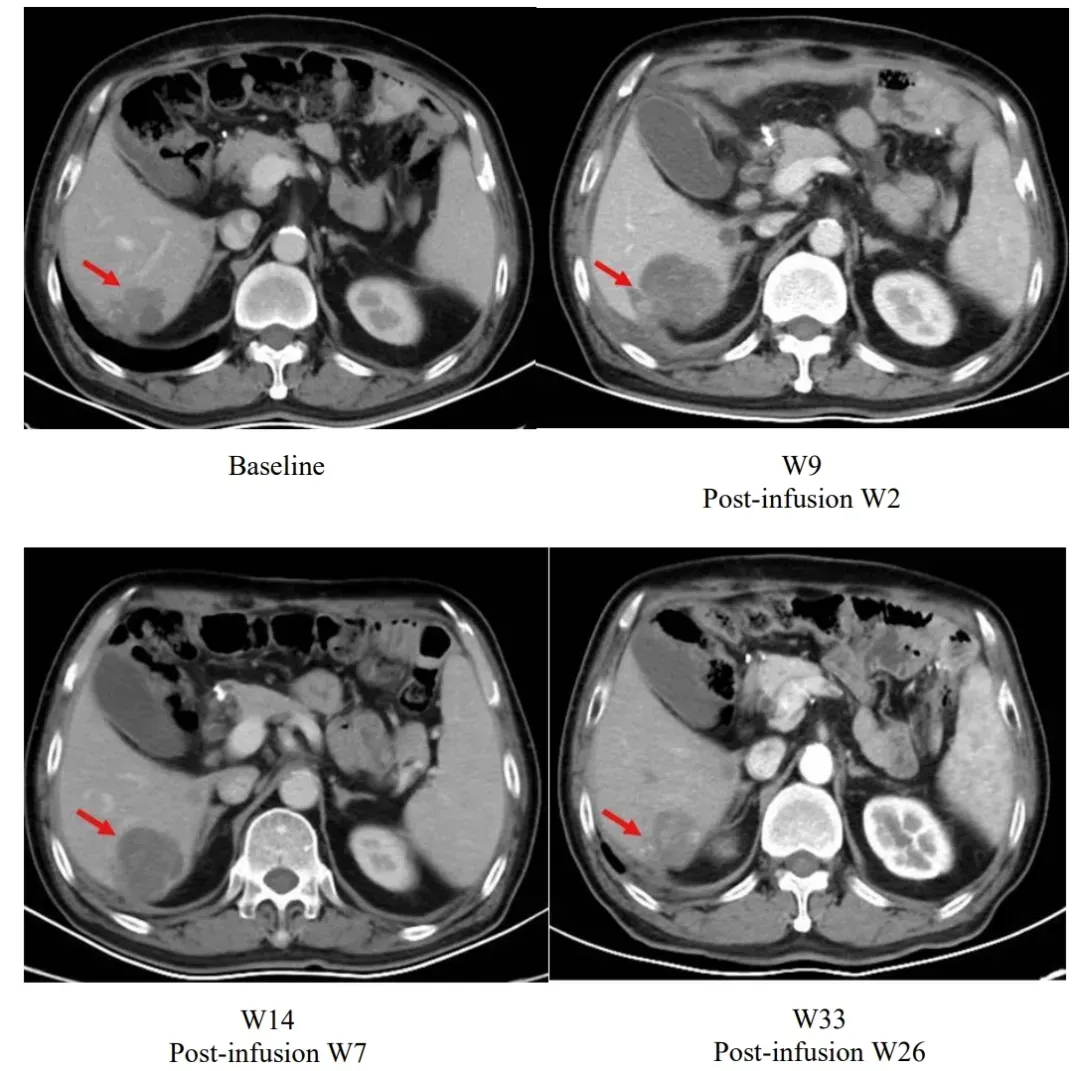
▲Source: “The Lancet”, all rights reserved. If we unintentionally infringe on intellectual property, please contact us for removal.
At the 2025 ASCO Annual Meeting in the United States, a product independently developed in ChinaChina's First CEA-Targeted CAR-T Product C-13-X to Receive Clinical Trial Approval, announced the exciting data from its Phase I clinical trial (NCT060006390) for the treatment of advanced metastatic non-small cell lung cancer (NSCLC). The study enrolled a total of 15 patients with refractory advanced NSCLC who had failed multiple lines of treatment. All patients received C-13-X infusion and were included in the final efficacy analysis.
Results showed: enrolled patientsThe 1-year overall survival (OS) rate is as high as 71.1%, and the overall disease control rate (DCR) reaches 87%.(13/15), whereThe DCR of pulmonary target lesions soared to 93%, with an Objective Response Rate (ORR) reaching 47%.(7/15). Notably, subgroup analysis indicates that,Patients with CEA expression levels ≥30% showed a more significant trend of relief., this group of people can gain more significant benefits from C-13-X treatment.
This remarkable data represents a significant breakthrough in the field of lung cancer treatment. It not only provides strong preliminary evidence for CAR-T therapy in conquering solid tumors (especially advanced lung cancer) but also offers new hope for countless lung cancer patients trapped in difficult treatment situations!
In addition to the cancer types and targets mentioned above, there are currently multiple CAR-T clinical trials火热 recruiting, mainly targetingClaudin18.2, GPC3, GUCY2C, PSMA, CEA, Mesothelin, MUC-1, BCMA, CD1, CD20Such as targets. AndPancreatic cancer, gastric cancer, liver cancer, colorectal cancer, glioma, lung cancer, multiple myeloma, multiple myeloma, diffuse large B-cell lymphomaSuch cancer types.
Patients who have undergone genetic testing can view their genetic test reports on their own. Once the aforementioned mutations are found, they can compile their recent pathology reports, genetic test reports, and other relevant materials and submit them toGlobal Oncologist Network Medical Department (4006667998), for preliminary evaluation of whether there is an opportunity to participate in relevant clinical trials. Once approved, there is a chance to receive free treatment with "astronomically priced" therapies. Patients who cannot understand their test reports or wish to clarify relevant targets may also contact the Medical Department of Global Oncology Doctors Network for detailed interpretation of the report or to learn more about the testing details.
Carcinoembryonic Antigen (CEA) is a highly sensitive marker for gastrointestinal cancers and is widely expressed in the tissues and serum of colorectal cancer (CRC). Its core advantage lies in the fact that, apart from gastrointestinal malignancies, CEA is only expressed at low levels on the apical membrane surface of epithelial cells facing the lumen, an area that is difficult for immune cells to reach—this characteristic makes CEA an ideal target for CAR-T therapy. The preferred applicable population includes patients with treatment failure, high risk of postoperative recurrence, and abnormal CEA levels, covering various cancers such as colorectal cancer, non-small cell lung cancer, breast cancer, gastric cancer, and pancreatic cancer.
A Phase I Clinical Trial (NCT02349724) of CEA-Targeted CAR-T Cell Therapy for CEA-Positive Colorectal Cancer Conducted in China Showed Encouraging Results: Among 10 Patients with Prior Treatment Progression (PD),7 cases achieved stable disease (SD) after treatment.(The tumor diameter has only slightly changed), among whichTwo cases remained stable for over 30 weeks (7.5 months)。
It is worth mentioning that MRI confirmed that the typical case P10 patient, after receiving DL4 dose CEACAR-T treatment,A lesion in the liver has significantly shrunk.The left image shows the pre-treatment scan, and the right image shows the comparison after 4 weeks of treatment.
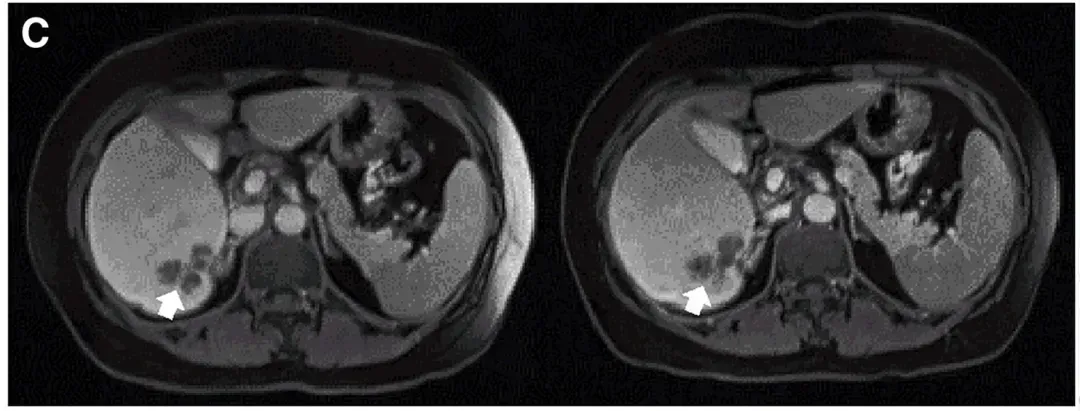
▲Source: "Molecular Therapy", all rights reserved. If we unintentionally infringe on intellectual property, please contact us for removal.
CAR-T Cell Therapy: A New Pillar in Cancer Treatment
Patients who want to clarify their own targets or seek help from novel therapies such as CAR-T, can submit complete pathological reports, treatment history and other materials toGlobal Cancer Doctors Network Medical Department (400-666-7998), conduct a preliminary assessment, or apply for a consultation with domestic and international cancer experts.
[1]Zhang Y,et al.Abstract CT244: HR001, a novel CD19-targeted CAR-T cell therapy for patients with relapsed/refractory non-Hodgkin's lymphoma: primary results of a phase II study (HRAIN01-NHL01-II)[J]. Cancer Research, 2024, 84(7_Supplement): CT244-CT244.
https://aacrjournals.org/cancerres/article/84/7_Supplement/CT244/742315/Abstract-CT244-HR001-a-novel-CD19-targeted-CAR-T
[2]Zhang R,et al.A Phase 2 Clinical Trial of Anti-CD19 CAR-T (pCAR-19B) in Chinese Pediatric and Young Adult with Relapsed/Refractory (R/R) CD19+ B-ALL: The First Pivotal Study in an Asian Population[J]. Blood, 2024, 144: 4205.
https://ashpublications.org/blood/article/144/Supplement%201/4205/532428/A-Phase-2-Clinical-Trial-of-Anti-CD19-CAR-T-pCAR
[3]https://www.onclive.com/view/adjuvant-satri-cel-displays-preliminary-activity-in-pancreatic-ductal-adenocarcinoma
This article is original by Global Oncologist Network. Reprinting is strictly prohibited without authorization.
Scan to Add Patient Group
Cancer Fighting News|New Technologies|New Drug Development|Leading Experts
Join the group to receive free anti-cancer resources