China's Innovative Drug Licensing Surge in 2025: ADCs, Bispecifics, and In Vivo CAR-T Lead Record-Breaking Deals

astellas
Pharmaceutical R&D Developer

Qilu Pharmaceutical
Specialty Formulations and Active Pharmaceutical Ingredients (API) Developer

CSPC
Innovative Drug Research and Development, Manufacturer

Radiance Biopharma
Developer of Mono/S bispecific Antibody Conjugates
 The total amount of China's innovative drug license-out in the first half of 2025 has approached 66 billion US dollars, surpassing the total BD transaction volume for the entire year of 2024. Among them, ADC and bispecific antibodies were the most significant transaction categories in the first half of the year, accounting for nearly 60% of the total BD transaction value of China's innovative drugs.
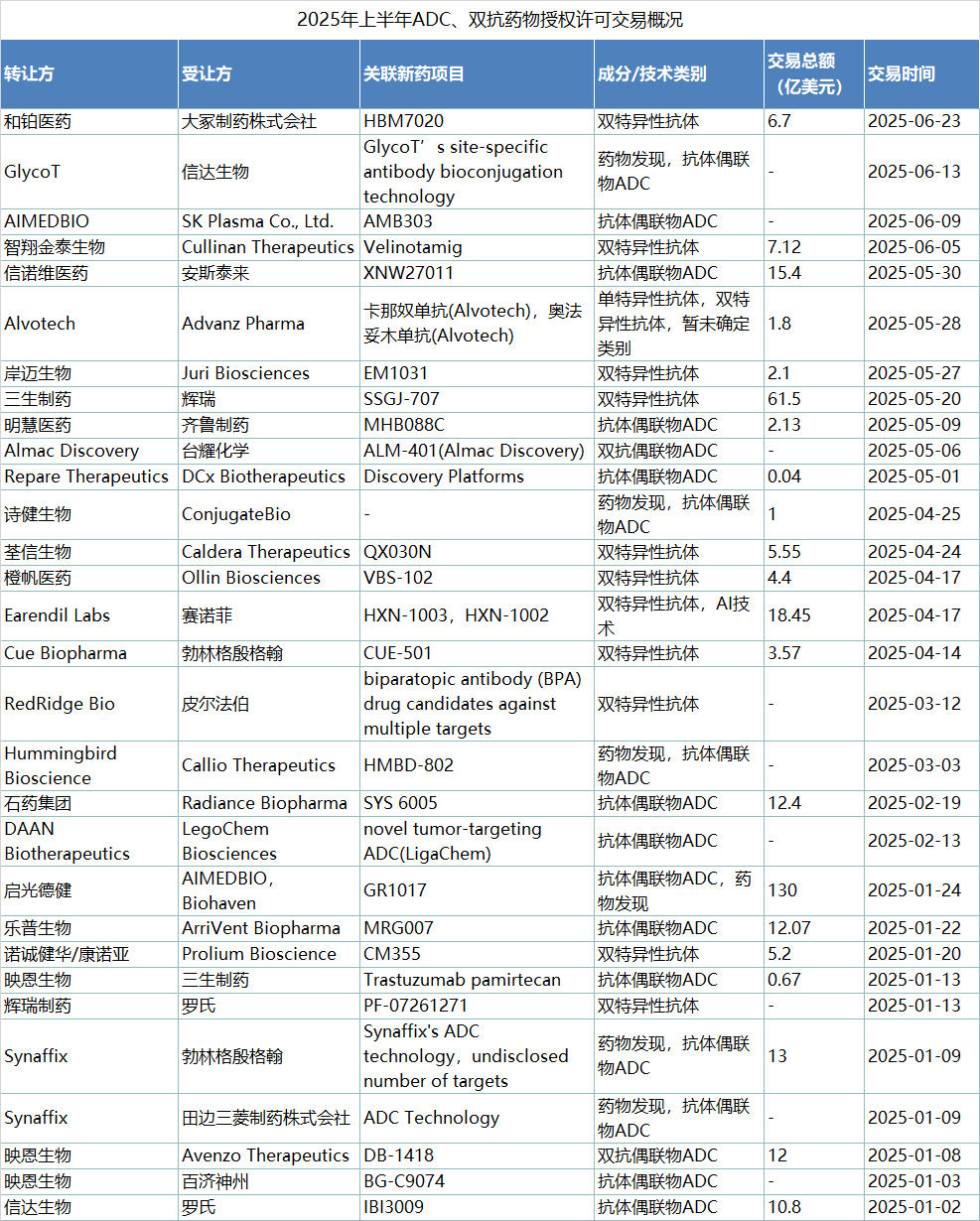
Data source: Hunter Pharm Club
XNW27011
20255Month29Day,Astellas Pharma and Signa Biopharma AnnounceCLDN18.2Targeted Antibody-Drug Conjugates (ADC)XNW27011Reach an exclusive licensing agreement. According to the agreement, Astellas will obtainXNW27011The exclusive development and commercialization rights in all regions outside of mainland China, Hong Kong, Macao, and Taiwan. Xinnuowei will obtain1.3Hundreds of millions of dollars in upfront payments, with a potential total transaction value of15.4Billion US dollars.
XNW27011 adopts a tripeptide linker TMALIN (Tumor Microenvironment Activable LINker) and a novel structural isomerase inhibitor toxin YL0014, with a DAR value of 8.
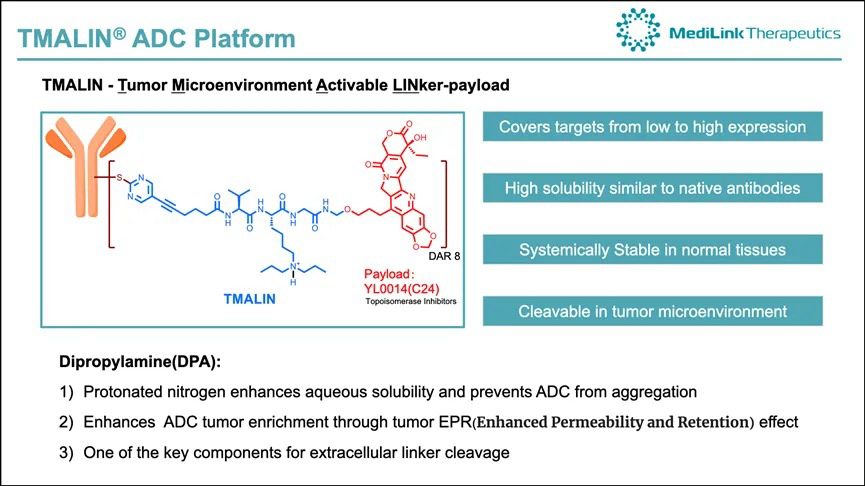
2025 ASCO Meeting: XNW27011 Data UpdateIn 18 evaluable patients at a dose of 3.6 mg/kg, the BOR was 66.7%, the confirmed PR rate reached 33.3%, and the DCR reached 88.9%.
MHB088C
Minghui Pharmaceutical's innovative B7-H3 targeted antibody-drug conjugate (ADC) MHB088C has officially launched a Phase III registrational clinical trial in China for refractory small cell lung cancer (SCLC) (CTR20250586). On May 9, 2025, Qilu Pharmaceutical acquired this ADC. Compared with competing products, MHB088C demonstrates 3-4 times higher antibody affinity, a 2-3 times higher internalization rate, linker stability in plasma, a payload with 5-10 times higher potency, and a shorter half-life.
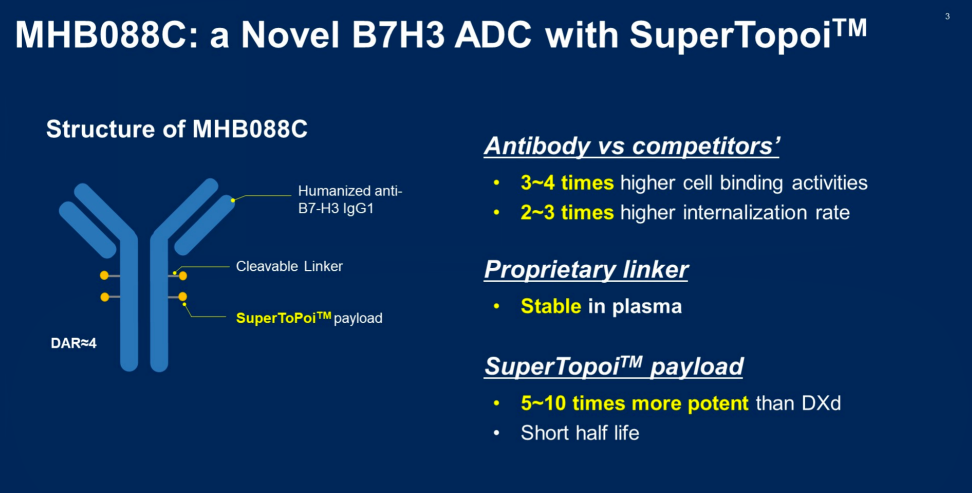
At the 2024 ASCO Conference, Minghui Pharmaceutical Ltd. disclosed for the first time the Phase 1/2 study data of MHB088C in treating patients with recurrent/metastatic solid tumors.
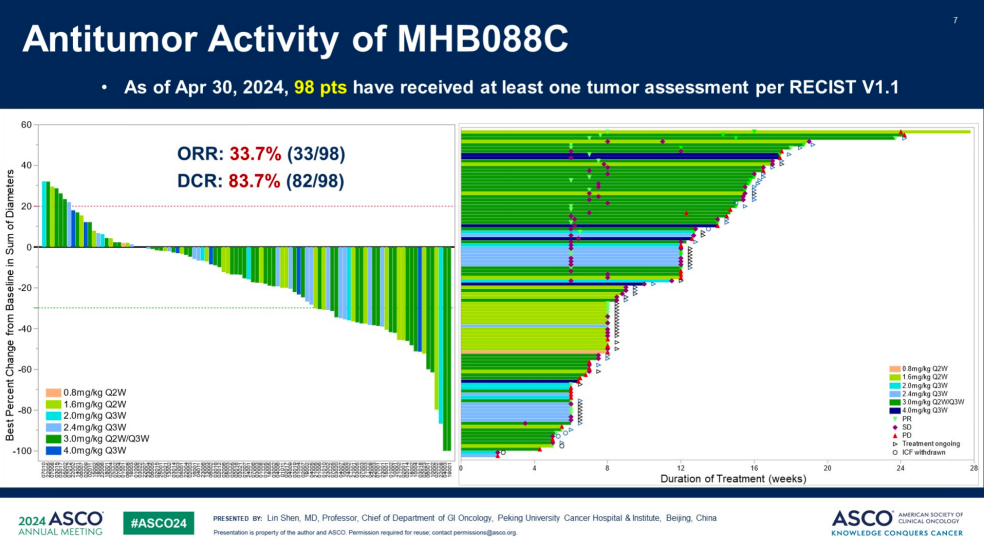
SYS6005
On February 19, CSPC announced that it had exclusively licensed the development and commercialization rights of SYS6005 (ROR1 ADC) in the United States, the European Union, and other regions to Radiance Biopharma for a total amount of $1.24 billion.
SYS6005, developed using CSPC's proprietary enzyme-catalyzed site-specific conjugation technology, utilizes MMAE as its payload. It features a uniform DAR distribution, a highly stable linker, and a low drug-to-antibody ratio, ensuring both efficacy and safety.
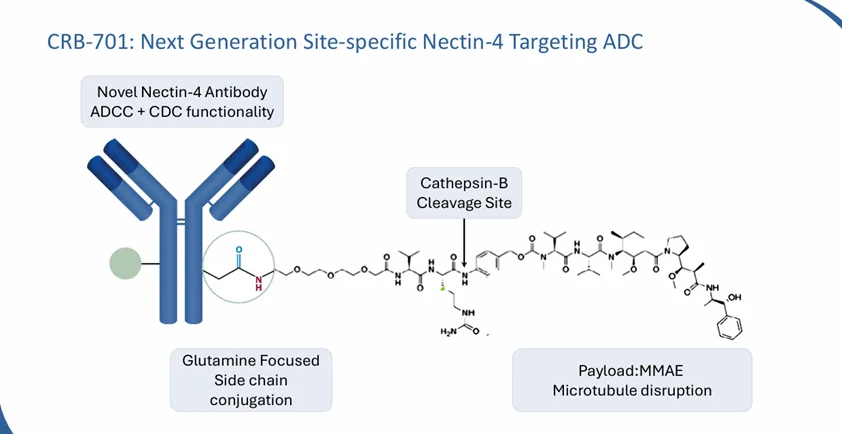
On February 16, 2025, the Phase I clinical trial (ID: CTR20250511) of the ROR1 ADC drug SYS6005 was initiated. This trial will be conducted in patients with various advanced malignant tumors. This marks the eighth ADC drug from CSPC to enter the clinical stage. Regarding patient enrollment criteria, individuals who have previously participated in any ROR1-targeted therapy or received MMAE payload ADC treatment will be excluded from the trial.
In Vivo CAR-T Field
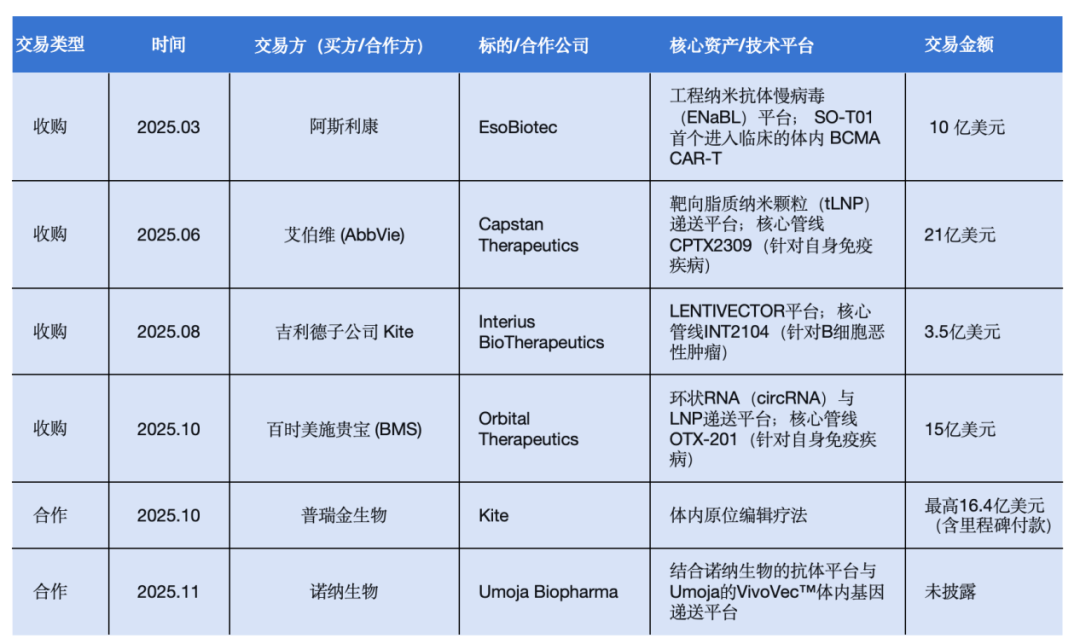
Moreover, in the in vivo CAR-T field, which has higher technical barriers, 2025 also saw several eye-catching large transactions, demonstrating the great importance placed on this cutting-edge technology by major pharmaceutical companies.
EsoBiotec
EsoBiotec is a biotechnology company established in 2020 with its headquarters in Belgium, focusing on the research and development of in vivo cell therapies. Despite having only 15 employees currently, the company has raised a cumulative 22 million euros in funding and has garnered significant industry attention for its core technology platform—Engineered Nanobody Lentivirus (ENaBL).
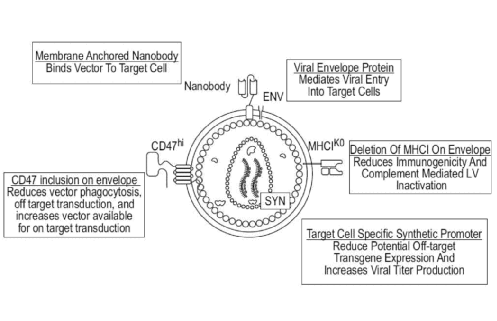
ENaBL Platform Through inLentiviral VectorSurface AnchoringNanobody, achieving precise recognition and transfection of specific immune cells (such as T cells) to directly generate CAR-T cells within the patient’s body. This method avoids the complex processes of cell extraction, expansion, and reinfusion used in traditional ex vivo CAR-T therapies, requiring only a single intravenous injection that can be completed in a matter of minutes, significantly streamlining the procedure and reducing costs.
ESO-T01, the first candidate product of EsoBiotec (targeting BCMA), has entered the clinical research stage. The first IIT (investigator-initiated trial) dosing in a multiple myeloma patient was completed in China by early 2025. After 28 days, tests showed zero bone marrow cancer cells, demonstrating strong therapeutic potential.
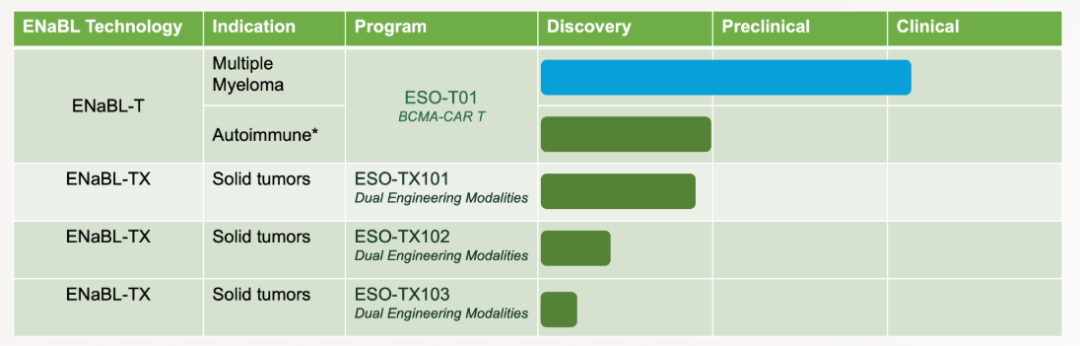
With the innovation and clinical prospects of the ENaBL platform, EsoBiotec was acquired by AstraZeneca in March 2025 for up to 1 billion US dollars, including a 425 million US dollars upfront payment and 575 million US dollars in milestone payments. This deal also marks that in vivo CAR-T technology is rapidly becoming an important direction for international pharmaceutical giants to compete in.
Capstan Therapeutics
On June 30, 2025, AbbVie announced the acquisition of Capstan Therapeutics for $2.1 billion, setting a record for early-stage biotechnology company acquisitions.
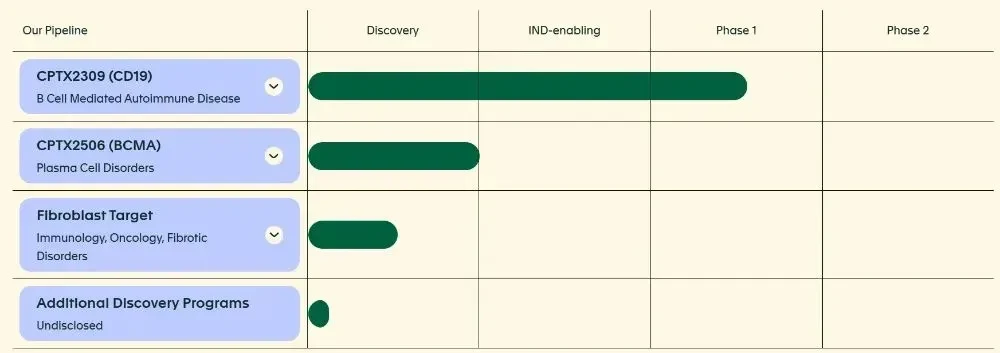
AbbVie will acquire Capstan's proprietary CellSeeker™ tLNP platform technology and its lead asset CPTX2309, a tLNP-based in vivo anti-CD19 CAR-T.
Capstan published an article titled "In vivo CAR T cell generation to treat cancer and autoimmune disease" in Science on June 5. The article describes the use of a novel ionizable lipid (L829) and targeted antibodies (such as CD5 or CD8 antibodies) to deliver mRNA encoding CAR., directly reprogramming T cells in vivo for treatmentB-cell malignanciesAndB Cell-Mediated Autoimmune Diseases。
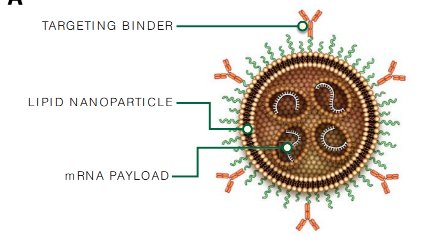
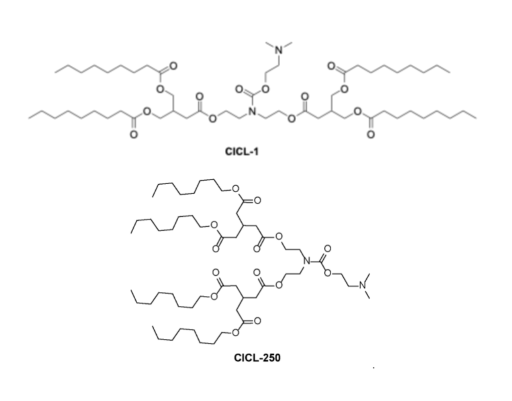
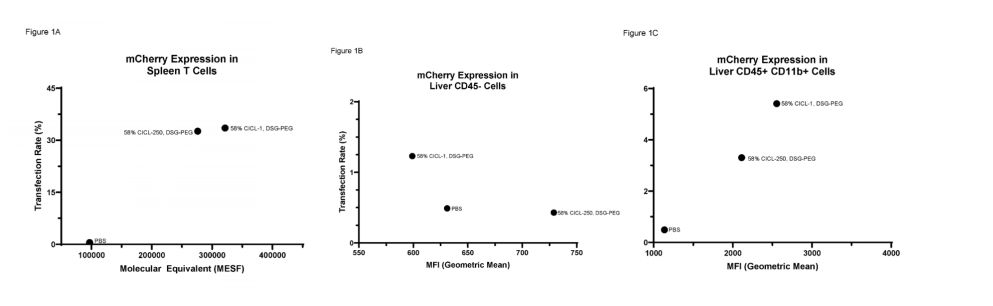
In the article, Capstan developed a novel cationic lipid named L829. LNPs constructed using the L829 lipid can enhance spleen accumulation while reducing liver accumulation, thereby improving delivery efficiency to T cells. In the recent patent WO2025217454A2 "Ionizable Cationic Lipids and Lipid Nanoparticles," Figure 1A-1C illustrates the transfection efficiency (percentage of cells expressing mRNA) versus expression levels (in terms of equivalent soluble fluorescent dye (MESF) molecules) of two tLNP compositions containing either CICL-250 or CICL-1. The difference in lipid orientation alone resulted in different outcomes.
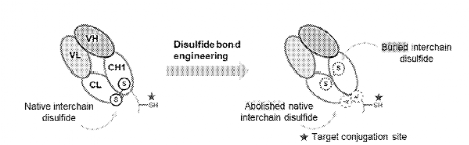
From the patent WO2025129201A9 "Humanized Anti-CD8 Antibodies and Their Uses," it is speculated that engineered disulfide bonds in the F(ab') were likely utilized, making the engineered antibody less prone to forming F(ab') dimers.
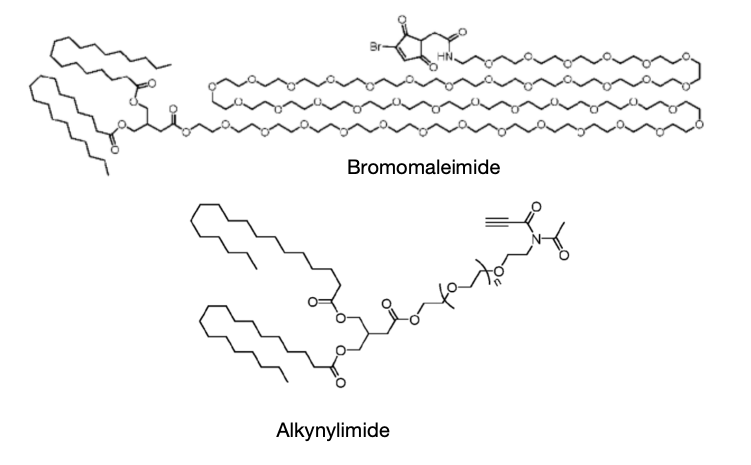
From the patent WO2023196445A1 "Polyethylene Glycol Lipids and Lipid Nanoparticles," it can be inferred that the PEG lipid used is likely a bromo-maleimide or propiolamide linker, which can undergo a Michael addition reaction with the thiol group of a nanobody.
Interius BioTherapeutics
On August 21, Kite, a subsidiary of Gilead Sciences, announced the acquisition of Interius BioTherapeutics, a private biotechnology company developing in vivo CAR-T therapies, for $350 million.
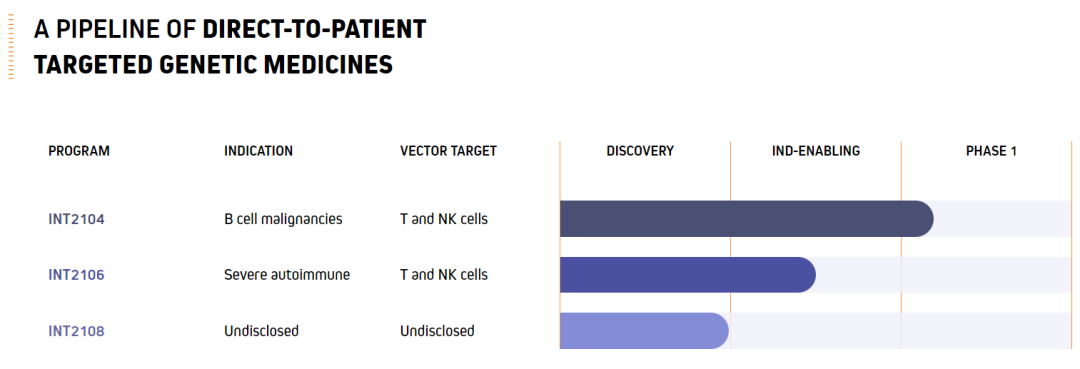
This acquisition complements Kite's expertise in cell therapy by integrating Interius' in vivo integration platform.
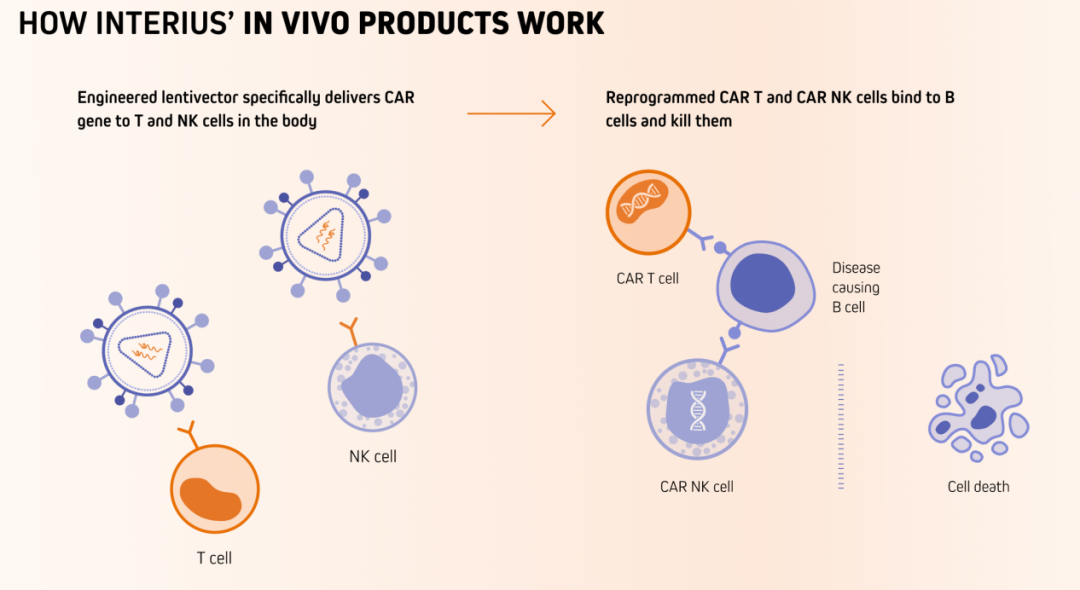
INT-2104
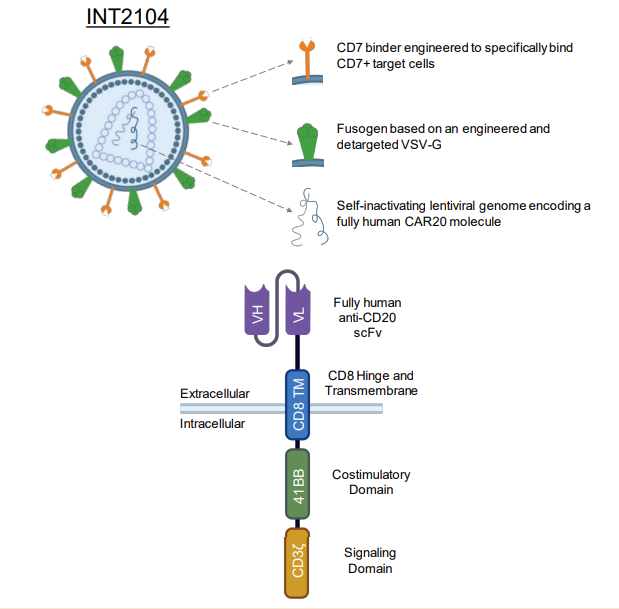
INT2104 inCD7 as the target, it is expected to become the best-in-class therapy for treating B-cell malignancies, which can be completed with a single intravenous infusion. The product can generate CAR-T cells and CAR-NK cells in situ within the patient's body. These genetically engineered immune cells will actively seek out and eliminate cells expressingCD20-positive malignant B cellsPreclinical study data validated the efficacy of this therapy: after a single intravenous administration, not only was the complete depletion of human B cells achieved in humanized mouse models, but also the thorough regression of tumors was observed. Moreover, in GLP-compliant non-human primate toxicology studies, INT2104 has demonstrated favorable biological function and safety.
Orbital Therapeutics
On October 10, BMS acquired Orbital Therapeutics for $1.5 billion, obtaining OTX-201, which is currently undergoing IND application. This candidate product uses LNP to deliver circular RNA to generate CAR-T in vivo.
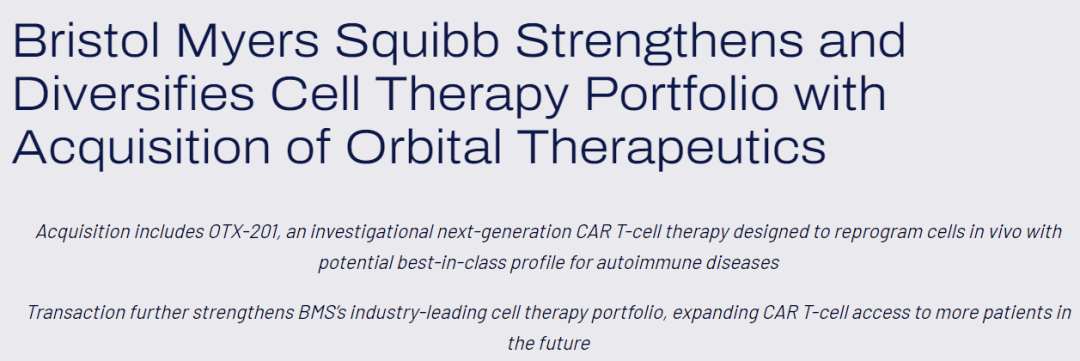
Orbital was founded in 2022 with plans to advance RNA therapeutics. Orbital's unique technology platform integrates RNA design, delivery systems, data science, and automation technology to drive therapy development with precision, durability, and flexibility.
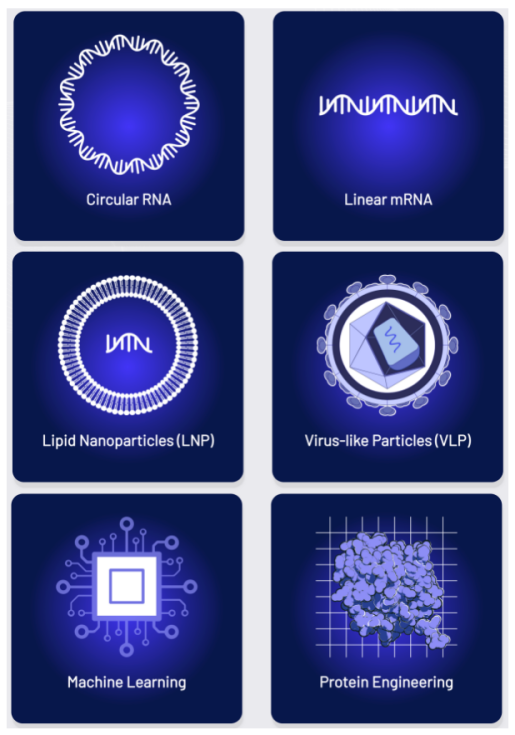
Orbital's main technical advantage lies in mRNA design. Unlike Capstan's linear mRNA, Orbital focuses not only on the development of linear mRNA but also primarily on circular RNA (circRNA). The circular structure of circRNA makes it resistant to nuclease degradation, with a half-life 3-5 times longer than that of linear RNA, allowing it to remain stable within cells for an extended period and reducing the frequency of dosing. Moreover, it is less likely to be recognized by the immune system, minimizing interferon responses, making it more suitable for long-term treatment and reducing immune-related side effects. Compared to linear RNA, the production environment for circRNA is relatively less stringent, not requiring a strictly nuclease-free setting, which lowers production costs.
OTX-201
Orbital's OTX-201 is currently in IND-enabling studies, and this candidate is the optimizedCircular RNA, addressing the pain points of traditional RNA drugs, such as "poor stability and short expression time," encoding CD19-targeted CAR for in vivo expression via targeted lipid nanoparticles (LNPs).
Nona Biopharma
On November 5, BioBAY-based company Nona Biologics announced a collaboration and licensing agreement with Umoja. The two parties plan to combine Nona Biologics' HCAb Harbour Mice® platform and NonaCarFxTM platform with Umoja’s VivoVecTM platform to jointly advance the development of multiple in vivo CAR-T cell therapies.
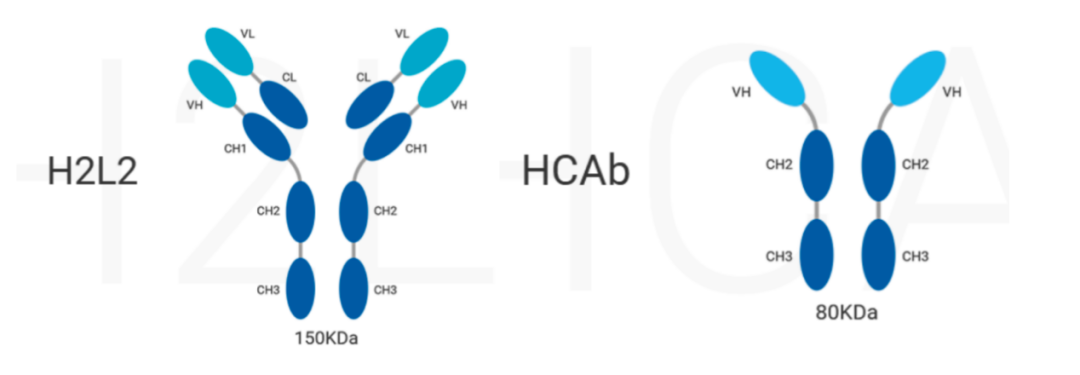
Nona Biosciences, a subsidiary of Harbour BioMed focused on antibody technology platforms and early-stage innovative drug discovery, has as one of its core assets the Harbour Mice® fully human antibody transgenic mouse platform. This platform can generate fully human monoclonal antibodies in both classical (H2L2) and heavy-chain-only (HCAb) formats. The HCAb Harbour Mice® platform is the world’s first clinically validated fully human heavy-chain-only antibody technology platform. With highly diverse application potential, the platform allows fully human VHH single-domain antibodies to be used as "plug-and-play" modules, broadly applicable in bispecific antibodies, multispecific antibodies, CAR-T cell therapies, antibody-drug conjugates (ADCs), mRNA therapies, and more.
Umoja is a leader in the field of in vivo cell therapy at the clinical stage, committed to fully unlocking the potential and application value of CAR-T cell therapy.

The collaboration between Umoja and NanoBio is clearly aimed at integrating CAR-T cell therapy with nanobodies to develop antibody-targeted cellular therapies.
Traditional CAR-T: Requires "ex vivo" manipulation, extracting T cells from the patient, genetically modifying and expanding them in a GMP cleanroom facility, then reinfusing them back into the patient.This process is extremely complex, time-consuming (taking weeks), expensive (costing hundreds of thousands to millions of dollars), and requires very high standards for production facilities.In vivo CAR-T: By a single injection, vectors carrying the CAR gene (such as LNP-mRNA or viral vectors) are directly injected into the patient’s body to modify T cells "on-site." This approach is expected to transform the complex "personalized" therapy into a simple injection akin to an "off-the-shelf" drug, significantly reducing costs and time.
Traditional CAR-T TherapyPatients need to wait for several weeks.During this period, the condition may worsen. At the same time, the complex preparation process also limits its application in areas without top-tier medical centers. If in vivo CAR-T therapy is successful, patients may only need to receive one injection at the hospital, avoiding the complicated procedures of cell collection and reinfusion. This makes it possible for grassroots-level hospitals to apply the treatment, thereby benefiting millions of patients worldwide.
Innovative immunotherapy drugs have undergone significant transformations in the past three decades, with new technologies such as monoclonal antibodies, ADCs, cytokines, immune cell engagers, DNA vaccines, RNA vaccines, and engineered T-cell therapies becoming increasingly numerous and mature. Naturally, this has led to a growing number of new deals.


All articles reprinted by this official account are intended to convey more information, with the source and author clearly indicated. Media or individuals who do not wish to be reprinted can contact us (cbplib@163.com), and we will immediately delete the content. All articles represent the views of the author and do not represent the position of this website.