ORR Over 42%! Zhejiang University and Partners Unveil First-in-Human TCR-T Data at ESMO 2025, Breaking the 'Undruggable' KRAS G12V Barrier in Colorectal, Pancreatic, and Other Solid Tumors

Neowise
Solid Tumor TCR-T Cell Therapy Drug Developer


Recently, the 2025 European Society for Medical Oncology (ESMO) Annual Meeting successfully concluded in Berlin, Germany. As a top academic event in the global oncology field, the conference announced several groundbreaking research findings, among which two early studies on TCR-T therapy were particularly outstanding:
One isChina-developed NW-301V targeting KRAS G12V mutation, itsFirst-in-Human Phase I Study for Patients with Pancreatic or Colorectal Cancer(Abstract 1514O) Demonstrated encouraging safety and efficacy;
The second is for HPV-related cancersSCG142 Achieves 100% Disease Control Rate in 7 Subjects, showing extremely breakthrough performance!
This is also the second time that TCR-T cell therapy, a novel T-cell treatment for solid tumors, has shone brightly following the successful approval and market launch of the first TCR-T cell therapy product in 2024. These remarkable achievements not only bring new hope for survival to cancer patients in dire straits but also propel precision treatment for solid tumors into a brand-new phase, with a promising future ahead!
Approximately 10% of colorectal cancers (CRC) and 30% of pancreatic cancers (PC) carry the KRAS p.G12V mutation, which is a key driver of tumorigenesis. To date, no clinical data on TCR-engineered T cell therapies targeting this mutation have been reported.
NW-301V is a novel autologous TCR-T therapy targeting KRAS G12V mutations in advanced solid tumors, developed by Neowise Biotechnology, Co., Ltd. (Suzhou) (Abstract 1514O). It consists of autologous T cells transduced with a naturally selected TCR that specifically recognizes the KRASp.G12V neoantigen presented by HLA-A11:01, and the T cells co-express the CD8αβ co-receptor to further enhance functionality.
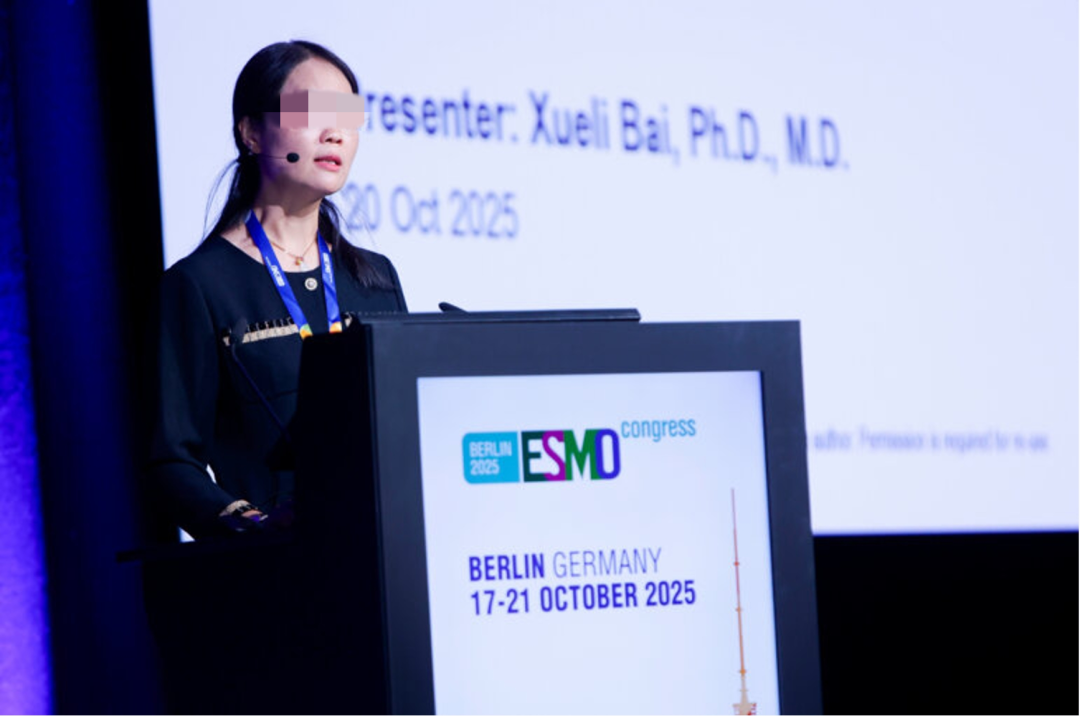
▲Image Source“ESMO"`, owned by the original author. If we unintentionally infringe on intellectual property, please contact us for removal."
The 2025 ESMO Congress presented the investigator-initiated therapy.Preliminary Results of the First Phase I Clinical Trial in HumansThe trial enrolled 14 patients with HLA-A11:01 and KRAS G12V-positive, unresectable or advanced colorectal cancer (CRC) and pancreatic cancer (PC), all of whom had no other effective treatment options, to evaluate the efficacy and safety of three dose levels.
The results showed that NW-301V had good preliminary efficacy and tolerability.Objective Response Rate (ORR) in the overall population reached 42.9%.Among them, 10 patients received target dose levels 2 (1.5×10⁹ cells) and 3 (7.5×10⁹ cells),50% achieved partial response (PR), 50% reached stable disease (SD), with a median progression-free survival (PFS) of 5.8 months.。
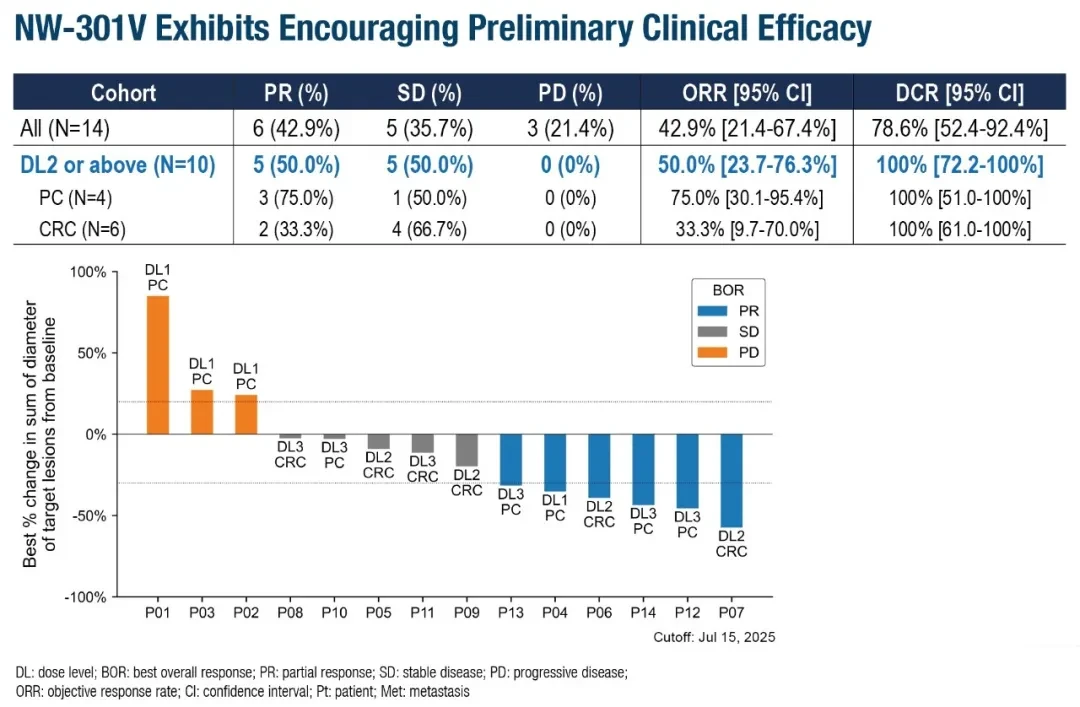
▲Source of the Image“ESMO"`, owned by the original author, if we unintentionally infringe on intellectual property rights, please contact us for removal."
In terms of safety, most adverse events were dose-related hematological toxicities. The most common Grade ≥3 adverse events were lymphocytopenia (78.6%), leukopenia (50.0%), and neutropenia (50.0%), all associated with lymphocyte depletion. Additionally, 42.9% (6 patients) experienced Grade 1-2 cytokine release syndrome (CRS), with no occurrence of immune effector cell-associated neurotoxicity syndrome (ICANS).
In summary, preliminary results confirm that NW-301V demonstrates both good safety and encouraging anti-tumor activity in CRC and PC patients with KRAS G12V mutations. The ongoing dose-escalation trial will further evaluate the efficacy of higher doses and determine the recommended Phase II dose (RP2D).
In addition to the first-in-human Phase I study of NW-301V mentioned at the beginning, the 2025 European Society for Medical Oncology (ESMO) Annual Meeting also announced the Phase I clinical data (NCT06544720) of another TCR-T cell therapy, SCG142.
SCG142 is a next-generation autologous TCR-T therapy developed by StarCross Bio targeting HPV16/52E7. It incorporates a TGFβRII-41BB chimeric switch receptor through genetic engineering, which enhances the persistence and functionality of T cells; it is not onlyThe World's First Approved Clinical Next-Generation TCR-T Product Equipped with a Chimeric Switch Receptor "Armor", which can significantly enhance the anti-tumor activity of T cells in the tumor immunosuppressive microenvironment, is alsoThe world's first TCR-T product that can simultaneously target HPV16 or HPV52 genotypesMainly used for treating human papillomavirus (HPV)-related cancers (such as cervical cancer, etc.). HPV can infect human skin and mucous membranes, primarily spreading through sexual contact, but also via vertical mother-to-child transmission. Approximately 5% of cancers globally are caused by HPV; nearly 100% of cervical cancer cases are associated with HPV infection. Globally, there are about 660,000 new cases of cervical cancer annually and around 350,000 deaths, making it one of the most common malignant tumors in women.
As of the data cutoff date, a total of 7 HLA-A*02:01-positive, HPV16/52-positive patients with advanced cancer had received SCG142 treatment at doses of 1×10⁷ (n=1), 5×10⁷ (n=2), and 1×10⁸ cells/kg (n=4), respectively. Among them, 6 patients received a second infusion, and some patients underwent repeated lymphodepletion concurrently.
Results:All 7 patients observed tumor shrinkage, with a disease control rate (DCR) reaching 100%.; whereinTumors shrank by more than 30% in 4 patients (57%)., includingTwo cases of confirmed partial response (PR)And 2 cases of PR pending confirmation. The current median follow-up time is 4.3 months.Median progression-free survival (PFS) and overall survival (OS) have not been reached.。
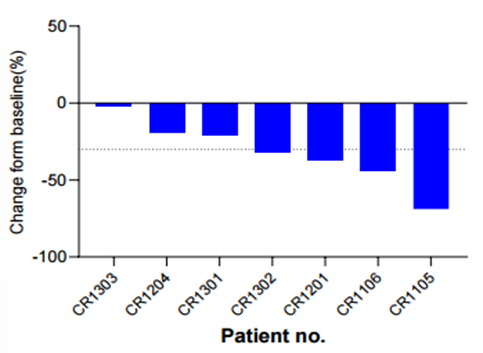
In summary, SCG142 was well-tolerated and demonstrated encouraging early clinical activity in patients with advanced HPV16/52-positive cancer. These preliminary results support the continued advancement of its clinical development and further evaluation in larger cohorts.
In addition to the HPV-related tumor-targeted therapy SCG142 mentioned above, SingHealth Bio has another TCR-T therapy in development, SCG101. It is a hepatitis B antigen-specific TCR-T therapy that specifically targets HBV antigen-related T-cell epitopes. It can effectively eliminate HBV-associated hepatocellular carcinoma (HBV-HCC) tumor cells, HBV-DNA integrated precancerous lesion cells, and HBV-infected cells. After infusion, it forms a specific memory T-cell subset, endowing the therapy with long-term self-renewal capacity and functional stability, thereby maintaining sustained anti-tumor and antiviral activity. Clinical data have confirmed its significant anti-tumor and antiviral effects.
Exciting case of SCG101 treating HBV-related hepatocellular carcinoma announced at the International Society for Cell & Gene Therapy (ISCT): Patient achieved partial response (PR) post-treatment, with a 74.5% reduction in tumor size and 100% clearance of hepatitis B infection.
Specifically, after the patient received a single infusion of SCG101,On Day 28, the target lesion decreased by 66% from baseline, achieving partial response (PR).;At the 4th month of treatment, the tumor further reduced to 74.5%.,Another lesion has completely disappeared.(See the figure below). It is worth noting that, during the trial periodThe patient did not receive any other anti-tumor treatments., as of the time of data statistics,The tumor has been progression-free for over 6.9 months, continuously maintaining a state of relief.。
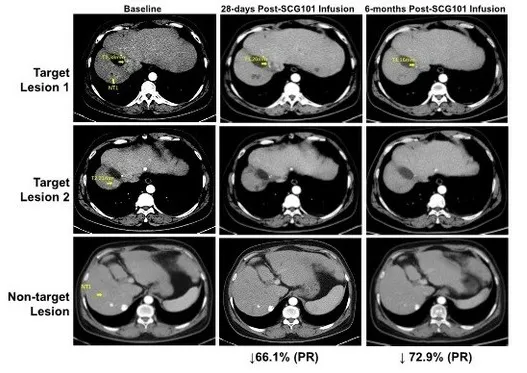
▲Image Source“SCG"`, owned by the original author. If we unintentionally infringe on intellectual property rights, please contact us for removal."
In addition, immunohistochemical analysis of the liver before and after infusion showed,100% clearance of HBsAg-positive hepatocytes; the level of HBV serological marker HBsAg also significantly decreased, from 557.96 IU/mL before infusion to 1.3 IU/mL on the 7th day after infusion, and further dropped to 0.08 IU/mL on the 28th day.(See the figure below for details).
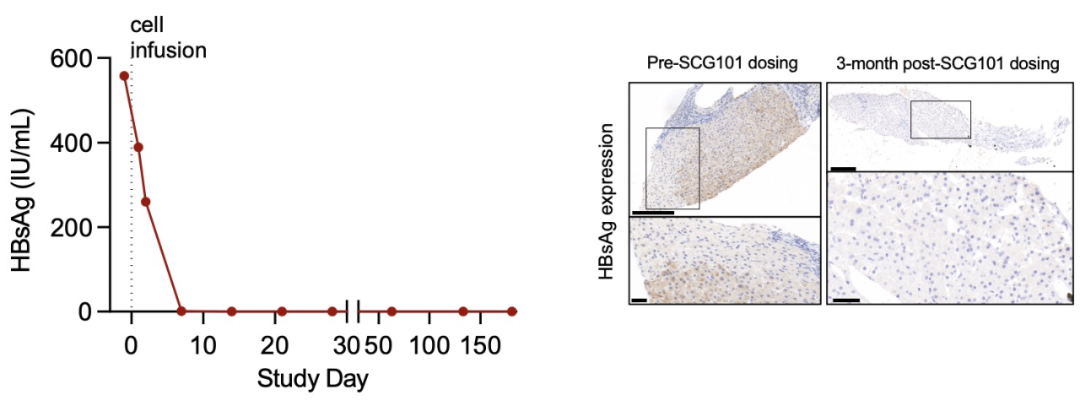
▲Source of the Image“SCG"`, owned by the original author. If any intellectual property rights are unintentionally infringed, please contact us for removal."
NY-ESO-1 is a highly promising target in cancer immunotherapy, offering both good safety and efficacy, with expression found in 11.8%-21% of non-small cell lung cancer patients. Recently, the prestigious journal *Oncology Letters* reported a striking case: the use of NY-ESO-1-specific TCR-T cell therapy to treat advanced non-small cell lung cancer successfully achieved significant tumor reduction and partial remission.
This study (NCT02457650) enrolled four HLA-A2-positive NY-ESO-1-positive patients with metastatic non-small cell lung cancer (NSCLC). After enrollment, the patients first received lymphodepleting chemotherapy, followed by adoptive transfer of NY-ESO-1 TCR-T cells, combined with systemic IL-2 therapy.
The results showed that: among the four patientsTwo cases achieved clinical response, where Patient 1 received three infusions of TCR-T cells,Treatment NearStable disease (SD) was achieved 3 months later.; Patient 2 received two infusions,Partial response (PR) achieved after 4 months of treatment。
Particularly noteworthy is the treatment journey of Patient 2: a 44-year-old HLA-A2 positive female with EGFR-mutated, NY-ESO-1 positive advanced lung adenocarcinoma (LADC). Prior treatments included six cycles of docetaxel plus carboplatin combination chemotherapy, as well as gefitinib and erlotinib, all of which were ineffective, with the disease continuing to progress. Follow-up CT scans in September 2015 revealed metastatic progression (PD) in the right hilar region, mediastinum, right pleura, right hepatic lobe, and liver capsule, leaving no further viable clinical treatment options. Fortunately, bronchoscopic biopsy of the right lung tumor showed strong NY-ESO-1 positivity by immunohistochemical staining, enabling her successful enrollment in TCR-T therapy.
The results showed that: CT scan on the 43rd day after the first TCR-T cell infusion (January 2016) showed that the patientThe primary lung lesion and liver metastasis began to regress, with pleural effusion absorbed and lung re-expanded.:The primary lung lesion decreased from 95×86×54mm to 64×44×54mm, and the liver metastasis decreased from 19.8×19.6×20mm to 10×10×10mm., evaluated according to RECIST 1.1 criteriaPartial Response (PR). At the same time, the patientThe Karnofsky Performance Status (KPS) score improved from 50 before infusion to 90, with significant relief of hemoptysis and chest pain symptoms, and notable improvement in clinical symptoms.。
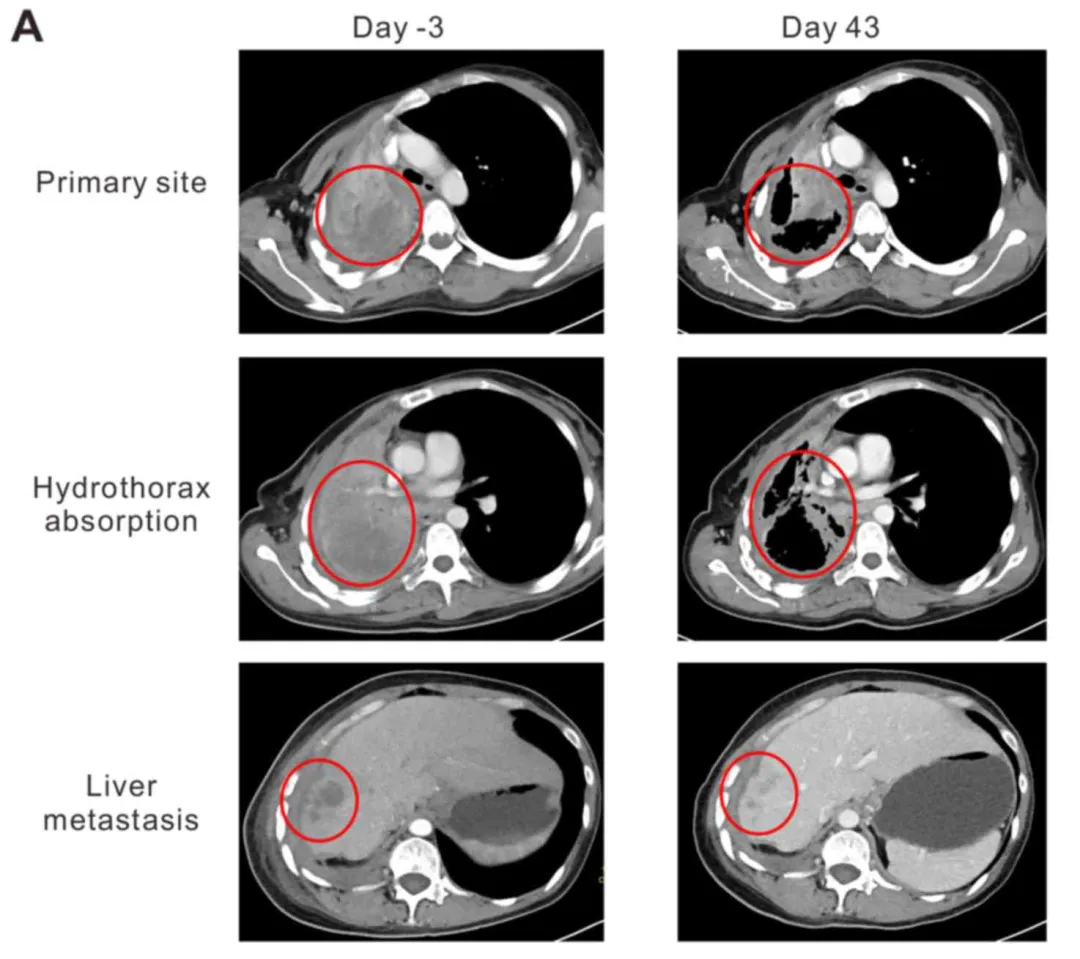
▲Source of the Image“Oncology "Letters", the copyright belongs to the original author. If we unintentionally infringe on intellectual property rights, please contact us for removal.
TCR-T Therapy Innovatively Pioneers a Dual "Anti-Cancer + Antiviral" Treatment Paradigm. In recent years, research teams have been accelerating the exploration of its application in virus-associated solid tumors, particularly focusing on key cancer types such as hepatitis B virus-induced hepatocellular carcinoma and human papillomavirus (HPV)-related cervical cancer. Encouragingly, the first TCR-T cell therapy product was successfully approved for marketing in 2024, marking the official entry of this cutting-edge technology into the clinical application stage! We look forward to more breakthrough anti-cancer therapies being approved in the future, helping patients with solid tumors achieve the hope of long-term survival with the disease.
Even better news is that multiple TCR-T therapies under research are currently conducting clinical trials for gynecological cancers (cervical cancer, endometrial cancer, ovarian cancer), head and neck tumors, and hepatitis B-related liver cancer, providing Chinese patients the opportunity to participate in cutting-edge treatments simultaneously! If you are also seeking help from emerging anti-cancer therapies such as TCR-T, CAR-T, or TILs, you can submit your recent pathology test results, treatment history, and other relevant information toGlobal Cancer Doctors Network Medical Department (400-666-7998), for preliminary evaluation!
[1]Bai X, et al. First-in-human phase I study of TCR-T therapy targeting KRAS G12V in metastatic solid tumors. ESMO Congress 2025 -Abstract 1514O
https://cslide.ctimeetingtech.com/esmo2025/attendee/confcal/show/session/126
[2]Xia Y,et al.Treatment of metastatic nonsmall cell lung cancer with NYESO1 specific TCR engineeredT cells in a phase I clinical trial: A case report[J]. Oncology letters, 2018, 16(6): 6998-7007.
https://www.spandidos-publications.com/10.3892/ol.2018.9534
[3]Li Y, Ren T,et al.1171P First-in-human clinical result of a novel HPV-specific TCR T cell therapy (SCG142) in patients with recurrent or metastatic HPV16/52-positive carcinoma[J]. Annals of Oncology, 2025, 36: S772.
https://www.annalsofoncology.org/article/S0923-7534(25)02727-9/fulltext
This article is original from Global Cancer Doctors Network. Reproduction is strictly prohibited without authorization.
Scan to Add Patient Group
Cancer Fighting News|New Technologies|New Drug Development|Authoritative Experts
Join the group to receive free anti-cancer resources