

Peking Union Medical College Hospital Licenses RDH12 Gene Therapy Patent to InnoVec Biotherapeutics for RMB 1.68 Million Plus 5% Sales Royalty

Innovecbio
Gene Editing Delivery Technology and Drug Developer
Recently, Peking Union Medical College Hospital released a public notice on the transformation of scientific and technological achievements. The hospital plans to..."Patent technology related to a gene therapy drug targeting RDH12 mutations", successfully transferred to InnoVec Biotherapeutics Inc. through patent assignment. The proposed transaction price for this transfer isRMB 1.68 million, and attach future sales5%The commission.
The inventor of this patented technology isProfessor Ruifang Sui's R&D Team from Peking Union Medical College Hospital. The team has long been dedicated to the clinical diagnosis and treatment and basic research of hereditary eye diseases, particularly retinal degenerative diseases, and has accumulated a profound professional foundation in the field of gene therapy.
Professor RuiFang SuiIs the leading figure in ophthalmology at Peking Union Medical College Hospital, serving as Chief Physician, Professor, and Doctoral Supervisor, focusing on the diagnosis, treatment, and research of hereditary eye diseases.
She was the first to report on Stickler syndrome, familial ectopia lentis, and other rare eye diseases in China. She led the development of the X-linked retinoschisis gene therapy drug IVB102 injection, advancing it into clinical trials. RuiFang Sui graduated with a bachelor's degree from West China University of Medical Sciences, earned her doctorate from Peking Union Medical College, and completed postdoctoral research on ocular genetic diseases at institutions such as the University of Iowa in the United States. She has undertaken multiple national-level scientific research projects, identified several pathogenic genes related to retinal degeneration and high myopia, and has been honored with awards such as the Second Prize of Beijing Science and Technology Progress Award.
The transferee of this patent technologyInnoVec Biotherapeutics Inc.(InnoVec Biotherapeutics Inc. or InnoVecBio) is a company dedicated to solving the challenges of gene delivery to all human tissues and organs. It focuses on developing precise, safe, and efficient tissue-targeting vectors to enable gene therapy to be widely applied across diverse patient populations.
InnoVec Biotherapeutics Inc. focuses on unresolved issues of Adeno-associated virus (AAV) in human applications, utilizing AI assistance to create the EASI-AAV platform and develop vectors targeting the retina, nervous system, and muscles. Gene therapy drugs based on these vectors have either already entered clinical trials or will do so successively.
The achievement of this transformation focuses on RDH12 gene mutations, which are one of the significant causes of Leber Congenital Amaurosis (LCA) and Inherited Retinal Diseases (IRD). The innovative gene therapy drug developed by the team aims to repair the disease-causing genetic defects at their root, offering hope of restoring vision to patients afflicted with these blinding eye conditions.
Hereditary Retinal DiseasesIs a group of diseases caused by genetic mutations, which lead to progressive damage to the structure and function of the retina. These diseases exhibit high clinical and genetic heterogeneity. Currently, nearly 300 genes are known to be associated with these conditions, which are the leading cause of irreversible blindness.Retinol Dehydrogenase 12 (RDH12)Gene MutationIs an important cause of severe retinal degenerative diseases, and the RDH12 protein encoded by this gene plays a key role in the visual cycle.
The visual cycle is an essential biochemical process for maintaining visual function.Under light stimulation, the visual pigment molecules in retinal photoreceptor cells undergo isomerization, a process that releases all-trans retinal and generates visual signals.
In order to maintain continuous vision,All-trans retinal must be reduced to all-trans retinol.It is then transported to the retinal pigment epithelial cells where it is re-isomerized into 11-cis-retinal, and finally returns to the photoreceptor cells to bind with opsin, forming light-sensitive visual pigments again. RDH12 is the key enzyme that catalyzes the step of "all-trans-retinal reduction to all-trans-retinol."
When the RDH12 gene undergoes pathogenic mutations, the activity of the enzyme it encodes is significantly reduced or lost, leading to disruption of the visual cycle. All-trans retinal is cytotoxic, and its long-term accumulation triggers metabolic disorders and oxidative stress in photoreceptor cells, ultimately resulting in apoptosis and progressive retinal degeneration.
Clinically, mutations in the RDH12 gene can cause a variety of severe phenotypes.These include Leber congenital amaurosis, early-onset severe retinal dystrophy, retinitis pigmentosa, and cone-rod dystrophy, among others.
Most patients suffer from severe visual impairment during childhood. They exhibit significant macular atrophy. As the condition progresses, the patient's field of vision gradually narrows, leading to pronounced night blindness symptoms, eventually resulting in an inability to live independently.
Currently, there is no effective clinical treatment for retinal diseases caused by RDH12 mutations, and existing methods cannot halt or reverse the disease progression. Current clinical approaches mainly focus on symptomatic support and low-vision rehabilitation, such as providing visual aids for patients, offering genetic counseling, and conducting orientation and mobility training.
These methods aim to utilize patients' residual vision and improve their quality of life, but they cannot address the root cause of the disease, which is the loss of function of the RDH12 protein.
Therefore, the patient's retinal photoreceptor cells continue to die, leading to irreversible vision loss. This untreatable condition imposes a heavy burden on patients and their families. It also highlights the urgency of developing fundamental treatments. Gene therapy technology offers hope for such monogenic hereditary diseases. The core idea is to deliver correct gene copies into diseased cells, compensating for the functional loss caused by mutated genes.
However, the development of such therapies faces enormous challenges. It requires selecting efficient and safe viral vectors to deliver therapeutic genes to target cells, and ensuring that the genes can express normal functional proteins in a long-term, stable, and safe manner within the body.
In response to the key issues above, the team has provided a gene therapy drug targeting RDH12 gene mutations.Its core technology is the use of recombinant adeno-associated virus as a gene delivery vector.
AAV is a non-pathogenic parvovirus. After artificial modification, it can remove its own genetic material and carry therapeutic gene fragments, becoming a safe and efficient gene delivery tool.The AAV virus constructed by this patent contains a codon-optimized human RDH12 gene complementary DNA.Codon optimization is a bioengineering technique that redesigns the nucleotide sequence of a gene without altering the amino acid sequence of the protein.
This is akin to rewriting the instruction into a more efficient language that cells are familiar with.Optimization can significantly improve the expression efficiency of RDH12 protein in human cells, which is a key step to ensure the therapeutic effect.
The drug uses a triple-plasmid packaging system to prepare the virus in HEK 293T cells. This system can efficiently and specifically produce recombinant AAV viruses that only carry therapeutic genes. These viruses do not have the ability to replicate themselves. More importantly, this invention selects the artificially designed AAV capsid serotype IVT13.
The capsid is the shell of a virus, acting like the key to a delivery system. The serotype IVT13 key can effectively recognize and enter retinal photoreceptor cells, thereby precisely delivering the normal RDH12 gene to the diseased target cells.
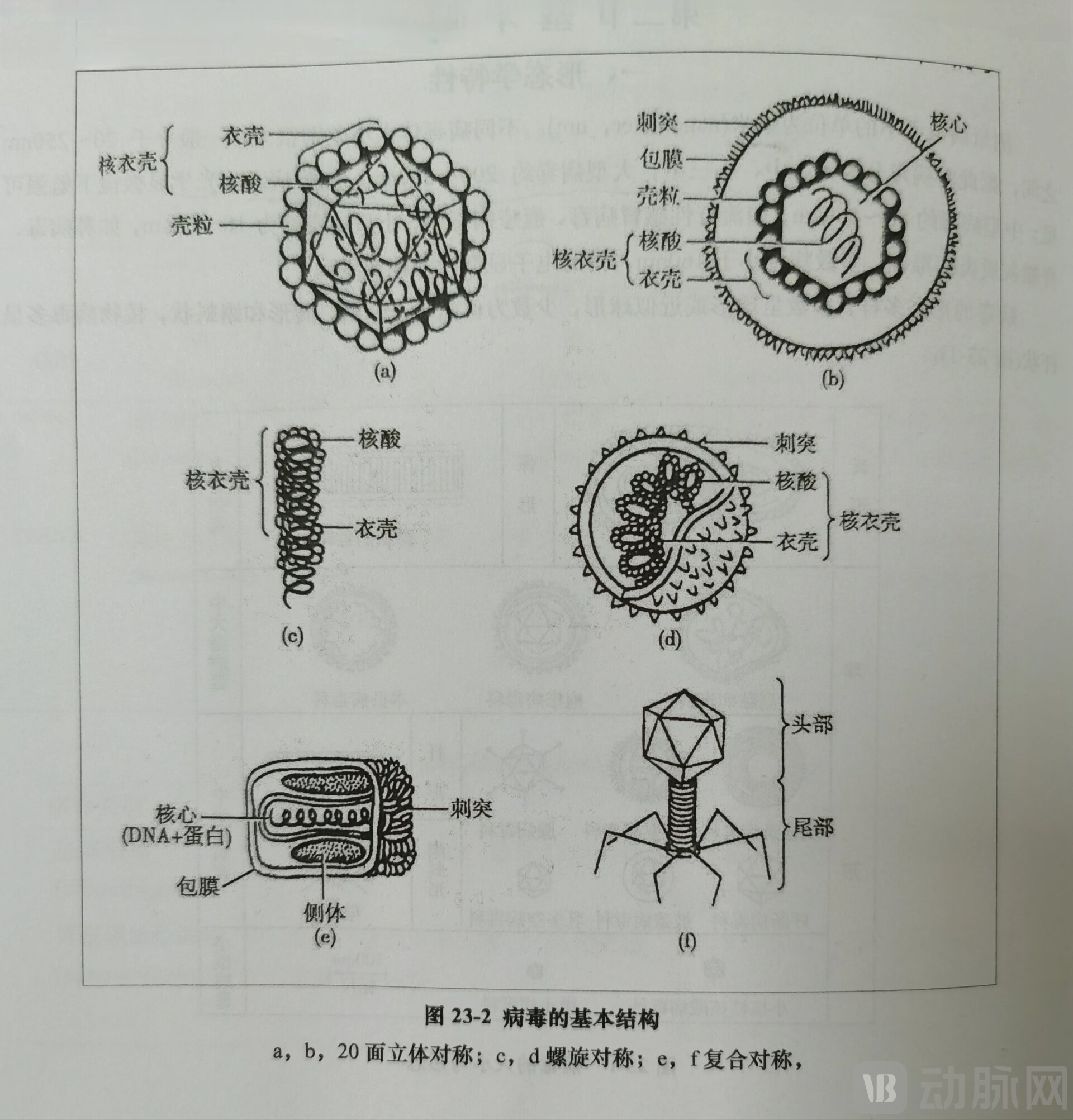
Image from "Chen Yuezeng General Biology"
In terms of drug delivery methods, this invention innovatively adoptsIntravitreal Injection RouteThe vitreous cavity is the space inside the eyeball filled with a transparent gel-like substance.
Compared with traditional subretinal injection, intravitreal injection is a minimally invasive procedure. It only requires injecting the drug into the vitreous cavity, without directly contacting or peeling off the fragile retinal structure.
This method significantly reduces the risk of iatrogenic retinal injury. It decreases the likelihood of severe complications such as bleeding and retinal detachment, while making the surgical procedure simpler, safer, and more conducive to clinical promotion.
Once injected into the eye, the AAV viral vector infects the retinal photoreceptor cells. The optimized human RDH12 gene carried by the viral vector will persist stably in the nucleus, directing the cell to synthesize a complete RDH12 protein with normal biological activity.
RDH12 is a key enzyme in the visual cycle.It is responsible for catalyzing the reduction of all-trans-retinal to all-trans-retinol. In patients with RDH12 gene mutations, the enzyme's function is either lost or significantly reduced. This leads to a disruption in the visual cycle, accumulation of toxic all-trans-retinal, and ultimately results in photoreceptor cell death.
Therefore, the fundamental mechanism of action of this gene therapy drug is achieved through a one-time administration, establishing a long-term, stable source of functional RDH12 protein production within the patient's retinal cells.
These newly produced normal proteins can compensate for the functional defects caused by gene mutations. They restart the stalled visual cycle, clear toxic metabolites, thereby rescuing photoreceptor cells on the brink of death from the root cause, ultimately achieving the therapeutic goal of improving patients' visual function or significantly slowing disease progression.
This provides the first potentially curative therapy with the hope of altering the disease course for patients with RDH12 mutations, who currently have no available treatment.
Currently, hereditary retinal diseases caused by RDH12 gene mutations consistently face the clinical challenge of having no effective cure, a serious situation that is driving global innovative forces to compete in the frontier field of gene therapy.
Jianda JiuzhouFocusing on innovation in gene therapy for central nervous system and ophthalmic diseases, the company's core pipeline product in the ophthalmic gene therapy field is the GA001 injection. This drug is primarily developed to address late-stage blindness caused by retinitis pigmentosa. Its Investigational New Drug (IND) application was officially accepted by the Center for Drug Evaluation of the National Medical Products Administration in August 2025, marking the entry of the drug's clinical research in China into a standardized advancement phase. On the international level, the drug has also been granted Fast Track designation by the U.S. Food and Drug Administration.
HuiGeneIt is a global biotechnology company focused on the development of gene-editing technologies and gene therapy drugs, with a research and development pipeline covering several key areas such as ophthalmology and the central nervous system. In the field of ophthalmic gene therapy, Huigene's core product under development is HG004. This is a gene replacement therapy using a recombinant adeno-associated virus (AAV9) vector, which delivers the normal RPE65 gene to the retina through a single administration. The product is specifically designed to treat Leber congenital amaurosis caused by mutations in the RPE65 gene, particularly LCA2.
In terms of the R&D stage,HG004 Has Made Significant Progress. In October 2023, the results of its first clinical study, "LIGHT," showed that all subjects achieved improved retinal sensitivity. No serious adverse events, such as retinal detachment, were observed during the study. Meanwhile, HG004 is the first AAV ophthalmic gene therapy independently developed in China to receive both Orphan Drug and Rare Pediatric Disease designations from the U.S. FDA. Its international multicenter clinical trial application has been approved by the Center for Drug Evaluation of China's National Medical Products Administration and the U.S. FDA for a new drug clinical trial.
On the international track,Opus Genetics is a patient-centered gene therapy company that focuses on the field of inherited retinal diseases. It is committed to developing treatment solutions for patients with these rare blinding conditions through innovative adeno-associated virus vector gene therapy technology.
In the ophthalmic gene therapy track,The company's core pipeline under research includes two AAV vector-mediated gene therapy drugs. OP-GX-001 targets Leber congenital amaurosis caused by LCA5 gene mutations, while OP-GX-002 addresses Leber congenital amaurosis triggered by RDH12 gene mutations. Both treatments deliver the normal target gene to the patient’s retina via subretinal administration of the AAV8 vector to achieve gene augmentation therapy. Currently, both pipelines are in the preclinical stage, with trials underway to support Investigational New Drug (IND) applications.
From the overall R&D trend,The development of RDH12-related treatment solutions has formed a diversified technical approach. In addition to gene replacement therapy, it includes the exploration and application of different serotype vectors. These studies provide more possible options for addressing vision loss caused by this pathogenic gene.
Looking ahead, with the advancement of more R&D projects and the accumulation of clinical data, the treatment strategies targeting RDH12 are expected to further improve. The continuous development in this field will bring new therapeutic hope to patients with inherited retinal diseases and promote overall progress in the field of ophthalmic precision treatment.