Zorifertinib, the First 100% CNS-Penetrant EGFR-TKI, Included in China's 2025 National Reimbursement Drug List, Expanding Access for NSCLC Patients with Brain Metastases

Alpha Biopharma
Innovative Drug Developer

Preface
On December 7, 2025, the results of the national medical insurance negotiations were officially announced on the official website of the National Healthcare Security Administration. Alpha Biopharma's next-generation EGFR-TKIZoritini Hydrochloride Tablets (Brand Name: Zerinib)Through national negotiationsSuccessfully included in the 2025 National Reimbursement Drug List (NRDL), as a first-line treatment for adult patients with locally advanced or metastatic non-small cell lung cancer (NSCLC) who have epidermal growth factor receptor (EGFR) exon 19 deletions or exon 21 (L858R) substitution mutations, accompanied by central nervous system (CNS) metastases.The new version of the catalog will be officially implemented on January 1, 2026.
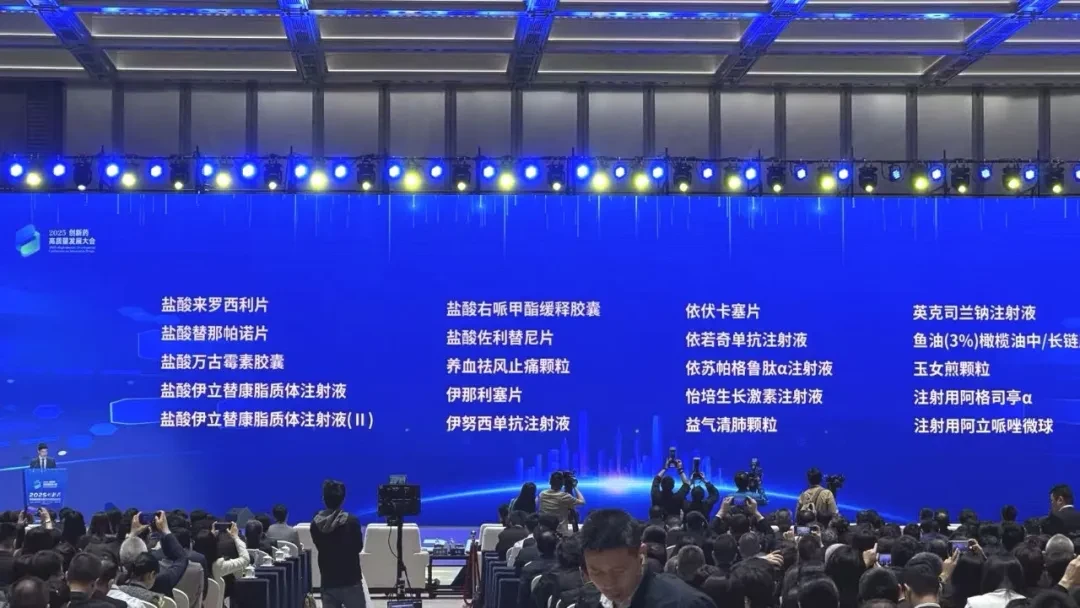
Zoritini was approved for marketing by the National Medical Products Administration in November 2024. It is the world's first and currently the only EGFR-TKI drug approved for first-line treatment of brain metastases in lung cancer, filling a clinical gap in the treatment of brain metastases. Within one year of its market launch, it was successively included in the "Chinese Society of Clinical Oncology (CSCO) Non-Small Cell Lung Cancer Diagnosis and Treatment Guidelines (2025 Edition)."1and "Clinical Diagnosis and Treatment Guidelines for Lung Cancer (2025 Edition)" by the Chinese Medical Association2Level I recommendation. The inclusion in medical insurance will further enhance the accessibility of medications for patients, driving a crucial transition in the treatment of brain metastases from lung cancer—from "having drugs available" to "being affordable for patients," bringing tangible hope to more patients with brain metastases from lung cancer!
Chinese Society of Clinical Oncology (CSCO) Non-Small Cell Lung Cancer Diagnosis and Treatment Guidelines (2025 Edition) Add "Zolitinib" for EGFR-sensitive mutations with brain metastases(Grade I Recommendation) |
"Chinese Medical Association Guidelines for Clinical Diagnosis and Treatment of Lung Cancer (2025 Edition)" First-line treatment for patients with EGFR-sensitive gene mutations: Zorifertinib (Brain Metastases) Included in Recommended Treatment Options (Grade I Recommendation) |
Intracranial Treatment Needs Urgently Await Fulfillment
Lesion control is the key to brain metastasis treatment
With the widespread application of third-generation EGFR-TKIs, lung cancer treatment is gradually entering the "chronic disease management" phase. However, brain metastasis remains a major obstacle to long-term patient survival. Studies show that 10%–24.4% of EGFR-mutated NSCLC patients already have brain metastases at the time of initial diagnosis.3,4, the 5-year cumulative incidence can be as high as 52.9% as the disease progresses.3Compared with other metastases, brain metastases lead to severe neurological symptoms, posing a more serious prognosis for patients.5, 45% of deaths are caused by intracranial progression.6。
For patients with brain metastases, controlling the progression of intracranial lesions is key to improving prognosis. Due to the active clearance by efflux transporters such as P-glycoprotein (P-gp) and breast cancer resistance protein (BCRP) in the blood-brain barrier, most EGFR-TKI drugs struggle to maintain effective therapeutic concentrations within the brain. The blood-brain barrier permeability of first- and second-generation TKIs is only 0.2%–0.75%; although the brain penetration of third-generation TKIs has improved, clinical practice often requires doubling the dose to increase intracranial drug exposure. Therefore, there is an urgent clinical need for a treatment that can efficiently penetrate the blood-brain barrier while maintaining good safety. A new generation of EGFR-TKI, Zorifertinib, was developed precisely to meet this demand.
Zolitinib
Specifically Designed for Brain Metastases, Achieving 100% Blood-Brain Barrier Penetration
Unlike traditional EGFR-TKIs, the new-generation EGFR-TKI Zorifertinib has focused on the clinical challenge of central nervous system (CNS) metastasis in lung cancer from the very beginning of its development. Its molecular structure is the world's first to be screened based on the dual criteria of "anti-tumor drug + CNS drug," and it is also the only EGFR-TKI drug currently designed using the "non-blood-brain barrier efflux protein substrate" strategy. This design avoids the clearance effect of efflux proteins such as P-gp and BCRP from the outset, maintaining systemic anti-tumor activity while effectively addressing the issue of insufficient intracranial exposure.
The Only Global Phase III Clinical Study with All Patients Having Brain Metastases
EVEREST Confirms Its Superior Efficacy
The EVEREST study is the world's first Phase III randomized controlled trial (RCT) specifically targeting patients with advanced EGFR-mutated NSCLC and untreated CNS metastases — demonstrating zorifertinib's excellent control over intracranial lesions. The study enrolled a total of 439 patients, randomly assigned in a 1:1 ratio, with 220 patients in the zorifertinib group, making it the largest sample-size study in this field for NSCLC with CNS metastases. All patients were of Asian ethnicity, with more than 90% being from mainland China, providing highly representative and instructive results for clinical practice in China.
For the primary endpoint, the independent review committee (BICR) assessed based on RECIST 1.1, showing that the median progression-free survival (PFS) in the zoritini group was significantly extended by 2.7 months compared to the control group (HR=0.719, P=0.0024). The intracranial efficacy benefit was even more pronounced: the risk of intracranial progression/death as evaluated by BICR according to mRECIST 1.1 was significantly reduced by 53%, and the intracranial PFS assessed by investigators based on the RANO-BM criteria reached 17.9 months.7In addition, the main resistance mechanism of Zorifertinib is the T790M mutation. Nearly half of the patients subsequently received sequential third-generation EGFR-TKI treatment, with a median overall survival (OS) of 37.3 months, demonstrating potential for survival extension.
The EVEREST study fully enrolled patients with CNS metastases, and can analyze zorifertinib's ability to control high-risk intracranial lesions based on more challenging poor prognostic data (e.g., L858R mutation, more than three intracranial lesions, leptomeningeal metastasis, etc.). These populations with high-risk intracranial progression represent the most urgent treatment challenges in current clinical practice, while evidence from previous third-generation drugs is still insufficient in this specific area.
In terms of safety, the side effects of Zoritini are predictable and manageable, with a safety profile consistent with previous EGFR-TKIs. Common side effects include rash, diarrhea, and liver function abnormalities, with no new safety signals, and no occurrences of interstitial lung disease or cardiomyopathy.
Target Combination
The Impact of Zoritini on the Future Treatment Landscape of Brain Metastases
Zoritini's clinical application provides a new solution for brain metastasis treatment, which is expected to reshape the future landscape of brain metastasis therapy and bring more comprehensive benefits to patients.
For patients initially diagnosed with brain metastases, the "Z+3" sequential treatment is adopted, which uses Zorifertinib as the first-line treatment followed by a third-generation EGFR-TKI. This approach provides potent initial control of intracranial lesions and is a better choice for populations at high risk of intracranial progression. When T790M resistance mutations occur later, effective treatment continuity can be achieved, extending OS to 37.3 months. Moreover, the costs of both phases of this treatment plan are covered by medical insurance, significantly reducing the financial burden on patients and ensuring both efficacy and accessibility.
For patients with secondary intracranial progression or meningeal metastasis after targeted therapy, increasing the intracranial drug concentration is crucial. Zorifertinib can 100% penetrate the blood-brain barrier. Combined with third-generation TKI therapy, it achieves synergistic treatment of intracranial and extracranial lesions while collaboratively inhibiting the emergence of resistance mutations (mechanistically, Zorifertinib controls the C797S mutation associated with resistance to third-generation drugs, and the third-generation drugs control the T790M mutation that may arise with Zorifertinib), providing maximum clinical benefit to patients.
Treatment Access: Zoritini Included in the Latest Medical Insurance Catalogue Benefits More Lung Cancer Patients with Brain Metastases
As the world's first EGFR-TKI specifically designed for brain metastases in lung cancer, Zoritini stands out with its unique molecular structure, 100% blood-brain barrier penetration rate, excellent intracranial lesion control capability, and favorable safety profile. It has become the preferred first-line treatment option for NSCLC patients with EGFR mutations and brain metastases. Its successful inclusion in the 2025 National Medical Insurance Catalogue of China will significantly improve drug accessibility and reduce the financial burden on patients, truly achieving "medical coverage and accessible treatment." This breakthrough will benefit a large number of patients with brain metastases from lung cancer and their families, driving precision treatment for brain metastases in lung cancer in China and bringing new hope to more patients.
References
[1] CSCO Guidelines for the Diagnosis and Treatment of Non-Small Cell Lung Cancer (2025 Edition)
[2] Chinese Medical Association Guidelines for Clinical Diagnosis and Treatment of Lung Cancer (2025 Edition)
[3] Rangachari, et al. Lung Cancer. 2015; 88(1): 108–111.
[4] Clinical Diagnosis and Treatment Guidelines for Brain Metastasis of Driver Gene-Positive Non-Small Cell Lung Cancer in China (2025 Edition)
[5] Peters S, Bexelius C, Munk V, et al.. Cancer Treat Rev. 2016 Apr;45:139-62.
[6] M. Ramotar. Advances in Radiation Oncology, v5, issue 3, p350-357, MAY 01, 2020 18:148.
[7] Zhou Q, Yu Y, Xing L, et al. First-line zorifertinib for EGFR-mutant non-small cell lung cancer with central nervous system metastases: The phase 3 EVEREST trial. Med. 2025 Jan 10;6(1):100513.
Review:Squid
Typesetting:Sylvia
Execution:Aurora
This platform aims to provide more medical information to healthcare professionals. The content published on this platform cannot replace professional medical guidance in any way and should not be regarded as medical advice. If such information is used for purposes other than understanding medical information, this platform assumes no related responsibility. The platform does not endorse the descriptions and opinions expressed in the published content. If there are any copyright issues, we kindly request the rights holder to contact us, and we will address the matter as soon as possible.