 100 Million Pills on the Way! 15 Million Rigid Demand Market, Chinese Companies Maintain Competition
Attention Index:★★★★
Fenofibrate capsules were launched by the original research company, French Fournier (now part of AbbVie), in the 1980s. After the core patent expired in 2005, generic drugs quickly followed worldwide.Looking at the domestic generic drug situation, domestic production was first achieved in 1995. According to the YAO Drug Database - Generic Drug Library research, there are currently 44 production licenses for fenofibrate capsules, of which 11 have passed the consistency evaluation, and the competitive landscape remains fragmented.Fenofibrate primarily targets hypertriglyceridemia and mixed hyperlipidemia — in China, there are approximately 220 million adults with high TG levels, including nearly 28 million patients with severe elevations requiring medication intervention. Considering the additional demand from associated skin conditions, the theoretical applicable population exceeds 15 million.Driven by the "volume-for-price" initiative of bulk procurement, after the 2023 renewal procurement by the fourteen-province alliance, the national sales revenue of capsule formulations in China dropped to 4.58 billion yuan, but the sales volume increased to 680 million capsules. With a significant rise in penetration, sales revenue is expected to exceed 6 billion yuan in 2024, with sales volume maintaining double-digit growth. Looking ahead to 2025-2030, as grassroots TG management becomes part of evaluations and the threshold for bioequivalence assessments rises, companies that have passed evaluations are anticipated to further expand their market share. Without the risk of patent re-entry from original research brands, annual capsule sales volume is projected to grow at a compound rate of 7-8%, surpassing 1.1 billion capsules. By 2030, the market size is expected to reach approximately 5.5-6 billion yuan, continuing to hold a central position in the Chinese oral fibrates market.
Breakthrough in the Generic Production of Broad-Spectrum Anticancer Drugs: Qilu Pharmaceutical First to Submit Marketing Application for Entrectinib CapsulesAttention Index:★★★★★Entrectinib capsules, originally developed by Roche, are the third globally approved "tumor-agnostic" small-molecule tyrosine kinase inhibitor. They can potently inhibit TRK A/B/C, ROS1, and ALK fusion proteins and have the ability to penetrate the blood-brain barrier. In June 2019, the drug was first approved in Japan, followed by accelerated approval from the U.S. FDA in August of the same year for NTRK fusion-positive solid tumors and ROS1-positive metastatic non-small cell lung cancer (NSCLC). On July 29, 2022, China's National Medical Products Administration (NMPA) granted the first approval for entrectinib capsules in China, indicated for NTRK fusion-positive locally advanced or metastatic solid tumors; two weeks later (August 15), it was again approved for ROS1-positive locally advanced or metastatic NSCLC in adult patients. In February 2024, the NMPA further expanded the indication to include NTRK fusion-positive pediatric solid tumors in children aged one month and above, making it the first TRK/ROS1-targeted drug in China covering infants, children, and adults.In terms of domestic generics, as of December 2025, no publicly available information indicates that any domestically produced entrectinib capsules have been approved for marketing in China; only Qilu Pharmaceutical Co., Ltd. submitted a new Category 4 production application to the CDE this week.The incidence of NTRK fusions in all solid tumors is approximately 0.3%, with about 6,000 new NTRK fusion-positive patients annually in China; the positivity rate of ROS1 fusions in NSCLC is 1–2%, corresponding to approximately 5,000 new advanced cases each year, of which 40% have brain metastases at diagnosis, indicating a poor prognosis and an urgent unmet clinical need.
"The 'Constipation Miracle Peptide' Patent Gate Opens, 15 Chinese Powerhouses Rush to Be First in Line for Imitation, Initial Imitation Battle Imminent"Linaclotide Capsules, originally developed by the U.S.-based Ironwood company, is the world's first guanylate cyclase-C (GC-C) agonist. It was approved by the FDA for marketing in August 2012 under the brand name Linzess, with indications for chronic idiopathic constipation (CIC) and irritable bowel syndrome with constipation (IBS-C) in adults. In June 2023, the FDA further approved its use for functional constipation (FC) in children aged 6-17. In January 2019, the drug was approved for import into China under the brand name "Linzess," exclusively managed by AstraZeneca in the domestic market, with only the 290μg specification available for sale, filling the treatment gap for adult IBS-C. In 2022, global sales reached $2.62 billion, a year-on-year increase of 10.6%, while hospital sales in the Chinese market were approximately 259 million yuan, ranking ninth among constipation-related chemical drugs.According to the PharmaBlock data research, as of now, no generic drugs have been approved for marketing in China, but the CDE has accepted Category 4 applications for generic drug production from 15 companies, including Qilu Pharmaceutical, Shijiazhuang Pharmaceutical (石药), Double-Crane Pharmaceuticals (双鹤), and Fosun Pharma (复星苏州二叶), indicating fierce competition for the first generic approval.Epidemiological data shows that the overall prevalence of IBS in Chinese adults is 6.5%, of which approximately 15% is IBS-C, corresponding to nearly 10 million patients. The overall prevalence of chronic constipation is about 4%-10%, indicating a large potential medicated population with clinical needs far from being met. Moreover, existing drugs cannot address both abdominal pain and constipation simultaneously, whereas linaclotide’s dual mechanism offers significant advantages, presenting an unlimited blue ocean market prospect.Development and Approval Dynamics of Generic Drugs in China
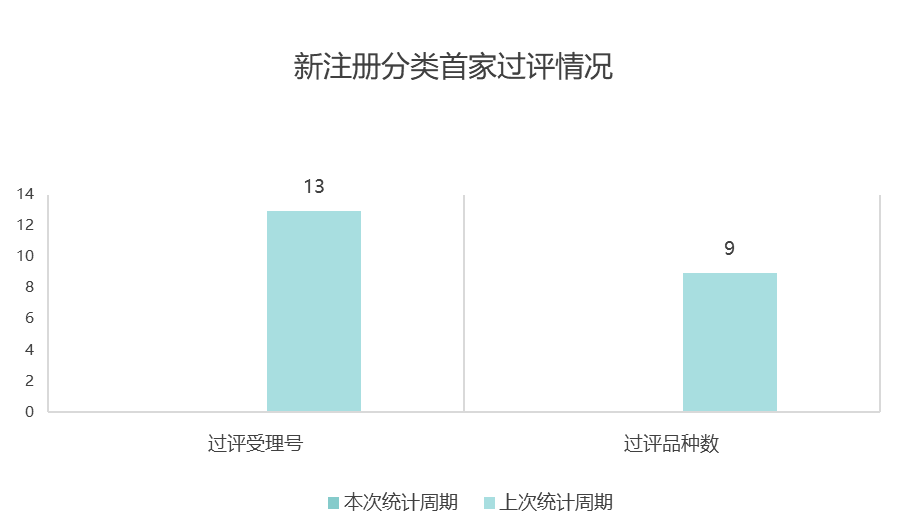
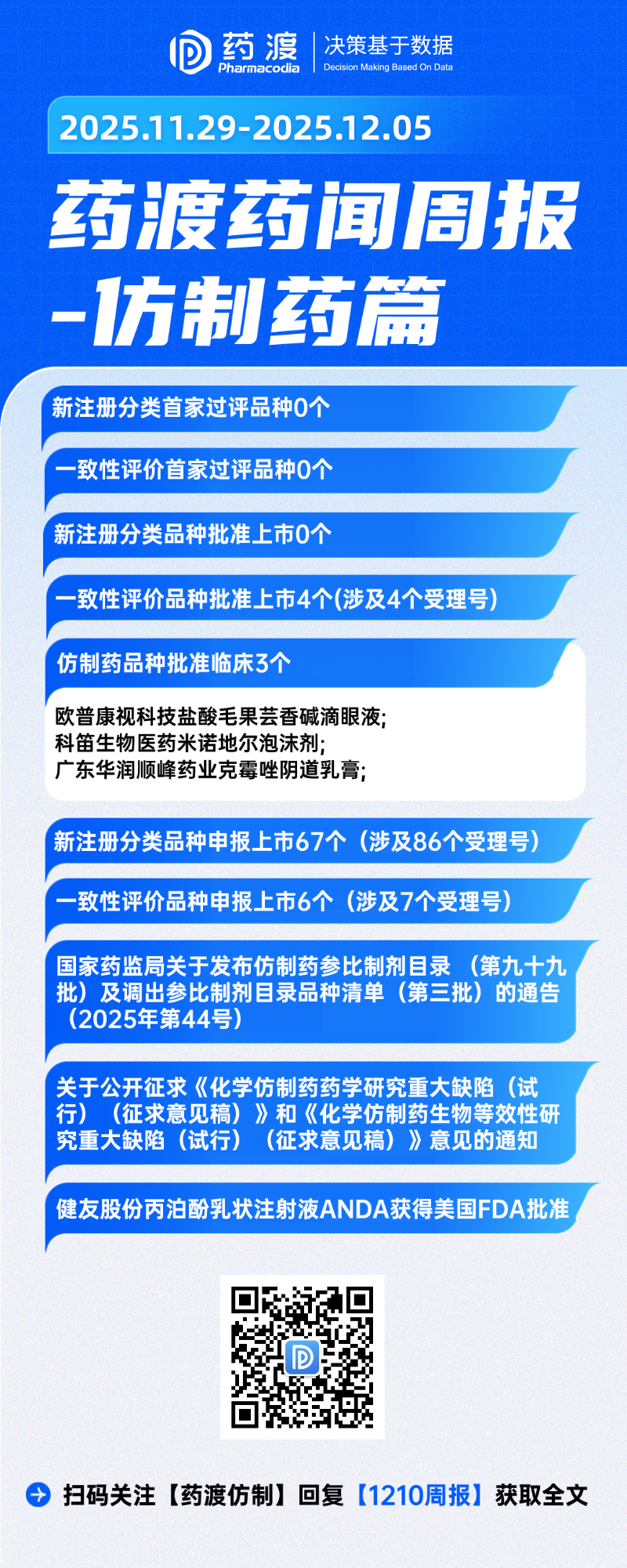
First Approval and Market Launch of Newly Registered Classification VarietiesAccording to the PharmCube data research, there were no newly registered first-category acceptance numbers that passed the review during this statistical period (November 29, 2025 – December 5, 2025). Compared with the previous statistical period, there was a reduction of nine newly registered first-category products that passed the review.
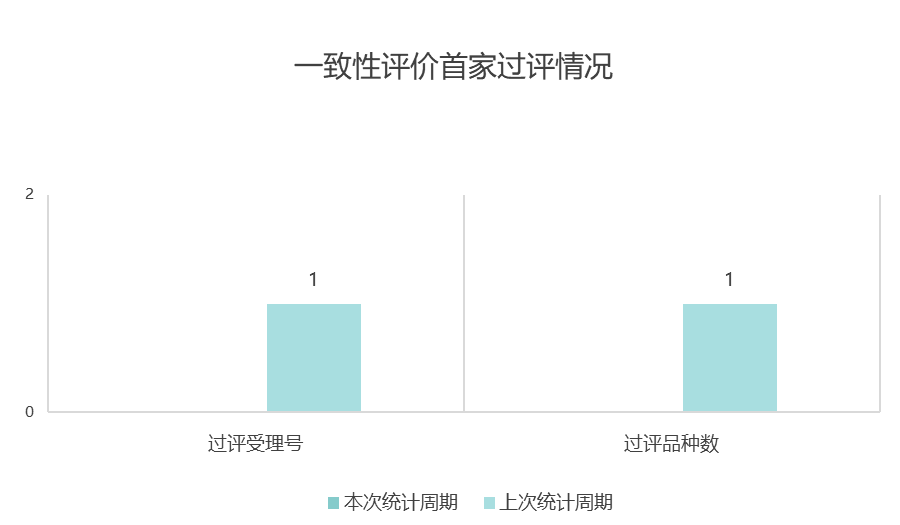
Status of the First Approval for Market Launch of Consistency Evaluation VarietiesAccording to the PharmCube data research, there were no newly accepted applications for the first batch of consistency evaluation in this statistical cycle (November 29, 2025 - December 5, 2025). Compared with the previous statistical cycle, the number of first-batch consistency evaluation products decreased by one.
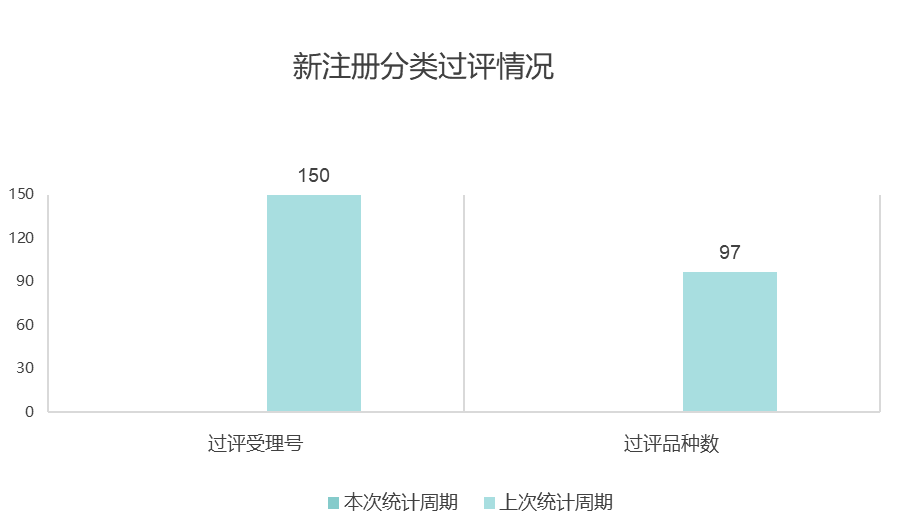
Approval Status of Newly Registered Classification VarietiesAccording to the PharmaData research, there were no newly registered and approved applications in this statistical cycle (November 29 - December 5, 2025). Compared with the previous statistical cycle, this cycle saw a reduction of 97 newly registered and approved varieties.
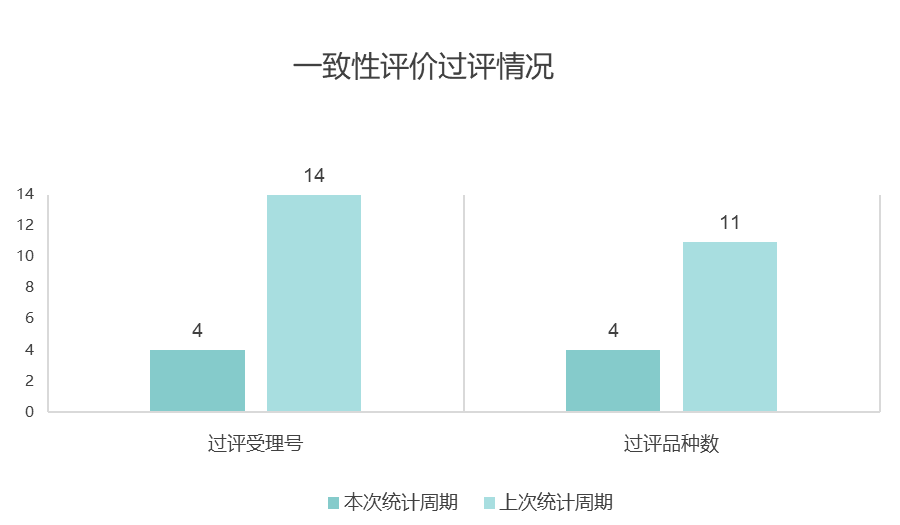
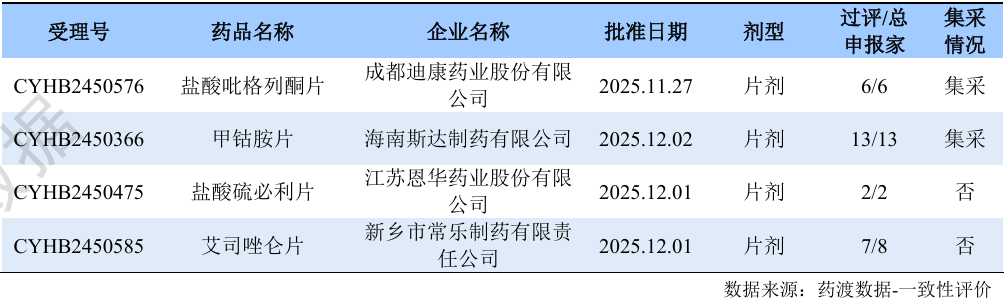
Approval Status of Consistency Evaluation Varieties for MarketingAccording to the PharmaBlock data research, during this statistical period (November 29, 2025 - December 5, 2025), there were 4 newly added acceptance numbers for products passing the consistency evaluation, involving 4 varieties, including 94 tablets. Compared with the previous statistical period, the number of varieties passing the consistency evaluation has decreased by 7.
Status of Consistency Evaluation Varieties Passing the Assessment
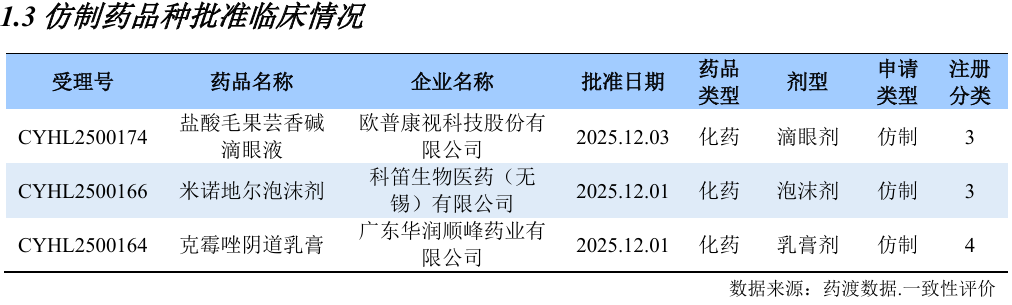
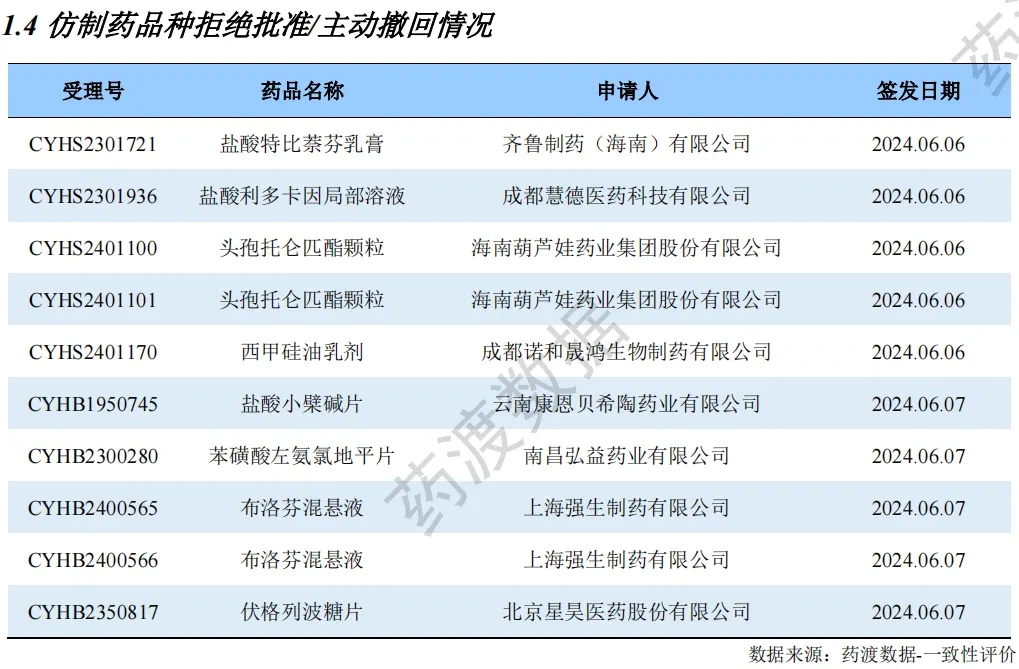
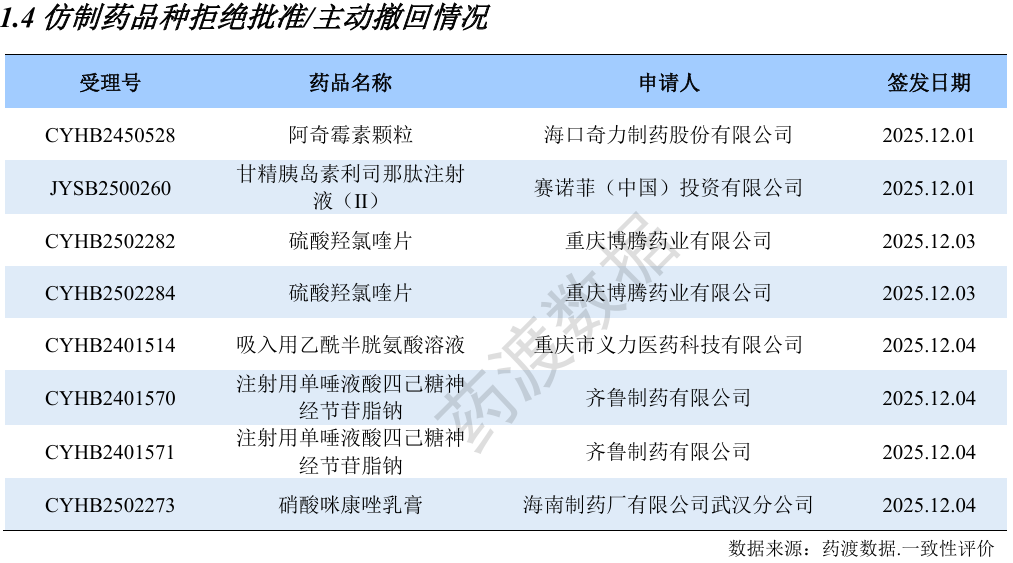
Status of Approval for Generic Drug Clinical TrialsStatus of Rejection/Active Withdrawal of Generic Drug VarietiesDevelopment and Application Trends of Generic Drugs in China
Status of New Registration Category Varieties Submitted for Market LaunchAccording to the PharmCube data research, during this statistical period (November 29, 2025 - December 5, 2025), there were 86 new registered classification data entries added.A new application number involves 67 varieties, including 28 tablets, 17 injections, 1 liniment, 3 eye drops, 3 suspensions, 5 capsules, 2 granules, 3 oral solutions, 1 solution, 2 ointments, 1 powder, and 1 inhalation solution. Compared with the last statistical period, this time there are 10 newly added registered classification application varieties.
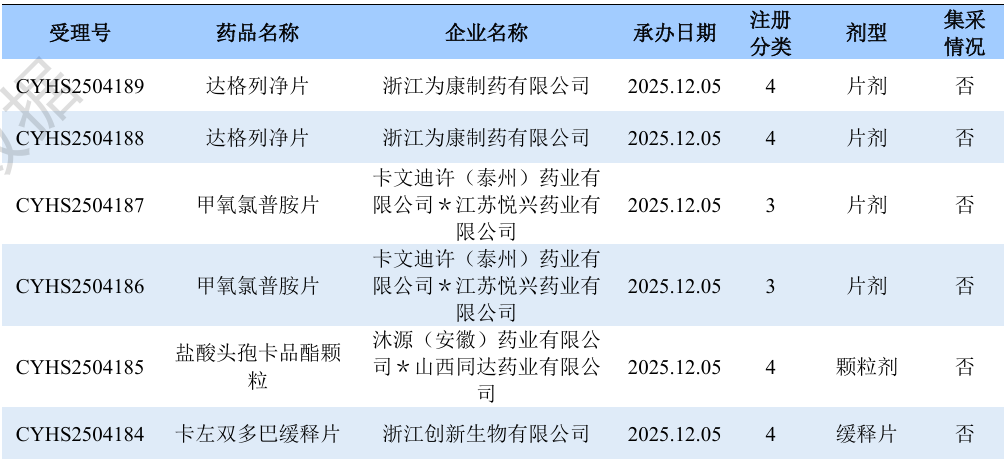
Acceptance Status of New Registration Classification Varieties (Partial)
Entrectinib was originally developed by Roche in Switzerland as a targeted therapy.ROS1/ALK/TrkSmall molecule inhibitor, in2019Year6First approved for marketing in Japan in [Month], for the treatment ofNTRKPatients with advanced or recurrent solid tumors positive for gene fusion.2019Year6Month, Entrectinib was approved by Japan's Ministry of Health, Labour and Welfare (MHLW) approved for initial launch in Japan, used for the treatment ofNTRKFusion-positive advanced recurrent solid tumors;2019Year08In the month, Entrectinib was approved for use in the United States to treatROS1Positive metastatic non-small cell lung cancer (NSCLC) Adult patients.2022Year7Month29Day, China National Medical Products Administration (NMPA) First approved the listing of Entrectinib capsules, with indications forNTRKFusion-positive locally advanced or metastatic solid tumors; two weeks later (8Month15Day) re-approved its use inROS1Positive locally advanced or metastaticNSCLCAdult patients.2024Year2Month,NMPAFurther expand the indications to1Months of age and aboveNTRKFusion-positive pediatric solid tumors, becoming the first in China to cover infants to adultsTRK/ROS1Targeted drugs. Currently included in the "2024The drug directory of the national basic medical insurance, work-related injury insurance, and maternity insurance has been included in Category B, further improving clinical accessibility.
As the world's only clearly dual-active agent with intracranial activityNTRK/ROS1Targeted drugs, which break through tumor type limitations to achieve precise treatment, targetingNTRKObjective Response Rate in Chinese Subgroup of Fusion-Positive Solid Tumor Patients Reached81%。
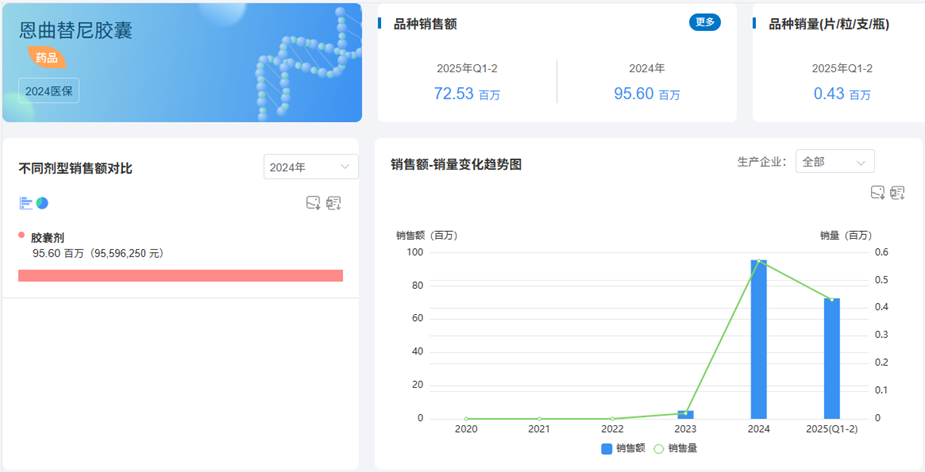
It is precisely based on its excellent clinical performance that the sales of Entrectinib have been continuously rising since its launch, according to Roche.2022Annual report, the annual sales of Entrectinib were7500Swiss francs (approximately5.28100 million yuan,+51%)。
In China, Entrectinib has been...2022Sales surged after the annual launch, according to PharmaDJ data.-Statistics from China Sales Database,2024Annual sales reached a high of9560Ten thousand yuan, sales volume increased year-on-year3375%。2025YearQ~2Sales have exceeded7200Million yuan, with annual sales breaking through the 100 million yuan mark, is a sure thing.
According to the PharmaBlock data research, the generic production of Entrectinib capsules in China is still in its early stages. Qilu Pharmaceutical Co., Ltd. has become the first company to submit a new application this week.4Class application, already obtainedCDEOfficially accepted.
Entrectinib Capsules New Registration Classification Application Acceptance StatusNTRKThe incidence of fusion in all solid tumors is approximately0.3%, China has a new outbreak every yearNTRKApproximately fusion-positive patients6,000Person;ROS1Integrated inNSCLCThe positive rate in1-2%, corresponding to approximately each year5,000Example of newly diagnosed advanced cases, among which40%Patients with brain metastases at the time of diagnosis have a poor prognosis, representing an urgent clinical need. This week, Qilu Pharmaceutical Co., Ltd. submitted its production application. Once approved and marketed in the future, it will end the monopolistic market situation held by the original research company, providing Chinese patients with more treatment options.
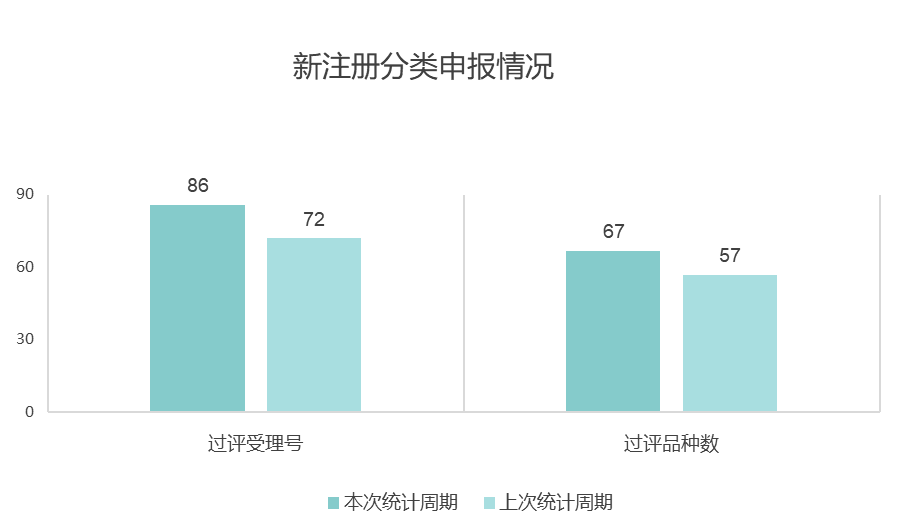
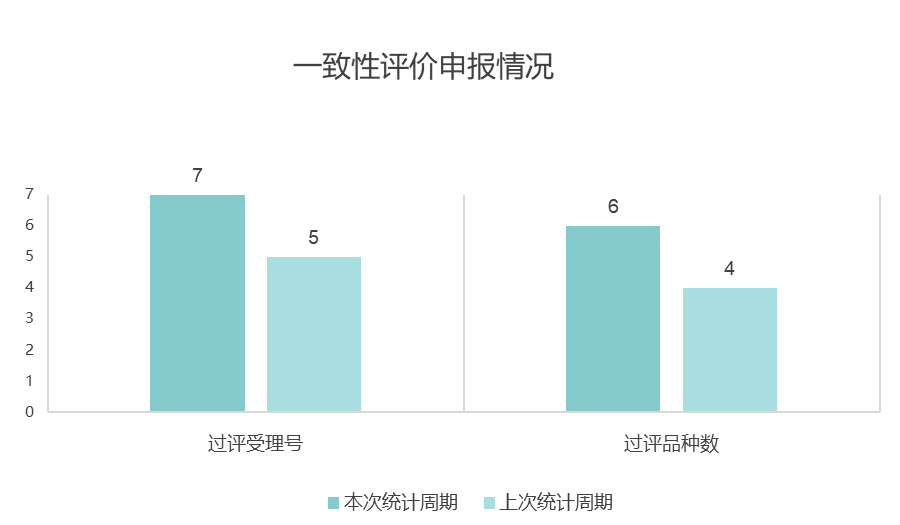
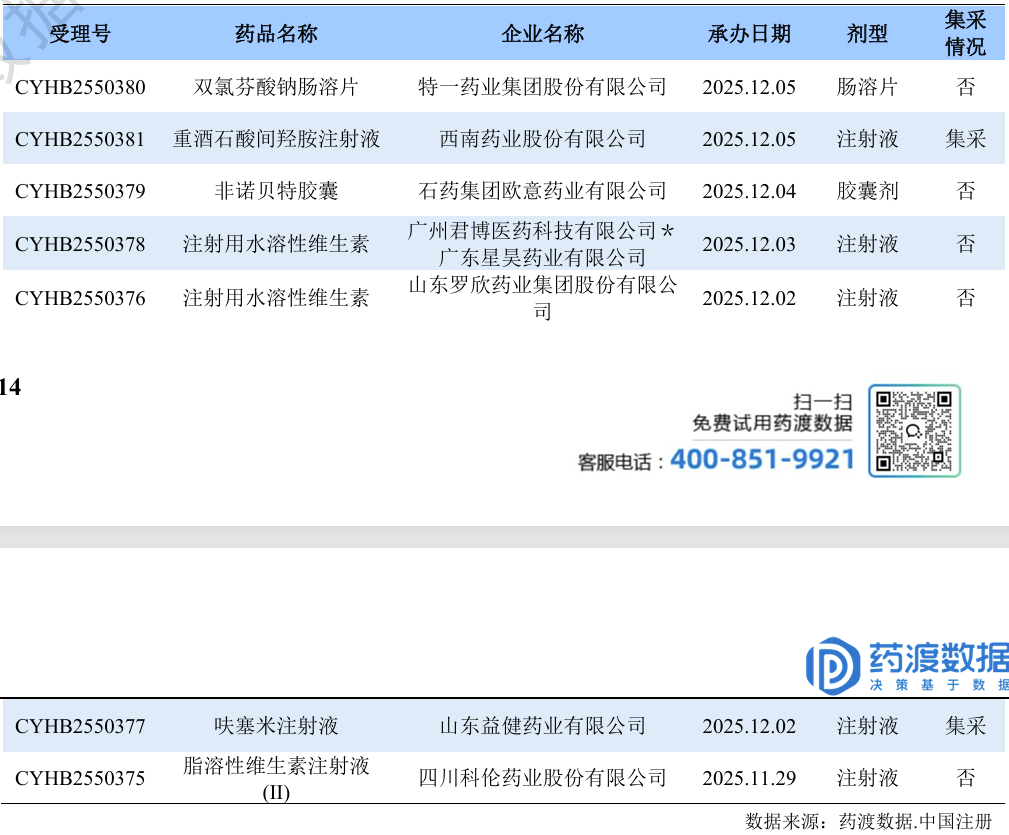
Status of Consistency Evaluation Product Submissions for Market ApprovalAccording to the PharmaData research, during this statistical period (November 29, 2025 - December 5, 2025), seven new acceptance numbers for consistency evaluation were added, involving six varieties, including one tablet, four injections, and one capsule. Compared with the previous statistical period, two more varieties applied for consistency evaluation in this period.
Status of Acceptance for Consistency Evaluation Submissions
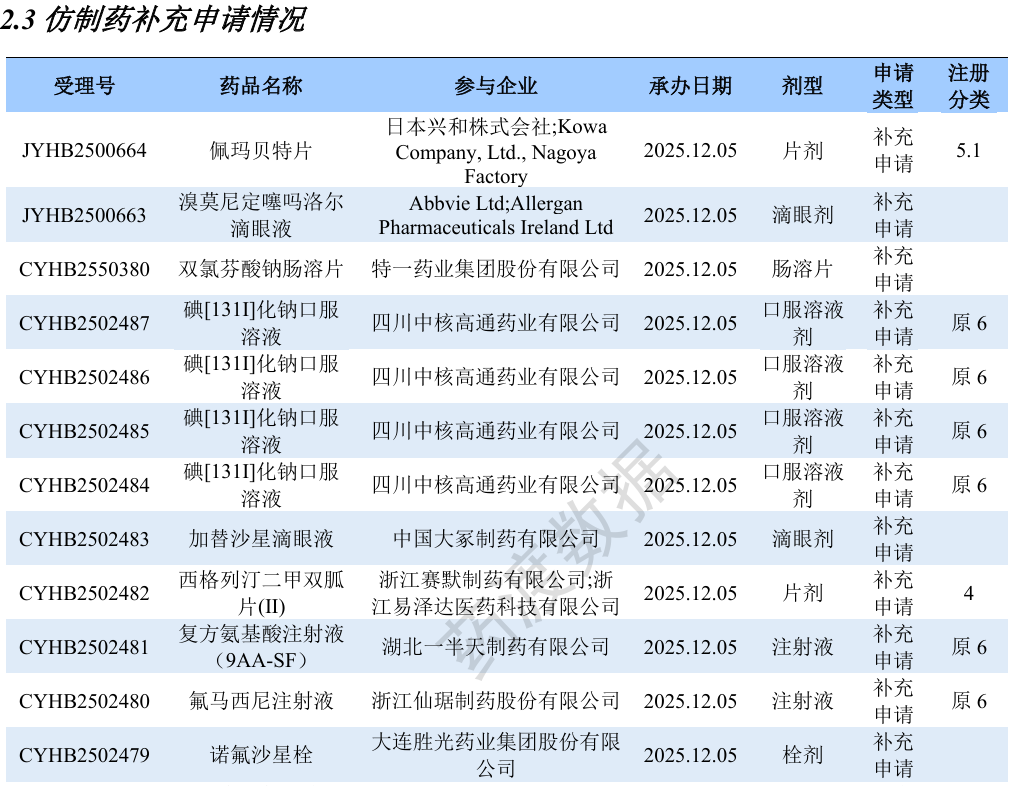
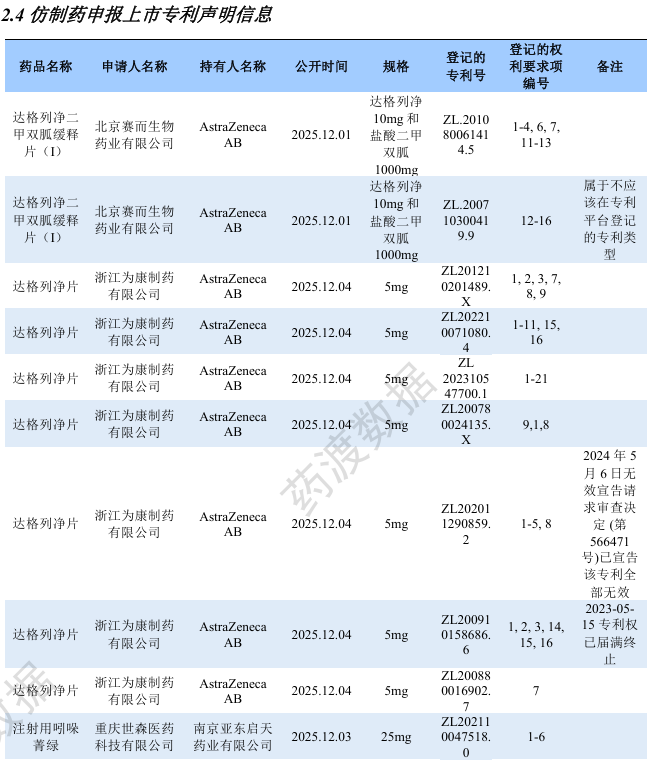
Status of Generic Drug Supplemental ApplicationsSummary of Patent Statements for Generic Drug ApplicationsGeneric Drugs in ChinaR&D Focus Areas
Policy and Regulatory Updates in China's Generic Drug Development Sector
Notice of the National Medical Products Administration on the Release of the Directory of Reference Preparations for Generic Drugs (Ninety-Ninth Batch) and the List of Varieties Removed from the Directory of Reference Preparations (Third Batch) (No. 44, 2025)
As reviewed and approved by the Expert Committee for the Consistency Evaluation of Quality and Efficacy of Generic Drugs of the National Medical Products Administration, the List of Reference Preparations for Generic Drugs (99th Batch) and the List of Varieties Removed from the List of Reference Preparations (3rd Batch) are hereby announced.Hot News in China's Generic Drug R&D Field
Jianyou Stock: Announcement of Jianyou Stock on the Approval of Propofol Injectable Emulsion by the U.S. FDA
On December 4, Nanjing Jianyou Biochemical Pharmaceutical Co., Ltd. announced that it had recently received the ANDA approval notice (ANDA No.: 217945) for Propofol Injectable Emulsion, 200mg/20mL (10mg/mL), 500mg/50mL (10mg/mL), 1,000mg/100mL (10mg/mL), issued by the U.S. Food and Drug Administration. The relevant information is hereby announced as follows:1. Basic Information of the Drug(1) Drug Name: Propofol Injectable Emulsion(II) Indications: General anesthesia and sedation(III) Dosage Form: Injection(IV) Specifications: 200mg/20mL (10mg/mL), 500mg/50mL (10mg/mL), 1,000mg/100mL (10mg/mL)(6) Applicant: Nanjing Jianyou Biochemical Pharmaceutical Co., Ltd.II. Other Relevant Information about the DrugOn December 2, 2025, the company received a notification from the U.S. FDA that its ANDA application for Propofol Injectable Emulsion, 200mg/20mL (10mg/mL), 500mg/50mL (10mg/mL), 1,000mg/100mL (10mg/mL), submitted to the U.S. FDA, has been approved.Propofol Injectable Emulsion, 200mg/20mL (10mg/mL), 500mg/50mL (10mg/mL), 1,000mg/100mL (10mg/mL) reference product is held by FRESENIUS KABI USA LLC, approved by the U.S. FDA on June 11, 1996, and marketed under the trade name DIPRIVAN.After inquiry, there are currently 8 other manufacturers (HOSPIRA INC, HIKMA PHARMACEUTICALS USA INC, SAGENT PHARMACEUTICALS INC, etc.) of generic propofol injectable emulsion approved for marketing in the United States.As of now, the company has invested approximately RMB 73.6637 million in research and development expenses for the Propofol Injectable Emulsion project.3. Impact on the Company and Risk AlertsThe newly approved product will be launched in the U.S. market soon, which is expected to have a positive impact on the company's operating performance.Little D Has Something to Say
For the convenience of readers to read and save, we have organized the original weekly report into a PDF version. If you need to obtain the full text, you can click the blue words at the top."Pharmadupe Generics" Official AccountReply "1210 Weekly Report" in the background to get the full text.