Year-End 2025 Breakthrough: Four Domestic CGT Therapies Receive IND Approvals with ORR Exceeding 88% Across Pancreatic, Lung, and Gastric Cancers
Kousai
Developer of Dendritic Cell Tumor Therapeutic Vaccines


From November 24 to December 14, 2025, according to statistics from the official website of the Center for Drug Evaluation (CDE) of the China National Medical Products Administration and publicly available data,More Than 65 Class 1 Innovative Drugs Reach Key Progress, including proposed inclusion in the breakthrough therapy category, obtaining clinical trial approval through tacit consent for IND, and acceptance of IND applications, coveringImmune cell therapy (including CAR-T, TIL), gene therapy, mRNA vaccines, DC vaccines, and bispecific antibody drugsAnd other cutting-edge popular therapies.
Among them, four Class 1 anti-cancer innovative technologies that were approved for clinical trials or accepted for the first time have become representative breakthroughs at this stage. The intensive emergence of these innovative achievements not only demonstrates the accelerated leap in China's pharmaceutical R&D from "catching up" to "original innovation," but also offers new treatment hopes and options for countless patients!
KSD-101 Injection (Autologous DC Vaccine): Best Objective Response Rate for EBV-related Tumors Reaches 88.9%
KSD-101 is the first-of-its-kind autologous dendritic cell (DC) vaccine developed by Hengsai Biotech. As China's first original DC vaccine to receive FDA IND approval in the United States, its core advantage lies in using autologous DC cells as carriers, loaded with EBV-related tumor-like composite antigens. It can precisely present multiple viral epitopes such as LMP2 and EBNA1, thereby efficiently activating CD4⁺ helper T cells and CD8⁺ cytotoxic T cells to establish a comprehensive and robust antiviral and anti-tumor immune response, specifically targeting EBV-associated lymphoproliferative diseases (EBV-LPD).
The harm caused by the Epstein-Barr virus (EBV) should not be overlooked—over 95% of the global population has been infected with the virus, which has been officially recognized by the World Health Organization as the first human tumor-associated virus. Patients with EBV-LPD have long faced a lack of treatment options and are in urgent need of new and effective therapies. The emergence of KSD-101 happens to fill this clinical gap. The progress of this innovative vaccine in clinical development is remarkable: it was the first to receive FDA approval for clinical trials in the United States in March 2024, and recently its IND application has been formally accepted by the Chinese National Medical Products Administration, achieving an important breakthrough in dual filings in China and the US, offering the possibility of synchronized benefits for EBV-LPD patients both in China and internationally.
At the 2025 European Hematology Association Annual Meeting (EHA), exciting data from the Phase I clinical study of KSD-101 (NCT05635591) was announced. The study enrolled a total of 11 patients with EBV-LPD, with a median follow-up time of 54.1 weeks (range 5.9-71.1 weeks).
The results showed that: among the 9 evaluable patients,The Best Objective Response Rate (ORR) Reached Up to 88.9%, among whichAll 8 patients in remission achieved complete remission (CR), and the disease control rate (DCR) reached 100%., anotherOne patient remained stable after vaccination., demonstrating excellent anti-tumor activity.
So far, KSD-101 has fully demonstrated excellent safety and potent immune activation capabilities. Its unique mechanism of action and impressive clinical data not only provide a new treatment direction for the difficult-to-treat EBV-LPD, but also highlight the strong capabilities of China-produced original biologics in the field of tumor immunology. From the clinical breakthroughs in both China and the US to the validation of high complete response rates, this China-produced DC vaccine is gradually breaking foreign technological monopolies, bringing renewed hope to patients worldwide with EBV-related tumors. In the future, it is expected to become a core force in reshaping the treatment landscape of the disease, enabling more patients to overcome their illnesses with the support of immunotherapy!
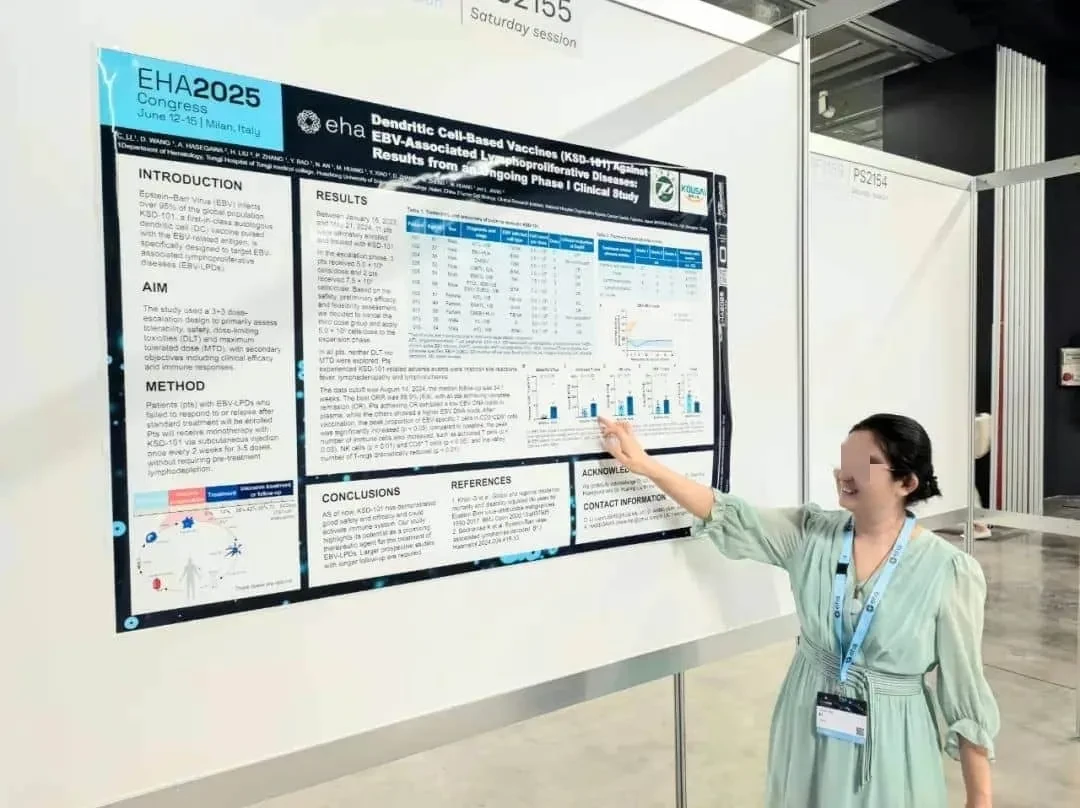
▲Source of the image“kousai”`, owned by the original author. If we unintentionally infringe on intellectual property rights, please contact us for removal.`
YKYY031 for Injection (China-produced Universal mRNA Cancer Vaccine): Targeting Multiple Solid Tumors including Lung Cancer, Liver Cancer, Stomach Cancer, and Colorectal Cancer
YKYY031 for Injection is an innovative universal mRNA cancer vaccine independently developed by Yuke Pharmaceutical. Its core technological highlight lies in the use of the company's proprietary new cationic lipid, YK-009, to construct a lipid nanoparticle (LNP) delivery system, which can efficiently deliver tumor antigen mRNA into the body and precisely induce the production of specific cytotoxic T cells, achieving targeted inhibition of tumor cells. The vaccine received clinical trial approval from the National Medical Products Administration on December 12, 2025 (acceptance number: CXSL2500950) and is intended for the treatment of various advanced solid tumors, including lung cancer, liver cancer, gastric cancer, and colorectal cancer.
Particularly noteworthy is that preclinical studies have confirmed a significant synergistic effect when used in combination with PD-1/PD-L1 immune checkpoint inhibitors. Traditional cancer treatment methods (chemotherapy, targeted therapy, single-agent PD-1 inhibitors) face challenges such as patient response rates of only 15%-30% and a high likelihood of drug resistance. In contrast, the universal design of YKYY031 eliminates the need for individualized antigen screening for each patient, significantly reducing preparation time for treatment. This provides a more efficient and convenient new treatment option for patients with advanced solid tumors, playing a crucial role in improving patient survival rates and quality of life.
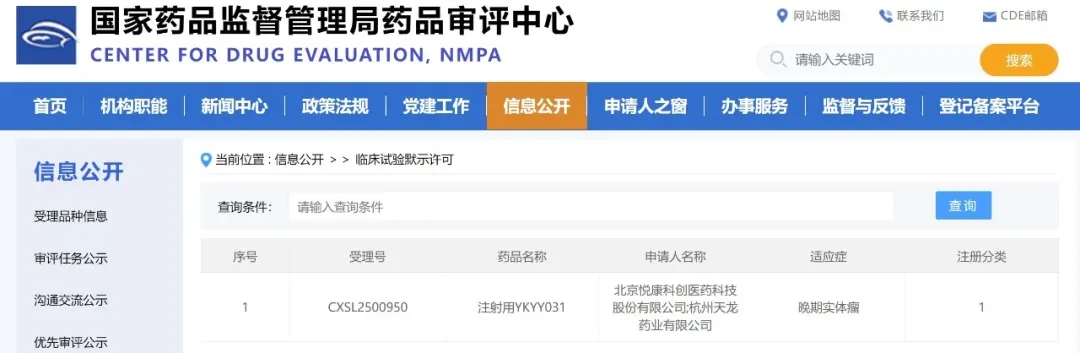
▲Screenshot source“NMPA”
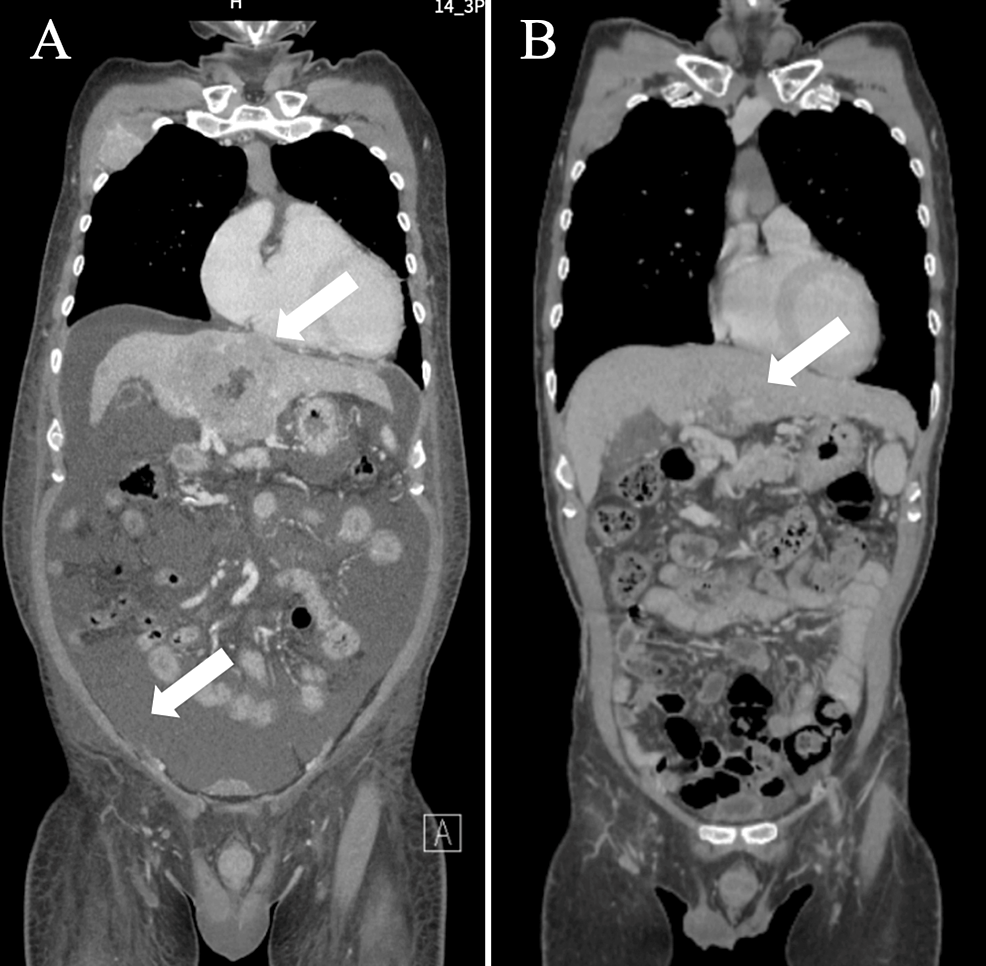
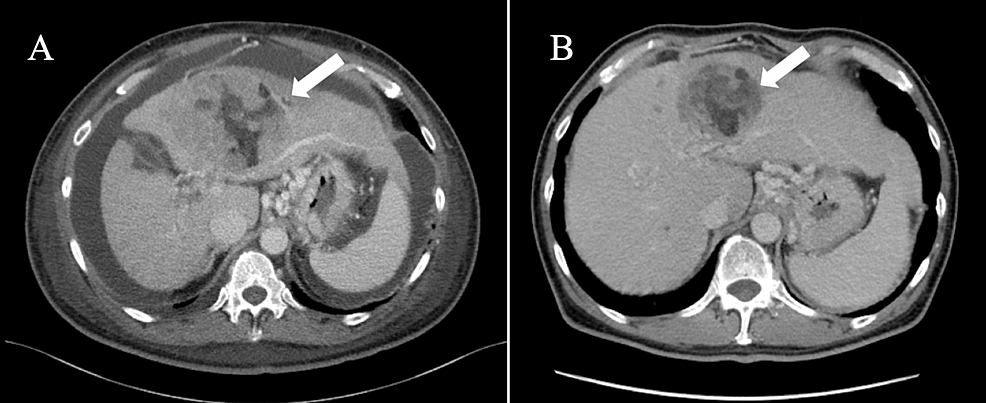
The combination therapy concept of "vaccine + immune checkpoint inhibitor" has already achieved exciting breakthroughs in clinical practice — a case reported in the globally renowned journal *Cureus* demonstrated a patient with advanced hepatocellular carcinoma (HCC) achieving disease reversal through a similar immunotherapy combination regimen. The patient was a 61-year-old male with a history of hepatitis C virus infection, who was admitted to the hospital due to severe abdominal distension and ascites accumulation exceeding three liters. He was eventually diagnosed with stage IVB (T4N1M1) hepatocellular carcinoma, accompanied by multiple lymph node, lung, and bone metastases (see Figures 1A and 2A below for details). After enrollment, the patient received combination therapy with DC vaccine + nivolumab + NK cells.
The results showed that during the treatment process,The patient's condition has shown significant improvement.: After the first three courses of treatment, physical performance significantly improved,Effective relief of abdominal distension symptoms; After the 6th course of treatment, the review showed that the patient's Child-Pugh classification had improved from Class C to Class A, and the CT scan suggestedBoth the primary tumor and metastases were significantly reduced, and the ascites completely disappeared., achievePartial Remission(See Figures 1B and 2B below);Tumor Marker(Vitamin K-dependent protein II) returned to normal, and the total white blood cell count and lymphocyte ratio also returned to normal levels.
Fig. 1 Initial coronal CT scan of the patient upon admission
▲Source of the image"Cureus", owned by the original author. If we unintentionally infringe on intellectual property rights, please contact us for removal.
Fig. 2 Cross-sectional CT images after combined immunotherapy (improved condition)
▲Source of the image"Cureus", the copyright belongs to the original author. If we unintentionally infringe on intellectual property rights, please contact us for removal.
iNeo-Vac-R01 (China-produced personalized mRNA vaccine): The world's first clinical results are shockingly released, doubling the survival period of advanced pancreatic cancer to over 19 months.
iNeo-Vac-R01 Injection is a novel personalized mRNA neoantigen vaccine independently developed by NeoImmuneTech. Leveraging AI technology to precisely screen tumor neoantigens, combined with an advanced LNP delivery system, it can accurately deliver mRNA encoding patient-specific tumor antigens to antigen-presenting cells (APCs) in the body, efficiently activating antigen-specific T-cell immune responses to achieve targeted killing of tumor cells. Currently, the IND application for this innovative vaccine has been accepted by the Center for Drug Evaluation (CDE) of the National Medical Products Administration, and its clinical translation process is proceeding steadily.
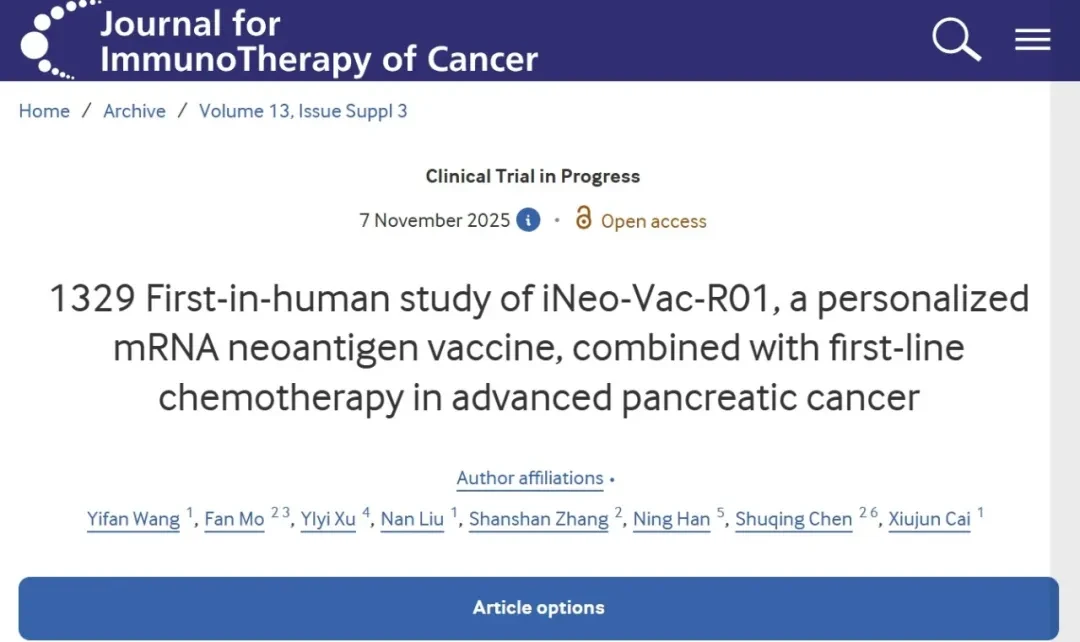
Recently, the Journal of Cancer Immunotherapy published a groundbreaking clinical research result that has excited the global community – the first human study (NCT06026800) data of iNeo-Vac-R01 combined with first-line chemotherapy for the treatment of advanced pancreatic cancer was officially released. This marks the world's first report of clinical outcomes using personalized mRNA neoantigen vaccines as a first-line treatment for advanced pancreatic cancer, bringing disruptive therapeutic hope to this notoriously difficult-to-treat tumor, often referred to as the "king of cancers."
The study enrolled a total of 13 patients with advanced pancreatic cancer, 60% of whom were under the age of 65. Ten patients completed at least one dose of the iNeo-Vac-R01 vaccine, with a median follow-up time of 15.5 months. The clinical data showed impressive results: one patient achievedComplete Remission (CR), 3 cases achieved Partial Remission (PR), the remaining 5 evaluable patientsMaintaining Stable Disease (SD); Among the 9 fully evaluable patients,Median Progression-Free Survival (PFS) reaches 14.9 months(95%CI:8.9-20.9),The median overall survival (OS) was as high as 19.7 months.(95%CI:13.9-25.5),The 12-month progression-free survival rate and overall survival rate were 51.6% and 88.9%, respectively.。
This efficacy data far exceeds the historical level of traditional treatments: in the classic MPACT study,Median PFS with chemotherapy alone was only 3.5 months, and median OS reached 8.5 months.; In the PRODIGE4 study,Median PFS was 6.4 months, and median OS reached 11.1 months.iNeo-Vac-R01 Combined with Chemotherapy Regimen for PatientsMedian survival time is nearly doubled compared to traditional treatment., the survival benefit advantage is extremely significant.
▲Screenshot source“BMJ”
In summary, the combination of iNeo-Vac-R01 with first-line chemotherapy not only demonstrates promising efficacy and inspiring survival extension but also exhibits potent vaccine-induced immunogenicity, fully validating the tremendous potential of personalized mRNA neoantigen vaccines in the treatment of advanced pancreatic cancer.
China-developed QM101 Cell Injection (Autologous NK Cells): A "Safe Blade" for Patients with Advanced Solid Tumors
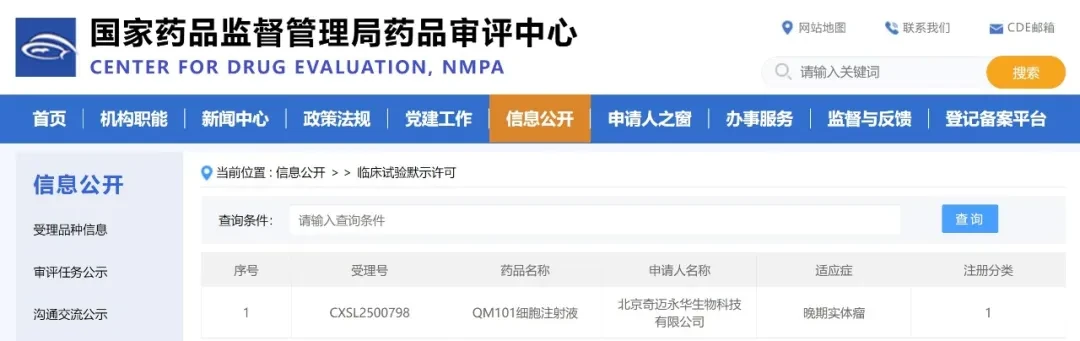
QM101 is an autologous NK cell injection jointly independently developed by Qimai Guoji and Qimai Yonghua. It received the implied permission for a new drug clinical trial (IND) from the Center for Drug Evaluation (CDE) of the National Medical Products Administration in December 2025. It is intended for the treatment of advanced solid tumors, covering several common cancer types such as lung cancer, liver cancer, gastric cancer, colorectal cancer, ovarian cancer, and breast cancer. Additionally, it can be explored for combined application with checkpoint inhibitors like PD-1, which is expected to further enhance treatment efficacy.
QM101, as an innovative therapy with significant technical advantages, adopts a medicinal-grade preparation process that is free of feeder cells and serum, enabling large-scale and high-purity production of NK cells, laying the foundation for clinical popularization. Its core highlight lies in not requiring antigen pre-sensitization, naturally possessing high safety, and posing no risk of cytokine release syndrome (CRS), making it particularly friendly to late-stage cancer patients with weak tolerance. It provides a new technical approach for overcoming solid tumors.
▲Screenshot source“NMPA”
Currently, traditional cancer treatment methods such as chemotherapy, targeted drugs, and PD-1/PD-L1 inhibitors generally face bottlenecks like low patient response rates (only 15%-30% of patients benefit) and a tendency to develop resistance. The approval of QM101 not only marks a milestone breakthrough for the research company in the field of NK cell therapy for advanced solid tumors but also fills a gap in the treatment of certain refractory solid tumors.
In fact, the potential of NK cell combination immunotherapy has long been validated in clinical settings — a case reported in *Thorac Cancer* demonstrated significant benefits for a patient with extensive-stage small-cell lung cancer (ES-SCLC) through a combination regimen.
The patient is a 67-year-old male. At the time of diagnosis, the primary lesion was located in the right upper lung, with multiple metastases to the pleura and abdominal cavity, as well as mediastinal lymphadenopathy. He also presented symptoms such as hoarseness, cough, and shortness of breath, and was unable to tolerate systemic chemotherapy, making treatment extremely challenging. Given that the pulmonary lesions and mediastinal lymph node metastases were close to the superior vena cava, to prevent superior vena cava syndrome, the medical team first administered radiation therapy to his right lung, mediastinum, and right lymph nodes, while combining treatment with Atezolizumab and Anlotinib. After 20 sessions of radiotherapy, a CT scan showed that the patient...Significant reduction in the lesion of the right lung and lymph nodes on the right mediastinum(See the figure below),Tumor markers decreased, symptoms significantly improved. On this basis, the patient received exogenous adoptive NK cell therapy (3 to 5 billion cultured NK cells infused in two separate administrations).
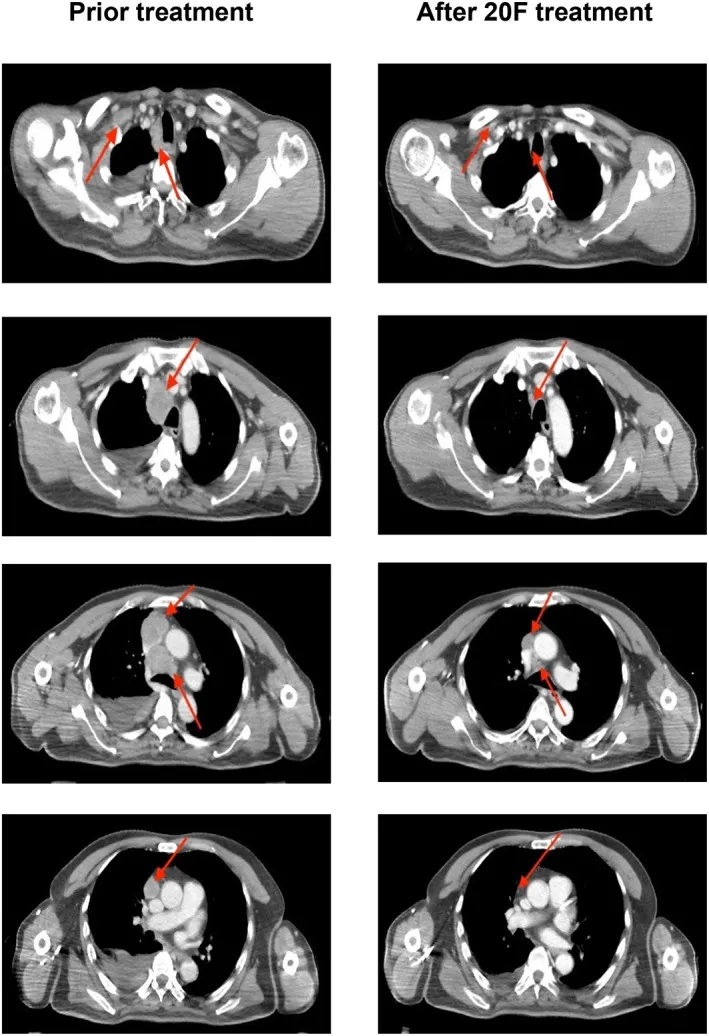
▲Source: "Thorac Cancer", all rights reserved. If we unintentionally infringe on intellectual property, please contact us for removal.
The follow-up review results were inspiring: the CT scan in August 2022 showed that the patientDecreased right pleural effusion, reduced pleural thickening,缩小的纵隔及右锁骨上淋巴结, no significant enlargement of abdominal and retroperitoneal lymph nodes; On October 18, F-FDG PET/CT further confirmed,Significant reduction in the size of the nodule in the right upper lobe, as well as lymph nodes in multiple areas including the right supraclavicular and mediastinal regions.,Decreased Thickening of Right Pleural Nodules,Metastasis to local peritoneum, anterior chest wall, and shoulder, etc.The lesions were significantly improved.Imaging examinations and tumor marker detection results both indicate that the treatment plan is effective,The patient's tumor is in partial remission.。
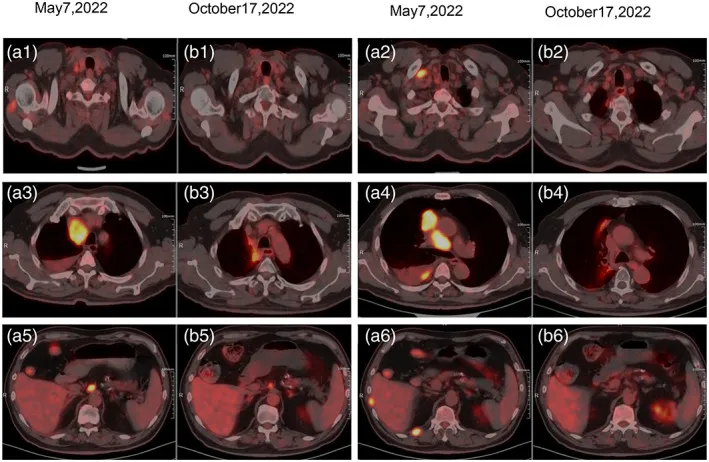
▲Source: "Thorac Cancer", all rights reserved. If we unintentionally infringe on intellectual property, please contact us for removal.
Cancer, as a highly mutating and extremely cunning disease, is currently difficult to treat effectively with a single therapy. The ideal cancer treatment at this stage relies on early standardized diagnosis by authoritative hospitals and experts. Based on traditional treatments (such as surgery, radiotherapy, and chemotherapy), new anti-cancer drugs/technologies are added according to the patient’s condition, disease characteristics, economic status, etc. These include cancer vaccines, immune cell therapies (e.g., CAR-T, TCR-T, TIL, NK, CAR-NK cell therapies), targeted drugs, boron neutron capture therapy, proton therapy, etc. These aim to prevent cancer recurrence or metastasis, extend survival as much as possible, and improve the patient's quality of life.
Patients who are not satisfied with the current treatment plan can submit recent imaging and pathological examination reports, treatment history, etc., toGlobal Cancer Doctors Network Medical Department (400-666-7998), conduct a detailed assessment of the condition, or apply for consultations with cancer experts from China and abroad, seeking assistance from new anti-cancer drugs/technologies.
[1]Li C,et al.Dendritic cell–based vaccines (KSD-101) against EBV-associated lymphoproliferative diseases: Results from an ongoing phase I clinical study[J]. 2025.
https://ascopubs.org/doi/10.1200/JCO.2025.43.16_suppl.e14515
[2]Nagai H,et al.Combined Immune Therapy Proves Effective in an Advanced Hepatocellular Carcinoma Patient With Poor Liver Reserve: A Case Report[J]. Cureus, 2024, 16(8).
https://www.cureus.com/articles/277474-combined-immune-therapy-proves-effective-in-an-advanced-hepatocellular-carcinoma-patient-with-poor-liver-reserve-a-case-report#!/
[3]Wang Y,et al.1329 First-in-human study of iNeo-Vac-R01, a personalized mRNA neoantigen vaccine, combined with first-line chemotherapy in advanced pancreatic cancer[J]. 2025.
https://jitc.bmj.com/content/13/Suppl_3/A1570
[4]Wang Z,et al.Investigation of the efficacy and feasibility of combined therapy of PD-L1-enhanced exogenous peripatetic adoptive natural killer (NK) cells in combination with antiangiogenic targeted therapy in the treatment of extensive-stage small cell lung cancer. Thorac Cancer. 2023 Oct;14(28):2877-2885.
https://pmc.ncbi.nlm.nih.gov/articles/PMC10542463/
This article is original from Global Oncologist Network. Reproduction is strictly prohibited without authorization.
Scan to add patient group
Cancer News|New Technologies|New Drug Development|Authoritative Experts
Join the group to receive free anti-cancer resources