

Science Corporation, Neuralink Rival Founded by Ex-President Max Hodak, Files IPO Amid Expansion into Organ Preservation

Science
Medical Device Developer

Neuralink
Brain-Computer Interface System Developer

Science Corporation, founded by former Neuralink president Max Hodak, has launched a prototype aimed at extending the survival time of organs.
Science Corporation, the brain-computer interface startup founded in 2021 by former Neuralink president Max Hodak, is establishing a new division aimed at extending the lifespan of human organs. And, it's not the brain.
This Alameda, California-based Science company aims to improve the current perfusion system, which continuously circulates blood when vital organs cannot function on their own. The technology is used to preserve organs for transplantation and as a life-support measure for patients when the heart and lungs stop working, but it is bulky and expensive. Science hopes to develop a smaller, more portable system to provide long-term support.
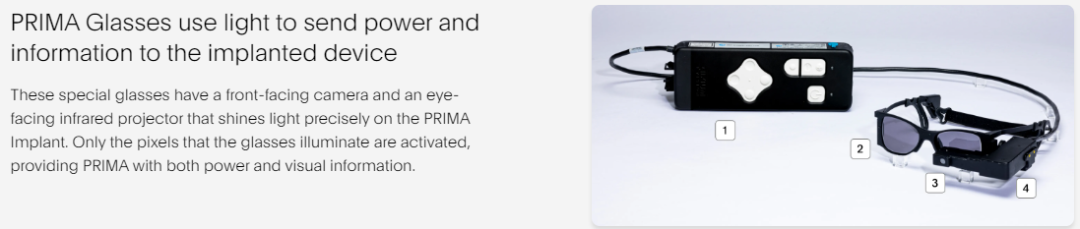
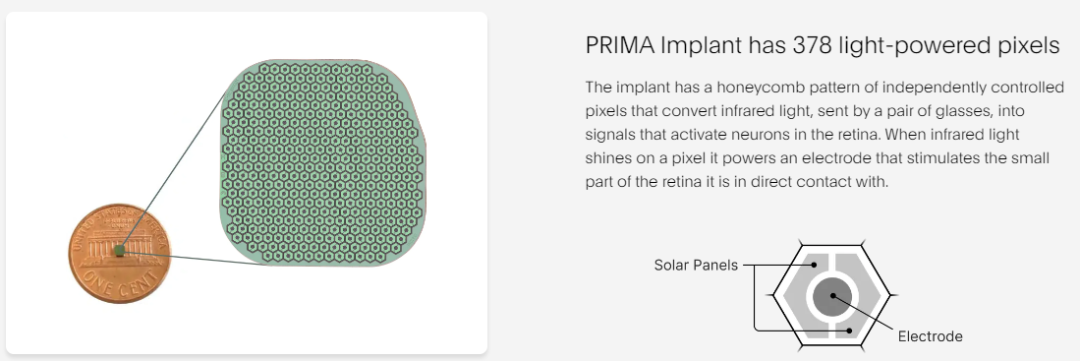
So far, Science has been focusing on neural interfaces and vision restoration. The company is developing a "biohybrid" interface that uses living neurons instead of wires to connect to the brain. More importantly, the company is seeking to commercialize its retinal implant, which has successfully restored partial vision in patients with advanced macular degeneration, enabling them to read letters, numbers, and words. Science acquired the implant in 2024 from Pixium Vision, a French startup facing bankruptcy, and has surpassed Elon Musk's Neuralink in developing implants for treating vision loss.
"In a sense, they are all technologies that extend life, which is also the goal of neural interfaces and this technology," Hodak said when discussing organ perfusion.
Hodak co-founded Neuralink with Musk and others in 2016 but left in 2021 to establish Science Corporation, where he serves as the CEO. According to data from the venture capital database PitchBook, Science Corporation has raised approximately $290 million since its inception.
Hodak was inspired to work on organ preservation because he read about the case of a 17-year-old boy in Boston whose lungs were failing due to cystic fibrosis. While waiting for a transplant, he was kept alive using a perfusion technology called extracorporeal membrane oxygenation (ECMO). However, after two months of waiting, he developed a complication that made him ineligible for transplantation. His doctors and parents faced an ethical dilemma: whether to continue sustaining his life with ECMO, which was originally intended as a short-term bridge. Eventually, the oxygenator of the ECMO machine began to fail, and the doctors decided not to replace it. Not long after, the boy lost consciousness and passed away.
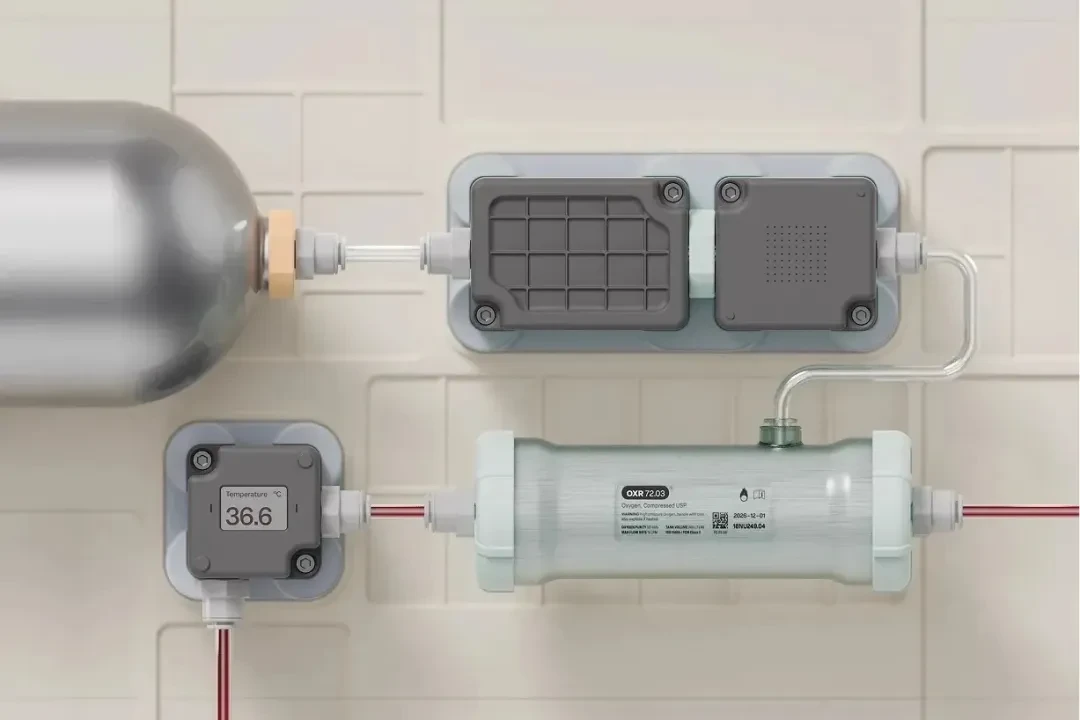
PHOTOGRAPH: COURTESY OF SCIENCE CORPORATION
ECMO Machines Used for Treating Patients with Lung Failure Are Expensive and Resource-Intensive
"Can we make it as convenient as checking a kidney as luggage on a United Airlines flight to the East Coast of the U.S.? Or can we create a system where that child can go home with a backpack, rather than being left with no choice but to remove life support?" asked Hodak.
Besides ECMO, perfusion systems used to extend the ex vivo viability of organs are also expensive. The Organ Care System produced by Massachusetts-based TransMedics costs about $250,000 for the machine itself, with each use costing between $40,000 and $80,000. If the organ requires long-distance transportation, it is delivered via the company's private fleet of aircraft.
A small team from Science Corporation built a perfusion system from scratch, which is now able to keep rabbit kidneys alive outside the body for up to 48 hours. Hodak said they are working hard to extend this period to one month before next spring. If preserved on ice, human kidneys can remain viable outside the body for 24 to 36 hours — longer than the heart and lungs. Existing perfusion machines can extend this survival time to four days or more.
Entering the field of organ perfusion has always been part of Hodak's plan for Science Corporation, which currently has about 170 employees. "We need to do some groundwork before we can feel confident about making a larger investment in this area," he said.
The company's prototype integrates sensors that can monitor blood oxygenation, flow, pressure, and temperature in real time. It features a modular design with interchangeable components to support different organs and applications. A closed-loop control system enables automatic adjustments, whereas current extracorporeal membrane oxygenation (ECMO) devices require manual control.
Science Corporation will compete with several other companies that also produce automated perfusion systems for organ transplantation. Although these devices are increasingly used for ex vivo organ preservation, they remain expensive and typically require operation by specially trained personnel. Hodak has not yet determined a specific price but hopes to offer a more affordable option.
For academic sharing only. If there is any infringement, please leave a message and it will be deleted immediately!
Welcome to the Brain-Computer Interface AI Planet
Access more knowledge and resources in the fields of brain-computer interface + AI.

To join the group for communication or business cooperation, please add WeChat: RoseBCI [Note: Name + Industry/Major].
Welcome to submit articles
1. Welcome to submit articles. For submission inquiries, please contact WeChat: RoseBCI
Click to Submit:Submission Guidelines for Academic News in the Brain-Computer Interface Community
2. To join the community as a part-time creator, please contact WeChat: RoseBCI

One-click triple action: "Share," "Like," and "View"
Don't miss any cutting-edge developments in brain-computer interface.