Chinese-developed Novel TIL Therapy GT307 Receives FDA IND Approval; Six Groundbreaking TIL Therapies in 2025 Show Strong Efficacy Against Liver, Lung, Pancreatic, and Colorectal Cancers

Grit Biotherapeutics
Developer of Immunotherapy Drugs for Solid Tumors
Juncell Therapeutics
Solid Tumor Cell Therapy Developer


On December 23, 2025, Juncell Therapeutics independently developed a new generation of gene-knockout tumor-infiltrating lymphocyte (TIL) product—GT307 Injection Receives FDA IND ApprovalThis achievement marks the official entry of China's independently developed TIL cell therapy into the U.S. clinical stage.
As a highly promising type of adoptive cell therapy (ACT), TIL therapy has demonstrated significant potential in the field of solid tumor treatment. Both as a monotherapy and in combination with other treatments, it has provided durable clinical remission and survival benefits for numerous patients. In addition to the recently approved GT307 injection, multiple TIL cell therapies have achieved breakthrough progress in 2025 in treating various cancer types such as brain tumors, melanoma, lung cancer, and liver cancer. To offer new treatment directions and options for patients trapped in the困境 of cancer, the global oncology editorial team at Juncell Therapeutics has compiled the top ten milestone advancements in TIL therapy worth watching in 2025, providing valuable references for cancer patients and boosting their confidence in the fight against cancer!
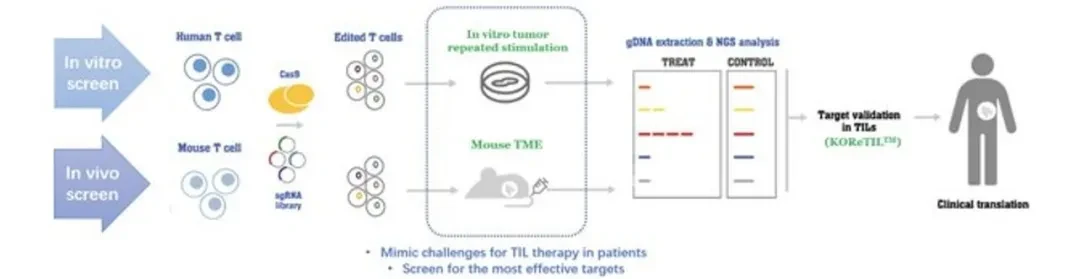
GT307 is a next-generation dual-gene knockout TIL product based on CRISPR gene-editing technology, designed to address key bottlenecks of traditional TILs, such as susceptibility to functional exhaustion and insufficient persistence in the tumor microenvironment. Leveraging Juncell Therapeutics' self-developed ImmuTFinder® high-throughput immune regulatory target screening platform, the team systematically identified critical immune modulatory factors that suppress TIL anti-tumor functions. Using CRISPR technology to precisely knock out these factors, the anti-tumor activity and in vivo persistence of TILs are significantly enhanced.
GT307As the world's only TIL product that has demonstrated efficacy in cold tumors, validating the clinical feasibility of its innovative target selection and product strategy, and establishing a differentiated competitive advantage in the field of solid tumor TIL. Currently, the Chinese IND application for GT307 is being actively promoted. In the future, it will rely on the China-US dual clinical research platform to accelerate the clinical research of GT307 in various advanced or metastatic solid tumors, providing more cancer patients with cell therapy solutions that have breakthrough potential.
GC101 is the world's first natural TIL cell drug independently developed by Juncell Therapeutics, which does not require lymphodepletion pretreatment or IL-2 injection. At the 2025 ESMO-IO conference, exciting data from its Phase I clinical trial (NCT05417750) targeting advanced non-small cell lung cancer was disclosed for the first time.Objective Response Rate (ORR) Reached 41.7%(5/12,95%CI:15.2-72.3%),Disease Control Rate (DCR) Reached 66.7%(8/12, 95% CI: 34.9-90.1%, including5 cases of partial response, 3 cases of stable disease);The 12-month overall survival rate was as high as 66.7%.(95%CI:33.7-86.0%)。
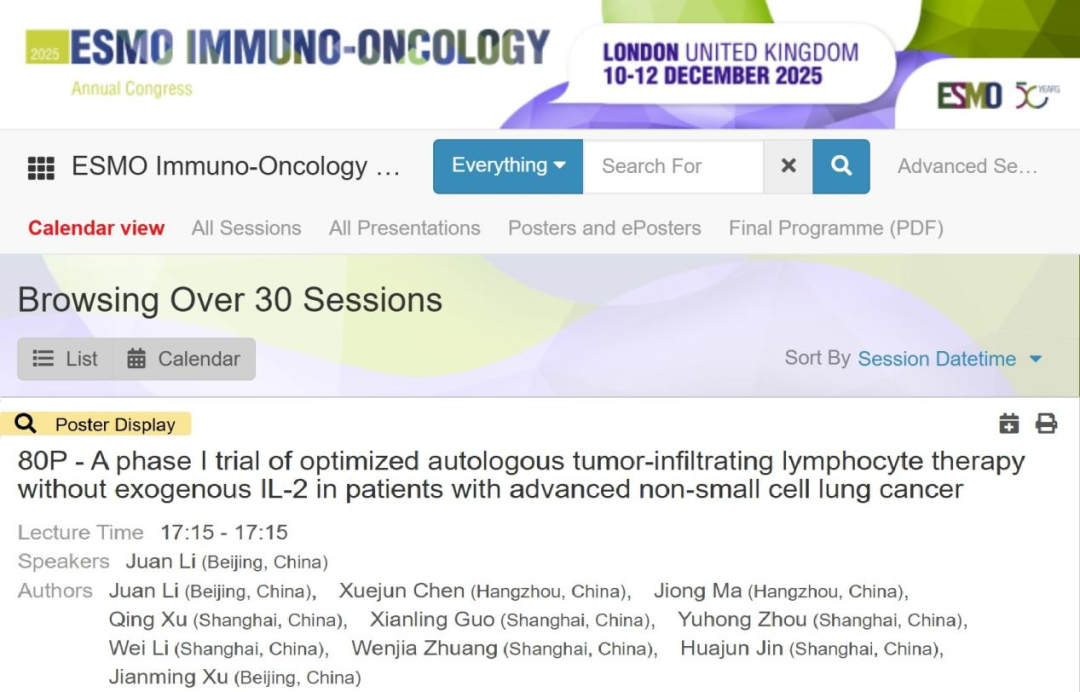
▲Screenshot source“ESMO”
In addition to lung cancer, GC101 has also shown remarkable efficacy in treating pancreatic cancer and glioblastoma, with two typical cases further confirming its anti-cancer potential:
Case 1 (Advanced Pancreatic Cancer): A patient with advanced pancreatic cancer, postoperative tumor recurrence with intrahepatic metastasis, was enrolled to receive GC101 treatment. Six weeks after a single infusion,The 10cm recurrent lesion in the pancreatic head shrank to 3cm, and the liver metastasis completely disappeared.,Tumor markers return to normal; Follow-up ReviewThe lesion shrank to about 1cm.(Calcified plaque, no metabolic activity),Currently, normal life has been restored for over 39 months.。
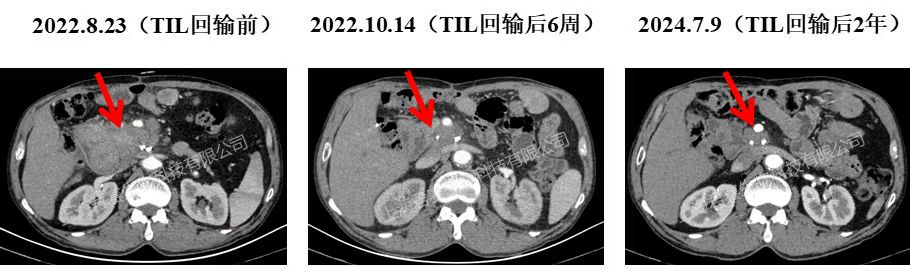
▲Source: "JUNCELL", all rights reserved. If we unintentionally infringe on intellectual property, please contact us for removal.
Case 2 (Grade IV Glioma)At the 2025 SITC conference, the Second Affiliated Hospital of Soochow University and Juncell Therapeutics jointly announced exciting data from a Phase I clinical trial (NCT04943913): A 56-year-old male patient diagnosed with the most malignant subtype of glioblastoma had failed after surgery, Stupp protocol, and two CAR-T treatments. At the end of 2023, after enrolling in the clinical trial, researchers prepared TILs (with T cells accounting for 99.92% and CD8⁺ T cells accounting for 97.85%) from his surgical specimen and completed the infusion in December. The results showed that four weeks after the GC101 TIL infusion,2.8cm recurrent lesion completely cleared, efficacy evaluated as complete response (CR).; As of June 2025, patientsContinuous complete remission for over 1.4 years, returned to normal life。
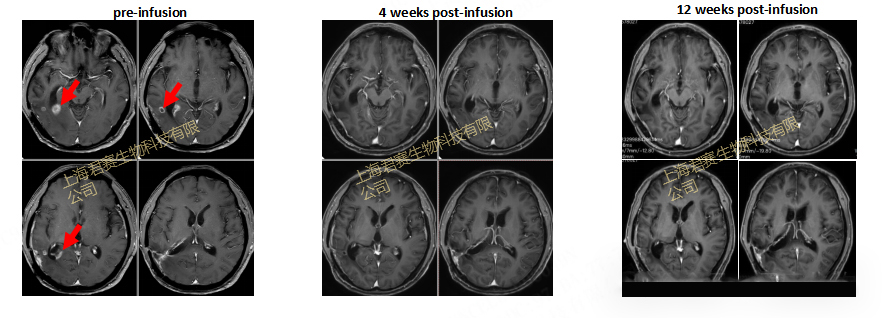
▲Source: "JUNCELL", all rights reserved. If we unintentionally infringe on intellectual property, please contact us for removal.
BST02 Injection is an adoptive immune cell therapy product developed by Juncell Therapeutics. It is manufactured by expanding the patient’s own tumor-infiltrating lymphocytes and can be used to treat various types of liver cancer, including hepatocellular carcinoma and cholangiocarcinoma. Its principle is as follows: Lymphocytes that specifically recognize tumor antigens are collected and enriched from the patient’s tumor tissue, then rapidly proliferated through in vitro cytokine induction while maintaining stemness. After maximizing the expansion of T cells with anti-tumor functions, they are reinfused into the patient’s body to kill the tumor.
On October 26, 2023, BST02 was approved by the U.S. FDA to enter clinical trials, becomingThe world's first clinical-stage TIL product for liver cancer, and the first TIL therapy to cover all types of liver cancer.。
At the 2025 American Society of Clinical Oncology (ASCO) conference, this therapy announced breakthrough data: in the exploratory clinical trial targeting the Chinese population (NCT06526832), preliminary results showed:Disease Control Rate (DCR) 100%(2/2),Objective Response Rate (ORR) 50%(1/2); Best response in patientsMultiple lesions continued to significantly shrink, with the liver target lesion reducing by 57.1% and the portal vein tumor thrombus decreasing by 51.8% at 84 days post-infusion.。
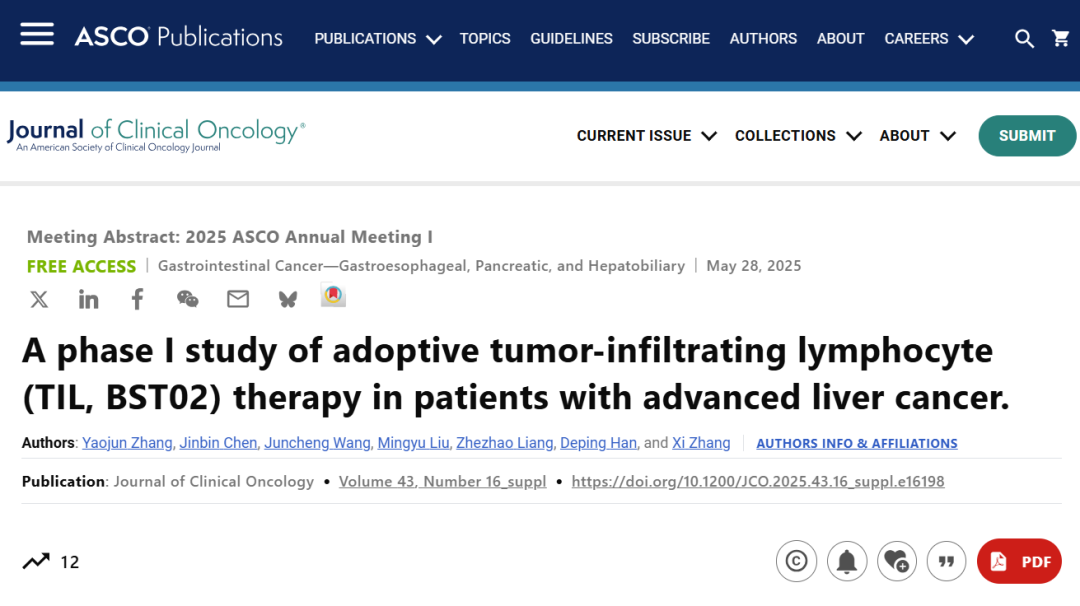
▲Screenshot source“ASCO”
GT201 is a novel TIL therapy developed by Juncell Therapeutics. By expressing mbIL-15 on TILs, it achieves the dual goals of enhancing immune activation within the tumor microenvironment (TME) and eliminating IL-2 toxicity. At the 2025 American Society of Clinical Oncology (ASCO) conference, exciting data from the Phase I clinical trial for "treating advanced solid tumors unresponsive to standard therapies" was unveiled.
The results showed that: the therapyObjective Response Rate (ORR) Reached 55.6%(5/9),Disease Control Rate (DCR) up to 77.8%(7/9); among whichOne case (11.1%) achieved complete remission (CR), four cases (44.4%) reached partial remission (PR), and two cases (22.2%) had stable disease (SD).Particularly noteworthy is that all three patients in the non-small cell lung cancer (NSCLC) subgroup achievedDisease control (SD≥24 weeks or PR), with a control rate of 100%.。
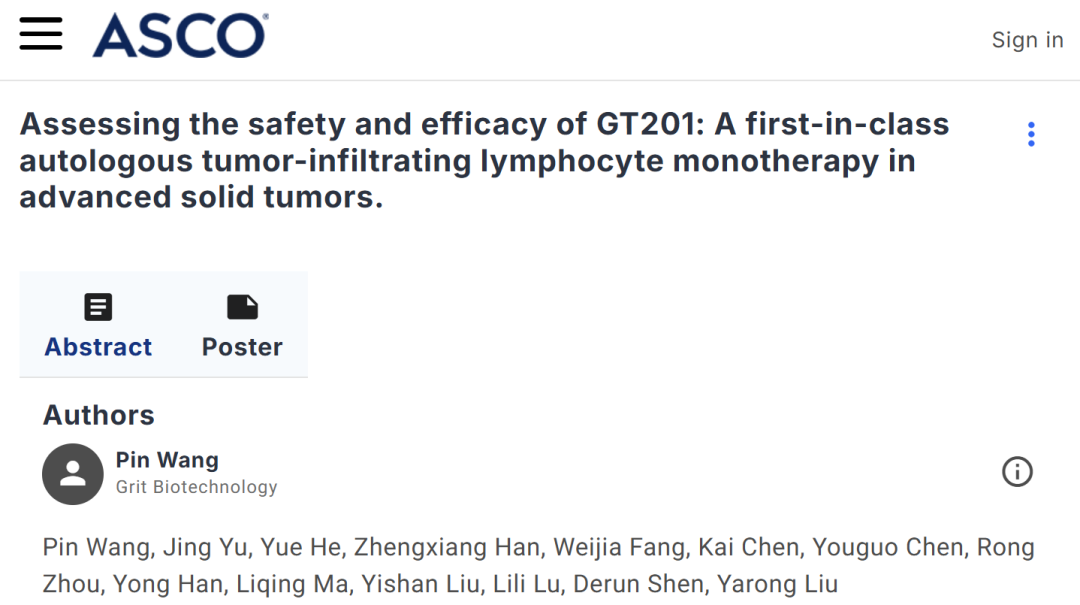
▲Screenshot source“ASCO”
In addition to the latest data released by ASCO, the single-arm clinical trial of GT201 in combination with a PD-1 inhibitor for the treatment of advanced squamous cell carcinoma of the head and neck has also achieved remarkable results at Shanghai Ninth People's Hospital — the first oral cancer patient has achieved complete remission. The participant is a 61-year-old male who was cured of laryngeal cancer in 2016 after undergoing surgery and adjuvant radiotherapy and chemotherapy. In September 2023, he was diagnosed with floor-of-mouth cancer (a type of head and neck squamous cell carcinoma, with mandibular invasion and multiple cervical lymph node metastases). Due to the risk of severe speech and swallowing dysfunction as well as disfigurement from surgery, the patient opted against it. After multiple rounds of chemotherapy and targeted therapy failed to stop the rapid progression of the tumor, he eventually enrolled in GT201 treatment (combined with bridging therapy and subsequent maintenance therapy).
The treatment results showed that: only 3 weeks after TIL infusion, the patientSignificant reduction in lesions achieving partial response (PR); At the 9-week follow-up after treatment, imaging evaluation showedAll lesions completely disappeared, successfully achieving complete remission (CR).(See the figure below for details).
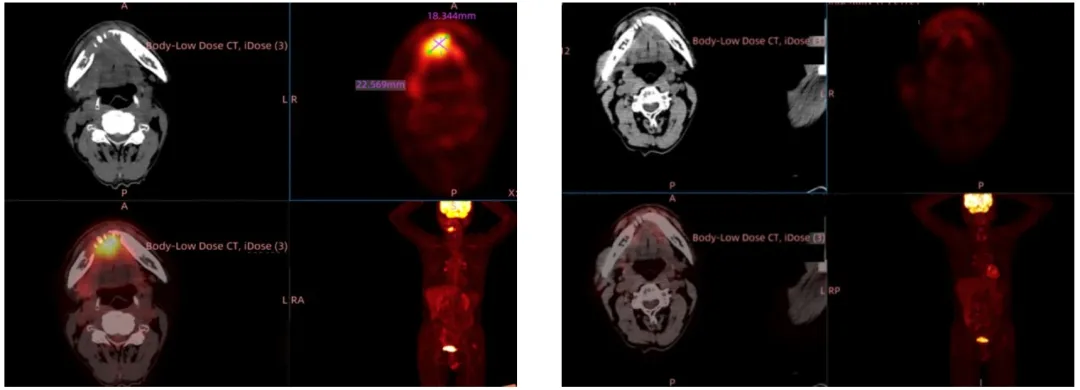
▲Source: "Shanghai Ninth People's Hospital Official Website", all rights reserved. If we unintentionally infringe on intellectual property, please contact us for removal.
Lifileucel is a tumor-infiltrating lymphocyte (TIL) therapy. The 2025 American Society of Clinical Oncology (ASCO) conference presented the five-year follow-up data from its Phase II C-144-01 clinical study (NCT02360579) involving 153 patients with advanced melanoma, confirming the durable efficacy of this therapy as a one-time treatment.
Specific data show:Objective Response Rate (ORR) reached 31.4%, with a Complete Response Rate (CR) of 5.9%.(9/153),Partial Response Rate (PR) was 25.5%(39/153);79.3% (111/140) of patients experienced a reduction in tumor burden.. In remitters,31.3% (15/48) completed the 5-year assessment and maintained sustained remission, with a median duration of remission assessed by the Independent Review Committee (IRC) reaching 36.5 months.(95% CI: 8.3~not reached, see the figure below). The overall populationMedian overall survival (OS) was 13.9 months(95%CI:10.6~17.8),The 5-year overall survival rate reached 19.7%.。
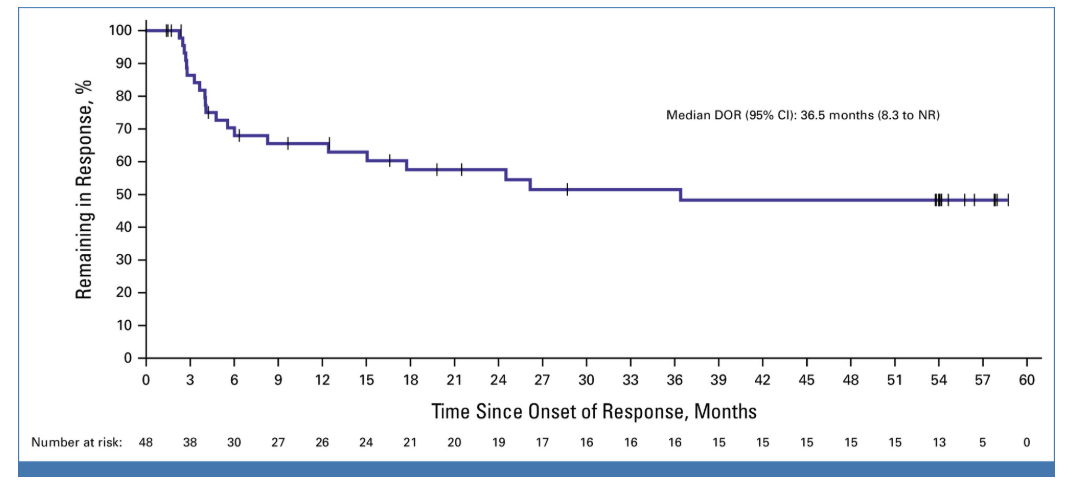
▲Source of the Image“JCO"`, owned by the original author. If we unintentionally infringe on intellectual property, please contact us for removal."
In addition to melanoma, Lifileucel has also made breakthrough progress in the field of lung cancer. On November 3, 2025, Iovance's official website disclosed the interim data of its Phase II IOV-LUN-202 trial (NCT04614103) targeting advanced non-squamous non-small cell lung cancer (NSCLC).
Results showed that: Among 39 patients who had previously received treatment and were given a single treatment, evaluated by the RECIST v1.1 criteria,The disease control rate (DCR) reached 71.8%, and the objective response rate (ORR) was 25.6% (including 2 cases of complete response and 7 cases of partial response).; After 25.4 months of follow-up, the median duration of response has not yet been reached, demonstrating an "unprecedented durability of efficacy" compared to the standard treatment docetaxel.
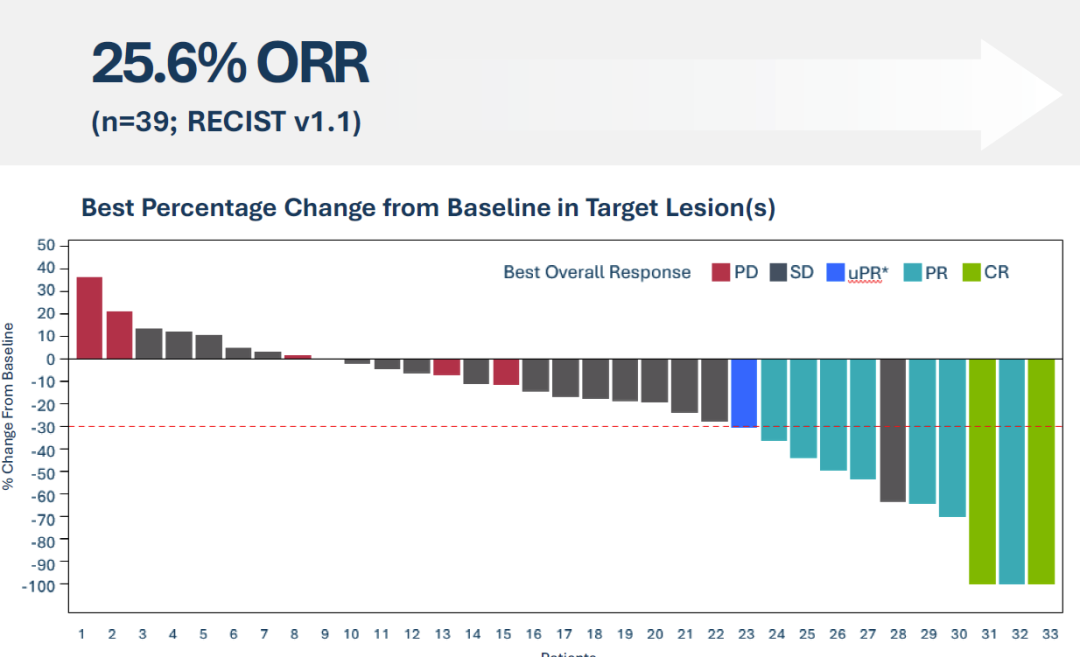
▲Source of the Image“Iovance"`, owned by the original author. If we unintentionally infringe on intellectual property, please contact us for removal."
It is reported that more trial data of this therapy is planned to be disclosed at a medical conference in 2026, followed by the submission of a supplemental Biologics License Application (BLA). If all goes well, it is expected to be launched in the second half of 2027 for previously treated advanced non-squamous NSCLC patients, filling the gap in clinical treatment.
The good news is that, currently, there are multiple clinical trials of TILs therapies recruiting patients in China, mainly targetingMelanoma, Non-Small Cell Lung Cancer, Renal Cell Carcinoma, Cholangiocarcinoma, Breast Cancer, Fallopian Tube Cancer, Ovarian Cancer, Cervical Cancer, Urothelial Carcinoma, Squamous Cell Carcinoma of the Head and Neck, Esophageal Squamous Cell CarcinomaVarious types of cancers. Cancer patients seeking help with TILs therapy can submit their genetic test reports, recent imaging and pathology reports, treatment history, and other relevant materials toGlobal Cancer Doctors Network Medical Department (400-666-7998), for preliminary evaluation.
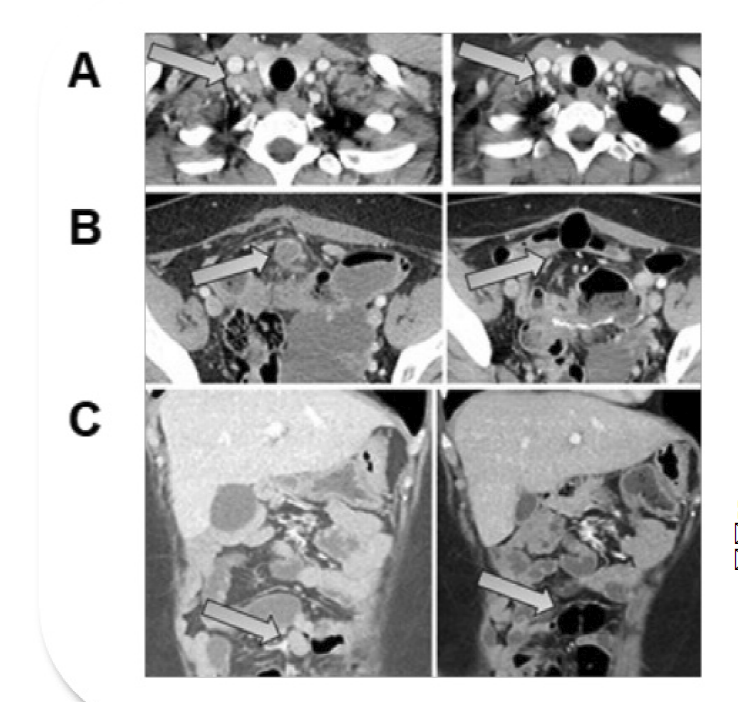
At the 2025 American Association for Cancer Research (AACR) Annual Meeting, the groundbreaking data from the first single-center Phase 1 clinical trial (NCT04426669) of neoantigen-reactive TIL therapy (CRISPR-TIL) was officially announced, with related findings simultaneously published in *The Lancet*. Among the patients, one who was initially deemed incurable has experienced efficacy lasting over two years — this breakthrough not only rewrites the treatment history of non-genetically modified TIL therapy but also, for the first time, confirms in the field of colorectal cancer (CRC) that immunotherapy can help patients achieve long-term survival.
Specific data show:50% (6/12) of patients achieved stable disease (SD) on Day 28 of treatment, and 33% (4/12) remained stable on Day 56; the median progression-free survival (PFS) was 57 days (25-156 days), and the median overall survival (OS) was 129 days.(46-290 days).
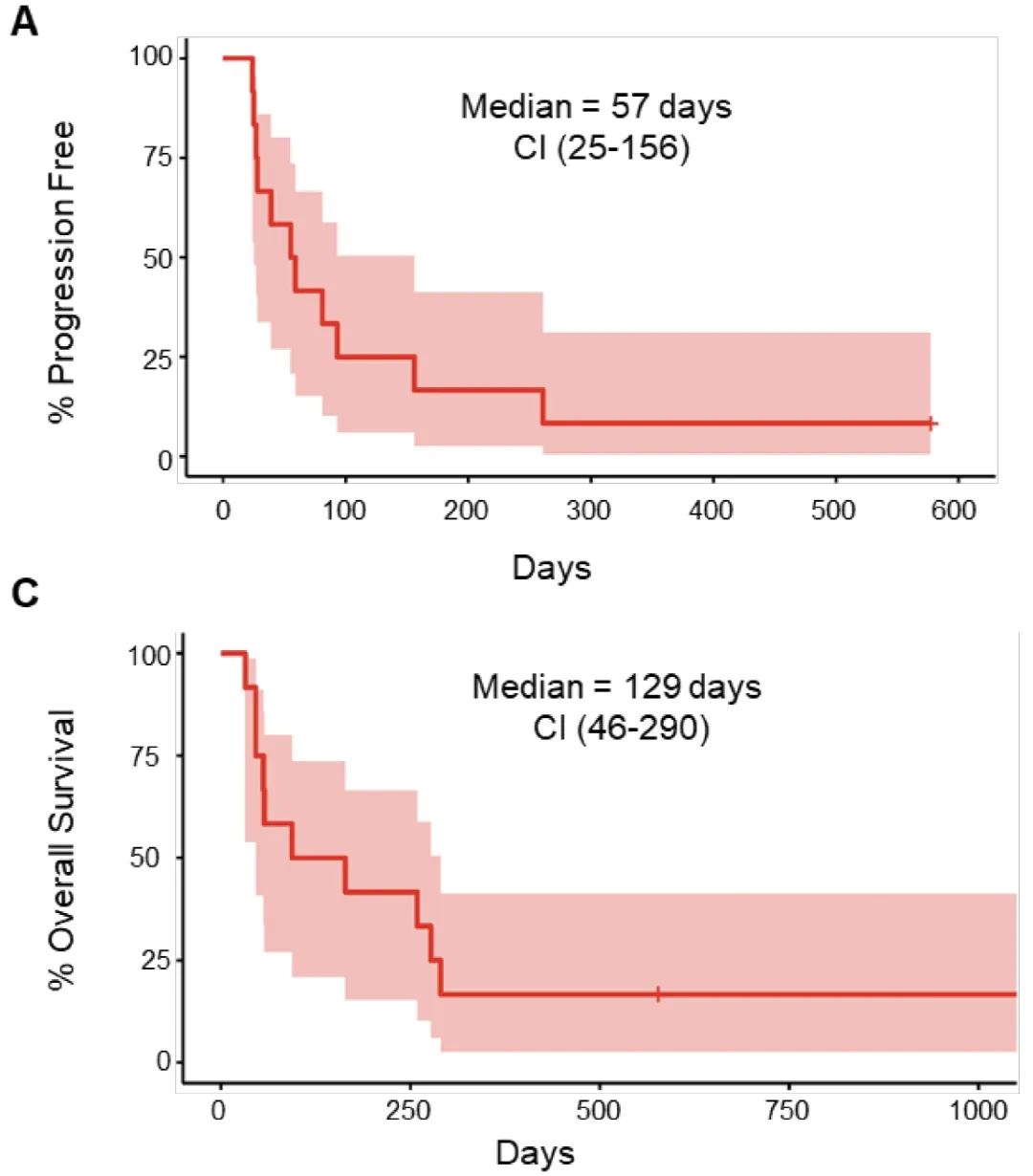
▲Source: "AACR", all rights reserved. If we unintentionally infringe on intellectual property, please contact us for removal.
Particularly noteworthy is that one patient with microsatellite instability-high (MSI-H) colorectal cancer, who was resistant to PD-1/CTLA-4 dual immunotherapy, achieved remission after treatment.Complete Remission (CR) with efficacy lasting over 21 months。
▲Source of the Image“AACR"`, owned by the original author. If we unintentionally infringe on intellectual property rights, please contact us for removal."
FAST-TIL (HS-IT101) is an innovative, improved TIL product independently developed in China. It employs a fully enclosed automated culture system and requires only ≥0.05g of tumor tissue for preparation. The production cycle is shortened to 14 days (compared to the industry standard of 22-28 days), significantly enhancing treatment accessibility while further expanding the eligible patient population.
On November 17, 2025, the domestically developed novel TIL therapy by Huasai Berman was approved by the Center for Drug Evaluation (CDE) of the National Medical Products Administration (NMPA) to conduct a pivotal Phase II clinical trial for advanced melanoma, marking a significant milestone in China's TIL therapy field!
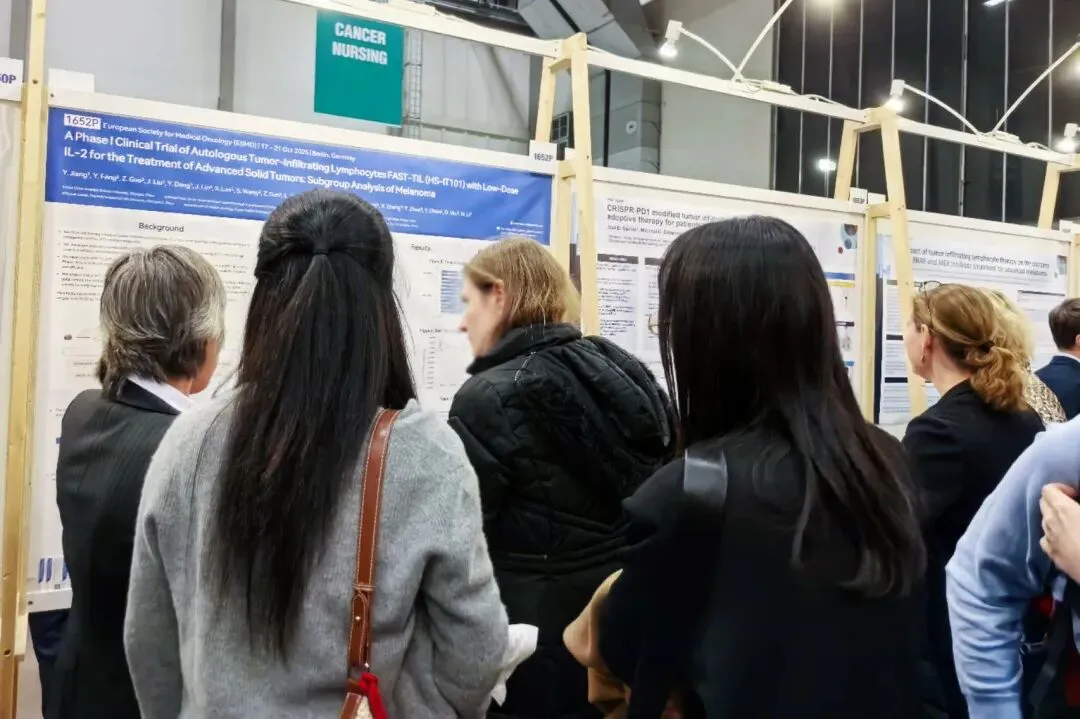
Previously, at the European Society for Medical Oncology (ESMO) Annual Congress held from October 17-21, 2025,First Announcement of Exciting Data from the Melanoma Subgroup of the Phase I Clinical Trial (NCT06342336) for FAST-TIL (HS-IT101) Combined with Low-Dose IL-2 in the Treatment of Advanced Solid Tumors。
▲Source: "Huasai Boyman Official WeChat," all rights reserved. If we unintentionally infringe on intellectual property, please contact us for removal.
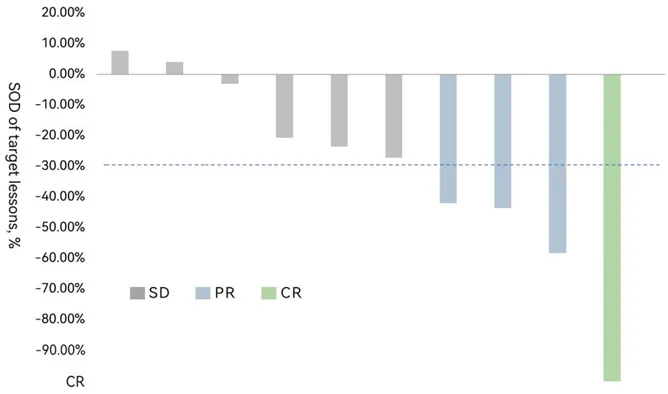
Results showed that: As of October 2025, among the 10 subjects who completed treatment and had at least one tumor assessment,Four cases confirmed disease remission (including 1 complete remission and 3 partial remissions), with an initial objective response rate (ORR) of 40%, and a disease control rate (DCR) as high as 100%.; The median follow-up exceeded 5 months,The median progression-free survival (mPFS) has not yet been reached, significantly outperforming the comparable U.S. marketed product AMTAGVI (ORR 31.4%, mPFS 4.2 months).。
▲Source: "Huasai Boyman Official WeChat," all rights reserved. If we unintentionally infringe on intellectual property, please contact us for removal.
Since its first clinical application in 1988, Tumor-Infiltrating Lymphocyte (TIL) therapy has undergone more than 30 years of development. Compared with other immunocyte therapies, TIL therapy uniquely possesses the magical effect of turning a patient's own tumor tissue into a valuable resource, making it an undisputed anti-cancer breakthrough in the field of solid tumor treatment. It is suitable for early-stage cancer patients, effectively preventing tumor recurrence and metastasis, and can also serve as a salvage treatment for advanced patients, offering a ray of hope to cancer sufferers.
Notably, the number of TIL cells gradually decreases as the tumor progresses. Moreover, when patients receive adjuvant treatments post-surgery (such as radiotherapy or chemotherapy), not only are cancer cells targeted, but immune cells in the body may also be affected. Therefore, it is crucial for patients to seize this potentially one-time valuable opportunity for anti-cancer therapy. Prior to surgery, they should actively communicate with their attending physician, aim to preserve fresh tumor specimen tissues, and contact professional institutions to isolate and cryopreserve TIL cells, taking precautions in advance.
Patients who want to learn more about TIL cell preparation/cryopreservation or treatment can submit their treatment history, recent imaging examinations, and pathology reports toGlobal Cancer Doctors Network Medical Department (400-666-7998), conduct a preliminary assessment to understand the detailed inclusion and exclusion criteria.
[1]Zhang Y,et al.A phase I study of adoptive tumor-infiltrating lymphocyte (TIL, BST02) therapy in patients with advanced liver cancer[J]. 2025.
https://ascopubs.org/doi/10.1200/JCO.2025.43.16_suppl.e16198
[2]Medina T,et al.Long-Term Efficacy and Safety of Lifileucel Tumor-Infiltrating Lymphocyte Cell Therapy in Patients With Advanced Melanoma: A 5-Year Analysis of the C-144-01 Study[J]. Journal of Clinical Oncology, 2025: JCO-25-00765.
http://ascopubs.org/doi/10.1200/JCO-25-00765
[3]Lou E, Choudhry M S, Starr T K, et al. Targeting the intracellular immune checkpoint CISH with CRISPR-Cas9-edited T cells in patients with metastatic colorectal cancer: a first-in-human, single-centre, phase 1 trial[J]. The Lancet Oncology, 2025, 26(5): 559-570.
https://www.thelancet.com/journals/lanonc/article/PIIS1470-2045(25)00083-X/abstract
[4]Jiang Y,et al.1652P A phase I clinical trial of autologous tumor-infiltrating lymphocytes FAST-TIL (HS-IT101) with low-dose IL-2 for the treatment of advanced solid tumors: Subgroup analysis of melanoma[J]. Annals of Oncology, 2025, 36: S979.
https://www.annalsofoncology.org/article/S0923-7534(25)03200-4/fulltext
This article is original content from Global Cancer Doctors Network. Reproduction is strictly prohibited without authorization.
Scan to Add Patient Group
Cancer News|New Technologies|New Drug Development|Authoritative Experts
Join the group to receive free anti-cancer resources