

Beacon Therapeutics Secures Over $75 Million in Series C Financing to Advance Lead Gene Therapy laru-zova for X-Linked Retinitis Pigmentosa

Beacon Therapeutics
Ophthalmology Gene Therapy Technology Researcher

Syncona
Venture Capital Firm

Oxford Science Enterprises
Science Construction Service Provider

Advent Life Sciences
Investment Institutions Focused on the Life Sciences Sector

Goldman Sachs
Financial Services Institutions

RD Fund
Venture Capital Firms
Forbion Capital Partners
Private Equity and Venture Capital Firms
On January 8, 2026, Beacon Therapeutics Holdings Limited (hereinafter referred to as "Beacon" or "the Company") announced that it has successfully completed a Series C financing round of over 75 million US dollars. This round of financing was led by Life Sciences at Goldman Sachs Alternatives, with participation from several well-known institutions.
The proceeds from this round will mainly be used to advance the commercialization of its core candidate drug, laru-zova, which is being used to treat X-linked retinitis pigmentosa (XLRP), while also accelerating the development of other pipeline products under research by the company.
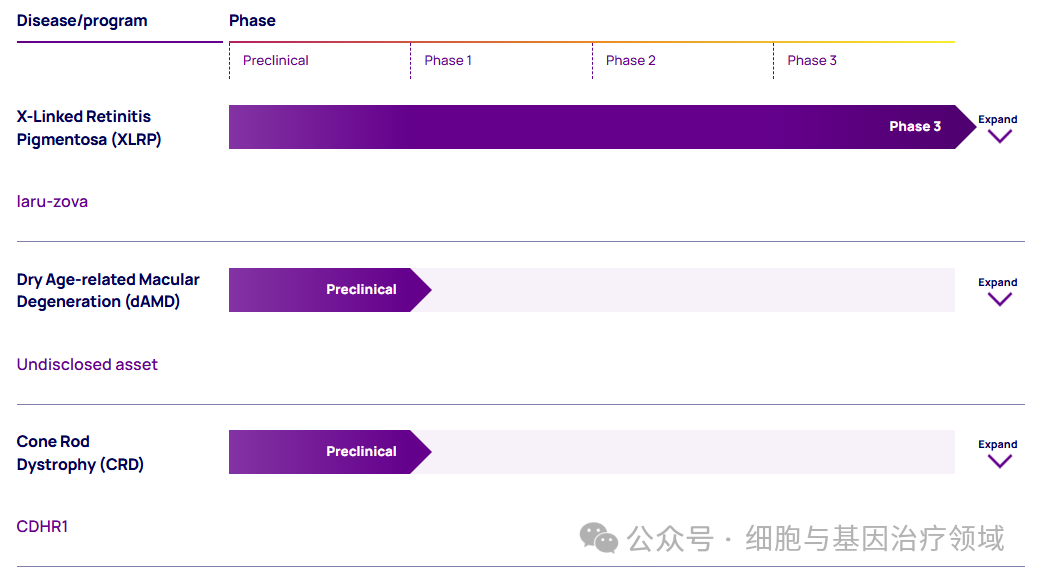
Beacon Therapeutics' R&D Pipeline
Laru-zova (AGTC-501, also known as AAV.coRPGR) is a gene therapy designed for the one-time treatment of X-linked retinitis pigmentosa (XLRP), directly targeting the genetic root cause of the disease. This therapy utilizes an adeno-associated virus (AAV) vector to deliver a functional RPGR gene to the retina, replacing the mutated RPGR gene in patients. Its design focuses on expressing the full-length RPGRORF15 protein — the primary subtype of RPGR protein that plays a crucial role in the retina. The RPGRORF15 protein consists of exons 1 to 14 of the RPGR gene combined with the unique ORF15 region (formed by the fusion of exon 15 and part of intron 15). The ORF15 region is rich in glutamate and glycine, has a highly unstable structure, and has long posed significant challenges in constructing gene therapy vectors; large in-frame deletions within this region can lead to a marked reduction in post-translational glutamylation of the protein, thereby impairing its normal function.
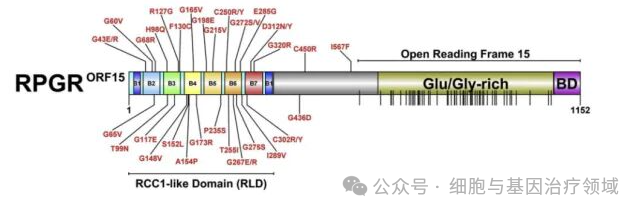
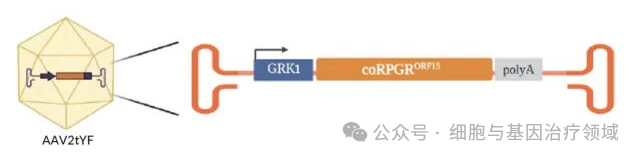
Beacon Therapeutics' laru-zova incorporates a stable and complete RPGR-ORF15 gene sequence, successfully overcoming the limitations previously associated with the use of truncated RPGR-ORF15. As one of the few gene therapies currently able to express full-length RPGR-ORF15, laru-zova has the potential to more effectively restore the natural physiological function of cone cells, thereby delivering more significant vision improvement.
Interim data from the Phase II clinical trial of laru-zova showed that patients receiving the treatment achieved sustained improvements in multiple key visual function indicators. In terms of safety, laru-zova was generally well-tolerated with no major safety issues reported. Additionally, Beacon Therapeutics, Ltd. has recently completed patient enrollment for the pivotal VISTA Phase III clinical trial of laru-zova and expects to announce preliminary top-line data in the second half of 2026.
As gene therapy technology continues to make breakthroughs, the field of ophthalmology has become one of the most promising application scenarios for this cutting-edge treatment. Inherited eye diseases such as X-linked retinitis pigmentosa were once considered irreversible causes of blindness, but now innovative therapies like laru-zova, which precisely target disease-causing genes with the aim of permanently restoring function in one treatment, are turning the vision of "restoring sight" into a reality.