Autogene Cevumeran (BNT122) Demonstrates 87.5% Long-Term Survival in Pancreatic Cancer Patients with Immune Response in Phase I Trial

BioNTech
Developer of Novel Biologics

Genentech
Pharmaceutical R&D Manufacturer


"I never thought that I could survive pancreatic cancer, which was given a 'death sentence' by the doctor.6 Years, and can celebrate with her husband50th Anniversary"Wedding Anniversary!" Mrs. T, 72, smiled and said, her eyes full of relief and gratitude after surviving the crisis.
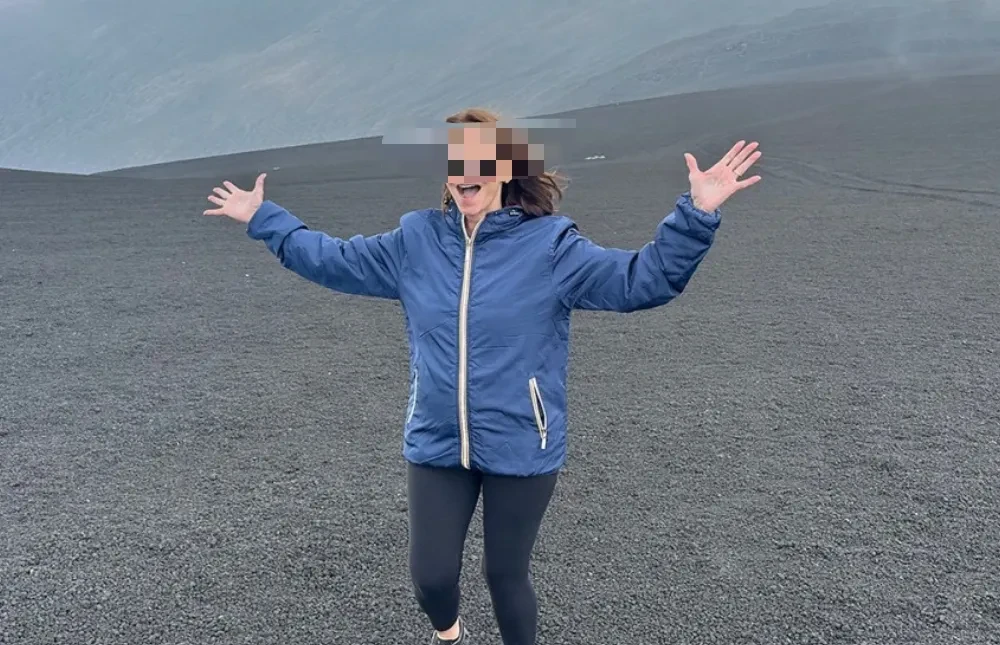
Mrs. T and her husband Ed celebrated their 50th wedding anniversary on Mount Etna in Sicily. "There is no limit to what I can do, so for me, this is absolutely a miracle," she said.
At the end of 2019, Ms. T, 66 years old, was diagnosed with pancreatic cancer while visiting relatives in Australia. Known as the "king of cancers," this terminal illness left her devastated—she could hardly believe that her usually robust body could fall victim to such a deadly disease. Even more despairing was the doctor's revelation that the five-year survival rate for pancreatic cancer is less than 13%. Even after surgical removal, the postoperative recurrence rate is alarmingly high, and many patients do not survive beyond a year.
Fortunately, Ms. T偶然得知Memorial Sloan Kettering Cancer Center (MSK) was conducting a clinical trial for a personalized mRNA cancer vaccine. Without hesitation, she signed up to participate and becameFirst Recipient. Now, six years later, she has not only successfully defeated cancer with no signs of recurrence but is also able to travel, spend time with her grandchildren, and reclaim a full and vibrant life.
Recently,重磅 news came from the 2026 American Association for Cancer Research (AACR) Annual Meeting. The mRNA personalized cancer vaccine — autogene cevumeran (BNT122, RO7198457), which gave new life to Ms. T and Ms. S, officially released follow-up data from its Phase I clinical trial. Its long-lasting efficacy has shocked the global oncology community, opening a lifeline for millions of pancreatic cancer patients and marking a milestone breakthrough for personalized mRNA vaccines in the treatment of refractory tumors!
How Deadly is Pancreatic Cancer? According to the American Cancer Society's "2026 Cancer Statistics Report," its five-year survival rate is only about 13%, making it the third leading cause of cancer-related deaths in the United States, with projections indicating it will rise to second place in the coming years. Chemotherapy, radiation therapy, targeted therapy, and conventional immunotherapy mostly show poor efficacy against it. Even when surgical resection is possible, the postoperative recurrence rate remains stubbornly high, becoming an insurmountable life-and-death hurdle for countless patients.
This autologous gene cevumeran vaccine, jointly developed by BioNTech and Genentech, a member of the Roche Group, has broken this deadlock. The Phase I clinical trial, led by Dr. Vinod Balachandran, a medical scientist at MSK, has provided hard-core data that is sufficient to rewrite the history of pancreatic cancer treatment:
The trial enrolled a total of 16 postoperative pancreatic cancer patients, all of whom received the cevumeran vaccine in combination with chemotherapy and checkpoint inhibitor immunotherapy. The most notable feature of this vaccine is thatCustomized vaccines tailored to the unique mutations in each patient's tumor DNA——Just like equipping the immune system with "Cancer Cell Exclusive Identifier", precisely targeting the unique neoantigens of cancer cells and avoiding harm to normal cells.
Trial Results Shock the World: Among 16 patients, 8 had their tumor-specific immune cells successfully activated by the vaccine, meaning the immune system learned to accurately identify and attack cancer cells; among these 8 responsive patients,Seven patients (87.5%) remained alive without signs of recurrence 4 to 6 years after surgery.; whereas, among the other 8 non-responding patients, only 2 (25%) survived, with a median survival time of merely 3.4 years.
More encouragingly, researchers found that in patients who responded to the vaccine, CD8+ T cells capable of killing cancer cells were present.Can persist for up to six years, and there is no sign of weakening; at the same time, CD4+T cells were generated. These cells can enhance and sustain immune responses, making the anti-cancer effects more durable and potent—this is also the core reason why Donna and Donald have been able to survive cancer-free for a long term.
"These results are incredibly encouraging!" said Dr. Balachandran at the AACR Annual Meeting. This vaccine not only significantly stimulates the immune system in pancreatic cancer patients but also helps them maintain good health years after vaccination, potentially revolutionizing the treatment landscape for this deadliest form of cancer.
Many pancreatic cancer patients have such confusion: chemotherapy harms the body, targeted therapy easily leads to drug resistance, and immunotherapy shows no effect. Are they really left with no choice but to wait helplessly? The emergence of the cevumeran vaccine provides a new answer — it does not rely on external drugs to suppress cancer cells but awakens the patient's immune system, enabling the body to "fight cancer" on its own.
The core advantage of this vaccine lies in "personalized customization + precise immune activation," which is supported by two key technologies:
1. Precisely Capture Cancer Cell "Fingerprints," Say Goodbye to "Finding a Needle in a Haystack"
The inspiration for the vaccine's development originated from Dr. Balachandran's discovery a decade ago: in long-term surviving pancreatic cancer patients, their tumors contained a large number of immune cells, and these immune cells could recognize "neoantigens" unique to cancer cells—distinctive proteins produced during cancer cell division, which serve as the "exclusive fingerprint" of cancer cells and are completely absent in normal cells.
Based on this discovery, the research team utilized advanced technology to extract genetic information from patient tumor samples, precisely screening out up to 20 of the most immunogenic neoantigens to create a personalized vaccine for each patient. This completely resolved the traditional immunotherapy pain point of "being unable to distinguish between cancer cells and normal cells," making immune attacks more precise and efficient.
2. mRNA Technology + Immune Synergy: Building a Long-Lasting Anti-Cancer Defense
Cevumeran is an individualized neoantigen vaccine based on uridine mRNA-lipoplex nanoparticles, utilizing a lipid nanoparticle (LNP) delivery system to efficiently deliver mRNA encoding neoantigens to human cells, guiding the cells to produce neoantigen peptides, thereby activating specific T-cell immune responses to eliminate cancer cells throughout the body, including micrometastases and dormant cancer cells.
More crucially, it does not act alone but is used in combination with chemotherapy and checkpoint inhibitors, forming a synergistic model of "vaccine-activated immunity + chemotherapy clearing lesions": Chemotherapy rapidly eliminates visible tumors, while the vaccine activates immune cells to clear hidden residual cancer cells. It also establishes long-term immune memory, fundamentally reducing the risk of recurrence, achieving "one vaccination, long-term protection."
It is worth mentioning that the side effects of the vaccine were extremely mild. All related adverse events experienced by the patients were Grade 2 or lower, and they resolved on their own without the need for special intervention. This is far superior to the severe side effects associated with chemotherapy and conventional immunotherapy, making it tolerable even for elderly and frail patients with advanced stages—this is also an important reason why Donna and Donald were able to complete the treatment successfully and quickly return to normal life.
As global pancreatic cancer experts have said: "Our goal is not to make pancreatic cancer disappear completely, but to turn it into a chronic disease that allows for long-term survival without affecting quality of life." Today, this goal is gradually being achieved — from targeted drugs breaking the "undruggable" curse, to anti-cancer vaccines providing long-term prevention of recurrence, to precision early screening blocking the disease at its source. The treatment landscape for pancreatic cancer is being completely rewritten.
From Ms. T's cancer-free rebirth to the 87.5% high survival rate officially announced by AACR, the autologous gene cevumeran vaccine has shattered the "pancreatic cancer is incurable" curse with solid clinical data, also making personalized mRNA vaccines a new direction for the treatment of refractory tumors.
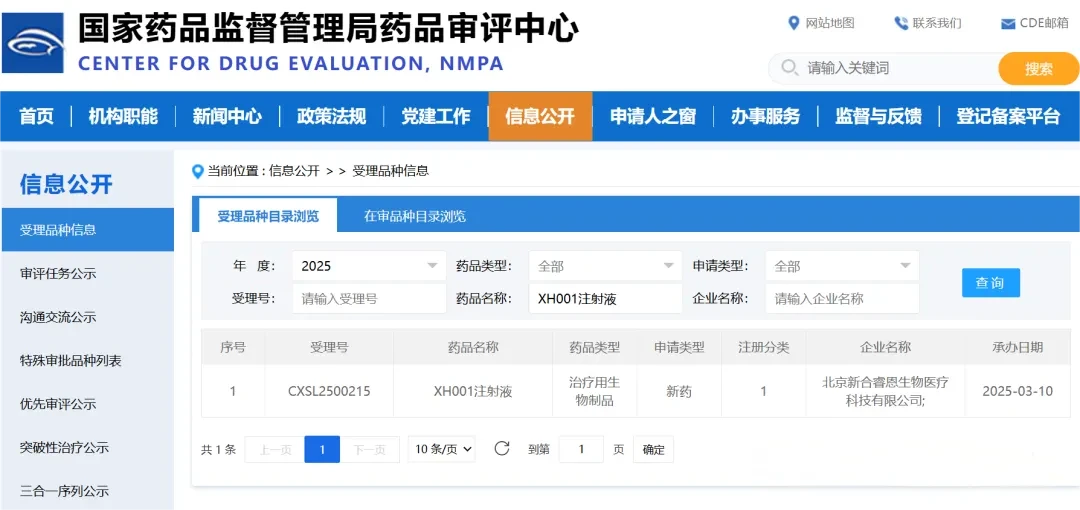
For pancreatic cancer patients in China, this is no longer a "distant hope" but an attainable opportunity for survival. What is encouraging for patients is that ChinaThe First Personalized Tumor Neoantigen Vaccine Based on AI-Driven mRNA Technology Platform Successfully Developed! On March 15, 2025, XH001, a China-developed mRNA personalized neoantigen cancer vaccine based on a full set of AI self-developed technologies, has officially received clinical trial approval from the Center for Drug Evaluation (CDE) of the National Medical Products Administration. The Phase I clinical study has been fully launched and is being conducted simultaneously at top-tier tertiary hospitals in China, including Peking Union Medical College Hospital and Beijing Cancer Hospital, among other authoritative oncology hospitals in the country. This milestone progress was specially reported by the Beijing Daily, marking China’s entry into the global forefront in the field of personalized tumor immunotherapy, bringing new hope for preventing recurrence with locally customized solutions to patients with solid tumors in China.

The once "king of cancers" is being gradually tamed by the progress of medicine, and all you need to do is take a brave step forward to possibly seize this chance to survive.(Patients who seek help for cancer vaccines and other new anti-cancer treatments at home and abroad, and have the economic means, can first submit their medical records to the Medical Department of Global Oncology Doctors Network 400-666-7998 for an initial evaluation.)
Finally, to every pancreatic cancer patient: Please do not give up! The progress of medicine never stops, and every clinical trial and every technological breakthrough aims to help more patients regain their lives. We believe that in the near future, the five-year survival rate of pancreatic cancer will significantly increase, and the title of "King of Cancers" will eventually become history!
Scan to Add Patient Group
Cancer News|New Technologies|New Drug Development|Leading Experts
Join the group to receive free anti-cancer resources