

AACR 2026: Qilu Pharmaceutical Showcases 12 Innovative Oncology Candidates with First-in-Class or Best-in-Class Potential

Qilu Pharmaceutical
Specialty Formulations and Active Pharmaceutical Ingredients (API) Developer
Editor's Note
Recently, 12 innovative drugs from Qilu Pharmaceutical made a remarkable appearance at the 2026 American Association for Cancer Research (AACR) Annual Meeting, showcasing the latest research achievements from technology platforms such as Antibody-Drug Conjugates (ADC), T Cell Engagers (TCE), NK Cell Engagers (NKCE), and small-molecule precision inhibitors. Several of these products demonstrated First-in-class or Best-in-class potential.
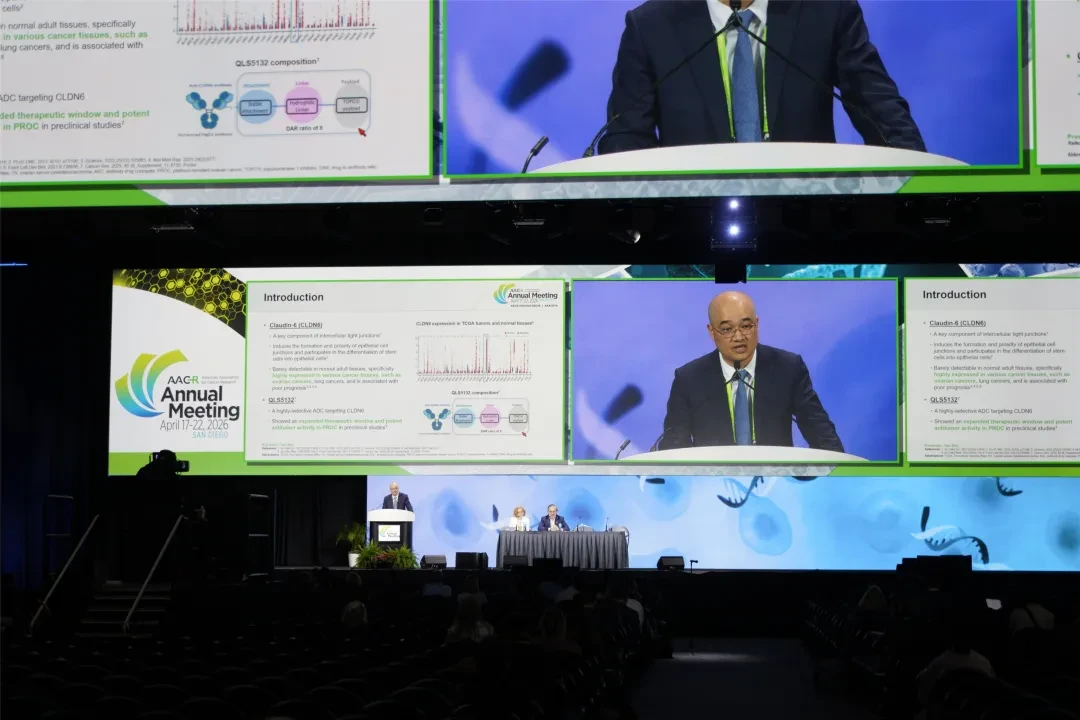
Among them, the Phase I clinical research results of CLDN6 ADC QLS5132 were presented orally and at the closing ceremony of AACR.Successfully Selected"One of the three best studies in the ADC field at this year's AACR annual meeting," becoming the only Chinese study in the selection, and receiving full affirmation from the conference chair. Other research advancements were also showcased in poster presentations, highlighting the innovative depth and cutting-edge level of China's contributions to the field of cancer treatment.

Qilu Pharmaceutical R&D Team at the AACR Annual Meeting
ADC Platform Precise Delivery Upgrade Again,
Great Potential in Differentiated Layout
Qilu Pharmaceutical's ADC platform has established a comprehensive patent layout covering next-generation technologies such as novel toxins, site-specific conjugation, and dual payloads. The five innovative ADC products showcased at this year’s AACR not only demonstrated strong anti-tumor activity in multiple refractory solid tumor models but also significantly optimized off-target toxicity and the therapeutic window due to their precise targeting specificity. This multi-dimensional progress highlights the global competitiveness and innovative potential of China's ADCs under a highly differentiated R&D strategy.
This is not only a concentrated manifestation of the maturity and high scalability of the ADC platform, but also marks the full-scale efforts of Chinese domestic enterprises in the next-generation ADC field, providing core driving force for high-quality clinical transformation.
QLS5132
Highly Concerned"Star Molecule"
QLS5132 is the first to disclose clinical data.CLDN6 ADC Product, and was invited by the conference to give an oral presentation. Preliminary data from the Phase Ⅰ clinical study showed that the molecule demonstrated impressive efficacy in patients with advanced platinum-resistant ovarian cancer (N=18/28, ORR 50%, DCR 94.4%; at a dose of 4.8mg/kg, ORR and DCR were 55.6% and 100%, respectively). Moreover, it exhibited good tolerability at the potential RP2D dose, making it a highly anticipated "star molecule."
LUA011
Enhanced Effect of Dual-Antibody ADC
LUA011 isCDH17/cMET Bispecific Antibody ADC, adopts a new generation of cleavable linkers, possesses a potent bystander effect, and maintains high activity in drug-resistant models. This molecule has demonstrated potent anti-tumor activity in multiple preclinical tumor models, significantly outperforming single-target ADCs targeting CDH17 or cMET; it also shows a marked improvement in safety profile.
LUA005
Achieving Balance Between Efficacy and Toxicity
LUA005 is aEGFR/cMET Bispecific Antibody ADC Drug, with a unique bivalent and bi-specific design, can reduce "on-target off-tumor" toxicity while ensuring potent killing of tumors with EGFR/cMET co-expression or low EGFR expression. LUA005 achieves the optimal balance between efficacy and toxicity, combining strong anti-tumor activity with a wider therapeutic window. The project is currently in Phase I clinical trials.
LUA004
Novel ADC Drug Targeting 5T4
The payload of LUA004 isMicrotubule inhibitors independently developed in China, the project has demonstrated promising antitumor activity and excellent tolerability, with these encouraging preclinical characteristics supporting its advancement into clinical trials.
LUA006
Differentiated Dual-Target Dual-Payload ADC
Preclinical data shows that LUA006Exhibits high-efficiency cytotoxicity in various cancer cells; Meanwhile, in multiple patient-derived tumor xenograft models, a single dose can achieve significant and lasting tumor regression; maintains good anti-tumor activity in drug-resistant models; and no significant weight loss was observed, demonstrating favorable safety.
Focus on the Frontier Track of Immunotherapy,
T Cells and NK Cells: Dual Parallel Dimensions
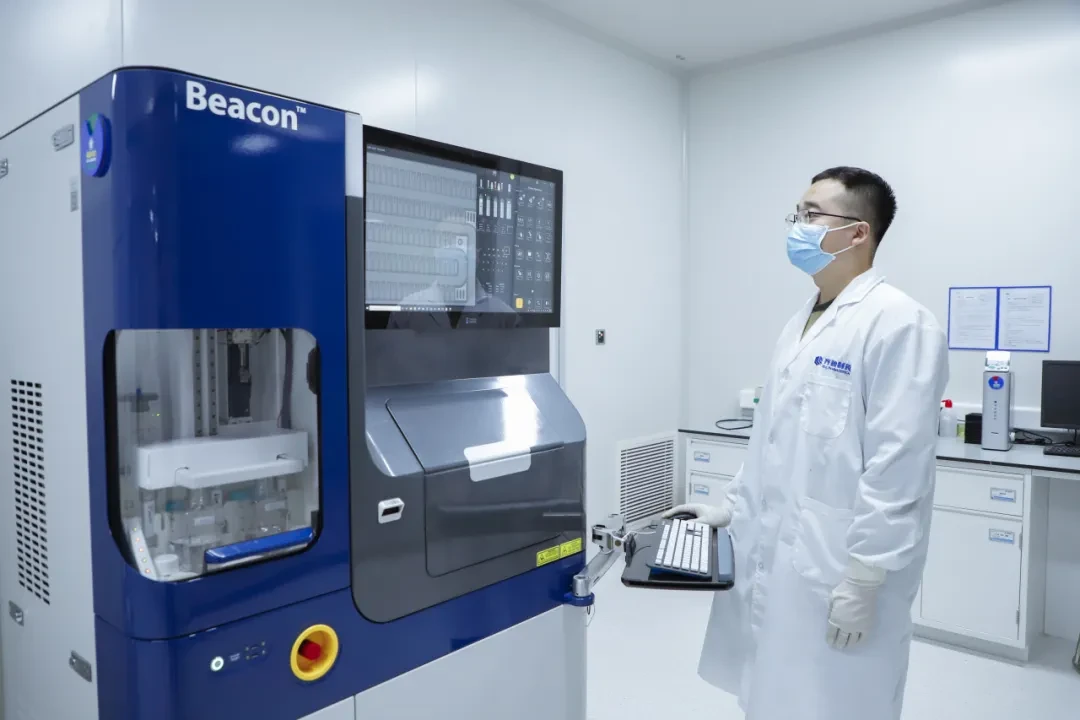
In the field of large-molecule biologics, the AACR Annual Meeting announcedQilu PharmaceuticalTheThree T cell engagers and one NK cell engager, respectively targeting indications such as acute myeloid leukemia, B-cell lymphoma, and prostate cancer, while covering both adaptive immunity and innate immunity. This establishes a complementary and synergistic next-generation immunotherapy matrix driven by dual dimensions.
QLS2313
Tri-specific antibody product with BIC potential
QLS2313 isCD79b/CD20/CD3 Tri-specific Antibody DrugCurrently, the clinical Phase I study is underway. Preclinical data show that even in in vitro systems or in vivo models with low expression of both CD20 and CD79b, its tumor cell killing activity is still significantly superior to that of trispecific antibody molecules targeting the same targets, and the risk of cytokine release is controllable.
QL535
Tri-specific antibody product with FIC potential
QL535 isPSMA/CD2/CD3 Tri-specific Antibody DrugPreclinical data show that its efficacy in vivo and in vitro is significantly superior to PSMA/CD3 bispecific antibody, and it can effectively overcome T-cell exhaustion, achieving long-term tumor killing. Meanwhile, it demonstrates excellent efficacy in PDX models with dose dependency. Additionally, through CD3 modification, the molecule exhibits relatively low cytokine release and good safety.
QLS2401
Demonstrate Anti-Tumor Efficacy and a Wider Therapeutic Window
ThisPSMA/STEAP1/CD3 Tri-specific AntibodySimultaneously targeting two key antigens in prostate cancer, aiming to address the heterogeneity of prostate cancer and overcome drug resistance caused by antigen loss. QLS2401, with an optimized structure, demonstrated a wider therapeutic window, superior anti-tumor efficacy, and better tolerability than competing bispecific antibodies in preclinical models.
QLS2309
Expected to Bring New Options for Hematological TumorsNKCE
QLS2309 is aCD70/NKp46 Bispecific Antibody DrugIts preclinical data show that its tumor cell killing activity is significantly better than CD70 monoclonal antibody in both high and low CD70 expression systems; its efficacy in in vivo models of acute myeloid leukemia and lymphoma is also significantly superior to CD70 monoclonal antibody; meanwhile, it has good PK characteristics and safety. This projectPhase I clinical study is currently underway.
Emerging Small Molecule Inhibitors Focus on Synthetic Lethality and Undruggable Targets
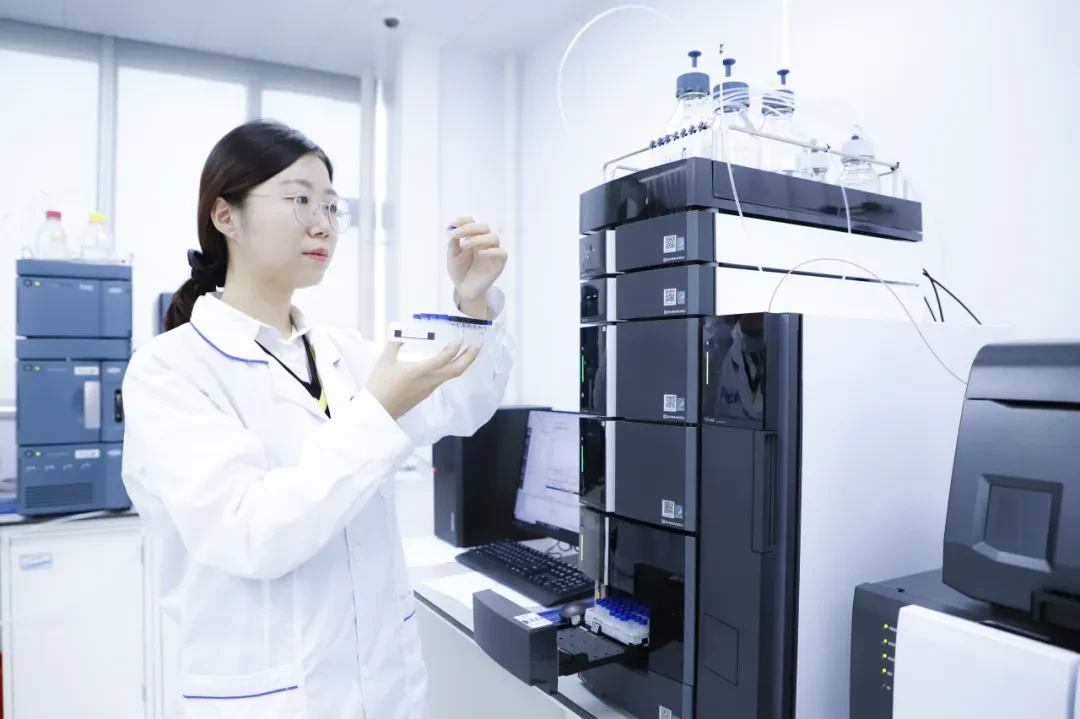
The three small-molecule drugs of Qilu Pharmaceutical unveiled at this conference focus on synthetic lethality mechanisms and key signaling pathways, targeting KIF18A, PARG, and PI3Kα respectively. Extensive preclinical data have been released regarding kinase selectivity and efficacy in drug resistance models, demonstrating significant potential in overcoming resistance and expanding the patient population for new indications.
QLS1303
Potential Preferred Drugs for CIN+ Tumors
QLS1303 Targets a New "Synthetic Lethal" Point for Chromosome Instability (CIN) TumorsPotent, Highly Selective, and Orally Bioavailable KIF18A InhibitorPreclinical data show good safety and druggability, with superior tumor inhibition activity demonstrated in the CIN+ CDX model, significantly stronger than the对标分子. It can be developed as a monotherapy or combination therapy in the future.
QLS1403
Expected to solve PARP inhibitor resistance
QLS1403 isA PARG inhibitorPARG is the next-generation DNA damage repair target following PARP. Preclinical data show that this molecule exhibits significant tumor suppression effects in PARP inhibitor-resistant models, with good oral bioavailability. As an oral small-molecule drug, it has the potential to open new avenues for addressing PARP inhibitor resistance.
QLS1522
Precisely Targeting PIK3CA Mutations,
Efficacy andSafety First
QLS1522 is aNovel Potent PI3Kα Mutant-Selective Inhibitor, aiming to be used as a single agent or in combination therapy for the treatment of advanced solid tumors with PIK3CA mutations. Preclinical studies have shown that, compared with similar investigational drugs, this molecule exhibits stronger binding ability and inhibitory activity against both PIK3CA kinase domain and helical domain mutations. In various efficacy models carrying these two types of mutations, the drug demonstrated excellent pathway inhibition and anti-tumor effects. Moreover, no increase in blood glucose was observed at all therapeutic doses, showing good safety and development potential.

The differentiated designs of the above 12 innovative achievements are expected to bring more precise, longer-lasting, and safer clinical options for cancer treatment. From the precise delivery of ADCs, to the dual-dimensional immune synergy and powerful upgrades with co-stimulatory signals in large molecules, to breakthroughs in synthetic lethality in small molecules, Qilu Pharmaceutical is accelerating the transformation of laboratory breakthroughs into clinical benefits for patients with a platform-based, systematic, and internationalized innovative approach.
Looking ahead, China's scientific research will continue to make efforts, promoting more innovative products with global competitiveness to enter clinical trials, gain approval for marketing, benefit patients worldwide, and contribute Chinese wisdom and Qilu strength.
(Source: Qilu Pharmaceutical Group)
First Trial | Shi Wanjia
Second Review | Li Fangchen
Third Review | Li Jingzhi