ATLATL Hosts 2026 ChinaBio Gala Reception with Nearly 500 Global Industry Leaders, Showcasing 'First Stop in China' Innovation Ecosystem

Samsung Bioepis
Biosimilar Developer

Servier
Pharmaceutical R&D and Manufacturing
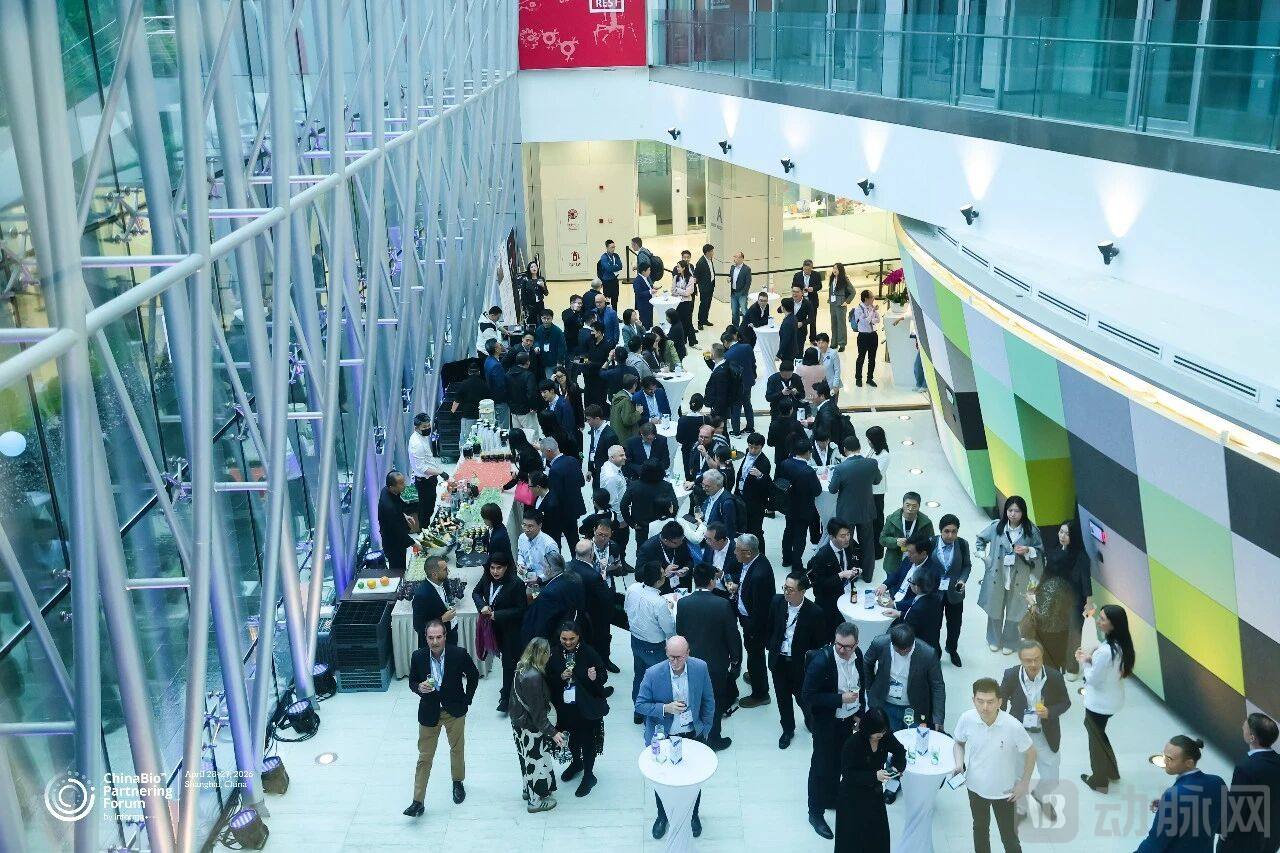
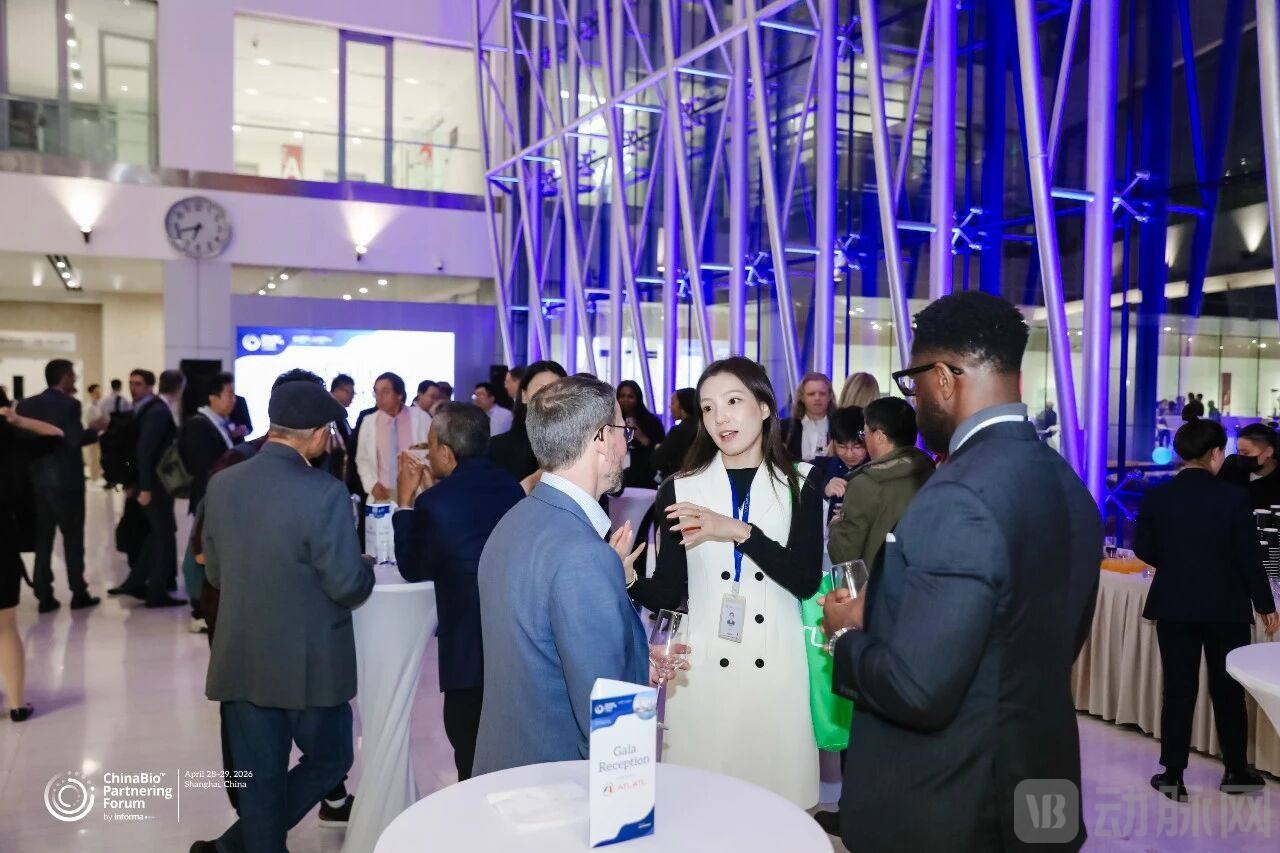
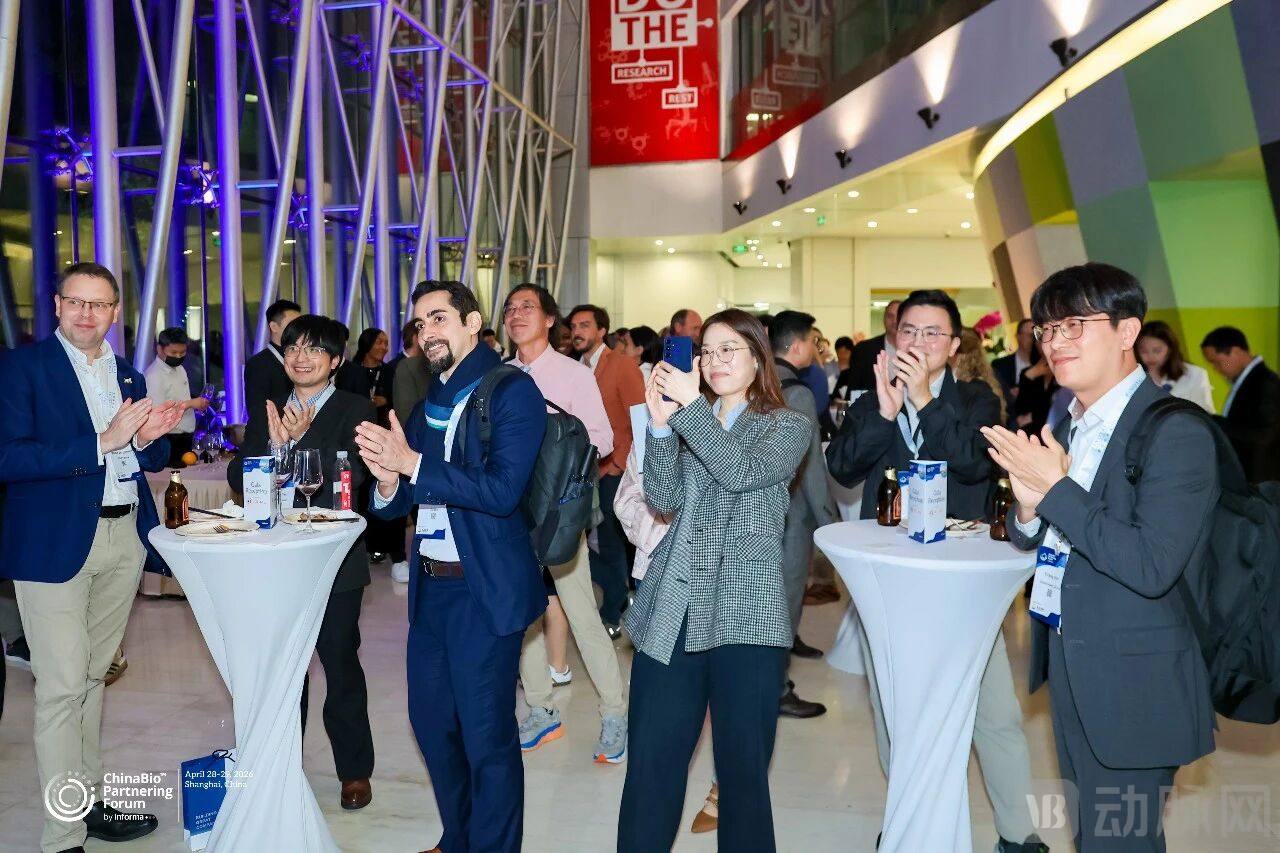
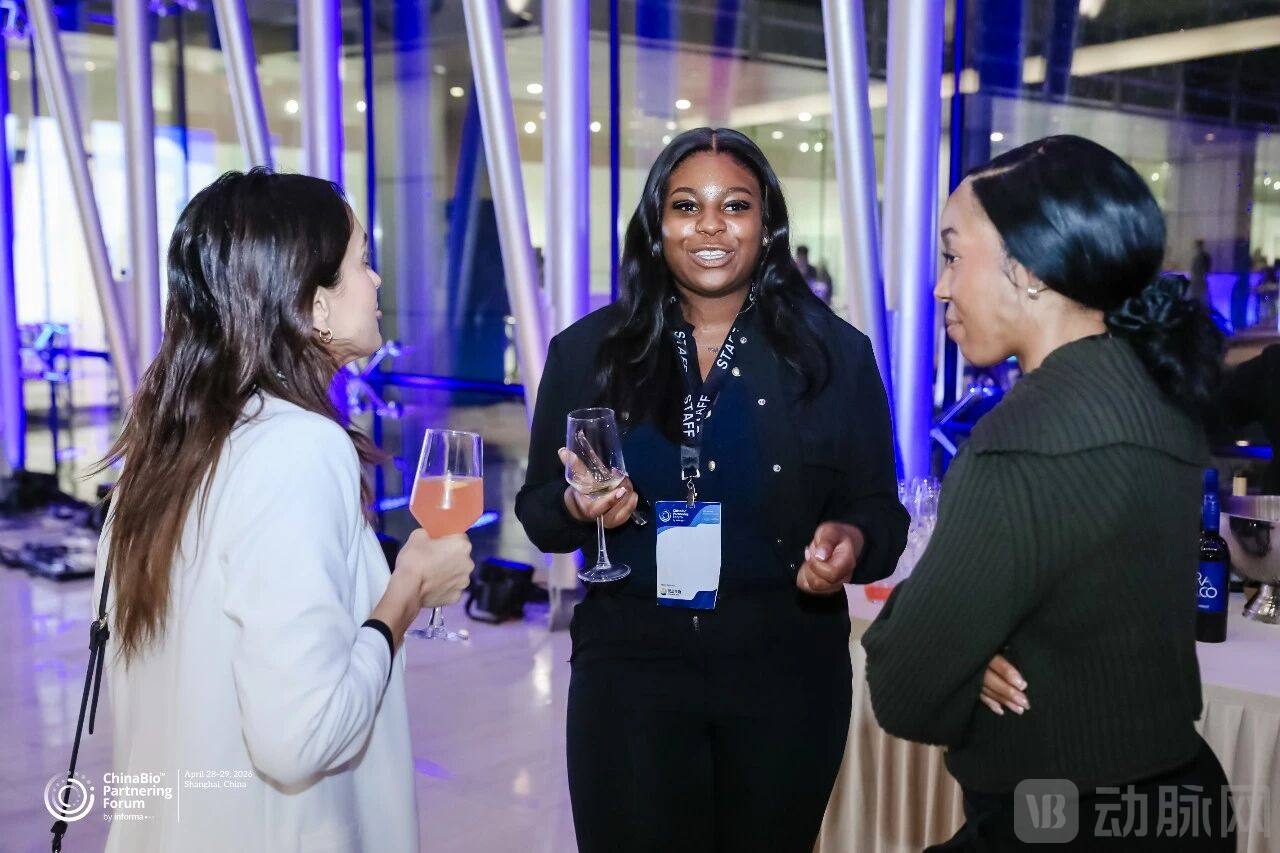
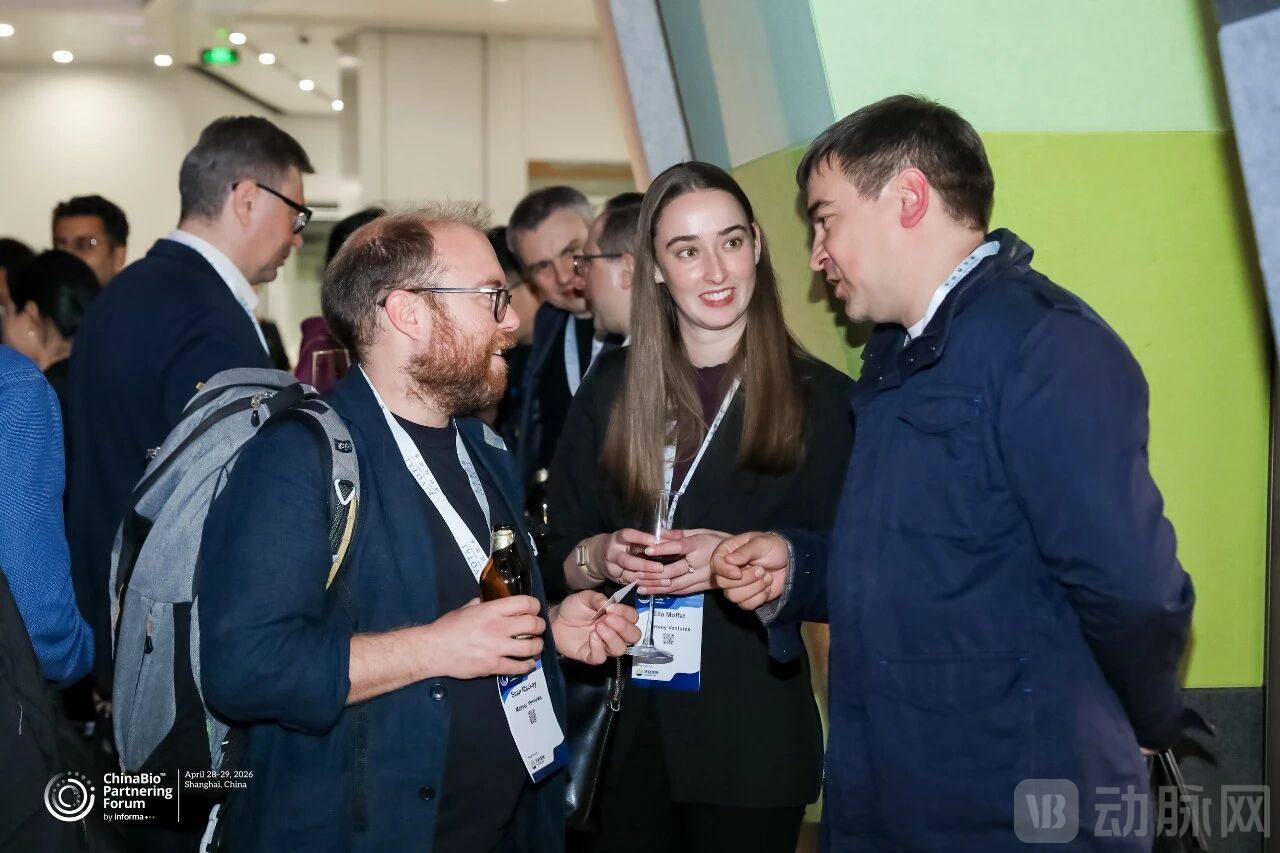
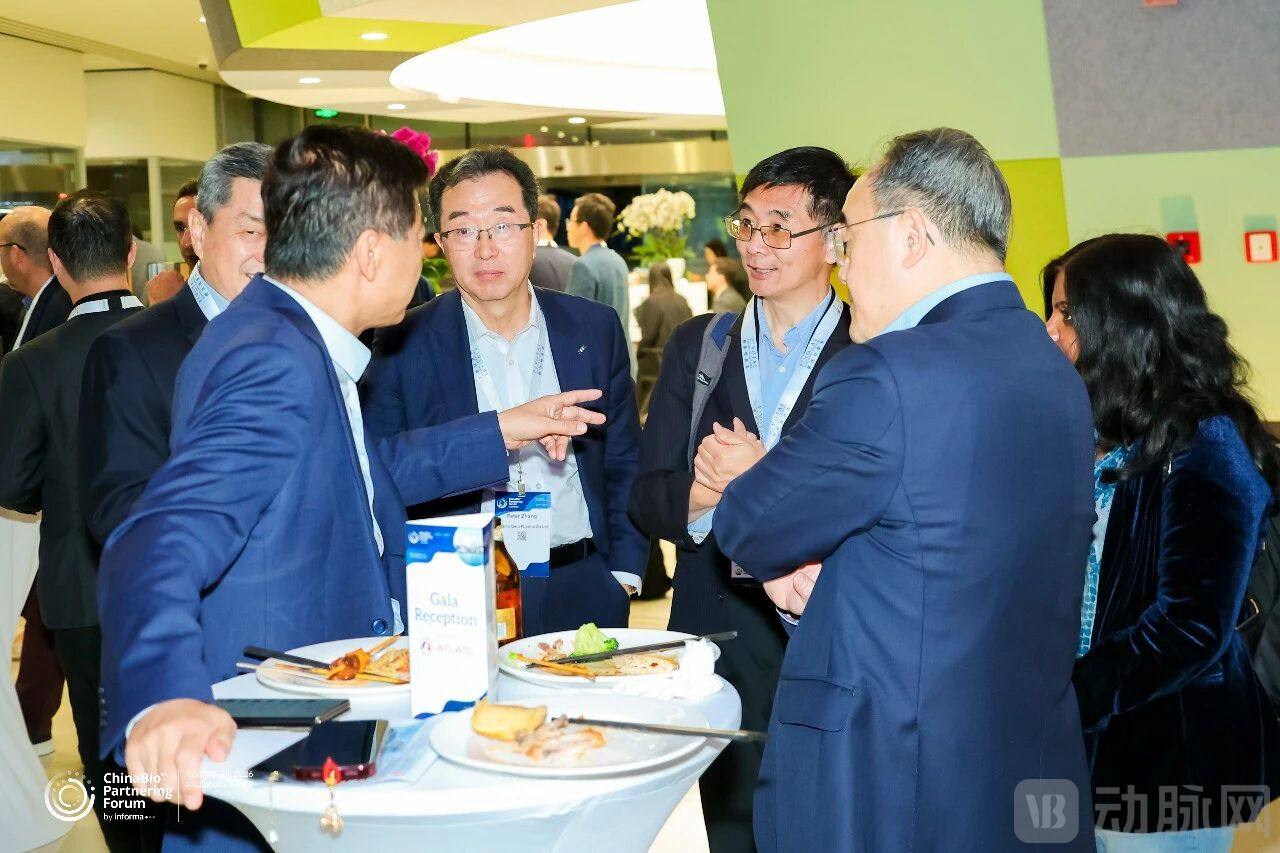
Last night, despite the light rain, the 2026 ChinaBio Gala Reception, sponsored by ATLATL Darts Innovation Center and held at the ATLATL Shanghai Campus, still welcomed nearly 500 guests.
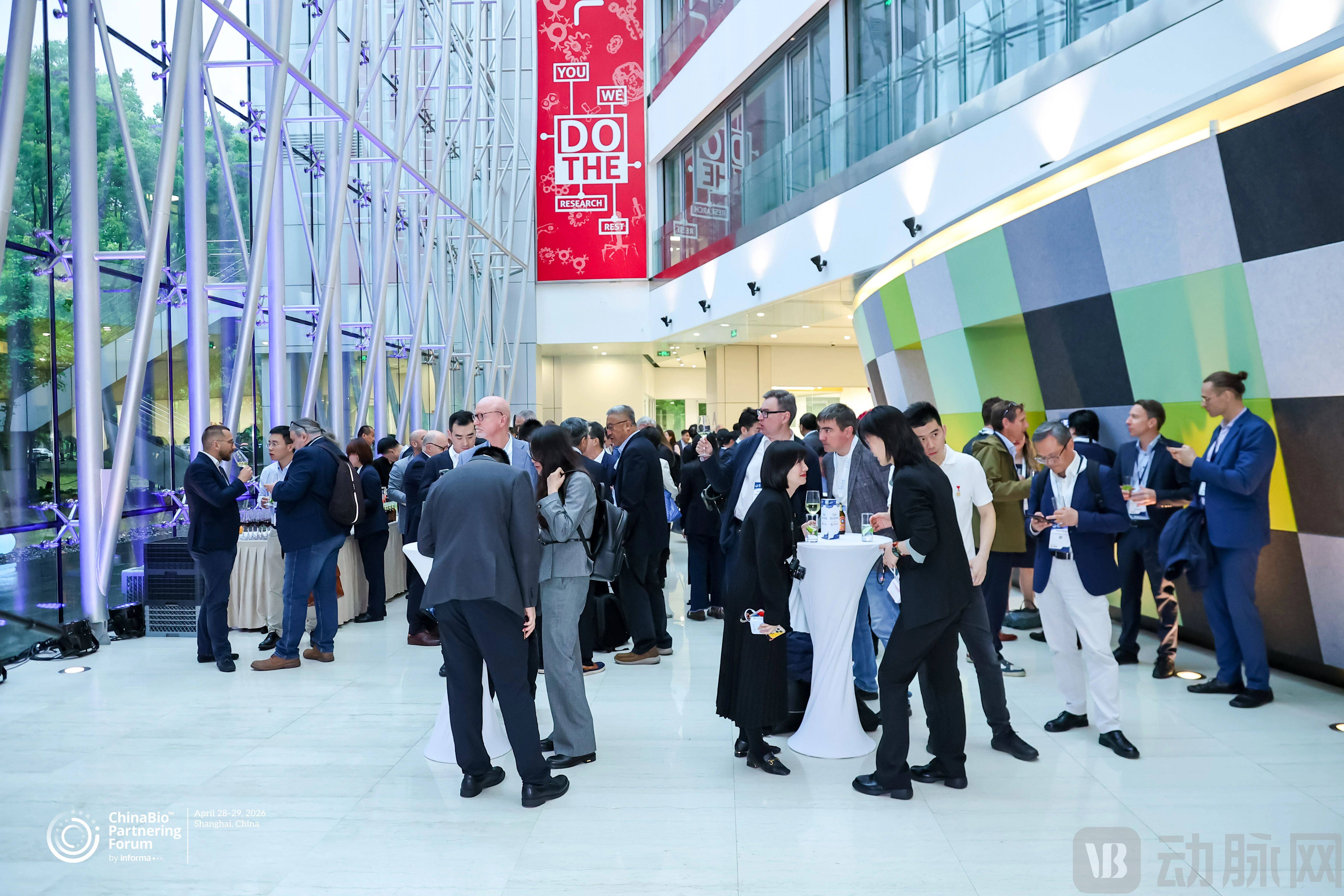
Participants from the global industry gathered together, ranging from multinational pharmaceutical companies and innovative biotechnology firms to investment institutions and industry partners, making this event the most communication-intensive stop during ChinaBio.
As the sponsor of this Reception, ATLATL takes this opportunity to present its layout and practice centered on "1st Stop in China" in a more realistic scenario.
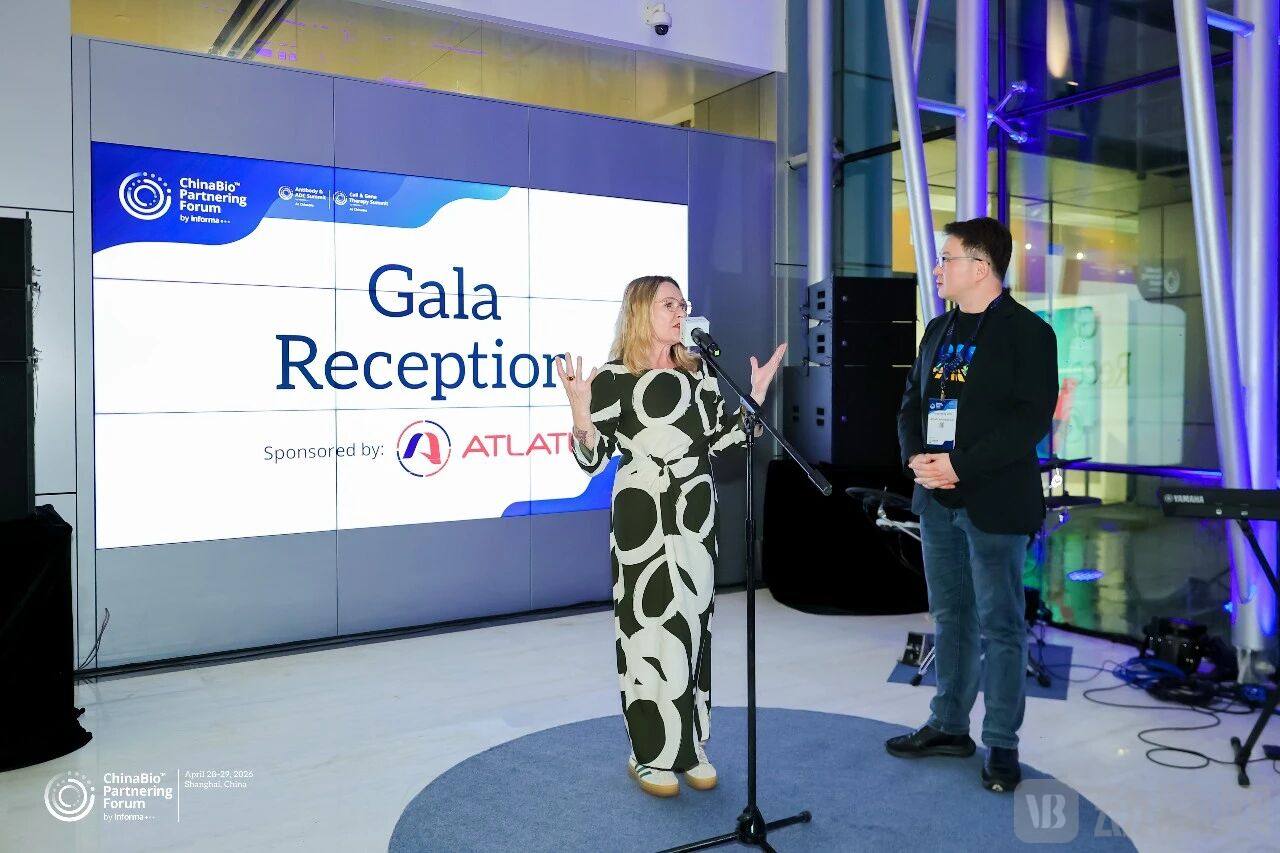
The event was kicked off by Lisa Brailsford, representative of the ChinaBio organizer, and Dr. Pengcheng Zhu, founder and CEO of ATLATL. The speech did not dwell on elaborate preambles but instead returned to a simple yet crucial question:
In the current era of continuous global innovation and restructuring, how can cross-regional cooperation become more efficient and feasible to implement?
This is also the direction that ATLATL continues to practice.
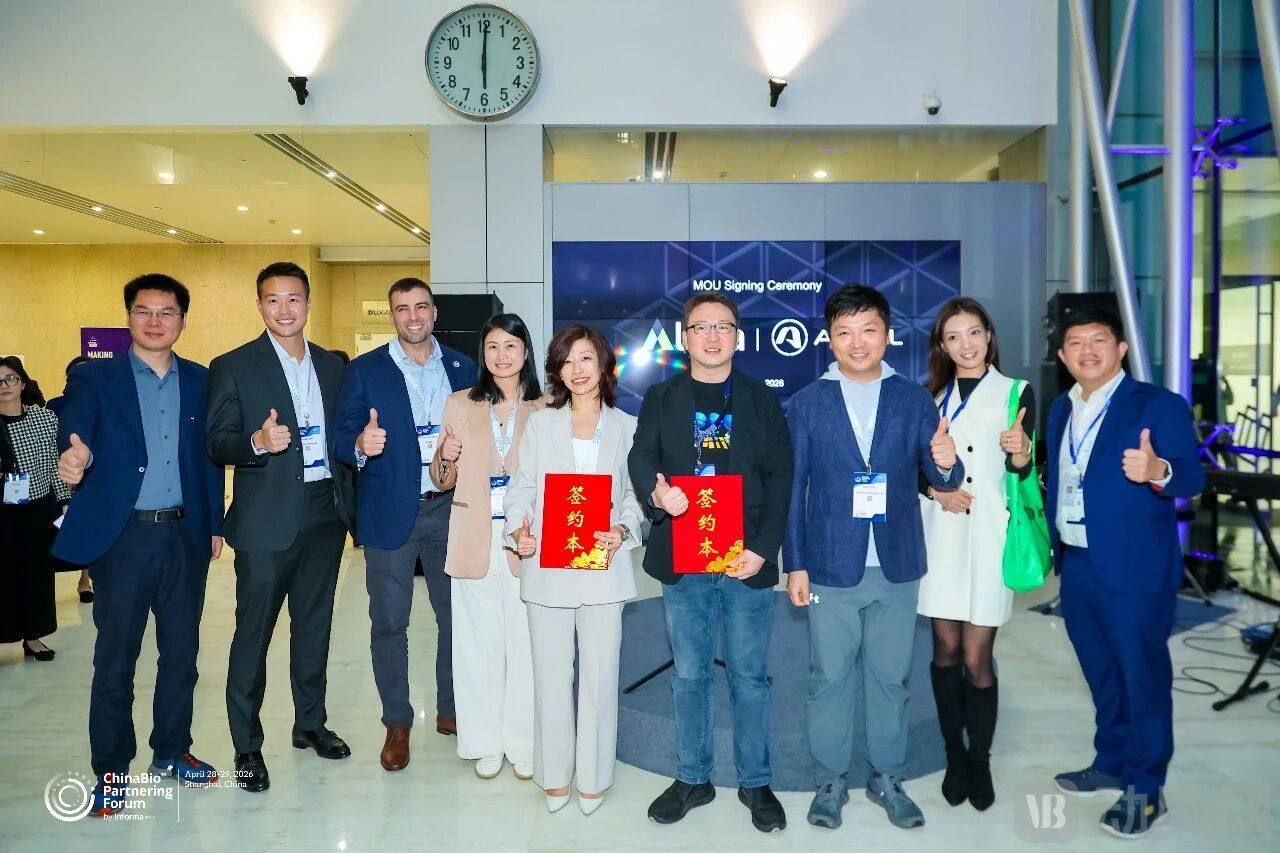
Discussions on cross-regional collaboration quickly translated into more concrete cooperation and actions on site.
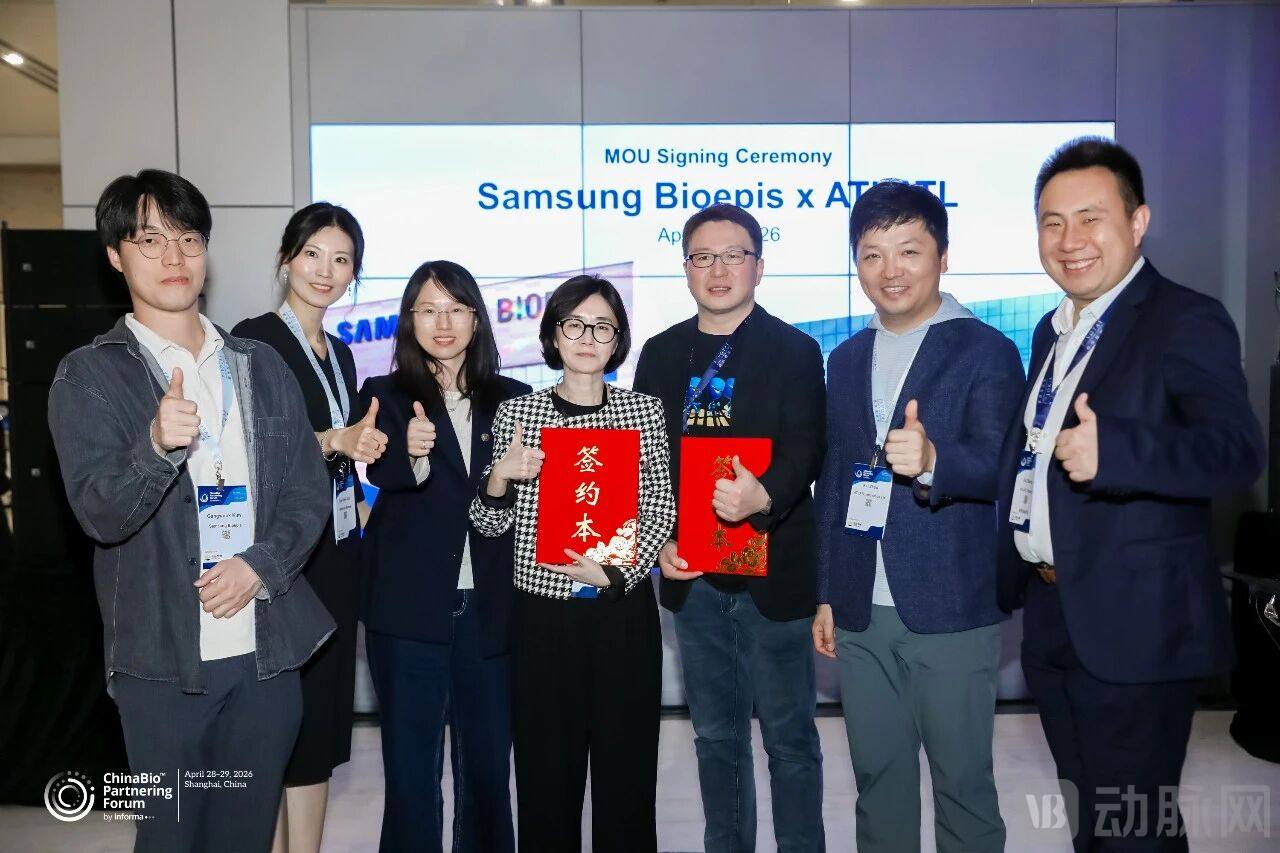
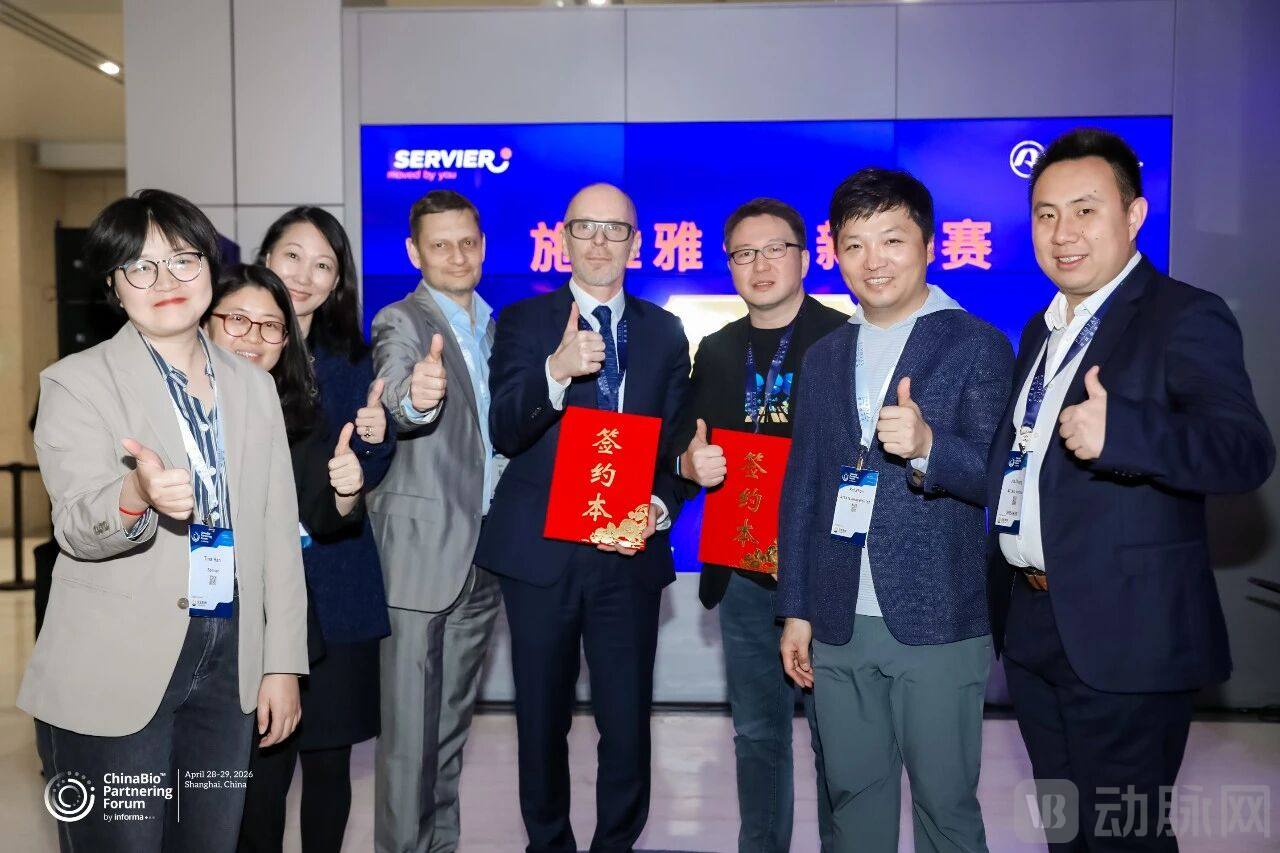
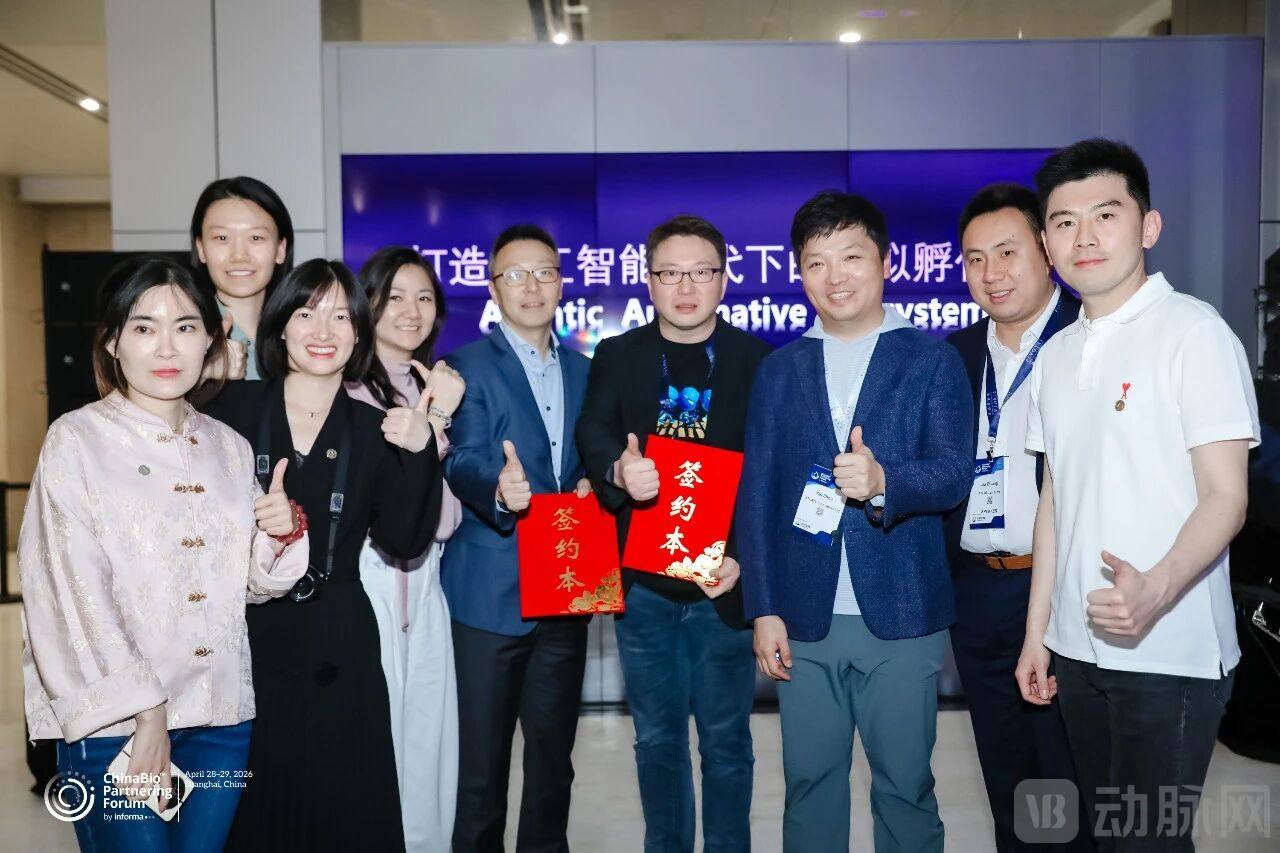
ATLATL then officially announced strategic partnerships with multiple global partners and simultaneously launched several innovative projects, including the "Innovation Prize" in collaboration with Samsung Bioepis, the "Servier Innovation Competition" in partnership with Servier, and the "Global BioTech Hackathon" in cooperation with Legend Holdings, among others.
Altea Investments
Samsung Bioepis
Servier
Legend Holdings
These collaborations are not just the accumulation of single-point resources but the continuous construction of an innovative network across fields.
In the past, international companies entering China often had to separately face the reconstruction of infrastructure, supply chains, and cooperative systems. What ATLATL is doing now is gradually organizing these capabilities, making "entering China" a more predictable and systematic process.
This also echoes the important positioning proposed by ATLATL:First Stop in China
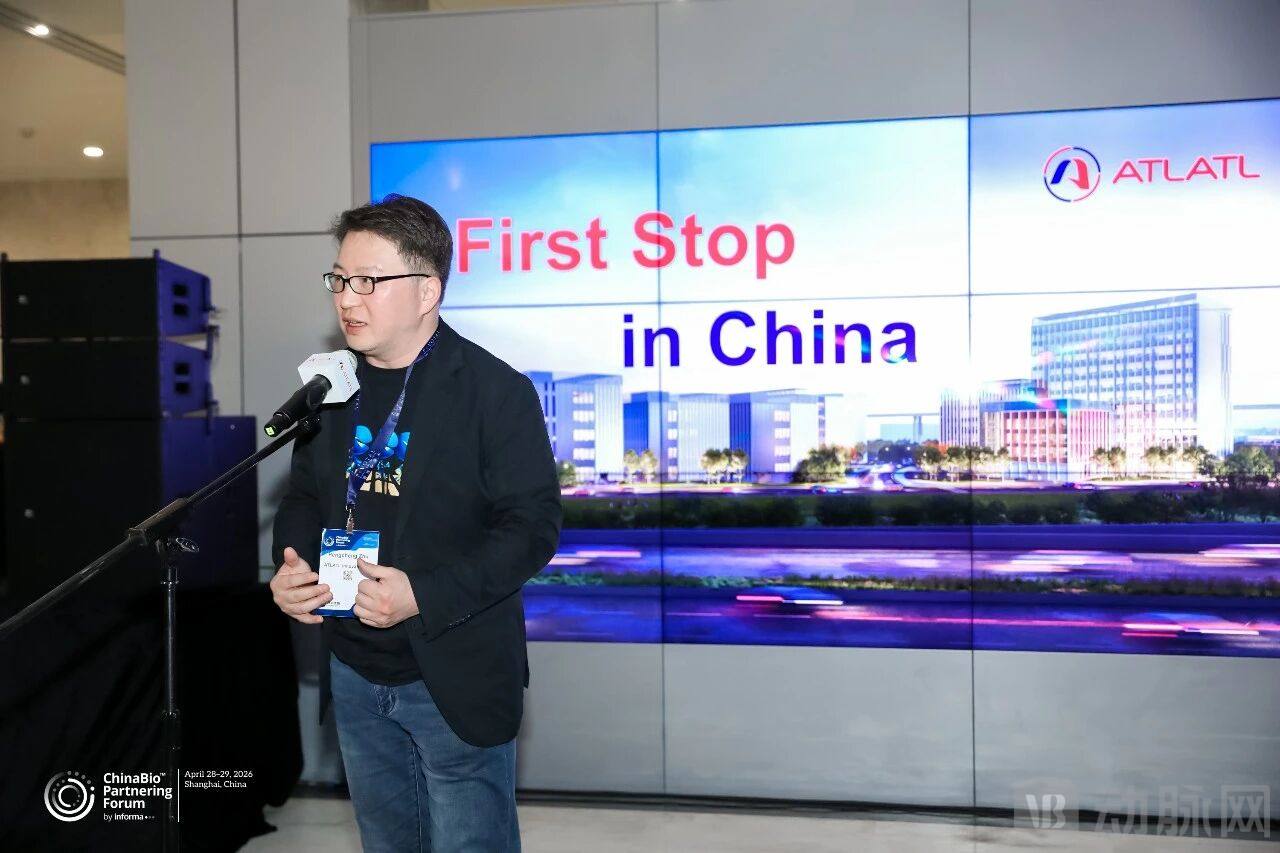
"First Stop in China" is not just a simple concept of a landing space, but a whole set of organized capabilities:
Ready-to-use R&D and office infrastructure
External production and transformation resources integrated with the CRDMO system
A cross-regional network covering China, the US, and the Asia-Pacific region
Support Mechanisms for Enterprises at Different Stages of Development
For start-ups, it's a starting point that can be launched quickly;
For multinational enterprises, this is a more efficient interface to enter the Chinese and Asia-Pacific markets;
For partners, this is a node that can continuously amplify synergistic value.
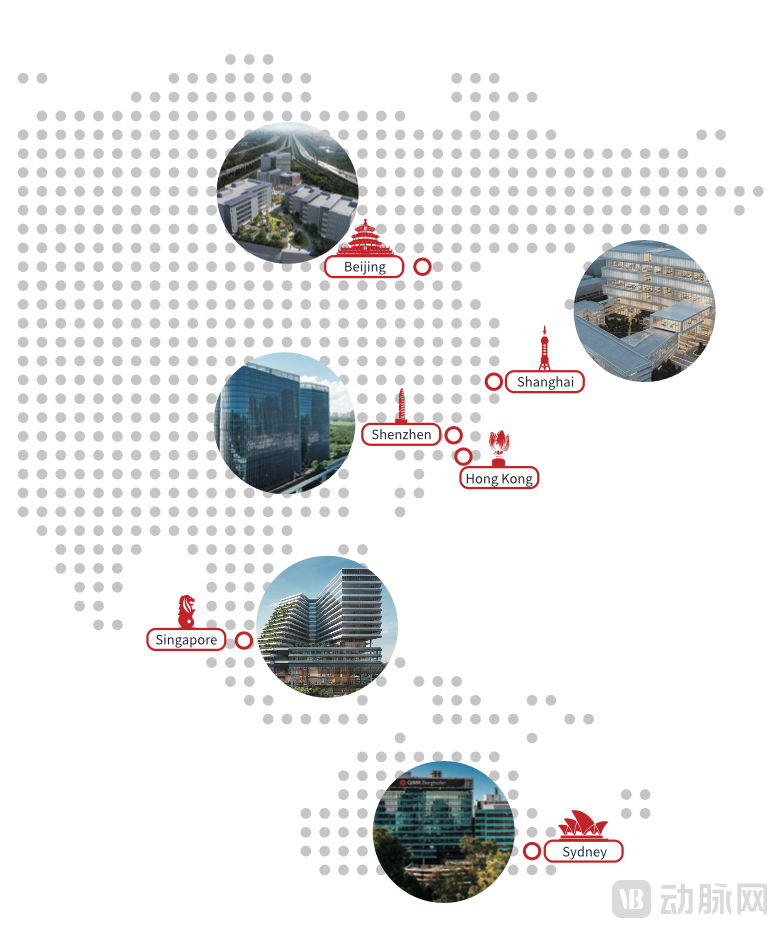
To achieve this goal, ATLATL has built a set of infrastructure and capability systems tailored to real R&D scenarios, establishing a presence in multiple technology hubs across the Asia-Pacific region. This has gradually formed a cross-regional collaborative R&D network. Meanwhile, ATLATL has developed long-term and in-depth cooperative relationships with multinational pharmaceutical companies, top venture capital firms (VCs), as well as universities and scientific research institutes. These partnerships enable innovative projects from different sources to be connected, validated, and continuously advanced within the same system.
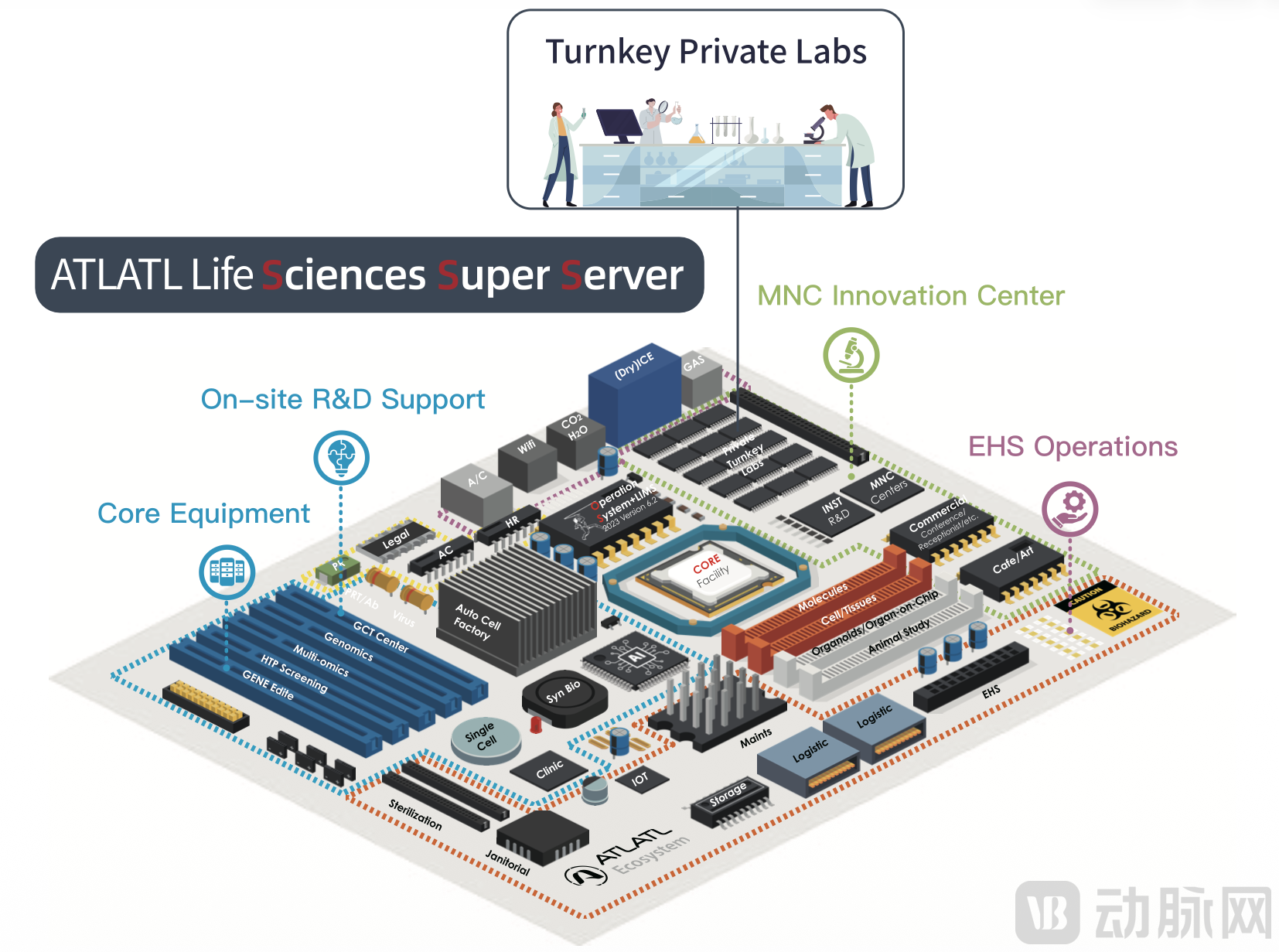
Currently, ATLATL has formed a capability matrix covering key aspects of early-stage R&D:
Interdisciplinary R&D Team Resides Collaboratively
More than 100 joint R&D personnel are stationed on-site, covering core aspects such as drug discovery, translational medicine, CMC, and bioanalysis, enabling the project to advance continuously within the same system.
Technology Platform for the Complete R&D Process
Systematic configuration around multi-omics research, high-content imaging, automated screening, structural biology, and comprehensive analytical capabilities supports the entire process from mechanism research to functional validation.
Experiment-Centric Collaboration Model
Scientists, instrument manufacturers, and technical teams collaborate in the same space, enabling issues to be resolved instantly during experiments and reducing information loss and time delays inherent in traditional outsourcing models.
Modular R&D "Assembly Capability"
Rapidly integrate multidisciplinary capability units based on project requirements, construct a complete execution chain for Proof of Concept (PoC), and transform dispersed resources into an operational R&D system.
Under such a system, the collaboration between ATLATL and multinational pharmaceutical companies goes beyond resource sharing and extends to the coordinated advancement of specific R&D work; the cooperation with VCBeat moves from project screening to post-investment R&D support; and the partnerships with universities and research institutions further promote the transition of scientific research achievements towards the commercialization stage.
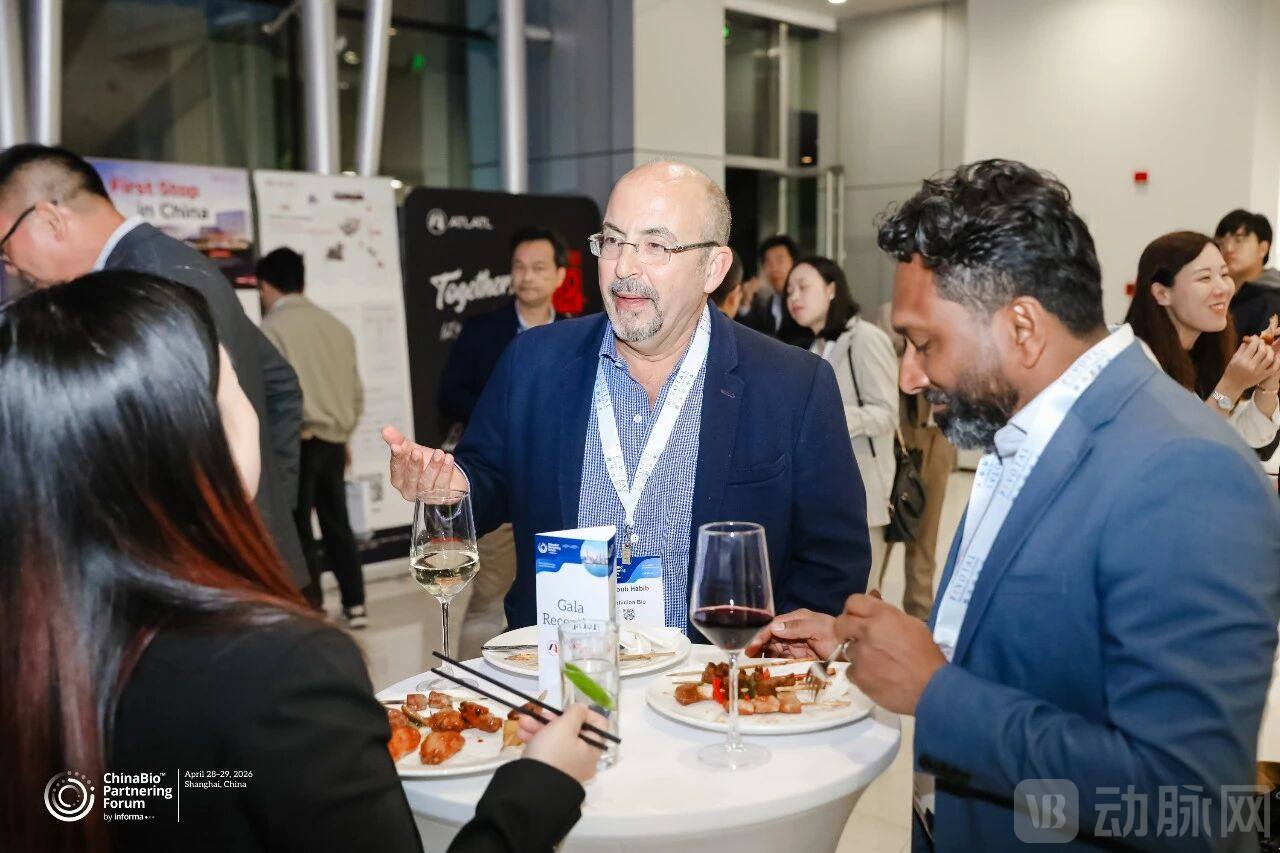
Compared with discussions in conference rooms, such a night is closer to how things actually happen in the industry. Participants from different backgrounds freely exchange ideas in the same space, new partnerships are formed inadvertently, and many conversations move directly from "acquaintance" to "next steps." This kind of density and efficiency is itself part of the infrastructure capability.

The conclusion of the 2026 ChinaBio Gala Reception marks more of a phased milestone.
As more collaborations advance and resources from different regions gradually connect, ATLATL is transforming originally dispersed capabilities into a system that can be utilized and amplified.
In the future, whether it is Chinese innovations going global or global enterprises entering China, this system will continue to play a role, and Shanghai is just the beginning of this process.