Developer and Manufacturer of Cell-Based Immunotherapy Drugs
Image Source: Interface Image Library
Interface News Reporter |Huang Hua
Interface News Editor |Xie Xin
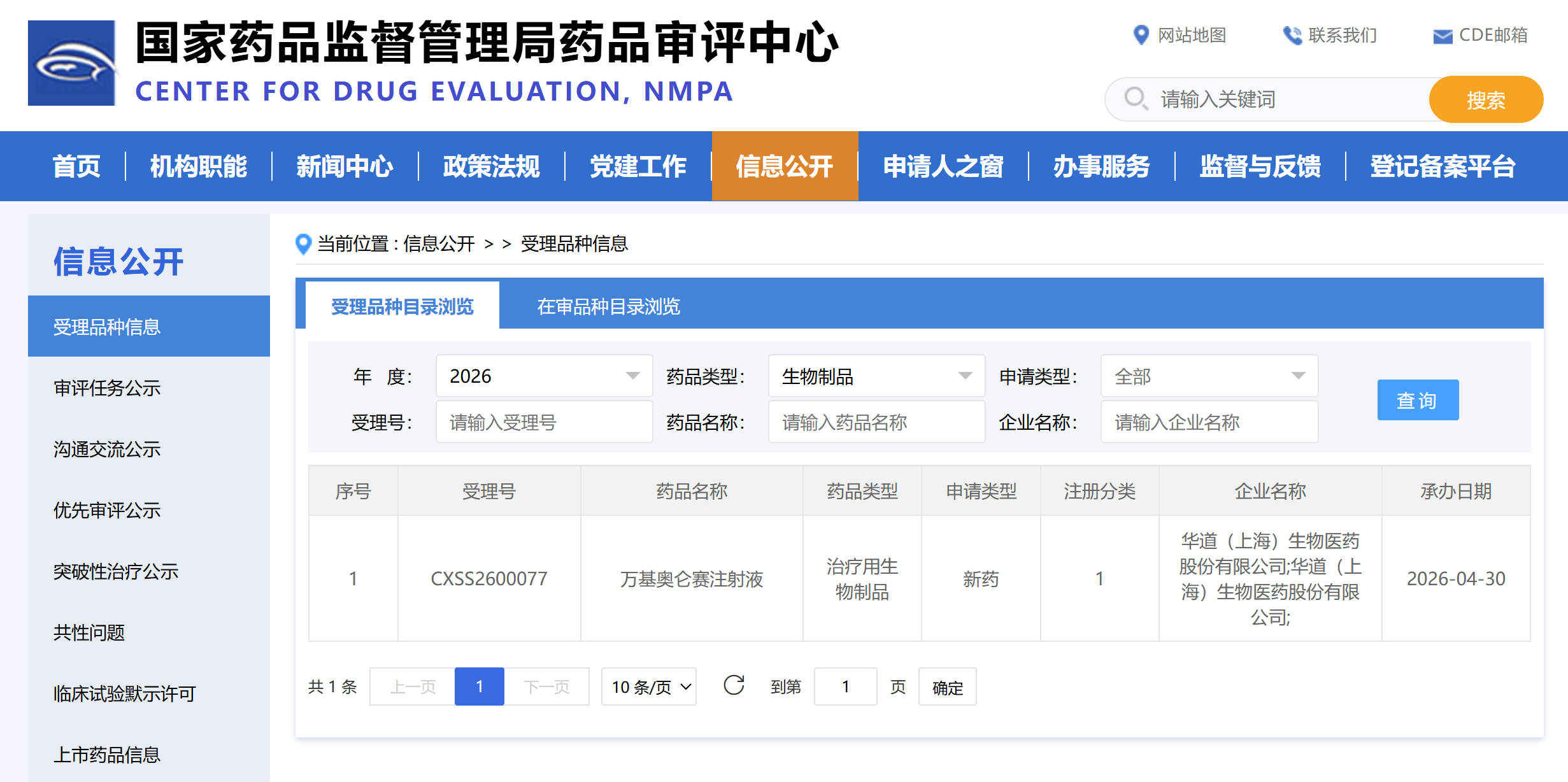
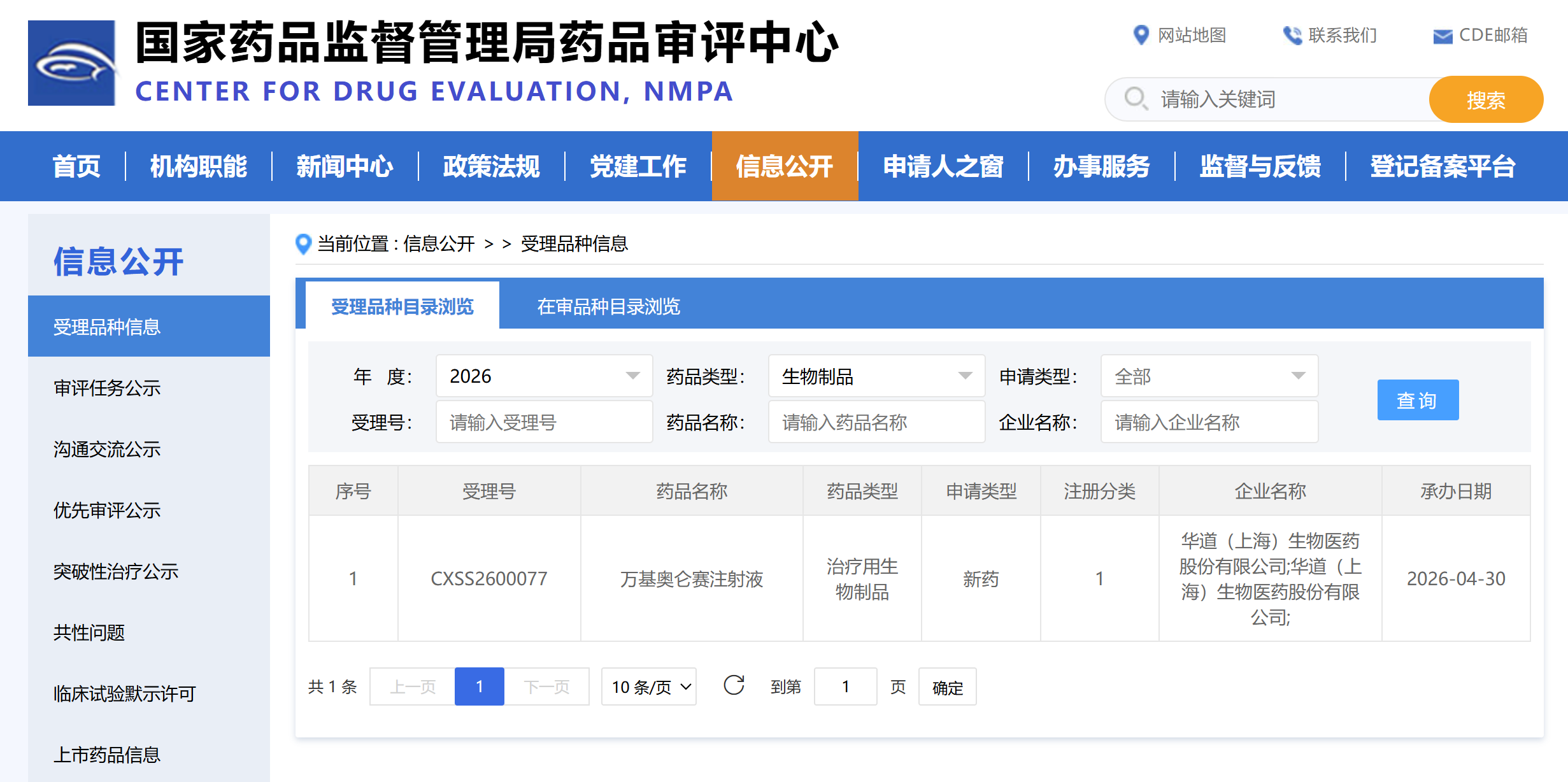
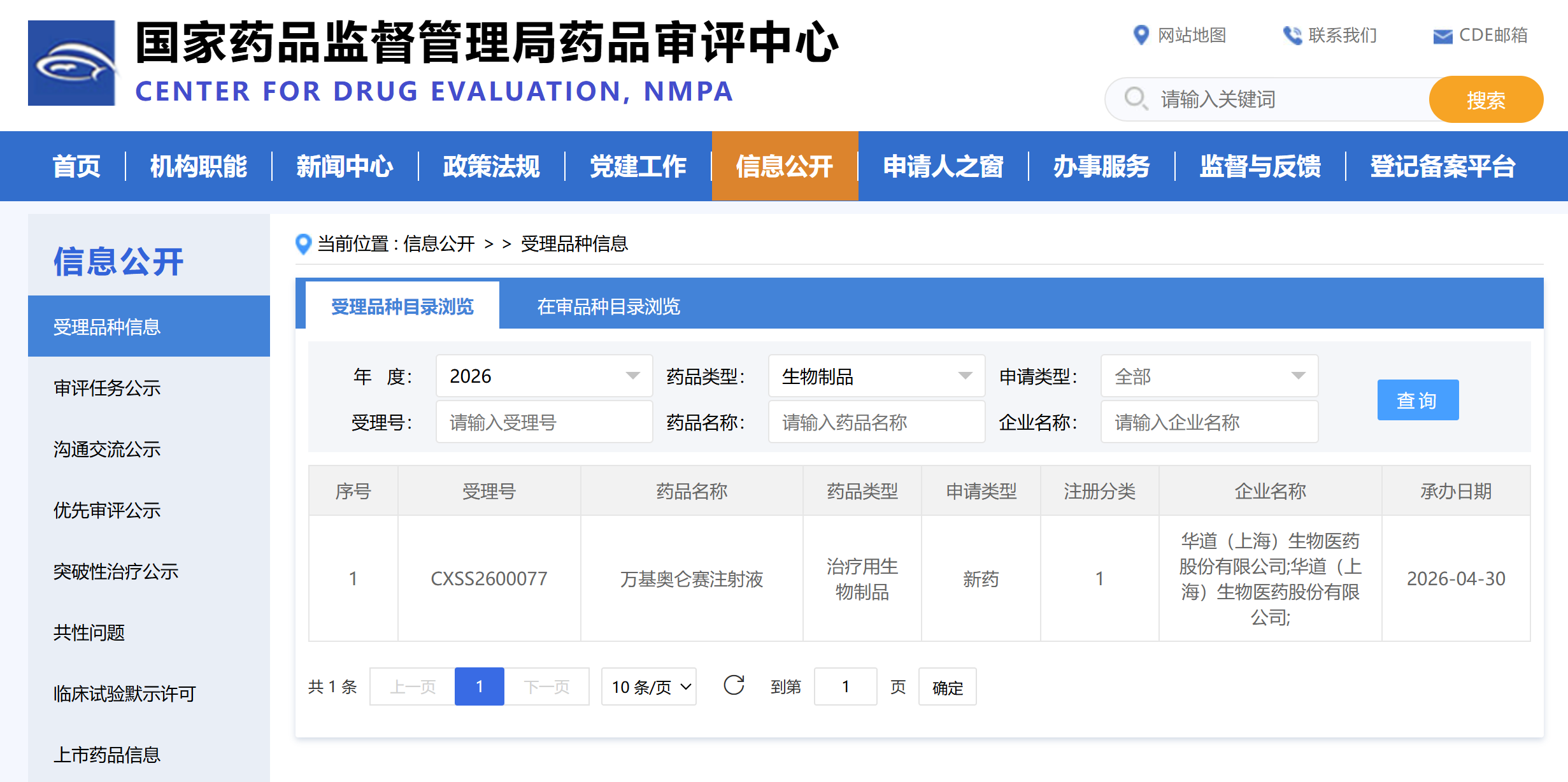
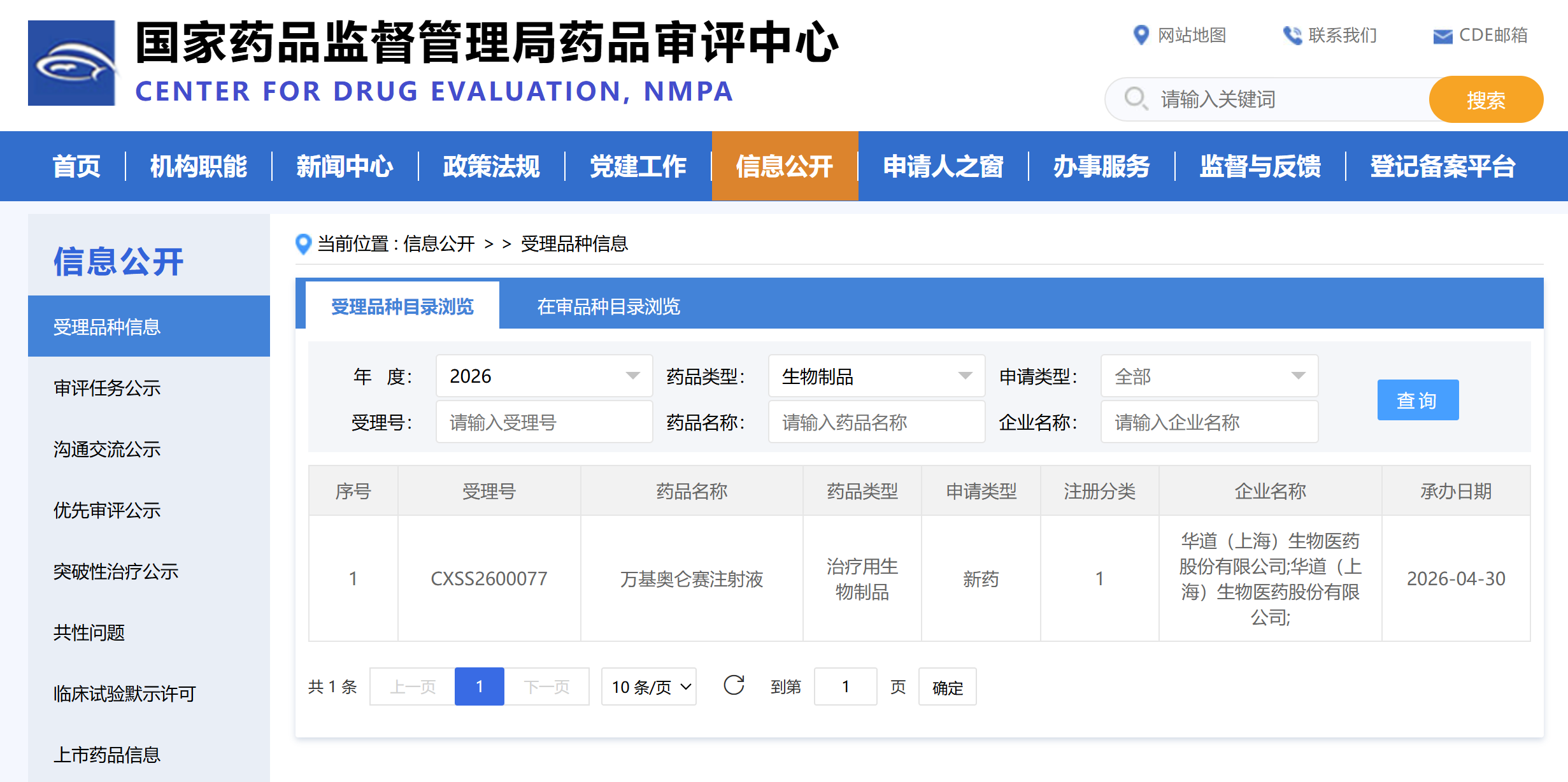
Recently, according to the Center for Drug Evaluation of the National Medical Products Administration, the marketing application for the CAR-T cell drug Vaji Aolun Race Injection developed by HuaDao CAR-Tcell (Shanghai) Biopharmaceutical Co., Ltd. ("HuaDao CAR-Tcell") has been officially accepted.
Due to its previous label as a "price butcher," HuaDao CAR-Tcell has drawn significant attention in the CAR-T cell therapy field. According to a March 2024 report by *Wen Hui Bao*, founder Yu Xuejun publicly stated, "HuaDao’s goal is to reduce the current price of CAR-T cell drugs from millions of yuan to around 200,000 yuan in the future."
HuaDao CAR-Tcell Product Application Status, Screenshot by Jiemian News Reporter from the Official Website of the Center for Drug Evaluation
Generally speaking, CAR-T cell therapy is a typical example of fighting fire with fire — extracting the patient's own immune cells, equipping them with cancer cell trackers in vitro, and then reinfusing them into the body to achieve precise treatment. Compared with off-the-shelf drugs, CAR-T cell therapy must go through three steps: extraction, modification, and reinfusion, making it extremely expensive.
Overseas, the pricing of CAR-T cell therapy products is approximately $400,000 to $600,000 per injection, equivalent to about 3 to 4 million RMB; in China, seven drugs have been approved for marketing so far, with prices around 1 to 1.2 million RMB per injection.
By contrast, the RMB 200,000 price tag set by Yu Xuejun appears extremely aggressive.
Before starting his business, Yu Xuejun worked as a hematologist at Shanghai Changhai Hospital. According to public reports, one of the core ways Yu Xuejun achieved low costs was by using domestically produced production equipment to replace reliance on imports. He once gave an example, stating that a set of consumables imported from abroad costs more than 100,000 yuan, while...Fully AutonomousAfter development, the consumable cost has been reduced to more than 2,000 yuan, which is only 1/50 of the import price.
In addition, Yu Xuejun and HuaDao CAR-Tcell are also trying to build a scaled production system to support a low-price strategy. For instance, according to the People's Daily Health Client, the company’s second-phase base is designed with an annual capacity of 9,000 patient doses, far exceeding the domestic limit of less than 300 doses for products already on the market in China; the company has established five major production bases across China to reduce transportation distances.
However, it remains to be seen whether these strategies will work. On May 6, a reporter from The Paper sent an interview outline to the email address disclosed on Tianyancha by HuaDao CAR-Tcell regarding the pricing of Wanji Aolun injection and other issues, but had not received a response as of press time.
Currently, HuaDao CAR-Tcell's Vantriol Cell Injection has just received acceptance for its marketing application. Whether it will be approved and when it might be approved still remain uncertain. This indicates that the product is still some distance away from the commercialization stage, and its final pricing has yet to be determined.
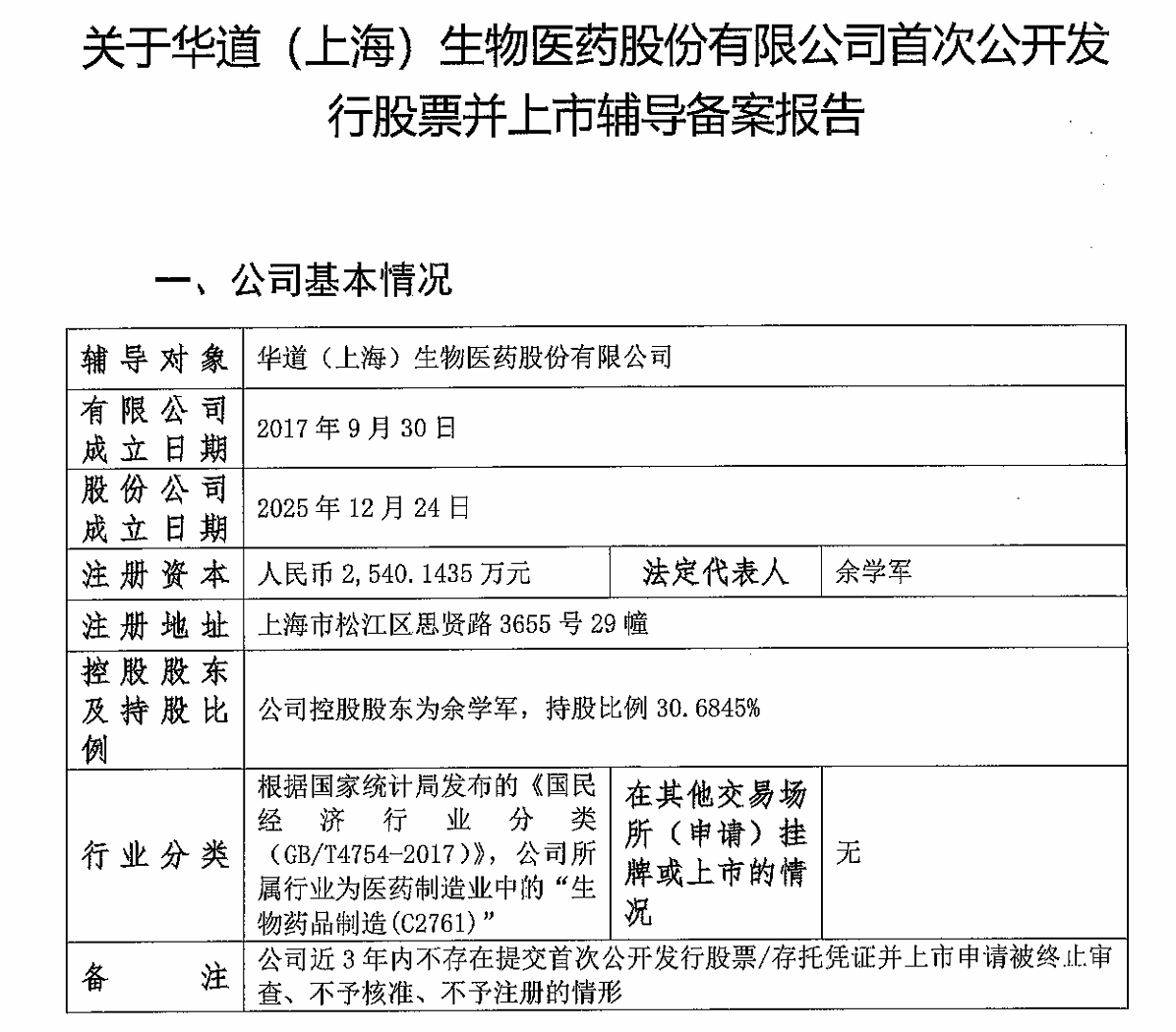
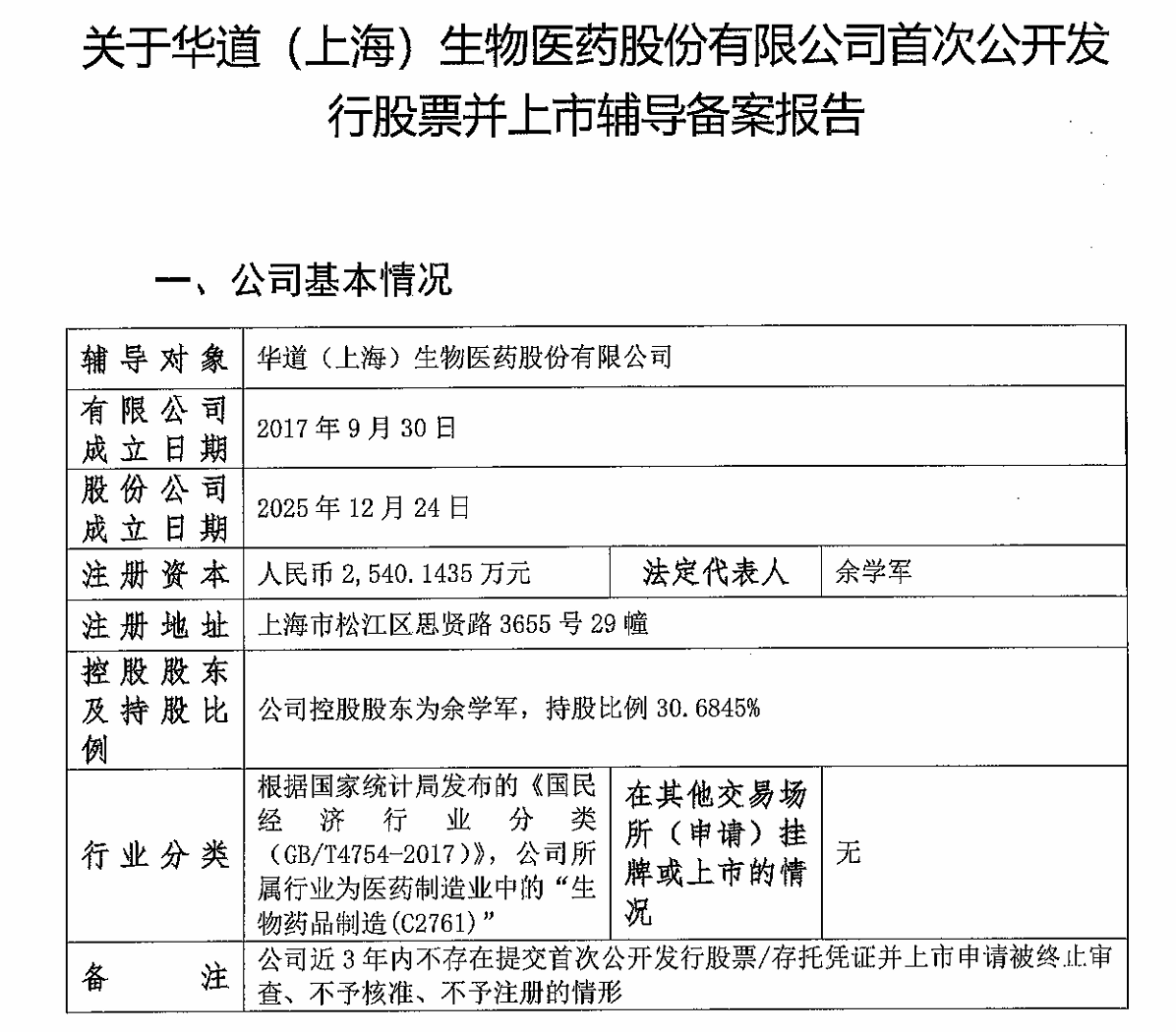
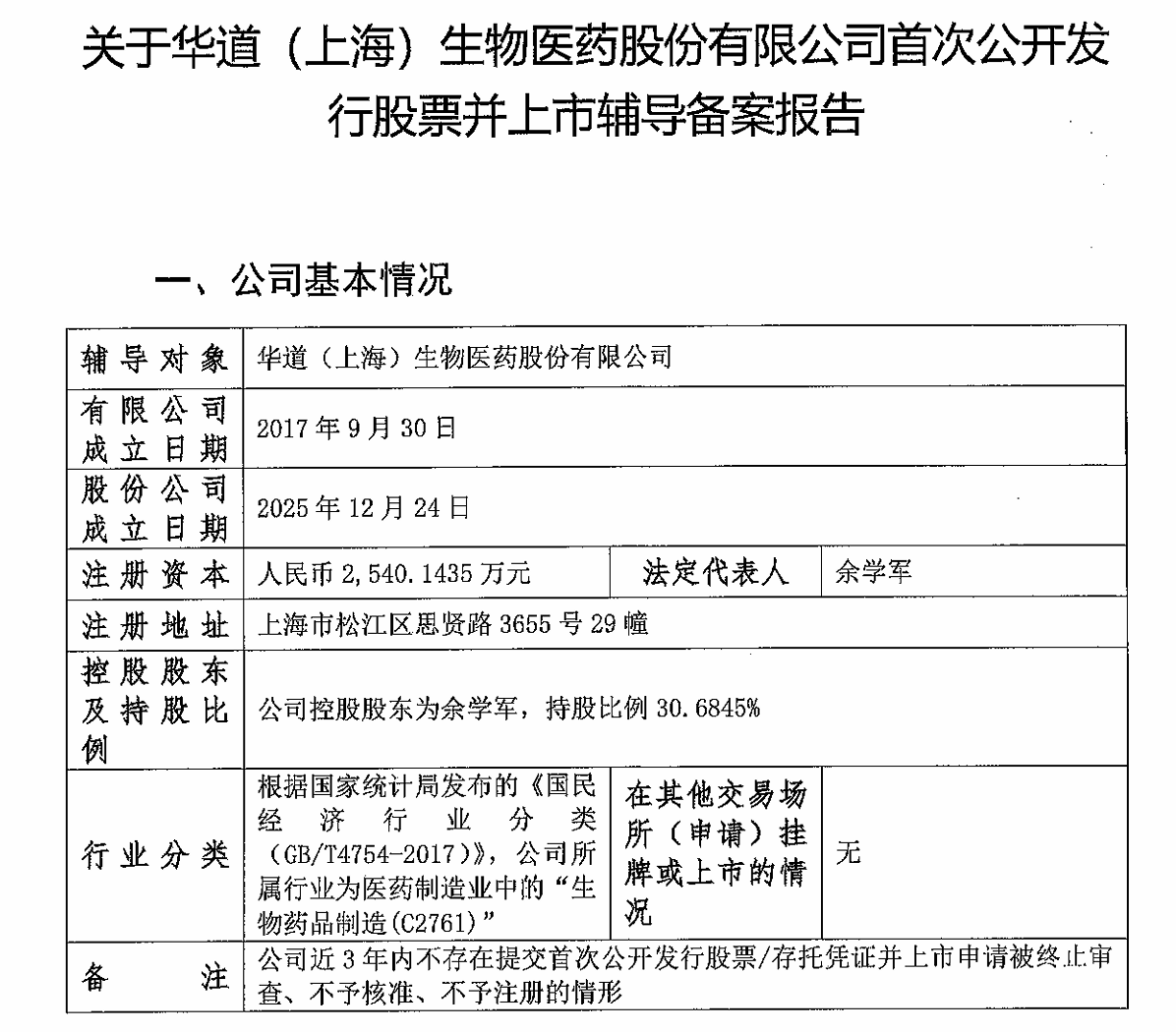
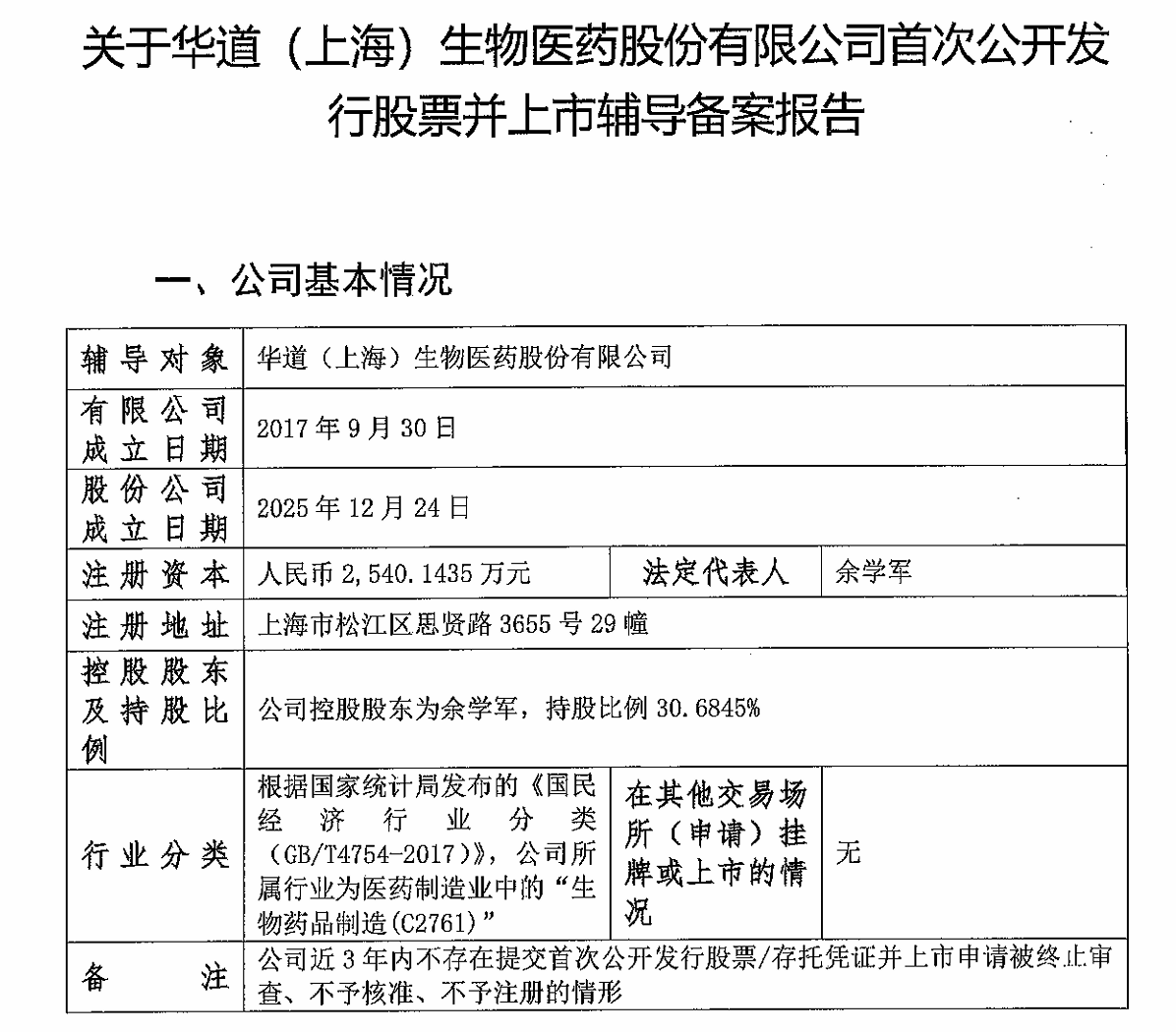
Moreover, at the end of March this year, HuaDao CAR-Tcell signed the coaching agreement for its first IPO issuance.
Tianyancha shows that HuaDao CAR-Tcell was established in 2017 and completed its D++ round of financing in October 2025, with a transaction amount exceeding 100 million yuan. Since the Series A round of financing in September 2017, the company has cumulatively raised over 400 million yuan. To date, founder Yu Xuejun holds 30.68% of shares, A-share listed company NeoKym Holding holds 12.3%, and there are also holdings by Huarui Investment Group and local state-owned capital.
HuaDao CAR-Tcell IPO Status, Screenshot by The Paper Reporter from the Official Website of the China Securities Regulatory Commission
If we observe the development trajectory of companies in China's CAR-T field, a common characteristic is that after experiencing a brief period of technological mythology, they are seeking business growth in various ways, and this process is not easy. The core reason may be that under the million-yuan price tag, if the payment side does not break through, the companies' commercial ceiling is limited.
From the perspective of patient utilization, Ma Jun, the director of the Harbin Institute of Hematology and Oncology, stated in an interview with The Science and Technology Innovation Board Daily in January this year that, due to the cost of treatment, since the first product was approved in China in 2021, only about 4,000 patients have received commercialized CAR-T treatment over five years. This figure sharply contrasts with the approximately 60,000 to 80,000 eligible patients annually in China.
In terms of the commercial performance of its products, Fosun Kite has achieved relatively leading sales in the industry with Yikaida (Axicabtagene Ciloleucel Injection), the first CAR-T product approved in China. In 2024, Fosun Kite also launched the first pay-for-performance initiative in China's CAR-T field, attempting to address the accessibility challenges posed by high-priced innovative drugs.
According to Fosun Pharma's 2025 annual report, the sales scale of Axicabtagene Ciloleucel Injection (Yikaida) exceeded 500 million yuan during the period. However, according to the Mosun Medicine database, the hospital-end sales revenue of Axicabtagene Ciloleucel Injection in 2024 and 2025 remained at the same level, showing a significant slowdown in growth.
Another representative of the earlier CAR-T products approved in China — JW Therapeutics' Relma-cel Injection (Benevida), which was approved in September 2021, is expected to generate revenue of approximately 160 million yuan and 219 million yuan in 2024-2025, representing a 38.4% increase from 2024.
In October 2025, WuXi JWC announced that the supplemental application for the market release of Relma-cel Injection was accepted. The core content is to switch the key raw material lentiviral vector used in production from foreign supply to self-reliant domestic production in China. This indicates that the company is attempting to reduce costs to enhance product accessibility.
Liu Min, then chairman and CEO of WuXi AppTec JWCAR, once stated that lentiviral vectors are the most expensive raw material in the production of cell therapy products. If successfully replaced, the product cost will significantly decrease, helping companies address commercial competition and enhance product value.
In addition, in 2025, the sales of CARsgen Therapeutics' Zevor-cel injection are expected to reach approximately 126 million yuan. The product was approved in March 2024, and 2025 will be its first full sales year.
In June 2025, it was reported that Legend Biotech, a key player in the CAR-T field, had disbanded its sales team in China. At the time, Legend Biotech stated that it would not respond to market rumors. Cilta-cel injection achieved global sales of $1.9 billion in 2025 but has not been approved for use in China.
Overall, based on the pricing reality of millions of yuan, the call for affordability in China's CAR-T cell drug field continues to this day, but the payment dilemma remains.
Notably, by the end of 2025, the first edition of the Commercial Health Insurance Innovative Drug Catalogue will be released, including five CAR-T products: Fosun Kite's Axicabtagene Ciloleucel Injection, Wuxi Jumo's Relmacabtagene Autoleucel Injection, Hecollus Biotech's Nacibartagene Autoleucel Injection, IASO Biotherapeutics' Ebcartagene Autoleucel Injection, and CARsgen Therapeutics' Zevorcabtagene Autoleucel Injection. This marks the first sign of progress in payment solutions for the industry. However, the detailed rules and implementation pathways of the national commercial health insurance catalogue remain to be observed.
Interface News Reporter |Huang Hua
Interface News Editor |Xie Xin
Recently, according to the Center for Drug Evaluation of the National Medical Products Administration, the marketing application for the CAR-T cell drug "Wanjiaolun Race Injection" by HuaDao CAR-Tcell (Shanghai) Biopharmaceutical Co., Ltd. ("HuaDao Biopharmaceutical") has been officially accepted.
Due to its previous label as a "price butcher," HuaDao CAR-Tcell has drawn significant attention in the CAR-T cell therapy field. According to a March 2024 report by the Wen Wei Po, founder Yu Xuejun publicly stated: "HuaDao's goal is to reduce the current price of CAR-T cell drugs from millions of yuan to around 200,000 yuan in the future."
HuaDao CAR-Tcell Product Application Status, Screenshot by Jiemian News Reporter from the Official Website of the Center for Drug Evaluation
Generally speaking, CAR-T cell therapy is a typical example of "fighting fire with fire" — extracting the patient's own immune cells, equipping them with cancer cell trackers in vitro, and then reinfusing them into the body to achieve precise treatment. Compared with off-the-shelf drugs, CAR-T cell therapy involves three steps: extraction, modification, and reinfusion, making it extremely expensive.
Overseas, the pricing of CAR-T cell therapy products is approximately $400,000-$600,000 per injection, equivalent to about 3-4 million RMB; in China, seven drugs have been approved for marketing so far, priced at approximately 1-1.2 million RMB per injection.
By contrast, the RMB 200,000 price tag proposed by Yu Xuejun appears extremely aggressive.
Before starting his business, Yu Xuejun worked as a hematologist at Shanghai Changhai Hospital. According to publicly reported information, one of the core ways Yu Xuejun achieved low costs was by using domestically produced production equipment to replace reliance on imports. He once gave an example, stating that a set of consumables imported from abroad costs more than 100,000 yuan, while...Fully AutonomousAfter development, the consumable cost has been reduced to more than 2,000 yuan, which is only 1/50 of the import price.
In addition, Yu Xuejun and HuaDao CAR-Tcell are also attempting to build a scaled production system to support their low-price strategy. For instance, according to the People's Daily Health Client, the company’s second-phase base is designed with an annual capacity of 9,000 patient doses, far exceeding the current limit of less than 300 patient doses for domestically produced products in China; the enterprise has established five major production bases across China to reduce transportation distances.
However, it remains to be seen whether these strategies will work. On May 6, a reporter from Interface News sent an interview outline to the email address disclosed on Tianyancha by HuaDao CAR-Tcell regarding the pricing of Wanjio Lunce Injection and other issues, but had not received a response as of press time.
Currently, HuaDao CAR-Tcell's Wanji Aolun Sai Injection has just received acceptance for its market application. Whether it will be approved and when it might be approved still remain uncertain. This means the product is still some distance away from the commercialization stage, and its final pricing has yet to be determined.
In addition, at the end of March this year, HuaDao CAR-Tcell signed the coaching agreement for its first IPO issuance.
Tianyancha shows that HuaDao CAR-Tcell was established in 2017 and completed its D++ round of financing in October 2025, with a transaction amount exceeding 100 million yuan. Since the Series A round of financing in September 2017, the company has accumulated over 400 million yuan in financing. To date, founder Yu Xuejun holds 30.68%, A-share listed company Nuwa Biotech holds 12.3%, with additional shares held by Huari Investment Group and local state-owned capital.
HuaDao CAR-Tcell IPO Status, Screenshot by The Paper's Reporter from the Official Website of the China Securities Regulatory Commission
If we observe the development trajectory of companies in China's CAR-T field, a common feature is that after experiencing a brief period of technological myth, they are seeking commercial growth in various ways, and this process is not easy. The core reason may be that under the million-yuan sky-high price, if the payment end does not break through for a long time, the commercial ceiling of enterprises will be limited.
From the perspective of patient utilization, Ma Jun, the director of the Harbin Institute of Hematology and Oncology, stated in an interview with The Science and Technology Innovation Board Daily in January this year that due to treatment costs, since the first product was approved in China in 2021, only about 4,000 patients have received commercialized CAR-T treatment over five years. This number sharply contrasts with the approximately 60,000 to 80,000 eligible patients annually in China.
In terms of the commercial performance of its products, Fosun Kite has achieved relatively leading sales in the industry, thanks to Yikaida (Axicabtagene Ciloleucel Injection), the first CAR-T product approved in China. In 2024, Fosun Kite also launched the first pay-for-performance initiative in China's CAR-T field, aiming to address the accessibility challenges posed by the high cost of innovative drugs.
According to Fosun Pharma's 2025 annual report, the sales scale of Axicabtagene Ciloleucel Injection (Yikaida) exceeded 500 million yuan during the period. However, according to the Mosecure Medicine database, the hospital-end sales revenue of Axicabtagene Ciloleucel Injection in 2024 and 2025 remained at the same level, with a noticeable slowdown in growth.
Another representative of the earlier CAR-T products approved in China — JW Therapeutics' Relma-cel Injection (Brand name: Bynoda), which was approved in September 2021, is expected to generate revenue of approximately 160 million yuan and 219 million yuan in 2024-2025, representing a 38.4% increase from 2024.
In October 2025, WuXi JWCAR announced that the supplemental application for the market release of Relmacabtagene Autoleucel Injection had been accepted. The core content was to switch the key raw material lentiviral vector in production from foreign supply to self-reliant domestic production in China. This means the company is attempting to reduce costs to enhance product accessibility.
Liu Min, then chairman and CEO of JW Therapeutics, once stated that lentiviral vectors are the most expensive raw materials in the production of cell therapy products. If successfully substituted, the product cost will significantly decrease, helping companies address commercial competition and enhance product value.
Moreover, in 2025, the sales revenue of Zevor-cel Injection from Carsgen Therapeutics is approximately 126 million yuan. The product was approved in March 2024, and 2025 marks its first full year of sales.
In June 2025, it was reported that Legend Biotech, a key player in the CAR-T field, had disbanded its sales team in China. At the time, Legend Biotech stated that it would not respond to market rumors. Cilta-cel injection achieved global sales of $1.9 billion in 2025 but has not been approved for use in China.
Overall, based on the pricing reality of millions of yuan, the call for affordability in China's CAR-T cell drug field continues to this day, but the payment dilemma remains.
Notably, by the end of 2025, the first edition of the Commercial Insurance Innovative Drug Directory will be released, including five CAR-T products: Fosun Kite's Axicabtagene Ciloleucel Injection, Wuxi Jounce's Relmacabtagene Autoleucel Injection, Hekang Biotech's Naxicabtagene Autoleucel Injection, IASO Biotherapeutics' Ebcartagene Autoleucel Injection, and CARsgen Therapeutics' Zevorcabtagene Autoleucel Injection. This marks the first sign of a breakthrough in payment solutions within the industry. However, the detailed rules and implementation pathways for the national commercial insurance directory remain to be seen.
Image Source: Interface Image Library
Interface News Reporter |Huang Hua
Interface News Editor |Xie Xin
Recently, according to the Center for Drug Evaluation of the National Medical Products Administration, the marketing application for the CAR-T cell drug "Wanjiaolun Race Injection" by HuaDao CAR-Tcell (Shanghai) Biopharmaceutical Co., Ltd. ("HuaDao CAR-Tcell") has been officially accepted.
Due to its previous label as a "price butcher," HuaDao CAR-Tcell has drawn significant attention in the CAR-T cell therapy field. According to a March 2024 report by *Wen Wei Po*, founder Yu Xuejun publicly stated: "HuaDao’s goal is to reduce the current price of CAR-T cell drugs from millions of yuan to around 200,000 yuan in the future."
HuaDao CAR-Tcell Product Application Status, Screenshot by Jiemian News Reporter from the Official Website of the Center for Drug Evaluation
Generally speaking, CAR-T cell therapy is a typical example of fighting fire with fire — extracting the patient’s own immune cells, equipping them with cancer cell trackers in vitro, and then reinfusing them into the body to achieve precise treatment. Compared with off-the-shelf drugs, CAR-T cell therapy involves three steps: extraction, modification, and reinfusion, making it extremely expensive.
Overseas, the pricing of CAR-T cell therapy products is approximately $400,000-$600,000 per injection, equivalent to about 3-4 million RMB; in China, seven drugs have been approved for marketing so far, priced at approximately 1-1.2 million RMB per injection.
By contrast, the RMB 200,000 price tag set by Yu Xuejun appears extremely aggressive.
Before starting his business, Yu Xuejun worked as a hematologist at Shanghai Changhai Hospital. According to publicly reported information, one of the core ways Yu Xuejun achieved low costs was by using domestically produced production equipment to replace reliance on imports. He once gave an example, stating that a set of consumables imported from abroad costs more than 100,000 yuan, while...Full AutonomyAfter development, the consumable cost dropped to more than 2,000 yuan, only 1/50 of the import price.
In addition, Yu Xuejun and HuaDao CAR-Tcell are also trying to build a scaled production system to support their low-price strategy. For instance, according to the People's Daily Health Client, the company’s second-phase base is designed with an annual capacity of 9,000 patient doses, far exceeding the current domestic products’ limit of less than 300 doses. The enterprise has established five major production bases across China to reduce transportation distances.
However, it remains to be seen whether these strategies will work. On May 6, a journalist from The Paper sent an interview outline to the email address disclosed on Tianyancha by HuaDao CAR-Tcell regarding the pricing of Wanji Aolunce Injection and other issues, but had not received a response as of press time.
Currently, HuaDao CAR-Tcell's Orvacabtagene Autoleucel Injection has just received acceptance for its marketing application. Whether it will be approved and when it will be approved still remain uncertain. This means the product is still some distance away from the commercialization stage, and its final pricing has yet to be determined.
In addition, at the end of March this year, HuaDao CAR-Tcell signed the coaching agreement for its first IPO issuance.
Tianyancha shows that HuaDao CAR-Tcell was established in 2017 and completed its D++ round of financing in October 2025, with a transaction amount exceeding 100 million yuan. Since the Series A round of financing in September 2017, the company has cumulatively raised over 400 million yuan. To date, founder Yu Xuejun holds 30.68% of shares, A-share listed company Nuwa Biotech holds 12.3%, with additional shares held by Huari Investment Group and local state-owned capital.
HuaDao CAR-Tcell IPO Status, Screenshot by The Paper Reporter from the Official Website of the China Securities Regulatory Commission
If we observe the development trajectory of companies in China's CAR-T field, a common feature is that after experiencing a brief period of technological mythology, they are seeking commercial growth in various ways, and this process is not easy. The core reason may be that under the million-yuan price tag, if the payment side does not break through for a long time, the commercial ceiling of enterprises will be limited.
From the perspective of patient demand, Ma Jun, the director of the Harbin Institute of Hematology and Oncology, said in an interview with The Science and Technology Innovation Board Daily in January this year that due to the impact of treatment costs, since the first product was approved in China in 2021, only about 4,000 patients have received commercialized CAR-T treatment over five years. This number contrasts sharply with the approximately 60,000 to 80,000 eligible patients in China each year.
In terms of commercial performance, Fosun Karry has achieved relatively leading sales in the industry with its domestically first approved CAR-T product, Axicabtagene Ciloleucel Injection (Yikaida). In 2024, Fosun Karry also initiated the first attempt in China's CAR-T field to adopt a pay-for-performance model, aiming to address the accessibility challenges posed by high-priced innovative drugs.
According to Fosun Pharma's 2025 annual report, the sales scale of Axicabtagene Ciloleucel Injection (Yikaida) exceeded 500 million yuan during the period. However, according to the Mosun Medicine database, the hospital-end sales revenue of Axicabtagene Ciloleucel Injection in 2024 and 2025 remained at a similar level, with a clear trend of slowing growth.
Another representative of the earlier CAR-T products approved in China — JW Therapeutics' Relma-cel Injection (Brand name: Bynoda), which was approved in September 2021, is expected to generate revenue of approximately 160 million yuan and 219 million yuan in 2024-2025, representing a 38.4% increase from 2024.
In October 2025, JW Therapeutics announced that the supplemental application for the market release of Relma-cel Injection had been accepted. The core content is to switch the key raw material lentiviral vector in production from foreign supply to independent domestic production in China. This means the company is attempting to reduce costs to enhance product accessibility.
Liu Min, then chairman and CEO of WuXi AppTec JWCAR, once stated that lentiviral vectors are the most expensive raw materials in cell therapy products. If successfully replaced, the product cost will significantly decrease, helping companies address commercial competition and enhance product value.
In addition, in 2025, the sales of CARsgen Therapeutics' Zevor-cel injection are expected to reach approximately 126 million yuan. The product was approved in March 2024, and 2025 will be its first full sales year.
In June 2025, it was reported that Legend Biotech, a key player in the CAR-T field, had disbanded its sales team in China. At the time, Legend Biotech stated that it would not respond to market rumors. Cilta-cel injection achieved global sales of $1.9 billion in 2025, but it has not been approved for use in China.
Overall, based on the pricing reality of millions of yuan, the call for affordability in China's CAR-T cell drug field continues to this day, but the payment dilemma remains.
Notably, by the end of 2025, the first edition of the commercial insurance innovative drug directory will be released, including five CAR-T products: Fosun Kite's Axicabtagene Ciloleucel Injection, Wuxi Jumo's Relmacabtagene Autoleucel Injection, Hecollane's Nacibartagene Autoleucel Injection, Icarus Bio's Ibtagene Autoleucel Injection, and Carsgen Therapeutics' Zevor-cel. This marks the first sign of breakthrough in payment within the industry. However, the detailed rules and implementation path of the national commercial insurance directory remain to be seen.
Interface News Reporter |Huang Hua
Interface News Editor |Xie Xin
Recently, according to the Center for Drug Evaluation of the National Medical Products Administration, the listing application for the CAR-T cell drug Wanjia Olun Race Injection from HuaDao CAR-Tcell (Shanghai) Biopharmaceutical Co., Ltd. ("HuaDao CAR-Tcell") has been officially accepted.
Due to its previous label as a "price butcher," HuaDao CAR-Tcell has drawn significant attention in the CAR-T cell drug industry. According to a March 2024 report by *Wen Wei Po*, founder Yu Xuejun publicly stated, "HuaDao's goal is to reduce the current million-yuan price tag of CAR-T cell drugs to around 200,000 yuan in the future."
HuaDao CAR-Tcell Product Application Status, Screenshot by Jiemian News Reporter from the Official Website of the Center for Drug Evaluation
Generally speaking, CAR-T cell therapy is a typical example of "fighting fire with fire" — extracting the patient's own immune cells, equipping them with cancer cell trackers in vitro, and then reinfusing them into the body to achieve precise treatment. Compared with off-the-shelf drugs, CAR-T cell therapy involves three steps: extraction, modification, and reinfusion, making it extremely expensive.
Overseas, the pricing of CAR-T cell therapy products is approximately $400,000 to $600,000 per injection, equivalent to about 3 to 4 million RMB; in China, seven drugs have been approved for marketing so far, priced at approximately 1 to 1.2 million RMB per injection.
By contrast, the RMB 200,000 price tag set by Yu Xuejun appears extremely aggressive.
Before starting his business, Yu Xuejun worked as a hematologist at Shanghai Changhai Hospital. According to public reports, one of the core ways Yu Xuejun achieved low costs was by using domestically produced production equipment to replace reliance on imports. He once gave an example, stating that a set of consumables imported from abroad costs over 100,000 yuan, while...Full AutonomyAfter development, the consumable cost dropped to more than 2,000 yuan, only 1/50 of the import price.
In addition, Yu Xuejun and HuaDao CAR-Tcell are also trying to build a scaled production system to support their low-price strategy. For instance, according to the People's Daily Health Client, the company’s second-phase base is designed with an annual capacity of 9,000 patient doses, far exceeding the current limit of less than 300 patient doses for domestically produced products already on the market in China; the company has established five major production bases across China to reduce transportation distances.
However, it remains to be seen whether these strategies will work. On May 6, a journalist from The Paper sent an interview outline to the email address disclosed on Tianyancha by HuaDao CAR-Tcell regarding the pricing of Wanji Aolunse Injection and other issues, but had not received a response as of press time.
Currently, HuaDao CAR-Tcell's Oralenracept Injection has just received acceptance for its marketing application. Whether it will be approved and when it will be approved still remain uncertain. This means the product is still some distance away from the commercialization stage, and its final pricing has yet to be determined.
Moreover, at the end of March this year, HuaDao CAR-Tcell signed the coaching agreement for its first IPO issuance.
Tianyancha shows that HuaDao CAR-Tcell was established in 2017 and completed its D++ round of financing in October 2025, with a transaction value exceeding 100 million yuan. Since the Series A round of financing in September 2017, the company has accumulated over 400 million yuan in financing. To date, founder Yu Xuejun holds 30.68%, A-share listed company NuVasive holds 12.3%, with additional shares held by Huari Investment Group and local state-owned capital.
HuaDao CAR-Tcell IPO Status, Screenshot by Jiemian News Reporter from the Official Website of the China Securities Regulatory Commission
If we observe the development trajectory of companies in China's CAR-T field, a common characteristic is that after experiencing a brief period of technological myth, they are seeking commercial growth in various ways, and this process is not easy. The core reason may be that under the million-yuan sky-high price, if the payment side does not break through for a long time, the commercial ceiling of enterprises will be limited.
From the perspective of patient demand, Ma Jun, the director of the Harbin Institute of Hematology and Oncology, stated in an interview with The Science and Technology Innovation Board Daily in January this year that due to the impact of treatment costs, since the first product was approved in China in 2021, only about 4,000 patients have received commercialized CAR-T treatment over five years. This figure sharply contrasts with the approximately 60,000 to 80,000 eligible patients annually in China.
In terms of the commercial performance of its products, Fosun Karry has achieved relatively leading sales in the industry with Yikaida (Axicabtagene Ciloleucel Injection), the first CAR-T product approved in China. In 2024, Fosun Karry also launched the first pay-for-performance initiative in China's CAR-T field, attempting to address the accessibility challenges posed by the high cost of innovative drugs.
According to Fosun Pharma's 2025 annual report, the sales scale of Axicabtagene Ciloleucel Injection (Yikaida) exceeded 500 million yuan during the period. However, according to the Mosun Medicine database, the hospital-end sales revenue of Axicabtagene Ciloleucel Injection remained at a similar level in 2024 and 2025, showing a significant slowdown in growth.
Another representative of the earlier CAR-T products approved in China — JW Therapeutics' Relma-cel Injection (BeneQuell), which was approved in September 2021, is expected to generate revenue of approximately 160 million yuan and 219 million yuan in 2024-2025, representing a 38.4% increase from 2024.
In October 2025, WuXi Jumo announced that the supplemental application for the marketing of Relma-cel Injection had been accepted. The core content was to switch the key raw material, lentiviral vector, from foreign supply to self-production in China. This means the company is attempting to reduce costs to enhance product accessibility.
Liu Min, then chairman and CEO of WuXi AppTec JWCAR, once stated that lentiviral vectors are the most expensive raw materials in the production of cell therapy products. If successfully replaced, the product cost will significantly decrease, helping companies address commercial competition and enhance product value.
Moreover, in 2025, the sales revenue of Zevor-cel injection from CARsgen Therapeutics is approximately 126 million yuan. The product was approved in March 2024, and 2025 will be its first full year of sales.
In June 2025, Legend Biotech, a key player in the CAR-T field, was reported to have disbanded its sales team in China. At the time, Legend Biotech stated that it would not respond to market rumors. Cilta-cel injection achieved global sales of $1.9 billion in 2025 but has not been approved for use in China.
Overall, based on the pricing reality of millions of yuan, the call for affordability in China's CAR-T cell drug field continues to this day, but the payment dilemma remains.
Notably, by the end of 2025, the first edition of the Commercial Insurance Innovative Drug Directory will be released, including five CAR-T products: Fosun Kite's Axicabtagene Ciloleucel Injection, Wuxi Jono's Relmacabtagene Autoleucel Injection, Hecollane's Nacibartagene Autoleucel Injection, Icaria Bio's Idecabtagene Vicleucel Injection, and Carsgen Therapeutics' Zevor-cel. This marks the first sign of a breakthrough in payment within the industry. However, the detailed rules and implementation path of the national commercial insurance directory remain to be seen.