

Big Pharma Bets Big on IBD: Lilly, Roche, Merck Lead $10B+ Rush for Next-Gen Therapies

Eli Lilly
Global Pharmaceutical R&D and Production Company

Morphic Therapeutic
Oral Drug Manufacturers
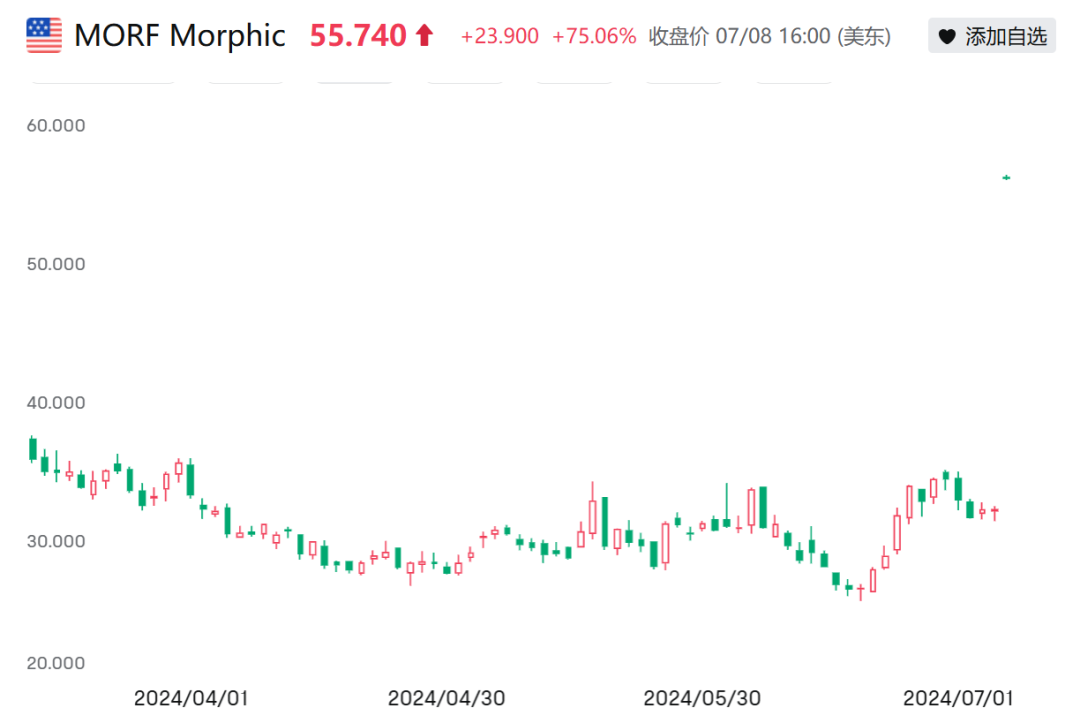
On the evening of July 8, Eli Lilly and Company announced the acquisition of Morphic Therapeutic, Inc., a U.S.-based Biotech company, for approximately $3.2 billion, a price that is significantly higher thanMorphic Therapeutic, Inc. closed at a 79% premium on July 5.
Morphic Therapeutic's core pipeline, MORF-057, is an oral small-molecule α4β7 integrin inhibitor currently undergoing three Phase II clinical trials, including two...Clinical trials for Ulcerative Colitis (UC) and a clinical trial for Crohn's Disease (CD).
Market Analysis: Eli Lilly Aims to Strengthen Its Position Through This AcquisitionInflammatory Bowel Disease (IBD) Product Matrix Layout, the company currently has the world's only IL-23-targetedUCTreatment Drug Omvoh, AcquisitionMorphic further refines the oral therapy layout in the IBD field.
This is not the first time that Eli Lilly has acquired an IBD-related pipeline.
In June 2023, Eli Lilly and Company spent approximately $2.4 billion to acquire DICE Therapeutics. In addition to its core pipeline IL-17 oral inhibitor DC-806, the company also has an oral integrin α4β7 small molecule inhibitor for inflammatory bowel disease, which shows Eli Lilly's emphasis on the oral small molecule integrin inhibitor track.
It is not only Eli Lilly but also various multinational corporations (MNCs) that are investing heavily in the inflammatory bowel disease (IBD) sector, which is clearly a therapeutic area with significant potential for breakthrough drugs.
At the end of October 2023, Roche spent$7.1 billionComplete the acquisition of Telavant and obtainTelavantThe rights to RVT-3101 in the United States and Japan; RVT-3101 is a fully human monoclonal antibody targeting TL1A (Tumor Necrosis Factor-Like Ligand 1A), which treats diseases such as IBD by inhibiting TL1A to target inflammation and fibrosis pathways.
In April 2023, Merck acquired Prometheus Biosciences for approximately $10.8 billion. Its core pipeline, PRA023, is also a...TL1AMonoclonal antibody, its first indication is ulcerative colitis (UC), which is also a type of IBD.
In addition to the aforementioned giants, other MNCs such as AbbVie and Sanofi have also entered the field...
01
Why Are Giants Flocking to IBD?
Inflammatory Bowel Disease (IBD) is a chronic recurrent intestinal inflammatory condition that can be divided into Crohn's Disease (CD) and Ulcerative Colitis (UC). These diseases are characterized by persistent inflammation, where patients not only experience digestive system symptoms such as abdominal pain, diarrhea, and bloody stools but also develop extraintestinal manifestations (affecting the bones and joints, eyes, skin, liver, and gallbladder), significantly impacting the patient’s quality of life.
IBD is characterized by being incurable, lifelong recurrent, and potentially disabling, once called "the cancer that doesn't kill." Patients require long-term medication and regular follow-up visits; for instance, the former Japanese Prime Minister Shinzo Abe suffered from this condition during his lifetime.Ulcerative Colitis (UC), which led to the resignation of a Japanese Prime Minister due to disease relapse.
Precisely BecauseIBD: A "Chronic Disease, Incurable, Highly Recurrent and Requires Long-term Medication"" has attributes that make its related drug market potential extraordinarily large.
According to epidemiological data, there are currently approximately 6 to 8 million IBD patients globally, mainly concentrated in Europe and America. Among them, there are over 3 million IBD patients in Europe and more than 2 million IBD patients in the United States. Additionally, other data suggests,By 2025, the number of patients with inflammatory bowel disease in China will reach 1.5 million.
Currently,The market is approximately $18 billion globally and is expected to grow to about $49 billion globally by 2030.At the same time,IBD Treatment Market Highly Concentrated, Four Therapies Including Adalimumab Account for 75% of Global RevenueIt is worth noting that, regardingRoche's earlier acquisition for $71 billionRVT-3101, SVB securities analysts have said that it is expected to capture nearly $15 billion in commercial opportunities in the United States.
Despite the rise of targeted therapies and the increasing availability of biologics, the treatment approaches for IBD continue to evolve, but current therapies still have significant limitations and some unmet clinical needs.
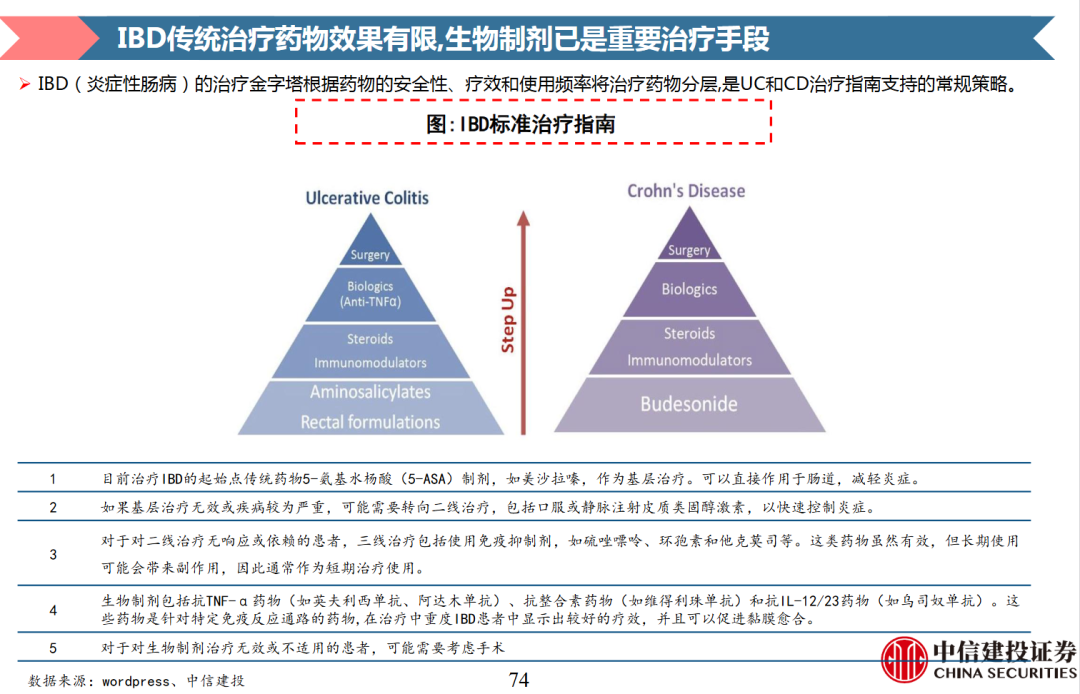
Currently, 5-aminosalicylic acid (5-ASA) is used to treat mild to moderate IBD. For patients who do not respond to 5-ASA or whose condition progresses, glucocorticoids can be used. For later-line moderate to severe cases, immunosuppressive agents, biologics, or surgery may be considered.
The core issue with existing biologics therapies isResponse Rate. CurrentlyStill, up to 30% of patients do not respond to initial treatment, and up to 50% of patients lose response over time.
Secondly, it is about IBD patientsRecurrenceQuestion. 80% of IBD patients will experience chronic relapses, and 20-30% of IBD patients have to undergoPartial bowel resectionSurgical treatment, which significantly affected the prognosis of patients.
The market is looking forward to better drugs to address the current treatment bottleneck for IBD.
02
Small Moleculeα4β7 withThe Battle for TL1A Antibodies
The global IBD treatment track features a multitude of R&D targets, including a range of cytokines (such as IL-23, IL-6, IL-36, etc.), TNF, and the JAK family (pan-JAK, TYK2, etc.).), integrins (α2β2, α4β1, and α4β7, etc.), PDE, TNF-like ligand 1A (TL1A), etc.
Among numerous targets, the two most active and promising directions for BD deals are centered aroundTL1A andIntegrinα4β7 "as the subject of study".
From a mechanistic perspective, the clustering of TL1A by industry giants is traceable. As the ligand for the DR3 protein, the binding of TL1A and DR3 controls the TL1A/DR3 signaling pathway, which can induce the production of inflammatory cytokines, thereby promoting the occurrence of inflammatory responses. Additionally, TL1A can activate the TH1 and TH17 pathways, which are associated with the location and severity of intestinal inflammation and fibrosis.
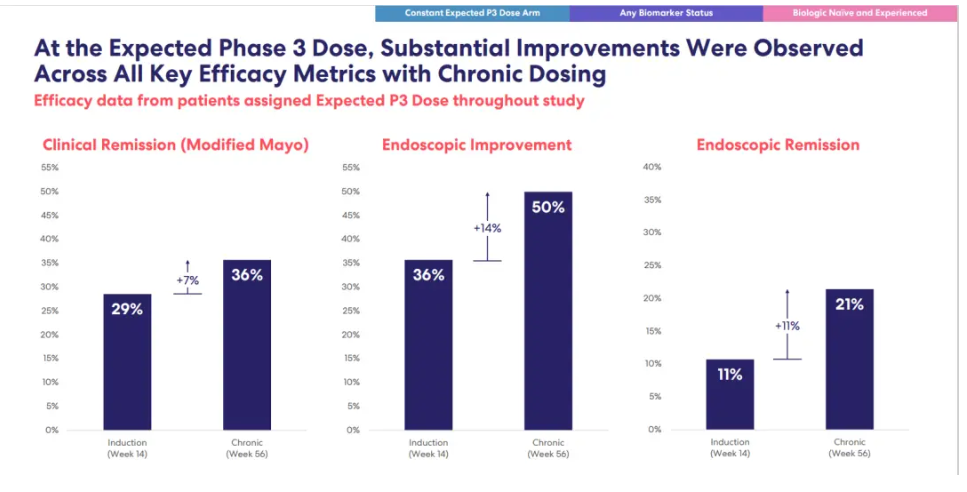
Roche's Claim of Potential "Best in Class"Taking the design of the latest Phase II study TUSCANY-2 of TL1A antibody RVT-3101 as an example, patients with moderate to severe Crohn's disease receive subcutaneous injections once a month, and the trial lasts for 56 weeks (a 14-week induction period + a 42-week maintenance treatment period).
TUSCANY-2 study results show: All patients treated with RVT-3101 achieved excellent clinical remission rates (56 Weeks36% vs 14 weeks 29%), endoscopic improvement rate (56 weeks 50% vs 14 weeks 36%) andEndoscopic Remission Rate(56 weeks21% vs 14 Weeks11%); In addition, the data were equally impressive in biomarker-positive patients, with a clinical remission rate(56 weeks43% vs 14 weeks33%), Endoscopic Improvement Rate (56 Weeks64% vs 14 weeks47%), Endoscopic Remission Rate (56 Weeks36% vs 14 weeks13%)。
In terms of efficacy data, RVT-3101 not only demonstrates a high remission rate in patients with moderate to severe CD, but this also represents the world's first long-term clinical data for IBD indications, indicating thatRVT-3101 can provide patients with lasting relief and improvement.
In another clinical study for the indication of ulcerative colitis (UC) conducted simultaneously,RVT-3101 Continues to Show Equally Good Response Rates and Sustained ImprovementEfficacy.In terms of safety, all doses of RVT-3101 were well tolerated.
On the other hand,The integrin α4β7 target has been proven by multiple drugs to be a viable IBD development strategy, the most renowned of which is Takeda's vedolizumab (which outperformed adalimumab in head-to-head trials for UC).
Integrins α4β1 and α4β7 interact with adhesion molecules on the surface of endothelial cells, inducing the migration of inflammatory cells from the bloodstream to the gastrointestinal tract, which is one of the key mechanisms in the initiation and persistence of chronic intestinal inflammation in IBD patients. α4β7 inhibitors have become an important approach in the treatment of IBD by blocking this mechanism and suppressing lymphocyte trafficking.
Currently,Integrin α4β7-related marketed drugs are mainly antibodies. Due to the manufacturing cost of antibodies and adverse reactions of some products, there is a push towards oral small molecules.α4β7 inhibitor therapy becomes a popular direction in the market.
Acquired by Eli Lilly and CompanyMORF-057 Latest Phase 2a Data Showed that in Patients with Moderate to Severe Ulcerative Colitis, MORF-057 Significantly Reduced RHI Scores (a Histological Remission Index Used to Predict Recurrence Rates, with Lower Scores Generally Being Better) by 6.4 Points from Baseline at Week 12 (p=0.002). The Clinical Remission Rate Measured by the Modified Mayo Clinical Score (mMCS) was 25.7%, and the Treatment Group Showed Good Tolerability with No Safety Signals Observed.
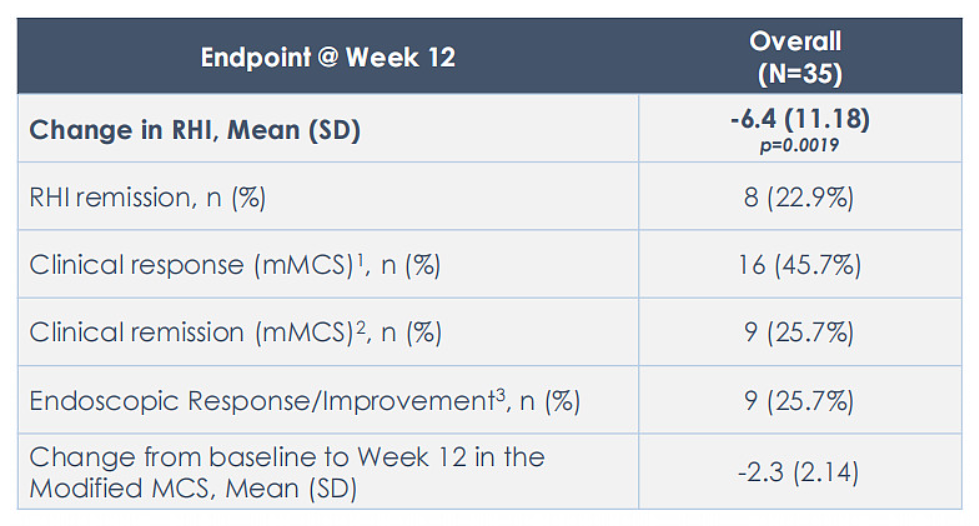
From the 12-week short-term data,MORF-057 did not demonstrate superiority overThe potential of vedolizumab, while the advantages of oral small-molecule drugs do not need to surpass antibody drugs; they only need to ensure comparable efficacy and good safety to capture the relevant drug market.Morphic disclosed the above data as early as 2023 Q2. Eli Lilly should have seen the subsequent long-acting excellent data before choosing to invest, simultaneously.MORF-057 GloballySmall MoleculeIntegrinRanks at the forefront in α4β7 drug development.
This shows that TL1A and integrinsα4β7Both IBD drugs targeting the two sites have a promising future, especially those with IBD as the primary indication.Vedolizumab sales reached a high of$5.414 billion, maintaining the top position in the U.S. IBD market.
03
Are there opportunities in China?
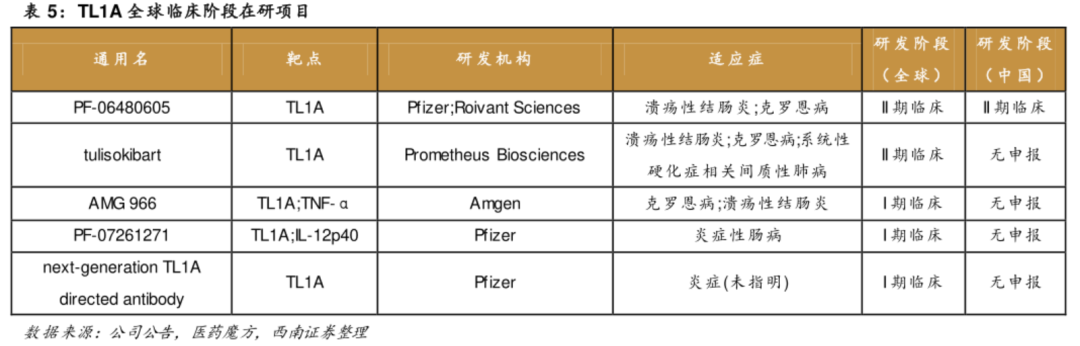
Globally, research and developmentThere are not many drug pipelines related to the TL1A target, among which Roche's RVT-3101 and Merck's PRA023 are far ahead in clinical progress.
In China, IBD has long been considered a disease that predominantly occurs in Europe and the United States. Additionally, autoimmune drugs have always been a "challenge" to commercialize domestically, which may lead to few Biotech companies or Chinese pharmaceutical enterprises developing drugs targeting related pathways.
Mingji Biologics' FG-M701 is one of the few TL1A drugs produced in China. It has reached a licensing agreement with AbbVie for "a $150 million upfront payment + $1.56 billion in milestone payments + sales royalties." Compared to the first-generation TL1A antibodies, FG-M701 has undergone unique engineering modifications to achieve higher efficacy and less frequent dosing.
Molecules related to the α4β7 integrin target are even rarer in China around the clinical stage, whereas there has been progress in the development of tumor drugs targeting other integrin family targets, such as Seagen's αvβ6 ADC being approved for clinical trials in China, and the collaboration between Baiyang Medicine and Radiou.The development of the radiopharmaceutical 99mTc-3PRGD2 is an RDC drug targeting integrin.
Currently, the mainstream drug development strategies of pharmaceutical R&D companies in China for the IBD field mainly focus on several directions: large-molecule drugs targeting the cytokine IL-23 for antibody development, small-molecule drugs concentrating on the JAK family, and a few developing S1P1 and PDE4 oral medications.
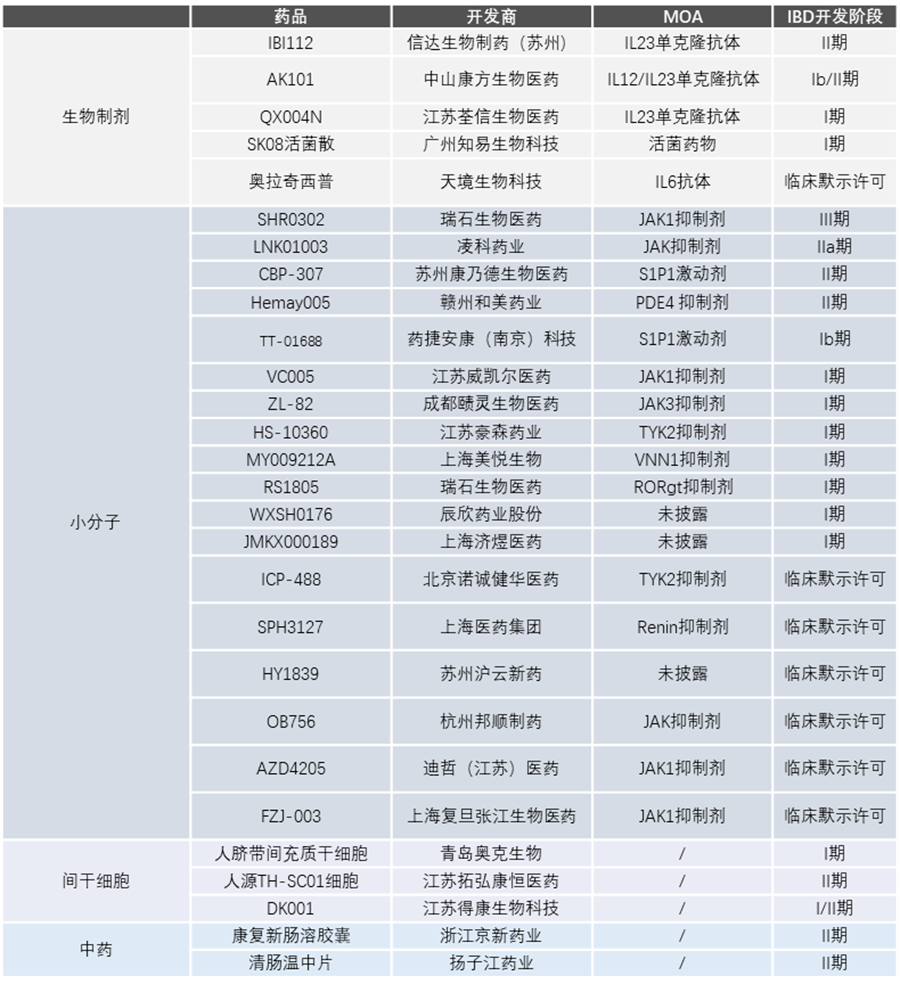
(Source: PharmaBlock)
Conclusion:The tradition and trend of major deals in the IBD field will continue, with the excitement still happening overseas. As for domestic drug licensing in China, it may need to wait for the emergence of a new generation of Biotech players, similar to舶望 (Bo Wang), 明济 (Ming Ji), or 圣因 (Sheng Yin).
Disclaimer:
The content of the article is for reference only and does not constitute investment advice. Investors who take action based on this information bear their own risks. The article maintains a neutral stance regarding statements and viewpoints, and does not provide any express or implied guarantees concerning the accuracy, reliability, or completeness of the content. Readers are advised to use the information as a reference only and assume full responsibility for their actions. The various articles published by this official account focus on sharing; if there is any infringement, please contact us, and we will delete the content.
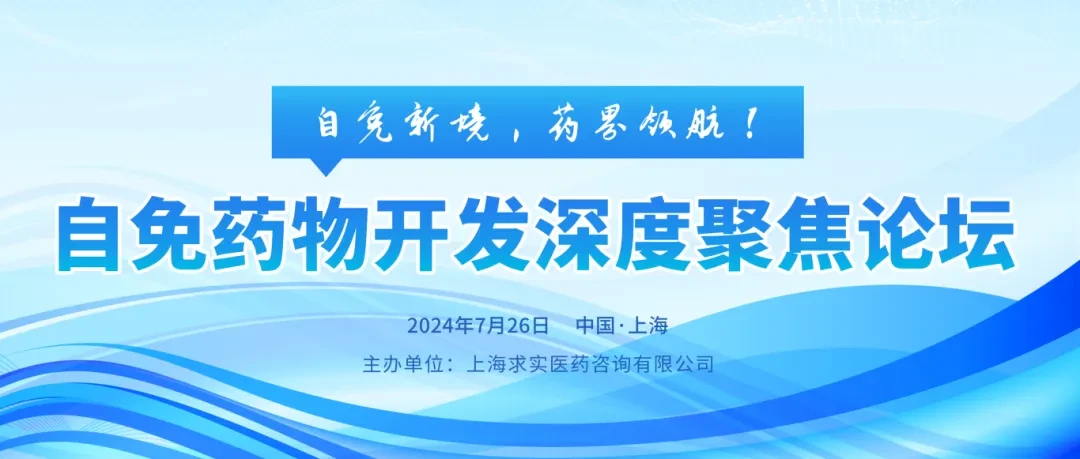

The Only One in China! A Grand Event in the Autoimmune Field is About to Begin!
Booths for the Class of 2024 are now available for booking!
(Sponsorship forms include but are not limited toSpeaking slots, exhibition booths, color pages in conference proceedings, dinner sponsorship, promotional conference materials, etc.)
Scan to consult immediately!

Phone: 13816031174