

Twice-Yearly, 100% Effective: Gilead's Lenacapavir Shakes Global HIV Prevention Landscape and Pressures Chinese Pharma

Gilead Sciences
Antiviral Drug Developer
On June 20, Gilead announced: Top-line results from the interim analysis of the pivotal Phase III PURPOSE 1 clinical trial showed,Lenacapavir (Lenacapavir), administered twice a year, demonstrated 100% efficacy in preventing HIV infection in women.The news immediately triggered a strong reaction in the industry. On the same day at closing, Gilead Sciences' stock price surged 8.46%, with its total market value reaching nearly 90 billion US dollars.
But human joys and sorrows are not connected. While Gilead Sciences was infinitely prosperous, relevant targets in China fell sharply in response.Aidiscience and Frontier Biotechnologies have seen cumulative three-day declines of 19% and 12.7%, respectively. As a result, Aidiscience's market value has significantly shrunk, plummeting by 70% from its peak at the initial public offering.。
Amid these advances and setbacks, many questions have arisen within the industry: First, can the "miracle drug" Lenacapavir ultimately end HIV? Second, why hasn’t the milestone progress of Lenacapavir ignited domestic-related targets in China as GLP-1 did previously, but instead become a constraint? Third, has Gilead Sciences really issued an "ultimatum" to Chinese pharmaceutical companies, and how should related domestic targets survive?
The answer often lies in the details.
Is Gilead Ending HIV?
In fact, the main reason for Gilead's significant rise in stock price this time is due to Lenacapavir’s milestone labels such as "one injection every six months, zero infections, 100% effective." However, this is only the first batch of data. Gilead will announce the results of another key trial by the end of this year or early 2025. It is reported that this trial mainly evaluates the effectiveness of Lenacapavir in preventing HIV infection among male and female individuals with different gender orientations. If the trial results are positive, Gilead will formally submit an application for market approval to the FDA based on the data from these two key trials. If everything goes as expected, Lenacapavir will be approved for marketing by the end of 2025.
At this rate, the HIV drug market will also soon undergo tremendous changes. Therefore,"Gilead Sciences Poised to End HIV"The voice began to resonate more loudly within the industry.
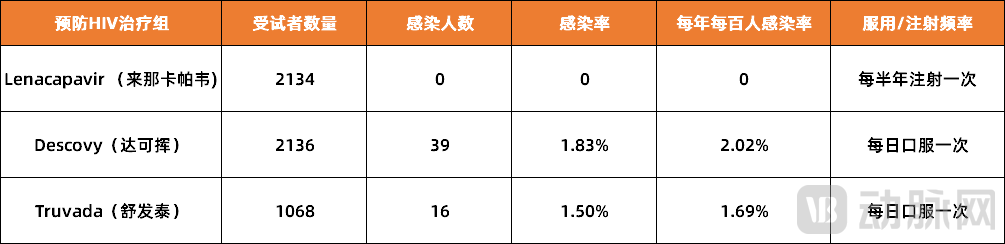 Figure 1. Key Phase 3 PURPOSE 1 Trial Results (Data Source: Public Information)
This is not without basis. First, regarding Lenacapavir itself, this is an HIV PrEP (pre-exposure prophylaxis) drug that primarily inhibits HIV-1 replication by interfering with multiple critical steps in the virus's life cycle. According to the clinical trial data presented this time, among approximately 5,300 female participants, there were zero cases of HIV infection in the group using Lenacapavir, while in the groups using Descovy and Truvada, there were 39 and 16 cases of HIV infection respectively, with infection rates of 1.83% and 1.50%. Additionally, unlike Descovy and Truvada, which require daily dosing, Lenacapavir only needs to be injected once every six months, significantly reducing the frequency of medication use.
Secondly, from the perspective of the company itself, Gilead Sciences has already achieved a global leading position in the HIV drug field. In just the past 10 years, Gilead has launched eight combination therapies for HIV and brought nearly 10 HIV products to market. According to the 2023 annual report, Gilead's HIV business generated a total revenue of $18.715 billion, capturing half of the global HIV drug market.
Finally, it is worth mentioning the development history of Gilead Sciences. It is reported that Gilead has had two experiences of "curing" patients. The first was in 1996, when its self-developed anti-influenza "wonder drug" Oseltamivir (later transferred to Roche) dramatically changed the market landscape of anti-influenza drugs. The second was in 2013, when Gilead launched Sofosbuvir, an NS5B inhibitor for hepatitis C virus, which directly increased the cure rate of the disease to nearly 100%. Under its leadership, the market size of such drugs shrank by two-thirds in just three years.
So this time, relying on the blockbuster drug Lenacapavir and past experience, Gilead Sciences appears to have strong momentum to extend its "myth" of fighting influenza and hepatitis C virus into the field of HIV prevention and treatment.
And in order to achieve this as soon as possible, Gilead Sciences is already making efforts.After all, Lenacapavir is very likely to be an important chip for its future turnaround.This is partly due to the enormous commercial value of Lenacapavir. According to a Wall Street report, the global peak sales of Lenacapavir for HIV prevention and treatment are predicted to be approximately $3 billion. However, in the view of professional analysts, its peak could even reach $4 billion.
On the other hand, it stems from the developmental challenges currently faced by Gilead Sciences. In fact, before the positive results of Lenacapavir's Phase III trial, Gilead had already reported several setbacks, including the failure of its Phase III clinical trial for an anti-CD47 antibody drug on which it spent $4.9 billion in R&D; the failure of a Phase III trial for a new indication (second-line non-small cell lung cancer) for its marketed ADC product Sacituzumab Govitecan; and the failure of a confirmatory Phase III trial for the same drug in urothelial cancer. These consecutive failures in the oncology sector have significantly weakened Gilead.After all, in the past five years, Gilead Sciences has invested over 25 billion US dollars in the oncology field, but so far, the results have been minimal.。
Therefore, this milestone breakthrough of Lenacapavir may allow Gilead Sciences to catch its breath for the time being. In this regard, a senior insider stated, "Gilead, which has hit a snag in the oncology field, seems to have had a door closed by the goddess of fate, but its success in the HIV field has opened another window for Gilead.。”
Is there really not much time left for pharmaceutical companies in China?
According to the "2024 Annual Review of Pharmaceutical R&D Trends White Paper," the number of drug developments for immunosuppressants represented by HIV ranks ninth globally and is still in a rapid upward trend. Additionally, among the top ten pharmaceutical companies, immunology is also a core pipeline, accounting for a total of 5% to 10%, mainly concentrated in the early stages. This means,The global HIV pipeline competition is quite intense.。
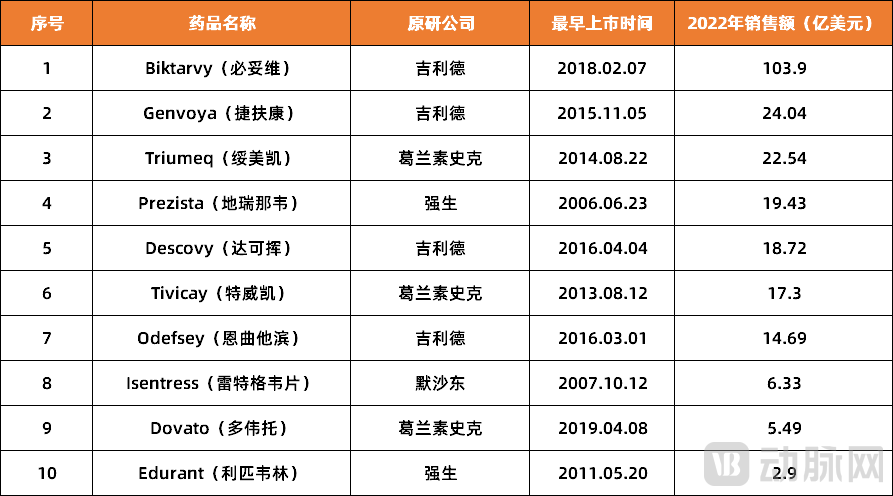 Figure 2. Top 10 Global Anti-HIV Drugs in 2022 (Data Source: Public Information)
And from the current perspective,Gilead Sciences, GlaxoSmithKline, and Johnson & Johnson Have Become the Top Three in the Global HIV Drug MarketGilead Sciences needs no introduction, with a market share exceeding 50%; GSK boasts three of the top 10 anti-HIV drugs, with HIV sales projected to grow to £7 billion (approximately $9 billion) by 2026; Johnson & Johnson has launched the world’s first long-acting HIV cocktail therapy, with several blockbuster products already approved and on the market. In addition, Pfizer, Merck, and MSD have also made significant strides in HIV drugs in recent years, continuously expanding their market shares.
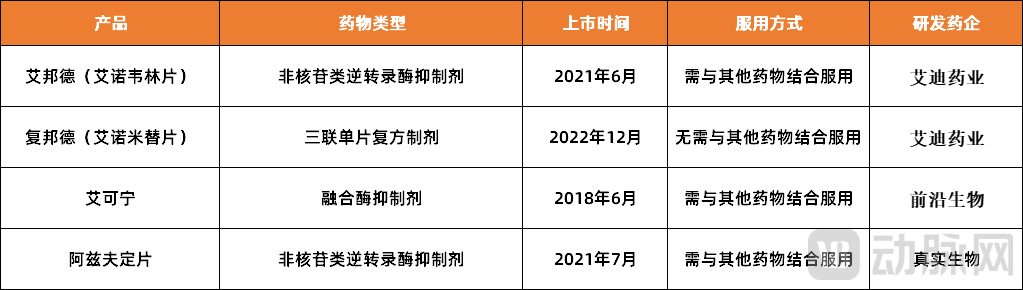 Figure 3. Status of Four Innovative HIV Drugs Produced in China That Have Been Marketed (Data Source: Public Information)
Compared to the bustling overseas markets, the HIV sector in China has been overly quiet in recent years. Focusing on the product side, currently,Only Four Chinese-produced HIV Innovative Drugs Have Been Approved for MarketingThey are Aibangde (Ainuowei Tablets) and Fubangde (Ainumiti Tablets) from Adpharma, Aikening from Frontier Biotechnologies, and Azvudine Tablets from Genuine Biotech. Among them, Aikening, as the first original anti-AIDS new drug in China, had its patent expire in 2023, which also had a significant impact on Frontier Biotechnologies. After "losing" its only major product, Frontier Biotechnologies incurred losses of nearly 1 billion yuan over the past three years.
In fact, it is not only Frontier Biotech that has been slow to come up with new products. In the field of HIV innovative drugs, although nearly 20 pharmaceutical companies such as Hengrui, Hansoh, Staidson, and Chipscreen are laying out plans, the overall progress has been slow, with most still in the early stages, far from being approved for marketing. For example, Hengrui Medicine’s HRS5685, used for treating Human Immunodeficiency Virus Type 1 (HIV-1), is currently undergoing Phase I clinical trials; Staidson’s “cell therapy drug for AIDS treatment” has not yet reached the IND (Investigational New Drug) stage; recently, Hongbo Medicine also stated that it has closed its antiviral business unit in Greenwich, UK, and its HIV project has not progressed to the clinical stage. Of course, some remain undisclosed due to not reaching the announcement stage, still hidden under the surface.
However, judging from the recent response in the secondary market, investors have lost much of their confidence and generally believe that the breakthrough progress of Lenacapavir has issued a "final notice" to pharmaceutical companies in China. Where does this notion come from?
On the one hand, it is certainly due to fierce external competition.Large pharmaceutical companies represented by Gilead Sciences, GlaxoSmithKline, and Johnson & Johnson not only have multiple core products already on the market but are also currently accelerating their expansion. Particularly, Gilead Sciences has nearly ten anti-HIV treatment drugs on the market, among which Biktarvy consistently tops the list of HIV medications. Its sales exceeded $10 billion in both 2022 and 2023. With Lenacapavir awaiting approval, Gilead Sciences is poised to dominate the HIV field.
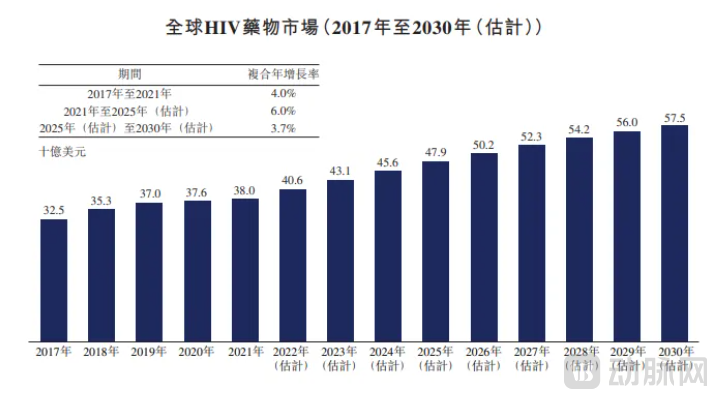
Figure 4. Global HIV Drug Market Size (Data Source: Frost & Sullivan)
On the other hand, it is due to the HIV market in China that is difficult to gain momentum.According to the Frost & Sullivan report, the global HIV drug market has grown from $32.5 billion in 2017 to $38 billion in 2021 and is expected to reach $57.5 billion by 2030, with a five-year compound annual growth rate (CAGR) of 6%. The scale of China's HIV drug market increased from $242 million in 2017 to $393.7 million in 2021, representing a compound annual growth rate (CAGR) of 12.9%.It is not difficult to find that although the Chinese market has seen significant growth, it accounts for only 1% of the global HIV drug market.。
There are certainly reasons for this. The first is the lack of product competitiveness. Most of China's HIV treatment drugs were ancient varieties that came to market 20 years ago, and they have no significant competitive advantage in terms of final efficacy or dosing frequency. This is also why the majority of HIV drugs sold in the Chinese market are imported, with Gilead Sciences, GSK, Johnson & Johnson, and Merck controlling more than 80% of the market share in China.
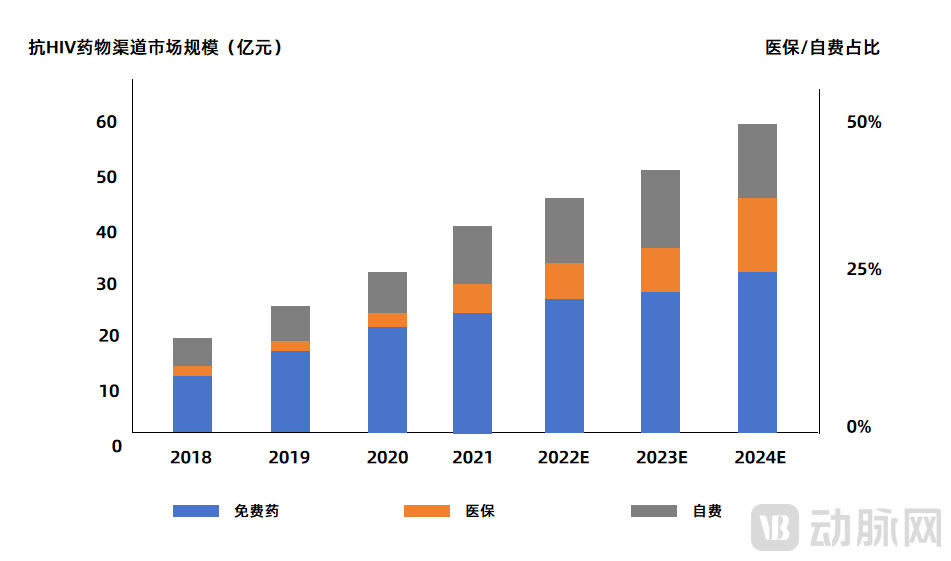 Figure 5. Market Size and Share of Anti-HIV Drug Channels in China (Data Source: Huaan Securities, IMS)
Of course, the impact of payment methods cannot be ignored. Currently, there are three main ways to pay for HIV antiviral treatment in China: free, medical insurance, and out-of-pocket.Among them, the proportion of free drug donations accounts for 74% of China's overall anti-HIV virus drug market scale, and the government spends 1.5 billion yuan annually on the procurement of AIDS drugs.This means that there is not much bargaining space for AIDS treatment drugs in China. For example, after the innovative drug Tenofovir Disoproxil Fumarate Tablets by Chengdu Bright Future Pharmaceutical Co., Ltd. was approved for marketing in 2016, the monthly treatment cost was only set at 40 yuan. Additionally, the imperfect testing system and the lack of proper understanding of HIV, among other factors, have also hindered the development of anti-HIV drugs in China to a certain extent, significantly limiting the overall market size.
So, at present, domestic pharmaceutical companies have to face the continuous pressure from overseas pharmaceutical giants while solving the problem of the slow development of the domestic HIV drug market. Coupled with the current overall downturn in the industry, there is indeed not much time left for domestic innovative pharmaceutical companies.
Where Will Innovative HIV Drugs Go in the Future?
In accordance with the commitment of UNAIDS,By 2030, AIDS will be eradicated globallyIn other words, it is only 6 years away from the complete conquest of AIDS by humanity.
From the perspective of industry development in recent years, this trend does indeed exist. For instance, the significant increase in the number of drug pipelines, repeated breakthrough progress in related products, and the continuous expansion of the overall market share all align with the typical characteristics of a single disease being conquered. Coupled with the recent satisfactory clinical results of Lenacapavir, this undoubtedly adds more weight to such a possibility.
But to truly achieve it, it is actually not easy.
Currently, more than 50 anti-AIDS treatment drugs have been marketed globally, but "incurable" remains the biggest challenge. At this stage, a vaccine to prevent HIV infection has yet to be developed. Although in the past decade, major pharmaceutical companies have tried various technical approaches, all have ultimately ended in failure, including Johnson & Johnson, vaccine giants GSK and Sanofi, which have stumbled multiple times on HIV vaccines, with billions of dollars in research and development costs going down the drain.
After repeated setbacks, major pharmaceutical companies have shifted their focus to the HIV pre-exposure prophylaxis (PrEP) field. Currently, the world's top 10 HIV drugs all belong to this category, and Lenacapavir is no exception, primarily inhibiting HIV-1 replication through "interference." This means that existing anti-HIV drugs are mainly focused on prevention and clearly do not have the capability to end AIDS.
One reason is its inherent disease characteristics, which also make it very difficult to conquer.First, HIV mutates too quickly; not only does the virus differ between individuals, but there may also be significantly different strains within the same person. Second, HIV undergoes reverse transcription, allowing it to integrate its genetic information into human cells and remain latent for a long time. Lastly, the development of an HIV vaccine lacks necessary animal models, as many monkeys infected with HIV do not develop the disease.。
In this regard, a professional mentioned, "HIV is not actually a single virus; it is more like 50 million different viruses. Currently, there are many types of viral strains worldwide, and new types continue to emerge. This means that an antibody targeting the spike protein of one viral subtype will not be effective against another subtype, as it can always 'make a comeback.'"
Based on this, in the view of many industry experts,Combining PrEP and antiviral therapy remains the primary approach for future HIV prevention and control., the synergistic effect of both can minimize the risk of infection and control the condition.
Among them, PrEP refers to pre-exposure prophylaxis, mainly targeting populations at non-transmission risk of HIV. Currently, the internationally available PrEP options include oral medication regimens, long-acting drug regimens, and the dapivirine vaginal ring. Among these, oral medications are the most anticipated, such as TDF/FTC and TAF/FTC. However, the biggest issue with them is the need for daily administration, leading to relatively low patient adherence. Fortunately, Lenacapavir, administered twice a year, can address this issue perfectly.
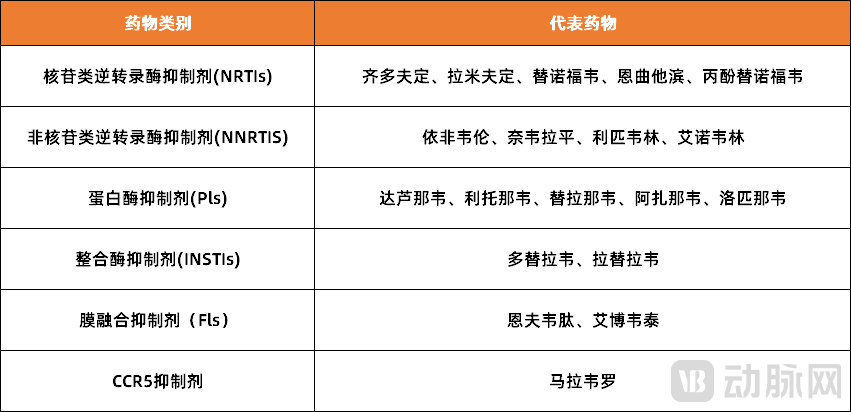 Figure 6. Classification of Antiretroviral Therapy (ART) Drugs
For people at risk of HIV, antiretroviral therapy (ART) is currently the primary treatment for retrovirus (mainly HIV) infections. The drugs are mainly divided into seven categories, including nucleoside reverse transcriptase inhibitors (NRTIs), non-nucleoside reverse transcriptase inhibitors (NNRTIs), integrase inhibitors (INSTIs), protease inhibitors (PIs), integrase strand transfer inhibitors (INSTIs), fusion inhibitors (FIs), CCR5 inhibitors, and drugs with novel mechanisms of action (such as post-CD4 attachment inhibitors). Combined, these have gradually transformed HIV infection from a previously fatal disease into a currently preventable and controllable chronic infectious disease.
In this regard, a senior expert commented, "Since the approval and market launch of the first anti-HIV drug, the nucleoside reverse transcriptase inhibitor zidovudine, in the United States in 1987, humanity has made significant progress in HIV drugs over the past 40 years.But for pharmaceutical companies standing in this track, everyone is still on the same starting line at present. After all, no matter how excellent long-acting drugs like Lenacapavir are, it is impossible to eradicate AIDS by relying solely on them. The combination of different mechanisms of action, different stages of use, and different clinical application scenarios will be the main trend in future anti-HIV treatments.。”
So, when describing the future development of HIV drugs, that old saying has to be brought up again: opportunities and challenges coexist.
1. "Gilead Sciences Poised to End HIV, China's Stocks Plunge in Response?" — VCBeat;
2. "Gilead Sciences Doesn't Believe in Tears" — VCBeat;
3. "Who Can the 'Magic Drug' for AIDS Really Save?" — Hu Xiu.