Adona Medical Secures $33.5M Series C Funding to Advance Adjustable Atrial Shunt for Heart Failure

Adona Medical
Developer of Interventional Devices for Heart Failure
Heart Future
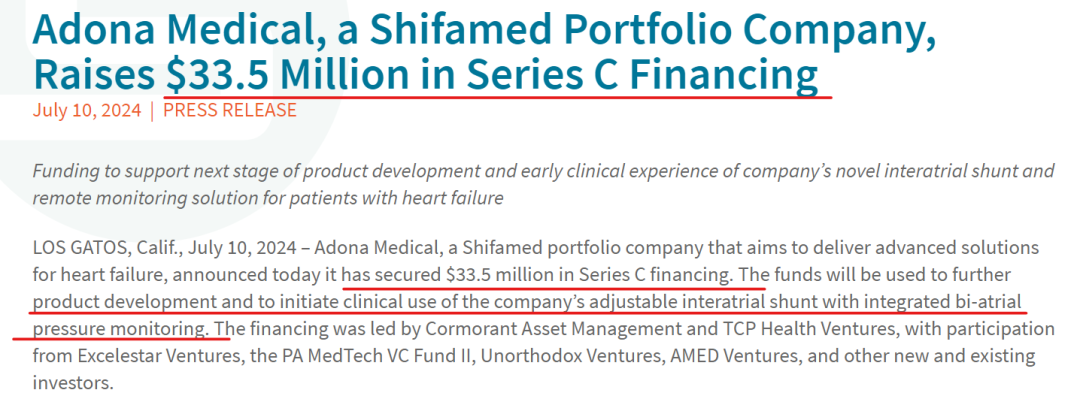
Cormorant Asset Management and TCP Health Ventures led this round of financing.。Excelstar Ventures, PA MedTech VC Fund II, Unorthodox Ventures, AMED Ventures, and other new and existing investors participated.
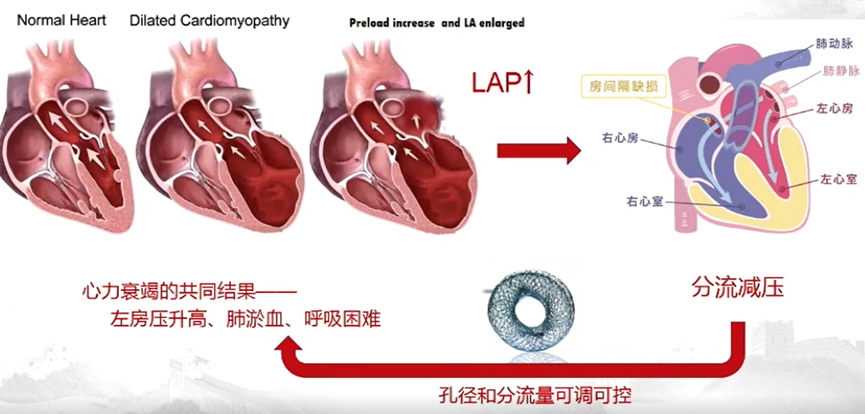
Despite significant advances in medical and device therapies over the past few decades,But the incidence and mortality of left heart failure remain high.. In patients with chronic heart failure,Elevated left atrial pressure leads to pulmonary congestionIs a common mechanism leading to symptom exacerbation and acute decompensation.Atrial shunt can achieve shunt decompression, alleviate excessive left atrial volume, and improve symptoms caused by heart failure., improve the quality of life for patients, is an emerging minimally invasive interventional treatment.
The diameters of the atrial septal openings created by the two technologies are both fixed.Cannot be adjusted based on the patient's physical condition, so both atrial shunts have shortcomings:
Adona Medical's atrial shunt, Adona, compared to traditional atrial shunts such as IASD, V-Wave Ventura Shunt, and Alleviant System,The biggest difference lies in the postoperative flow adjustability.Allowing doctors to adjust the opening size of the Adona atrial shunt based on monitored changes in left and right atrial pressure,Thereby achieving for heart failure patientsPersonalized Treatment, rather than the traditional "one-size-fits-all" treatment approach of conventional shunts, ultimately avoiding various complications caused by the shunt being either too large or too small.
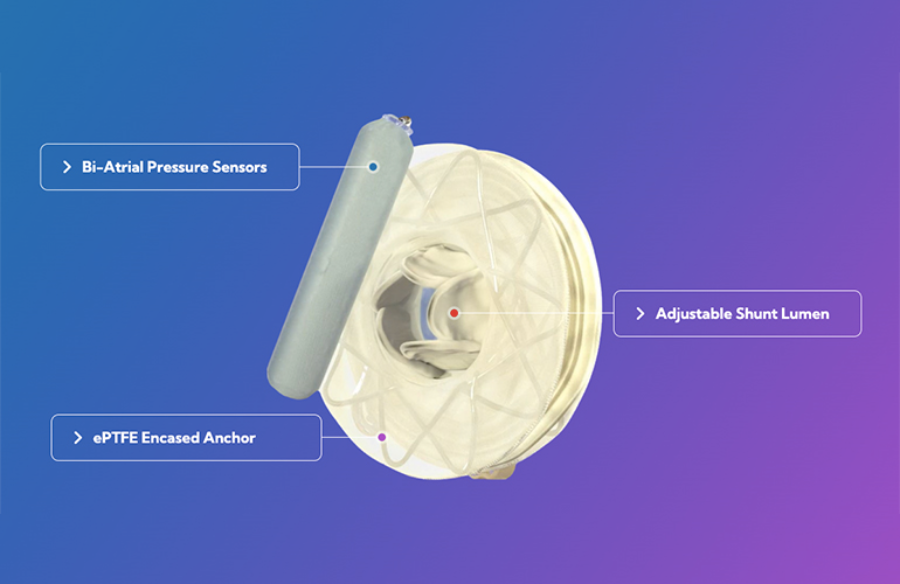
Biventricular Pressure Sensor:
Adjustable shunt lumen:
The channel size after implantation is adjusted as needed.(EnlargementOr reduce);
The channel can be adjusted to a normal size of 5-10mm;
The channel can be temporarily expanded to more than 14mm, facilitating the conduction of transcatheter interventions from the femoral vein to the left heart (e.g., atrial fibrillation ablation, TMMR, etc.);
Packaged Anchor Bolt:Using biocompatibilityePTFE Materials Accelerate Healthy Tissue Response.
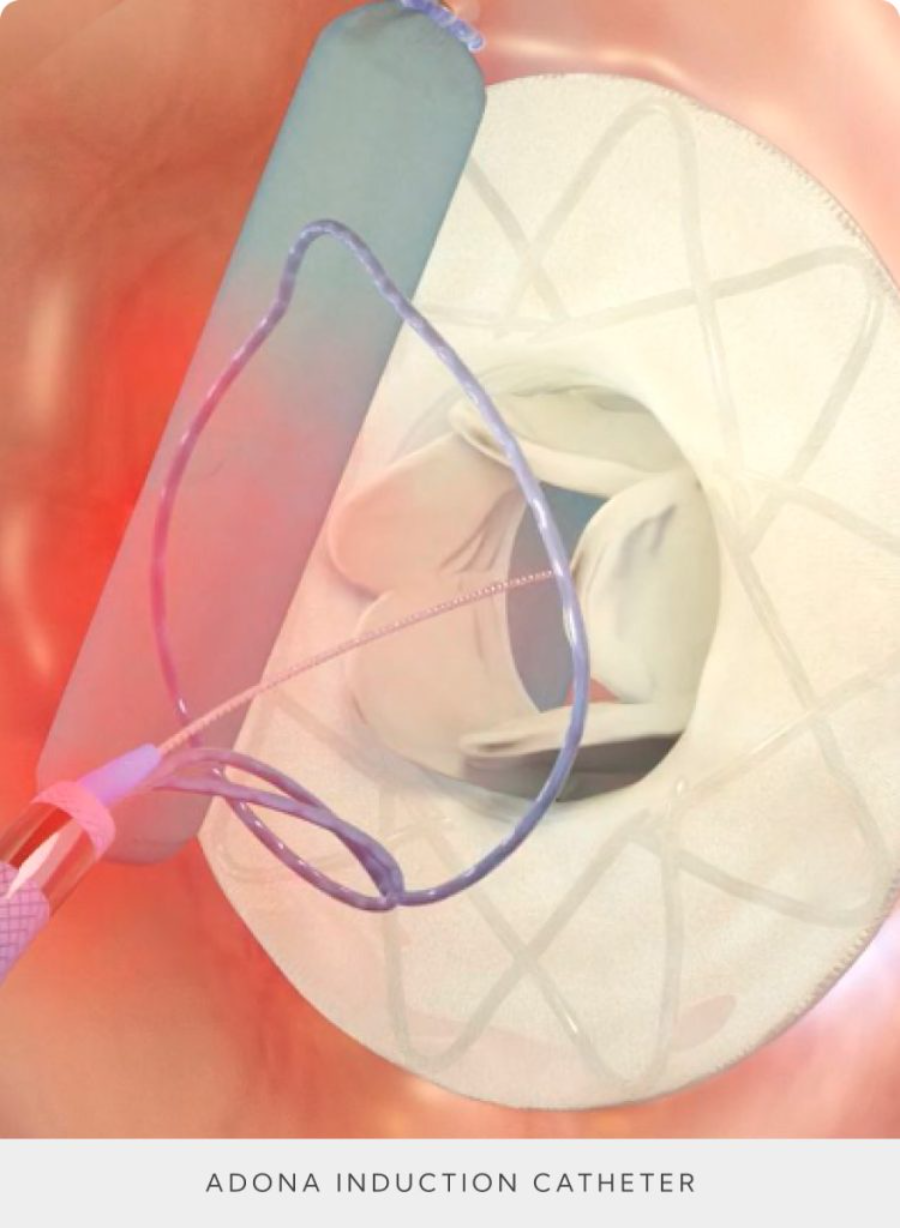
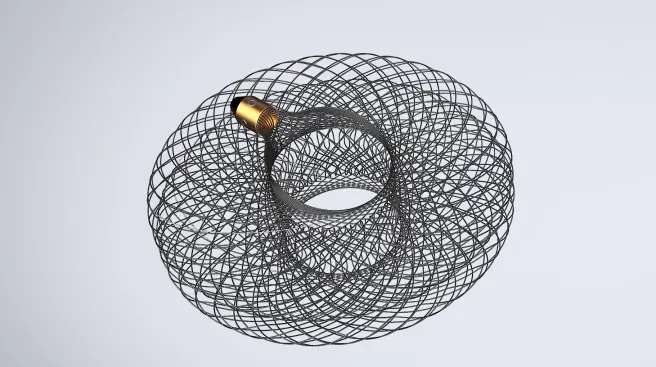
When the directional flow is too large,When narrowing the channel is required, the innovative catheter developed by Adona Medical, the Adona Magnetic Catheter, can be utilized.This electromagnetic catheter can non-contact heat a portion of the implant in less than five seconds.And NitinolSuperelasticityMaking the heart valveSuch medical devices can be compressed in the catheter and return to their original shape after delivery.
ObtainCE Certification、FDA Granted ItsBreakthrough Medical Device"Recognition Title."
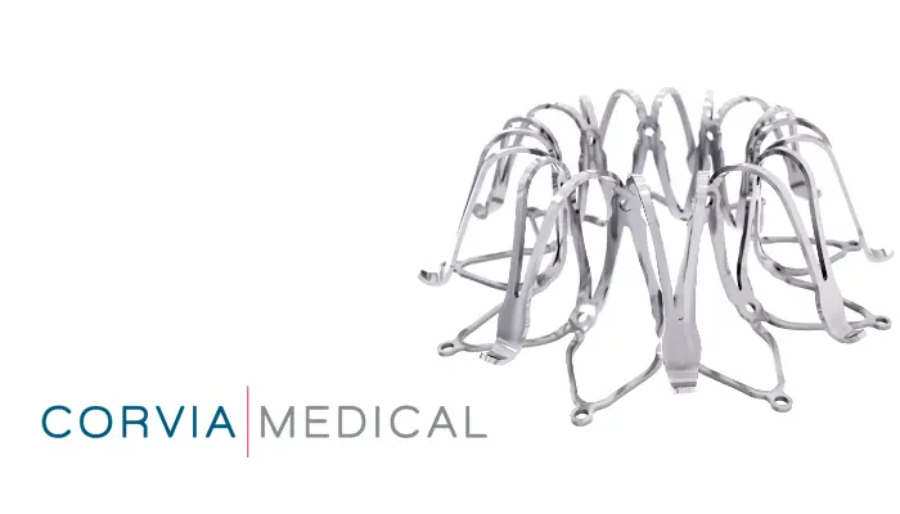
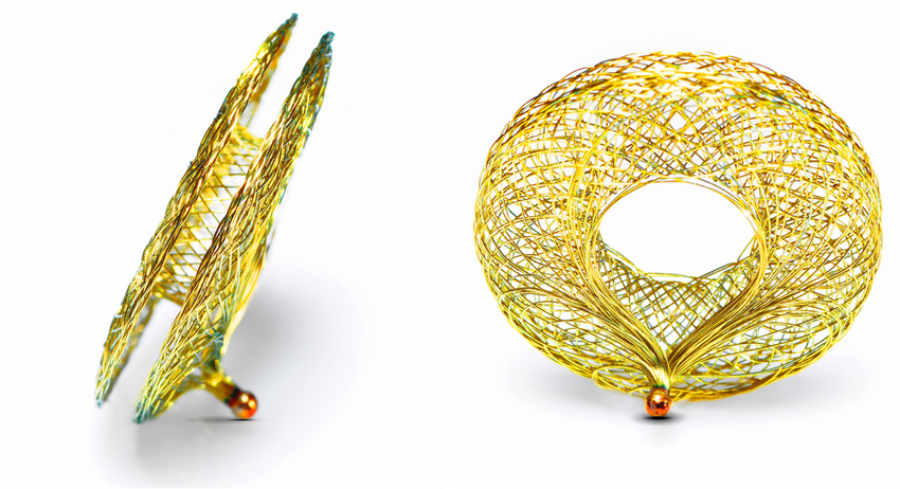
Developed by Adona MedicalNoYA Atrial Shunt System, isThe World's FirstSelf-developedNon-implantable, Adjustable Atrial Shunt Device。
The operator fixes the adjustable-diameter stent on the atrial septum, utilizing radiofrequency energy to heat, coagulate, and contract the surrounding atrial septal tissue, creating a permanent atrial septal opening.Adopting a design with an adjustable shunt orifice diameter, the stent can be adjusted in diameter from 4 to 10 mm, meeting various shunt requirements.
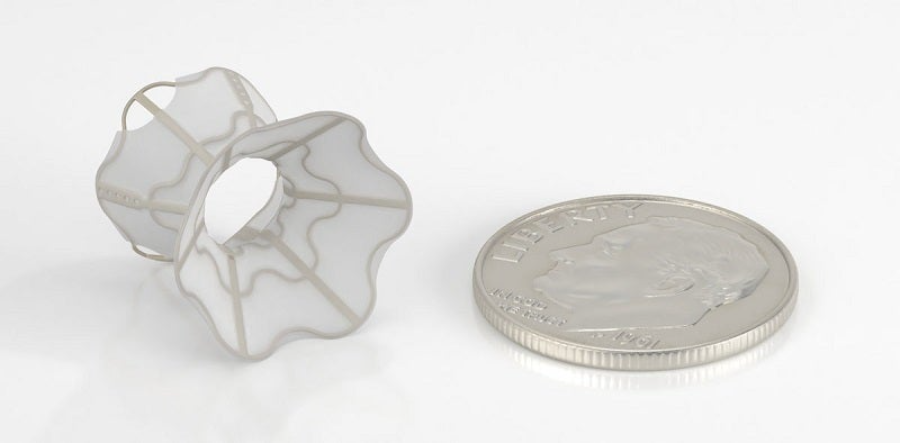
D-Shant Atrial Shunt isChina's First Self-Developed Implantable Atrial Shunt Device。The ProductThe structural design adopts an internally embedded metal stent, which is only the size of a coin and provides excellent radial support.
At the same time, D-Shant can achieve secondary intervention to ensure surgical safety.
November 2023,Adona MedicalD-shant®Atrial ShuntThe product has received the "Breakthrough Device Designation" from the U.S. FDA.

In December 2019, Adona Medical announced the completion of its seed funding round.Total Amount Raised: $2.5 Million. The round of financing, raised solely by angel investors recognized by Shifamed, will be used to advance product development and expand the company's intellectual property portfolio.
In addition, Shifamed announced the appointment of seasoned medical device executive Brian Fahey as the CEO of Adona Medical.
In September 2020, Adona Medical completed$22 Million Series A Financing, which will be used to advance product development, support preclinical testing, and expand the team size. The company is further advancing its next-generation heart failure management platform.
This financing was led by Cormorant Asset Management, with participation from Excelestar Ventures, AMED Ventures, and select angel investors, including previous debt investments that were converted into preferred shares.
In May 2022, the companyRaised $37.5 Million in Series B Financing, which will be used to complete product development and support further evaluation of the company's next-generation heart failure management platform.
The financing was led by Cormorant Asset Management and The Capital Partnership (TCP), with participation from Excelestar Ventures, AMED Ventures, PA MedTech VC Fund, and Shifamed angel investors.

Medtronic|J&J MedTech|Boston ScientificBoston Scientific|
Edwards Lifesciences | AbbottAbbott|
# Chinese Cardiovascular Device Companies Listed in China
XinQing Medical (NyokAssist Interventional Ventricular Assist System)
Beixins Life (Cardiac Pulse Field Ablation)
Hanling Medical (Transcatheter Aortic Valve)
# Other Unlisted/Start-up Cardiovascular Companies
Artivion| HVR Cardio | CardiacSense | Lydus Medical | Volta Medical |Cardiac Dimensions