Source: Heart Future; Editor: Sophia
Reprint Requirements: If the source of the article is indicated at the beginning of the text, it can be reprinted directly.Recently,Edward Lifesciences (NYSE: EW)Announce that it willAcquired for $300 MillionMitral Valve Replacement Innovation Company Innovalve, toStrengthen its mitral valve replacement product pipeline, the acquisition is expected to be completed by the end of 2024. ThisIt's EdwardThe Second Strengthening Action on Its Mitral Valve Production Line。Just a few days ago,Edwards LifesciencesAnnounced, with the French companyAffluent Medical SignMultiple items related toStructural Heart Disease ProductsRelevant Agreements, the agreement covers Affluent Medical'sKalios Adjustable Mitral Annuloplasty Ring and Related Mitral Valve Technologies.According to the agreement, Affluent Medical will receive$16.3 million (approximately €15 million)The prepayment is considered as a cash payment.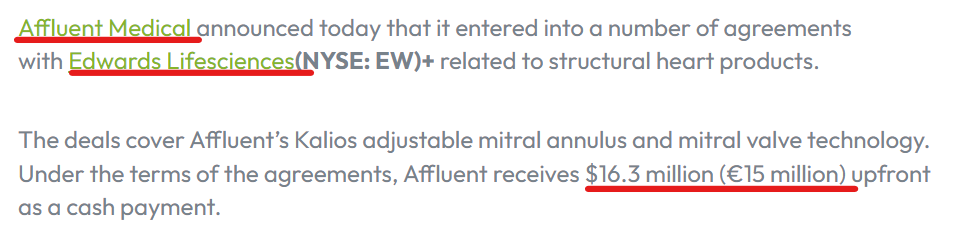 These two investments have significantly strengthened Edwards' market layout in the transcatheter mitral valve repair field.Not only consolidated its advantages in repair technology but also laid a solid foundation for the expansion of the replacement product line.。In the agreement, Edwards Life Sciences is willing to pay $5.44 million (€5 million) for Affluent MedicalSubsidiary KephaliosExclusive Purchase RightThe company has products related to kalios; Affluent Medical intends to continue exclusive management and development throughout the lifecycle of the options.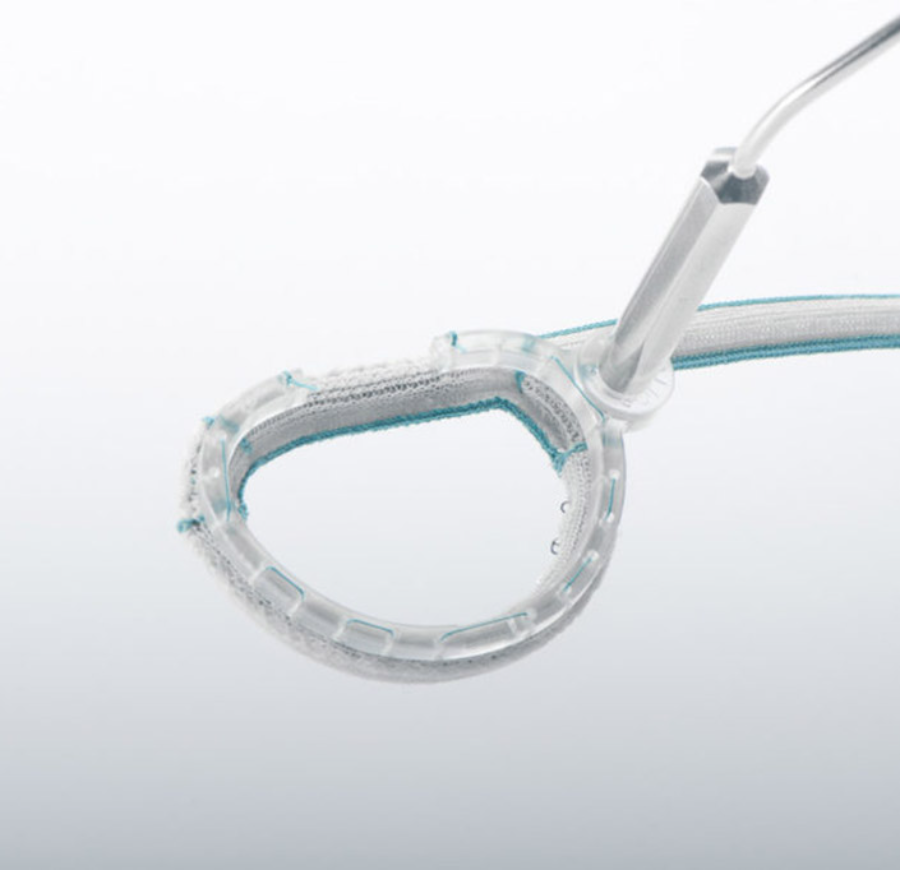
Kalios Artificial Mitral Valve Annuloplasty RingIn addition, for €5 million, obtainRelated to Bionic Heart Mitral Valve Replacement TechnologyGlobal General License for Affluent Medical Intellectual Property (IP)((This technique is only applicable to open-chest surgery),May include future royalties on all potential commercial products utilizing the licensed patents.And further invested 5 million euros to acquire Affluent Medical9.21% of the shares。
Affluent Medical retains all patent rights for its transcatheter valves, including theirEpygon Mitral Valve.
As for this acquisition of Innovalve, it is related to its mitral valve interventional replacement product — Innostay.This product is designed for mitral valve replacement via the femoral vein and atrial septum.Its valve prosthesis contains a nitinol stent and bovine pericardial leaflets, with a "propeller mechanism" attached at the bottom.Edward stated in the official announcement that a team led by Vice President Daveen Chopra has developed the Sapien M3 TMVR System, and the company plansIncorporate Innovalve into its Transcatheter Mitral and Tricuspid Therapies (TMTT) product portfolio, consolidating the position in the transcatheter mitral valve replacement market together with SAPIEN M3.# Acquisition and Repair Product - Kalioskalios YesWorld's FirstPost-implantation adjustable artificial mitral valve annuloplasty ring,Currently in clinical research.Unlike traditional mitral valve annuloplasty rings, after implantation, at any time,When the heart doesn't stopPercutaneous Repeated Adjustment of Annulus SizeTo meet the actual needs of patients, thereby avoiding the need for a second surgery.Kalios consists of two parts: Configuration at implants and Kalios fit.Configuration at implants
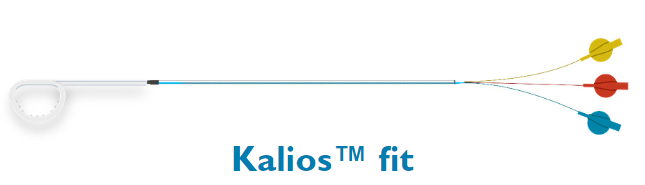
Including a lead (thin tube) which is implanted in the patient's body, with its distal end located subcutaneously near the clavicle for easy access to devices (e.g., pacemakers);Kalios fit Consists of three balloon catheters and three connecting tubes.
- During implantation, the distal end of the connecting wireConnected to the subclavian position along a specific route;
- If residual regurgitation occurs, it is through the connecting line fromRetract the spacer heart within the hollow structure of the ring.Axis;
- ThenThe triple-lumen catheter is inserted from the distal end of the connecting line into position., and gradually inflate in up to three predefined anatomical regions (referred to as P1, P2, and P3) to bring the valve leaflets closer together;The adjustment is performed in areas with insufficient contact, including repositioning the annulus to the desired level to eliminate residual regurgitation.
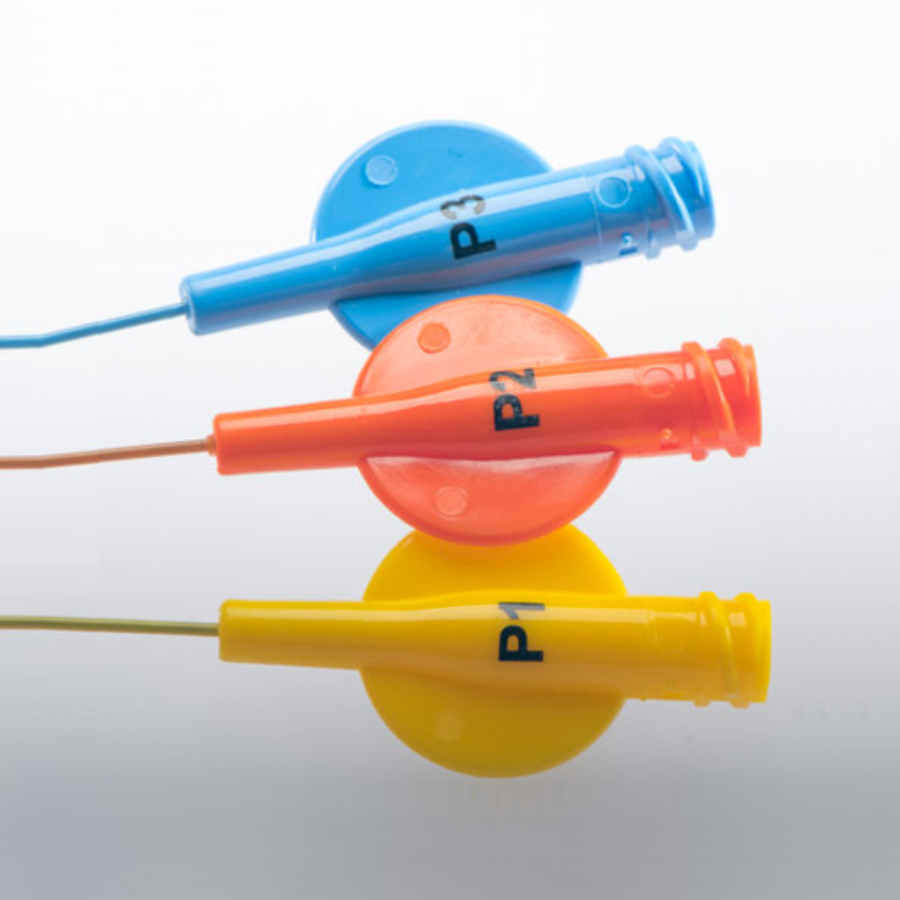
By making comprehensive adjustments in all three zones (P1, P2, and P3),The maximum reduction in valve orifice area is limited to about 15%., to prevent any risk of valve stenosis;
Connector LineRetrieved from the subcutaneous location in the subclavian region at the distal end; Remove the spacer mandrel and introduce the three-balloon catheter, then adjust it through the same procedure as during the perioperative period.
Kalios™ Annuloplasty DeviceAdjustments can be repeated multiple times post-surgery., until the maximum expansion of the P1, P2, and P3 regions.
Regarding Kalios for 20 patientsPivotal Optimise II Study Demonstrates Efficacy and Excellent Safety Within 1 Year。From the 4 perioperative patients after adjustmentObserved excellent results (residual mitral regurgitation (MR) grade <2), these results have been maintained for up to one year.At 1 year, there was noThe patient developed MR>2+, thusReached the predefined efficacy endpoint of the study。No reports of death, myocardial infarction, valve thrombosis, and endocarditis.
# Enhanced Replacement Products——Epygon &Innostay
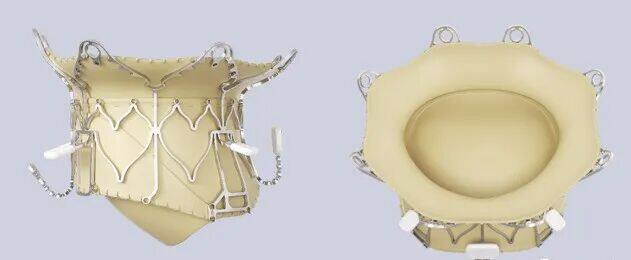
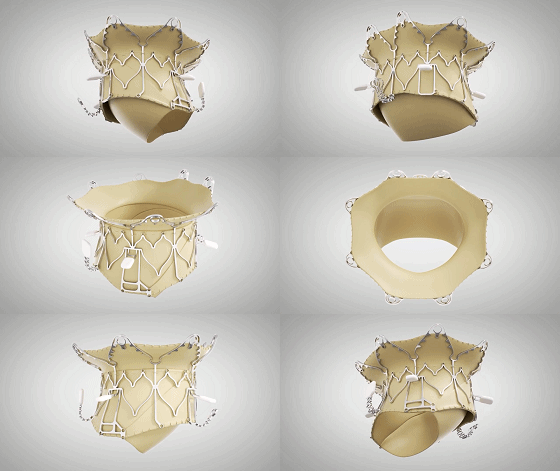
Epygon isThe First "Physiological" Mitral Bioprosthetic Valve, canRestore the Natural Blood Flow Vortex in the Left Ventricle, promote the recovery of ventricular function, especially in vulnerable patients with severely compromised cardiac conditions.
Epygon is currently in the clinical trial stage. Through this acquisition, Edwards Lifesciences has obtained a global non-exclusive license for the Epygon bionic heart mitral valve replacement technology IP, which is limited to open-heart surgery.
The human mitral valve is naturally asymmetrical, generating rotational flow or vortices within the ventricle to minimize energy loss and help direct blood flow straight into the aortic outflow tract.Epygon The unique design includes the combination ofSingle leaf of pericardial tissue in D-shape ring。Asymmetric nickel-titanium alloy stent and physiologically anatomical anchoring system,Can ensure stable coupling below the mitral annulus, capturing the native valve leaflets., andAchieving optimal fit with a low risk of left ventricular outflow tract (LVOT) obstruction。- After inserting the guidewire through the apex, the Epygon delivery system can be guided using fluoroscopy and echogenic feedback.Ensure optimal central positioning within the native mitral valve。
- In the first stage, the atrial part of the device is gradually released just above the annular plane. Under the 3D echo view, the valve stentThe atrial valve is deployed to achieve the desired D-shaped rotational position.。
- Under rapid pacing,The valve is gently pulled towards the mitral annulus.. Then, the ventricular anchoring system of the stent is released below the annulus, while the two clamping arms capture the posterior and anterior leaflets to prevent LVOT obstruction.
Epygon Transcatheter Mitral Valve can restore physiological blood flow within the ventricle while preservingMaintain the native leaflets/chordae under traction to better preserve left ventricular function.。As early as 2017, Edward made an initial investment in Innovalve. Since then, Innovalve has made significant progress in early clinical evidence for its transcatheter mitral valve replacement (TMVR) technology. The company's first TMVR system, Innostay, is currently undergoing clinical trials.
Innovalve Bio Medical Ltd. Valve PassedUnique Rotational Operation,It can not only securely fix the valve prosthesis to the natural tissue, but also rotate the "propeller" to reduce the mitral valve opening to accommodate the prosthesis.,Thereby providing a secure anchoring and sealing effect, significantly improving postoperative symptoms in patients with mitral regurgitation (MR).
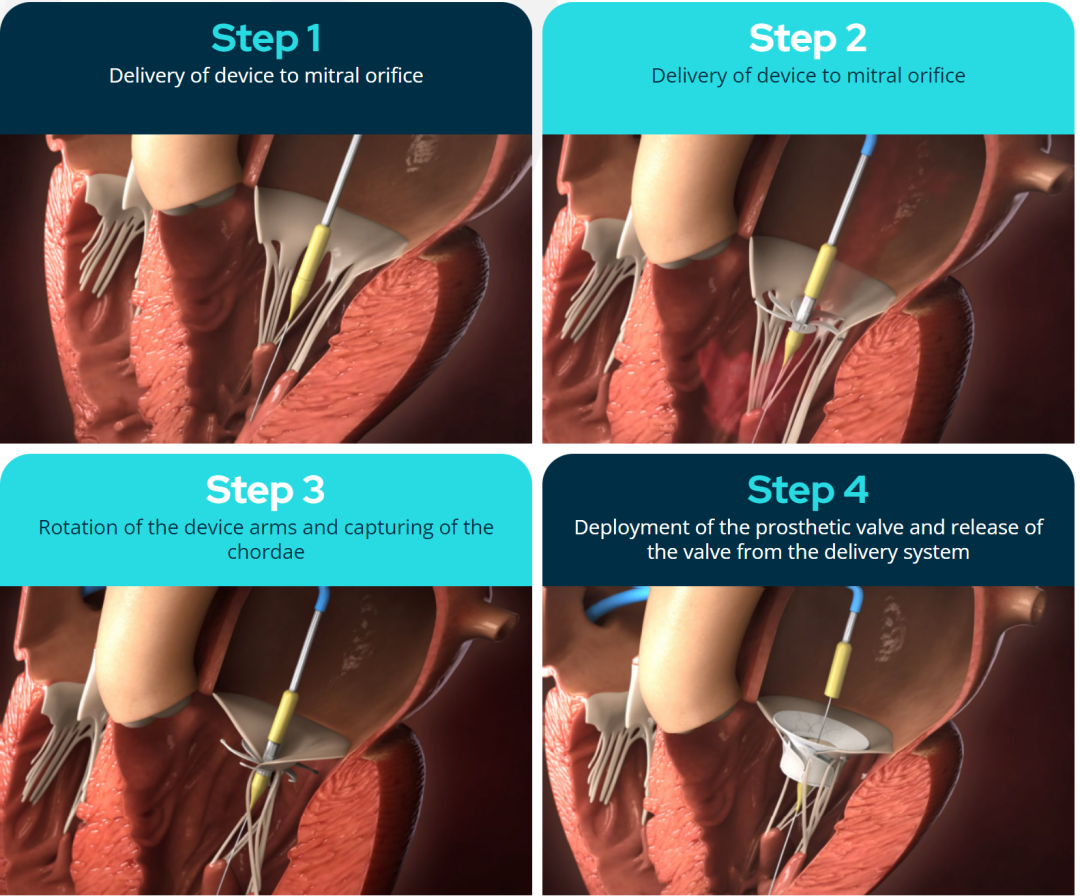
Innostay Workflow
# Fully Focused on Cardiac Production LineIn June 2024, Edwards Lifesciences announced that it had reached a definitive agreement with BD Medical to sell itsFull-line Products for Intensive CareSold to BD Medical for $4.2 billion in cash.TheThe transaction is expected to be completed by the end of 2024.Based on this agreement, Edwards will no longer proceed with the previously announced plan to spin off its critical care business.Thus far,The Company Fully Shifts Its Strategic Focus to Structural Heart Device Business, utilizing the proceeds from the spin-off to further expand the cardiac device market and accelerate investment in emerging technologies. In 2023, Edwards' Structural Heart division generated over $900 million in revenue, encompassing a range of patient monitoring devices, sensors, catheters, as well as advanced predictive software and applications, beyond just valve products.Edwards will use the post-tax cash proceeds to support subsequent strategic growth needs. This sale enhances the flexibility of Edwards' balance sheet, allowing it toTreatment Techniques for Patients with Aortic Valve, Mitral Valve, Tricuspid Valve, and Pulmonary Valve Diseases, and Interventional Treatments for Heart FailureInvest orderly in new treatment areas.
Edward Life Sciences CEO Bernard Zovighian stated:
"The fundamental reason for Edwards' divestiture of its critical care business remains unchanged——We will focus on pursuing a strategy centered on structural heart disease.Our goal is to serve a large number of unmet patient needs through differentiated innovation.At the same time, further expand the company's leadership position globally and achieve sustainable growth.We believe this transaction will further solidify Edwards, Critical Care, and BD Medical's positions in the industry, strengthening the business foundations of both companies and committing to deliver greater value to patients.”
Benefiting from the widespread application of TAVR, Edwards' market value has increased nearly sixfold over the past decade. At this stage,More than 80% of Edwards Lifesciences' revenue comes from the structural heart disease field., and in the global valve market,Edwards Lifesciences occupies nearly 70% of the market share., holding an absolute dominant position in the structural heart disease market.
# Global Transcatheter Mitral Valve Product PipelineThe global transcatheter mitral valve intervention market has grown from USD 846 million in 2021 to$2.317 billion in 2023, with a compound annual growth rate of 66%, expectedFrom 2023 to 2030, it will also expand rapidly at a compound annual growth rate of 24%.。In the field of mitral valve repair, globallyCurrently, a total of 9 products (including 2 domestically produced products) have been approved.Among them, the most representative ones are still Abbott's MitraClip and Edwards Lifesciences' PASCAL.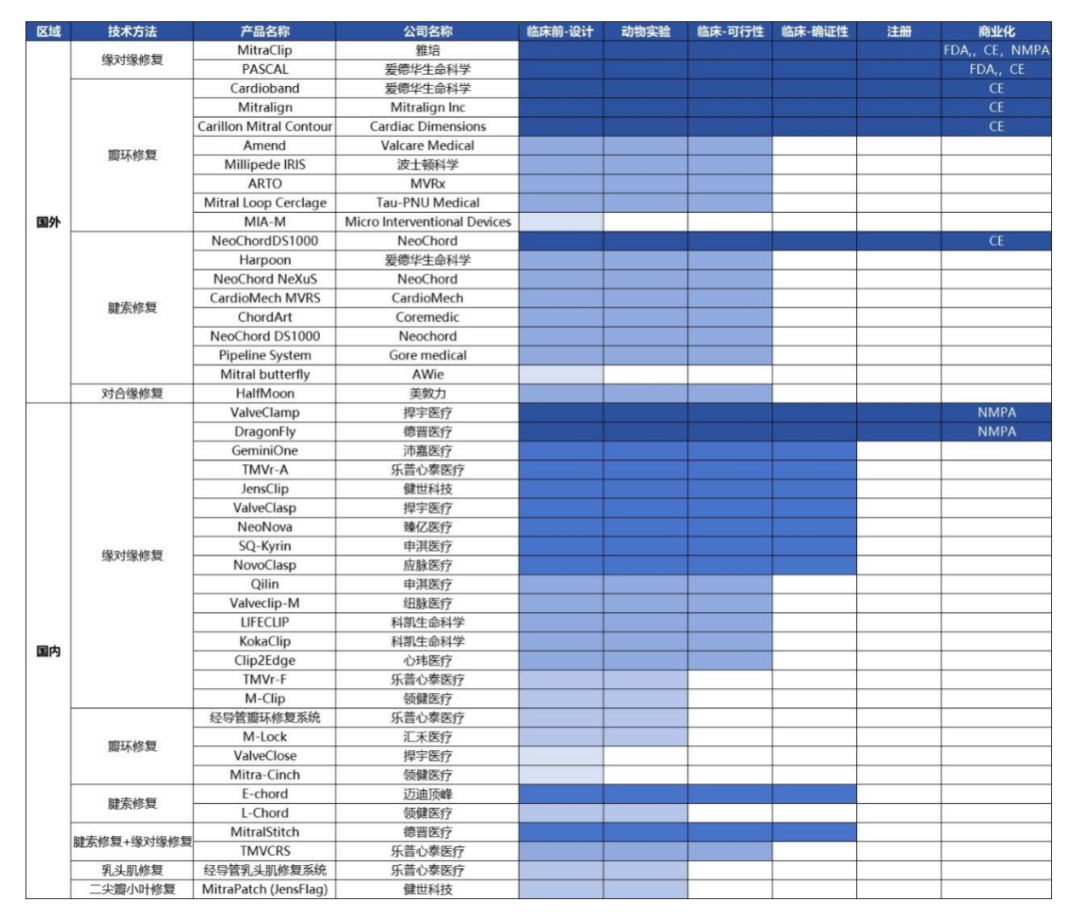 Global Progress of Mitral Valve Interventional Repair Product PipelinesAlthough the mitral valve interventional treatment market is currently dominated by repair, in the long term,Replacement interventional products will also have good development prospects., and it is expected to be on par with the proportion of the repair market in a few years.However, as the market is still in its early stages, dozens of companies, including Medtronic and Edwards Lifesciences, have made arrangements.But at this stage, only one product from Abbott has been approved in the market.。
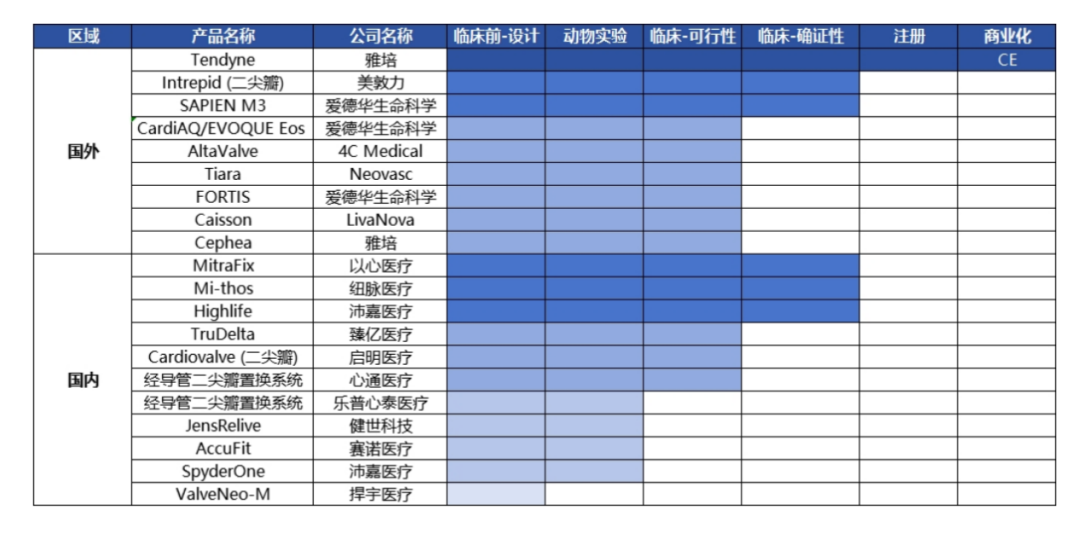 Global Progress of Mitral Valve Intervention and Replacement Product PipelinesWhether in the field of mitral valve interventional repair or interventional replacement, domestic companies have emerged in the market. For instance, in the mitral valve interventional repair sector, Affluent Medical and Depu Medical have successively received approvals, breaking the monopoly of imported products. Moreover,Due to its obvious cost-performance advantage, it is reported that "domestically produced mitral valve products may capture 30% of the market share."。”In the field of interventional replacement, Highlife by China's Peijia Medical, Mi-thos by Nuvalve Medical, and MitraFix by Innovalve Bio Medical Ltd. have entered the confirmatory clinical stage, with other companies such as Venus Medtech, Zhenyi Medical, Heartflow Medical, and Jianshi Technology also making strategic investments.Chinese companies still need to make continuous efforts in commercialization, andAs the competition landscape in the TAVR market stabilizes, it may lead to more companies "spilling over" into the mitral valve intervention treatment market.Further intensify market competition.