Source: Heart Future; Editor: Sophia
Reprint Requirements: If the source of the article is indicated at the beginning of the text, it can be reprinted directly.Recently,Zhongshan Hospital, Fudan UniversityProf. Ge Lei and Prof. Lu Hao from Academician Ge Junbo's TeamSuccessfully CompletedSpectrumedics Medical Technology (Shanghai) Co., Ltd.(Spectrumedics Medical Technology (Shanghai) Co., Ltd.) independently developedSonico-CX®Intravascular Shockwave Treatment SystemPost-marketThe First Two Applications。The success of the surgery not only fully demonstrates the capability of the domestically produced coronary intravascular shockwave treatment system in addressing complex and severely calcified lesions but also marksClinical interventional doctors in China will use domestically produced innovative devices that are safer and more efficient to protect the life and health of patients with coronary artery calcification.。March 2024,SpectrumedicsTheCoronary Intravascular Shockwave Treatment SystemOfficially approved for marketing by the National Medical Products Administration (NMPA).This is currentlyThe Only OneA coronary artery intravascular shockwave treatment product that has been independently developed in China, received an invention patent authorization, and successfully broken through the technical bottlenecks of similar foreign technologies.Spectrumedics has also become the third company after Zio Healthcare in October 2023 and Lepu Medical in January 2024.The Third Local Enterprise Approved for Marketing in the Coronary Artery Shockwave Field。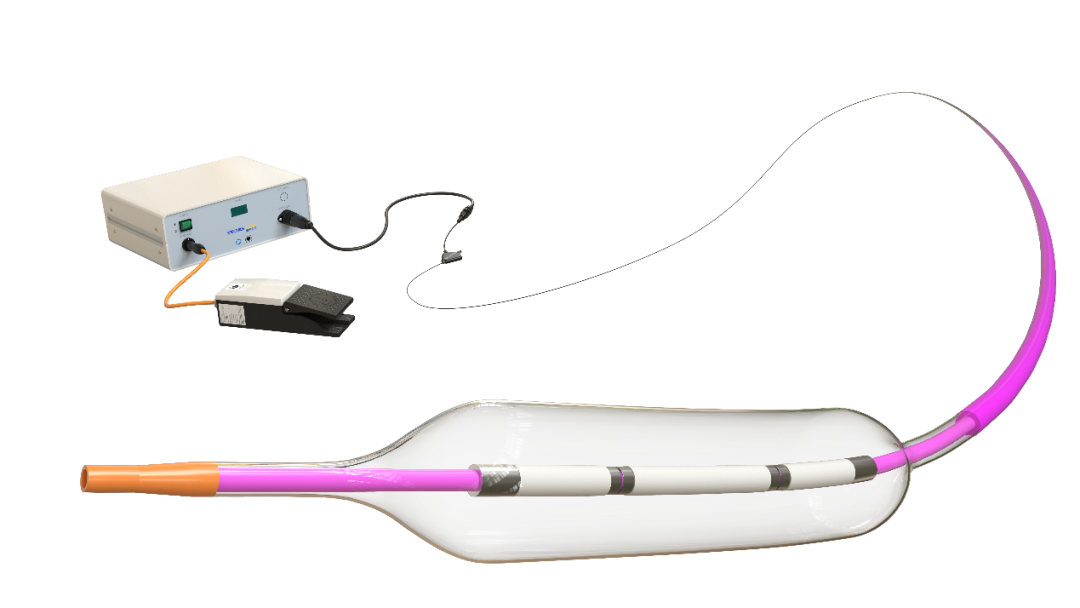 Case One:Male, 78 years old, admitted to the hospital due to "discovery of coronary artery stenosis for more than 4 years."
Brief Medical History:
Coronary artery calcification was found during a physical examination 4 years ago, but no attention was paid to it.
In April, CAG+PCI was performed: The left anterior descending artery was pre-treated with repeated balloon pre-dilation and coronary plaque rotational atherectomy (using 1.5mm and 1.75mm burrs), followed by the implantation of one stent. Follow-up angiography showed suboptimal expansion at the proximal end of the stent, with distal blood flow TIMI grade 3.
No significant past medical history.
Auxiliary Examination:No significant abnormalities were observed.
Admission Diagnosis:Coronary Atherosclerotic Heart Disease、Postoperative status of coronary artery stent implantation、NYHA Class II cardiac function
Preoperative Discussion:
After discussion by Professor Ge Lei's team, the patientThe stent in the anterior descending branch has poor expansion and may occlude at any time, leading to acute myocardial infarction.Interventional treatment should be performed as soon as possible to restore the lumen and avoid life-threatening situations.
In view of the patient's last useCoronary Artery Plaque Rotablation Shows Poor Effectiveness, and complications such as vascular dissection, perforation, rupture, and no-reflow may occur. This time, it is proposed to usePercutaneous Coronary Intravascular Lithotripsy (IVL) Balloon Angioplasty for Suboptimal Stent Expansion。
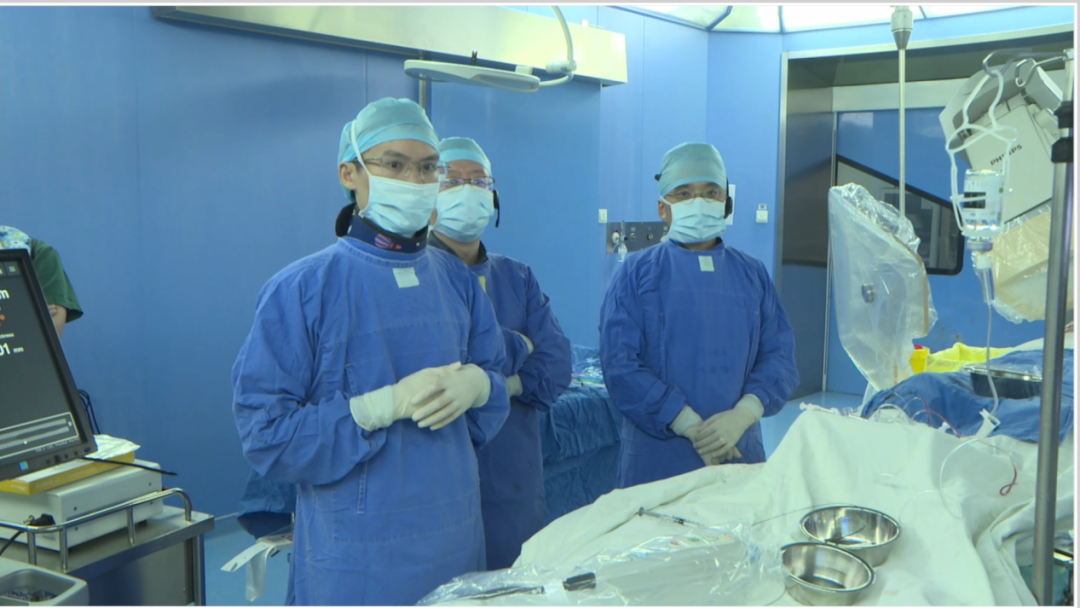
Image source: Spectrumedics
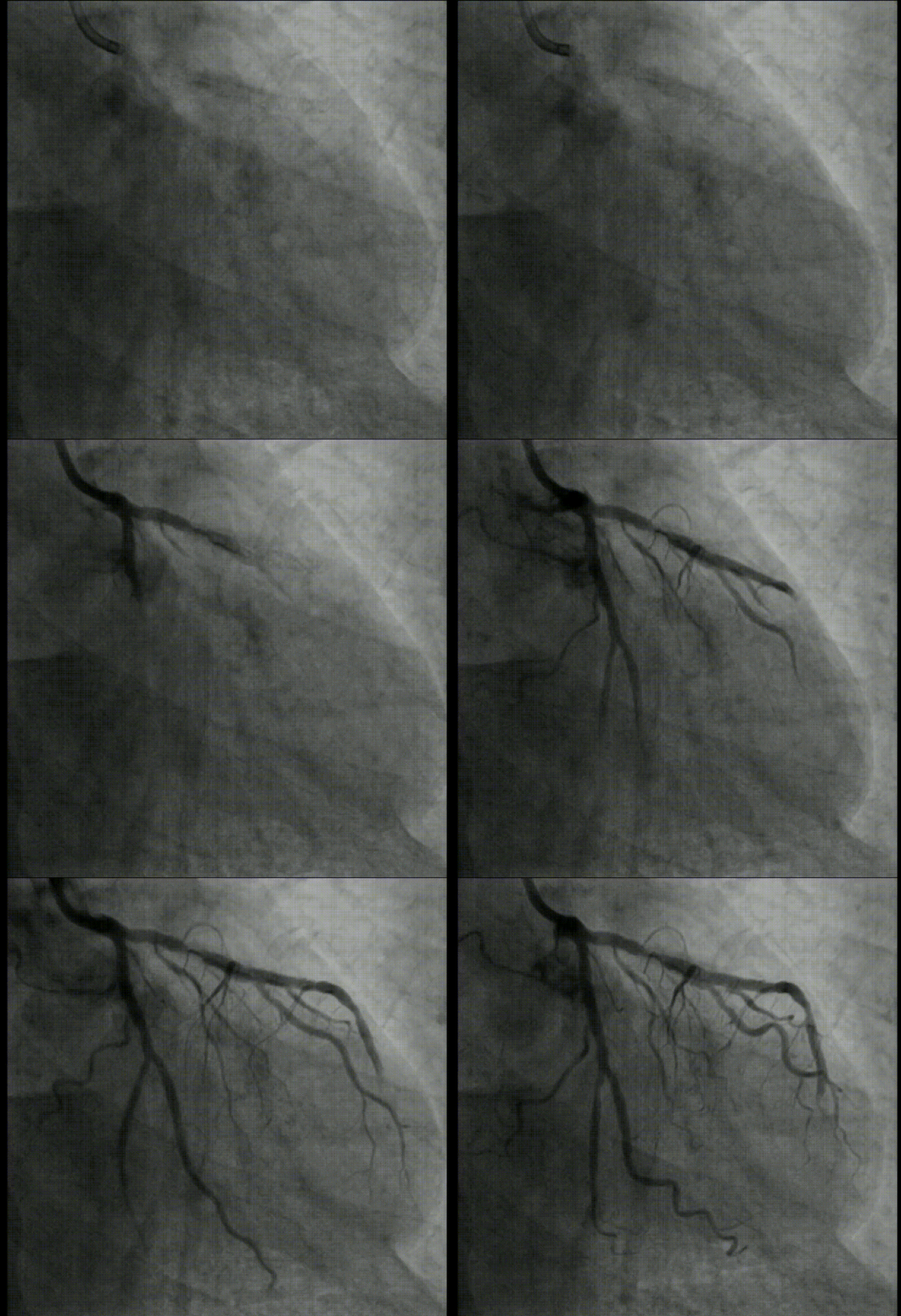
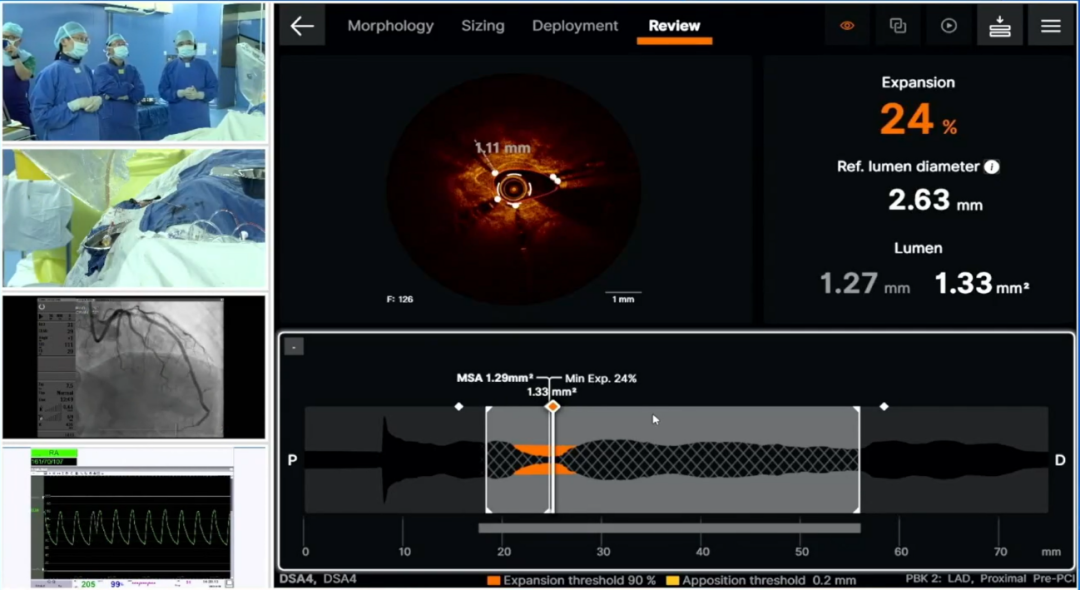
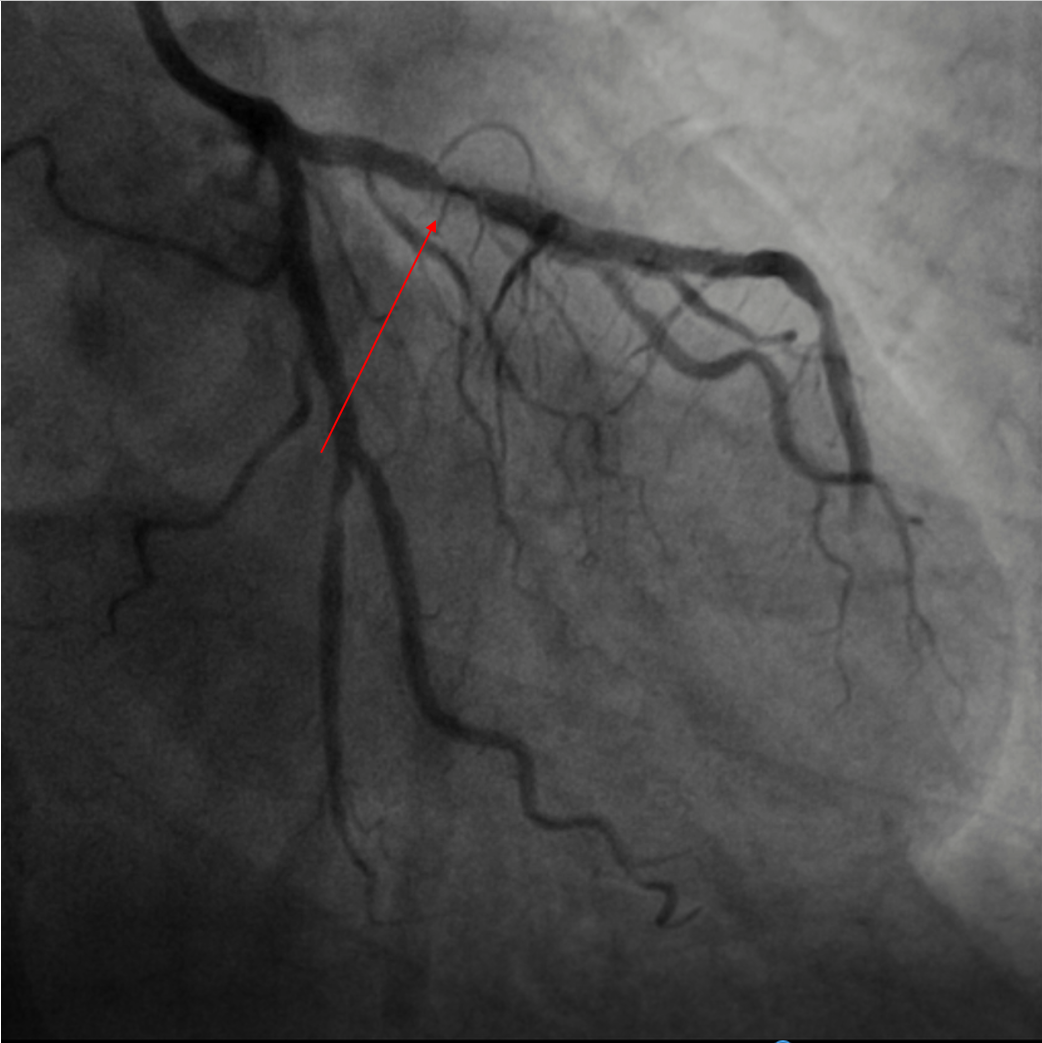
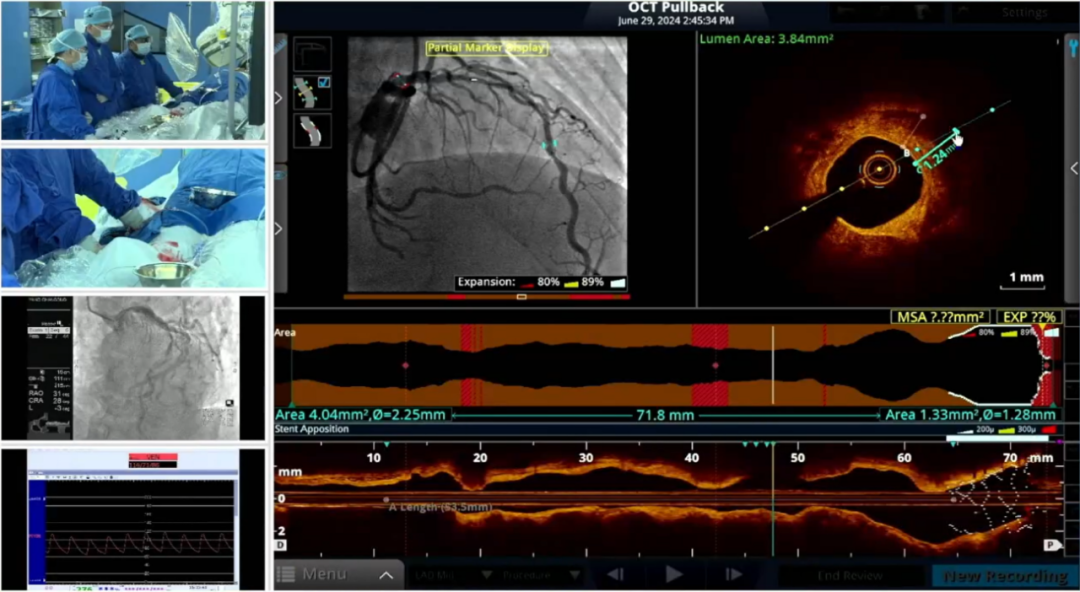
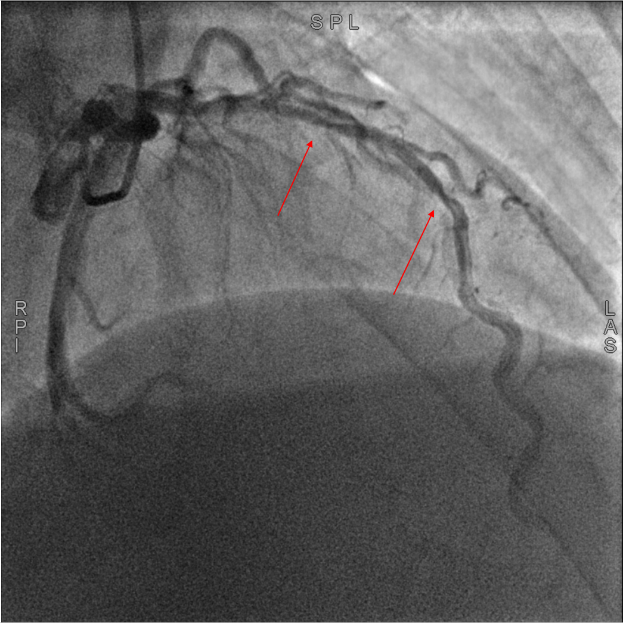
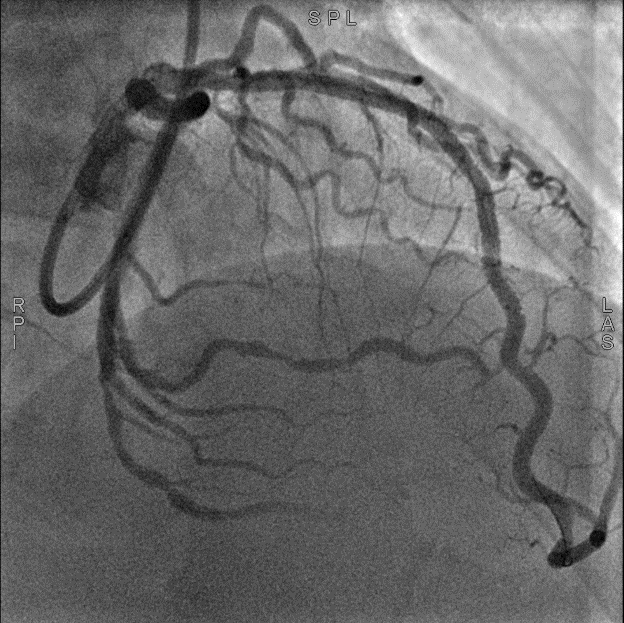
Coronary Basic Angiography:The original stent in the proximal and middle segments of the left anterior descending artery is in place, with an 80% narrowing due to a proximal tubular lesion within the stent.Figure 1 Coronary angiography imageImage source: SpectrumedicsOCT Examination (Preoperative)):Incomplete expansion at the site of in-stent restenosis with calcification outside the stent, minimal stent expansion rate 24% (Figure 2).
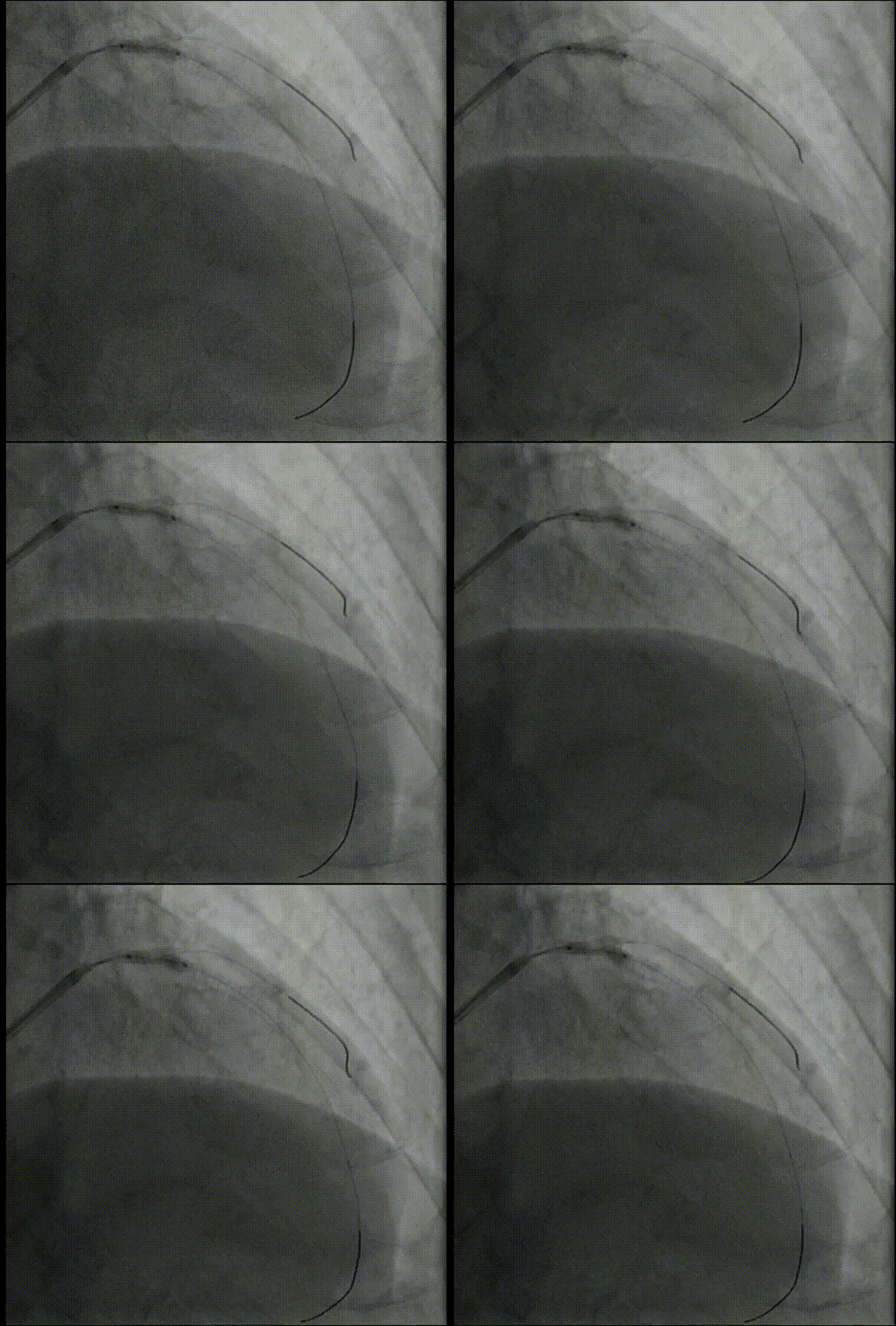
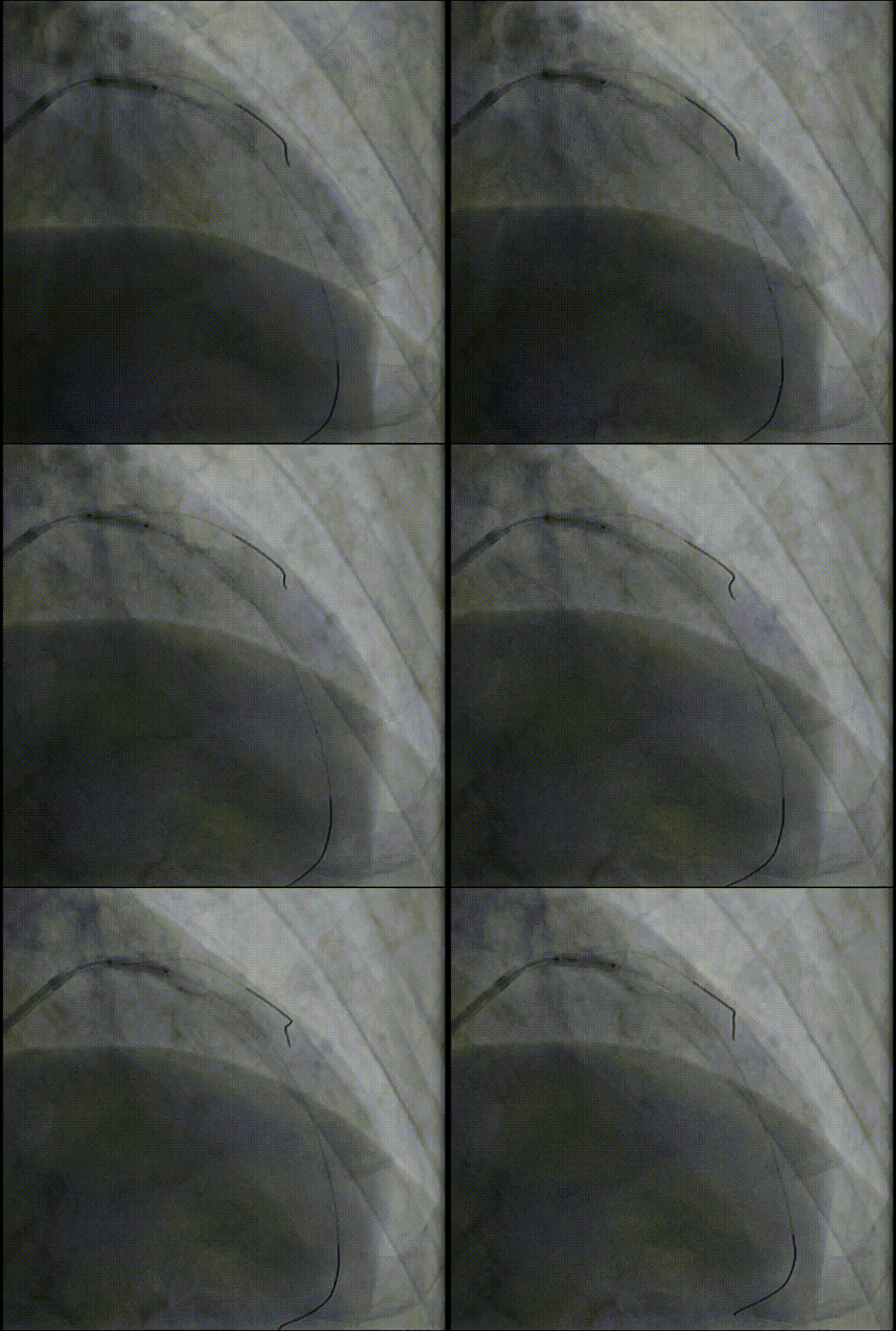
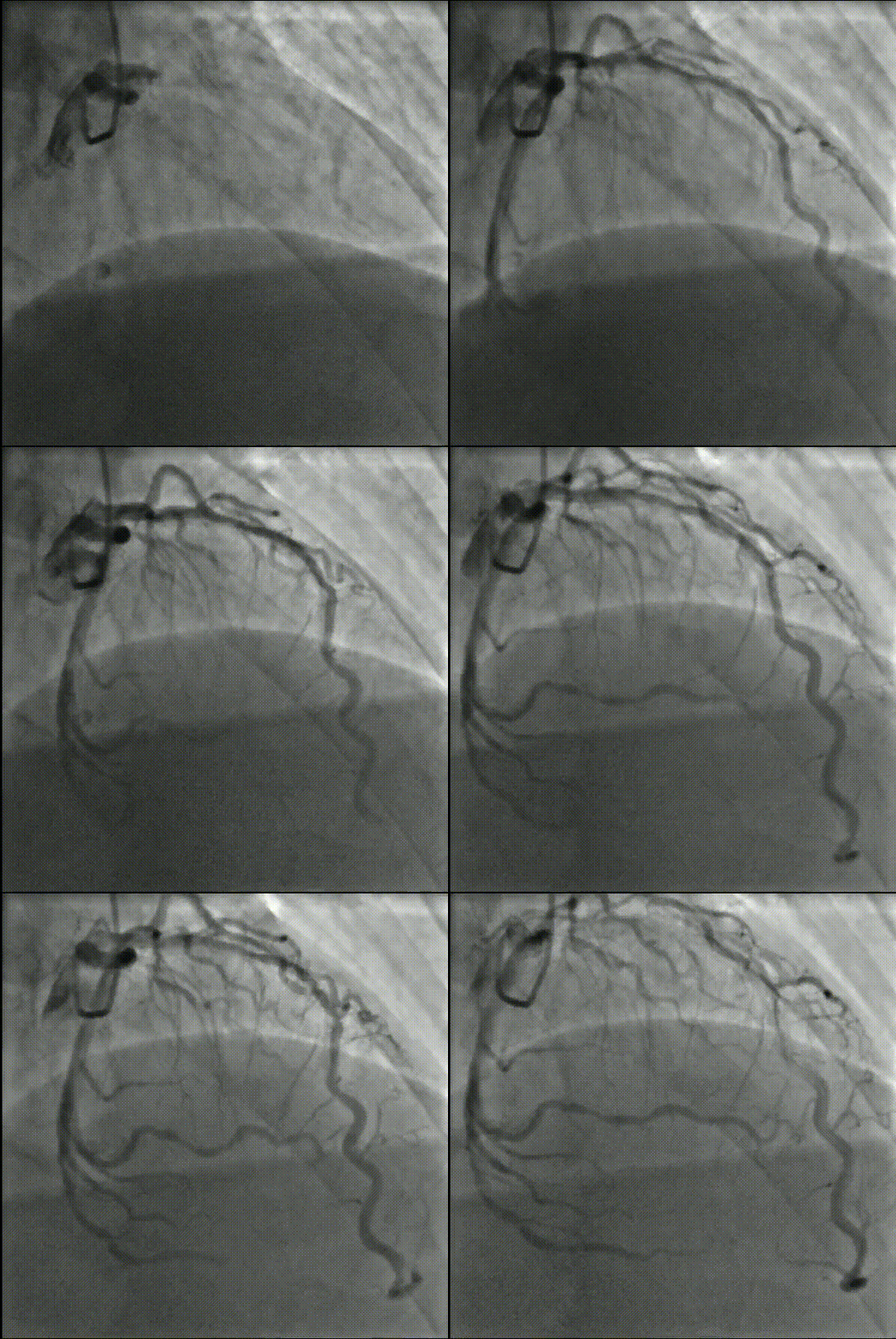
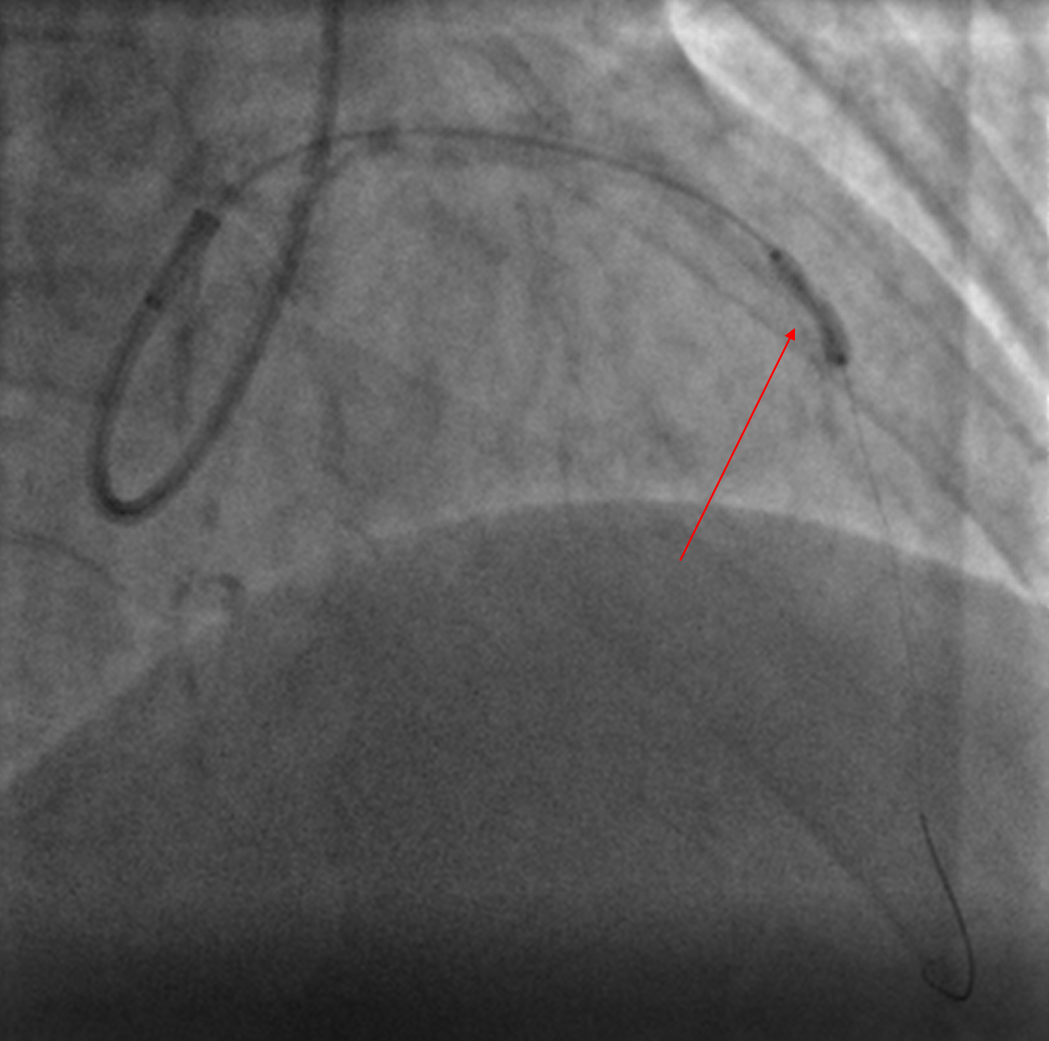
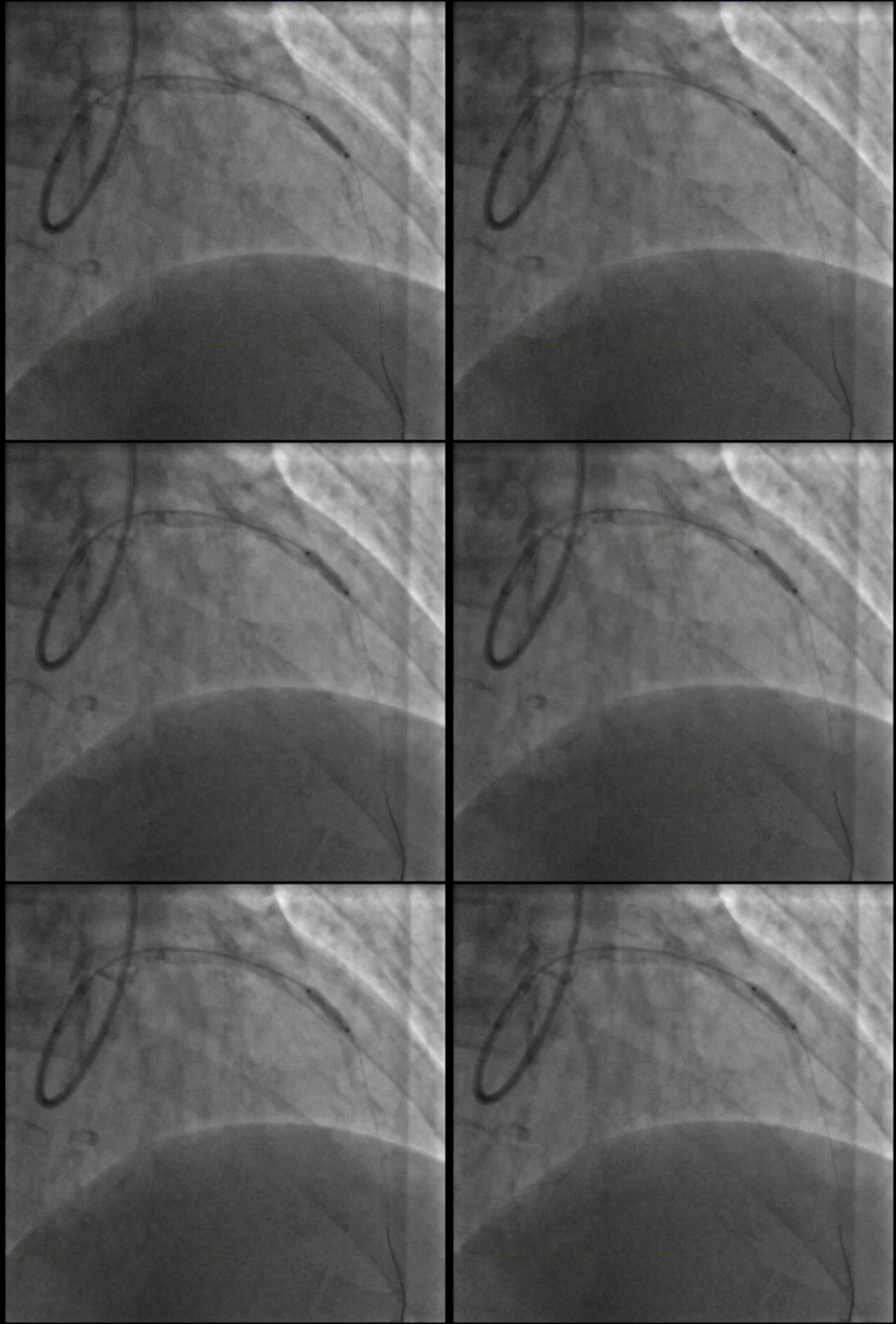
Figure 2: Pre-treatment - Stent Expansion Rate Source: SpectrumedicsA 3.0×15mm@16atm×10s high-pressure balloon was used for multiple expansions of the in-stent restenosis lesion, but the stent remained incompletely expanded (Figure 3-1).Insert 3.0×12mm Sonico-CX® Shock Wave BalloonAfter 6 rounds (10 pulses/round) of shock wave therapy, significant improvement in stent expansion was observed.(Fig. 3-1/2).Figure 3-1/2 Before/After IVL Treatment
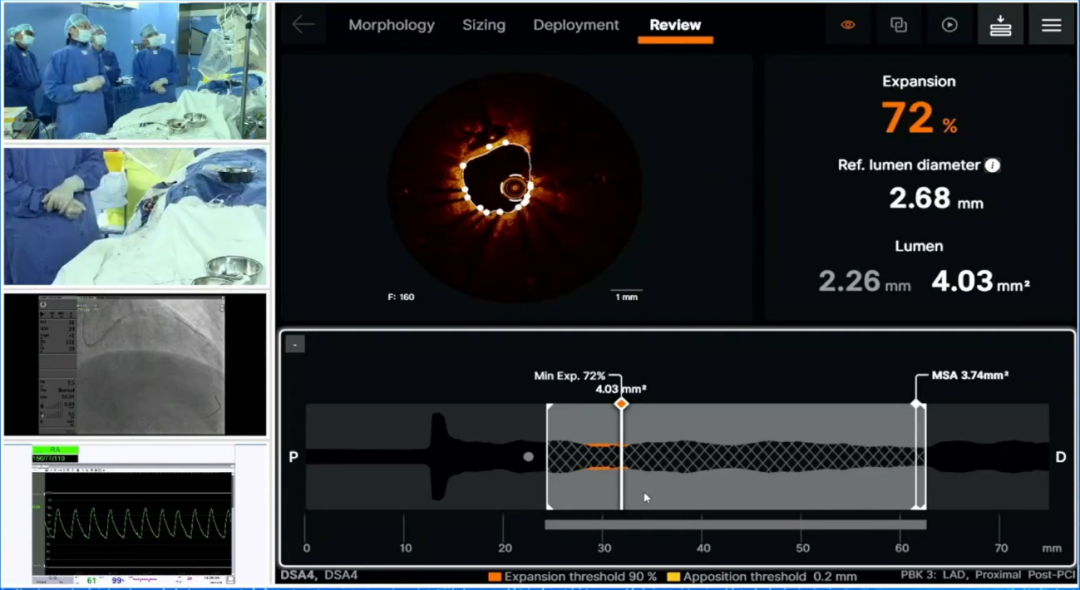
Immediate OCT Recheck (Post-IVL):Minimum stent expansion rate increased to 72%(Figure 4).
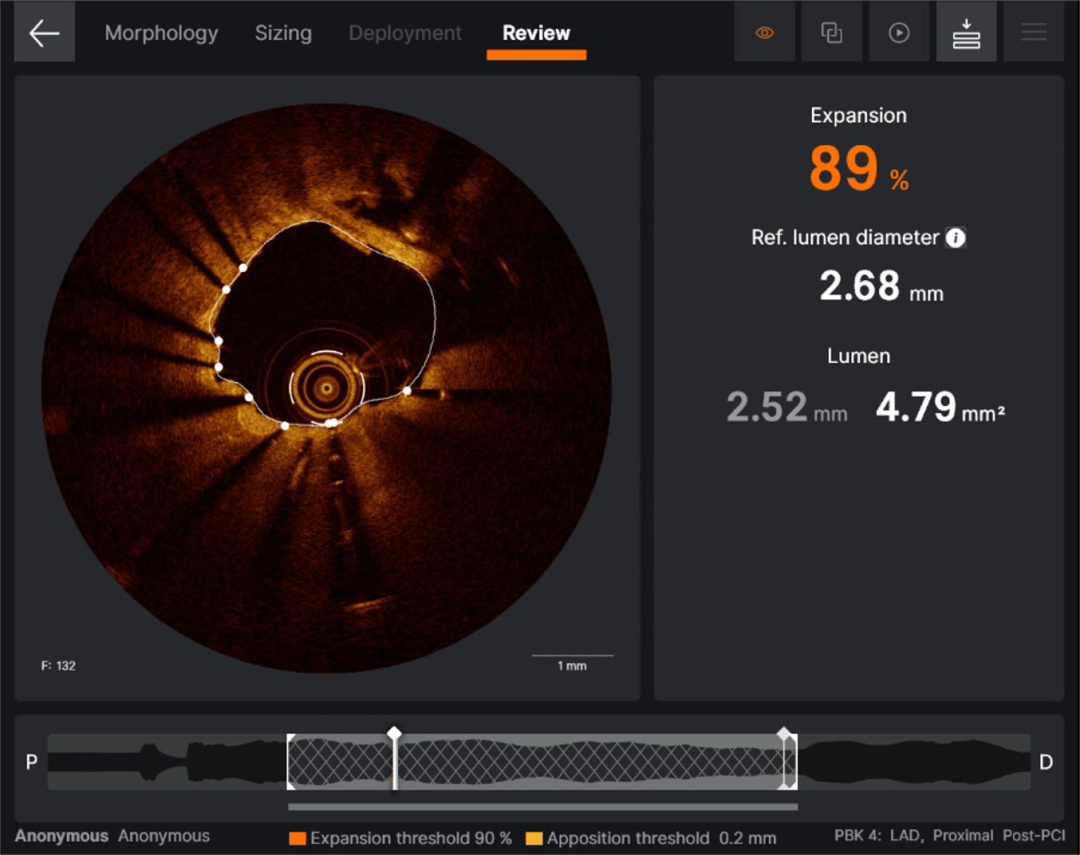
Figure 4 Immediate Post-IVL - Stent Expansion RateImage Source: SpectrumedicsAfter re-expansion of the lesion with a 3.5×15mm@16atm×10s high-pressure balloon, perform the kissing balloon technique.Review angiography:The stent was expanded satisfactorily with no residual stenosis., distal TIMI grade 3 flow (Figure 5).Figure 5 Preoperative/PostoperativeImage source: SpectrumedicsOCT Review (Postoperative): Minimum Stent Expansion Rate Increased to 89% (Figure 6).
Figure 6 Immediate Postoperative-Stent Expansion RateImage source: Spectrumedics
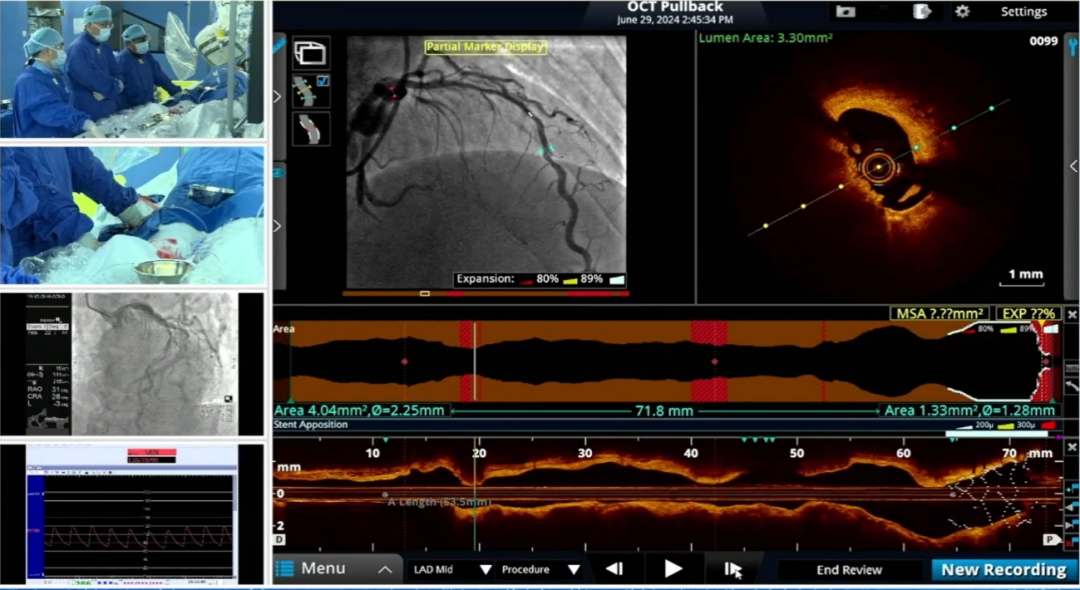
Case Two:Male, 63 years old. Admitted due to "over 5 years post-PCI."Underwent PCI surgery 5 years ago (details unknown).In October 2023, CAG+PCI was performed: The mid segment of the left anterior descending artery was insufficiently dilated with repeated balloon expansions (surgical bypass refused), followed by drug-coated balloon treatment.Recheck residual stenosis 30%, with a TIMI grade 3 antegrade blood flow.A history of hypertension for 30 years, with the highest blood pressure reaching 190/100 mmHg, and normally taking medication.Sacubitril ValsartanHypotension, blood pressure well controlled;Atrial fibrillation for 5 years, currently taking Rivaroxaban 10mg qd.Auxiliary Examination:Admission blood routine, biochemical, myocardial enzyme tests, and other examinations showed no significant abnormalities. ECG indicated: sinus bradycardia, T wave changes. Cardiac color Doppler ultrasound suggested: left atrial enlargement, ascending aorta dilation.Aortic valve calcification, apical hypertrophy, mitral valve posterior leaflet annulus calcification,LVEF66%。Admission Diagnosis:Coronary Atherosclerotic Heart DiseaseStatus post coronary artery stent implantation, cardiac function Class II (NYHA classification), hypertension Grade 3 (very high risk), paroxysmal atrial fibrillation.Professor Lu Hao's team discussed the case: the patient is an elderly male, with previous coronary angiography indicating multi-vessel disease complicated by calcification, CTO, and other complex lesions.The patient and family refused to undergo coronary artery bypass surgery.。The effect of high-pressure balloon angioplasty on the left anterior descending artery was unsatisfactory, and the long-term patency rate was less than ideal.This time, it is planned to use IVL to treat the calcified stenotic lesion in the proximal and middle segments of the anterior descending branch.。Surgical Procedure: Coronary angiography showsDiffuse lesion in the middle segment of the left anterior descending artery with 80% stenosis and severe calcification(Figure 7).Figure 7 Coronary angiography image Source: Spectrumedics
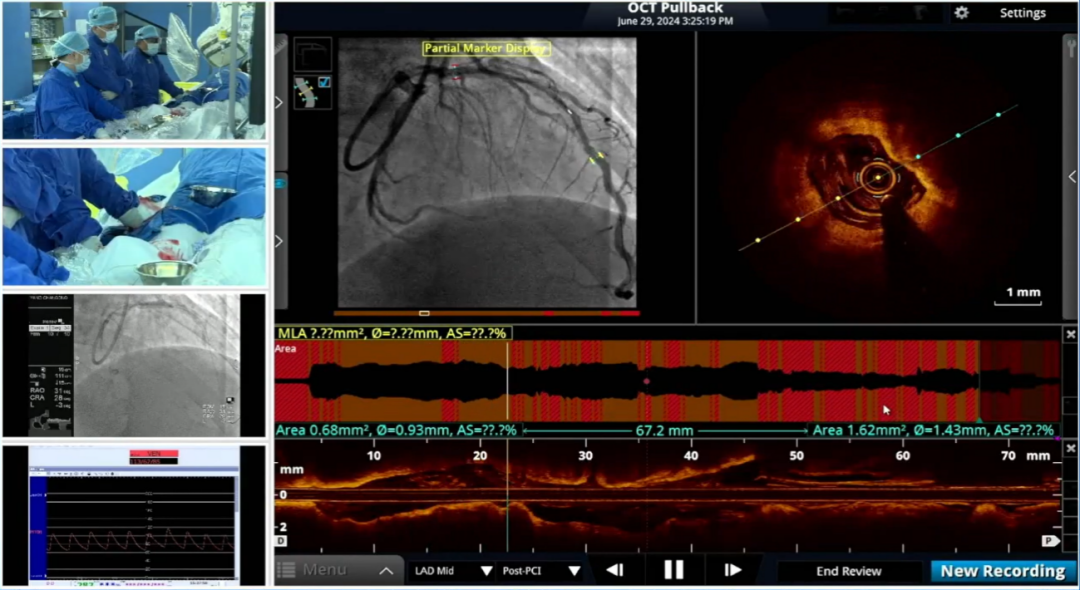
OCT Examination (Preoperative):Diffuse (long) calcified lesion in the proximal to middle segment of the left anterior descending artery, including: localized calcified nodules (the "root cause" of suboptimal balloon expansion) and severe circumferential calcification (wall thickness 1.24mm).Figure 8 Preoperative OCT Image Source: Spectrumedics
Take 3.0×12mm Sonico-CX® Shockwave Balloon, respectively, in the proximal and middle segments of the anterior descending branch: 1. Calcified nodular lesion4 rounds of shock wave therapy(Figure 9); and 2, severe annular calcification6 rounds (100 pulses in total) of shock wave therapyThe posterior balloon can be fully expanded (Figure 10).Figure 9 Calcified Nodules: Before/After IVL Treatment Source: Spectrumedics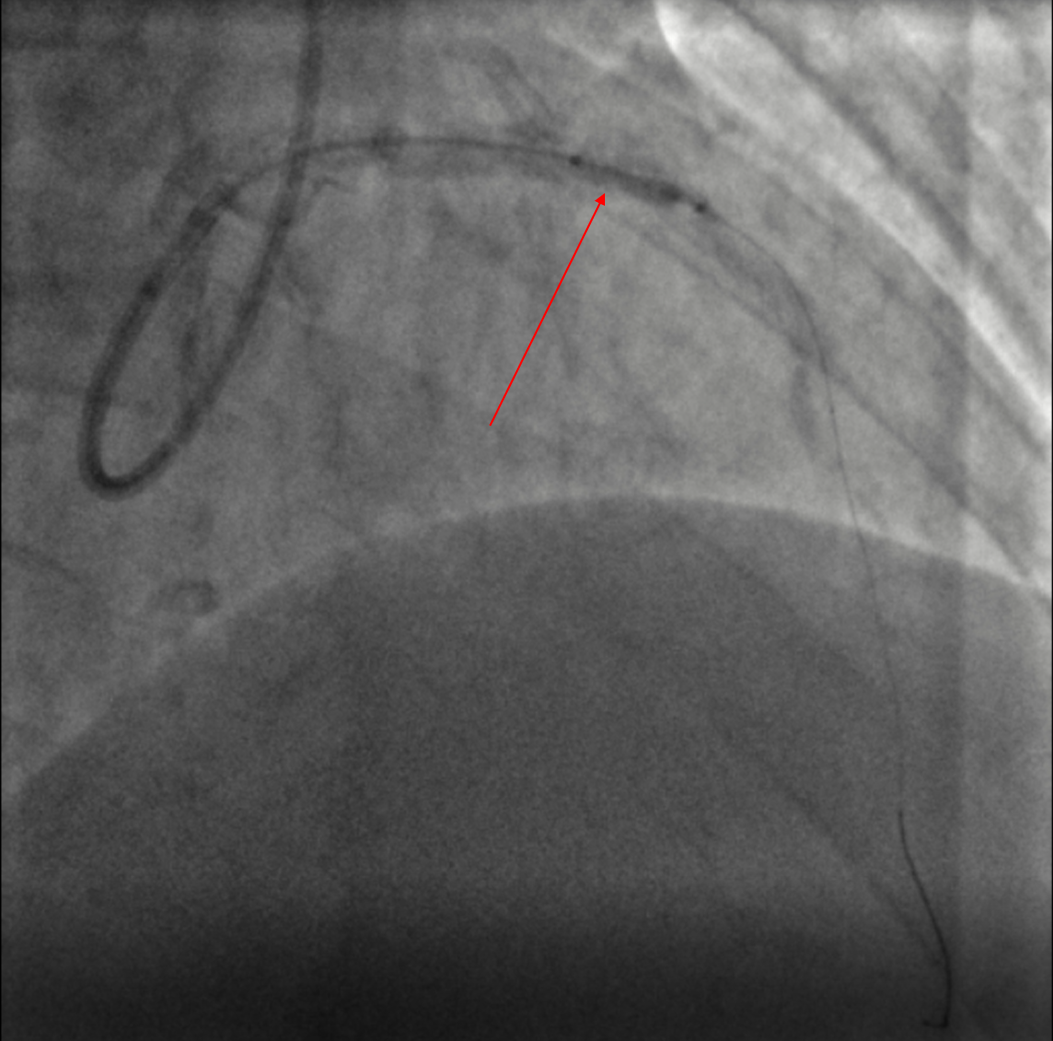
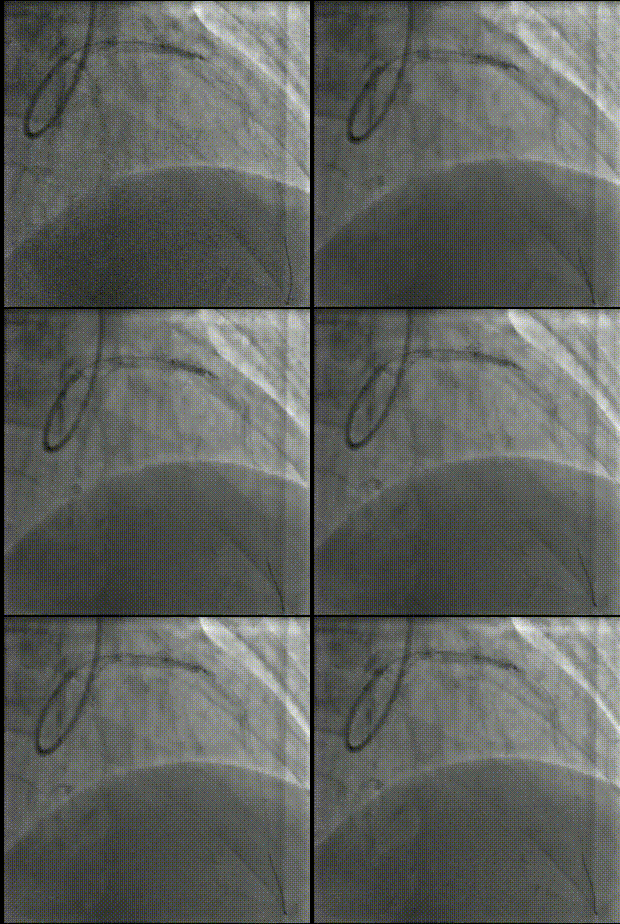
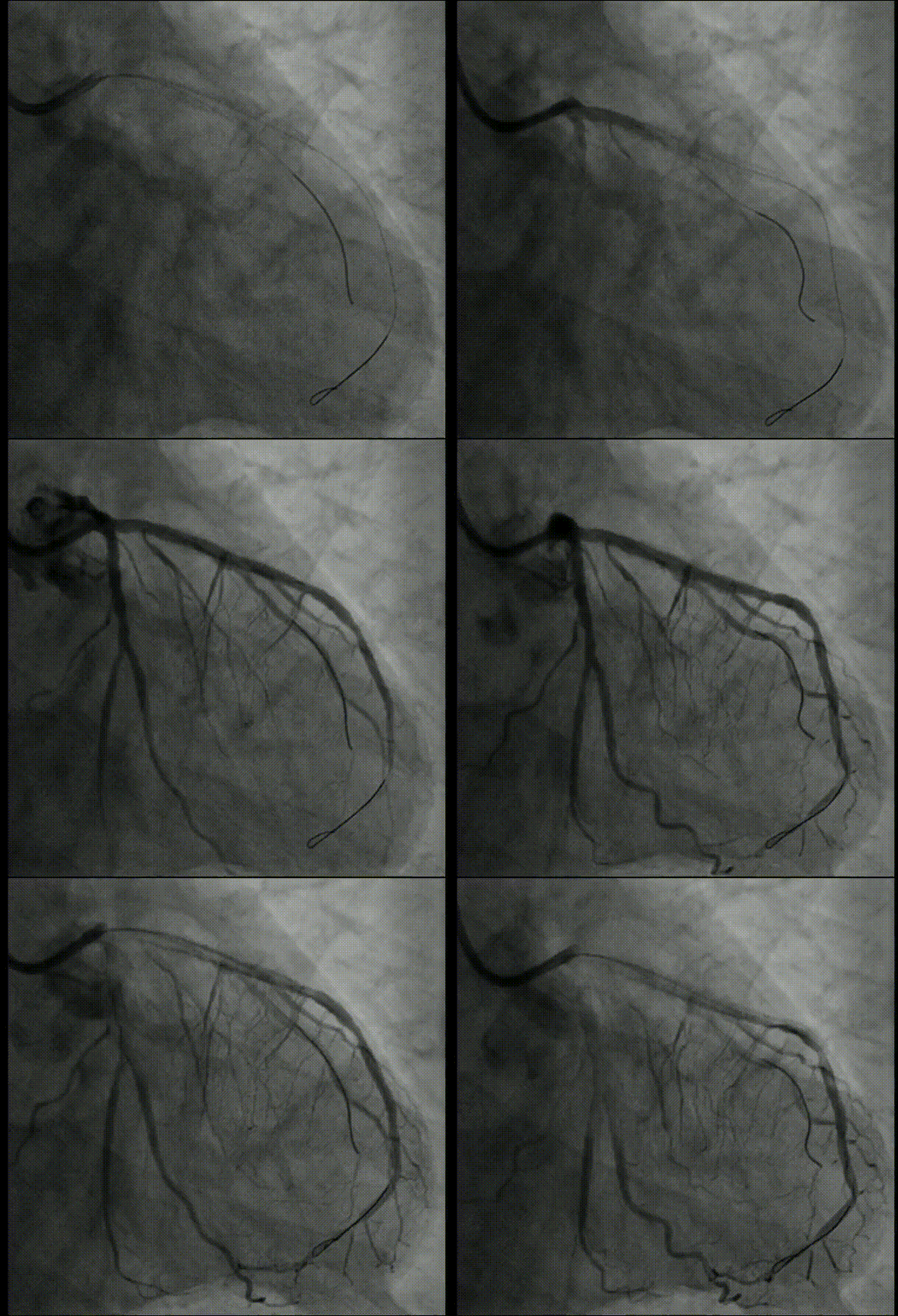
Figure 10 Severe Circular Calcification: Before/After IVL Treatment Source: SpectrumedicsImmediate OCT re-examination (post-IVL): Significant improvement in lumen diameter (Figure 11).Figure 11 OCT Image Immediately After IVL Source: SpectrumedicsA 3.0×15mm@12atm×10s balloon was used for further dilation at the lesion site, followed by the implantation of 3.5×32mm and 3.5×38mm@10atm×10s stents. Then, a 3.5×15mm@18atm×10s balloon and a 3.75×8mm@16atm×10s balloon were used for post-dilation and shaping within the stent.Figure 12: Preoperative/PostoperativeReview angiography:The stent was expanded satisfactorily with no residual stenosis., with forward blood flow at TIMI grade 3.
# SONICO-CX® Introduction
Spectrumedics' independently developedCoronary Intravascular Shockwave Treatment SystemBySONICO-CX® Single-Use Coronary Intravascular Shock Wave Catheter(National Medical Device Registration Approval No. 20243010464) andIntravascular Lithotripsy Device(Registration Certificate for Medical Devices in China 20243010505) Composition.
The treatment device transmits shock waves through a catheterProvide pulsed driving power360° CircumferentialIntermittent Release of Shock Waves, the sound wave energy directly hits the calcified plaques within the intima and media and breaks them apart,Restore vascular compliance while avoiding damage to the vascular intima.。
SONICO-CX® Single-Use Coronary Intravascular Shockwave CatheterFeatures the highest number of pulses (120) in its class.,Smaller folded outer diameter and a more comprehensive range of specifications and models, which can more accurately match the coronary vessels, facilitating better balloon adherence to the vessel wall for improved lithotripsy effects.
Currently, clinical observations have shown that,120 pulses can meet most clinical needs.。This balloon can release 180 pulses during the animal experiment phase, and with the popularization and application of the technology,The number of pulses can also be increased according to demand later.。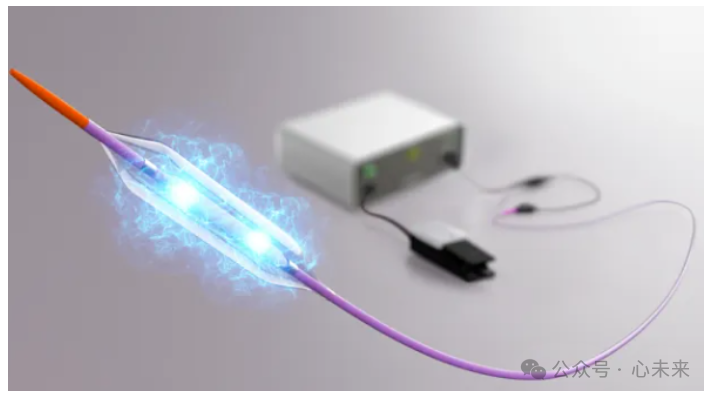
▲SONICO-CX® Single-Use Coronary Intravascular Shockwave Catheter
# AboutSpectrumedics
Spectrumedics Medical Technology (Shanghai) Co., Ltd. was established in 2019, with its headquarters located in Shanghai. It is a company focused onActive Minimally Invasive Intervention Technology for Cardiac and Pan-Vascular ApplicationsA platform-based innovative medical technology enterprise. The company has multiple patents both in China and internationally, and also5 New Products Under Development, and has been recognized as a national high-tech enterprise.The core team members of the company have professional backgrounds covering multiple disciplines such as electrical, mechanical, acoustics, bioengineering, and biomaterials. They have in-depth cooperation with well-known medical experts both in China and abroad, and also have an overseas R&D team.After the shock wave balloon product obtains marketing approval, the company will continue its innovative research and development.Expand the indications of the shock wave platform, continuously providing more effective innovative solutions for clinicians in the cardiovascular field. At the same time, promoting cost-effective locally innovated products from China to overseas markets.