Adona Medical Secures $33.5M Series C Financing to Advance Adjustable Atrial Shunt for Heart Failure Treatment

Adona Medical
Developer of Interventional Devices for Heart Failure
 ▲ Source of the article:Heart Future
▲Please indicate the above source at the beginning of the article when reprinting.
01
Currently, devices used for atrial shunt procedures are mainly divided intoTwo types:One type is with implants.Atrial Shunt, the other type is an atrial shunt without an implant.
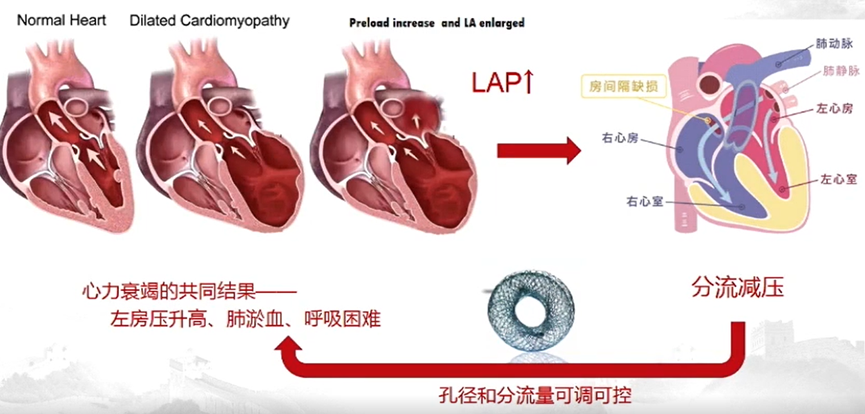
The diameters of the atrial septal openings created by the two technologies are both fixed.Cannot be adjusted based on the patient's physical condition, so both atrial shunts have shortcomings:
Adona Medical's atrial shunt, Adona, compared to traditional atrial shunts such as IASD, V-Wave Ventura Shunt, and Alleviant System,The biggest difference lies in the postoperative flow adjustability.,Allow doctors to adjust the opening size of the Adona atrial shunt based on monitored changes in left and right atrial pressure.Thereby achieving personalized treatment for heart failure patients, rather than the traditional "one-size-fits-all" approach of conventional shunts, ultimately avoiding various complications caused by shunts that are too large or too small.
02
Neuspera's ultra-micro system is implanted on the peripheral nerves outside the brain and spinal cord.By emitting electrical pulses to intercept pain signals traveling along nerves, thereby alleviating human pain sensation.
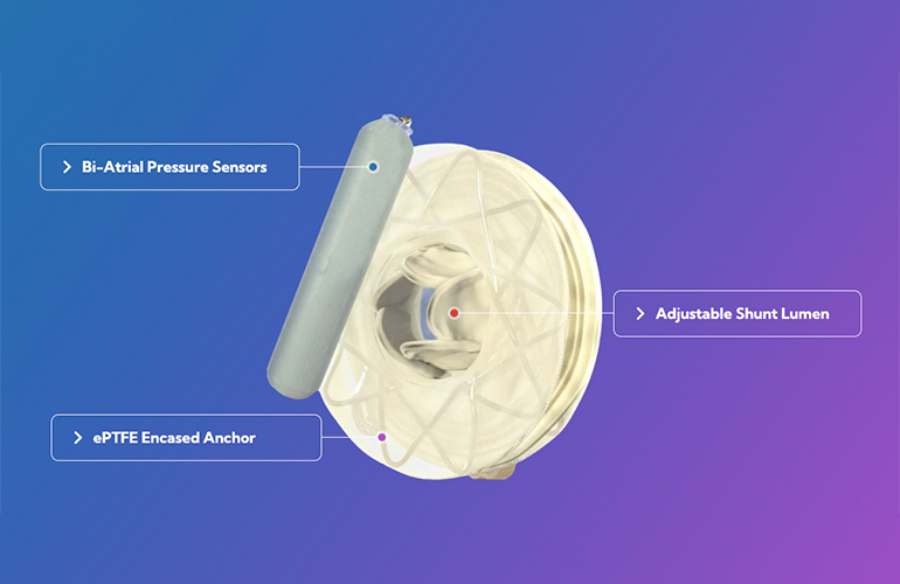
Biventricular Pressure Sensor:
Adjustable shunt lumen:
The channel size after implantation is adjusted as needed.(Enlarge or shrink);
The channel can be adjusted to a normal size of 5-10mm;
The channel can be temporarily expanded to more than 14mm, facilitating the performance of interventional procedures from the femoral vein to the left heart (such as atrial fibrillation ablation, TMMR, etc.);
Packaged Anchor Bolt:Using biocompatible ePTFEMaterials Accelerate Healthy Tissue Response.
Principle of Adjustable Flow
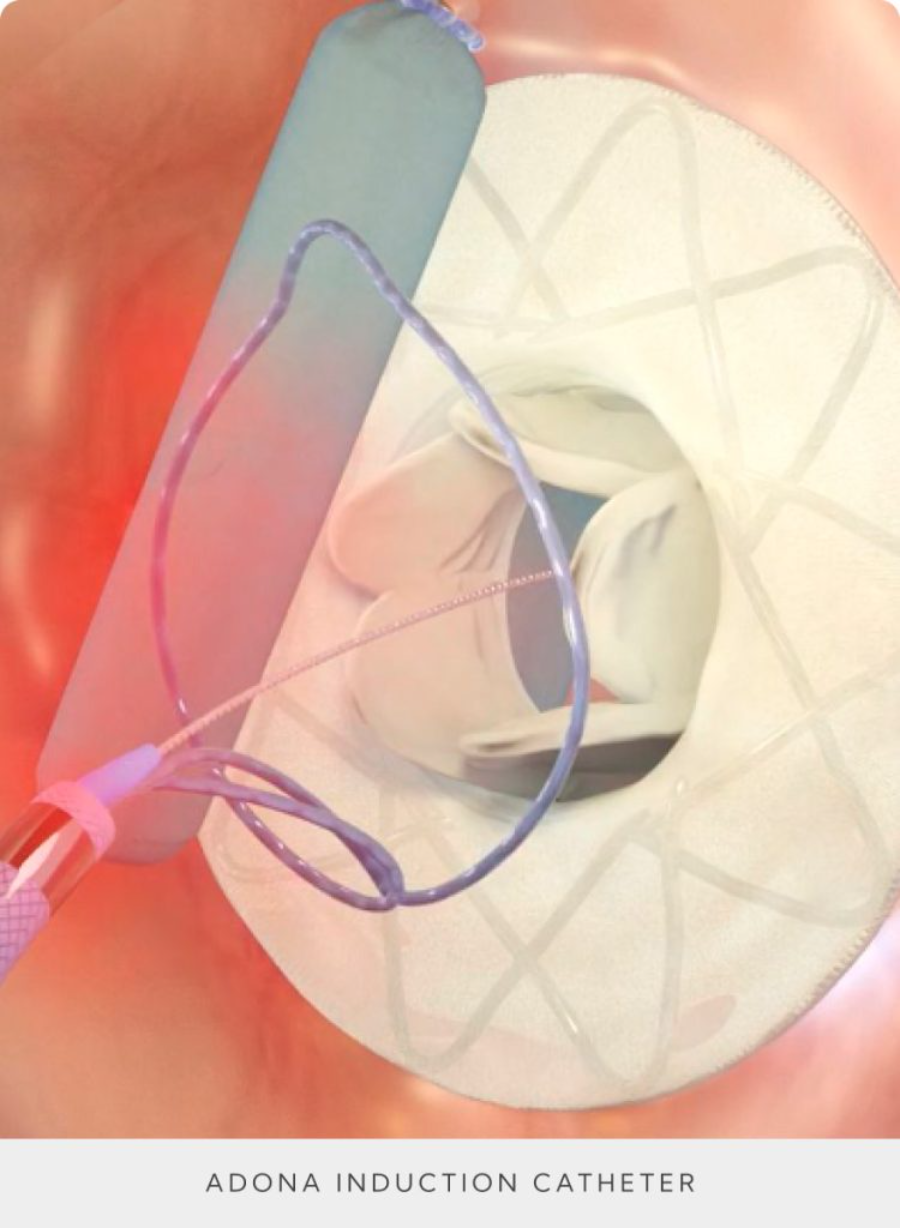
Adona's internal stent adoptsPreparation of Nickel-Titanium Alloy, Nickel-titanium alloy is aShape memory alloys, which can adjust their shape at different temperatures.
Utilizing the shape memory characteristics of nickel-titanium alloy,When a larger channel is needed, it can be used.Balloon CatheterExpand,It even allows interventional catheters to enter the left heart from the right heart for ablation or other treatments.
When the directional flow is too large,When narrowing the channel is required, the innovative catheter Adona Magnetic Catheter developed by Adona Medical can be utilized.This electromagnetic catheter can non-contact heat a portion of the implant in less than five seconds.And NitinolSuperelasticityMaking the heart valveSuch medical devices can be compressed in the catheter and return to their original shape after delivery.
03
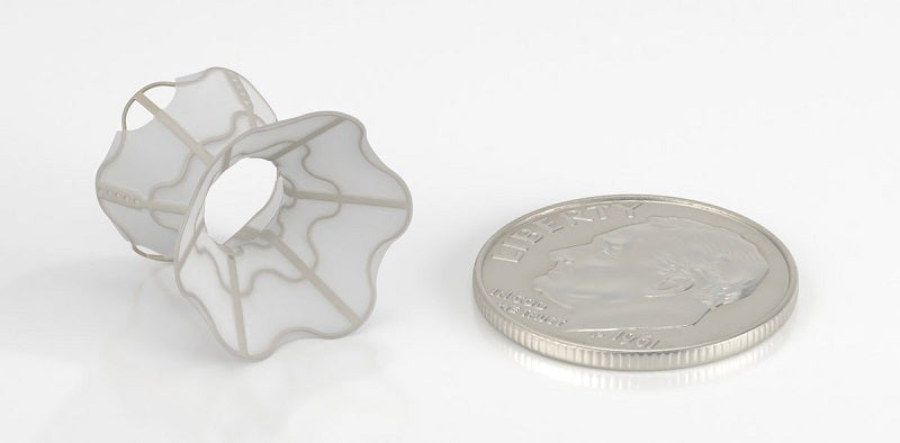
The World's FirstUsed for treatmentHeart Failure with Preserved Ejection Fraction (The atrial septal shunt device for HFpEF patients is made of nickel.Composed of titanium memory alloy cutting stents, with left and right atrial discs forming an internal buckle structure.
ObtainCE Certification, FDA ApprovalItsBreakthrough Medical DeviceTitle.
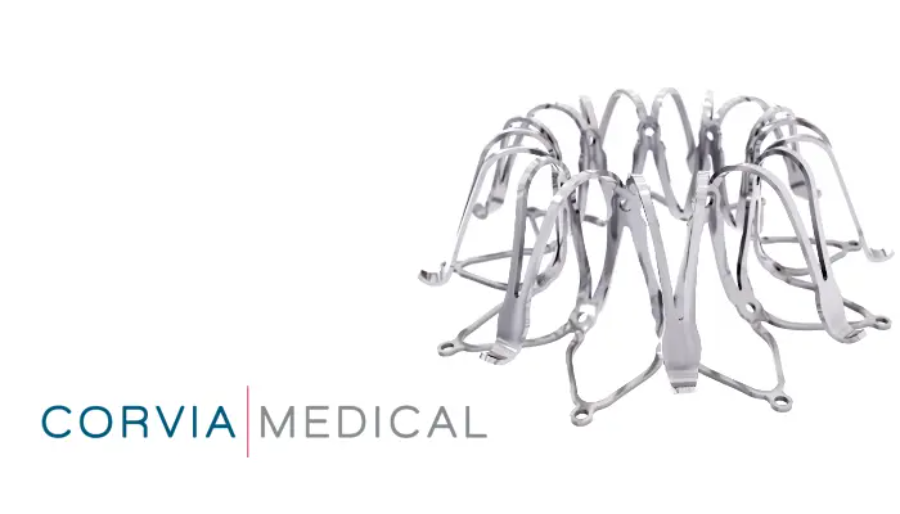
2. The Second Generation VenturaAtrial Shunt Device——IsraelV-Wave Company
Composed of a sandglass-shaped nitinol frame, with a polytetrafluoroethylene polymer coating on the left side and three bovine pericardial leaflets on the right.To prevent embolism and early shunt closure, which can be implanted via the femoral vein approach under transesophageal echocardiography guidance. Clinical testing began in a broader heart failure population in 2023.
Obtain ObtainCE Certification, FDA ApprovalItsBreakthrough Medical DeviceTitle.
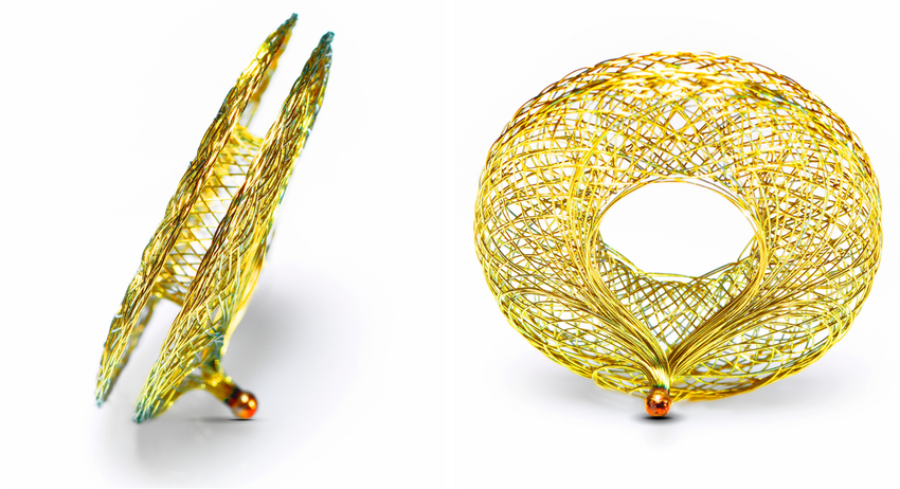
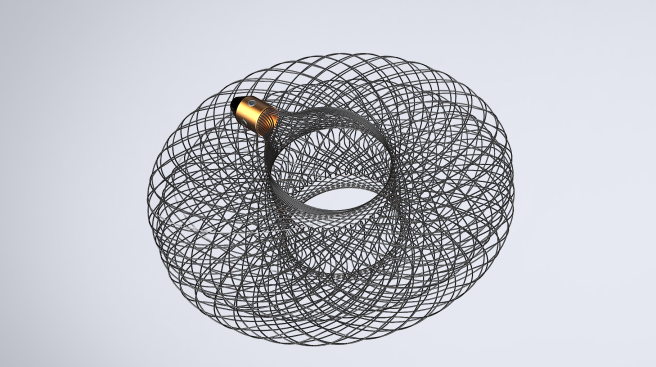
3.AFR Atrial Shunt Device —— GermanyOcclutech Company
A nickel-titanium alloy mesh device consisting of two flat discs and a connecting neck with a central window.Blood from the heart can flow from the left side to the right side through its central shunt hole., to reduce the burden on the left atrium.
After the AFR is implanted in the human body, it will remainFixed-Diameter Atrial ShuntAt the same time, to meet the atrial shunting needs of different patients, the AFR offers four different fenestration diameters.
ObtainCE Certification, FDA ApprovalItsBreakthrough Medical DeviceTitle.
04

Financing History:
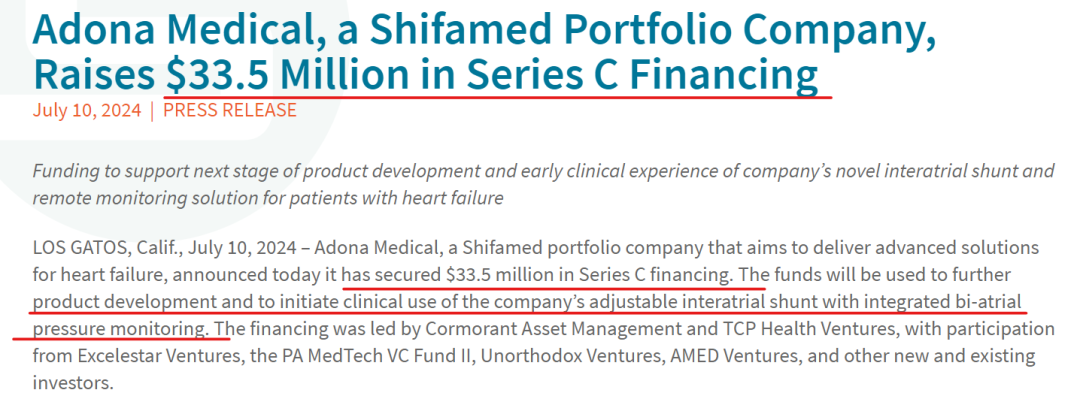
In December 2019, Adona Medical announced the completion of its seed financing round.Total Amount Raised: $2.5 Million. This round of financing, raised solely by angel investors recognized by Shifamed, will be used to advance product development and expand the company's intellectual property portfolio.
In addition, Shifamed announced the appointment of seasoned medical device executive Brian Fahey as the CEO of Adona Medical.
In September 2020, Adona MedicalCompleted a $22 million Series A financing round, which will be used to advance product development, support preclinical testing, and expand the team size as the company further advances its next-generation heart failure management platform.
This financing was led by Cormorant Asset Management, with participation from Excelestar Ventures, AMED Ventures, and select angel investors, including previous ones that were converted.Preferred StockDebt Investment.
In May 2022, the companySecured $37.5 Million in Series B Financing, which will be used to complete product development and support further evaluation of the company's next-generation heart failure management platform.
The financing was led by Cormorant Asset Management and The Capital Partnership (TCP), with participation from Excelestar Ventures, AMED Ventures, PA MedTech VC Fund, and Shifamed angel investors.
Note:The above content is for reference only and does not constitute investment advice. Due to the manual collection of information, there may be some discrepancies. If there are any issues, please contact us in a timely manner. Thank you for your corrections. Content sourced from publicly available online materials.