

Abbott's HeartMate 3 LVAD Receives NMPA Approval as the Only Device Globally with FDA, CE, and NMPA Certifications

Abbott
Diagnostic and pharmaceutical product manufacturers

Source:Medtech Dive
On July 25, Abbott's HeartMate 3 Implantable Left Ventricular Assist System (hereinafter referred to as HeartMate 3) received approval from the National Medical Products Administration (NMPA). As the world's first approved "artificial heart" utilizing full magnetic levitation flow technology,HeartMate 3 is currently the only left ventricular assist system to have simultaneously received NMPA, EU CE, and FDA certifications.
It is reported that HeartMate 3 was approved by the U.S. FDA to enter the market in 2017. HeartMate 3 has the largest 5-year clinical trial data to date, showing that it can extend the survival period of patients with advanced heart failure by about 5 years (median survival time exceeds 5 years), bringing significant survival benefits to patients.
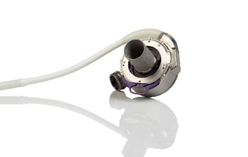
Heartmate 3 Magnetic Levitation Centrifugal Ventricular Assist Device
Heartmate 3 uses magnetic levitation technology, which is slightly larger in size compared to the second-generation VAD. The levitation technology reduces the use of bearings, extending the service life of the blood pump.
Abbott stated that the incidence of pump thrombosis and stroke with HeartMate 3 was significantly reduced after implantation. So far, it has been implanted in more than 30,000 patients worldwide and has become the dominant player in the global artificial heart market just a few years after its launch.
The 2022 Annual Report of the Interagency Registry for Mechanically Assisted Circulatory Support (INTERMACS) by the American Association for Thoracic Surgery (STS) shows that the fully magnetically levitated LVAD (Heartmate Ⅲ) became the dominant choice in 2021, accounting for up to 92.7%, while axial flow pumps and hydrodynamic suspension pumps have largely exited the market. The five-year survival rate of LVADs has historically surpassed 50% for the first time (51.9%). Fully magnetically levitated LVADs demonstrate significant clinical advantages. The MOMENTUM 3 clinical trial showed that, compared with axial flow pumps, fully magnetically levitated LVADs exhibit higher overall survival rates (58.4% vs. 43.7%) and significantly fewer severe complications such as stroke, bleeding, and pump thrombosis.
Data shows that currently, at least 26 million people worldwide suffer from heart failure, of which about 5% have advanced-stage disease that is unresponsive to current drug treatments. Less than half of heart failure patients are diagnosed with a five-year survival rate. Although heart transplantation is considered the gold standard treatment for biventricular end-stage heart failure, the extreme global scarcity of heart donors results in only around 5,500 heart transplants performed annually. Against this backdrop, artificial heart technology has continued to develop and achieve breakthroughs.
According to statistics,The global artificial heart market size is expected to grow from USD 1.98 billion in 2021 to USD 4.99 billion by 2028, with a compound annual growth rate (CAGR) of 15.5%.
The large-scale market and patient population have also made the research and development and clinical use of artificial hearts an inevitable trend. However, in the global artificial heart market, Abbott and Medtronic together occupy approximately 90% of the market share. Particularly, Abbott has become the first company to possess both intracorporeal and extracorporeal fully magnetically levitated artificial heart products after launching HeartMate 3 in 2018 and CentriMag in 2019.
Since Medtronic announced the cessation of HVAD sales in June 2021,The global VAD market has been largely monopolized by HeartMate 3.
The artificial heart industry in China is still in its infancy. Since 2017, four artificial heart devices (all implantable left ventricular assist systems) have been approved for marketing in China: Yongrenxin Medical (EVAHEART), Tongxin Medical (CH-VAD), Hangtian Taixin (Heartcon), and Core Medical (Corheart 6).
Chongqing Yongrenxin (EVAHeart)
Among them, EVAHEART I, the implantable left ventricular assist system under YongRenXin, received marketing approval from the National Medical Products Administration in 2019, becoming the first registered and marketed implantable ventricular assist product in China. It is also the only product in China approved for both long-term and short-term implantation. However, YongRenXin's EVAHEART does not belong to the magnetic suspension heart category but is the latest third-generation implantable left ventricular assist system that uses hydraulic suspension.
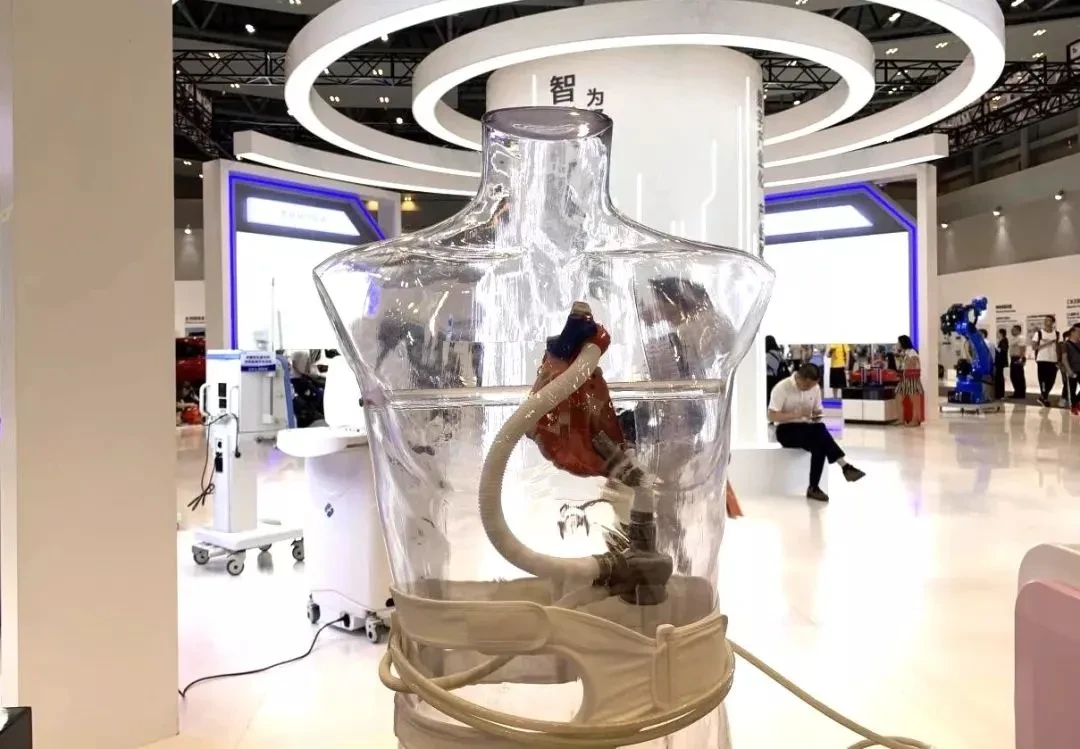 EVAHEART I
Reportedly, this innovative hydrodynamic suspension system allows the impeller system of the artificial heart to be suspended in water, isolating blood from the bearing, thereby reducing damage to blood cells and preventing strokes. The impeller speed is only 1600-1800rpm, significantly reducing blood damage. Its exclusive biomimetic MPC coating simulates vascular endothelial cells, reducing thrombosis and preventing blood clots. Most notably, EVAHEART can generate pulsatile blood flow with a pulse pressure difference of 20-30mmHg, while also reducing risks such as right heart failure and valve damage.
CH-VAD (Concentric Medical)
Concentric Medical adopts the new generation of magnetic levitation technology,CH-VAD Implantable Left Ventricular Assist System, under its umbrella, was approved for marketing by the National Medical Products Administration in November 2021, becoming China’s first officially launched fully magnetically levitated artificial heart, breaking Abbott's monopoly. Meanwhile, with the latest breakthroughs in key performance indicators such as blood compatibility, implant invasiveness, and infection prevention, CH Biomedical has gained an international reputation as a technological pioneer, continuously demonstrating its strength as a global technology and market leader.
CH-VAD is mainly composed of the implanted part and the external part. The core component, the blood pump, is a special and precise centrifugal pump that can be held in the palm of the hand.Its impeller is supported by magnetic bearings and rotates under the drive of a brushless DC motor. The external controller manages power supply, monitors and adjusts the blood pump status, and provides a user interface. The entire system integrates hardware and software, and must meet extremely high requirements for reliability, medical device safety, and electromagnetic compatibility.
Heartcon (Heartcon)
HeartCon, also known as the "Rocket Heart," was jointly developed by the China Academy of Launch Vehicle Technology and Tianjin TEDA International Cardiovascular Hospital (hereinafter referred to as TEDA Hospital).It is China's implantable left ventricular assist system with full independent intellectual property rights. HeartCon belongs to the third generation of implantable magnetic-liquid suspension ventricular assist devices. The device adopts a technical solution of magnetic-liquid dual suspension, pump-motor integration, and system dual redundancy, featuring a small volume, light weight, low hemolysis, and minimal thrombosis.
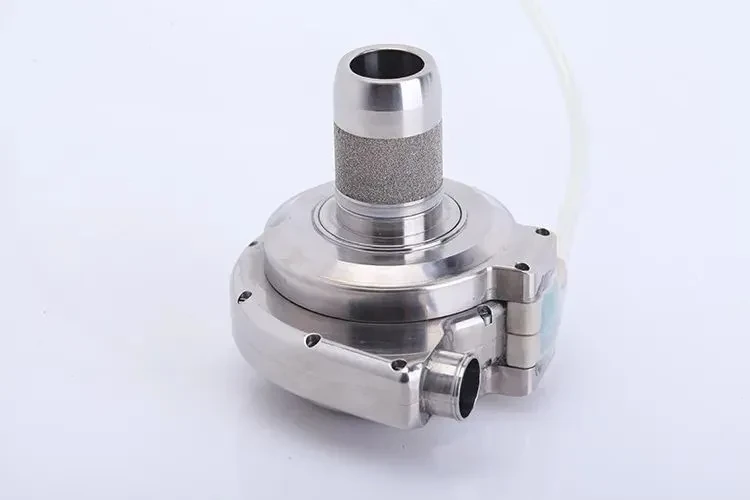
Heartcon
On July 13, 2022, HeartCon received approval from the National Medical Products Administration (NMPA) for short-term assistance, becoming the second domestically developed ventricular assist device to be approved in China.
CoreHeart 6 (Corheart 6)
Corheart 6 is an implantable left ventricular assist system independently developed by Core Medical.This domestically produced artificial heart, which has complete independent intellectual property rights, is currently the artificial heart with the most implantations in China. It is also the smallest and lightest artificial heart in the world, with a blood pump diameter of only 34 millimeters, thickness of 26 millimeters, and weight of approximately 90 grams. Compared with similar products on the market, its diameter is reduced by 40%, and its weight is decreased by 50%. The product was officially approved for marketing on June 6 this year, becoming a representative of the new generation of miniaturized fully magnetically levitated artificial hearts.
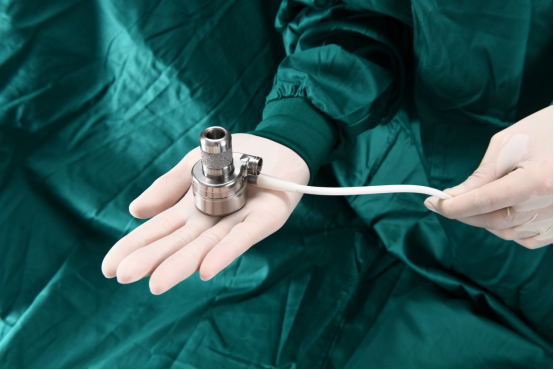
Corheart 6
It is reported that Corheart 6 adopts the third-generation non-contact magnetic suspension centrifugal pump. Its core technology is mainly disc motor technology, which uses position sensors to detect and control the rotor's speed and suspension height. The motor of this product uses only one set of stator coils to control both the rotation and suspension of the rotor, featuring a simpler structure, lighter weight, smaller size, and lower power consumption. In clinical applications, it results in a smaller surgical incision, faster patient recovery, broader suitability for patients, and reduces the risk of thrombosis caused by blood pump heat.
How will the approval of Abbott's HeartMate 3 impact the artificial heart market in China? What kind of landscape will emerge in China's artificial heart market? We will continue to monitor the situation.



Revenue of 14.6 Billion, 341 Units Installed! Da Vinci Q2 Wows Wall Street

 Smith & Nephew's New Shoulder Arthroplasty System Receives FDA Approval