Skynor Medical Showcases Peripheral Vascular Innovations at SEC 2024 and Files IPO Prospectus

Skynor Medical
Vascular Minimally Invasive Intervention Product Developer


An international academic conference jointly organized by the Vascular Surgery Research Center of Sun Yat-sen University, the Guangdong Health Management Association, the Vascular Surgery Committee of the National Cardiovascular Disease Expert Committee, and the Vascular Surgery Branch (Group) of the Medical Associations of the eleven southern provinces, and co-organized by the First Affiliated Hospital of Sun Yat-sen University and the Editorial Department of the Chinese Journal of Vascular Surgery.The 17th China Southern Vascular Conference (SEC2024)To be grandly held in the beautiful city of Guangzhou, nicknamed "Yang City," from July 18-21, 2024.

SEC 2024 not only gathers top academic achievements in the field of vascular surgery but also presents them in innovative event formats, closely aligning with clinical practice and delving into industry hotspots and cutting-edge issues. This has attracted active participation from numerous experts. The number of attendees reached a new high, demonstrating the conference's extraordinary influence and appeal in the field of vascular disease research in China and even globally.

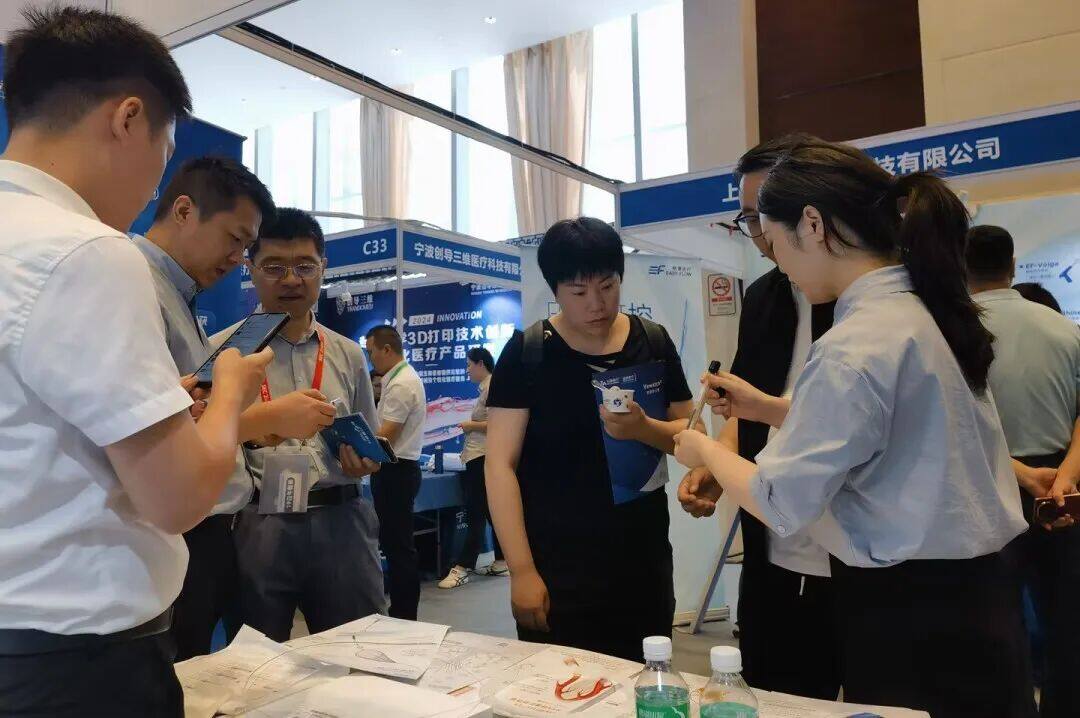
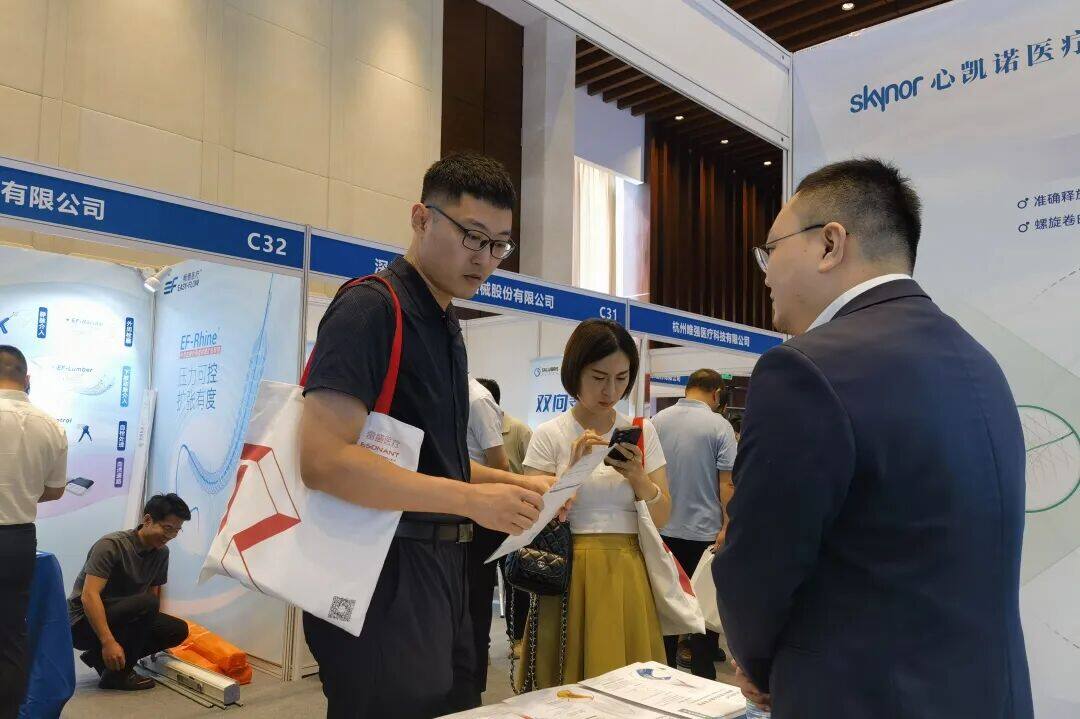
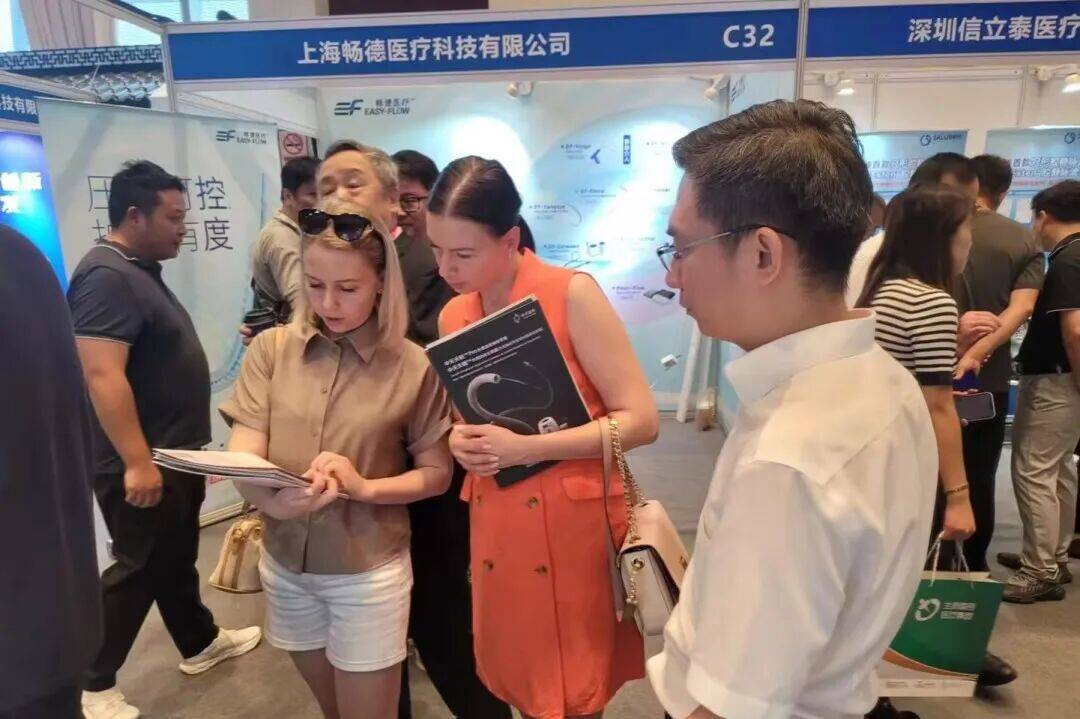
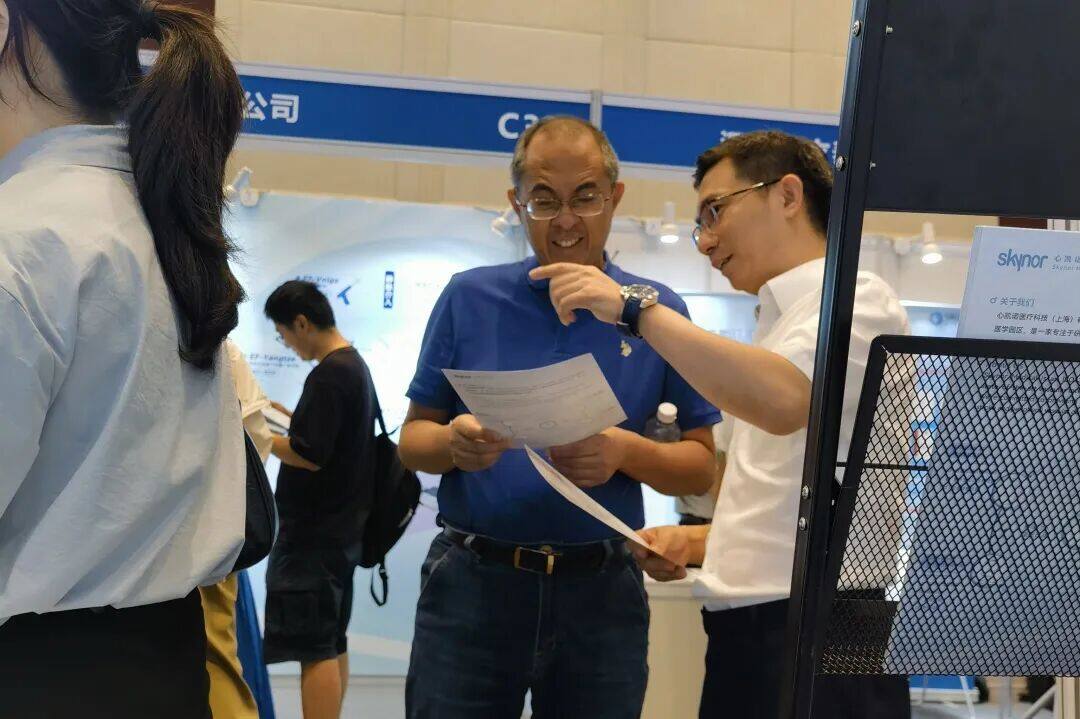
At this grand event,Skynor MedicalOnce again, it showcased its product portfolio in peripheral arteriovenous diseases, attracting the attention of experts at the conference. Seizing this opportunity, its peripheral marketing team engaged in in-depth and lively discussions with doctors, providing a detailed introduction to the core technology, unique advantages, and excellent clinical outcomes demonstrated by the products. This further enhanced the industry's impression of Skynor Medical’s products.
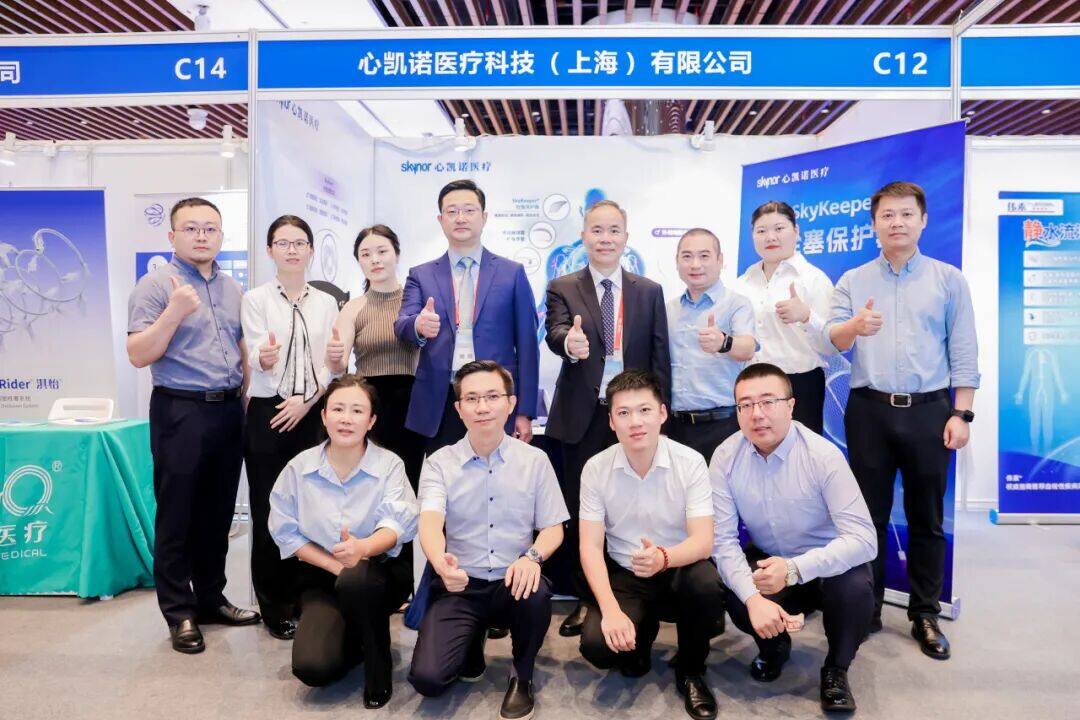
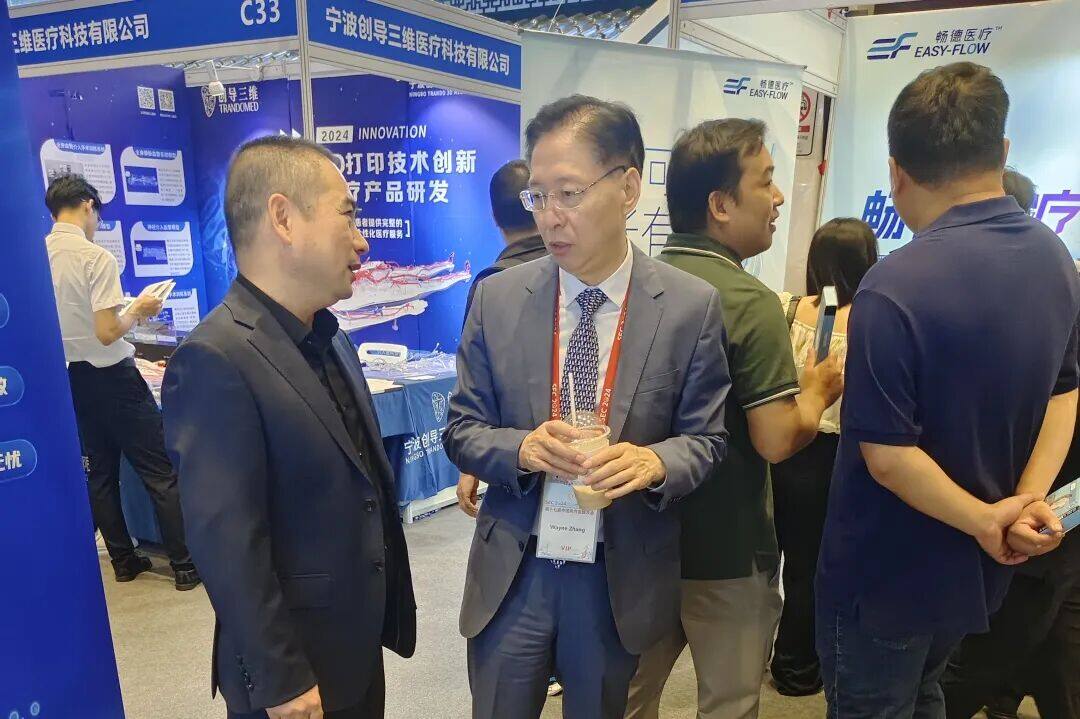
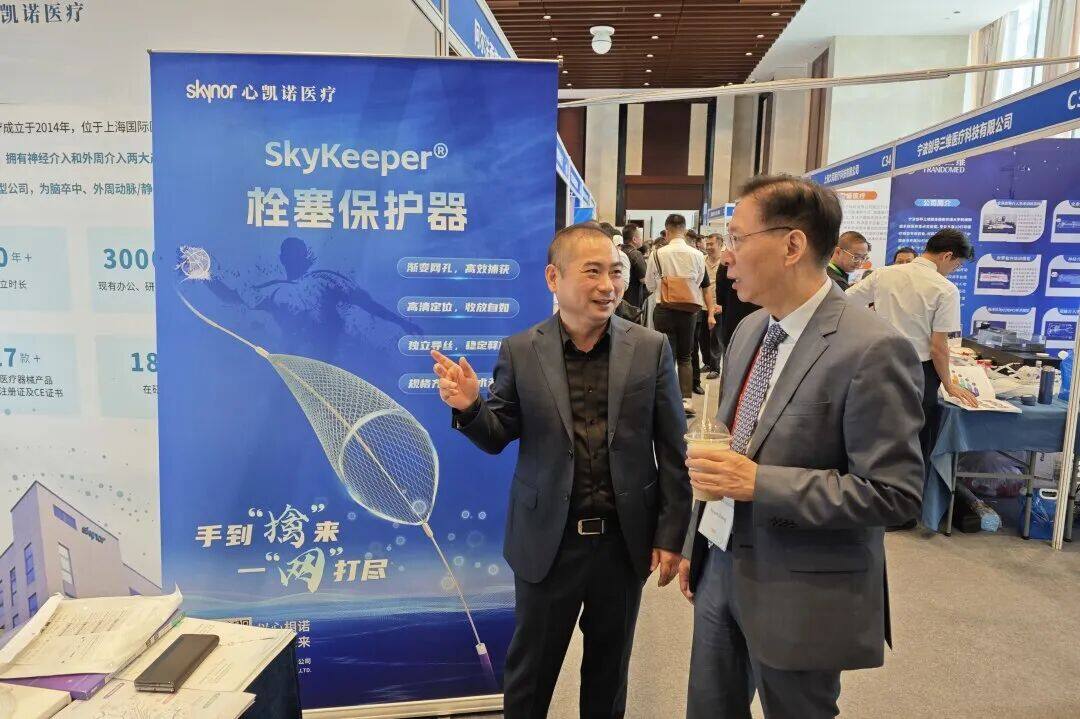
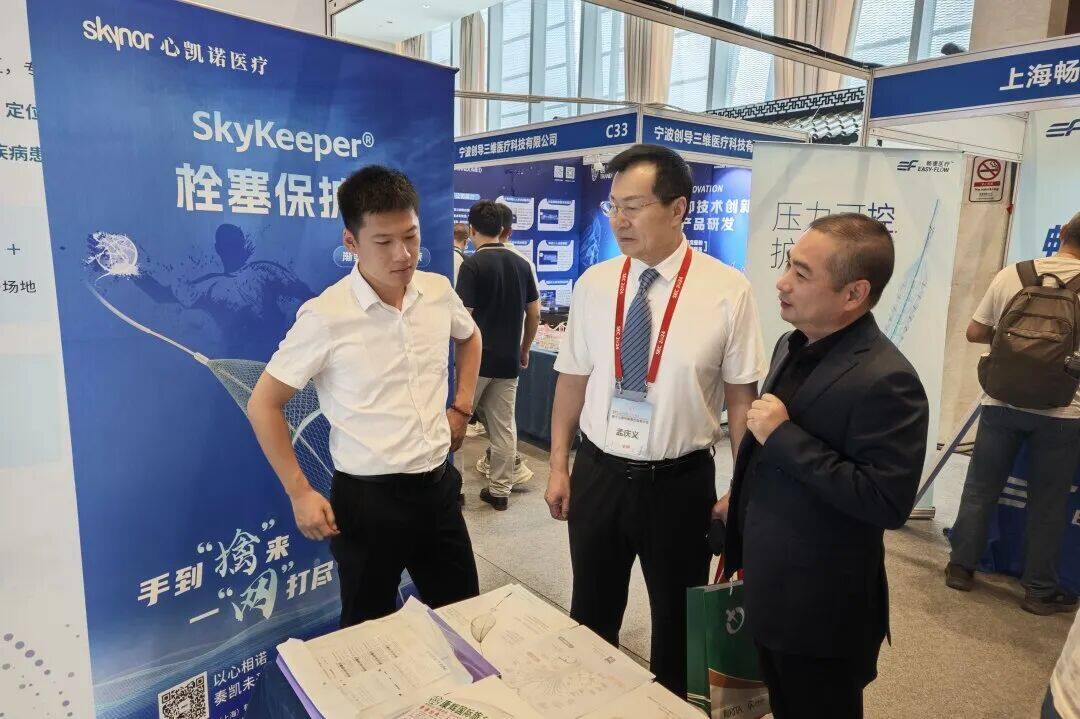


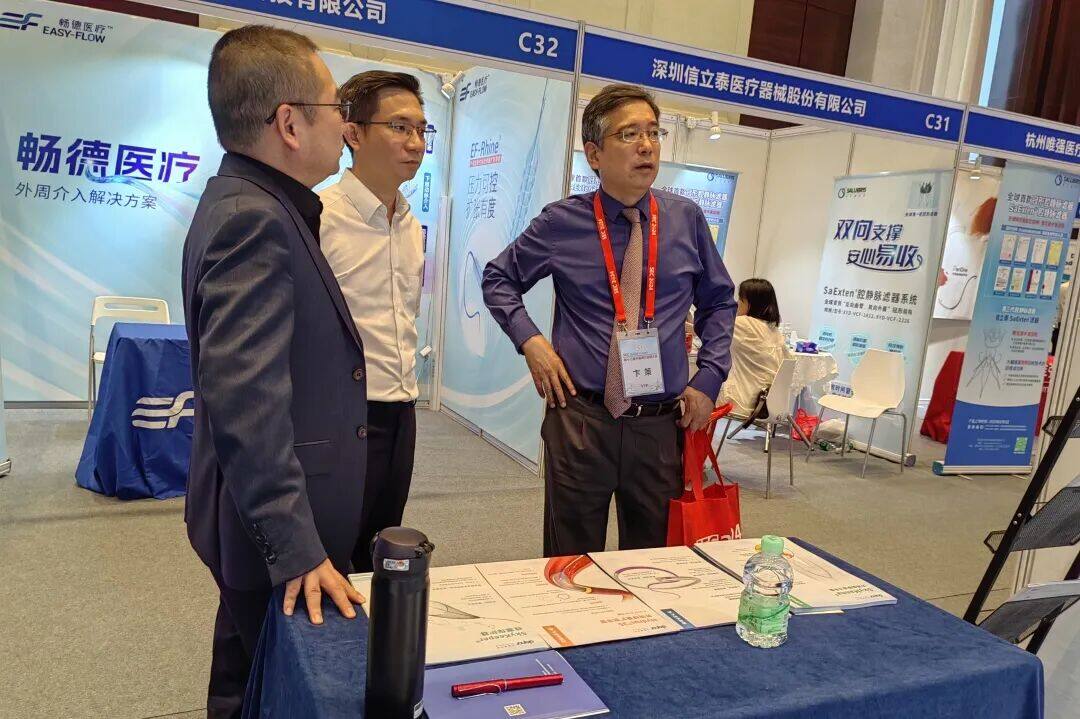
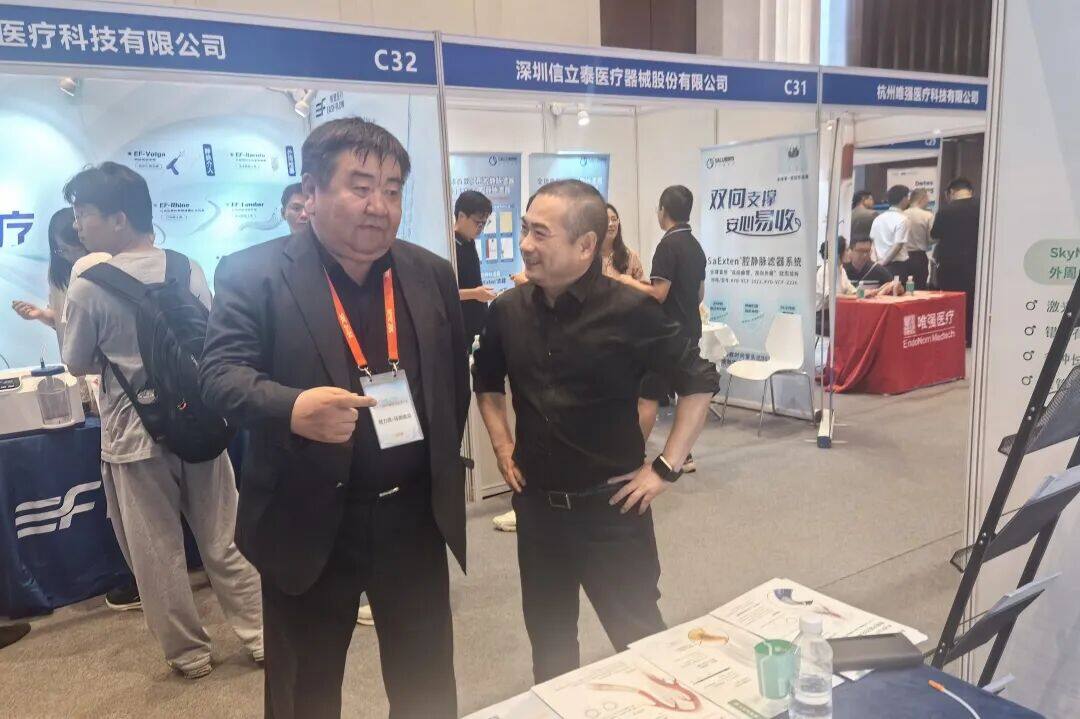
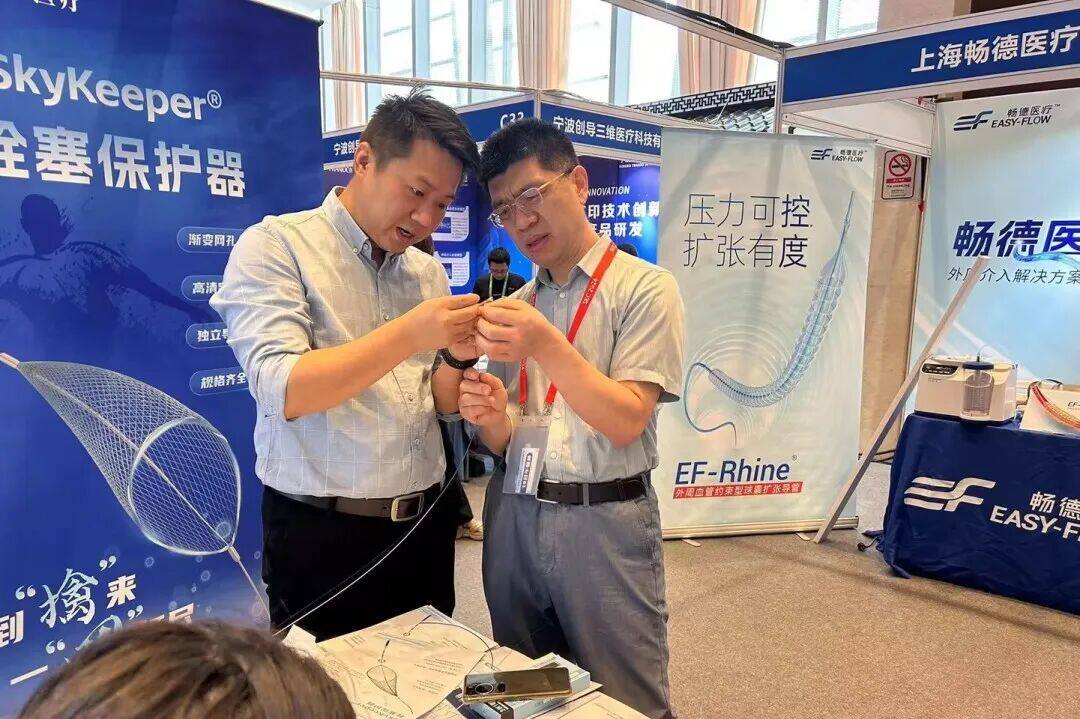
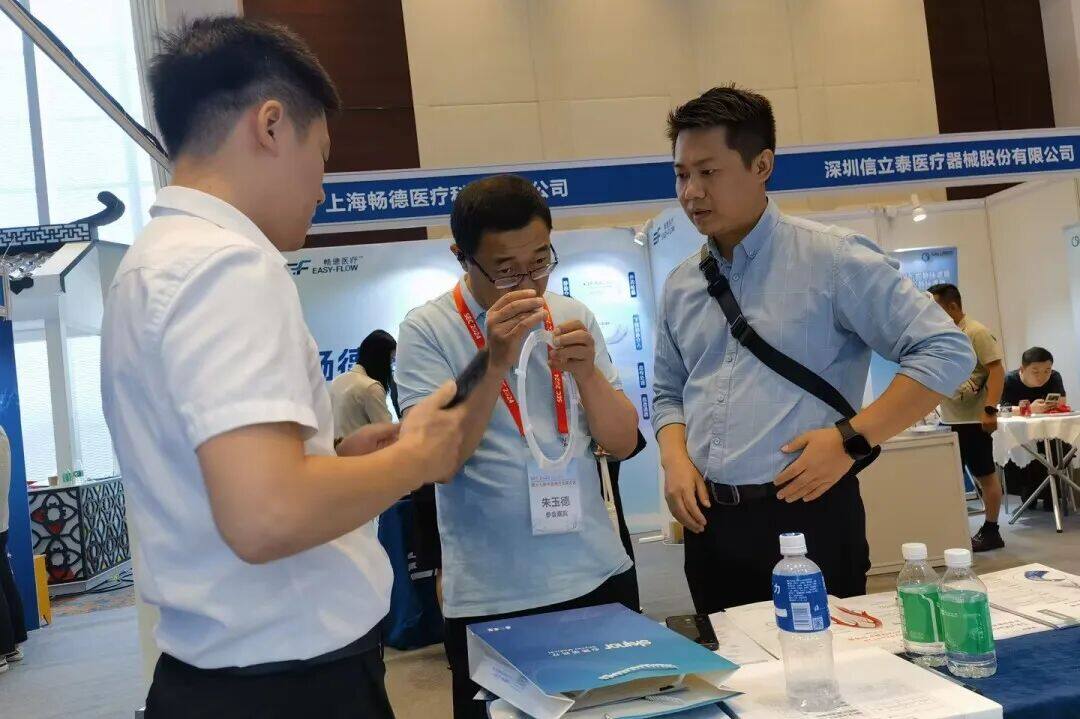



Swipe left or right to view more
Taking this grand event as an opportunity,Skynor MedicalCarefully Displaying Unique Features【Concentric Collaboration】Case Sharing Column: By sharing comprehensive interventional solutions for peripheral vascular diseases, from medical history analysis and treatment strategy formulation to device selection and application, the aim is to promote standardized diagnosis and treatment in the field of peripheral interventions, enhance experience exchange and sharing among clinicians, and enable more patients to benefit clinically.
With Heartfelt Promises, Skynor Medical Shapes the Future, Observe others' cases, witness the craftsman's spirit of doctors, and savor the various flavors of life.

Case One

Skynor Medical SkyKeeper® Case Sharing: Successful Use of Embolic Protection Device in Treating Bilateral Iliac and Femoral Artery Occlusion
Expert: Professor Feng Jun
Hospital: The First Affiliated Hospital of Xi'an Jiaotong University
Medical History Introduction
Patient:Female, 86 years old
Chief Complaint:Pain in both lower limbs for 2 months, worsened in the past week.
History of Present Illness:Two months ago, the patient suddenly developed pain in both lower limbs, with more severe symptoms in the left lower limb, accompanied by coldness and numbness in the lower limbs. A lower limb arterial ultrasound examination at a local county hospital suggested left femoral artery embolism. After receiving anticoagulation and microcirculation improvement treatment at our hospital, the symptoms were relieved. One week ago, after stopping the medication, the patient again experienced pain and coldness in the left lower limb. Local hospital drug treatment was ineffective, leading to another visit to our hospital.
Past Medical History:Atrial fibrillation and heart failure history of over 10 years, treated with oral Rivaroxaban, Ambroxol, and Metoprolol. Underwent interventional treatment for the left lower limb in our department one year ago. Denies other medical history.
Specialized Physical Examination:The shape of the lower limbs is symmetrical, with no obvious swelling. The skin of the lower limbs is pale without cyanosis. The femoral artery, popliteal artery, anterior tibial artery, and posterior tibial artery on both sides cannot be palpated.
Surgical Plan and Procedure
Preoperative Imaging:
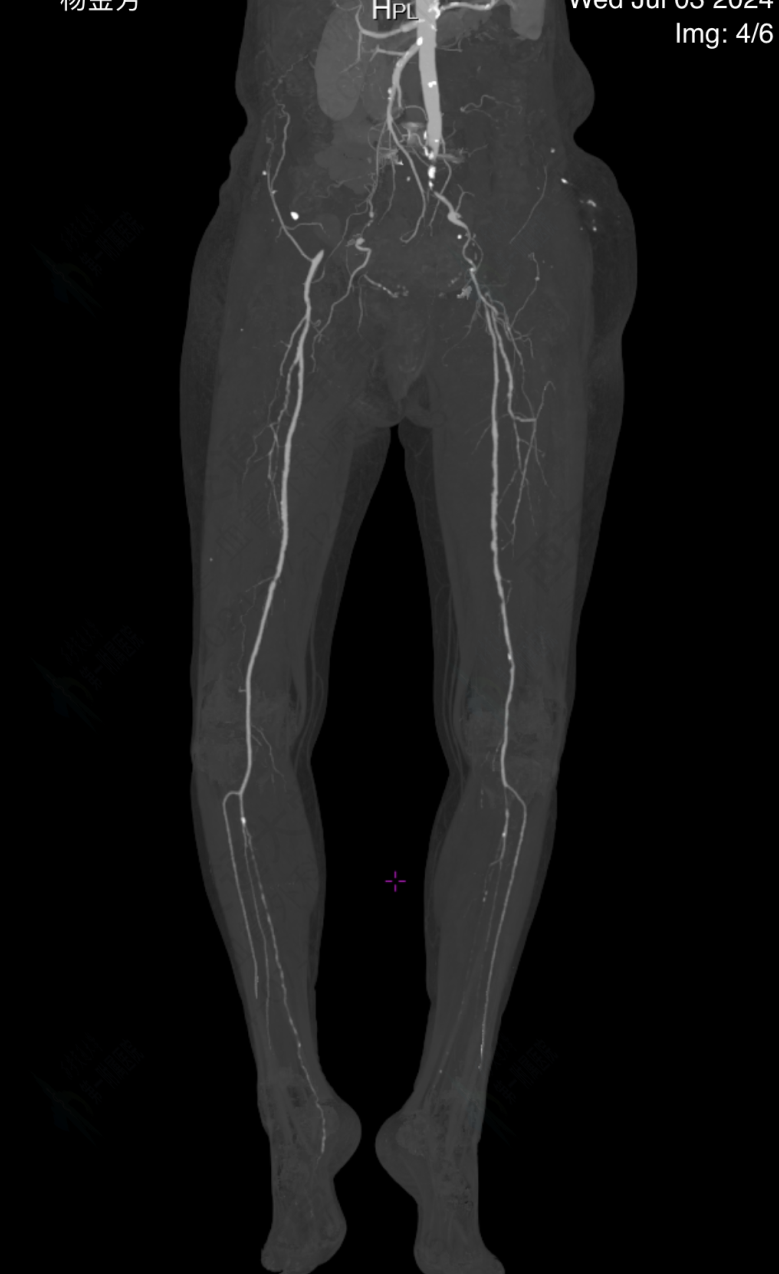
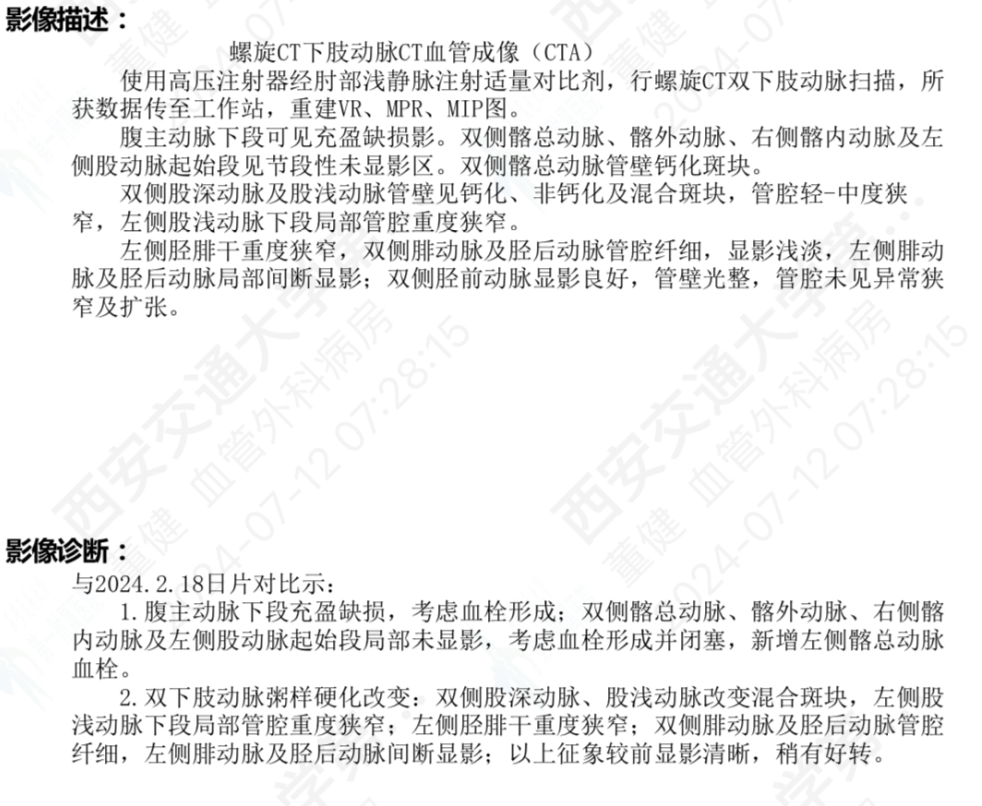
Surgical Plan:
Under the protection umbrella;
Mechanical thrombectomy of the main iliac artery;
Prepare for bilateral iliac-femoral artery balloon dilation + stenting.
Intraoperative Imaging:
After disinfection and draping, local anesthesia was administered, and the right femoral artery was successfully punctured. A vascular sheath was inserted, and heparinization was performed.
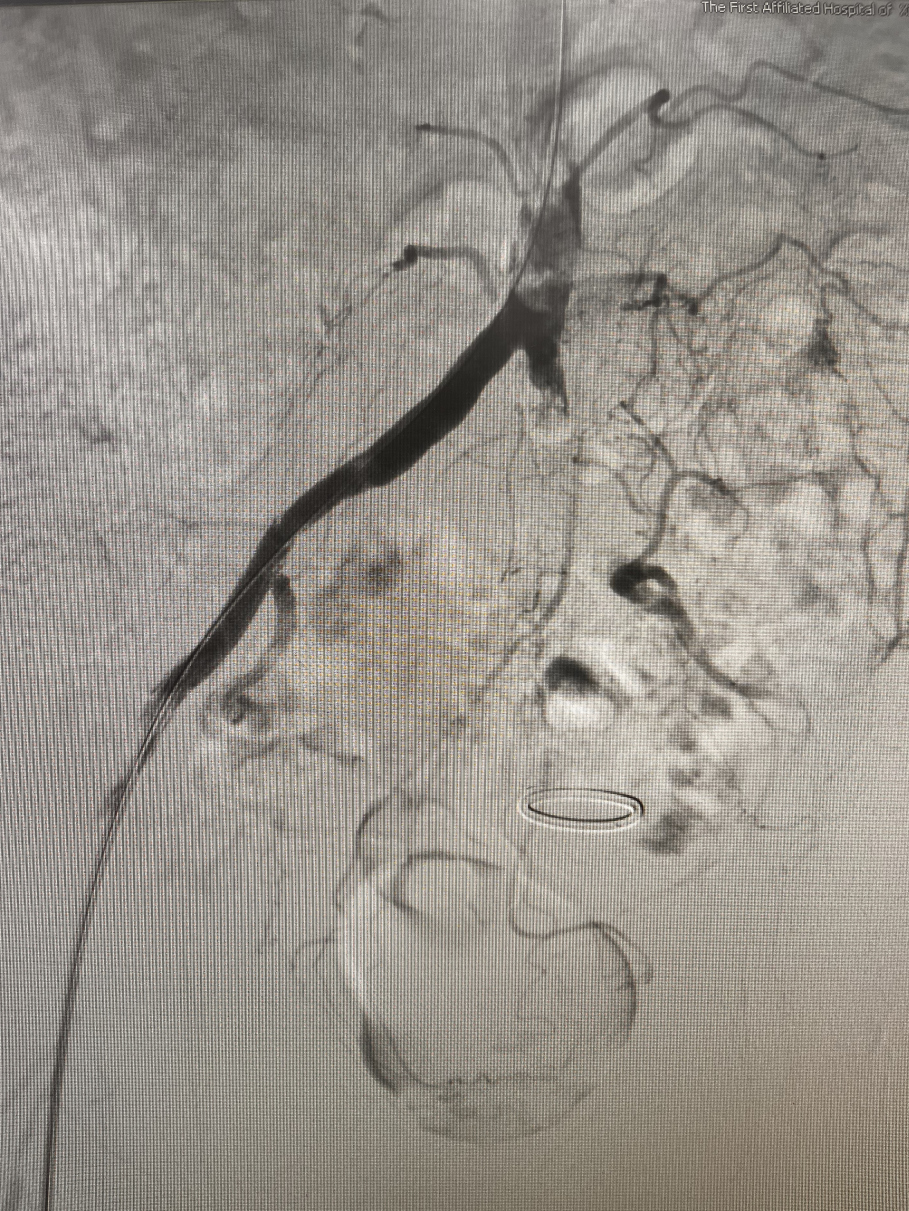
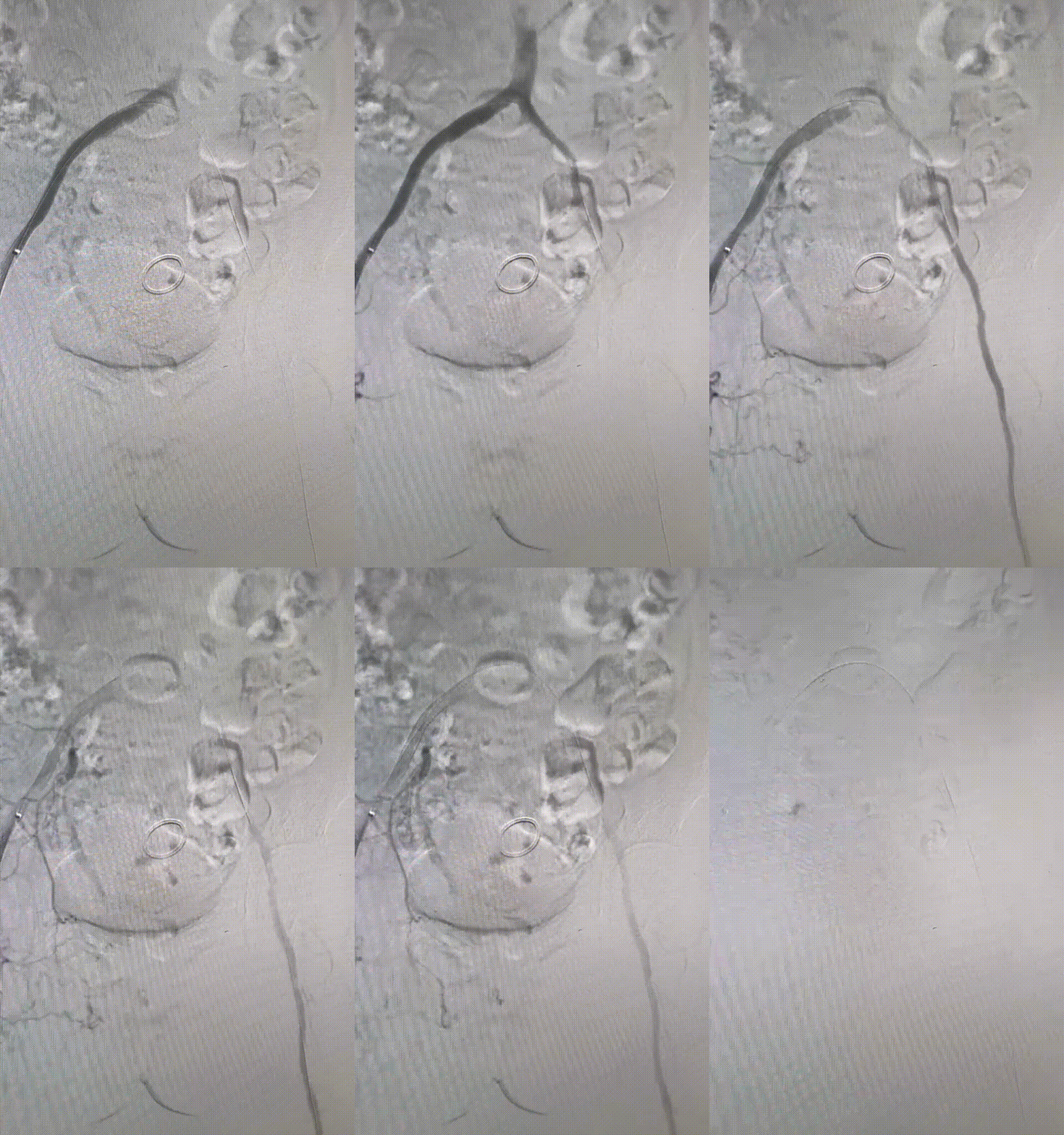
Under the cooperation of the guidewire and catheter, it successfully reached the abdominal aorta. Angiography showed that: the abdominal aorta, bilateral iliac and femoral arteries were all occluded.
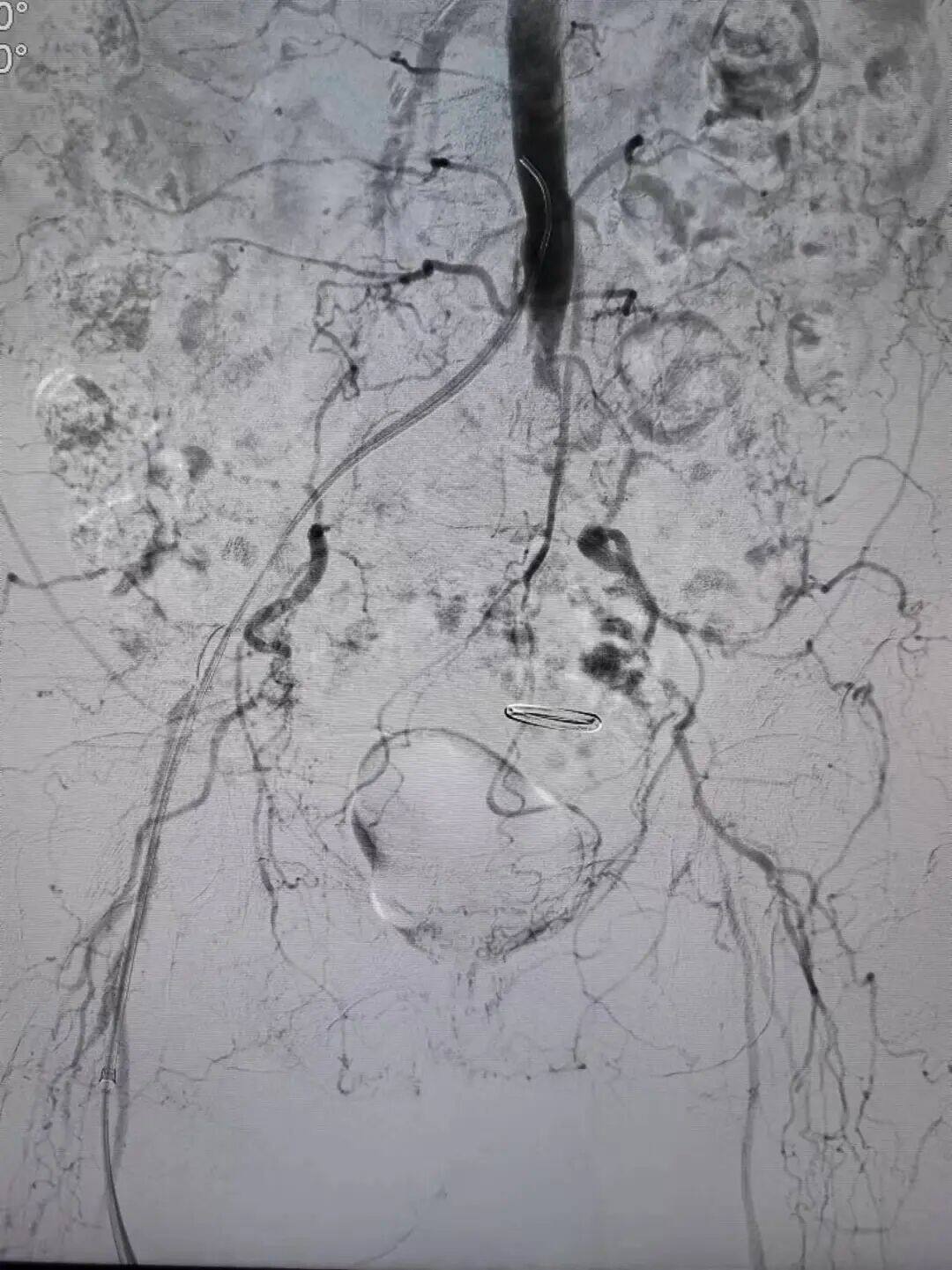
Rotarex aspirated a large amount of thrombus from the right iliac artery;
After angiography, the right iliac artery was well visualized without contrast extravasation.
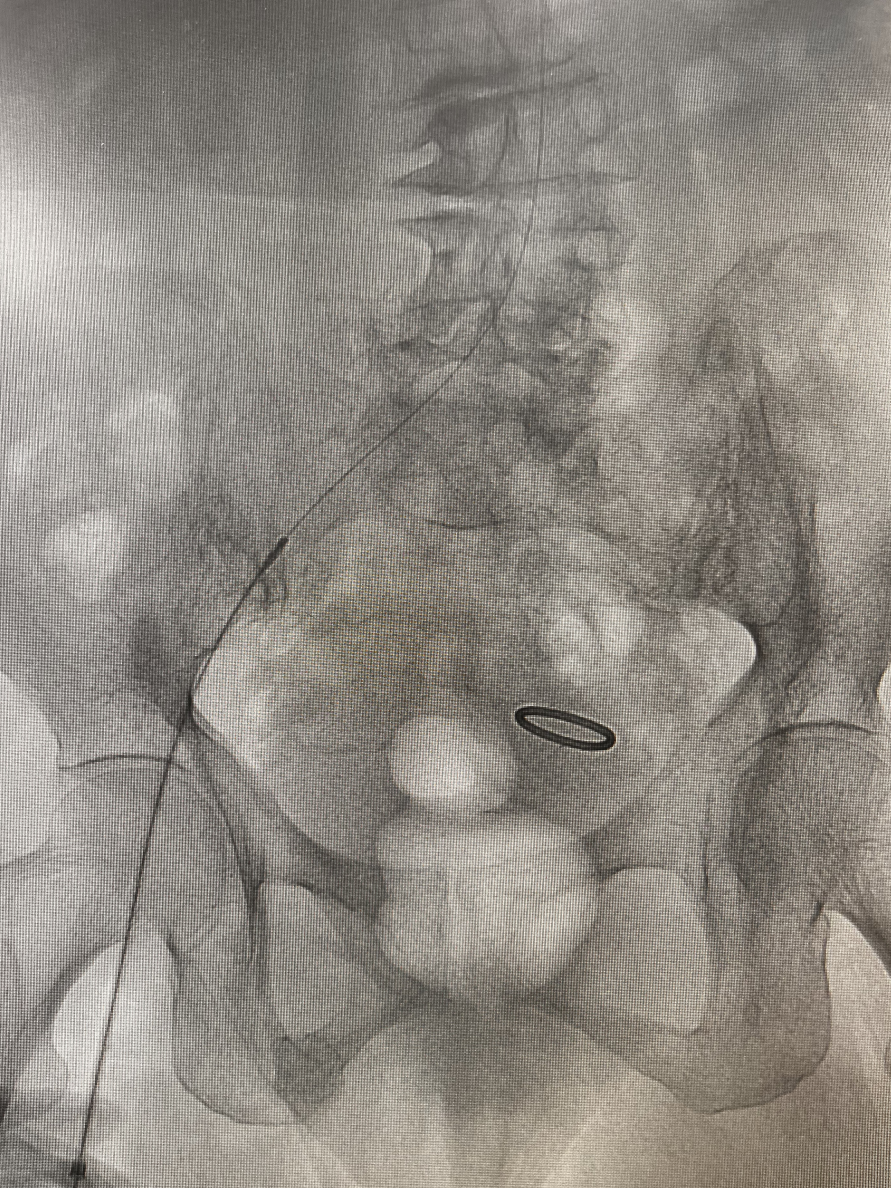
The guidewire and catheter cooperated to cross over and successfully opened the true lumen to the left superficial femoral artery. A 6F Cook crossover sheath was placed, and a 4F-125 single-bend catheter was used to deploy a protection umbrella in the upper segment of the superficial femoral artery.Skynor Medical SkyKeeper®6mm*320cm Embolic Protection Device)。
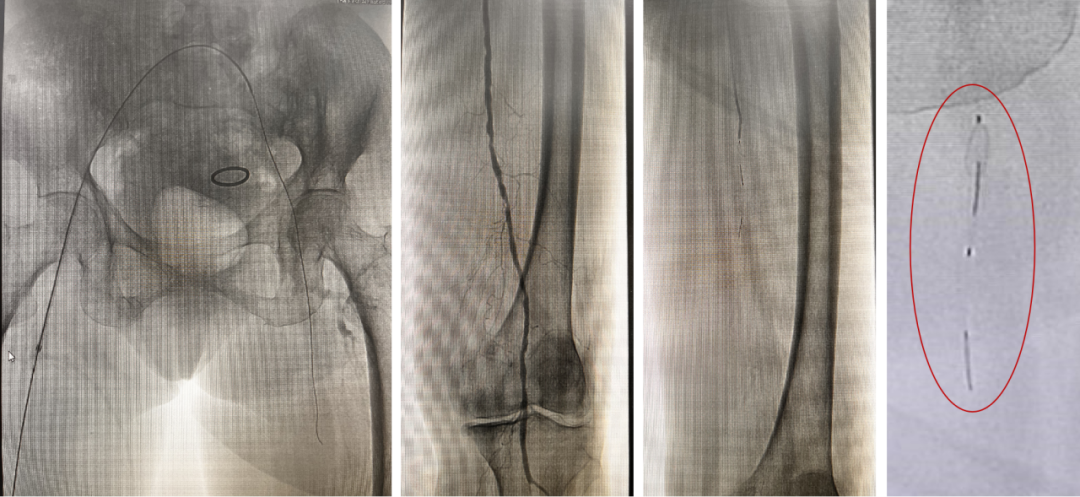
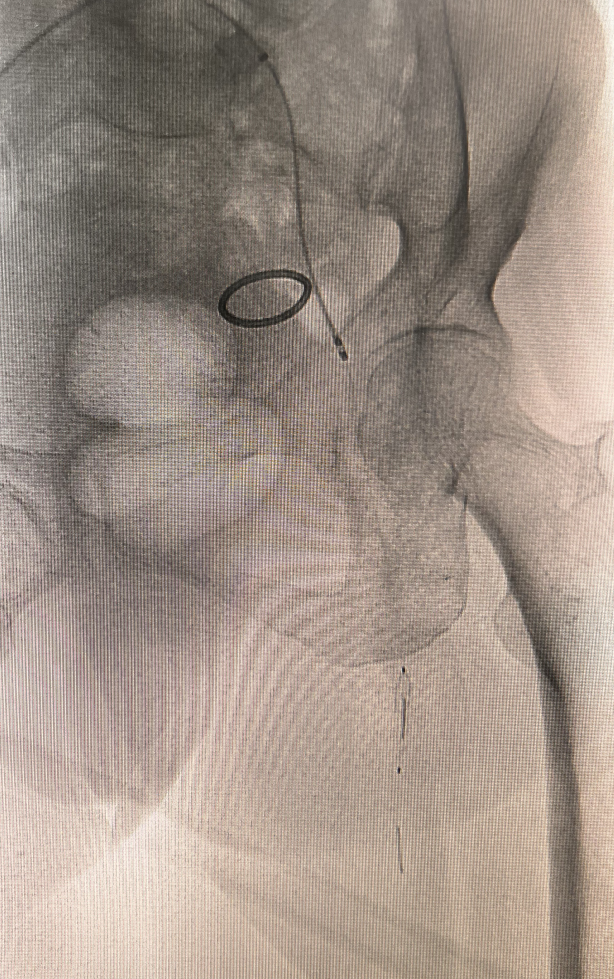
The protection umbrella can be clearly seen to have expanded well.
Skynor Medical Protection UmbrellaUnder protection, a large amount of thrombus was aspirated from the left iliac artery using Rotarex.
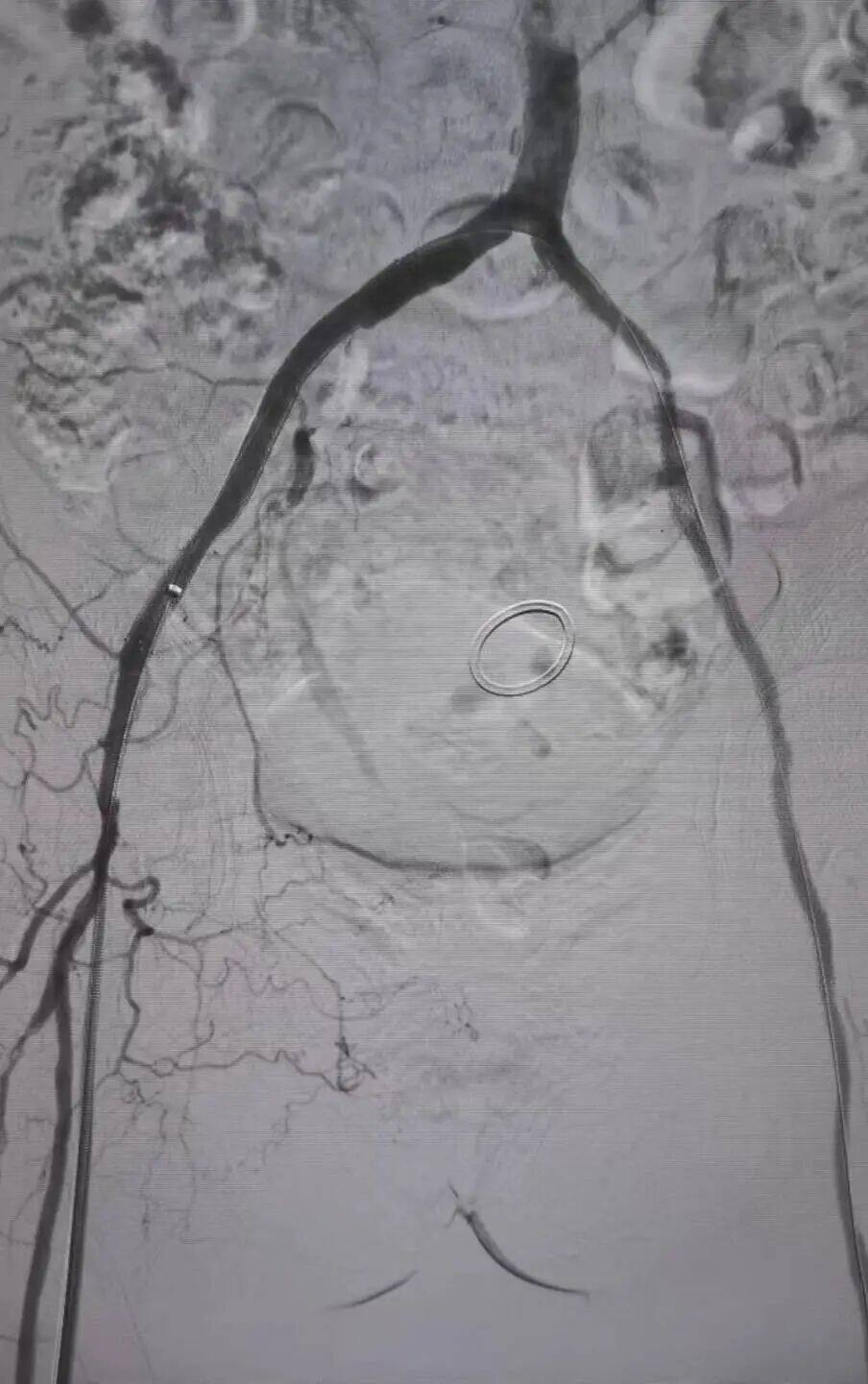
Angiography was performed again, and there was still residual stenosis in the left iliac artery. A 5-100mm balloon was used to dilate the stenotic segments of the bilateral iliac-femoral arteries, and a 5-170mm self-expanding stent was deployed in the left iliac-femoral artery. Repeat angiography showed that blood flow was unobstructed in the abdominal aorta and bilateral iliac-femoral arteries.
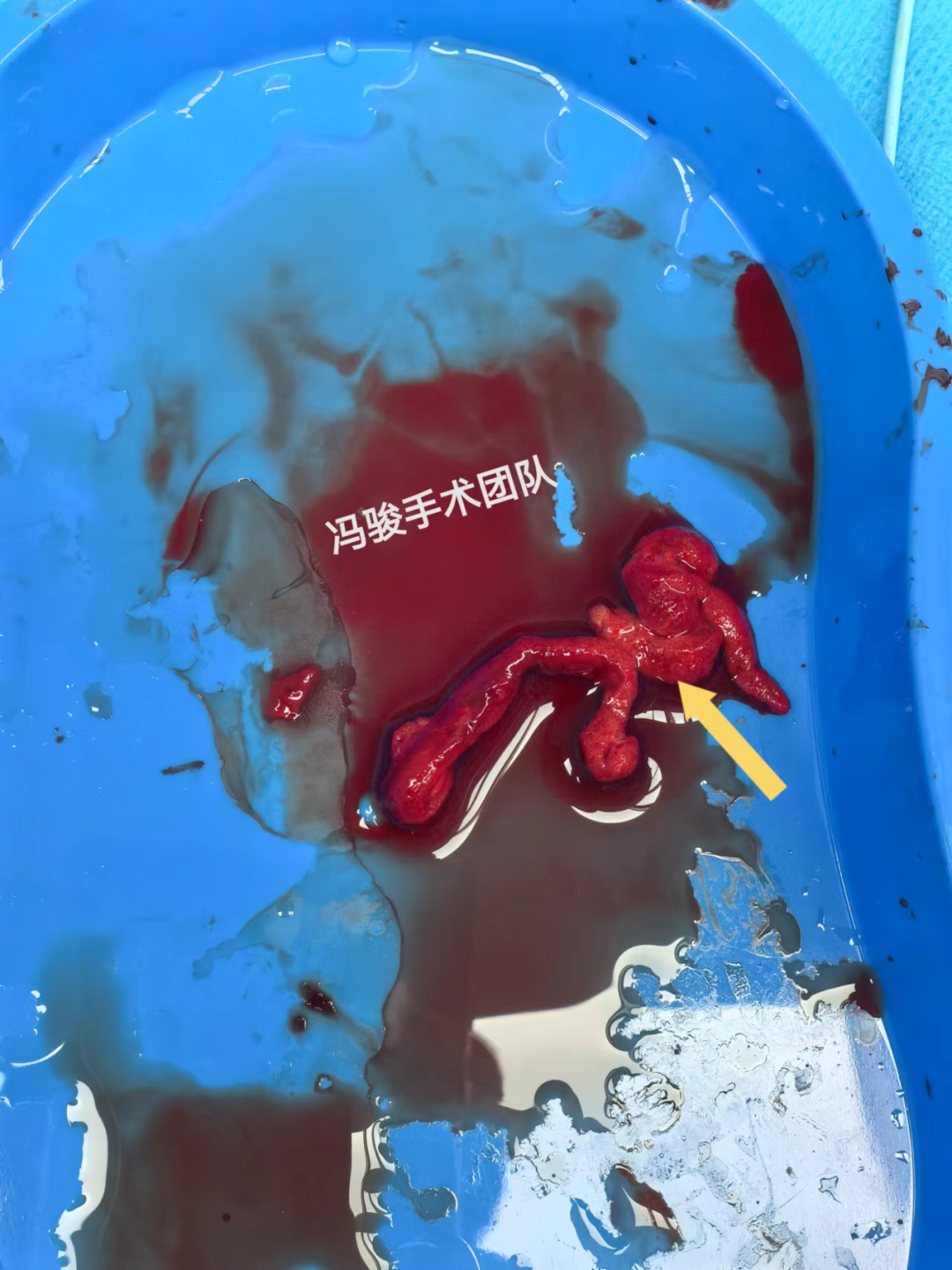
Aspirated Thrombus
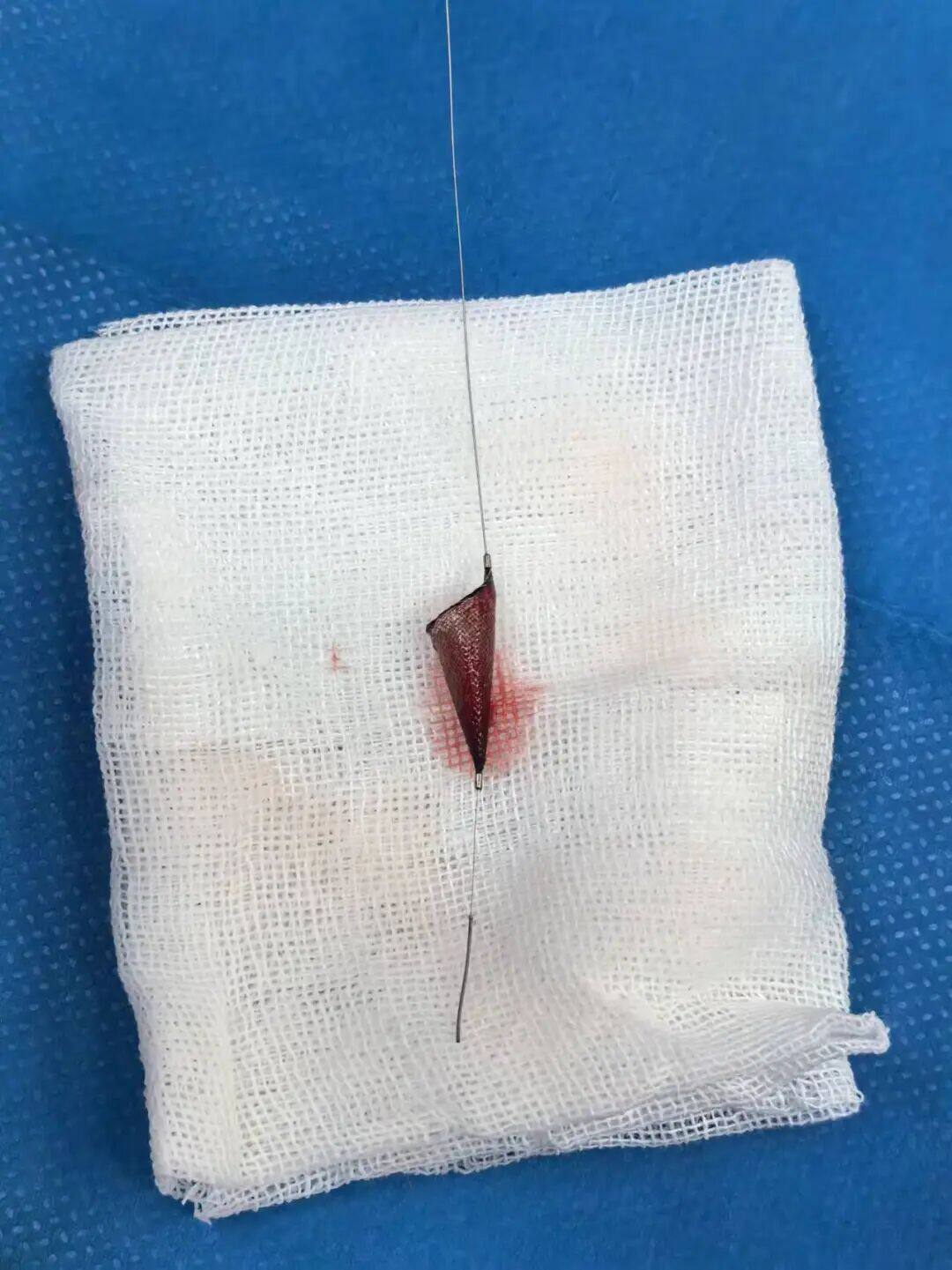
Skynor Medical Protection UmbrellaInternal debris and muddy sandy脱落物质
Postoperative Patient Recovery:
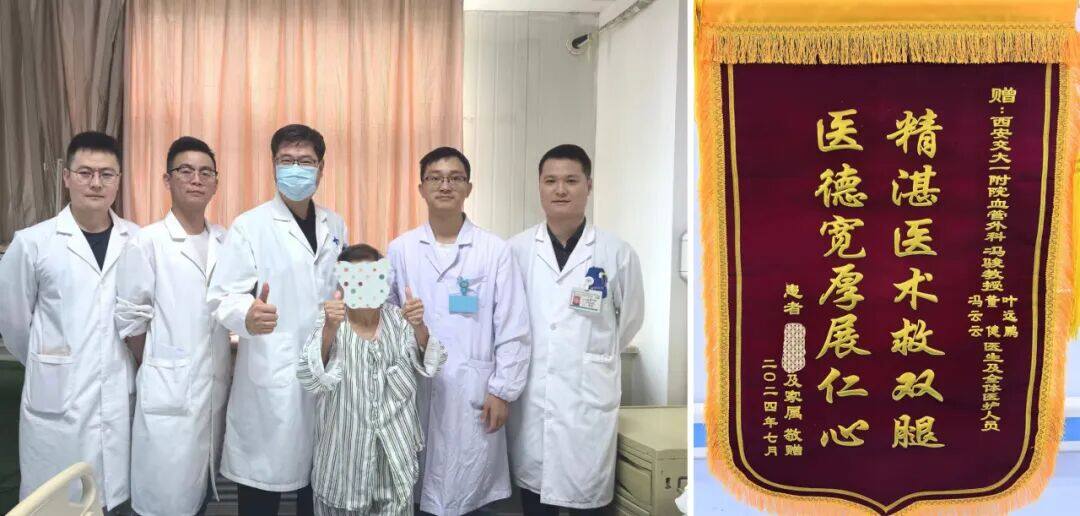
The patient's condition is good after the operation.
Patient's Thank You Banner
Case Study
The patient is of advanced age and suffers from atrial fibrillation with heart failure, making the main iliac artery occlusion extremely perilous for this patient. There are several critical points to be mindful of during the surgery; if not handled properly, the situation could be life-threatening. First, whether the true lumen can be opened during the procedure without causing dissection. Second, when dealing with thrombosis in the main iliac artery, it is crucial to prevent the thrombus from moving toward the lower limbs, which could cause lower limb embolism and lead to a "trash foot" in the distal area. Lastly, it is necessary to guard against high reperfusion flow after blood flow restoration, which might result in distal reperfusion injury and potentially lead to compartment syndrome. Therefore, it is advisable to perform the operation under the protection of a filter umbrella.
Debris and sandy-like shedding substances were observed within the postoperative protective umbrella. The patient's condition is good, and the surgery was very successful.
The Operator's Experience with Skynor Medical Products
Skynor Medical SkyKeeper® Embolization ProtectorWith a gradient mesh filter design, the deployment process is very smooth, and after deployment, it fits tightly against the vessel wall, effectively preventing debris from falling off;
Both ends of the filter mesh opening, the tip head, and the limit rod can be visualized, allowing clear visibility of the protector's position, deployment, and wall-adhesion status during the procedure.
The postoperative protection umbrella was successfully retrieved with contents.

Professor Feng Jun
The First Affiliated Hospital of Xi'an Jiaotong University
First Affiliated Hospital of Xi'an Jiaotong University, Department of Vascular Surgery, Medical Doctor, Chief Physician, Master's Supervisor.
Expert of the First Batch of Stroke Screening and Prevention Bases of the National Health Commission, Expert for the First Batch of Carotid Stent Technology Training of the National Health Commission, Expert for the First Batch of Peripheral Vascular Interventional Diagnosis and Treatment Training of the National Health Commission, Expert for the First Batch of Intervention Qualification Assessment in Shaanxi Province, Expert with Three Qualifications (Neurointervention, Peripheral Vascular Intervention, Comprehensive Intervention) in the First Batch in Shaanxi Province, Expert for Medical Technology Appraisal of Xi'an Medical Association, "Ten Thousand Surgeries" Expert in China's Vascular Surgery.
Awarded the "Outstanding Middle-aged and Young Expert Award" by the National Health Commission of China, and the "Excellent Physician Award" by the Shaanxi Provincial Health Commission. Presided over multiple provincial and ministerial level scientific research fund projects, published over 40 papers, including more than 10 SCI papers, and obtained 2 national patents.
Asia-Pacific Vascular Academic Alliance (APA) Shaanxi Branch (Chairman), International Union of Angiology (IUA) China Supra-aortic Artery Disease Committee (Vice Chairman), Chinese Society of Integrated Traditional and Western Medicine Peripheral Vascular Disease Carotid Artery Committee (Vice Chairman), Chinese Society of Cardiothoracic Vascular Anesthesia Vascular Branch (Vice Chairman), Chinese Society of Microcirculation Peripheral Vascular Disease Carotid Artery Group (Vice Chairman), Asia-Pacific Vascular Academic Alliance (APA) Hemorrhage Prevention and Treatment Committee (Vice Chairman).




Case Two

Skynor Medical Hydrus® Case Sharing of Successful Recanalization of Iliac and Femoral Artery Occlusion with Serial Arterial Balloons
Expert: Professor Wu Chengwen
Hospital: The Second Affiliated Hospital of Zhengzhou University
Medical History Introduction
Patient Basic Information:Male, 70 years old.
Chief Complaint:Bilateral lower limb pain for 1 day.
History of Present Illness:One day ago, the patient developed bilateral lower limb pain without obvious cause, which did not relieve after rest and no special treatment was given. The pain symptoms gradually worsened. The patient now comes to our hospital for further diagnosis and treatment.
Past Medical History:Hypertension for 3 years, underwent surgery for gastric perforation 30 years ago. No history of coronary heart disease or diabetes.
Specialty Physical Examination:Mild edema in the left lower limb, no pain, tenderness, dislocation, or deformity; normal muscle strength in all limbs, normal physiological reflexes, and negative pathological reflexes.
Surgical Plan and Procedure
Preoperative Imaging:
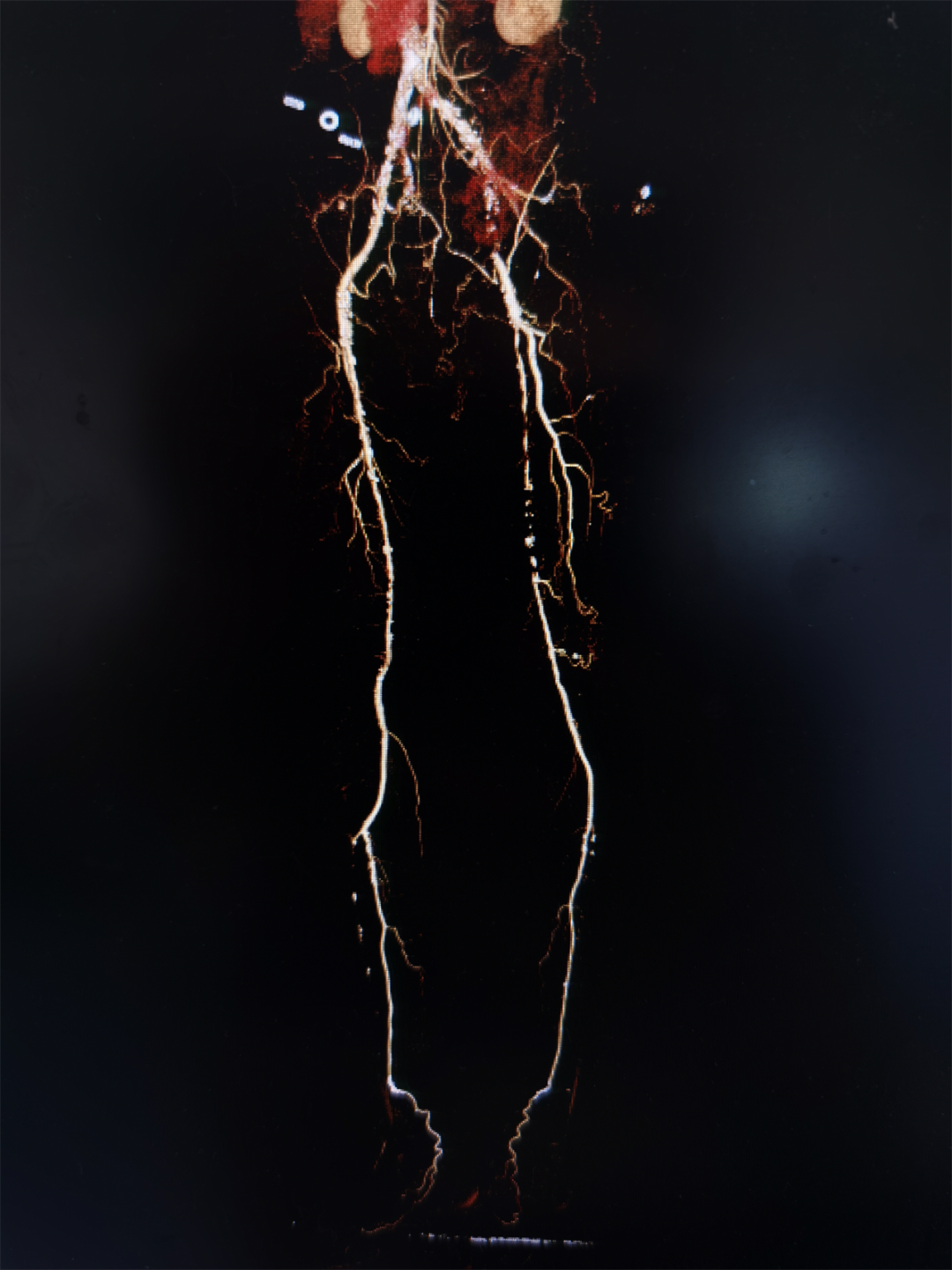
Lower extremity CTA images combined with the report suggest atherosclerosis in both lower limb arteries, with multiple plaque formations and multiple luminal stenoses.Severe stenosis or occlusion of the left external iliac artery and left superficial femoral artery.

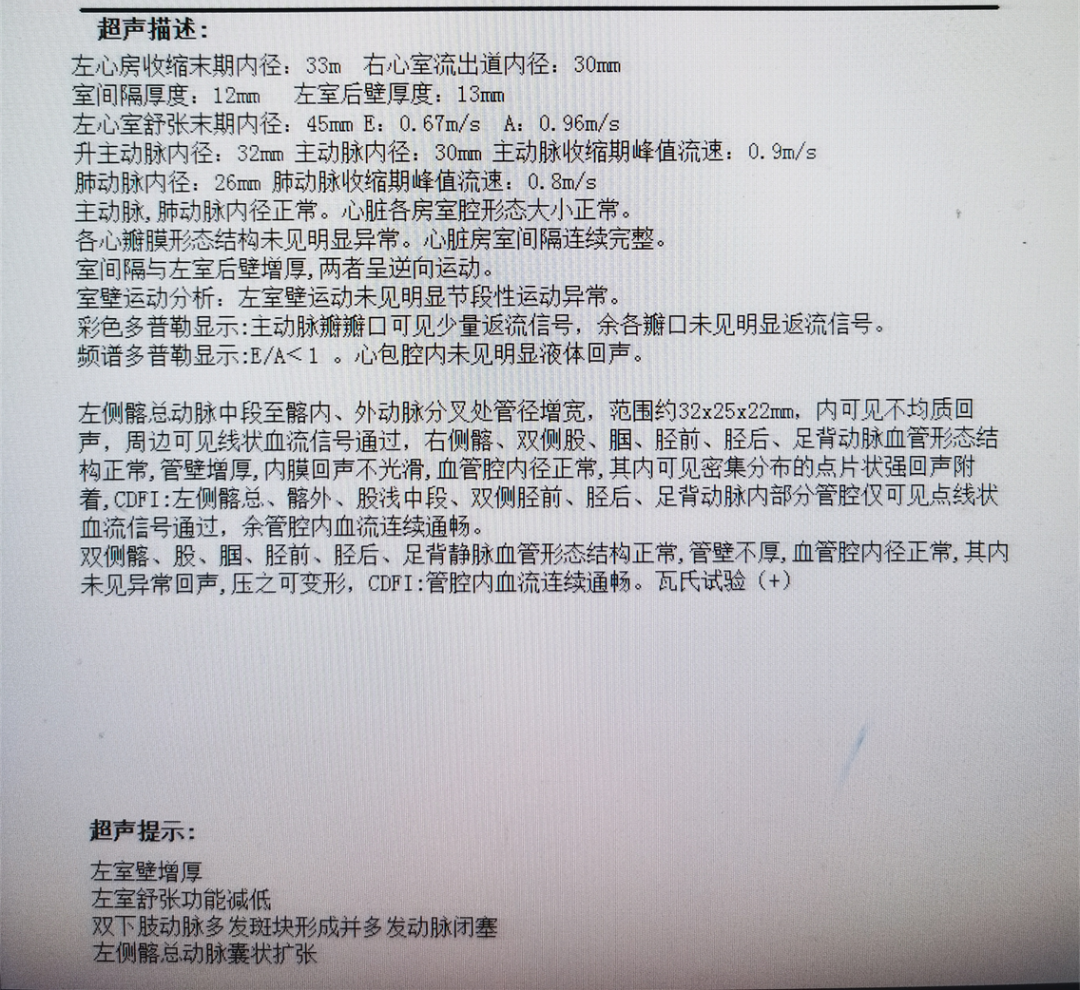
Ultrasound of the lower limb vessels indicated multiple plaque formations and multiple arterial occlusions in both lower limb arteries.
Surgical Plan:
The patient has occlusion of the left external iliac artery and occlusion of the left superficial femoral artery.
Planned interventional surgery to open the occluded vessel, with balloon angioplasty.
Intraoperative Imaging:
Imaging shows that the patient's left external iliac artery and superficial femoral artery are occluded, treated with a plain balloon (Skynor Medical Hydrus® Balloon 8*60mm) Dilate and open occluded vessels.
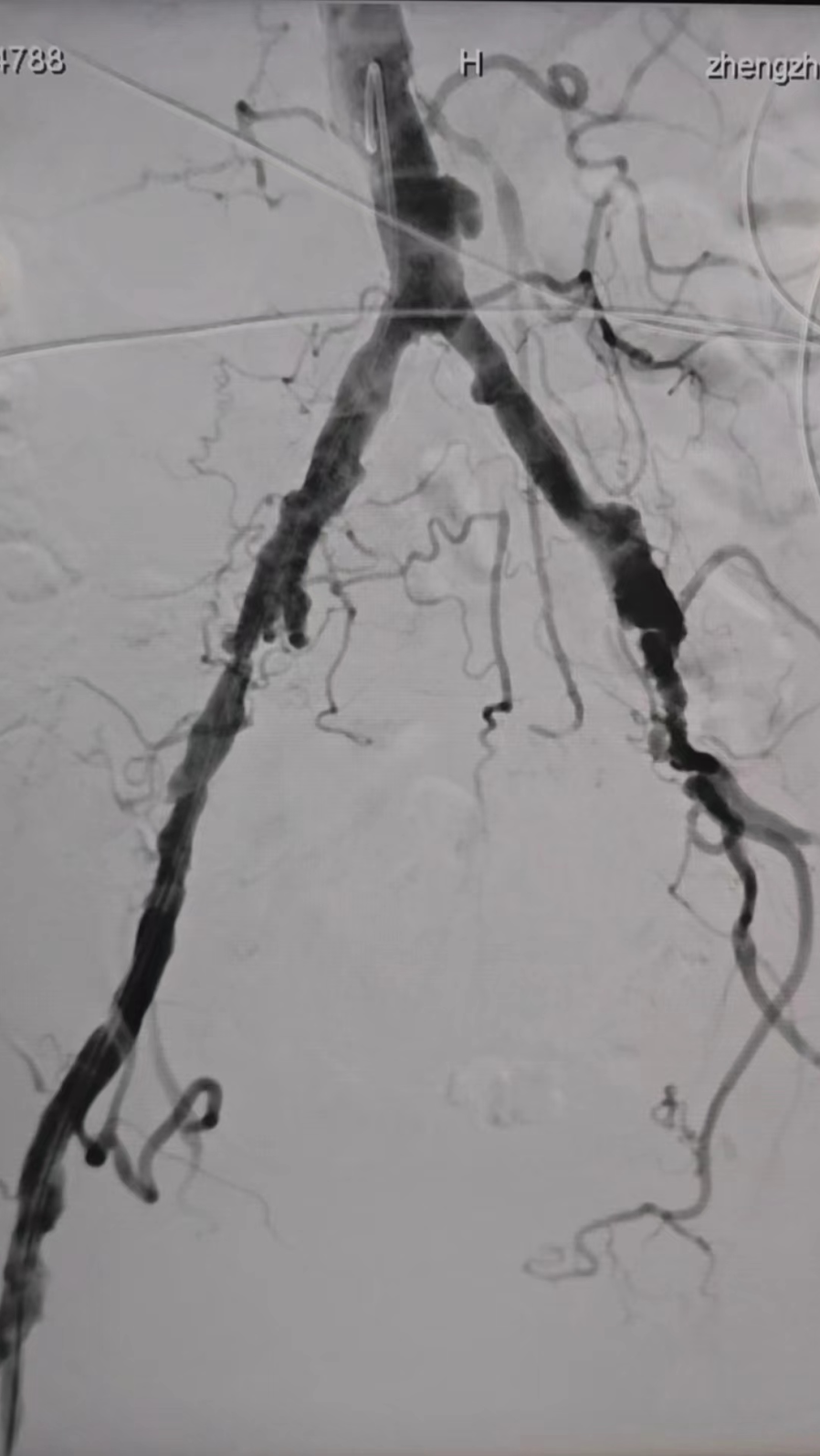
Angiography shows stenosis of the left iliac-femoral artery
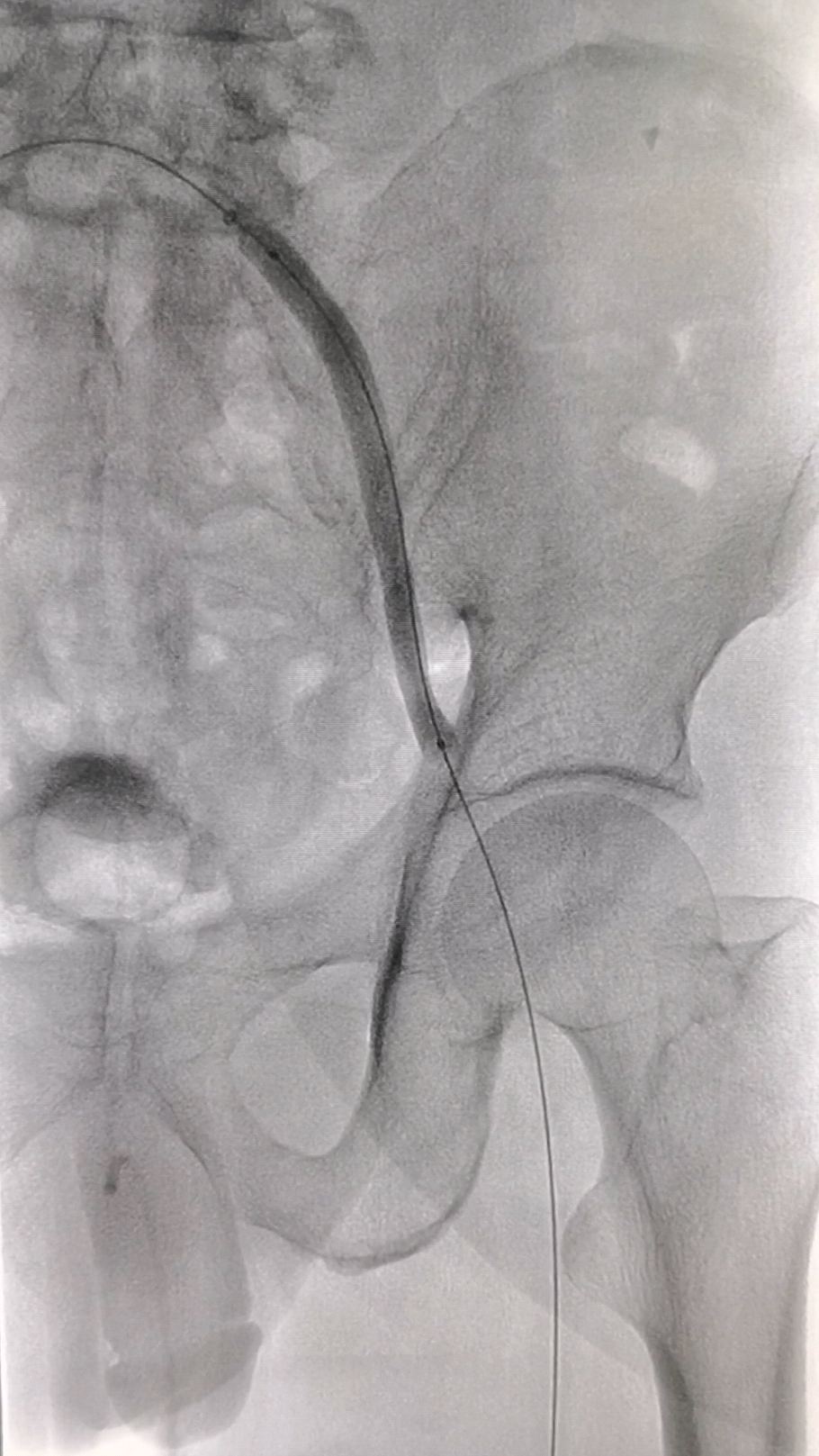
Skynor Medical Hydrus®Balloon 8*60mmDilation Stenosis
Postoperative Imaging:
Postoperative vascular patency restored, blood flow resumed.
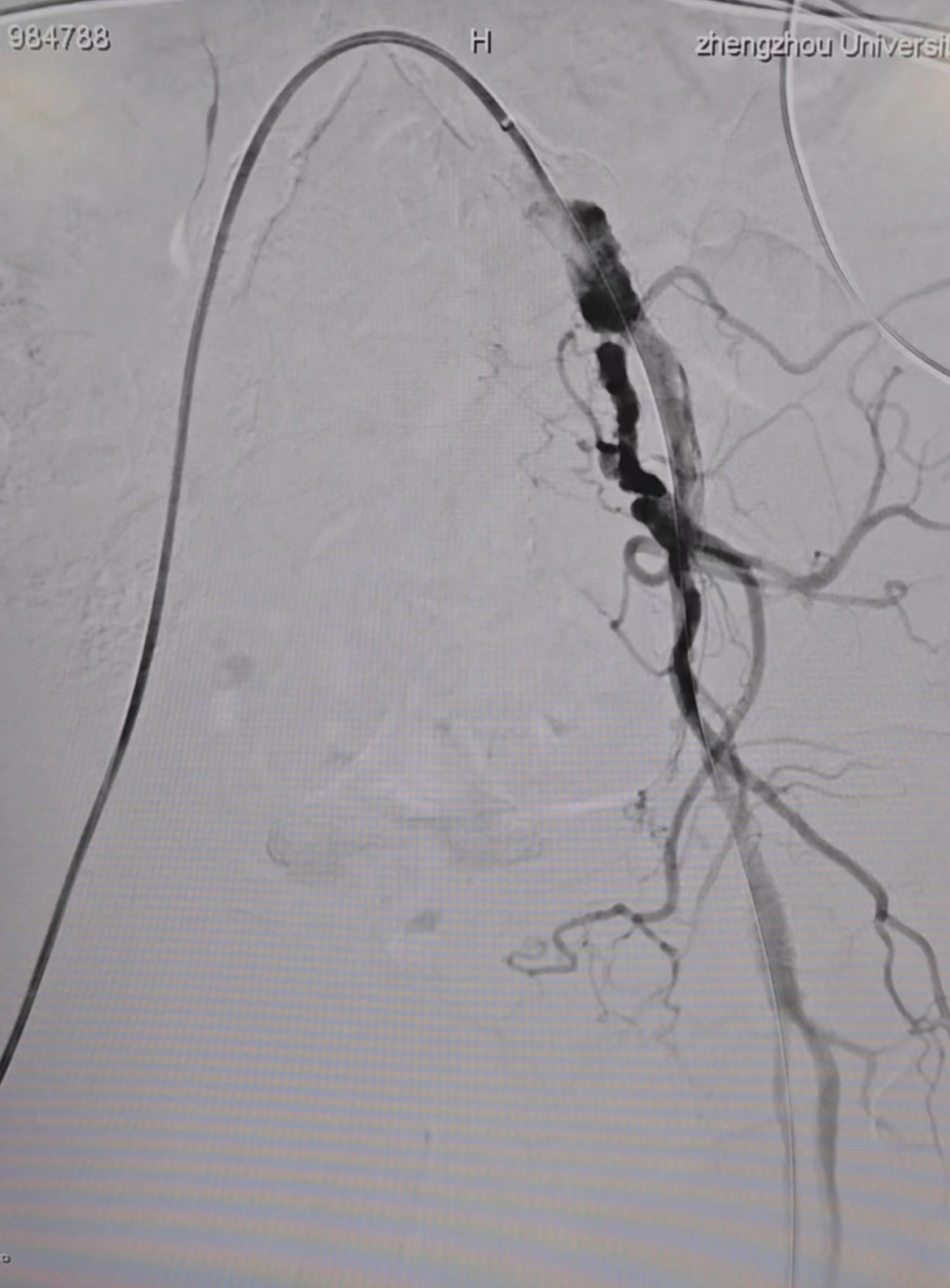
Smooth blood flow after surgery
Case Study
The patient is of advanced age with occlusion of the left external iliac artery and superficial femoral artery. Open surgery would cause significant trauma, so interventional surgery to recanalize the occluded vessels is the preferred option.
The Operator's Experience with Skynor Medical Products
Skynor BalloonWith high pushability, compatible with 0.035-inch guidewires, and featuring a complete range of balloon specifications, high working pressure, high controllability, ultra-smooth hydrophilic coating, and high trackability.

Professor Wu Chengwen
The Second Affiliated Hospital of Zhengzhou University
Deputy Chief Physician and Deputy Director of the Vascular Surgery Department at the Second Affiliated Hospital of Zhengzhou University. Graduated from the Clinical Medicine Department of Zhengzhou University Medical College with a Master's degree in Medicine, specializing in vascular surgery. Has over a decade of clinical experience in vascular surgery. Completed advanced studies at the Vascular Surgery Department of the Ninth People’s Hospital affiliated with Shanghai Jiao Tong University. Currently serves as a member of the Youth Committee of the International Union of Vascular Surgery, standing committee member of the Henan Province Integrated Traditional Chinese and Western Medicine Vascular Surgery Committee, and committee member of the Vascular Surgery Branch of the Henan Medical Association. Has published over 10 papers in top-tier journals such as those indexed by Peking University’s core Chinese journal list. Specializes in treating conditions like peripheral arterial occlusion, arterial embolism, vasculitis, limb ischemia and necrosis, iliac vein compression syndrome, lower extremity valve insufficiency, varicose veins, thoracic and abdominal aortic aneurysms, aortic dissection, carotid artery stenosis, diabetic foot, vascular malformations, arteriovenous fistulas, venous thrombosis, and Budd-Chiari syndrome. In recent years, has focused on researching the mechanisms and clinical treatment of lower limb ulcerative diseases such as "old rotten legs" and "diabetic foot," developing comprehensive treatment protocols with significant results. Advocates for precision surgery and patient-centered care.




Case Three

Skynor Medical Hydrus®Case Sharing of Successful Treatment of Iliac Vein Compression Syndrome with Serial Balloons Combined with Stent Angioplasty
Expert: Professor Ji Wei
Hospital: Rizhao Central Hospital
Medical History Introduction
Patient:Male, 73 years old.
Chief Complaint:Varicose and dilated superficial veins in both lower limbs for more than 20 years.
History of Present Illness:More than 20 years ago, without obvious cause, the superficial veins of both lower limbs began to show tortuosity and dilation. The tortuosity became more pronounced after fatigue or prolonged standing, but no special diagnosis or treatment was carried out outside the hospital. Currently, the venous tortuosity and dilation have gradually worsened, with varicose-like expansion in the inner sides of both calves. Gradually, numbness and a sense of heaviness have appeared in both lower limbs, particularly in the right lower limb.
Past Medical History:Physical health.
Specialty Physical Examination:Slight edema in both lower limbs, superficial veins tortuous and dilated, locally forming clusters, more prominent on the inner side of the right calf, with some parts showing aneurysm-like expansion. On palpation, they feel soft, and skin pigmentation is observed. No tenderness is noted. Both great saphenous vein valve function tests are positive (+), as are the perforator valve function tests (+).
Surgical Plan and Procedure
The patient's left common iliac vein is compressed between the right common iliac artery and the vertebral body, with an anteroposterior diameter narrowing to approximately 0.35 cm. The right common iliac vein is also compressed by the right common iliac artery, with an anteroposterior diameter narrowing to about 0.34 cm. There is noticeable edema in the right lower limb, accompanied by a sense of heaviness and fatigue. Superficial veins are tortuous and dilated, with local aneurysm-like changes. Initially, a balloon angioplasty and stent placement for the right iliac vein compression will be performed, followed by a scheduled surgery for varicose veins of the right great saphenous vein. Postoperative decisions regarding whether to proceed with surgery for left iliac vein compression and varicose veins of the great saphenous vein will depend on recovery status.
Preoperative Imaging:Bilateral iliac vein compression is shown.
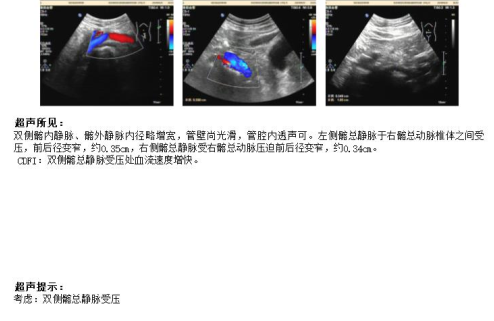
Color Doppler ultrasound of the iliac vein suggests bilateral iliac vein compression.
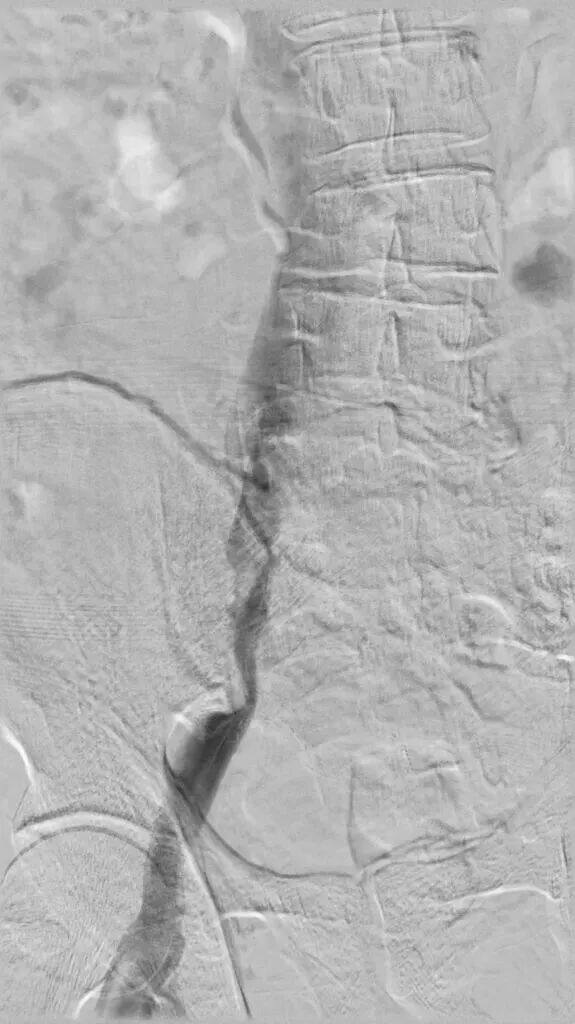
Right Iliac Vein Angiography
Shows compressive lesions
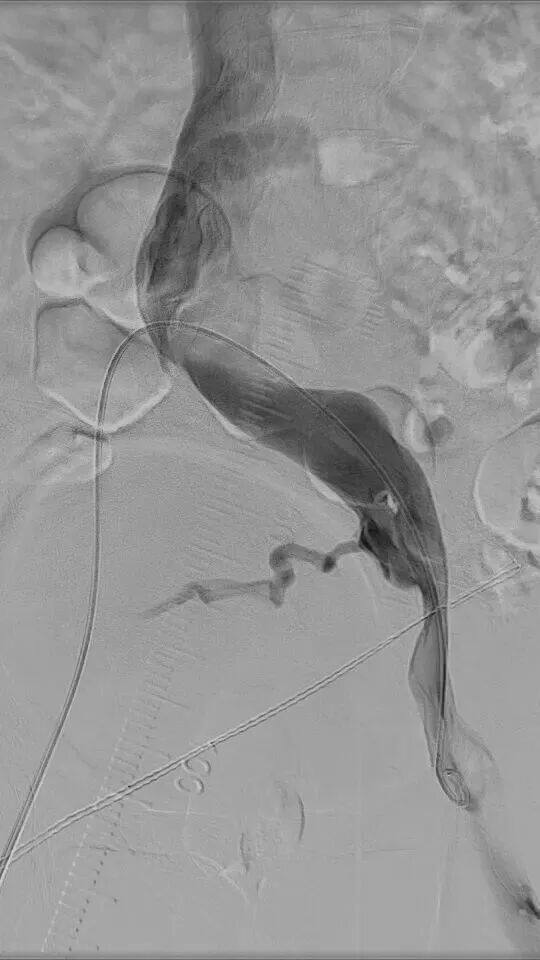
Left Iliac Vein Angiography
Shows compressive lesions
During the operation, the guidewire passed through the stenosis of the right iliac vein, and was sequentially placed along the guidewire.Skynor Medical Hydrus®12mm*80mm, 14mm*80mm Balloon, segmental dilation, obvious notch, repeated angiography showed rebound stenosis at the stenotic segment, a 16 mm*80 mm stent was implanted with its upper end in the common iliac vein and the lower end covering the lesion segment positioned at the terminal end of the external iliac vein.
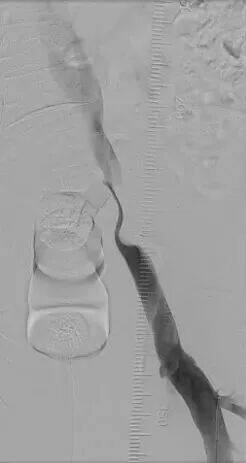
Inject contrast agent to visualize the external iliac vein angiography
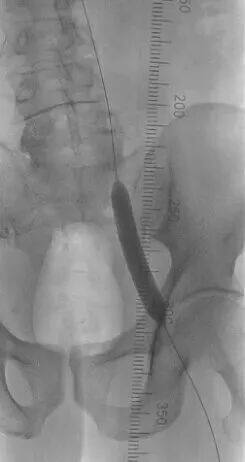
InsertSkynor Medical Hydrus®BalloonPerform pre-dilation
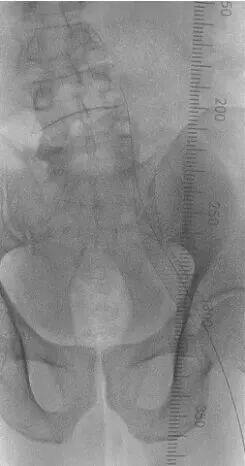
After pre-dilation, the stent is placed.
Postoperative Imaging:
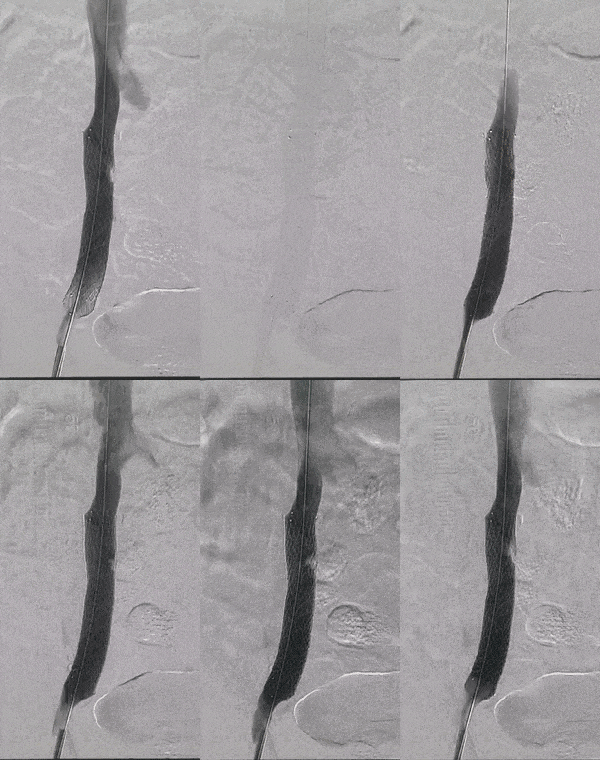
Angiography shows disappearance of compression and smooth blood flow.
Case Reflection
Due to the patient's severe compression, a braided venous stent was chosen for placement, requiring a one-to-one full pre-dilation. After comprehensive consideration,Skynor Medical Hydrus®12mm, 14mm BalloonCan meet the requirements and establish a good access for stent placement.
The Operator's Experience with Skynor Medical Products
Skynor Medical Hydrus® BalloonThe conical tip is ingeniously designed for smooth and easy passage. A complete range of specifications and models are available to meet the clinical needs of arteriovenous surgery. The balloon's retraction is relatively quick during withdrawal.

Professor Ji Wei
Rizhao Central Hospital
Deputy Chief Physician and Department Director of Vascular Surgery, Rizhao Central Hospital.Member of the Peripheral Vascular Disease Branch of the Shandong Association of Integrated Traditional Chinese and Western Medicine;Member of the Vascular Surgery Branch of Shandong Research Hospital Association;Vice President of the Vascular Tumor and Vascular Malformation Branch of the Shandong Provincial Medical Ethics Association.
Skilled in various surgical and interventional treatments for peripheral vascular and lymphatic diseases. Has undergone advanced training at affiliated hospitals of Qingdao University, Beijing Chaoyang Hospital, and Shanghai Ruijin Hospital, among others. Has published 6 papers, authored 3 monographs, obtained 2 patents, and received 3 municipal-level science and technology progress third prizes.




Case Four

Skynor Medical Hydrus®Case Sharing: Successful Assistance in Opening Central Thrombus with Serial Balloons
Expert: Professor Tian Ke
Hospital: The First People's Hospital of Shangqiu City, Henan Province
Medical History Introduction
Patient:Female, 49 years old.
Chief Complaint:Sudden swelling and pain in the left lower limb for 5 hours.
History of Present Illness:The patient, who suffered from lumbar disc herniation and had difficulty walking, suddenly developed swelling in the left lower limb, with dark red skin color and distension pain during hospitalization for physical therapy at a local hospital. The patient then urgently came to our hospital for further treatment.
Past Medical History:Past HistoryPhysical condition is fair, no history of cardiovascular or cerebrovascular diseases, no history of diabetes, underwent hysterectomy 20 years ago.
Specialized Physical Examination:The skin color of the left lower limb is dark red, with high tension, low skin temperature on the dorsum of the foot, weakened pulse of the dorsalis pedis and posterior tibial arteries, fullness of the gastrocnemius muscle, severe pain upon squeezing, and severe tenderness in the groin.
Surgical Plan and Procedure
The patient developed deep vein thrombosis in the lower limbs due to reduced mobility caused by lumbar disc herniation, leading to blood stasis. The onset was sudden with rapid progression, and phlegmasia cerulea dolens occurred, suggesting a high possibility of central thrombosis combined with iliac vein compression. Preoperative imaging showed iliofemoral venous thrombosis.
Plan for inferior vena cava filter placement + percutaneous venous thrombectomy + iliac vein balloon dilation with stent shaping.
Preoperative Imaging:
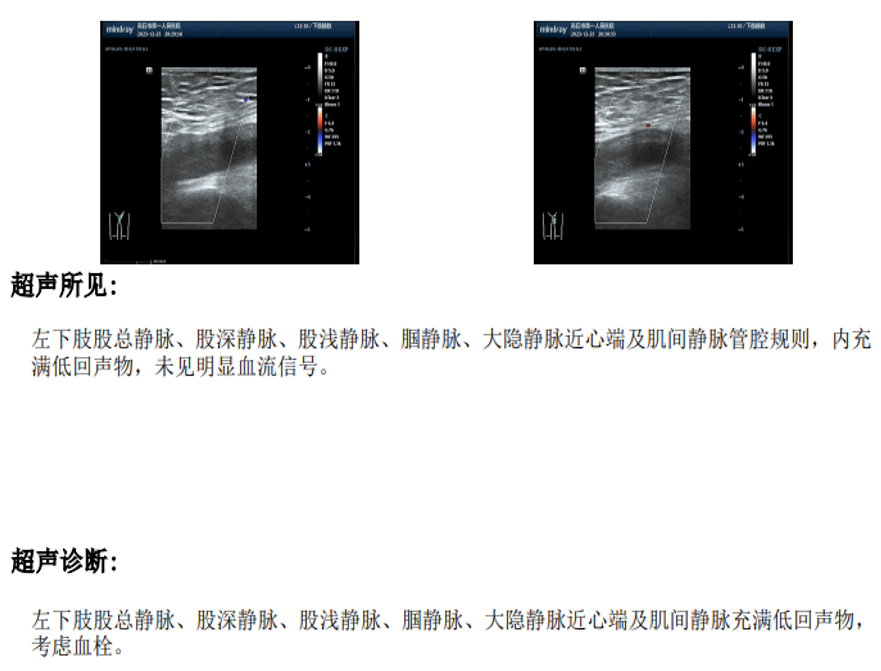
Lower extremity venous color Doppler ultrasound suggests: Formation of deep vein thrombosis in the left lower extremity
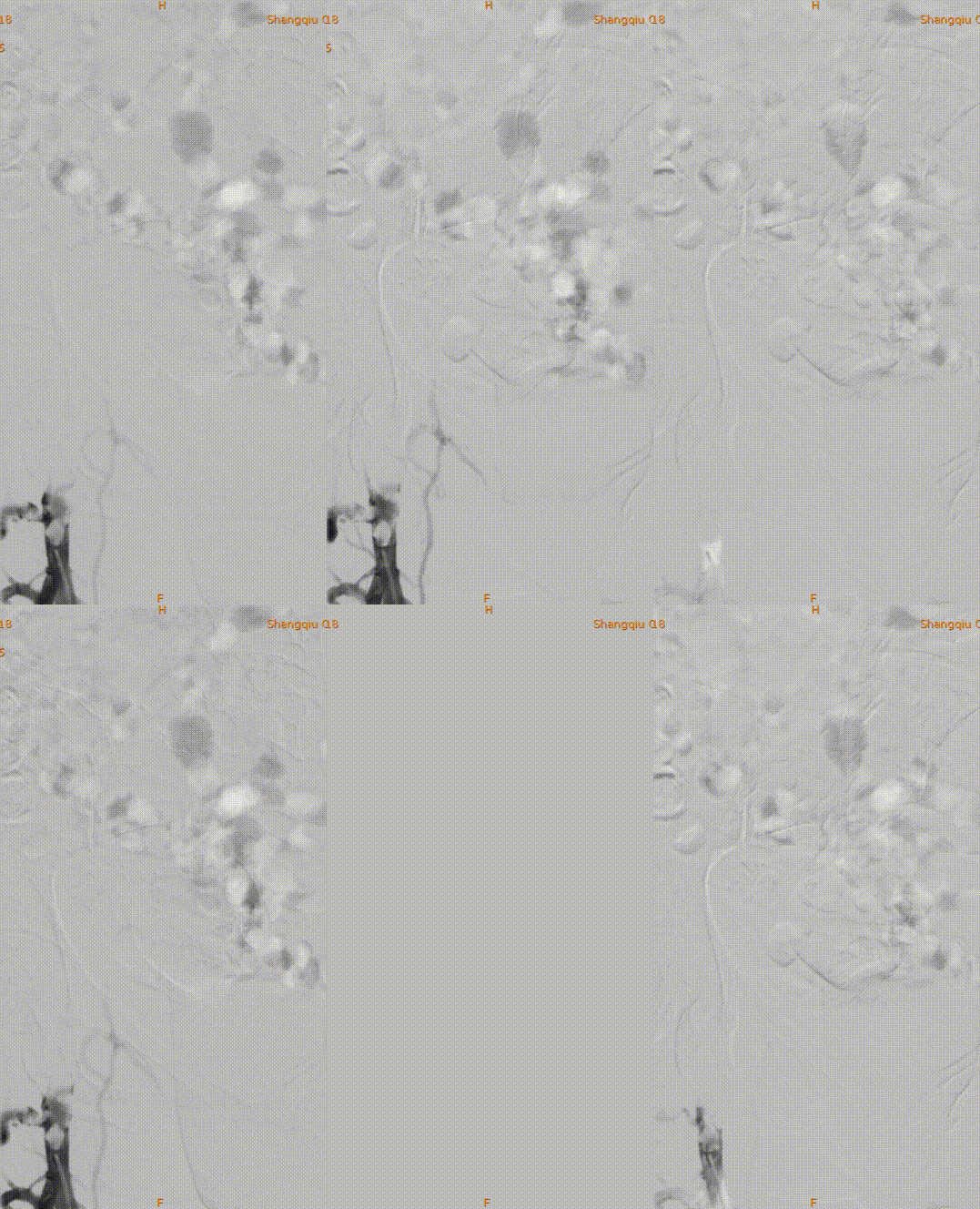
Contrast imaging showed a thrombus shadow in the common femoral vein, and no contrast was seen in the iliac vein.
Intraoperative Imaging:
Rapid removal of iliac-femoral vein thrombus using an aspiration catheter. After removal, severe stenosis of the iliac vein was still observed, so a balloon was used for stepwise dilation of the stenosis.Skynor Medical Hydrus®10mm * 80mm,12mm * 80mm), the lumen was well-expanded, followed by the implantation of a 12mm*100mm stent.
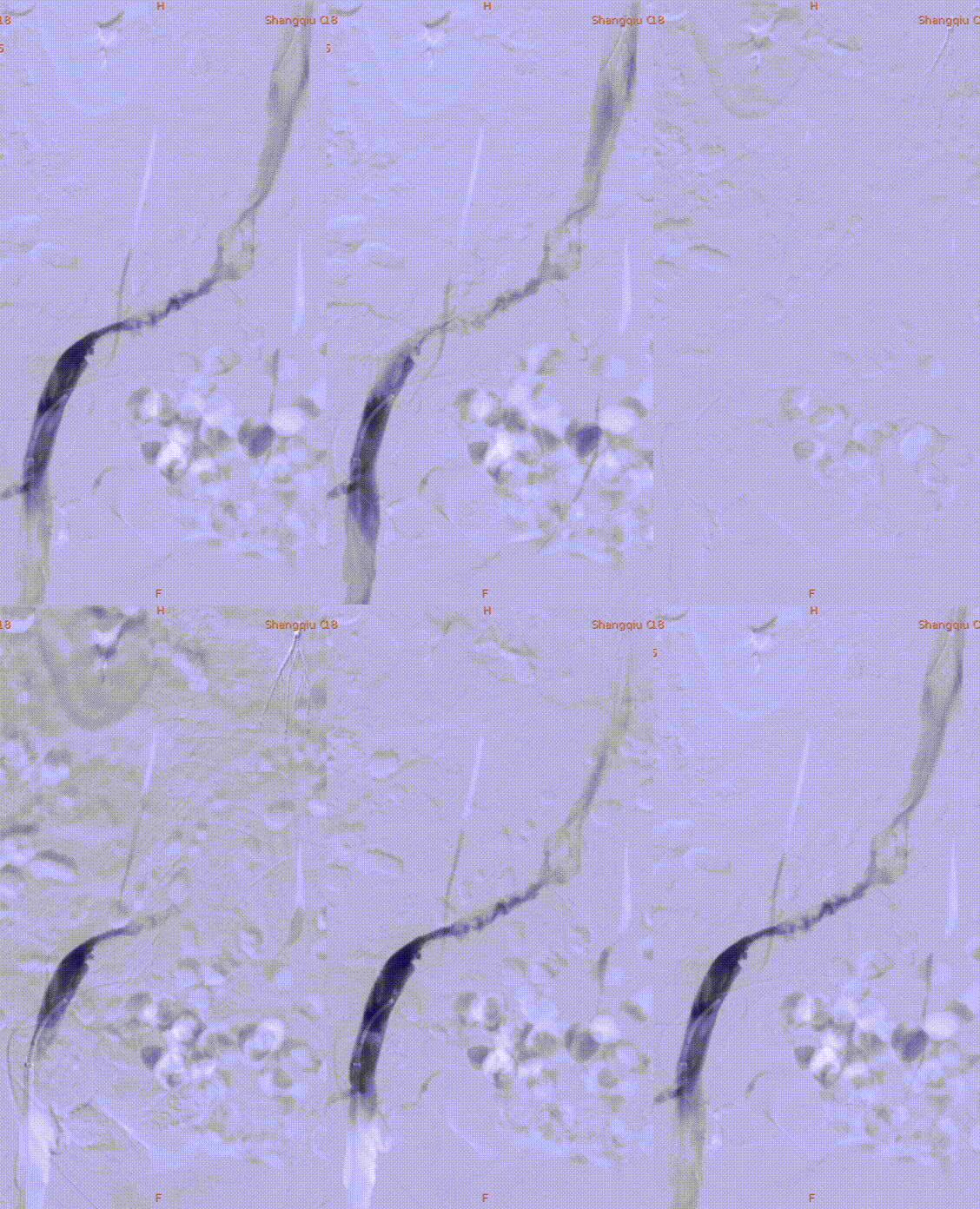
Iliac vein stenosis visible after thrombectomy
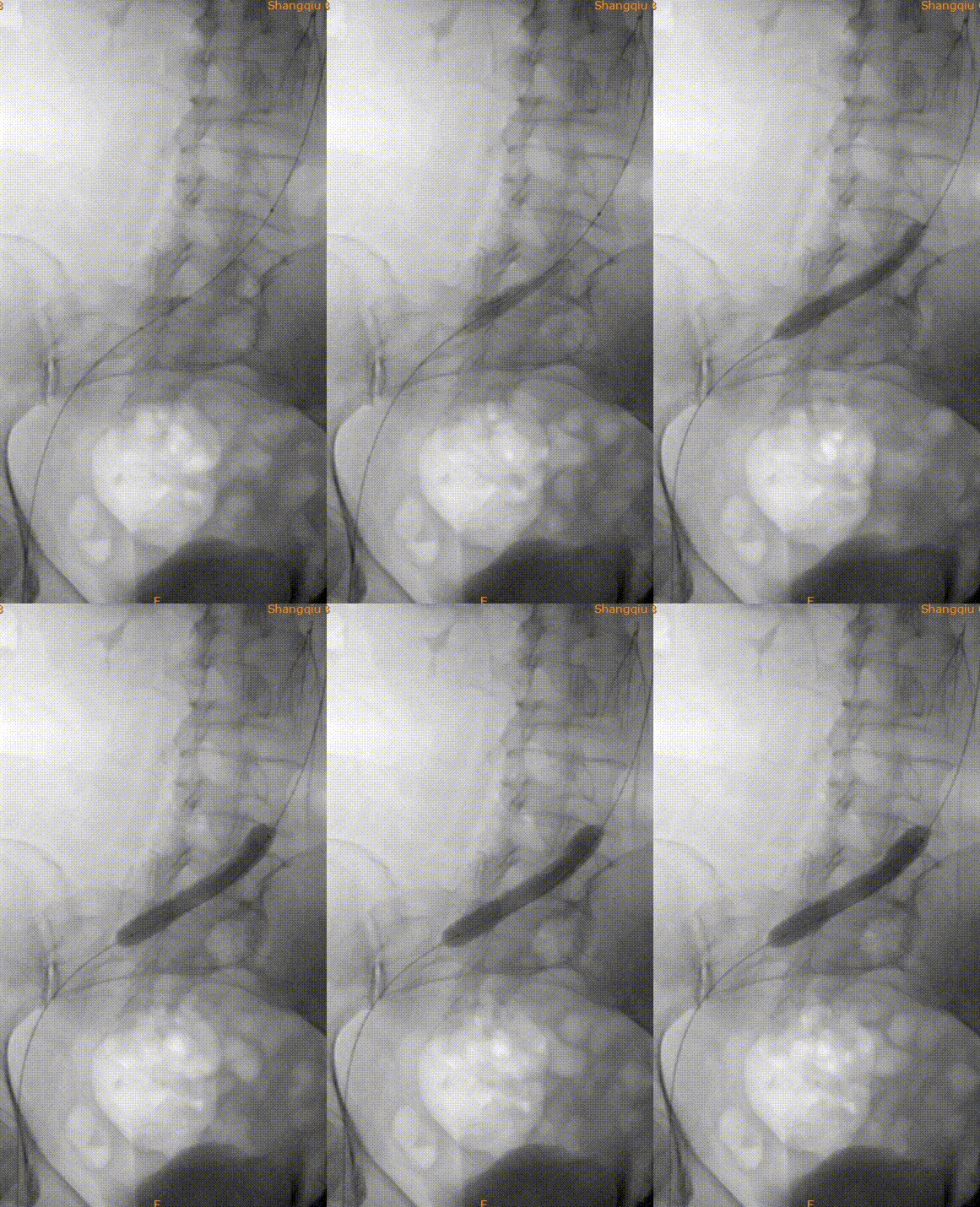
Skynor Medical Hydrus®Balloon 10mm*80mmDilation of the Iliac Vein
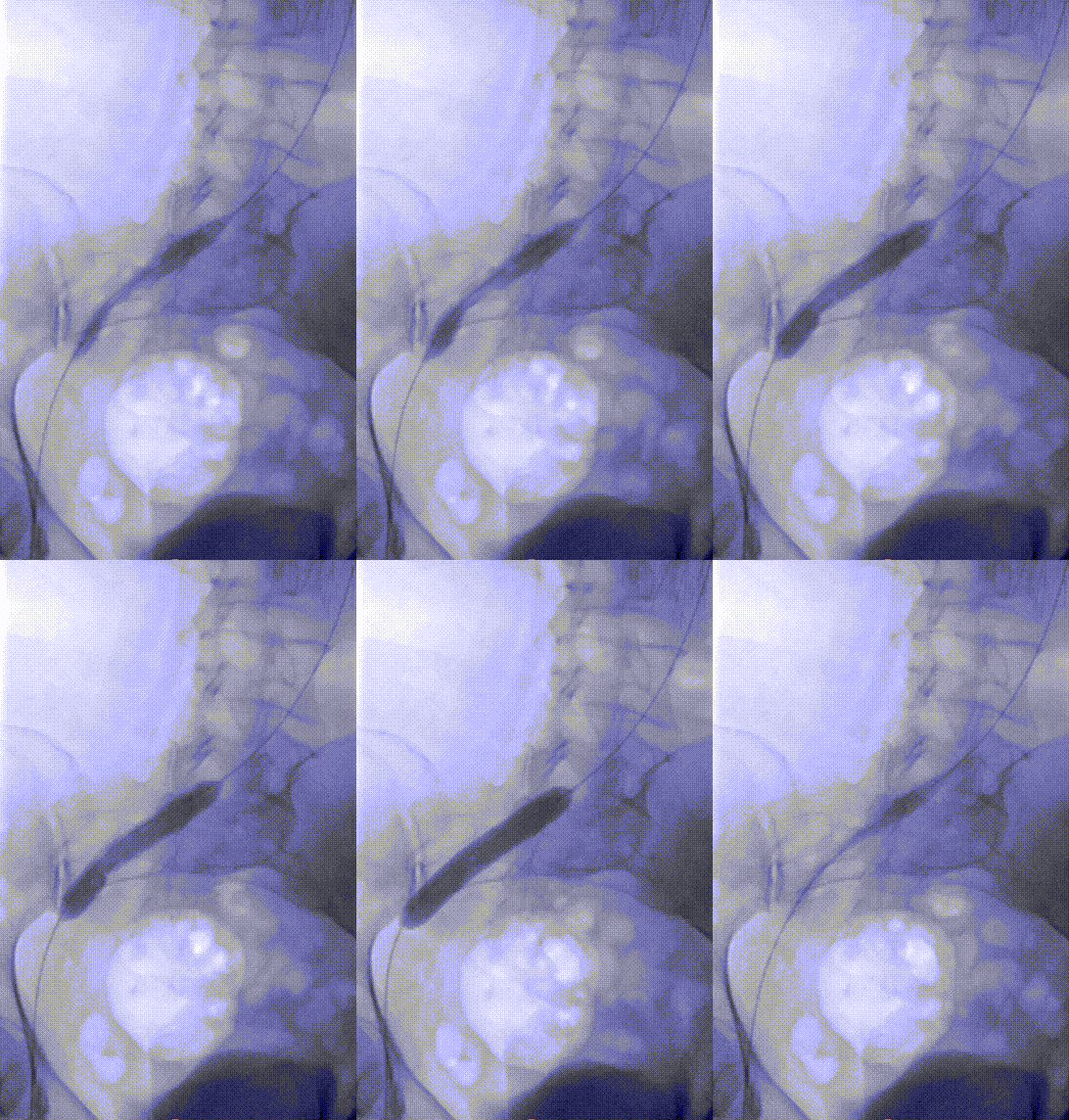
Skynor Medical Hydrus®Balloon 12mm*80mmDilate the iliac vein
Postoperative Follow-up Imaging:
Two-month postoperative follow-up showed that the iliac vein and stent were patent, the femoral and popliteal veins were patent, and blood flow was well restored and maintained.
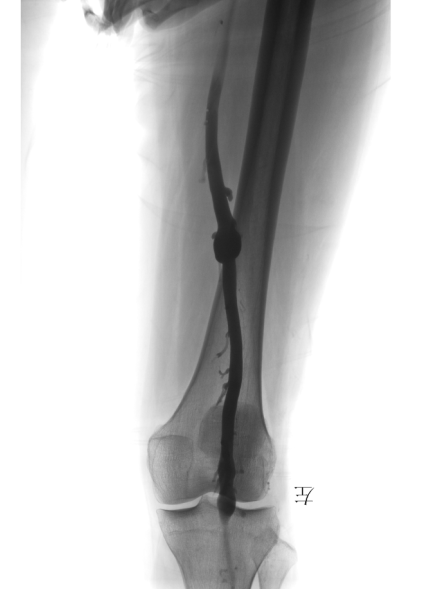
Lower extremity venography shows patency of the femoral and popliteal veins.
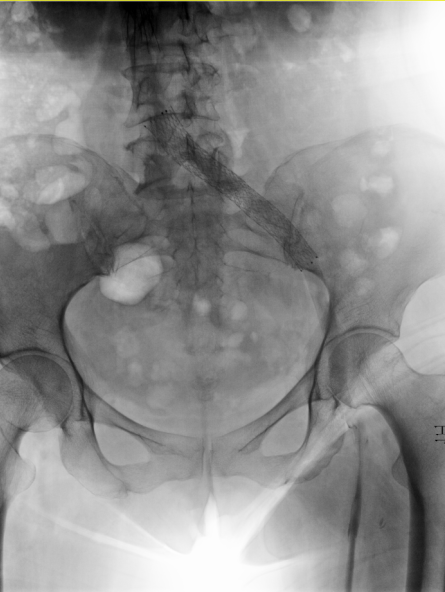
Patency of the iliac vein and stent
Case Study
The patient in this case had a short onset time and relatively fresh thrombus. Percutaneous venous thrombectomy is the best method for rapid thrombus removal, reducing thrombus load, decreasing lower extremity venous hypertension, and preventing further progression to phlegmasia cerulea dolens. However, after thrombus removal, severe stenosis (>80%) of the common iliac vein was found, with serious obstruction of venous reflux. Without further intervention, there is a high risk of recurrent thrombosis and the potential for developing more severe post-thrombotic syndrome (PTS). Balloon dilation can tear the hyperplastic intima and fibrotic structures within the vein, allowing the stent to expand fully and maintain unobstructed blood flow.
The Operator's Experience with Skynor Medical Products
Patients with iliac vein stenosis may experience severe abdominal pain during balloon dilation, and it can even stimulate the vagus nerve, affecting the heart.Skynor Medical Peripheral BalloonDuring use, it can be quickly inflated and deflated, reducing the radiation exposure time during balloon expansion and the patient's pain duration, while minimizing the incidence of cardiac vagal responses.

Professor Tian Ke
The First People's Hospital of Shangqiu City, Henan Province
Deputy Chief Physician, Department of Peripheral Vascular Surgery, First People's Hospital of Shangqiu City, Henan Province. Member of the Henan Branch of the International Vascular Alliance, Deputy Chairman of the Youth Expert Committee, Member of the Vascular Surgery Expert Committee of the Henan Medical Association. Member of the Henan Integrated Traditional Chinese and Western Medicine Peripheral Vascular Committee, Member of the Vascular Surgery Branch of the Henan Medical Association, Standing Committee Member and Secretary General of the Vascular Surgery Professional Committee of the Shangqiu Medical Association. Specializes in surgical operations and endovascular treatments for peripheral vascular diseases.



Copyright Statement: This platform aims to help medical and health professionals better understand the latest developments in relevant disease areas. The information content published on this platform does not imply agreement with its descriptions or viewpoints, but is merely for providing more information. If there are any copyright issues, we kindly request the rights holders to contact us, and we will address them as soon as possible. This information is intended solely for medical and health professionals to stay informed. Such information cannot replace professional medical guidance in any way and should not be considered as medical advice. If such information is used for purposes other than staying informed, this platform and the author assume no related responsibilities.Contact Email for Cooperation:vascular@edoctor.work。