

Dual Breakthrough: Two Domestic RDN Systems Approved on the Same Day, Marking a New Era for China's Hypertension Interventional Therapy

SyMap
Innovative Device R&D Manufacturer in Cardiovascular and Respiratory Fields

Brattea
Developer of Interventional Devices for Hypertension
Two blockbuster products in the RDN (Renal Denervation) field were approved on the same day.
On August 6, the official website of the National Medical Products Administration (NMPA) announced the approval of the registration application for the innovative product, renal artery radiofrequency ablation device, from SyMap (Suzhou Xinda Medical Technology Co., Ltd.) and BRATTEA (Shanghai Meiliweiye Medical Technology Co., Ltd.). Earlier in April, Medtronic's renal artery radiofrequency ablation device was approved by the NMPA (the first domestically launched product of its kind). So far this year, a total of three renal artery radiofrequency ablation devices have been successfully registered in China.
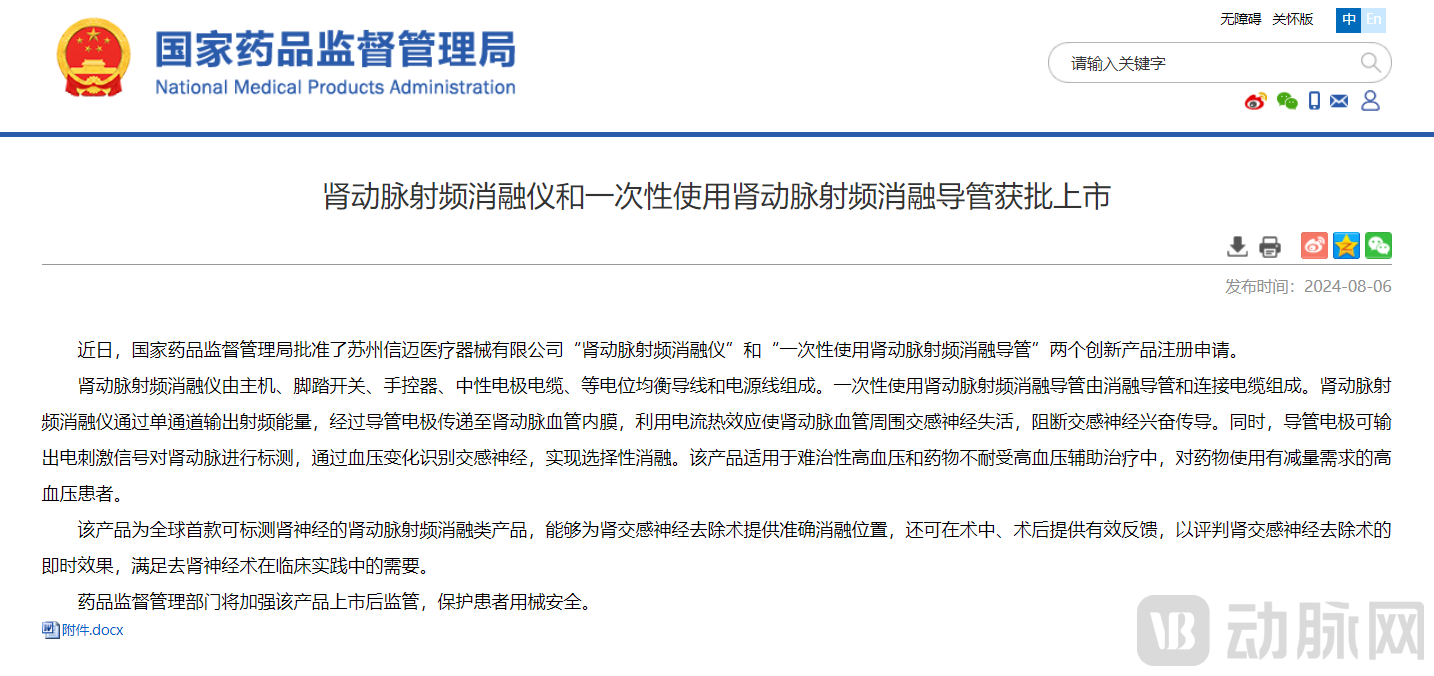
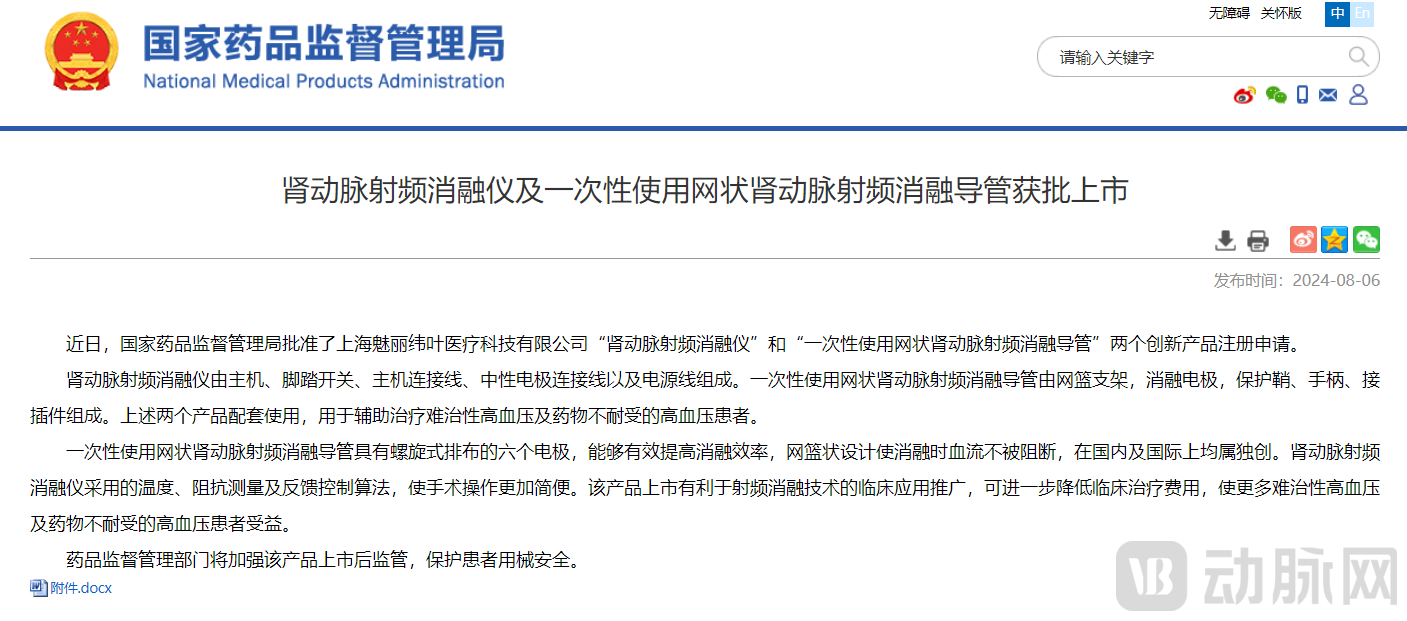
▲Image Source: NMPA Official Website
It is worth noting that this time SyMap cooperates with BRATTEA.Two Companies' Renal Artery RF Ablation Devices Approved, Achieving a Breakthrough for China-Made Products in This Field.This means that China's innovative forces will compete on the same stage as global device giants.
After the news came out, Cao Hongguang, founder and chairman of BRATTEA, expressed in his social media circle: "Eleven years of persistence, finally obtained this Class III registration certificate!"
"In the field of RDN, we Chinese practitioners are no longer followers as before. Instead, we are explorers in uncharted territories alongside our Western counterparts, and even leaders." Professor Wang Jie, co-founder and CEO of SyMap, stated in a previous media interview.
Behind the few words lies the endless heartache, effort, and struggle of domestic brands. Now, with the product's approval, everything has fallen into place — in the narrative of China's medical industry's rise, domestically innovative brands have turned a new page.
Braving the "Uncharted Territory" of RDN,
More Than a Decade of Hardship: Chinese Brands Compete on the Same Stage as Global Giants
As is known to all, hypertension is one of the most common chronic diseases.
According to Frost & Sullivan data, the number of people suffering from hypertension in China has exceeded 300 million, and the affected population is showing a trend of gradually becoming younger. Treating hypertension is urgent. Clinically, traditional methods for treating hypertension mainly involve taking antihypertensive drugs, which can effectively control blood pressure in over 80% of patients. However, 10%-20% of patients still cannot control their blood pressure and are classified as having resistant hypertension.
The birth of RDN (Renal Denervation) has brought a solution for refractory hypertension.
Relevant studies show that enhanced and persistent sympathetic activity is one of the important pathogenic mechanisms of refractory hypertension. Therefore, the method of treating refractory hypertension by ablating renal sympathetic nerves has become an innovative direction in the industry—specifically, RDN is a minimally invasive therapy that ablates renal sympathetic nerves through vascular intervention, regulating the overactive sympathetic nerve signals between the kidneys and the central nervous system, thereby reducing renal and systemic sympathetic activity, ultimately achieving the goal of controlling hypertension.
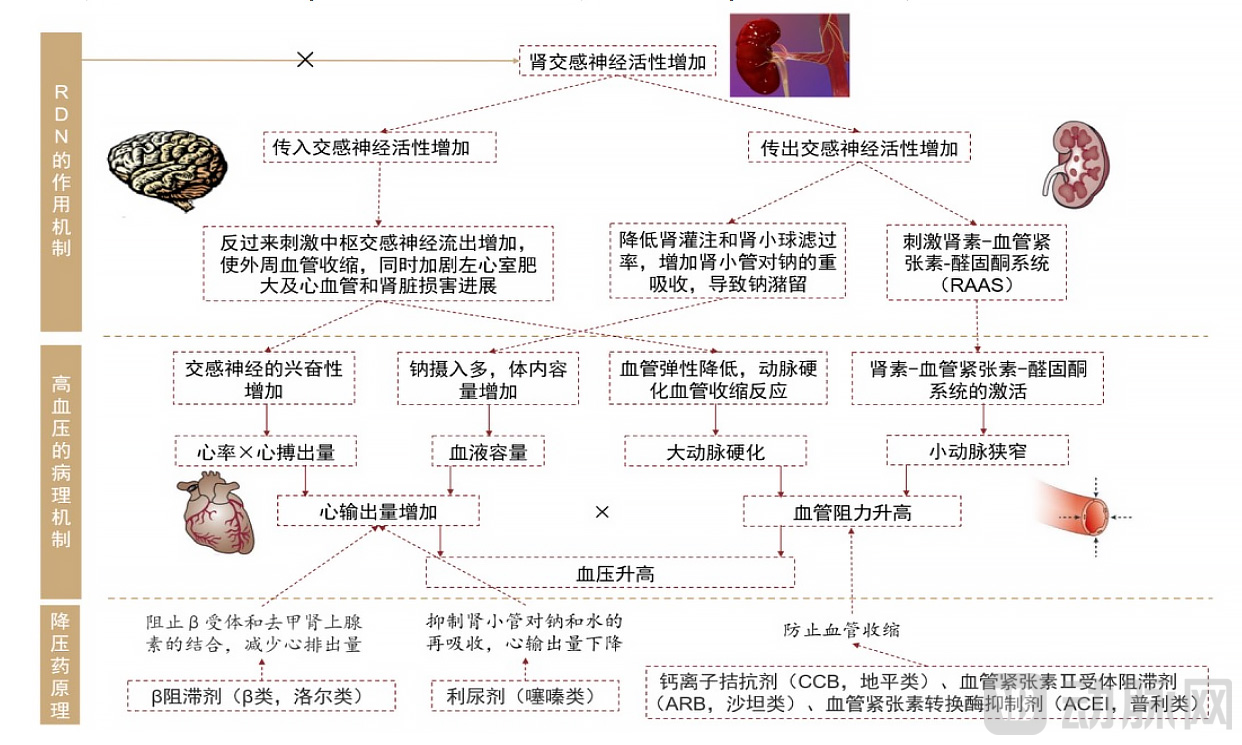
▲Schematic Diagram of RDN for Lowering Hypertension
Source of the image: "Renal Denervation (RDN) Industry Analysis Report"
In terms of specific approaches, RDN currently has four main technical directions based on different ablation energy sources: radiofrequency ablation, ultrasound ablation, cryoablation, and chemical (anhydrous alcohol) ablation.The innovative products approved this year from Medtronic, SyMap, and BRATTEA all belong to the radiofrequency ablation category.——Catheter-based radiofrequency ablation technology was the earliest of the four techniques to be applied in the RDN field, and it has now accumulated a large amount of clinical data and foundational scientific research theory.
According to the introduction on the NMPA official website, this timeSyMapThe approved renal artery radiofrequency ablation instrument consists of a main unit, a footswitch, a hand controller, a neutral electrode cable, an equipotential balancing wire, and a power cord. The disposable renal artery radiofrequency ablation catheter consists of an ablation catheter and a connecting cable.
It was particularly noted that this product is the world's first renal artery RF ablation device capable of mapping renal nerves. It can provide precise ablation locations for renal denervation procedures, as well as offer effective feedback during and after the procedure to evaluate the immediate effectiveness of renal denervation, meeting the clinical needs of renal nerve ablation.
BRATTEAThe renal artery radiofrequency ablation instrument consists of a main unit, a foot pedal switch, a main unit connection cable, a neutral electrode connection cable, and a power cord. The disposable mesh renal artery radiofrequency ablation catheter comprises a basket stent, ablation electrodes, a protective sheath, a handle, and connectors.
The document specifically points out that the disposable mesh renal artery radiofrequency ablation catheter features six electrodes arranged in a spiral pattern, which can effectively improve the ablation efficiency. The basket-like design ensures uninterrupted blood flow during ablation, making it an original creation both in China and internationally. Additionally, the temperature, impedance measurement, and feedback control algorithm adopted by the renal artery radiofrequency ablation instrument make the surgical operation more convenient.
It can be seen that the two domestic brands have many unique aspects in the development of the two innovative products.
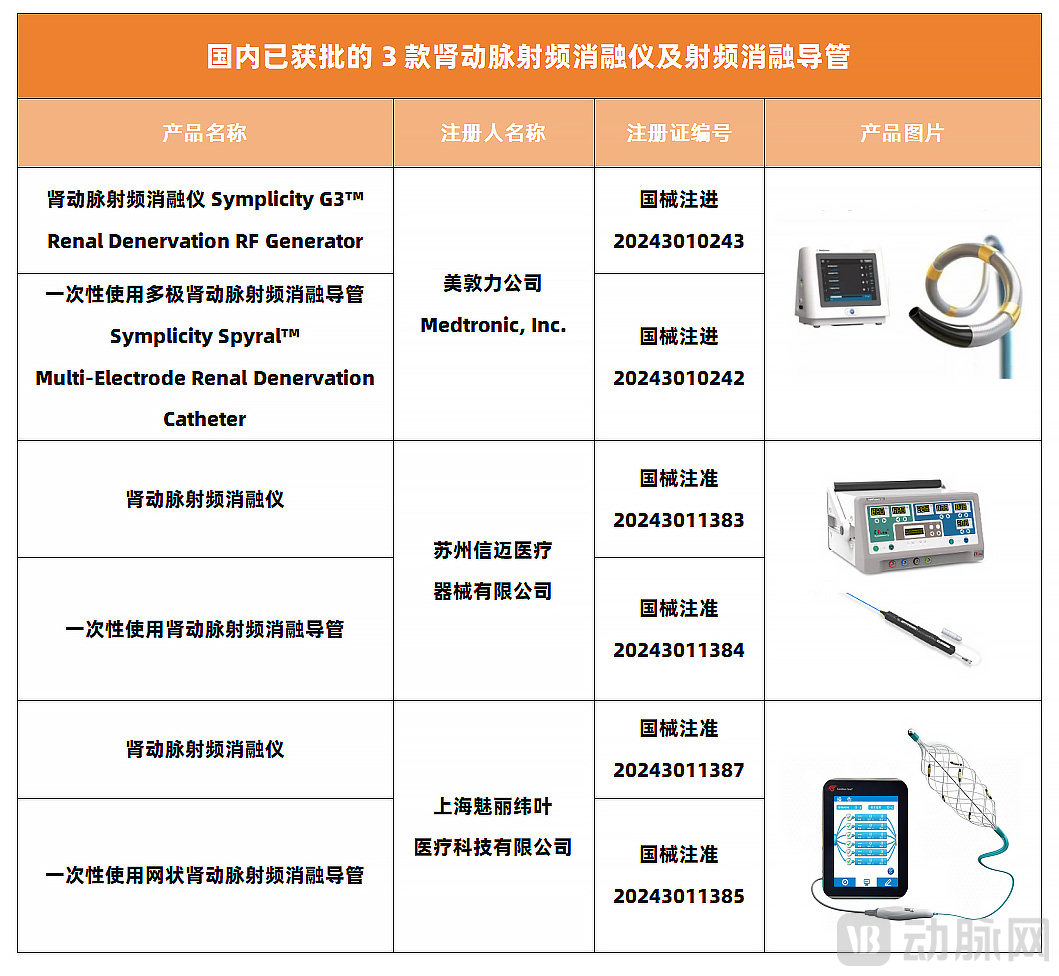
▲VCBeat Mapping Data and product image sources: NMPA and official websites of various companies
However, the successive approval of three renal artery radiofrequency ablation devices within less than half a year does not mean that the innovation difficulty and technical barriers of this product are not particularly high. This is actually a misunderstanding.
A noteworthy detail is that both domestic brands and Medtronic have spent more than a decade deeply cultivating the RDN track, often referred to as a "no man's land," to achieve the results we see today.
It is important to note that, unlike new drug development, medical device research and development is generally considered a "short, flat, and fast" track, where breakthroughs can often be achieved in just a few years through incremental innovation. However, the RDN track is somewhat unique.
First, RDN is an interventional procedure for treating cardiovascular diseases.Clinically speaking, any device therapy for major cardiovascular diseases sets extremely high standards in terms of efficacy, safety, and other aspects. Moreover, all such therapies must undergo rigorous clinical trials and long-term exploration before being approved for marketing. Therefore, the investment in research and development is substantial, and the risk of failure is significant.
In 2014, when the failure results of Medtronic's early renal artery radiofrequency ablation device Symplicity HTN-3 were announced, it caused an uproar in the industry and severely damaged confidence. Giants like Boston Scientific, Abbott, and Johnson & Johnson, who had entered the RDN field, subsequently abandoned this product line. This demonstrates the challenges of innovation in the RDN track.
Secondly, the enrollment for RDN clinical trials is extremely slow.The main reason behind this is that randomized sham surgery-controlled clinical trials would mean that half of the patients would undergo sham surgery, which is difficult for patients urgently seeking to treat their hypertension to accept; even if some patients agree, they would be required not to adjust medications during the trial to avoid interference with the surgical outcomes, leading to many patients being unwilling to participate in the trial.
It is precisely due to the aforementioned situation that the RDN track has been particularly arduous over the past decade or so, with continuous controversies. HoweverFortunately, the persistence of China's innovative enterprises has allowed domestically developed renal artery radiofrequency ablation devices to be on par with products from international giants. The approval time difference is extremely short, truly enabling head-to-head competition.
Of course, in addition to SyMap and BRATTEA, other Chinese innovative companies such as Biotronik and Hongdian Medical are also making continuous progress in the radiofrequency ablation pathway, achieving significant breakthroughs. They will continue to tell more stories about the path of Chinese innovation in the RDN field.
"After a decade of efforts, RDN finally ushers in its 'spring'."
At the "National Launch Conference of New Multi-Polar Renal Artery Sympathetic Radiofrequency Ablation Technology" held in June this year, Professor Jiang Xiongjing from Fuwai Hospital, Chinese Academy of Medical Sciences, made the statement. He mentioned that in 2014, when the industry was filled with doubts about RDN, he specifically released a video in the "Chinese Journal of Hypertension" to emphasize: "The failure of the HTN3 study (the aforementioned Medtronic study) does not completely negate the concept of RDN for lowering blood pressure. This therapy still holds promise, and we should continue to explore it."
During the revision process of the Chinese Hypertension Guidelines, Professor Wang Jiguang from Ruijin Hospital, affiliated with Shanghai Jiao Tong University School of Medicine, changed the recommendation for RDN technology from "not recommended" to "practice." When discussing the reasons for this change in perspective at the aforementioned conference, Professor Wang Jiguang stated, "Clinical evidence guides guideline recommendations." Following the update of the guidelines,RDN Will Become the "Third Pillar" Alongside Lifestyle Interventions and Medication, jointly promoting the better development of hypertension control.
Clinical recognition and consecutive product approvals have opened up tremendous commercial potential for the RDN track.
According to the analysis in the "Renal Denervation (RDN) Industry Analysis Report," the prevalence of hypertension in China is on the rise, with the total number of hypertensive patients expected to increase from 317 million in 2019 to 388 million by 2030. In 2021, the number of patients with resistant hypertension in China reached 49.7 million, accounting for 15.0% of the population. Estimates suggest that the long-term market potential for RDN in treating hypertension could exceed 10 billion yuan.
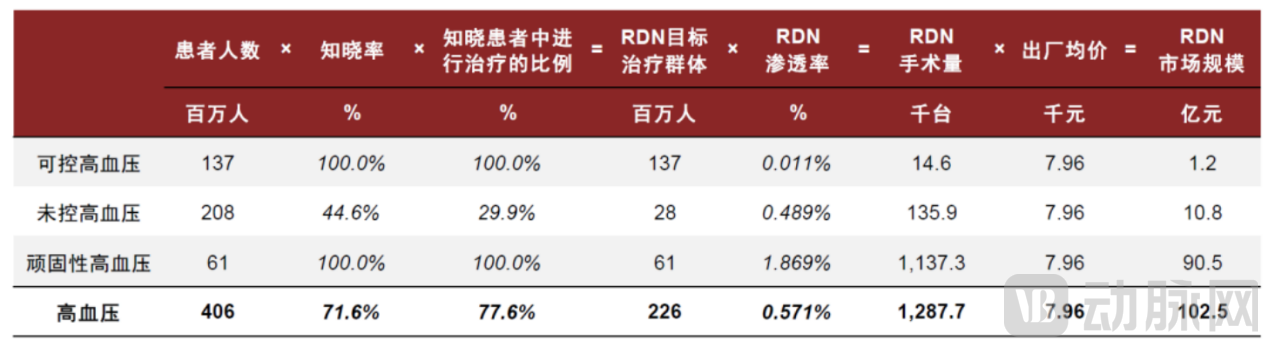
▲Estimation of Long-term Market Potential for RDN Hypertension Treatment in China
Source of the image: "Renal Denervation (RDN) Industry Analysis Report"
At the same time, the diversity of technical approaches has brought more possibilities to the RDN market.
As mentioned earlier, RDN technology can be based on various methods such as radiofrequency ablation, ultrasound ablation, cryoablation, and chemical ablation, and each technical route has related innovative enterprises布局.
Currently, the two main routes are radiofrequency ablation and ultrasound ablation. Radiofrequency ablation has been introduced earlier, so it will not be elaborated here.
Looking at the ultrasound ablation route, its principle is to use high-frequency ultrasound to transmit energy for ablation, featuring high penetration and wide coverage. In this technological route, innovative companies such as ReCor, SoniVie, Verve, Venus Medtech, and Hantong Medical have made their presence.
As a star company in the ultrasound ablation field, Recor's ultrasound renal denervation (uRDN) system for treating hypertension has been the first to receive FDA approval (November 2023).
According to publicly available information, Recor's Paradise uRDN system is capable of delivering two to three doses of 360-degree ultrasonic energy through the main renal artery to ablate overactive sympathetic nerves surrounding the renal artery, thereby reducing blood pressure. Additionally, the Paradise catheter is equipped with a unique HydroCooling system, which circulates sterile water through the balloon during the procedure to cool and protect the inner layer of the renal artery.
Chinese Innovative Brand Hantong Medical Launches Self-developed "Renal Artery Ultrasound Ablation System (uRDN)", Which Optimizes the Acoustic Field Output Range for More Stable Ablation Effects. At the Same Time, This Product Achieves 360° Uniform Energy Field Ablation in Both the Renal Artery Trunk and Branches. Currently, Hantong Medical Is Also Developing the Next-generation Ultrasound Energy Platform, Combining Ablation Therapy with Ultrasound Diagnosis to Achieve the Clinical Advantages of Targeted Ablation and Real-time Monitoring of Ablation Effects.
Venus Medtech has chosen to establish a joint venture, Renaly Ltd., with the Israeli high-tech company Healium Medical Ltd. The company's Echomplish dual-modality ultrasound technology platform can simultaneously achieve precise ultrasound ablation and ultrasound imaging monitoring. The device consists of three parts: an ablation catheter, a console, and a software system. Through imaging software, real-time images during the ablation process can be clearly observed. It uses ultrasound to indicate the lesion location and adopts a lesion scoring system to keep the operator informed about the surgical situation.
On the cryoablation pathwayChina's innovative enterprise Kangfeng Bio has independently developed the Cryofocus cryoablation system, which is based on the theory that temperatures below -68°C can cause irreversible cell damage. Using liquid nitrogen as a refrigerant, it performs ablation of renal sympathetic nerves through a cryoballoon. The product features complete nerve damage, precise ablation positioning, minimal vascular endothelial injury, and a low risk of thrombosis.
On the path of chemical ablationAblative Solutions, an innovative American company, has developed an alcohol-mediated renal denervation (RDN) product — the Peregrine System. This system consists of an infusion catheter and absolute alcohol. The Peregrine infusion catheter has received FDA 510(k) clearance in the United States and can be used to infuse diagnostic and therapeutic agents into the perivascular region of the peripheral vasculature.
The technology pathways are flourishing, and the industry never stops discussing which path is better. However,From the current progress of the industry, different technical paths have their own advantages and barriers.For example, the difficulty with radiofrequency ablation technology lies in the production of radiofrequency ablation devices and the control of the energy source, while the challenge with ultrasound ablation is the product’s structure and complex processes.
Therefore, it remains to be seen which technical path is superior and who can truly represent the future of RDN until more real-world data becomes available. For patients currently suffering from hypertension, what they need most are solutions that can genuinely treat the disease.
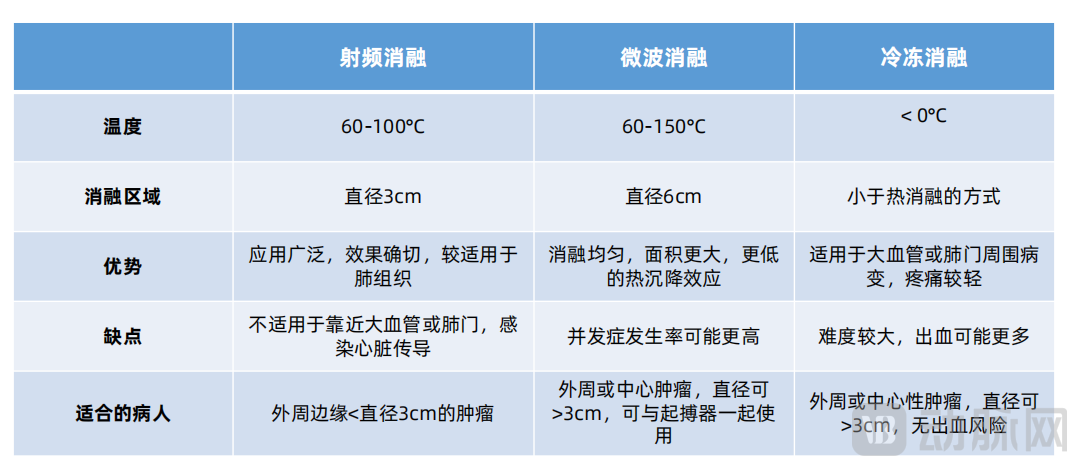
▲Comparison of Different Ablation Methods Image Source: "Renal Denervation (RDN) Industry Analysis Report"
It should be noted that, with the approval of products, in the early stage of the implementation of RDN therapy, attention should be paid to and the healthy development of new therapies should be promoted. Among them, standardizing patient screening, standardizing surgical procedures, and establishing the concept of whole-process patient management can maximize the safety and clinical benefits of RDN patients.
From this perspective, the continuous progress of the RDN track still requires the joint efforts of the industry.
The approval of SyMap and BRATTEA's renal artery radiofrequency ablation devices is a microcosm of the rise of domestic brands in China's medical device innovation industry.
VCBeat statistics found that,In just the two years of 2022 and 2023, 110 innovative medical device products were approved in China, surpassing the total from 2014 to 2021., including a number of innovative medical devices that fill domestic gaps, reach world-leading standards, and address urgent clinical needs, have been approved for marketing.
At the same time, these products cover various sub-fields such as neuro-intervention, brain-computer interface, regenerative materials, cardiovascular, and ophthalmic devices, driving the comprehensive blossoming of China's medical innovation industry and placing it among the important players in the global medical device field.
More importantly, after achieving new breakthroughs, domestic brands do not stop there. Instead, they continuously create more high-quality products based on the technology, experience, and talent accumulated on their own platforms, thereby meeting unmet clinical needs more extensively and effectively.
Taking BRATTEA as an example, after obtaining the certification this time, the company will continue to expand and optimize its energy platform, including various active energy technologies with tissue-selective specificity such as radiofrequency (RF), ultrasound (US), and pulsed electric field (PFA). It aims to delve into multiple chronic disease fields such as diabetes, chronic obstructive pulmonary disease (COPD), and heart failure. This way, it seeks to address the current state of chronic disease treatment where drugs are either ineffective, have poor outcomes, or suffer from low compliance, using minimally invasive techniques. The goal is to improve target achievement rates and reduce the incidence of mortality and disability.
Another example is SyMap, which, in addition to its renal artery radiofrequency ablation device, has also developed the Elation® system, a bronchoscopic radiofrequency ablation system for treating severe asthma. Currently, Elation® has been approved by the NMPA to enter the special review process for innovative medical devices and has completed clinical trials, with registration currently underway. Additionally, SyMap’s globally first virtual electrode, precisely controlled radiofrequency system for treating early-stage lung cancer and pulmonary nodules via bronchoscopy—the "Zedan" Hypertonic Assisted, Precisely Controlled RF System—has completed its First in Human (FIH) clinical study in Australia and is undergoing further clinical trials in multiple countries.
It is not difficult to find that China's medical device innovation industry already possesses a rich array of medical innovation products that run parallel to or even lead the world in some areas, as well as the relentless medical innovation companies behind them.
As more local enterprises join in and work together, Chinese brands are bound to either keep pace with or lead the global wave of medical device innovation.
References:
1. "Renal Denervation (RDN) Industry Analysis Report" — Medical Device Intellectual Property
2. "Doctor Entrepreneurship: How Can the RDN Track Give Rise to a Chinese Innovative Unicorn?" — VBInsight
3. "Medtronic's Symplicity Hypertension Treatment Officially Enters Clinical Practice in China, RDN Therapy Embarks on a New Journey: With Determination to Soar High, Even 10,000 Miles is Within Reach!" — Yanda Medical Voice Network