Dual Epigenetic Agents Combined with Anti-PD-1 Antibody Overcome Immunotherapy Resistance in Relapsed/Refractory Classical Hodgkin Lymphoma: A Clinical and Tumor Microenvironment Study

Abiosciences
Life Science Technology Developer

PD-1 Antibody Therapy for Relapsed/Refractory Classic Hodgkin Lymphoma After Failed or Ineligible Autologous Stem Cell Transplantation(cHL)An important treatment for patients, single-agent therapy has a high clinical response rate; to further improve the complete tumor remission rate, various combination regimens have been widely explored. The combination regimen of decitabine, a DNA demethylating agent, with PD-1 antibody, independently developed by the team of Han Weidong and Nie Jing from the Biotherapy Department of PLA General Hospital, has demonstrated its clinical advantages and has been incorporated into national treatment guidelines. However, some patients exhibit primary resistance or experience disease progression or recurrence after treatment. How to overcome immune checkpoint inhibitor resistance in Hodgkin lymphoma, especially identifying new effective treatment options for cHL patients who relapse or progress after decitabine and PD-1 antibody therapy, remains an urgent issue to be addressed.
August 2, 2024, Department of Biotherapy, Chinese PLA General HospitalHan Weidong/Nie JingThe team collaborated with the team from Analytical Biosciences Limited inBloodThe journal was published online under the titleEpigenetic agents plus anti-PD-1 reprograms tumor microenvironment and restores antitumor efficacy in Hodgkin lymphomaThe research paper. In this study, the authors demonstratedThe triple regimen of histone deacetylase inhibitors and DNA demethylation drugs combined with PD-1 antibody is safe and demonstrates outstanding clinical efficacy, with 94% of immunotherapy-resistant patients achieving a clinical response; this therapy comprehensively reshapes the Hodgkin's lymphoma microenvironment and enhances tumor-reactive CD8.+T cell clonal expansion diversity and relief of immunosuppressive CD4+Interaction Regulation between T Cells and Tumor Cells.

To Explore Decitabine Combined with PD-1 Antibody(DP)New Clinical Strategies for Patients with Failed Treatment: From January 2020 to August 2022, the Department of Biological Therapy at PLA General Hospital recruited 52 patients with relapsed or progressive cHL after DP treatment. Taking into account the differences in the mechanisms of anti-tumor effects through various epigenetic pathway interventions, the team innovatively proposed a combination of the histone deacetylase inhibitor chidamide, the DNA demethylation agent decitabine, and the PD-1 antibody.(CDP)Three-drug regimen(Figure 1)Surprisingly, as of December 10, 2023, 49 (94%) of these patients achieved clinical responsiveness, with 26 (50%) reaching complete tumor clearance. In patients who had undergone at least five lines of treatment, the objective response rate remained as high as 90%. Notably, among the 12 patients who had primary resistance to previous DP treatment, all achieved an objective response after CDP treatment. After a median follow-up of nearly three years, the median progression-free survival for the patients was observed.(PFS)The duration was 29.4 months. Among the 12 patients who achieved sustained complete remission for more than one year and had discontinued CDP, 78% remained recurrence-free one year after discontinuation. The new CDP therapy demonstrated good safety, and the PFS gained by patients receiving CDP treatment was significantly longer than the PFS from previous DP treatment.
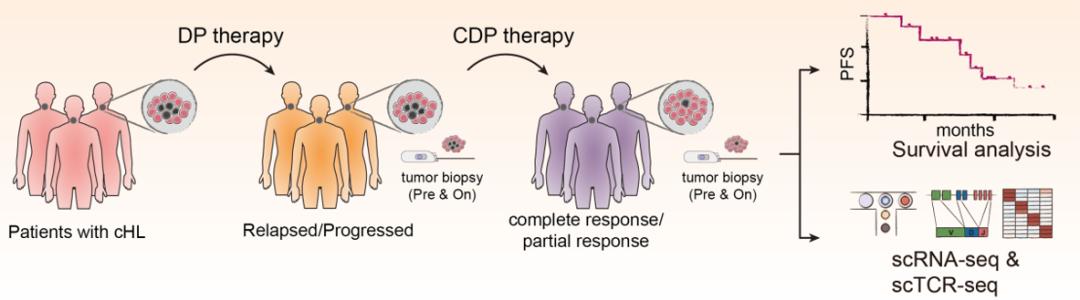
Figure 1 Clinical Trial Design of the CDP Three-Drug Regimen
To further investigate the possible mechanism by which CDP dual-epigenetic immunotherapy reverses DP treatment resistance, the authors collected matched serial tumor biopsy samples before and after CDP and DP treatments for single-cell transcriptome sequencing.(scRNA-seq)And Single-Cell T Cell Receptor Sequencing(scTCR-seq)Due to the scarcity of HRS malignant tumor cells, which account for only about 1% of the cHL microenvironment, the rarity of HRS cells has greatly limited in-depth research on cHL. This work is the first to analyze the characteristics of HRS tumor cells at the single-cell level, unexpectedly identifying CD30 in the early stage of differentiation.-HRS Cell Subsets and Classical CD30+Compared with HRS tumors, this subgroup has poor responsiveness to immunotherapy. Due to the low expression of MHC class I molecules in tumor cells, CD8 in cHL+T cell function is limited, the authors found that tumor cell immunogenicity was enhanced after epigenetic immunotherapy, and observed tumor-reactive CD8+T cell clonal expansion, and are in a pre-exhaustion effector state. Additionally, the abundant immunosuppressive IL-21 in the cHL microenvironment+CD4+T Cells and CD30+HRS tumor cells have a positive feedback regulation, and CDP therapy breaks the IL-21 signal by targeting STAT1/3 to inhibit the IL6 and IL21 signaling pathways.+CD4+T cells promote the proliferation of tumor cells, while CD8+T/NK effector cells enhance the recognition and killing of heterogeneous HRS tumor cells, thereby achieving efficient tumor clearance.(Figure 2)。
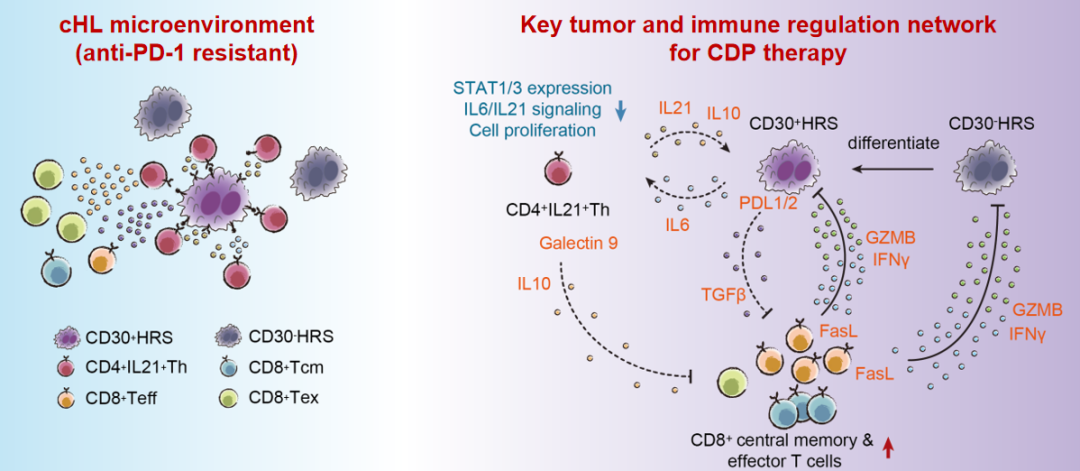
Figure 2 CDP Three-Drug Regimen Remodels Hodgkin's Lymphoma Microenvironment to Achieve Tumor Clearance
In general, this workTo clarify the clinical safety of dual epigenetic immunotherapy, confirming that this regimen can reverse DP treatment resistance, providing a practical and effective new clinical strategy for relapsed/refractory cHL patients; and through the analysis of the tumor microenvironment, pointing out HRS tumor heterogeneity, explaining the key mechanism of action of epigenetic immunotherapy in cHL's anti-tumor efficacy, also laying a theoretical foundation for the promotion of this therapy in other tumors.
Original link: https://doi.org/10.1182/blood.2024024487
Publisher: Eleven

BioArt

Med

Plants

Talent Recruitment

Conference Information
BioART Strategic Partner
(*The ranking is不分先后)





Reprint Notice
[Non-Original Article] The copyright of this article belongs to the author. Personal sharing and forwarding are welcomed, but reproduction without the author's permission is prohibited. The author reserves all legal rights, and violators will be held accountable.