Dissolve™ AV Scoring Drug-Coated Balloon for Refractory AVF Stenosis: A Case Series by Professor Wu Liang's Access Team

DK Medtech
Vascular Interventional Balloon Product Developer

Stenosis of autologous/artificial arteriovenous fistula (AVF/AVG) is the most common complication in hemodialysis patients. Percutaneous transluminal angioplasty (PTA) has become the primary method for maintaining dialysis access. However, the blunt and irregular tearing of the intima and part of the media by traditional balloons during PTA can cause excessive damage to the endothelial vessels, leading to intense proliferation of vascular smooth muscle cells and macrophages, which quickly results in restenosis.
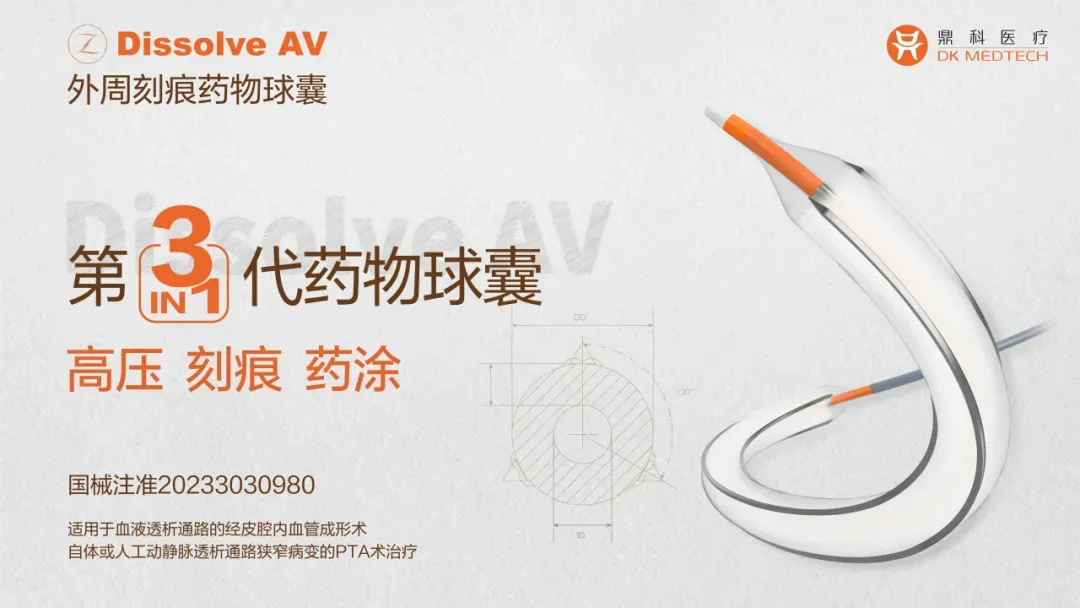
In recent years, there has been continuous international exploration and clinical research on drug-coated balloons and other devices for PTA treatment of dialysis access. DK Medtech has developed the Dissolve™ AV Scoring Drug Balloon, which integrates three features: "scoring," "high pressure," and "drug coating." This is the world's first third-generation drug balloon:
Directional Scoring: Uniform and regular tearing of the intima to reduce damage from blunt splitting.
High Burst Pressure: For high-resistance lesions, improving technical success rate.
Paclitaxel Coating: Effectively Inhibits Excessive Proliferation of Smooth Muscle Cells.
DK Medtech Special Release[Professor Wu Liang's Access Team: Cutting Balloon Treatment for Refractory AVF Stenosis] Case Presentation, demonstrating the precise operation of each case and the clinical application of advanced equipment and instruments. From the formulation of treatment strategies for different cases, standardized procedures and technical applications during surgery, prevention of complications, to perioperative management, etc., the aim is to promote the standardization of diagnosis and treatment for vascular stenosis and occlusive diseases, strengthen technical exchanges and experience sharing among doctors, with the hope of providing new ideas and methods for future diagnosis and treatment, benefiting more clinical patients.

Scored Drug-Coated Balloons for Refractory AVF Stenosis

Zheng Huixiao, Wu Liang from the Second Affiliated Hospital of Xingtai Medical College
Patient Information
Basic Information:Male, 71 years old.
Chief Complaint:Five years of hemodialysis, weakened thrill of arteriovenous fistula for 20 days.
History of Present Illness:The patient was diagnosed with "CKD Stage 5" five years ago and began hemodialysis treatment using an autologous arteriovenous fistula in the left forearm, performed three times per week. During this period, the patient underwent nine ultrasound-guided PTA procedures on the fistula due to venous outflow stenosis and occlusion.
Past Medical History:Hypertension for 28 years, with the highest reading reaching 190/100 mmHg.
Physical Examination:The murmur and thrill of the left forearm fistula were weakened.
Admission Diagnosis:
Stenosis of arteriovenous fistula in the left forearm.
Chronic Kidney Disease Stage 5 (Uremia);
Maintenance Hemodialysis;
Renal Anemia.
Grade 3 Hypertension (Very High Risk).
Previous interventional treatment
Time | Main Treatment Process |
2021-03-01 | Balloon Angioplasty of Left Forearm Arteriovenous Fistula (High-Pressure Balloon) |
2021-06-27 | Balloon Angioplasty of Left Forearm Arteriovenous Fistula (High-Pressure Balloon) |
2021-11-08 | Balloon Angioplasty of Arteriovenous Fistula in Left Forearm (High-Pressure Balloon) |
2022-06-22 | Balloon Angioplasty of Arteriovenous Fistula in Left Forearm (High-Pressure Balloon) |
2022-10-24 | Balloon Angioplasty of Arteriovenous Fistula in Left Forearm (High-Pressure Balloon) |
2023-03-09 | Balloon Angioplasty of Arteriovenous Fistula in Left Forearm (High-Pressure Balloon) |
2023-07-03 | Balloon Angioplasty of Arteriovenous Fistula in Left Forearm (High-Pressure Balloon) |
2023-09-27 | Balloon Angioplasty of Arteriovenous Fistula in Left Forearm (High-Pressure Balloon) |
2024-01-26 | Balloon Angioplasty of Arteriovenous Fistula in Left Forearm (High-Pressure Balloon) |
Preoperative Analysis
Preoperative Analysis:The patient has undergone multiple PTA surgeries on the internal fistula, with severe stenosis in the venous outflow tract. Previous use of high-pressure balloon dilation showed unsatisfactory results. This admission plans to use a high-pressure scoring drug-coated balloon for treatment of the lesion.
Surgical Objective:
Main Objectives:Open up the stenotic lesion to meet the dialysis blood flow requirements.
Secondary Objectives:Prevent rebound, extend the usage time of patients' fistulas, and reduce the number of patient interventions.
Surgical Strategy/Plan:PTA was performed again using the DK Medtech Dissolve™ AV Scoring Drug-Coated Balloon.
Preoperative Assessment
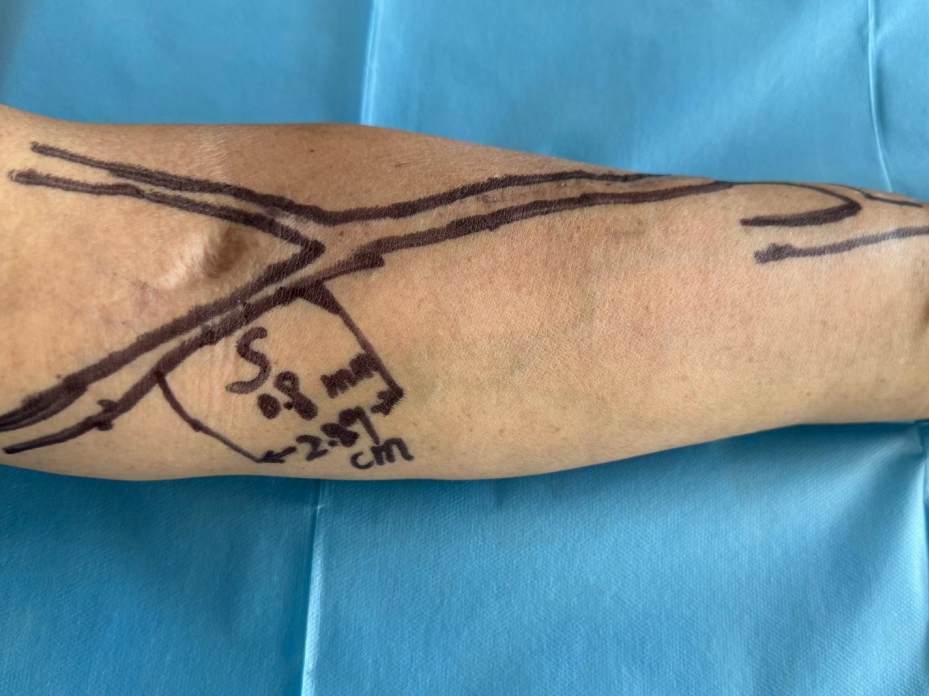
Radial artery-cephalic vein fistula, stenosis of the median cubital vein and basilic vein.
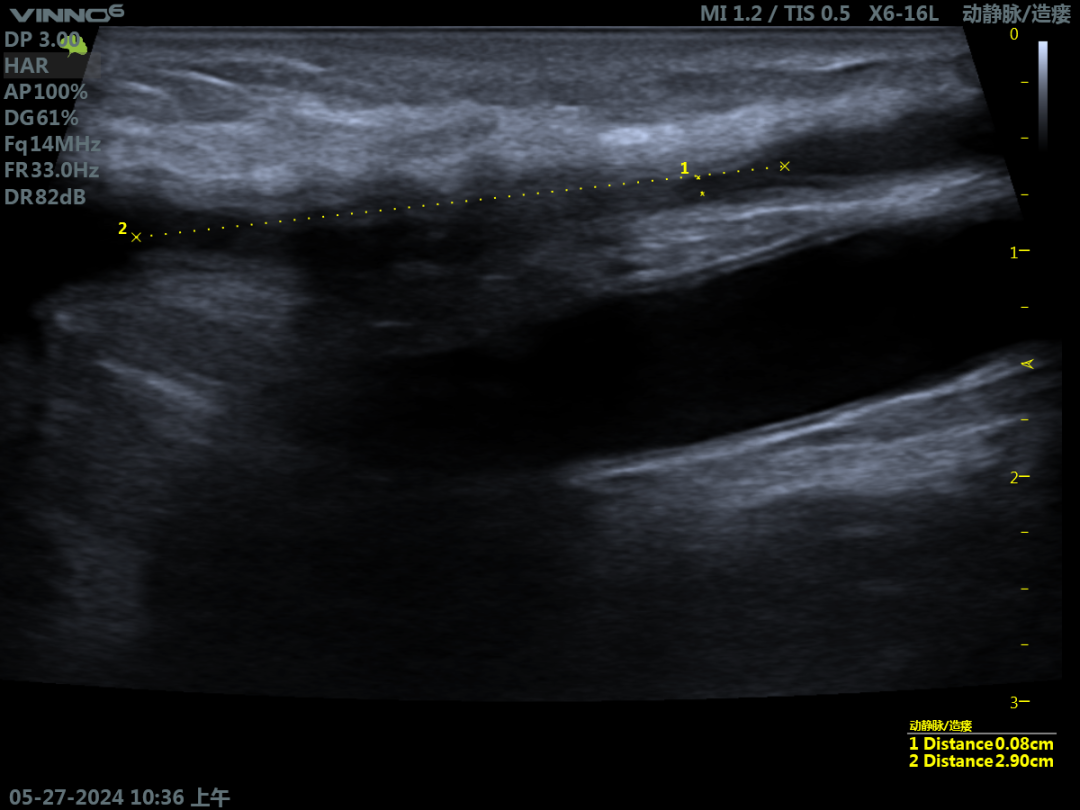
The distance from the stenosis to the anastomosis is 17cm, with the narrowest inner diameter approximately 0.8mm and a length of about 2.89cm.
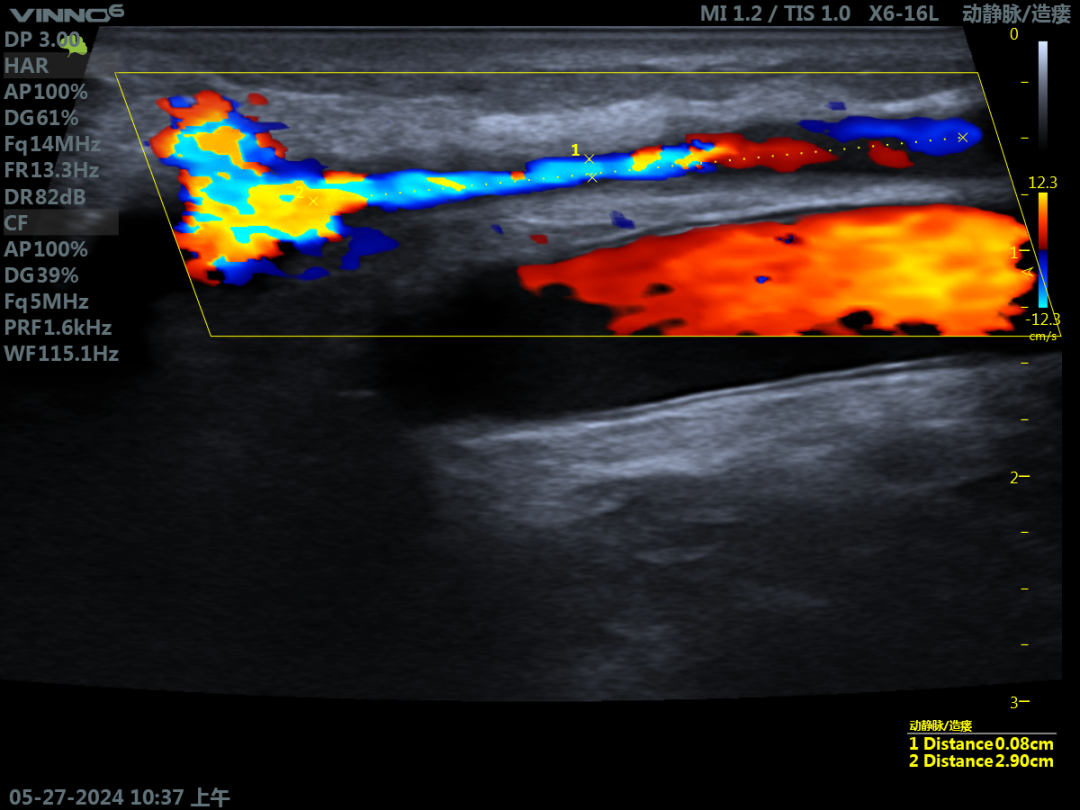
The blood flow at the stenosis is significantly reduced.
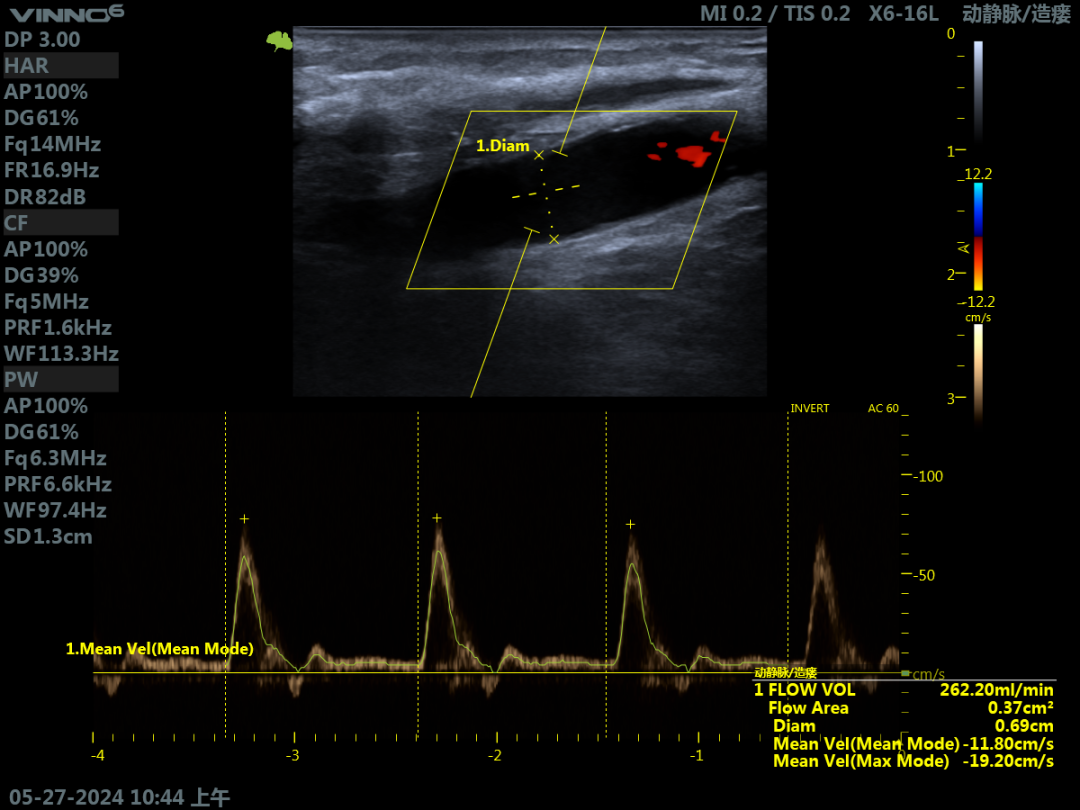
Brachial artery blood flow 262.2 ml/min.
Surgical Procedure
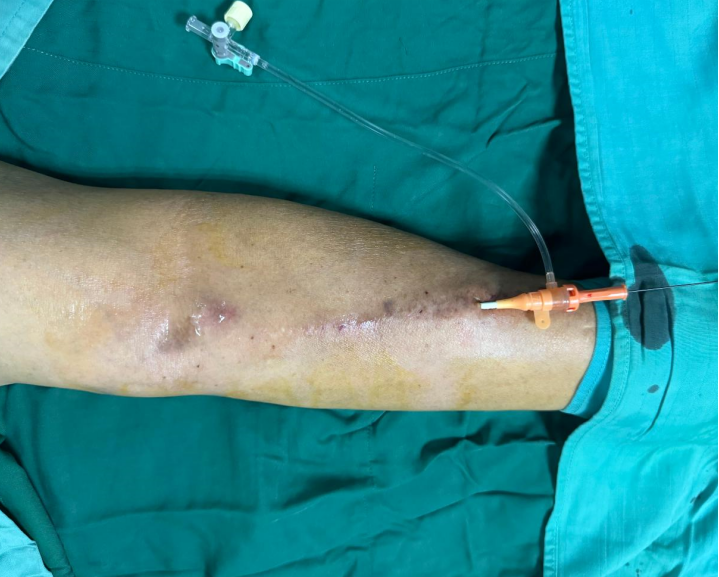
The patient lies in a supine position, with the left forearm abducted. After routine disinfection and draping, brachial plexus anesthesia is administered. The puncture needle is inserted, and upon observing the outflow of arteriovenous fistula blood, the guidewire is advanced. The needle is withdrawn, and a 7F vascular sheath is inserted. Heparin 20mg is then administered intravenously.
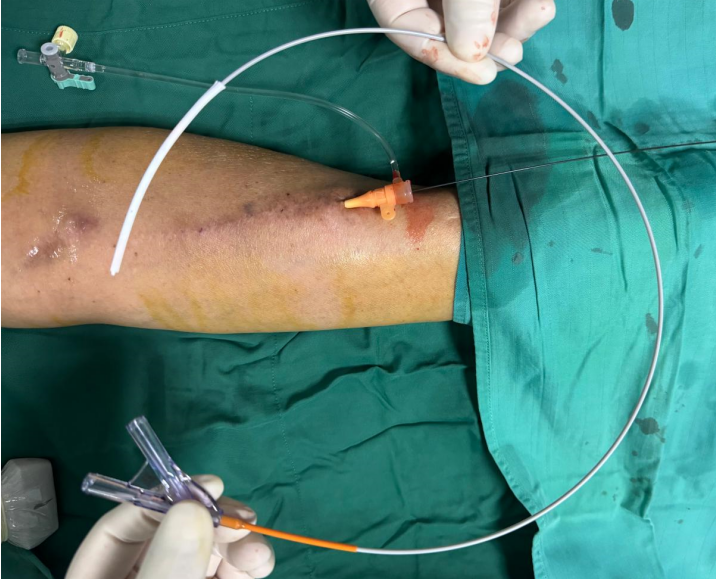
A 6.0*40mm DK Medtech Dissolve™ AV high-pressure scoring drug-coated balloon was advanced over the guidewire.
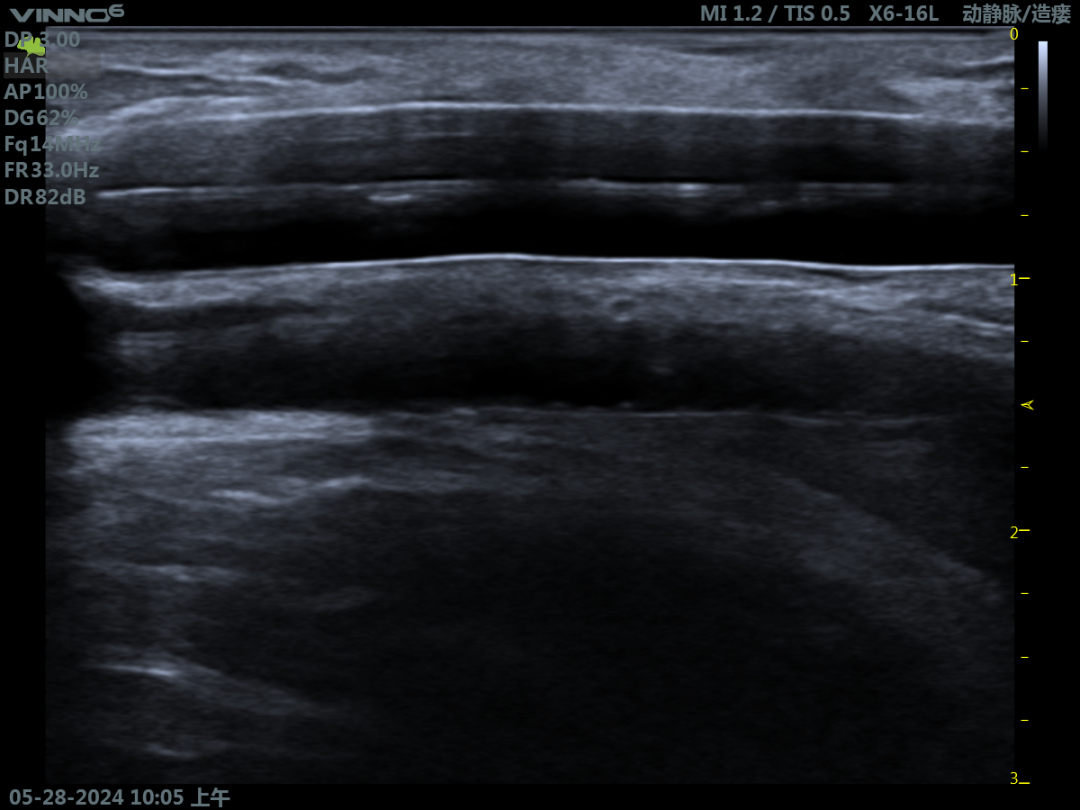
The balloon was anchored at the stenotic lesion and dilated three times at 20 atm: the first time for 3 minutes, and the second and third times for 1 minute each.
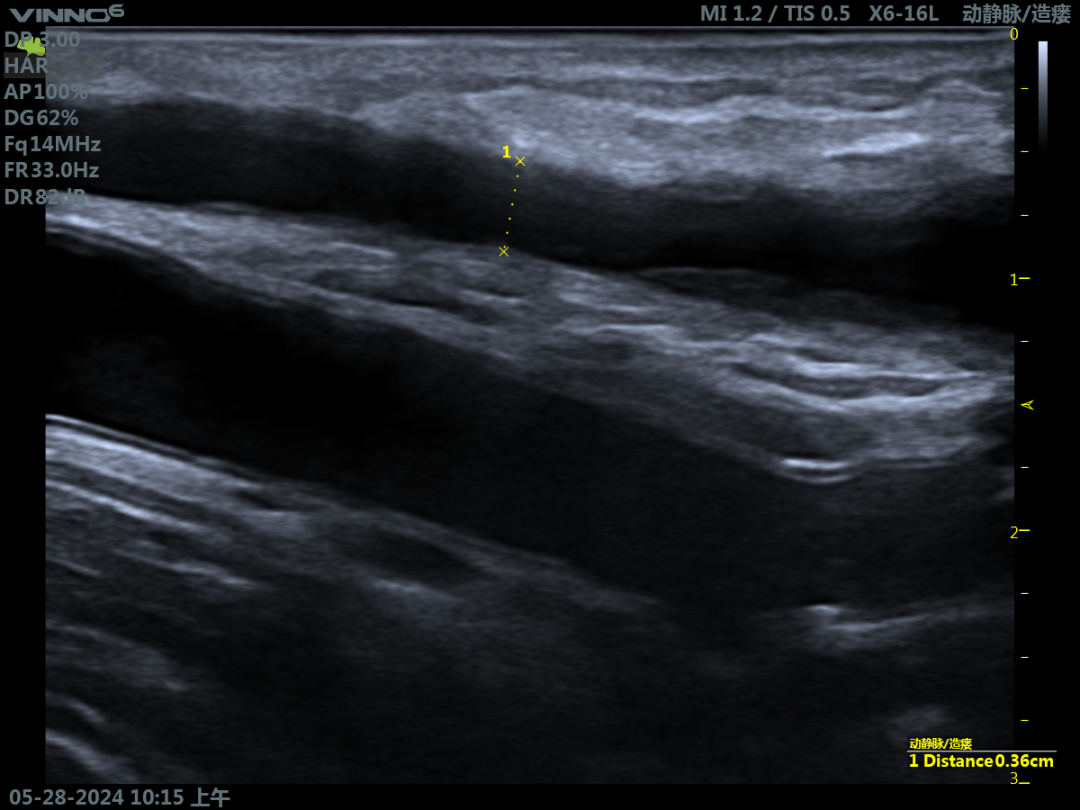
After the dilation was completed, the narrow inner diameter was remeasured at 3.6mm.
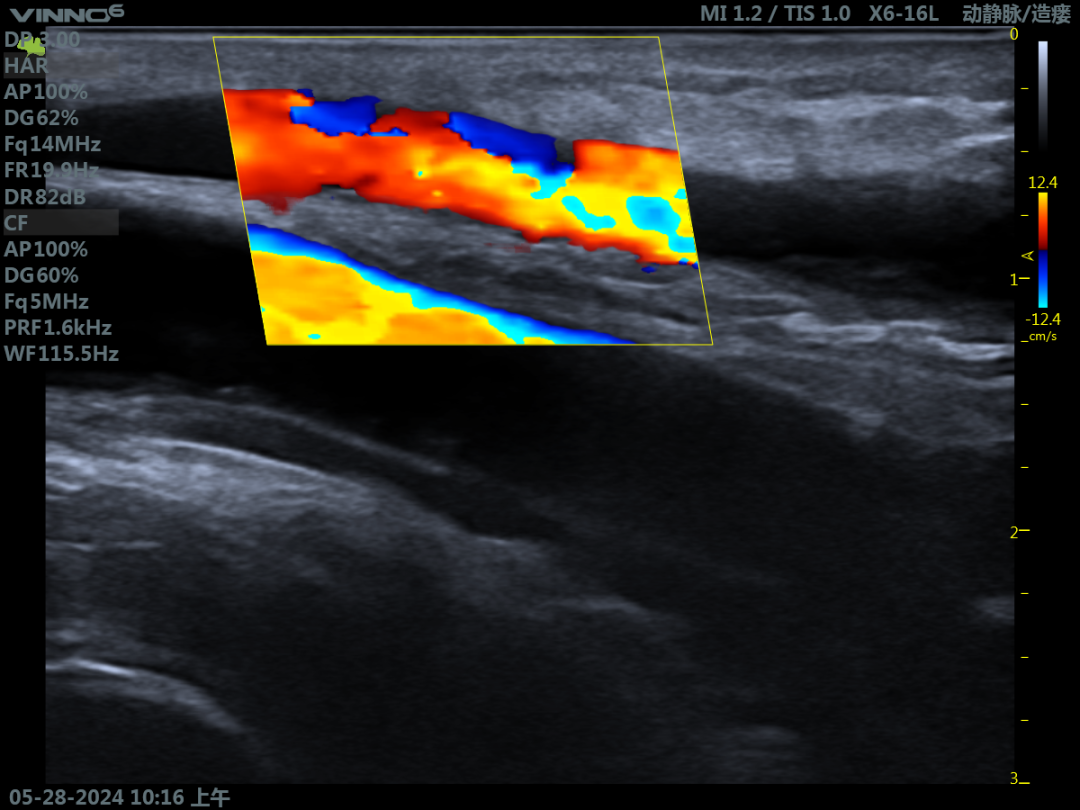
After the dilation was completed, blood flow significantly improved.
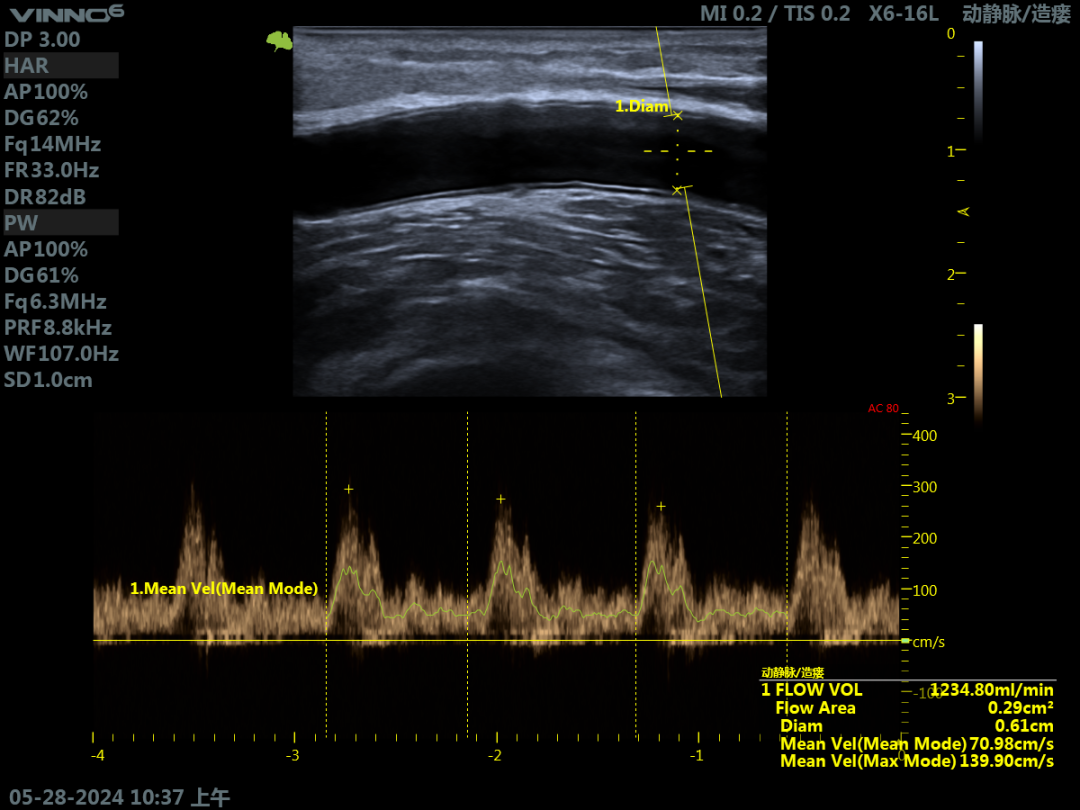
Measure brachial artery flow (with sheath) 1234.8ml/min.
Follow-up
Discharge Status:The patient was discharged smoothly and is currently undergoing regular dialysis with good function of the internal fistula.
Case Summary
Case Characteristics:The patient has been on dialysis for 5 years and has undergone PTA surgery multiple times due to stenosis or occlusion of the arteriovenous fistula. The venous outflow tract stenosis is severe, mainly characterized by venous intimal hyperplastic stenosis. The effect of repeated high-pressure balloon dilatation has been unsatisfactory, with short-term postoperative recurrence of restenosis.
Preoperative Assessment Key Points:Location and degree of stenosis, characteristics of stenosis;Exclude arterial inflow tract stenosis.
Surgical Strategy/Technical Key Points:Fully open the stenosis, ensure sufficient balloon inflation time to guarantee adequate paclitaxel infiltration.
Device Features / Usage Tips:
Smooth balloon passage;
Easily open narrow lesions;
The balloon retracted well.

Expert Introduction


Director Zheng Huixiao
Surgical Guidance
Director of the Department of Nephrology, Second Affiliated Hospital of Xingtai Medical College, Chief Physician;Director of Xingtai City Kidney Disease Treatment Center;Director of Xingtai City Kidney Disease Quality Control Center;Director of the Kidney Disease Prevention Professional Committee of the Xingtai City Preventive Medicine Association;Vice Chairman of the Nephrology Branch of Xingtai Medical Association;Deputy Director of the Xingtai Blood Purification Quality Control Center;Member of the Hebei Medical Association's Nephrology Branch;Member of the Nephrology Physicians Branch of the Hebei Provincial Medical Association;Member of the Blood Purification Management Branch of the Hebei Provincial Hospital Association;Standing Committee Member of the Nephrology Professional Committee of the Hebei Pharmaceutical Association;Standing Committee Member of the Nephrology and Blood Purification Professional Committee of the Hebei Province Women Physicians Association.

Wu Liang, Deputy Director
Surgeon of This Case
Deputy Director of the Department of Nephrology, Second Affiliated Hospital of Xingtai Medical College, and Head of the Second Division of Nephrology, under the tutelage of Professors Yuzhu Wang and Baoxing Wang,Master of Medicine, Associate Chief Physician.Vice Chairman of the Xingtai Blood Purification Quality Control Center;Young Member of the Nephrology Branch of the Hebei Province Medical Association;Member of the Nephrology Branch of the Hebei Province Association of Integrative Medicine;Member of the Hebei Province Vascular Access and Interventional Nephrology Professional Committee; Vice Chairman of the Xingtai City Preventive Medicine Association Parathyroid Disease Prevention and Treatment Professional Committee;Member of the Nephrology Branch of the Xingtai Medical Association; Member of the Xingtai Preventive Nephrology Committee;Member of the Xingtai Kidney Disease Vascular Access Team;Member of the Xingtai Diabetes Prevention Professional Committee.

Department Introduction

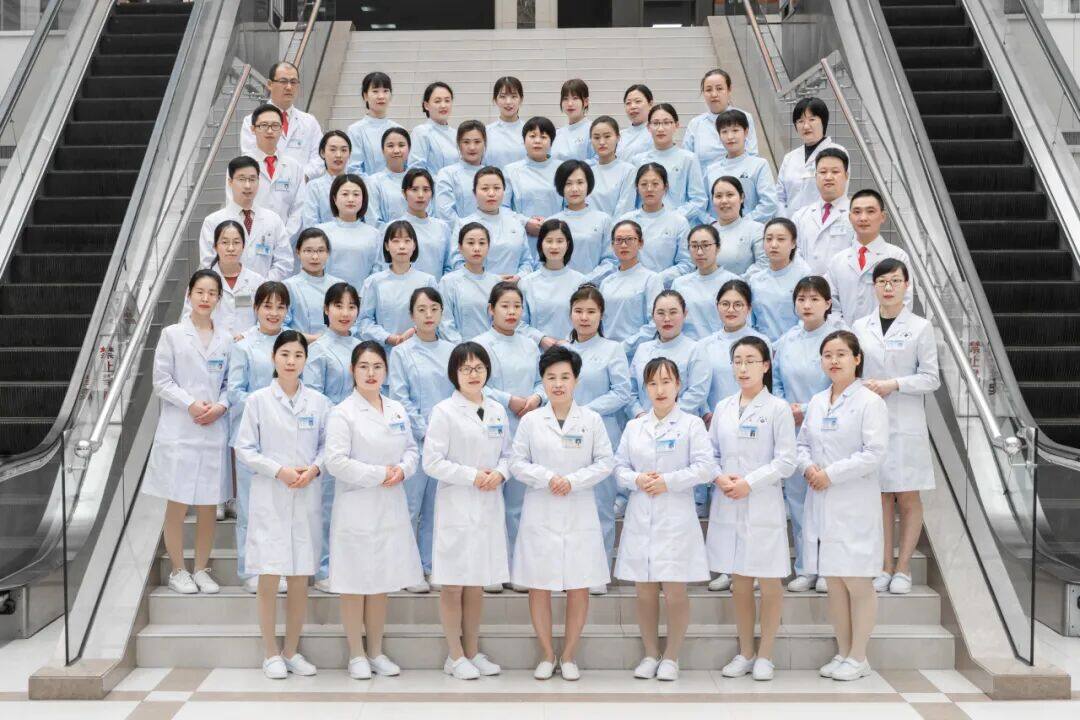
The Department of Nephrology at the Second Affiliated Hospital of Xingtai Medical College has 140 beds, including 50 dialysis beds, and a medical staff of 56 people, among whom 8 hold senior professional titles, 1 holds a doctoral degree, and 11 are master's degree holders. The team structure is well-balanced, with extensive clinical experience in the prevention, diagnosis, and treatment of kidney diseases. It serves as the Kidney Disease Treatment Center of Xingtai City, the Kidney Disease Quality Control Center of Xingtai City, the initiating unit of the Xingtai City Kidney Disease Alliance, and a collaborative hospital for vascular access with Haidian Hospital. The department consists of three wards: Nephrology I, Nephrology II, and Nephrology III.
Department of Nephrology 1: Currently equipped with 50 hemodialysis machines, 3 bedside hemofiltration machines, and a large-scale water treatment system. It is the first hospital in Xingtai City to use imported water machines, ensuring high-quality dialysis water. A variety of blood purification technologies have been carried out: high-flux hemodialysis, online hemofiltration, hemoperfusion, bedside blood purification, plasma exchange, artificial liver technology, etc.; pediatric hemodialysis technology has been carried out; infrared internal fistula maintenance, traditional Chinese medicine internal fistula care, indwelling needle internal fistula puncture for dialysis, cycling exercise during dialysis, and hemodialysis exercise routines have also been implemented.
Department of Nephrology II: Vascular access technology is the main feature and advantage, and it is also in a leading position in this field in the Xingtai region. The department specializes in the establishment of difficult vascular accesses and the treatment of their complications, such as high-position arteriovenous fistulas, transposition arteriovenous fistulas, superficialization of deep fistulas, PTFE artificial vessel arteriovenous fistula surgery, catheter placement and replacement with Dacron cuffs, aneurysmectomy, repair surgery, thrombectomy of arteriovenous fistulas, balloon dilation under DSA or ultrasound guidance, and interventional treatment of central venous lesions. The department provides integrated treatment for vascular access in dialysis patients, including establishment, monitoring, early detection, and early repair, extending the lifeline of patients. For the convenience of patients, a day-surgery model has been implemented.
Department of Nephrology III: Specializes in the diagnosis and treatment of various primary and secondary glomerular diseases, tubulointerstitial disorders, and peritoneal dialysis. This includes IgA nephropathy, membranous nephropathy, focal segmental glomerulosclerosis, diabetic nephropathy, lupus nephritis, hepatitis B virus-associated glomerulonephritis, renal amyloidosis, vasculitis-induced kidney damage, and acute kidney injury. The department is equipped with a KICU ward and a day-care ward. It offers various diagnostic and therapeutic techniques such as renal biopsy, renal pathology, colonic dialysis, peritoneal dialysis, peritoneal dialysis catheterization, and clinical laboratory testing for kidney diseases. Facilities include automated peritoneal dialysis machines, fluorescence microscopes, phase contrast microscopes, high-end enema machines, fully automated specific protein analyzers, and fully automated chemiluminescence analyzers. Six multidisciplinary kidney disease management teams have been established, focusing on peritoneal dialysis, diabetic nephropathy, IgA nephropathy, membranous nephropathy, lupus nephritis, and secondary hyperparathyroidism. These efforts significantly extend the life expectancy of kidney disease patients and improve their quality of life.
Copyright Statement: This platform aims to help healthcare professionals better understand the latest developments in relevant disease areas. The information published on this platform does not imply agreement with the descriptions and viewpoints therein; it is solely for providing more information. If there are any copyright issues, we kindly request the rights holders to contact us, and we will address them as soon as possible. This information is intended for healthcare professionals to stay informed and should not replace professional medical guidance in any way, nor should it be considered as medical advice. If such information is used for purposes other than staying informed, this platform and its authors shall not bear any related responsibilities.Contact email for cooperation:vascular@edoctor.work。