Source: Siyu MedTech; Editor: Sophia
Reprint Requirements: Can be reprinted 24 hours after the first publication, source must be acknowledged.

On August 12, 2024, Medtronic announced that it had received FDA approval in the United States.Performing deep brain stimulation (DBS) surgery in a sleep state for patients with Parkinson's disease and essential tremor.Medtronic isThe First and Only OneThe company that has received FDA approval to provide DBS surgery whether the patient is asleep (under general anesthesia) or awake.Medtronic offers its latest generation of perceptible and rechargeable brain pacemaker, Percept.™ RC,Used to treat Parkinson's disease, essential tremor, dystonia, and epilepsy."Medtronic's medical devices offer patients a safe, comfortable, and less stressful experience, and have been proven to alleviate symptoms in patients with movement disorders such as Parkinson's disease, regardless of the state in which the surgery is performed," said Dr. Francisco Ponce, neurosurgeon at Barrow Neurological Institute and director of Stereotactic and Functional Neurosurgery.
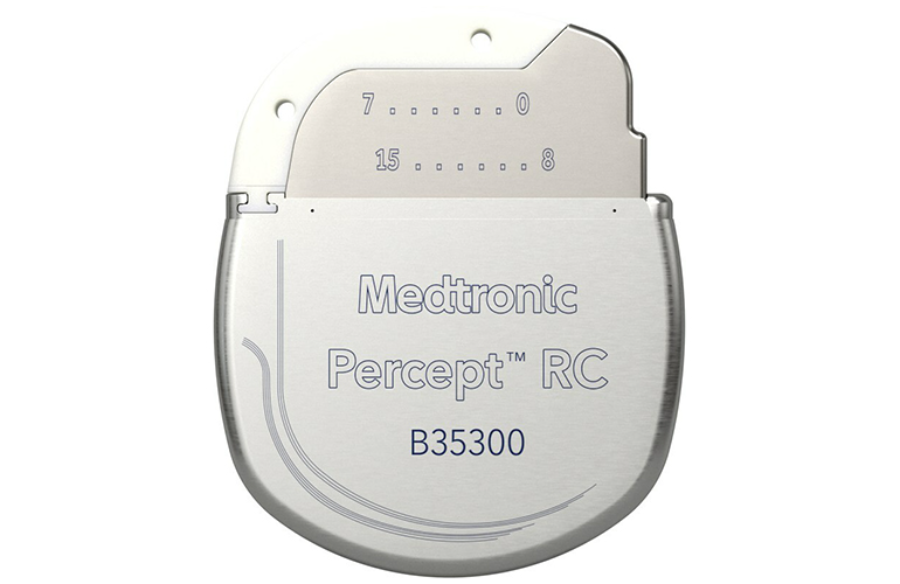
▲Medtronic Percept RC Deep Brain Stimulator
# Clinical Research
Generally, standard DBS surgery is based on awake surgery,Intraoperative microelectrode recording combined with clinical testing to ensure optimal lead placement.However, for patients undergoing awake surgery who cannot tolerate prolonged medication cessation, it may lead to discomfort. This time, the FDA approval of Medtronic's DBS technology for use while patients are asleep will provide more treatment opportunities for a large number of potential patients.
There have been many studies evaluating the positive effects of DBS during sleep., including the Phase 2 trial in 2021 using Medtronic's intraoperative imaging guidance (O-arm). In the study, under O-arm imaging guidance, leads were implanted into the subthalamic nucleus (STN) based on the robotic-assisted probabilistic stereotactic coordinates. The surgical procedures included general anesthesia (without microelectrode recording [MER]) (sleep group; n=20) or local anesthesia (with MER and clinical testing) (awake group; n=9).
Due to the randomized design of the study, it supports the following hypothesis: The motor outcomes of PD patients after sleep STN-DBS may not be inferior to standard awake surgery. In summary, at 6 months post-surgery, the mean motor improvement in the sleep group without medication, between OFF and ON stimulation on Part III of the Unified Parkinson's Disease Rating Scale, was 52.3% (95% CI, 45.4%-59.2%), while in the awake group, it was 47.0% (95% CI, 23.8%-70.2%). Overall, 3 patients (33%) in the awake group and 8 patients (40%) in the sleep group experienced at least one adverse event possibly related to neurostimulation.
Literature analysis, including retrospective, prospective non-randomized studies, meta-analyses, and literature reviews, indicates thatNo Significant Difference in Motor Outcomes Between Sleep and Awake STN-DBSSleep surgery may reduce the overall incidence of surgical complications, but awake surgery may decrease stimulation-induced adverse events. Moreover, compared to the 1-2 millimeters in traditional DBS, sleep DBS can shorten surgical time and position electrodes within 1 millimeter of the target with greater precision.
Earlier this year, Medtronic announced that its Percept RC DBS system received FDA approval, joining the Medtronic Percept portfolio, which includes the Percept PC neurostimulator, BrainSense technology, and SenSight directional leads.Percept RC is available for use in DBS.The Smallest and Thinnest Dual-Channel Neurostimulator。It is equipped with BrainSense technology, which can capture and record brain signals, providing insights that allow doctors to adjust treatments based on the changing needs of patients for personalized care. Unlike other rechargeable devices, the Percept RC battery has a lifespan of at least 15 years and offers stable, fast charging performance.
# Medtronic's DBS Journey
In 1987, Medtronic, in collaboration with Professor Benabid, a French neurosurgeon and physicist, successfully conductedWorld's First Brain Pacemaker Surgery, marking the beginning of DBS therapy's clinical application worldwide.In 1993, Medtronic's brain pacemaker received CE certification for the treatment of essential tremor.In 1997, Medtronic's brain pacemaker received FDA approval for the treatment of essential tremor and Parkinson's disease.In 1998, Europe, Canada, and Australia successively approved Medtronic's brain pacemaker for the treatment of Parkinson's disease.In 1999, Medtronic's brain pacemaker officially entered China., opening a new chapter in the surgical treatment of Parkinson's disease in China.In 2003, U.S. humanitarian exemption approval and EU approval were granted for Medtronic's deep brain stimulation therapy to treat primary dystonia.In 2009, Medtronic launchedWorld's First Rechargeable Brain Pacemaker ACTIVA RC,Humanitarian Device Exemption Approval and EU Approval for Medtronic's Deep Brain Stimulation Therapy for Obsessive-Compulsive Disorder.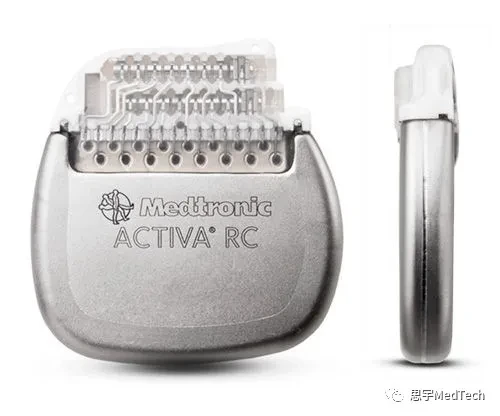
In 2010, Medtronic's brain pacemaker received CE certification for the treatment of drug-resistant epilepsy.In 2013, MedtronicACTIVA PC+SHaving obtained CE certification, the brain pacemaker achieves simultaneous electrical stimulation treatment and local field potential recording in the brain.In 2015, Medtronic's ACTIVA series of brain pacemakers successively obtained CE certification and FDA approval, and are compatible with full-body MRI scans.The world's first enterprise to obtain official approval for MRI-compatible brain pacemakers。In 2016, Medtronic's brain pacemaker received approval from the China National Medical Products Administration for the treatment of dystonia and drug-resistant epilepsy.In 2019, Medtronic's Intelligent Perceptual Brain PacemakerPercept™ PCIt has successively obtained CE certification and FDA approval for marketing.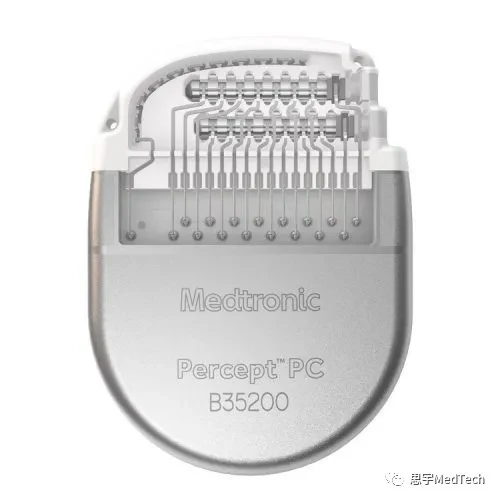
In 2022, Medtronic's intelligent Percept™ PC deep brain stimulation system was approved by the China National Medical Products Administration for the treatment of Parkinson’s disease, tremor, epilepsy, and dystonia.In 2023, China's National Medical Products Administration approved Medtronic's Percept™ PC full implantable system for Deep Brain Stimulation (DBS), compatible with both 3.0T and 1.5T full-body MRI scans.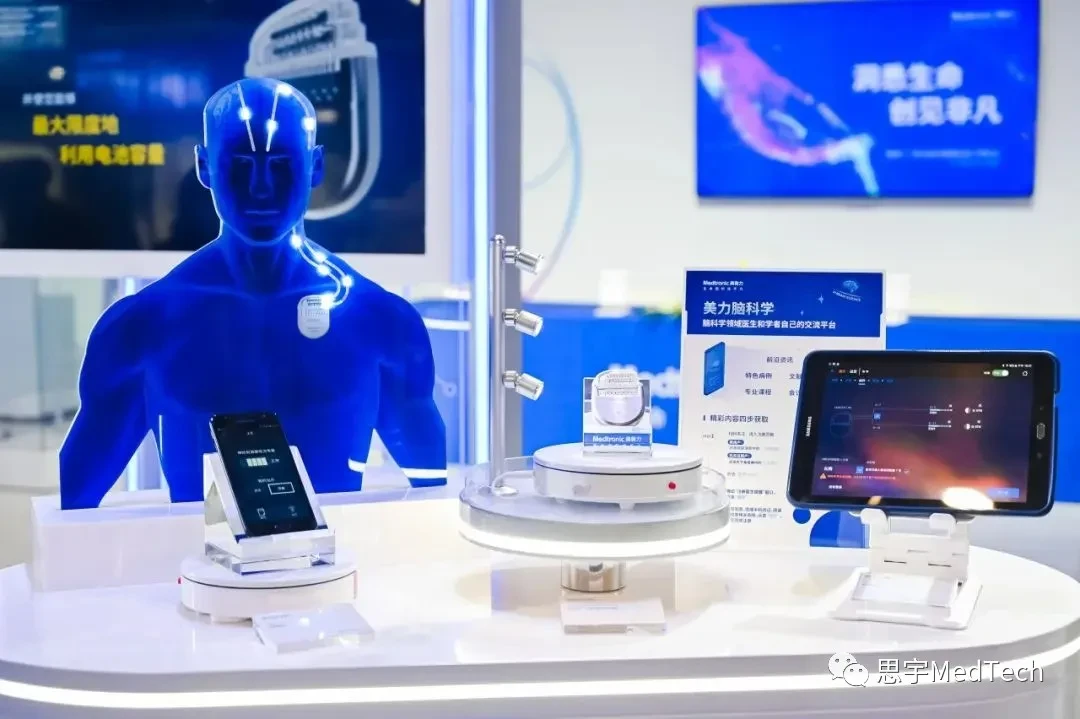
On January 8, 2024, Medtronic announced that its rechargeable brain stimulator, Percept RC, received FDA approval.Product Inventory
1. Percept RC Deep Brain Neurostimulator
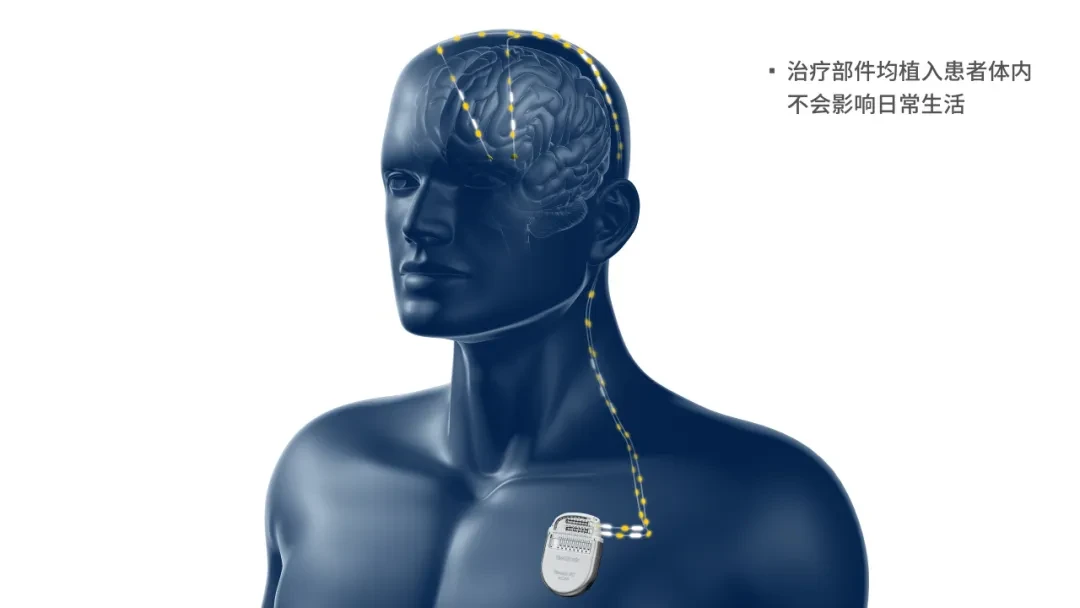
Deep Brain Stimulation (DBS), commonly known as the "brain pacemaker," involves electrodes implanted in the brain that emit electrical pulses to stimulate specific nuclei deep in the brain, thereby improving the patient's symptoms.Currently, the internationally recognized first-choice surgical treatment for Parkinson's disease.
In 1987, Medtronic, in collaboration with Professor Benabid, a French neurosurgeon, successfully performed the world's first deep brain stimulation surgery. This therapy officially entered China in 1999.It has been clinically applied globally for over 35 years to date.
BrainSense™ Brain Sensing Technology:Percept RC Deep Brain StimulatorBuilt-inBrainSense™ Brain Sensing Technology,Can capture EEG signals associated with specific disease symptoms during treatment simultaneously., and use intelligent algorithms to analyze, providing objective basis for doctors' treatment strategies.
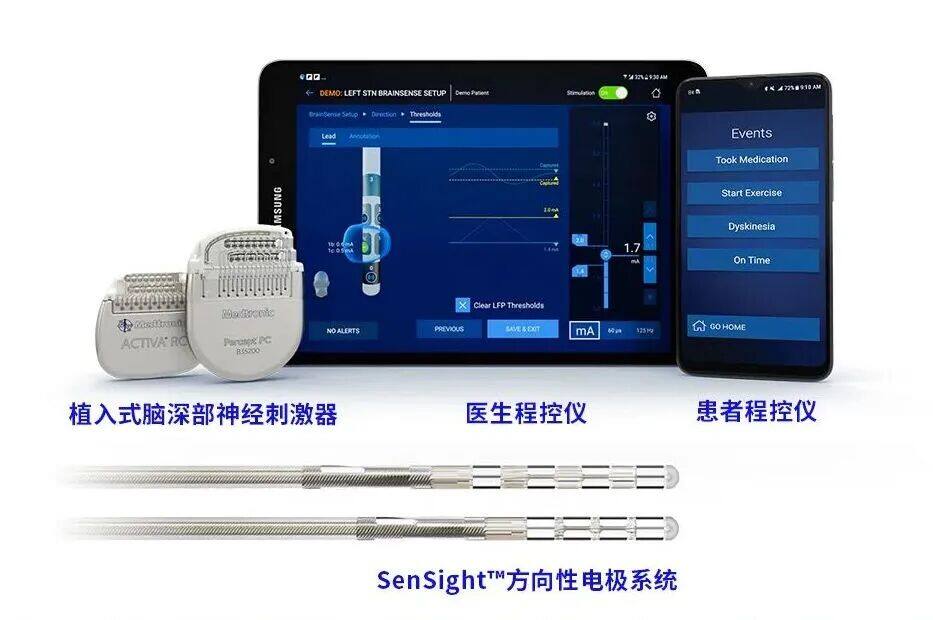
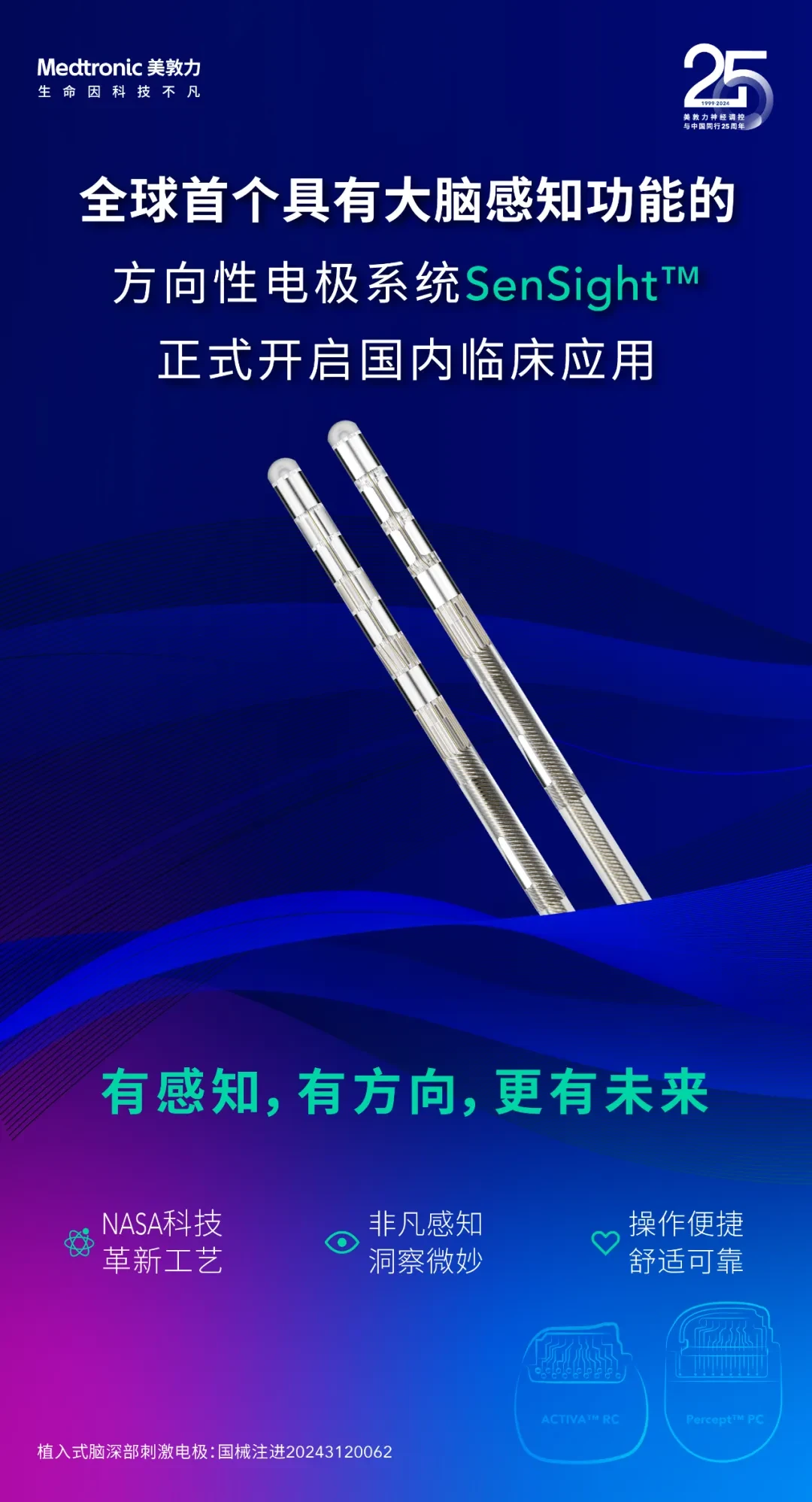
Directional Electrode SystemSenSight™:Achieved directional stimulation,By using a unique 1-3-3-1 rounded segmented eight-contact design to freely adjust the direction of stimulation, independently control the contact current, thereby precisely targeting the desired nuclei while avoiding unnecessary brain areas;
Adopting NASA aerospace material technology, achieving directional stimulation, equipped with BrainSense™ brain sensing technology and richer, more efficient programming functions,Patients can undergo clinical 3.0T and 1.5T MRI examinations.
Convenient charging:Simply place the portable wireless charging device on the chest, and it can wirelessly charge the implanted device via Bluetooth.It takes only about 1 hour to charge from 10% to full.。
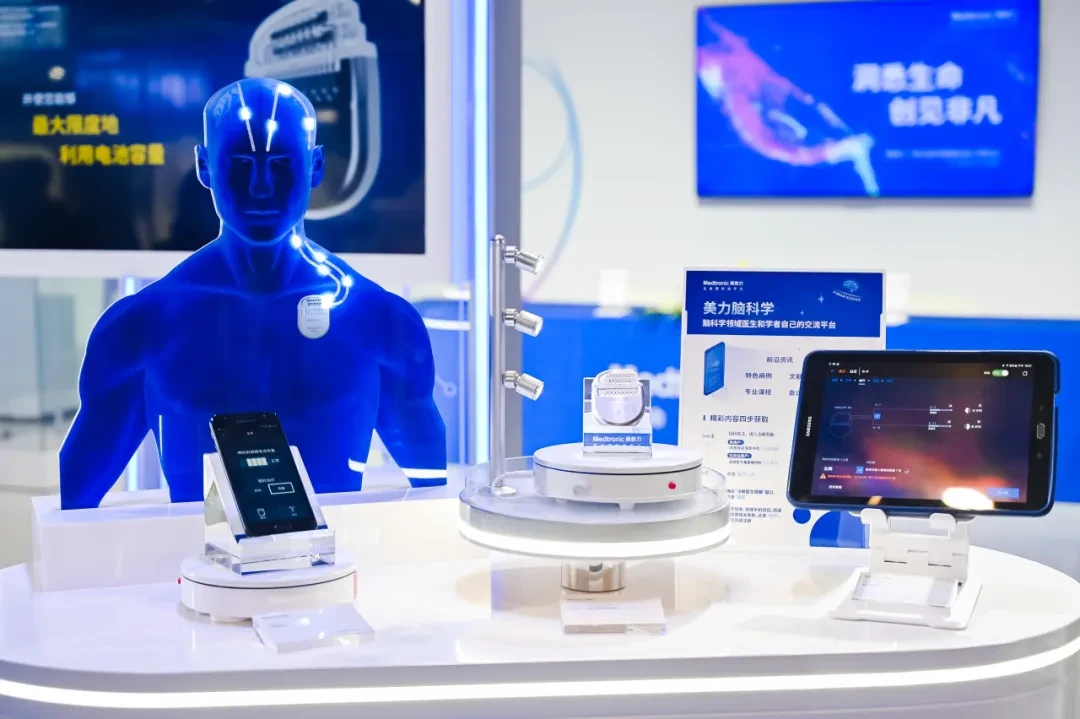
This year marks the 75th anniversary of Medtronic's global establishment, the 35th year of its deep engagement in China, and the 25th anniversary of Medtronic Neurostimulation's partnership with China.At this year's CIIE, Medtronic will bring nearly a hundred innovative products and technologies.Among them, the global new-generation implantable rechargeable deep brain neurostimulator Percept™ RC will make a significant appearance at the CIIE booth as the "Asia-Pacific premiere" product.▲ Medtronic Deep Brain Stimulation Therapy Debuts at the 2023 CIIE2. Percept™ PC NeurostimulatorPercept PC Compared to Medtronic's previous generation brain pacemaker, Activa PC20% smaller, 20% thinner, weighing only 61g, and designed to be more ergonomic, significantly improving patient comfort.▲Schematic Diagram of the Percept™ PC Deep Brain Stimulation System
Percept PCDespite its compact size, itBattery life lasts up to 15 years, and has stable and fast charging performance.Compared with other rechargeable brain pacemakers, the battery technology of Medtronic's unique patented battery has less battery fading, providing a more reliable and longer-lasting battery; the charging speed is also very fast.90% of the battery can be charged within 1 hour.。
3. SenSight™ Has Been Clinically Applied
The electrode is an important component of the deep brain stimulation (DBS) implant system, serving to accurately and stably transmit electrical stimulation to the target nuclei in the patient's brain. Its implantation is one of the key steps for ensuring the effectiveness of DBS therapy and postoperative management.SenSight™ Directional Lead System Debuts at the 6th China International Import Expo in 2023.
Officially approved by the National Medical Products Administration (NMPA) in March 2024, used in conjunction with an implantable neurostimulator, can be used forTreatment of Parkinson's disease, essential tremor, drug-resistant epilepsy, and dystonia.
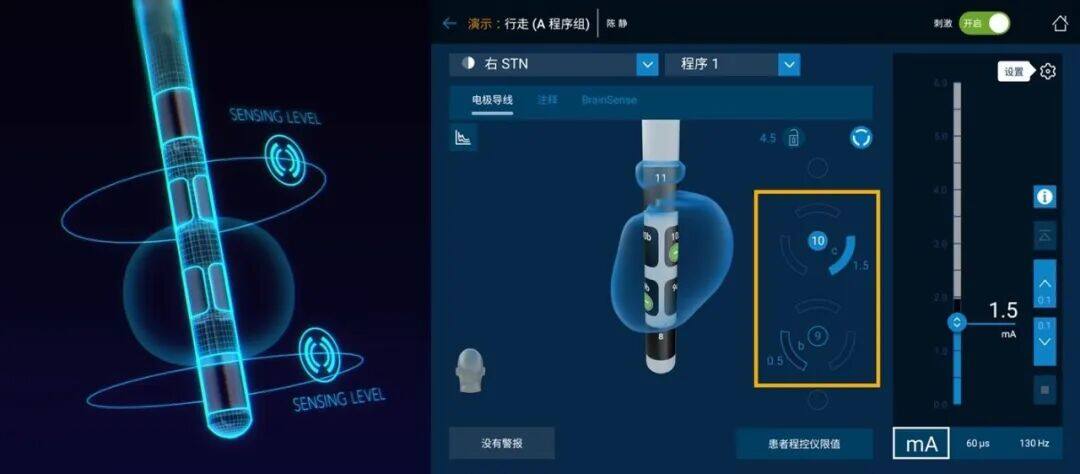
In June 2024, the world's first directional lead system with brain sensing functionality, SenSight™, officially commenced clinical application in hospitals in China.
It is reported that,Product isThe world's first to obtainDeep Brain Stimulation Directional Lead System Approved by China's NMPA, U.S. FDA, and EU CE for Full-Body MRI Scans at Both 3.0T and 1.5T。
On July 20, 2024, Professor Chang Ying from the Department of Neurology and Professor Zhang Jinnan from the Department of Neurosurgery at Jida Third Hospital successfully treated a 70-year-old patient who had suffered from Parkinson's disease for 15 years.Implantation of SenSight™, the world's first directional lead system with brain sensing capability.China has more than 4 million Parkinson's disease patients, over 10 million tremor patients, more than 400,000 dystonia patients, and over 9 million epilepsy patients.As China's population aging deepens and the proportion of people with chronic diseases increases, the healthcare demands of the Chinese people are also growing day by day.Rooted in China for 35 years, Medtronic has continued to bring cutting-edge medical innovation solutions to Chinese patients, jointly contributing to the construction of "Healthy China 2030".The introduction and standardized application of deep brain stimulation therapy is a microcosm of this.。We have reason to believe that in the near future, these advanced medical devices will benefit more patients in China, bringing them hope and a new lease on life, heralding the arrival of a new era of more precise and personalized healthcare.
Editor-in-Chief | Zhao Qing Reviewed by | Yi He