NuMed Medical's Prizvalve Transcatheter Aortic Valve System Receives NMPA Approval

NewMed
Artificial Heart Valve System Developer



The report of the 20th National Congress of the Communist Party of China pointed out: "Advance the construction of Healthy China. Place the protection of people's health in a strategically prioritized position for development and improve policies to promote public health." This sets new requirements and indicates a new direction for the development of China’s medical industry, providing a historic opportunity for industrial transformation and upgrading. As an innovative medical device enterprise, NewMed is on the right yet challenging path.
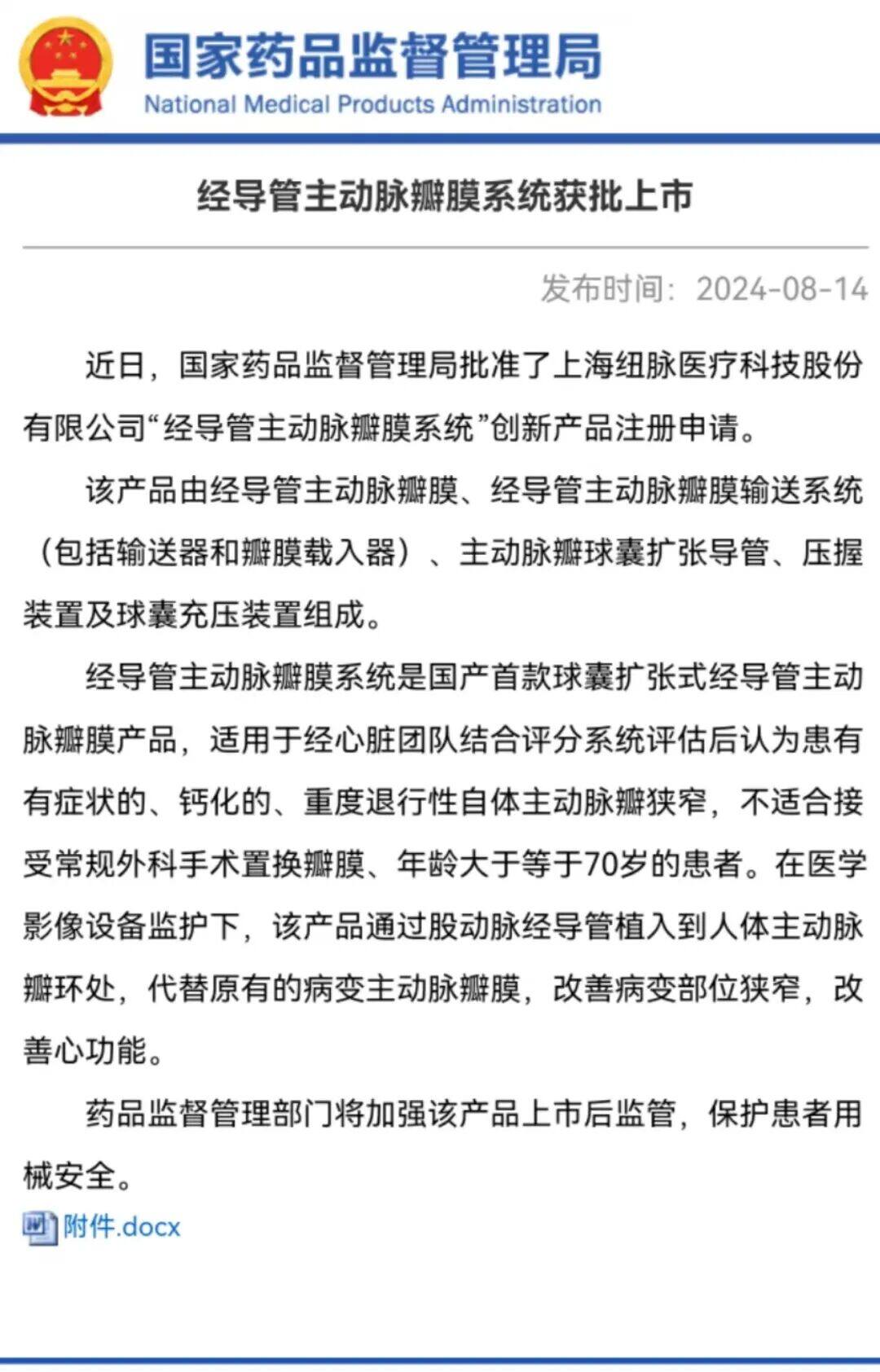
Since 2015, NewMed has focused on the research and development and industrialization of interventional artificial heart valve systems at an internationally advanced level, making continuous innovations in areas such as mitral valves and aortic valves. To date, the company has had three devices recognized by the National Medical Products Administration (NMPA) as innovative medical devices eligible for special review, and four devices have obtained NMPA Class III medical device registration certificates. Among them, the Prizvalve Transcatheter Aortic Valve System entered the NMPA green channel for expedited review in 2021 and was approved for registration in 2024. This marks the product as the first domestically developed balloon-expandable valve to reach the market, with the potential to break the import monopoly, effectively improve quality of life, and rapidly capture market share.
Based on Demand
Targeting the Aortic Valve Intervention Market
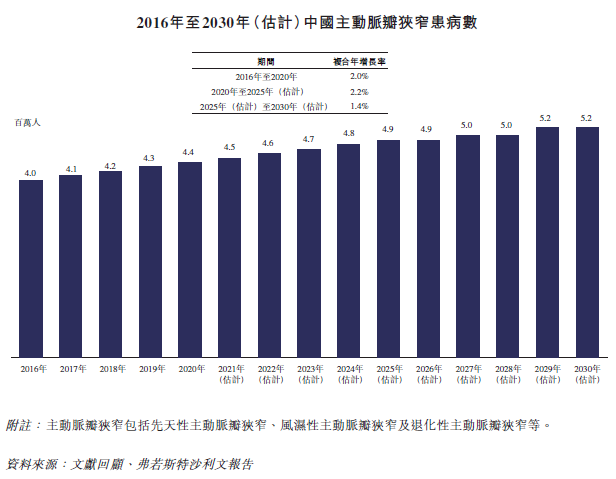
Aortic Stenosis (AS) is one of the most common heart valve diseases, which can lead to cardiac dysfunction and trigger various cardiovascular conditions. It is often accompanied by symptoms such as dyspnea (usually exertional), angina, dizziness, and syncope. With the global aging population, the number of patients suffering from this disease is increasing sharply, with an incidence rate of 2%-7% in people over 65 years old. According to Frost & Sullivan statistics, the number of aortic stenosis cases in China reached 4.4 million in 2020, and the total is expected to reach 5.2 million by 2030. Typically, patients diagnosed without immediate aortic valve replacement face a mortality rate exceeding 50% within two years of progression to symptomatic aortic stenosis.
Currently, there are two main treatment options for patients with aortic valve stenosis: surgical aortic valve replacement (SAVR) via open-heart surgery and transcatheter aortic valve replacement (TAVR). TAVR can be roughly divided into balloon-expandable and self-expanding devices. Compared to SAVR, TAVR has the advantages of not requiring open-chest surgery or extracorporeal circulation, causing less trauma, and enabling faster recovery, providing a safer treatment option for high-risk surgical patients. Currently, in developed countries in Europe and America, the number of TAVR procedures performed annually has surpassed traditional SAVR, and the market share of balloon-expandable TAVR products is approximately twice that of self-expanding TAVR products.
However, in the Chinese market, the penetration rate of TAVR remains relatively low, far below the global level, leaving a large amount of unmet demand and indicating broad prospects. According to data from Frost & Sullivan, in 2021, China had 4.5 million patients with aortic stenosis, but the matching TAVR procedure penetration rate was only 0.8%. With the intensification of population aging and the increase in TAVR procedure penetration (expected to reach 10.2% by 2030), the size of China's TAVR market is projected to reach 11.36 billion yuan by 2030, potentially becoming a significant growth point in the field of heart valve intervention.
NewMed Focuses on the Challenges and Hotspots of Transcatheter Aortic Valve Replacement (TAVR) in Interventional Cardiology Treatment, Deepening Technology and Overcoming Difficulties. After Years of Independent Research and Development, NewMed Successfully Created the Prizvalve Product, Filling the Technical Gap for Balloon-Expandable Valves Produced in China. This Offers a More Comprehensive Treatment Option for Numerous Patients with Aortic Valve Disease, Marking the Beginning of the Balloon-Expandable Valve Era in the Field of Valve Disease Intervention.
Deep Cultivation of Technology
A New Era of Aortic Valve Treatment
To ensure the steady progress of the company's R&D projects and the continuous expansion of its product pipeline, NewMed has built an innovative platform called the NewMed Singularity Innovation Center, which fosters collaboration among government, industry, academia, research, medical, and investment sectors. Focusing on overcoming "bottleneck" challenges, NewMed independently developed and refined a comprehensive technology platform that leads in China and covers all essential aspects required for R&D in the cardiac valve field. This includes platforms for medical metal materials, medical polymer materials, biological tissue, and large balloon catheters. These core technology platforms are interdependent and mutually reinforcing, applicable to nearly all products in NewMed's portfolio, and have laid a solid foundation for the development and optimization of the Prizvalve system.
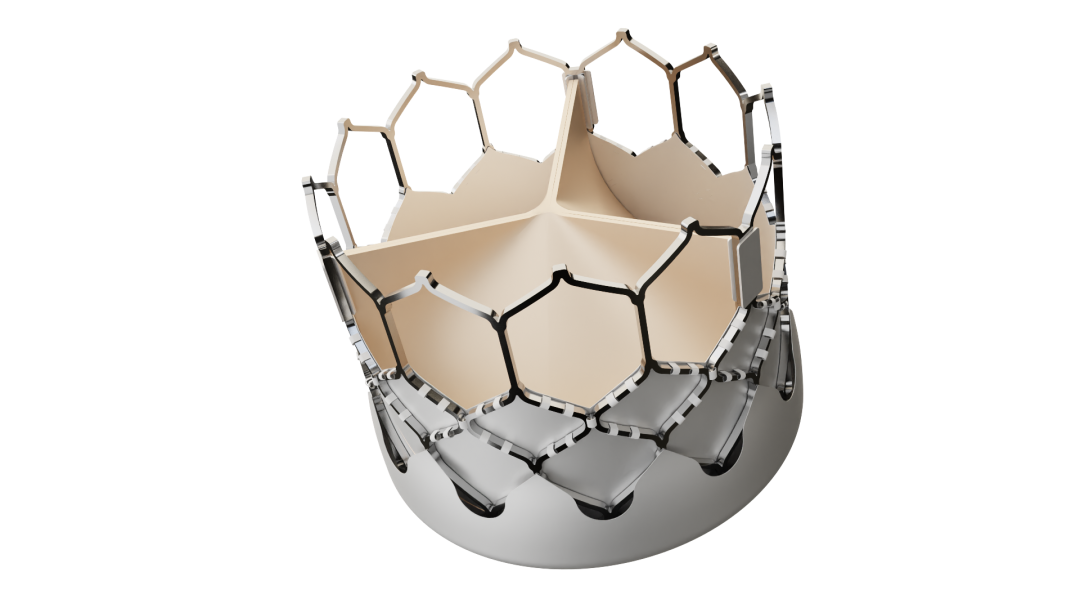
As the first domestically produced balloon-expandable transcatheter aortic valve product in China to enter the registration clinical research stage, the Prizvalve valve system aligns with the latest generation of international balloon-expansion valve technology. To better suit the pathological and physiological anatomical structure of Chinese patients, it adopts a short stent design with balloon expansion, incorporating innovations in the valve frame, valve skirt, delivery system, and other aspects.
The Prizvalve valve system frame is made of cobalt-chromium alloy, providing sufficient radial support and compressibility to a smaller size; a unique tissue treatment process enhances the durability of the valve; the design of inner and outer sealing membrane skirts effectively reduces paravalvular leakage. The delivery system, with excellent bending performance, ensures better passage through the aortic arch during surgery, minimizing vascular wall damage and enabling precise positioning. Additionally, the innovatively expandable sheath is better suited for Chinese patients with smaller vascular access dimensions.
Focus on Clinical
Committed to creating medical devices that benefit the public
NewMed's Prizvalve Transcatheter Aortic Valve System: Eight Years in the Making, Led by Professor Mao Chen's Team from West China Hospital of Sichuan University. The multi-center clinical trial of the Prizvalve Transcatheter Aortic Valve System involved the participation of experienced cardiology or cardiac surgery teams from nine major tertiary hospitals in China, including the General Hospital of the Northern Theater Command of the People's Liberation Army, Zhongshan Hospital Affiliated to Fudan University, the First Affiliated Hospital of Air Force Medical University of the People's Liberation Army, the Second Affiliated Hospital of Zhejiang University School of Medicine, Union Hospital Affiliated to Tongji Medical College of Huazhong University of Science and Technology, the Second Xiangya Hospital of Central South University, Nanfang Hospital of Southern Medical University, and the First Affiliated Hospital of China Medical University. After rigorous, professional, and scientific research and clinical validation, the Prizvalve Transcatheter Aortic Valve System study achieved all safety and efficacy endpoints.
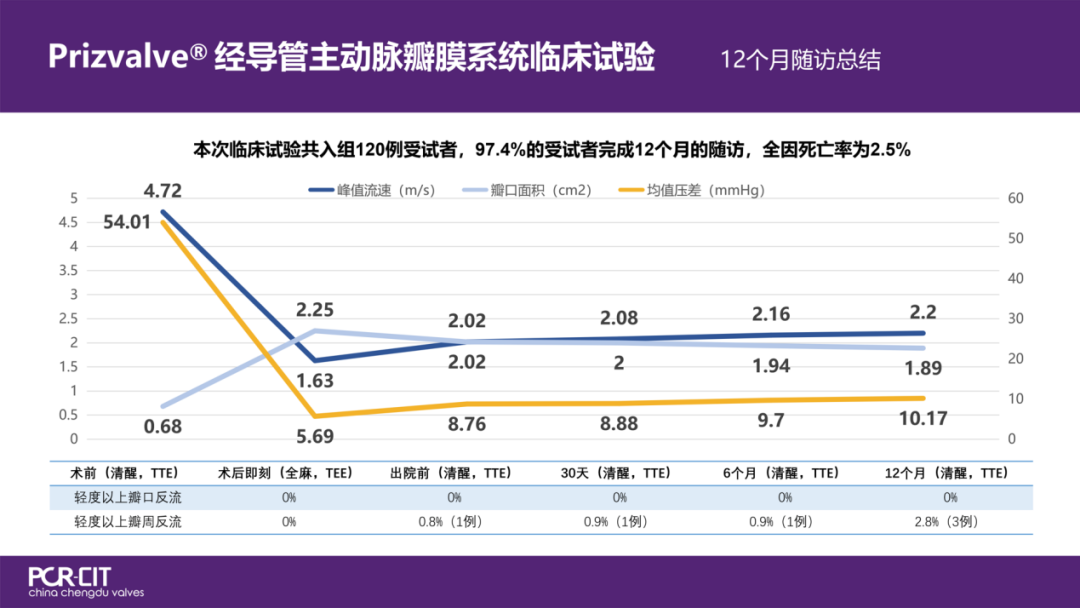
At the 2023 Chengdu International Conference on Interventional Treatment of Heart Valve Disease, the one-year clinical research follow-up data of the Prizvalve Transcatheter Aortic Valve System was announced. Among the 120 patients enrolled in the clinical trial, the average age was 74.7 years. The one-year postoperative clinical follow-up results showed an all-cause mortality rate of 2.5%.
Due to the design advantages of balloon-expandable valves, there have been numerous international reports on their clinical application in all four heart valves. To date, NewMed's balloon-expandable valve, Prizvalve, has supported Chinese clinical experts in achieving full cardiac application across all four heart valves. It has also facilitated the compatible clinical use of various devices (surgical valves, interventional valves, annuloplasty rings, and stents), providing a domestically produced solution for China to keep pace with international standards in valvular disease treatment.
Practice with Dedication
Exploring the Endless Frontiers of Structural Heart Disease
NewMed, an innovative medical device company in the cardiac field driven by industry-leading technology, has been awarded the first Class III medical device registration certificate for a balloon-expandable valve produced in China by the National Medical Products Administration (NMPA). This milestone achievement not only solidifies its leading position in the field of heart valve disease but also marks NewMed as an industry benchmark in structural heart disease, ushering in a new chapter of technological innovation and clinical application.
Dr. Yu Qifeng, founder, chairman and CEO of NewMed, said: "The Prizvalve Transcatheter Aortic Valve System has been independently developed by NewMed over many years. The successful approval of this product is a concentrated reflection of the industry's high recognition of NewMed’s advanced R&D technology, significant clinical outcomes, and sustainable innovation capabilities. It marks that Chinese-produced balloon-expandable interventional valves have officially entered widespread clinical application. As one of the first companies to enter the commercialization track for balloon-expandable interventional valves, we feel a great sense of responsibility and honor."
To continuously launch innovative products that benefit the public, NewMed will collaborate with authoritative institutions and top clinical experts both in China and abroad to establish a joint laboratory for technological innovation. This initiative will form an expert advisory team led by members of the Chinese Academy of Engineering and overseas members of the National Academy of Engineering (USA). Leveraging the NewMed Singularity Innovation Center platform, cutting-edge technologies will be continuously incubated, integrating resources from government, industry, academia, research, medicine, and capital markets. The focus will be on addressing key "bottleneck" issues in frontier science and technology, tackling core technologies, and building unique product advantages and technical barriers. NewMed aims to contribute to the field of heart valve disease in China, actively responding to the grand blueprint of "Healthy China 2030," and realizing the great vision of industrialization and innovation for the betterment of life.