Epigenetic Agents Plus Anti-PD-1 Reprograms Tumor Microenvironment and Restores Antitumor Efficacy in Hodgkin Lymphoma

Abiosciences
Life Science Technology Developer
Construction of Single-cell Atlas for cHL and Identification of CD30- HRS-like Cells
First, the research team constructed a single-cell atlas of cHL, identifying a group of HRS-like cells that highly express the typical marker TNFRSF8 (CD30), as well as a set of genes rarely detected in immune cells within the cHL microenvironment, such as DHRS2; interestingly, although CD30 is considered to be consistently expressed in HRS cells, the researchers noted a subgroup of CD30- HRS-like cells. In these cells, other classical HRS markers PAX5, IRF4, and FUT4 were also downregulated, while the DHRS2 gene was specifically highly expressed in both CD30+ and CD30- HRS-like cells. The presence of DHRS2+CD30- HRS-like cells, namely DHRS2+CD30-PAX5dim+ cells, was validated through multiplex immunofluorescence (multi-IHC) staining in patient samples UPN1/19/26/33/40 and additional cHL samples. However, RNA velocity analysis showed that CD30- cells exhibited higher differentiation potential compared to CD30+ cells.
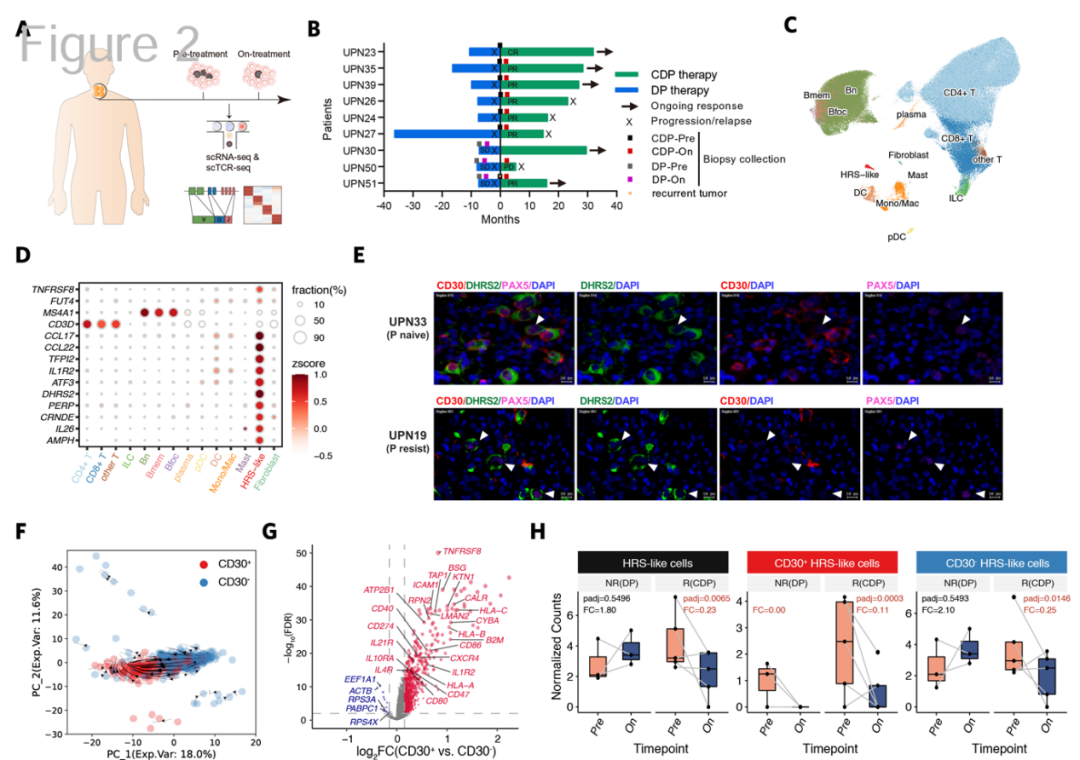
Figure 2 cHL Single-cell Atlas
CD30- HRS-like Cells Are Insensitive to Anti-PD-1 and Responsive to CDP Treatment
Treatment-related analysis was performed on five pairs of tumors responsive to CDP therapy and three pairs resistant to DP therapy to explore the key factors for the CDP regimen reversing anti-PD-1 resistance. As expected, the abundance of total HRS-like cells significantly decreased post-treatment in responsive tumors, while no such reduction was observed in DP-resistant tumors. Notably, CD30+ HRS-like cells were cleared after treatment in DP non-responders, whereas CD30- HRS-like cells were only reduced in responders after CDP treatment, suggesting that CD30- HRS-like cells may be less sensitive to anti-PD-1-based immunotherapy.
In addition, the researchers also observed that the abundance of CD30- HRS-like cells in DP treatment-resistant tumor lesion (A) decreased after CDP treatment. Moreover, in tumor lesion (B), CD30- cells accounted for 97% of all HRS-like cells. This lesion appeared after DP failure and reached metabolic CR after CDP treatment. Taken together,The efficacy of the CDP regimen after DP failure may be partially related to the clearance of CD30-HRS-like tumor cells.Single-cell RNA sequencing data revealed that although the tumor did not respond to DP treatment, HLA genes in CD30- HRS-like cells were significantly upregulated after DP treatment and remained at high levels during disease progression/recurrence.The above results indicate that although epigenetic agents can increase immune recognition by upregulating HLA gene expression, this alone may not be sufficient to eliminate tumors, and additional immunomodulatory effects are needed to enhance anti-tumor responses.。
Epigenetic-immunotherapy activates anti-tumor responses mediated by diversified tumor-reactive CD8+ T cells
Researchers observed a significant increase in the abundance of CD8+ T cells (but not NK cells) after CDP treatment, along with a notable increase in the overall clonotype of CD8+ T cells.
Clonal analysis showed that, compared with tumors non-responsive to DP, 40% of expanded CD8+ T cell clones and 15% of contracted clones (containing more exhausted T cells) were detected in tumors responsive to CDP.Indicates that CDP treatment alleviated T cell exhaustion and promoted the transition of exhausted clones to a non-exhausted effector state during treatment. Collectively, CDP treatment enhanced the clonal expansion of tumor-reactive CD8+ T cells and maintained their pre-exhaustion effector phenotype.Finally, the correlation analysis between CD8+ T cell clusters and clinical responses showed that both the HAVCR2+ Tex cluster before CDP treatment and the CD8+ central memory T cells (Tcm) after CDP treatment exhibited significant differences. This indicates that prior treatment had already activated tumor-reactive T cells, but other factors might have hindered effective anti-tumor immune responses.
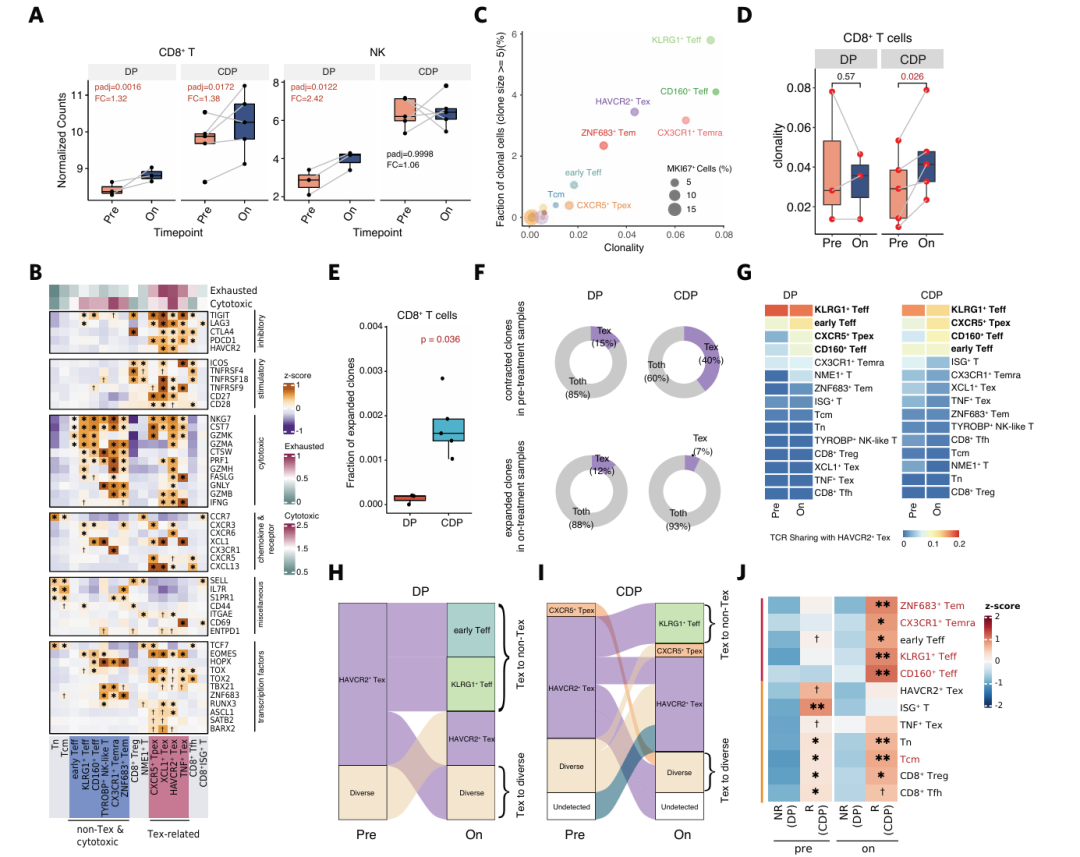
Figure 3 Tumor-reactive CD8+ T cell-mediated anti-tumor response
Multiple Interactions Exist Between IL21+ Th Cells and CD30+ HRS-like Cells
In the validation dataset, the proportion of IL21+ Th in DP-treated resistant tumor lesions decreased after receiving CDP treatment; however, IL21+ Th cells were scarce in new lesions. These IL21+ Th clusters exhibited molecular characteristics of immunosuppressive function (high expression of CXCL13, LAG3, and IL10). Clonotype analysis showed that IL21+ Th in the DP group contained multiple newly expanded clones, while most of the clonotypes dominated by IL21+ Th in the CDP group shifted to a precursor state or diversified states.Therefore, CDP treatment inhibits the expansion of IL21+ Th cells.。
Cell-cell interaction analysis revealed a close interaction between IL21+ Th cells and CD30+ HRS-like cells, forming a positive feedback loop in which CD30+ HRS-like cells induce an immunosuppressive phenotype in IL21+ Th cells, while IL21+ Th cells, in turn, support the survival of CD30+ HRS-like cells.
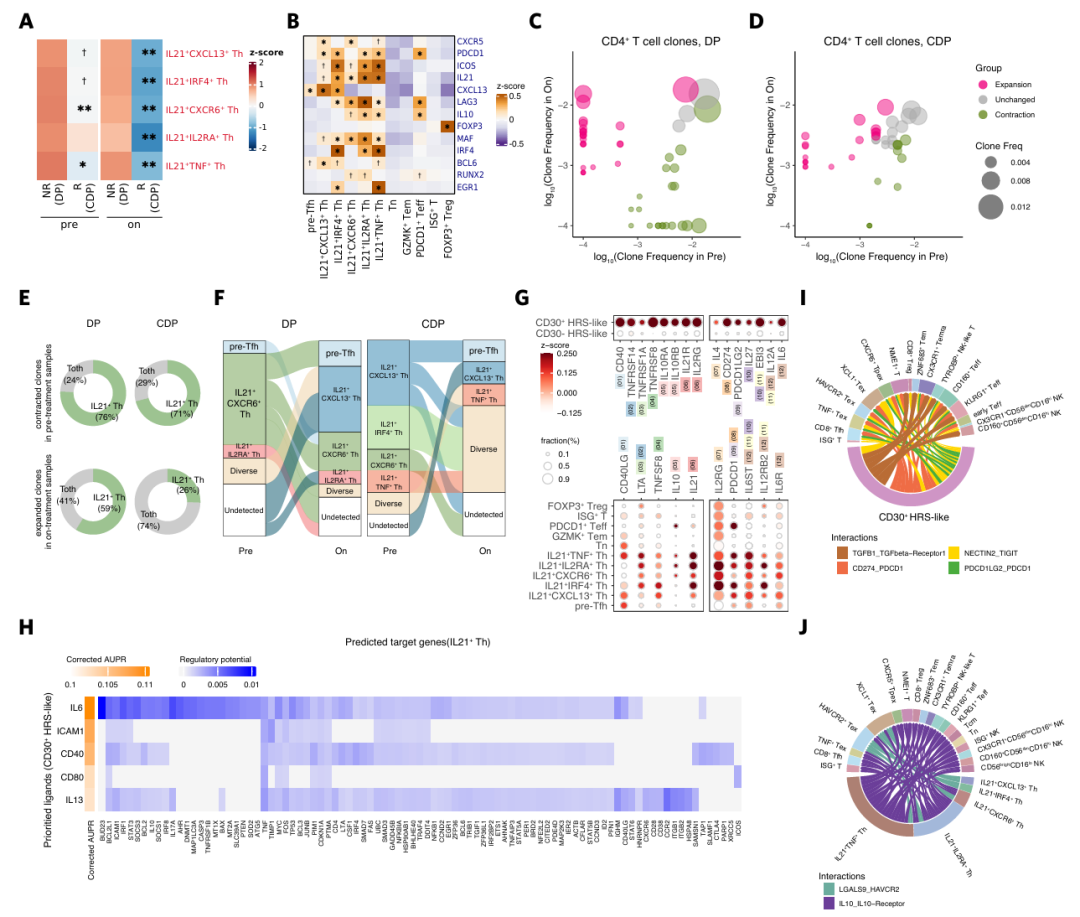
Figure 4 IL21+ Th Cells with Immunosuppressive Effects
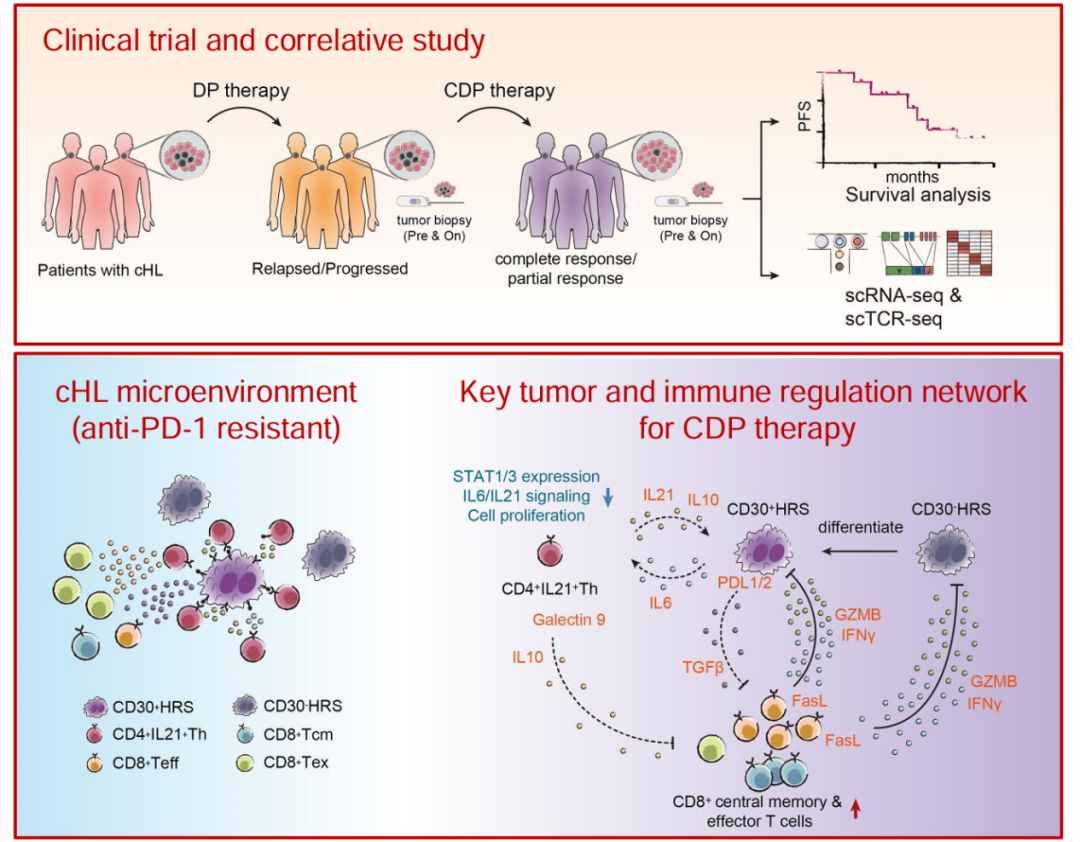
To further elucidate the mechanism of CDP therapy, the researchers focused on IL21+ Th cells and HRS cells, as both types of cells are simultaneously suppressed after treatment.Researchers speculate that IL21+ Th cells may be the direct target of CDP therapy. The results indicate that CDP treatment alters the phenotype and proliferation of IL21+ Th cells by targeting STAT1/3, reducing IL21 expression and IL6/IL21 signaling, thereby inhibiting their supportive role in tumors. Meanwhile, in CDP treatment, the expression of MHC molecules in CD30- HRS cells is upregulated, activating a diverse range of tumor-reactive CD8+ T cells.These findings reveal how CDP epigenetic-immunotherapy can overcome resistance to immunotherapy by alleviating immune suppression, increasing immunogenicity, and enhancing cytotoxic responses to HRS cell populations.
In summary, the CDP triple regimen has demonstrated good efficacy and tolerability in treating relapsed or refractory cHL patients. By combining epigenetic drugs with immunotherapy, it provides a new treatment strategy to overcome tumor immune escape. Through the analysis of the tumor microenvironment, it highlights the heterogeneity of HRS tumors and elucidates the key mechanisms of epigenetic immunotherapy in cHL anti-tumor efficacy — targeting CD30-HRS-like cell therapy and blocking the IL-21 pathway, which also lays a theoretical foundation for other tumor immunotherapies.
Original link:
https://doi.org/10.1182/blood.2024024487
Contributor: Technical Support Department of China Kefu
Abiosciences One-Stop Solution