
Using semi-automatic sizing software to plan before transcatheter aortic valve replacement (TAVR) surgery helps cardiologists match the optimal valve size for each patient. Researchers compared the usability of two software tools designed for this purpose, one from GE Healthcare and the other from Pie Medical Imaging, in "Journal of Cardiovascular Imaging》and shared their findings. [1]
"Measurement of the annulus and the resulting selection of prosthesis size are particularly crucial for patient prognosis," wrote senior author Professor Christian Butter, a cardiologist at Brandenburg Heart Center and Brandenburg Medical School Theodor Fontane in Germany, and colleagues. "While oversizing may lead to life-threatening annular rupture, undersizing can result in postoperative paravalvular leakage."
Butter et al. tested two software products, namelyGE Healthcare's Valve Assist 2 and Pie Medical Imaging's 3mensio Structural HeartA team of 22 inexperienced users (described as "beginners" for the purposes of this study) were taught how to use both programs and then asked to evaluate 129 measurements across 3 patient cases. Eleven participants used GE Healthcare software, while the other 11 participants used Pie Medical Imaging software. The answers from these beginner groups were compared with those provided by a team of experienced users ("experts") from the same cardiology department.
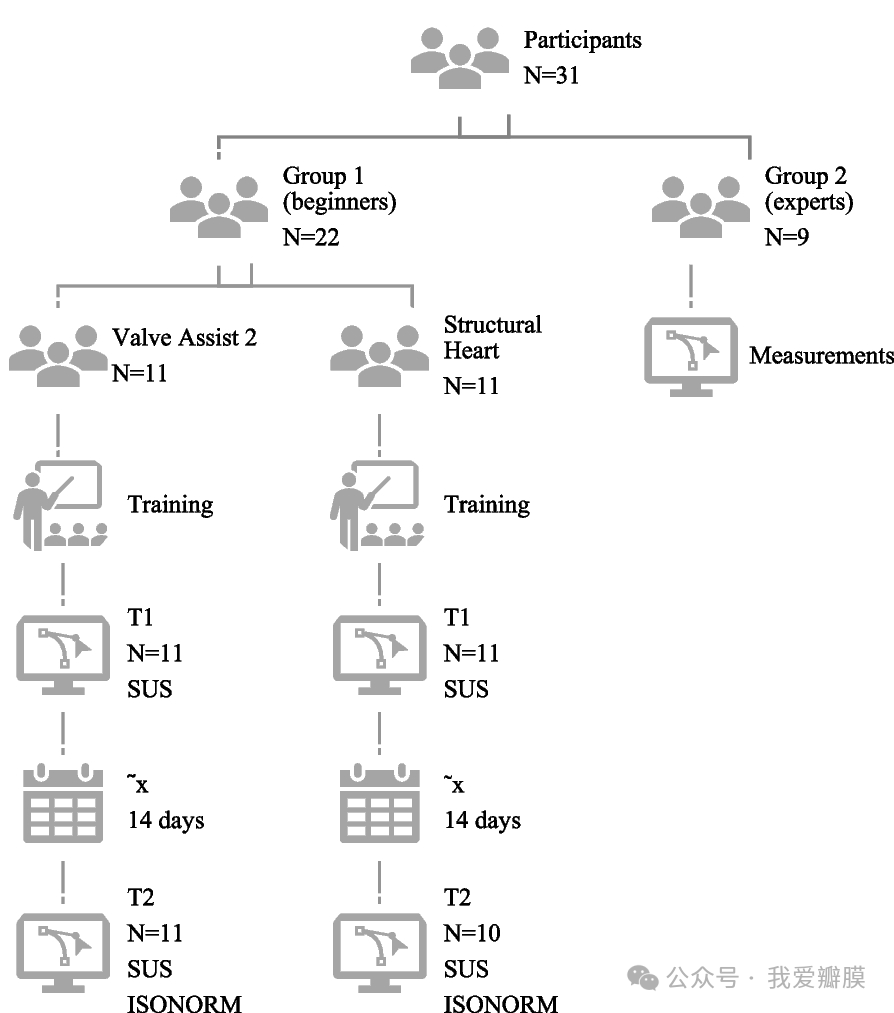
Each beginner completed the System Usability Scale (SUS) and the ISONORM questionnaire, which are designed to quickly assess how easy or difficult it is to use the software. While SUS scores represent an "effective and reliable tool," the authors noted that ISONORM scores are a better choice for identifying issues in the way humans interact with systems or products. Overall,Valve Assist 2 was associated with a higher median SUS score (78.25 vs. 65) and a higher median ISONORM score (1.05 vs. 0.05).
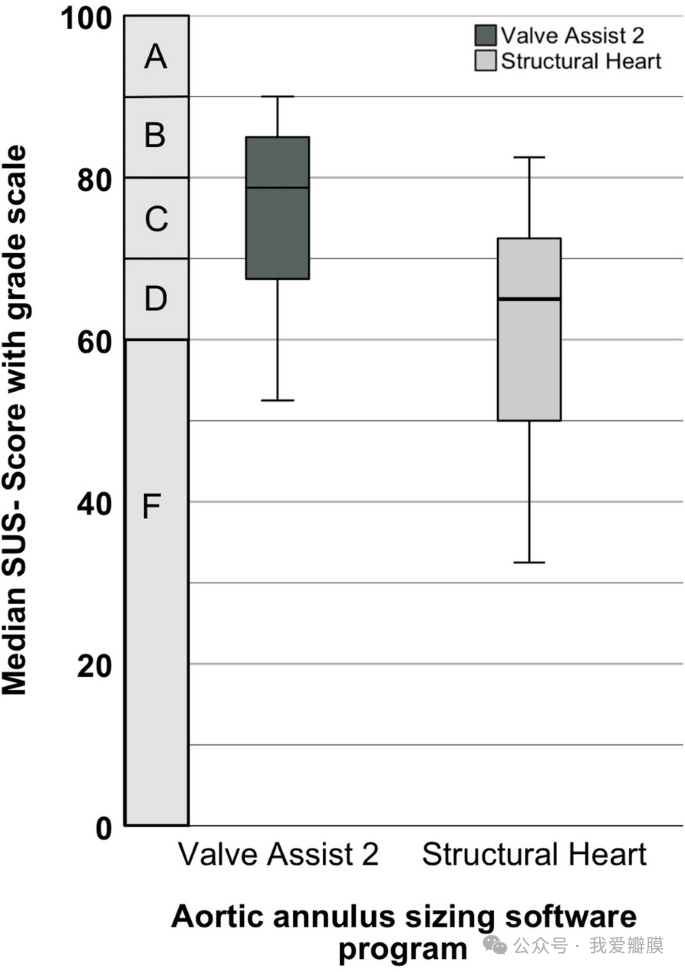
Valve Assist 2 requires fewer user questions and offers faster measurement.
Beginners used these software products on two test days, namely Test Day 1 (T1) and Test Day 2 (T2). With Valve Assist 2, 72.7% of cases selected the correct heart valve on T1, and 69.7% of cases selected the correct heart valve on T2. Meanwhile, using 3mensio Structural Heart, users selected the correct valve in up to 93.94% of cases on T1, but this dropped to 40% on T2. Researchers observed that the sudden decline in Pie Medical Imaging software could be seen as additional evidence that it is harder for beginners to use compared to GE Healthcare's Valve Assist 2.
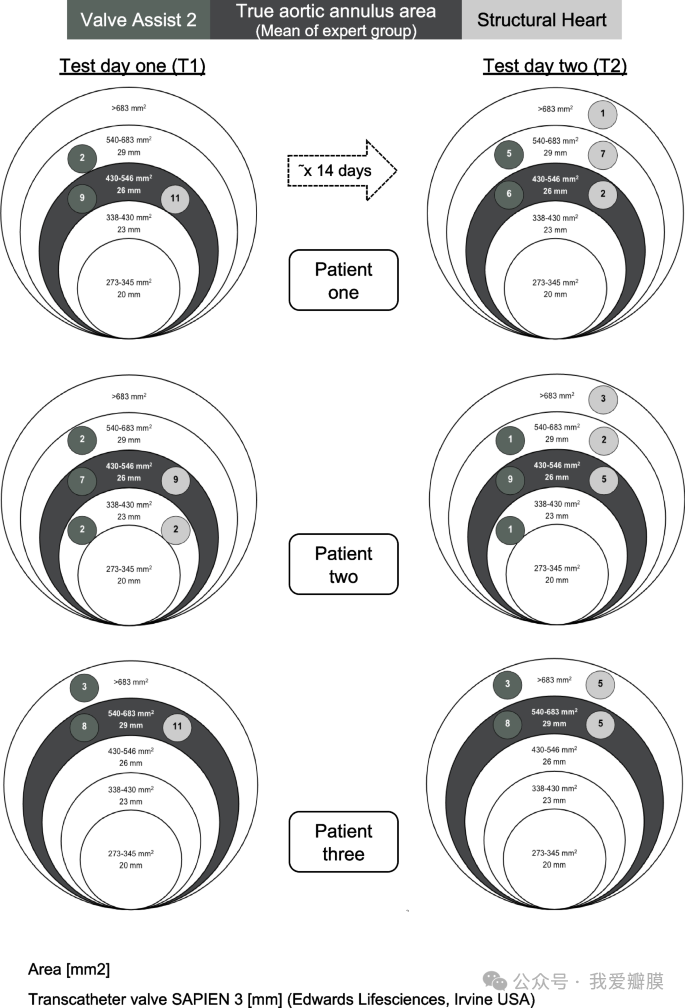
The team concluded that, from a usability perspective, GE Healthcare’s Valve Assist 2 was significantly better than Pie Medical Imaging’s 3mensio Structural Heart. They noted this might only apply to inexperienced users, but the data suggests that "selecting specific semi-automatic TAVR planning software may impact the TAVR planning process."

"Further research in the population studied by experienced TAVR experts is needed to assess the impact of the usability of semi-automated software programs on size and final clinical outcomes," the authors added.
Butter et al. emphasized that they had no financial conflicts of interest to report; they had no relationships with GE Healthcare or Pie Medical Imaging that could have influenced this analysis. Notably, this study was originally conducted at the end of 2018. The two software products under evaluation may now appear significantly different from what they were at that time.
Reference:
1. Johannes Spanke, Jonathan Nübel, Frank Hölschermann, et al. Usability and accuracy of two different aortic annulus sizing software programs in patients undergoing transcatheter aortic valve replacement. Journal of Cardiovascular Imaging volume 32, Article number: 1 (2024).