BMS Spends $4.1 Billion to Acquire Radiopharmaceutical Rising Star RayzeBio
On February 26, 2024, Bristol-Myers Squibb announced the completion of its acquisition of RayzeBio, a radiopharmaceutical biotechnology company. RayzeBio has become a wholly owned subsidiary of Bristol-Myers Squibb. According to the terms of the previously announced merger agreement, Bristol-Myers Squibb acquired RayzeBio for $62.50 per share in cash, representing an equity value of approximately $4.1 billion (about 29.2 billion RMB).Radiopharmaceuticals are drugs labeled with radioactive isotopes, which utilize the radiation from these isotopes for medical diagnosis and treatment, and have become one of the essential tools in modern medicine.The current global nuclear medicine market is still dominated by leading multinational pharmaceutical companies. Among them, Novartis has solidified its position as the industry leader through acquisitions. Although Chinese pharmaceutical companies entered the market relatively late, several enterprises have already established pipelines in the nuclear medicine field and are moving upstream to address raw material issues. The challenges faced by China’s nuclear medicine industry include reliance on imported raw materials, supply shortages, and a tendency among radioactive drug suppliers to favor existing cooperative relationships. Most medical isotopes obtained from reactors in China depend on imports, and overseas radioactive isotope suppliers generally prefer to work with existing clients rather than establish new business relationships, as doing so could introduce additional supply chain risks.Ensuring a stable supply of radioactive isotope raw materials at a reasonable price has become a major challenge for new entrants. In the long term, the global nuclear medicine market will experience rapid growth.According to data from market research publisher Fortune Insights, the global nuclear medicine market is expected to grow from $8.4 billion in 2023 to $29.4 billion by 2030, with a compound annual growth rate (CAGR) of 20%. In contrast, the market CAGR between 2019 and 2023 was only 11%. The rapid growth of the overall nuclear medicine market will bring opportunities.In the Chinese market, data shows that the annual compound growth rate of radiopharmaceuticals in China is second only to biologics. It is expected that in the next five years, the compound annual growth rate of the radiopharmaceuticals industry in China will reach 21.4%, amounting to 7.81 billion yuan by 2023, which is 2.63 times that of 2018. In the global market, China's market share is only 6%, while the North American market reaches 40%. Compared with developed countries, the utilization rate of radiopharmaceuticals in China is still relatively low, indicating considerable market potential.So, under the current situation of nuclear medicine, how should we seize the development opportunities and future trends of nuclear medicine?Scan the QR code ▼ to view the full report
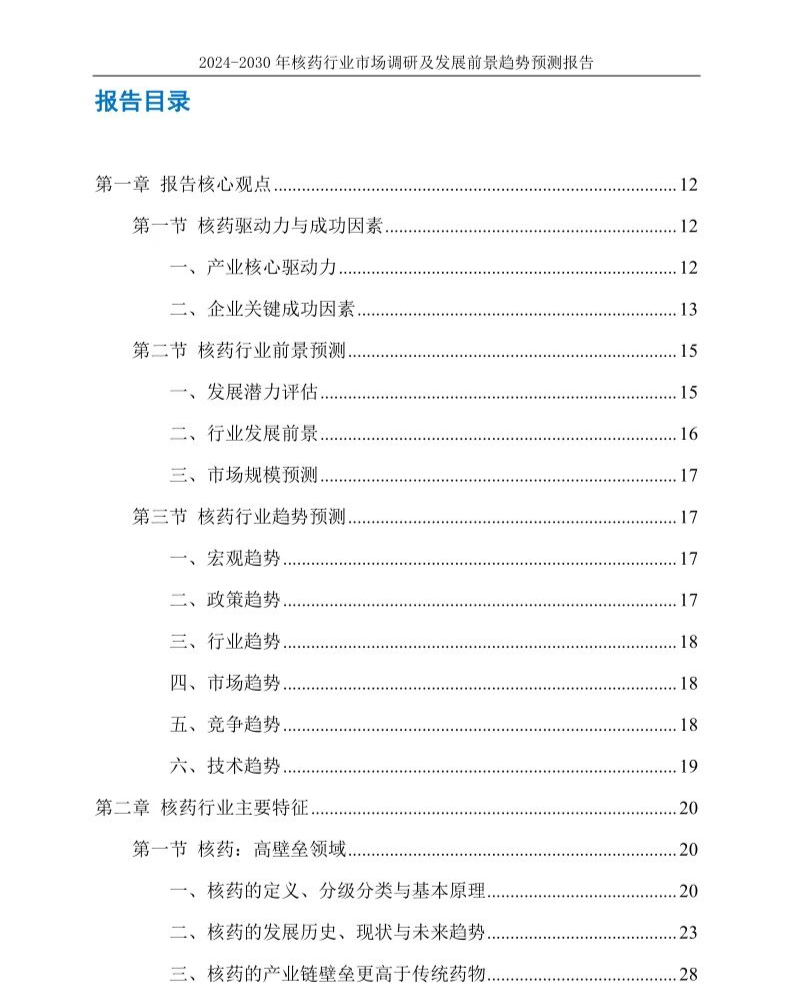
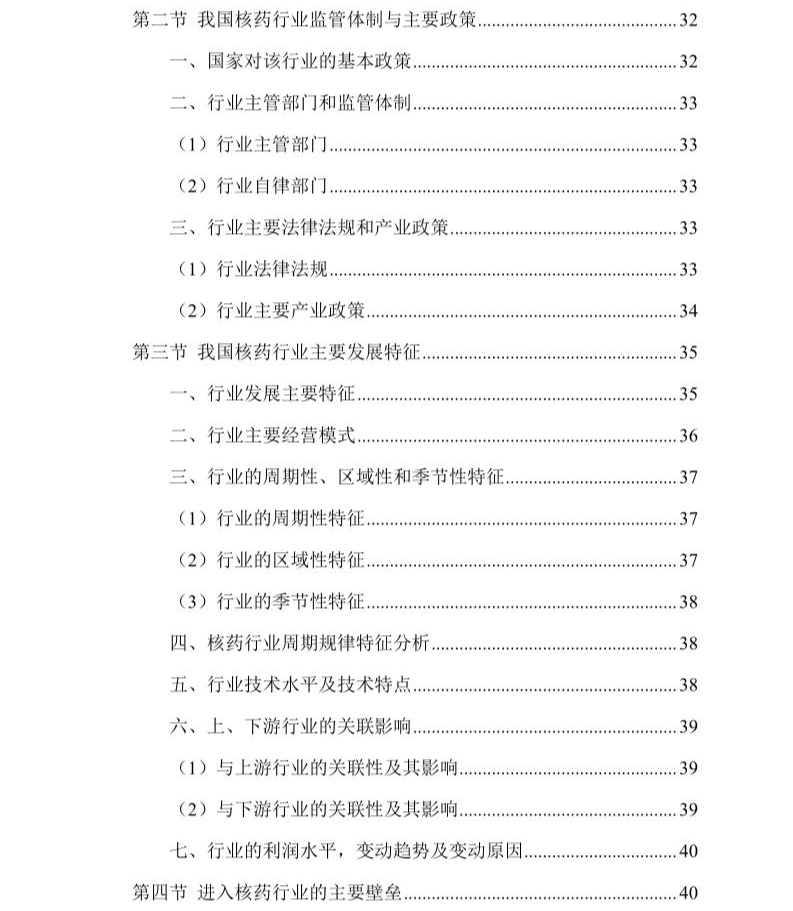
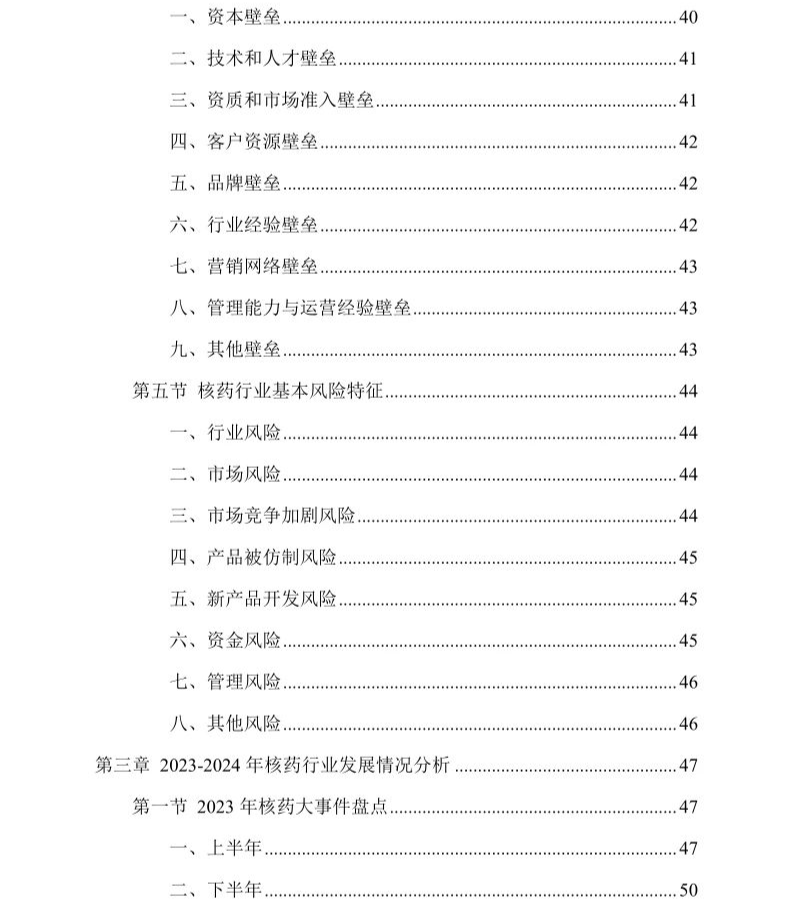
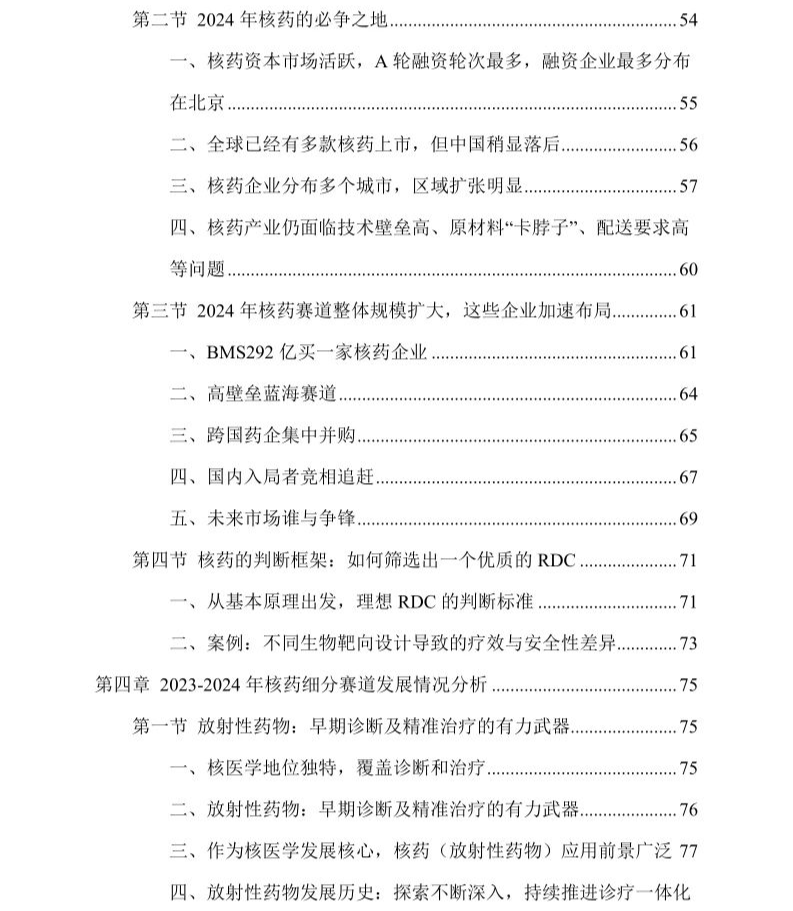
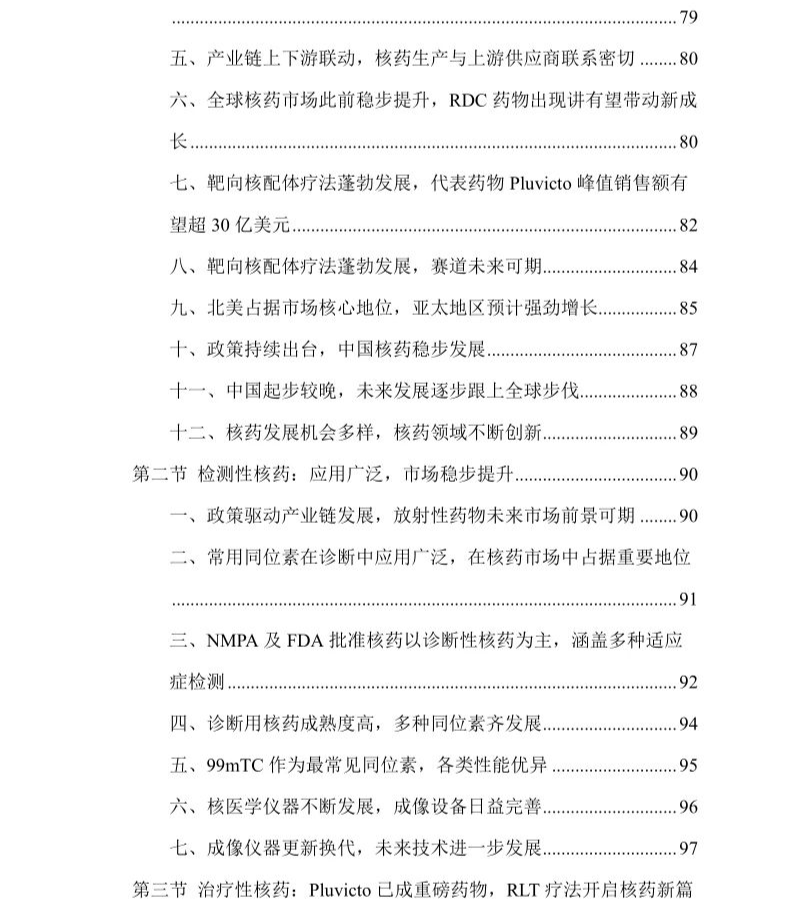
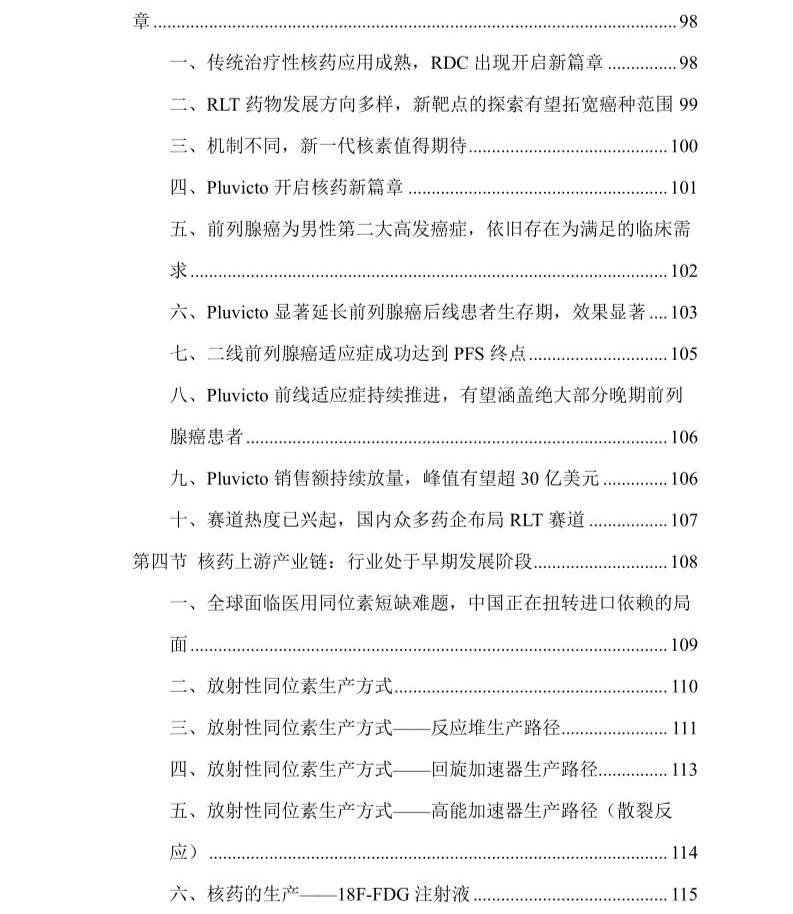
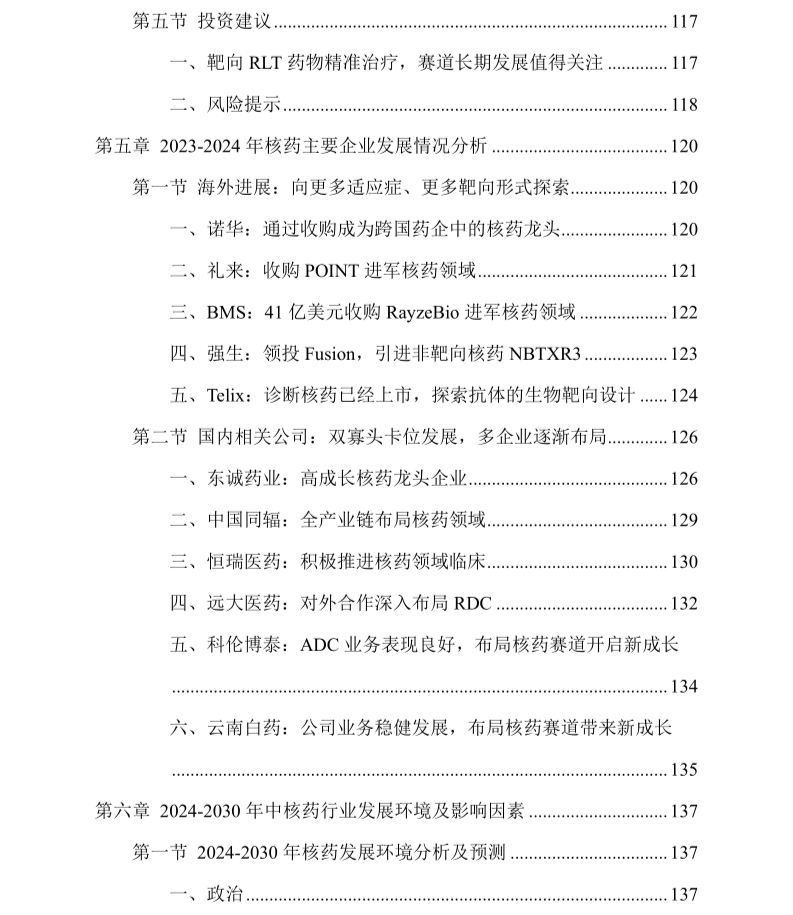
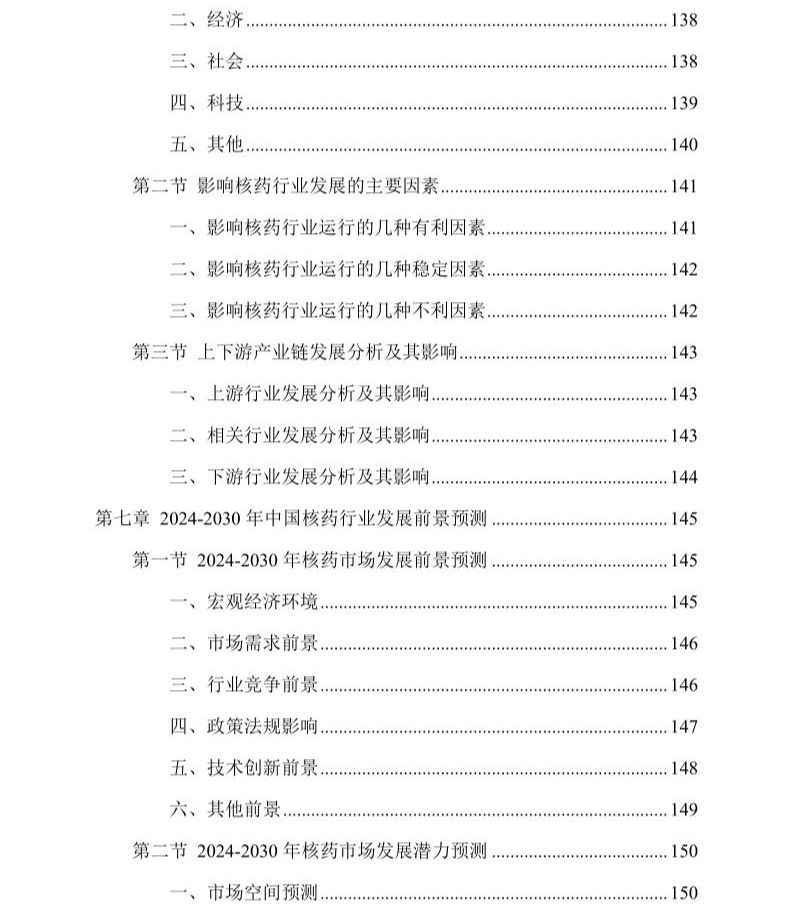
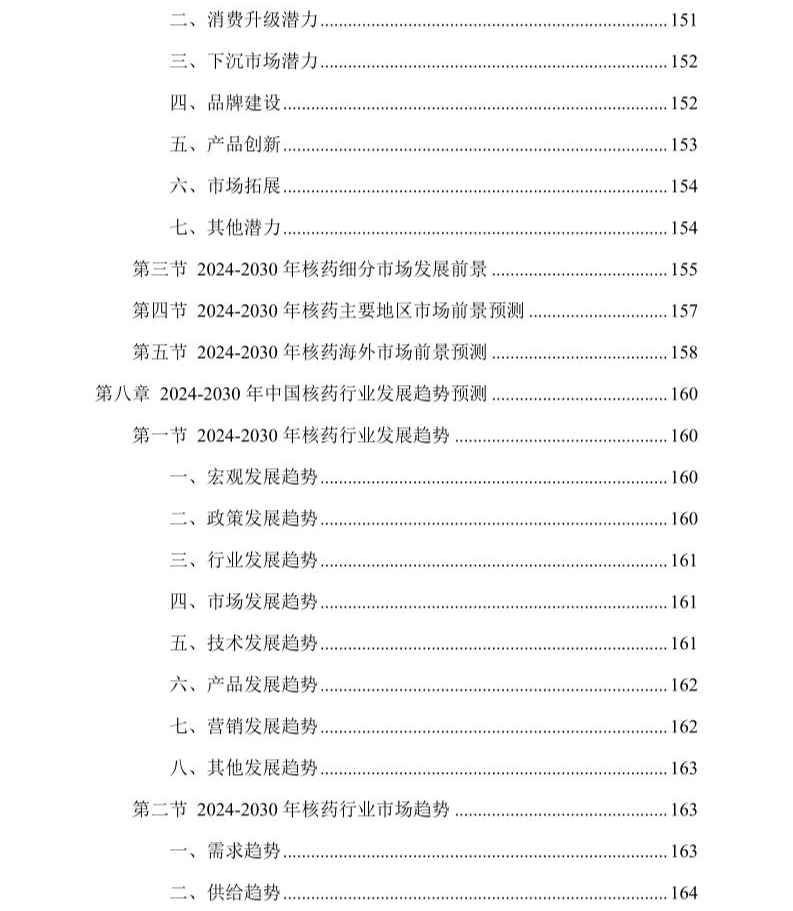
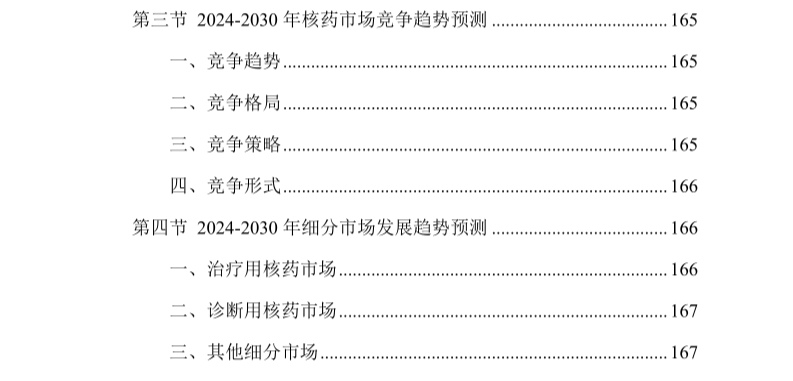
This report, based on extensive and meticulous market research, relies on fundamental information from the National Bureau of Statistics, the General Administration of Customs, relevant industry associations, domestic and international newspapers and journals, as well as a wealth of data published and provided by professional research organizations. It elaborates in detail and analyzes deeply the development characteristics, current status, and industry environment of China's nuclear medicine sector. The report focuses on analyzing key factors influencing the future development of the industry, makes prudent judgments about future prospects and trends, and provides referenceable paths and directions for enterprises’ future development strategies and investment layouts.Scan the QR code to join the group ▼ View the full report

First Trial | Huang Jia
Second Review | Li Fangchen
Third Review | Li Jingzhi