

ADC Development Strategies in the Evolving Therapeutic Landscape of Non-Small Cell Lung Cancer (NSCLC)

Johnson & Johnson
Medical Device R&D and Manufacturer
Recently, Johnson & Johnson's EGFR/cMET bispecific antibody Amivantamab (Rybrevant)Combined Third-Generation EGFR-TKILazertinib(Lazertinib (Developed by Yuhan Corporation, Korea / Produced by Johnson & Johnson) in Global Multi-Center Phase 3 Clinical TrialMARIPOSASuccessfully head-to-head defeated Osimertinib (Tagrisso) and received FDA approval for first-line treatment of adult patients with locally advanced or metastatic non-small cell lung cancer (NSCLC) harboring EGFR exon 19 deletions or exon 21 L858R substitution mutations.
AstraZeneca's third-generation EGFR-TKI Osimertinib was approved by the FDA in November 2015.Used to treat non-small cell lung cancer patients with EGFR T790M mutation. In 2019, the first-line treatment trial of Osimertinib succeeded, compared withFirst-generation EGFR-TKI(Gefitinib or Erlotinib) significantly extended patient survival, with one patient surviving for 38.6 months, earning it the reputation as a "miracle drug." In 2023, its global sales reached $5.8 billion.Sales in the Chinese market are around 70 RMB.。
In2024 At the WCLC conference, Johnson & Johnson announcedAmivantamabDoubleAnti-Combination LanzetinibThe median in the MARIPOSA studyOverall Survival (OS)Not yet reached, while the median OS in the osimertinib group was 37.3 months. At 24 months, the survival rates were 75% for the amivantamab plus lazertinib group and 70% for the osimertinib group; the corresponding values at 36 months were 61% and 53%, respectively (Figure 1).
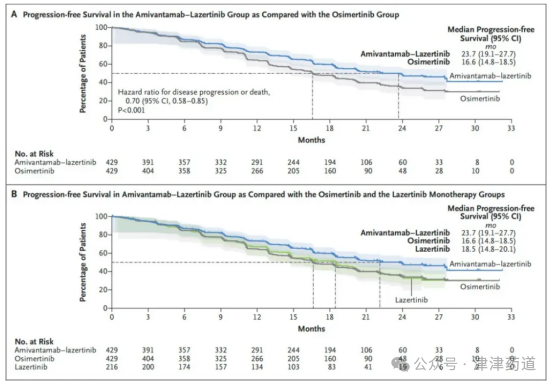
Figure 1.MARIPOSA Study Results
This result has guiding significance for the future development of new drugs for non-small cell lung cancer (and even other cancer types): 1. For some...Subtypes of non-small cell lung cancer, OS will continue to improve, becoming a manageable chronic disease; 2. Cross-modality combination therapy will become the mainstream treatment model in the future; 3. The next generation of new drugs will face greater challenges in project initiation and clinical development.
Lung cancer is the leading cause of cancer death globally, accounting for approximately one-fifth of all cancer deaths worldwide.Every yearApproximately 2.4 million people are diagnosed with lung cancer. Lung cancer can be divided into two major subtypes: small cell lung cancer (SCLC) and non-small cell lung cancer (NSCLC). Non-small cell lung cancer is the most common type of lung cancer, accounting for about 85% of lung cancer cases. Compared to small cell lung cancer, non-small cell lung cancer tends to grow and spread more slowly.
The frequency data of driver gene mutations in non-small cell lung cancer show that: epidermal growth factor receptor (EGFR) accounts for 10%-35%; Kirsten rat sarcoma viral oncogene homolog (KRAS) accounts for 15%-25%; anaplastic lymphoma kinase (ALK) accounts for 3%-7%; v-akt murine thymoma viral oncogene homolog 1 (AKT1) accounts for 1%; v-raf murine sarcoma viral oncogene homolog B1 (BRAF) accounts for 1%-3%; human epidermal growth factor receptor-2 (HER2) accounts for 2%-4%; mitogen-activated protein kinase kinase 1 (MEK1) accounts for 1%; v-ras neuroblastoma viral oncogene homolog (NRAS) accounts for 1%; phosphatidylinositol-3-kinase catalytic subunit gene (PIK3CA) accounts for 1%-3%; rearranged during transfection (RET) accounts for 1%-2%; c-ros oncogene 1 receptor tyrosine kinase (ROS1) accounts for 1%-2% (Figure 2). The proteins translated from these genes have all become therapeutic targets for non-small cell lung cancer.
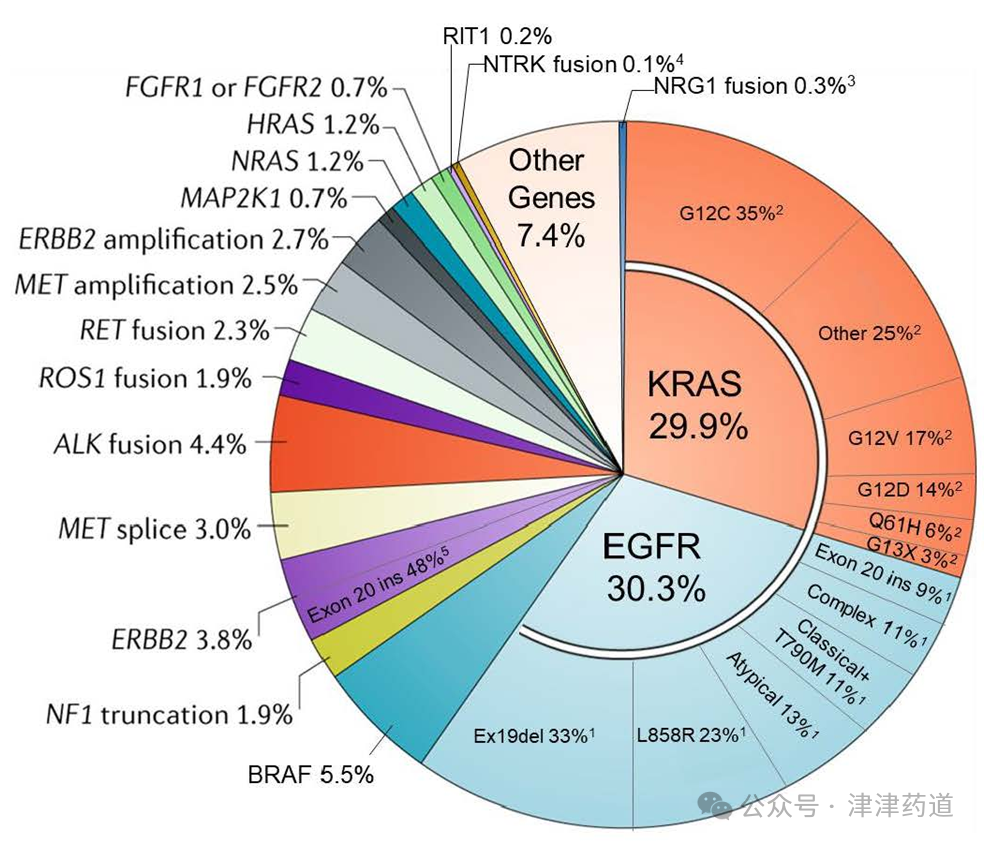
Figure 2. Mutation Atlas of Non-Small Cell Lung Cancer
Non-small cell lung cancer is alsoADC'sOne of the main directions, currently ADC targets in the clinical stage include EGFR, HER3, cMet, Trop2, etc. (Figure 3).
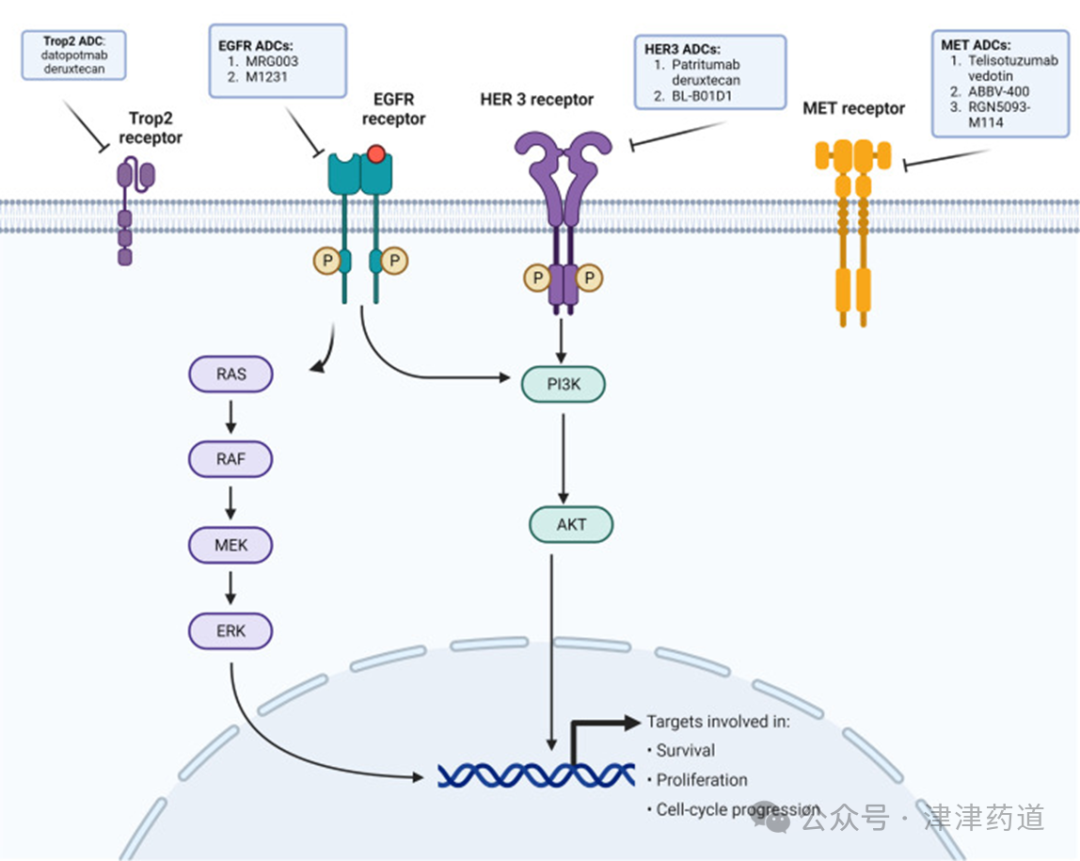
Figure 3.Schematic Diagram of ADC Targets in Non-Small Cell Lung Cancer
1. Combination of ADC and TKI
AmivantamabThe accelerated approval in 2021 attracted many companies to developEGFR/cMET Bispecific ADC, includingAstraZeneca, Hansoh Pharma, Henlius, and Kelun-Biotech are among the companies that have made strategic moves.
The success of Amivantamab combined with Lazertinib suggests that ADCs in the future may need to be used in combination with TKIs for better efficacy. AstraZenecaCurrently ongoingEGFR/cMET Bispecific Antibody ADC(AZD9592)UnitedOsimertinib TreatmentPhase 1 Clinical Trial of Non-Small Cell Lung Cancer (NCT05647122).
In March 2024, Hansoh Pharma and Promab Biotechnologies jointly announced the further expansion of their strategic partnership based on their initial collaboration in 2022. Promab will license Hansoh Pharma to use its self-developed anti-EGFR/cMet bispecific antibody PM1080 (HS-20117) for the development of ADC products.
March 2020Hansoh Pharma's Almonertinib approved for marketing, becoming the world's second third-generation EGFR-TKI innovative drug, with sales in China reaching 3.5 billion yuan in 2023.
ExpectedHansoh is very likely toEGFR/cMet Bispecific Antibody and Bispecific ADC &Treatment with Almonertinib CombinationNon-Small Cell Lung CancerClinical trial.
In addition,AstraZeneca is conducting Her3-DXd (U3-1402) in combinationOsimertinib TreatmentPhase 1 Clinical Trial for Non-Small Cell Lung Cancer (NCT04676477)。
2. ADC and PD1Combination Use
Recently, Merck chose to exercise the rights outside of Greater China for Kelun-Biotech's bispecific ADC drug SKB571 with a $37.5 million upfront payment. It is reported that,SKB571 is aEGFR/cMet Bispecific AntibodyADC。
At the same time,Merck's Keytruda has conducted at least 34 trials targetingNon-Small Cell Lung CancerPhase 3 clinical trial, accounting for all of its3Phase ClinicalMore than 20% of the trial. AndNon-Small CellThe lung cancer market is the most profitable segment for Keytruda. Keytruda, as a monotherapy and in combination with chemotherapy, has achieved full coverage from late-stage to early-stage treatment. As Keytruda’s U.S. patent is set to expire in 2028, Merck continues to seek opportunities to maintain or expand its leading position in the lung cancer field.
Therefore,Merck is very likely toSKB571 withKeytruda Combination TherapyNon-Small CellClinical Trials for Lung Cancer.
Just a few days ago, the 2024 semi-annual report publicly released by Akeso showed that it had submitted the IND application for AK138D1 to the CDE.AK138D1As a HER3 ADC, it adopts a novel cleavable linker with a DAR value of 8 and may be related to a topoisomerase inhibitor toxin. Relevant data shows good anti-tumor activity.
In May 2024, Akeso Biopharma announced that the pre-specified interim analysis of its registrational Phase 3 clinical study (HARMONi-2 or AK112-303) comparing Ivonescimab (PD-1/VEGF) monotherapy to Keytruda for advanced or metastatic non-small cell lung cancer, conducted by the Independent Data Monitoring Committee (IDMC), showed strongly positive results: achieving the primary endpoint of progression-free survival (PFS), and gaining marketing approval in China.
The reason why Akeso Biopharma entered the ADC track and chose HER3-ADC as the entry point should be due to considerations for the future.EvoCDoubleAnti-andHER3- Combination of ADC for clinical trials.
3. Combination of ADC and TCE
In January 2024, Merck announced the acquisition of Harpoon Therapeutics for $23 per share, totaling $680 million (a premium of over 100%). Through this acquisition, Merck not only gained access to the promising CD3/DLL3Double antibody (HPN328), and access to Harpoon's multiple tri-specific antibody platforms, including the next-generation multi-specific antibody platform — ProTriTAC and TriTAC-XR tri-specific antibody platforms, which are specifically activated in the tumor microenvironment, thereby quickly entering the T cell engager (TCE) field.
In August 2024, Daiichi Sankyo and Merck announced that they would expand their existing global co-development and commercialization agreement to include Merck's investigational therapy MK-6070, in addition to the three DXd antibody-drug conjugates currently under research.MK-6070 is precisely the product that Merck has just acquired through a purchase.Harpoon ObtainedCD3/DLL3Double Antibody (HPN328)。
Previously, Daiichi Sankyo and Merck had just announced the initiation of a Phase 3 clinical trial for their B7-H3-targeted ADC candidate (DS-7300) for the treatment of small cell lung cancer. This time, Daiichi Sankyo's introduction of this TCE bispecific antibody is mainly aimed at combining it with DS-7300.Small Cell Lung CancerEvaluate the combined effect in patients and explore other potential combination therapies.
In addition, Roche is conducting a Phase 1b/2 clinical trial of Polivy (CD79b-ADC) in combination with CD3/CD20 bispecific antibody (Lunsumio) for the treatment of R/R LBCL. The 24-month follow-up results show that the mPFS is 11.4 months and the mOS is 23.3.Months.
4. Subcutaneous administration
For chronic diseases, subcutaneous administration of macromolecular drugs has become a standard. For tumor drugs,With the development of pharmaceuticalsmPFSAnd OS graduallyExtend,PatientForMedicationConvenienceDemand alsoThereafter, it will be improved,Therefore, an increasing number of tumor drugs have been adoptedSubcutaneousMethod of administration.
The 2024 ASCO Annual Meeting presented the results of the global Phase 3 randomized controlled trial, PALOMA-3, comparing subcutaneous (SC) versus intravenous (IV) administration of amivantamab in combination with lazertinib for the treatment of patients with EGFR-mutated advanced non-small cell lung cancer who have developed resistance.
Results Show That Subcutaneous and Intravenous Administration of Amivantamab Exhibit Similar Pharmacokinetics and Objective Response Rates in EGFR+ mNSCLC Patients with Resistance. However, subcutaneous administration shows a trend toward benefit in terms of DoR and PFS, with significant OS benefits. The study suggests that the formulation and route of administration of amivantamab may influence patient outcomes. In terms of safety, subcutaneous administration of amivantamab demonstrates improved safety, with lower rates of infusion-related reactions and VTE. Prophylactic anticoagulation treatment is safe and effectively reduces the risk of VTE. Additionally, subcutaneous administration of amivantamab takes only 5 minutes, compared to 2-5 hours for intravenous administration, significantly reducing administration time, enhancing patient convenience, satisfaction, and compliance.
Currently, almost all ADCs on the market and in clinical stages use lyophilized formulations, but in recent years, some companies have attempted subcutaneous administration of ADCs. At the 2023 AACR Annual Meeting, Heidelberg PharmaAnnounced its subcutaneous administrationADCPreclinical studies have shown that, compared with intravenous administration, subcutaneous administration has a lowerCmax, a longer half-life, lower toxicity, and a larger therapeutic window.
AbbVie has also made significant explorations in subcutaneous administration of ADCs. As the developer of Humira, AbbVie has accumulated extensive experience in subcutaneous drug delivery. During the antibody screening phase, comprehensive indicators such as viscosity, conformational stability, pI, hydrophobicity, and short-term solubility stability were evaluated to obtain Adalimumab. The naked antibody Adalimumab and the ADC drug ABBV-3373 share similar properties in various aspects, but ABBV-3373 exhibits higher hydrophobicity, primarily due to the influence of the Linker and Payload on the antibody.
In March 2024, Alphamab Oncology announced that the first patient has been dosed in Australia for the clinical study (JSKN033-101, NCT06226766) of JSKN033, a subcutaneous combination formulation of its HER2 bispecific antibody-drug conjugate (ADC) (JSKN003) and PD-L1 (Envafolimab, KN035), for the treatment of advanced or metastatic solid tumors with HER2 expression.
We may question the R&D efficiency of MNCs, but we should not doubt their strategic vision. Understanding the strategic layout of MNCs can not only help pharmaceutical companies in China with strategic-level fast-follow, but also assist biotech firms in better pipeline planning and winning future BD deals.
As ADC combination therapy becomes the new norm, for researchers, whether to pursue combination therapy or single-agent development in clinical trials may be a question that needs to be considered at the project initiation stage. For companies, determining which drugs to combine with ADC is a matter that involves clinical development strategy, corporate development plans, and business development (BD).

Warm Tips

Simple steps to star ⭐️ Pharma Insights, receive our updates in the first instance.