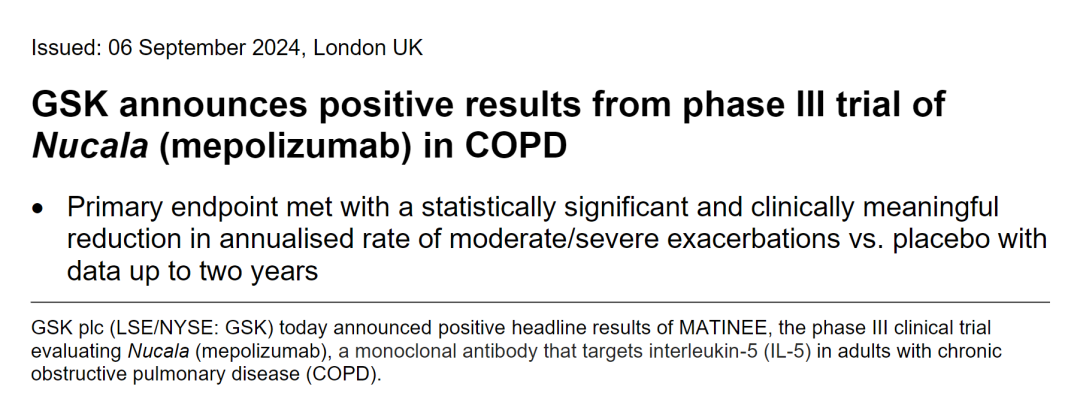
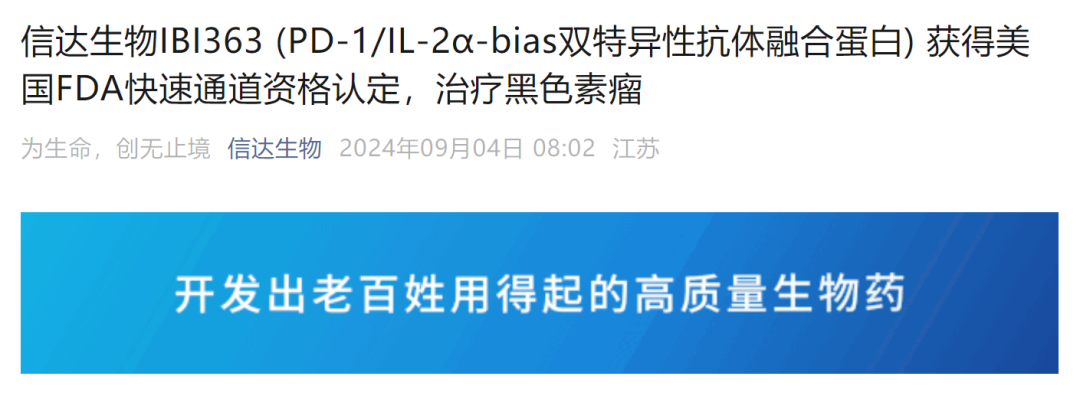
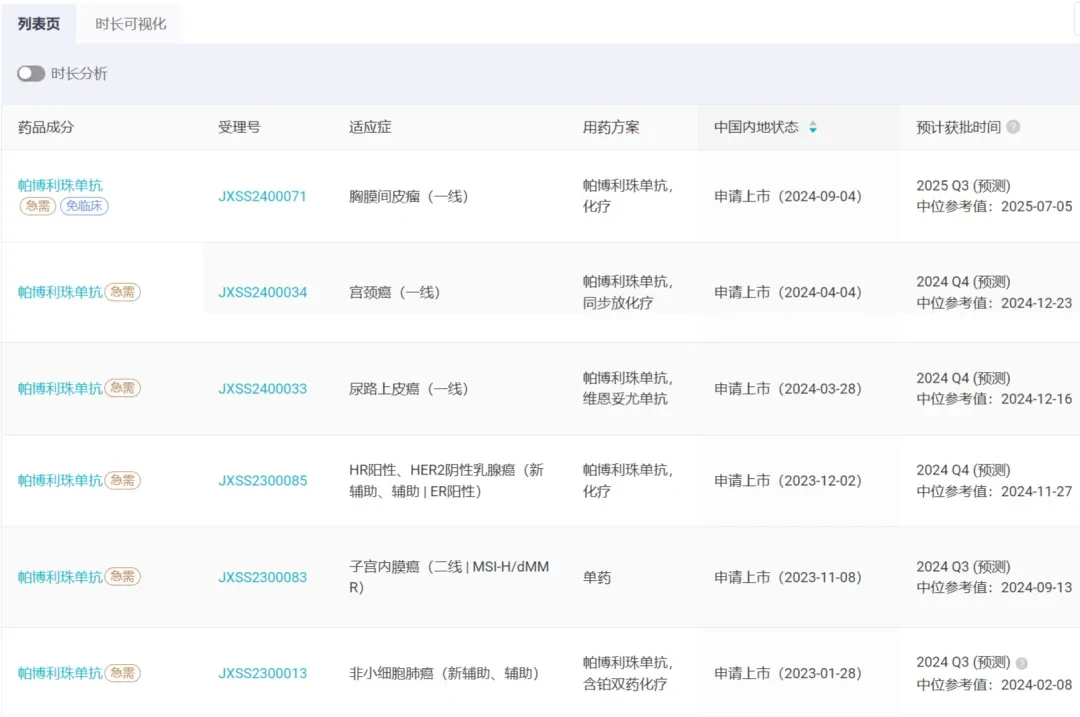
According to statistics from the Insight database, this week (September 1 - September 7), a total of 53 innovative drugs (including improved new drugs) worldwide have advanced to new stages of development.4 products submitted for marketing approval, 3 products entered Phase III clinical trials, 1213 products approved for clinical trials, 13 products submitted for clinical trials.The following text will introduce some key projects from both within and outside China.Progress of Innovative Drugs OverseasOverseas, a total of 13 innovative drugs (including improved new drugs) have advanced to new stages in their development progress this week, with 2 filing for marketing approval and 6 receiving clinical trial authorization.This week, there is less approval-related news, with more updates on overseas new drugs focusing on clinical data. Next week, the 2024 ESMO will kick off, during which more significant clinical results in the oncology field will be released. Insight has already provided a preview of the domestic pharmaceutical companies' part this week, with content attached at the end of the article; next week, we will continue to follow up and bring fresher and more professional reports. Heavyweight Clinical Results1. GSK: Mepolizumab succeeds in Phase III clinical trial for COPD, planned for market applicationOn September 7, GSK announced that the IL-5 antibody mepolizumab achieved positive results in the Phase III clinical trial MATINEE for patients with chronic obstructive pulmonary disease (COPD).The company plans to submit this data to regulatory authorities to support the marketing application for this indication.Screenshot from: GSK official websiteMepolizumab is an IL-5 monoclonal antibody developed by GSK. In November 2015, it received FDA approval for the treatment of severe and eosinophilic phenotype asthma in patients aged 12 years and above, becoming the first FDA-approved IL-5 antibody under the brand name Nucala. Since its approval, the drug has expanded its indications several times, with currently five approved indications on the market. Its global sales have maintained a steady double-digit increase year after year, reaching $2.063 billion in global sales in 2023.According to WHO data, COPD is the third most common cause of death globally, and according to Research Nester predictions, the global COPD treatment market is expected to reach 30 billion US dollars by 2031, with significant market potential.However, the previous failures of biologics with different mechanisms in the COPD field have deterred many companies.The MATINEE trial met its primary endpoint, based on maintenance therapy,The Addition of NucalaSignificantly reduced the annualized incidence of moderate/severe disease worsening. If launched in the future, it is expected to become a major growth point for the drug.2. Johnson & Johnson: BCMA/CD3 Bispecific Antibody Shows Initial Promise in Autoimmune Disease Field, Bispecific Antibody Market Expected to Expand Further
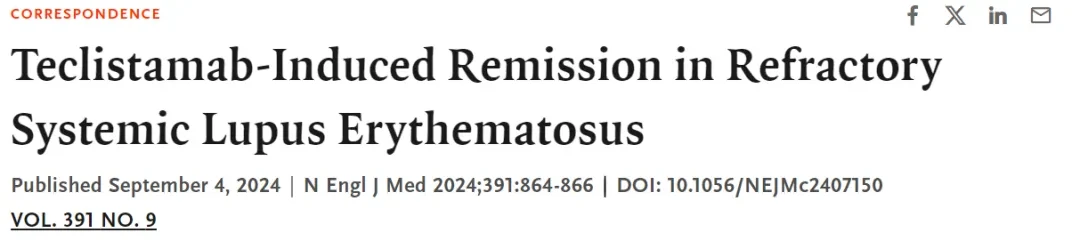
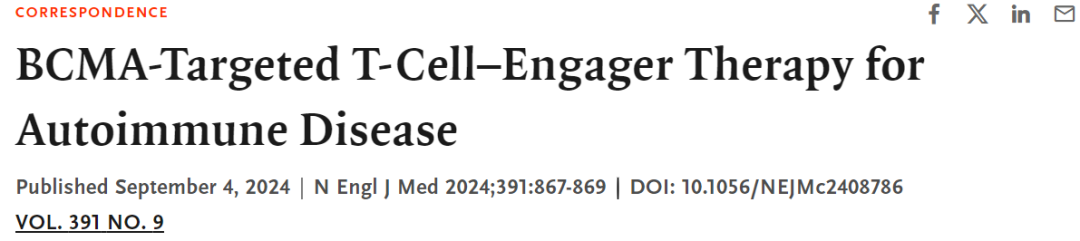
On September 4, the clinical results of Johnson & Johnson's BCMA/CD3 bispecific antibody teclistamab for autoimmune diseases were published in NEJM.These studies evaluated the efficacy of the drug in systemic lupus erythematosus (SLE), systemic sclerosis, primary Sjögren's syndrome, idiopathic inflammatory myopathy, and rheumatoid arthritis, all achieving positive results, providing another piece of evidence for the application of bispecific antibody therapy in the immunology field.In recent years, global pharmaceutical companies led by MNCs have increasingly focused on the autoimmune field. In fact, aside from oncology drugs, autoimmune drugs are one of the largest categories represented in the TOP100 best-selling drugs, with significant unmet needs and promising market potential. In December 2023, AstraZeneca's $12 billion acquisition of Gracell Biotechnologies also highlighted the development potential of its CAR-T therapy GC012F for SLE indications.Bispecific T-cell engagers share a similar therapeutic mechanism with CAR-T therapy while offering the "off-the-shelf" advantage of shorter production cycles. They have already gone head-to-head in multiple indications, with the potential to become blockbusters. In this week's $635 million License out deal by Akeso Biopharma, Michael Rome, Managing Director of the lead investor Vignette, also highlighted his optimism about recent clinical data showing the use of B-cell depletion mechanisms in autoimmune diseases. Moreover, transactions in the bispecific antibody field have been particularly active recently. A closer look at specific deals reveals that many of these transactions focus on the application of such drugs in autoimmune disorders.According to the Insight database, there are currently only 9 bispecific antibody therapies in clinical stages for the SLE indication, most of which are in Phase I and II clinical trials; whereas, 43 CAR-T therapies have already initiated clinical research for this indication.3. Lilly: Weekly Long-Acting Insulin Achieves Success in Two Phase III Clinical Trials
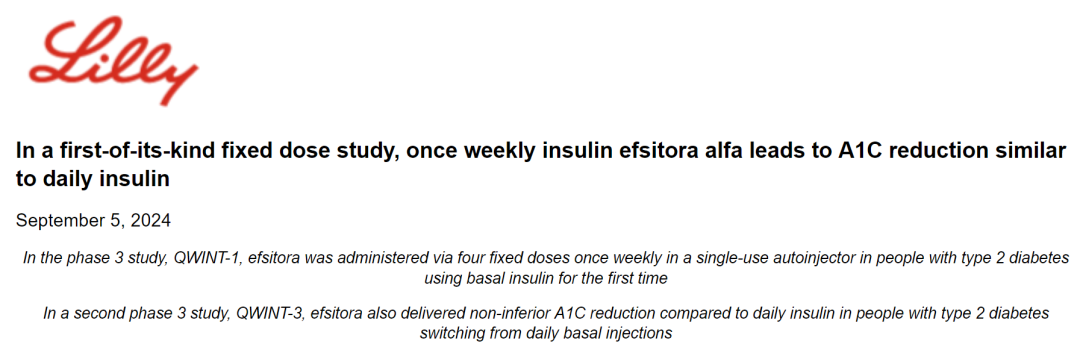
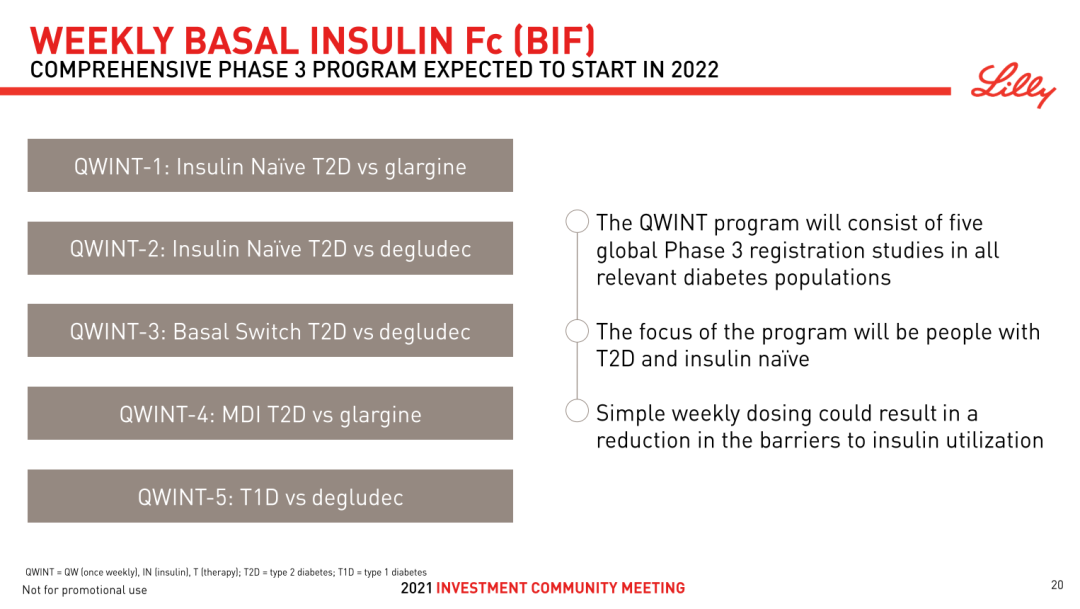
On September 5, Eli Lilly announced that two Phase III clinical trials, QWINT-1 and QWINT-3, of its once-weekly long-acting insulin efsitora alfa (LY3209590) for the treatment of type 2 diabetes, have both achieved positive results.The results showed that, compared withDaily basal insulin, the drug achieved non-inferiority in lowering glycated hemoglobin (A1C) levels.Source: NMPA Official WebsiteEfsitora alfa is a once-weekly basal insulin-Fc fusion protein, consisting of an engineered single-chain insulin analog fused to the IgG Fc region to achieve a long-acting effect. Eli Lilly's five Phase III clinical trials, QWINT-1~5, were all registered and initiated in 2022. Among them,QWINT-2 study and QWINT-4 study were also completed in May this year.Among them, QWINT-1 aims to evaluate the efficacy and safety of once-weekly efsitora alfa compared with once-daily insulin glargine over 52 weeks. The results showed that at week 52, the A1C levels of patients in the efsitora alfa group and the control group decreased by 1.31% and 1.27%, respectively.QWINT-3 evaluates once a week.efsitora alfaCompared with once-daily degludec insulin, efficacy and safety over 78 weeks.The results showed that at Week 78,Efsitora alfa group patients and control group patientsA1C levels were reduced by 0.86% and 0.75%。From:Lilly Official Website Clinical Trial Initiation1. Eli Lilly: Small Molecule GLP-1 Initiates Phase III Clinical Trial, Targeting Later-Line Treatment After Tirzepatide/Semaglutide
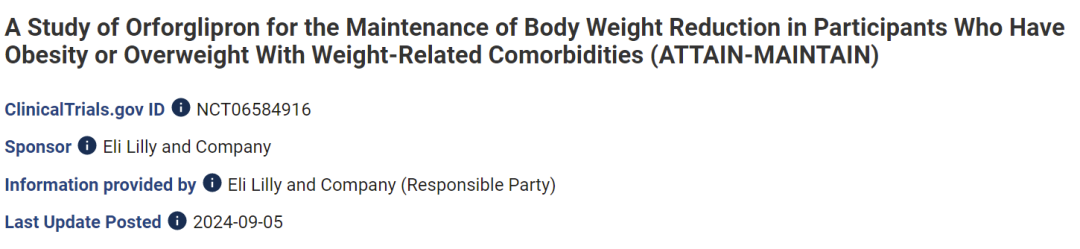
On September 5, Eli Lilly registered another Phase III clinical trial for weight loss of the small molecule GLP-1 receptor agonist Orforglipron on Clinicaltrials.gov.Notably, this clinical trial aims to evaluate the efficacy and safety of the drug as a weight-loss maintenance treatment. The intended participants are patients from the SURMOUNT-5 study of tirzepatide, covering the subsequent market for both tirzepatide and semaglutide.According to the Insight database, Orforglipron has initiated 10 Phase III clinical trials, with 6 targeting type 2 diabetes (ACHIEVE-1~5, ACHIEVE-J) and 4 targeting obesity (ATTAIN-1~2, ATTAIN-J, and this time, ATTAIN-MAINTAIN).Similarly, in its pipeline layout, Eli Lilly has not only its flagship products dulaglutide and tirzepatide but also the small molecule Orforglipron and the next-generation triple agonist Retatrutide, the latter of which has already initiated 8 clinical trials. Eli Lilly has a mature pipeline strategy and ambition in the metabolic field, with strong firepower and wide coverage.2. Amgen: The Third GLP-1 Class Drug Enters Clinical Trials
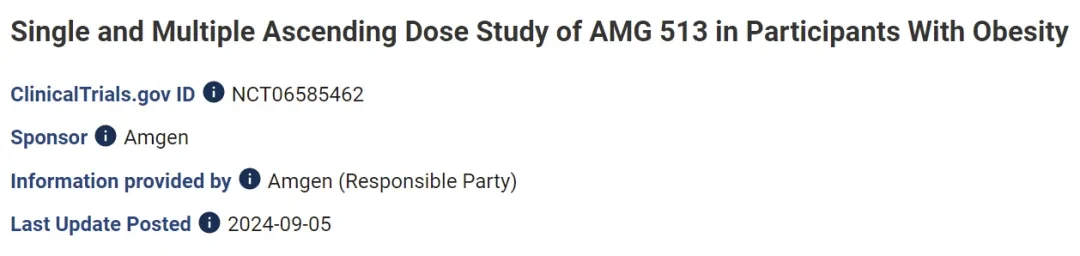
On September 5, Amgen also registered a Phase I clinical trial for AMG 513 in obesity. Although the drug's target and mechanism have not been disclosed, as Amgen’s third weight-loss drug to enter clinical trials, it undoubtedly highlights Amgen’s focus on this field.According to the Insight database, Amgen previously had AMG 133 and AM 786 in its pipeline. Although the latter has now been discontinued, the positive clinical results once announced for AMG 133 have made it one of the promising new stars in the industry. Its distinct mechanism of action compared to Eli Lilly's tirzepatide has sparked discussions on the therapeutic mechanisms of such drugs, making it a highly discussed topic.AMG 133(Maridebart cafraglutide)It is an antibody fusion protein that inhibits GIPR through a GIPR inhibitory antibody fused with GLP-1, activating GLP-1R while inhibiting GIPR; in contrast, Eli Lilly's tirzepatide acts as a dual agonist. In terms of dosing frequency, this drug can be administered once a month, offering a certain advantage over other products that require once-weekly dosing.The drug is currently in Phase II clinical trials.(Registration No.:NCT05669599),For obese or overweight patients with or without type 2 diabetes, the primary endpoint is expected to be completed in October this year, and the disclosure of clinical results is highly anticipated.Previously published Phase I clinical data from Amgen showed,After 12 weeks of treatment, subjects in the high-dose AMG 133 group experienced weight loss of up to 14.5%.。 Pharmaceutical TransactionsThis week, according to the Insight database, there were 14 pharmaceutical transaction events globally.1. EpimAb Biotherapeutics: Up to $635 million! BCMA×CD3 bispecific antibody achieves license-out collaborationOn September 4, EpimAb Biotherapeutics and Vignette Bio announced that they had entered into a licensing agreement for EpimAb’s BCMA-targeted T cell engager (TCE) molecule EMB-06.Vignette will obtain exclusive rights to develop and commercialize EMB-06 outside of Greater China (including mainland China, Hong Kong, Macao, and Taiwan), while EpimAb Biotherapeutics will retain the rights to EMB-06 in Greater China.According to the agreement, EpimAb Biotherapeutics will receive payment in the form of cash and Vignette equity.Total upfront payment of $60 million`, and will have the right to collect`Up to $575 million in development, launch, and commercialization milestone payments, as well as revenue sharing based on net sales.Screenshot source: Official WeChat account of the companyEpimAb Biotherapeutics is focused on the development of multispecific antibodies. EMB-06 is the first T-cell engager molecule developed under EpimAb’s T-cell engagement platform, which combines the company’s proprietary FIT-Ig bispecific antibody platform and CD3-binding domain library, as well as EpimAb’s in-house capabilities in new drug discovery and antibody engineering.Insight database shows that EMB-06 is currently in Phase 1/2 clinical trials for the treatment of multiple myeloma in China and overseas.EMB-06 has demonstrated positive clinical efficacy in Phase I trials for patients with multiple myeloma. Additionally, EpimAb Biotherapeutics plans to explore the potential of EMB-06 in treating autoimmune diseases.Shoreline's collaborator this time, Vignette Bio, was established in 2024. It is a clinical-stage company incubated by Foresite Labs and jointly invested by Foresite Capital, Qiming Venture Partners USA, Samsara Biocapital, and Mirae Capital Life Science, focusing on innovative therapies for immune and inflammation-related diseases.According to Michael Rome, Managing Director of Foresite Capital, the lead investor in Vignette, the decision to introduce EMB-06 was driven by promising recent clinical data on the use of B-cell depletion mechanisms in autoimmune diseases. Vignette also aims to develop T-cell engaging molecules for the treatment of autoimmune conditions. Qualification Certification1. Innovent: PD-1/IL-2α-bias antibody fusion protein granted FDA Fast Track Designation for melanoma treatmentOn September 4, Innovent Biologics announced that its PD-1/IL-2α-bias bispecific antibody fusion protein IBI363 was granted Fast Track Designation (FTD) by the U.S. FDA.The proposed indication is for locally advanced or metastatic melanoma (excluding choroidal melanoma) that has progressed after receiving at least one prior line of systemic treatment containing a PD-1/L1 checkpoint inhibitor.Currently, Innovent Biologics is conducting Phase 1/2 clinical trials in China, the United States, and Australia to explore the efficacy and safety of IBI363 in various advanced malignant tumors.Screenshot source: Official WeChat account of the companyIBI363 is a globally first-in-class PD-1/IL-2 bispecific fusion protein independently developed by Innovent Biologics. It possesses two functions: blocking the PD-1/PD-L1 pathway and activating the IL-2 pathway. The IL-2 arm of IBI363 has been engineered to retain its affinity for IL-2 Rα while reducing its binding ability to IL-2Rβ and IL-2Rγ, thereby lowering toxicity. Meanwhile, the PD-1 binding arm can simultaneously block PD-1 and selectively deliver IL-2. Since newly activated tumor-specific T cells express both PD-1 and IL-2α, this differential strategy allows for more precise and effective targeting and activation of this T cell subset.IBI363 not only demonstrated favorable anti-tumor activity in various tumor-bearing pharmacological models but also showed significant tumor-suppressing efficacy in PD-1 resistant and metastatic models. At the ESMO Plenary Meeting on June 14, 2024, IBI363 reported encouraging efficacy signals observed in melanoma subjects who had previously received immunotherapy:Among 37 melanoma patients who had previously received immunotherapy and were treated with 1 mg/kg IBI363, all of whom had undergone at least one post-baseline tumor assessment, 11 patients achieved objective responses, including 1 complete response (CR) and 10 partial responses (PR). The objective response rate (ORR) and disease control rate (DCR) were 29.7% and 73.0%, respectively. Notably, equivalent efficacy signals were observed in mucosal and acral melanoma subtypes.Progress of Innovative Drugs in ChinaThis week, a total of 39 innovative drugs (including improved new drugs) in China have advanced to new stages of development, with 3 filing for market approval, 3 initiating Phase III clinical trials, 9 new drugs receiving clinical approval, and 16 filing for clinical trials.
Four Innovative Drugs (Including Modified New Ones) Approved for Clinical Trials in China for the First Time This Week
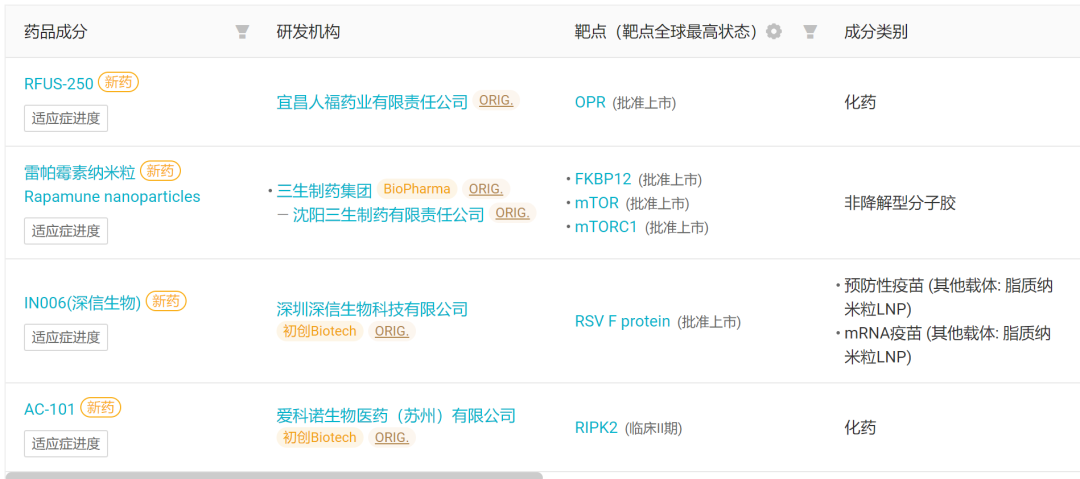
Source: Insight Database Web Version
(The following text is from the same source unless otherwise specified.)
Submission for Market Approval1. Hengrui Medicine: JAK1 Inhibitor New Indication Submitted for Marketing, Treating Alopecia AreataOn September 5, the CDE official website showedHengrui has submitted a new indication marketing application (CXHS2400089) for Ivarmacitinib Sulfate Tablets.Imaftinib has previously submitted three marketing applications in China. Based on the clinical research progress of the drug, the Insight database predicts that the applied indication may beAlopecia Areata。
Screenshot source: CDE official websiteImaicitinib (SHR0302) is a new-generation highly selective JAK1 inhibitor independently developed by Hengrui. Its selectivity for JAK1 is 16 times that for JAK2. The drug can exert anti-inflammatory and immunosuppressive biological effects by inhibiting JAK1 signaling, and is used to treat various immune-inflammatory diseases, including atopic dermatitis, ulcerative colitis, Crohn's disease, and alopecia areata.Previously, Amecitini has reached the study endpoint in a Phase II international multicenter clinical trial (China, U.S., Australia) (RSJ10521). The Phase II study results showed that after 24 weeks of treatment, the percentage change in the Severity of Alopecia Tool (SALT) score from baseline significantly improved in both the 8 mg and 4 mg dose groups compared to the placebo group, with a statistically significant difference. In June this year, Hengrui completed a randomized, double-blind, placebo-controlled Phase III clinical trial (CTR20213405) for alopecia areata conducted in China.In addition to the new indications submitted this time, Amasitini has previously filed three marketing applications in China:- In August 2023, used for the treatment of non-steroidal anti-inflammatory drugs with poor efficacy or intoleranceAdults with active ankylosing spondylitisPatient (CXHS2300071), Insight predicted approval time is 2025Q1.
- November 2023,For adults and individuals aged 12 years and above who have had an inadequate response to or are intolerant of topical or other systemic treatments.Moderate to Severe Atopic Dermatitis in AdolescentsPatientSubject (CXHS2300097),Insight Predicted Approval Time2025Q2。
- November 2023,For adultsModerate to Severe Active Rheumatoid ArthritisPatientPatient (CXHS2300108), for adult patients with moderate to severe active rheumatoid arthritis, Insight forecastThe test was approved in 2025Q1.。
2. Buchang Pharmaceutical: Long-acting EPO Drug Submitted for Market ApprovalSeptember 3, CDE Official WebsiteIt shows that Buchang Pharmaceutical's marketing application for Epoetin Alpha Injection (Acceptance No.: CXSS2400094) has been accepted for the treatment of anemia in chronic kidney disease.Screenshot source: CDE official websiteEpoetin alpha is a recombinant erythropoietin-Fc (EPO-Fc) fusion protein developed by Buchang Pharmaceutical, belonging to long-acting EPO drugs.Buchang Pharmaceutical has completed a multi-center, randomized, open-label, positive drug-controlled Phase III clinical trial of Epoetin Alpha. The study evaluated the efficacy and safety of Epoetin Alpha compared to recombinant EPO Alfaepoetin for maintenance treatment in Chinese chronic kidney disease patients with anemia undergoing hemodialysis. The trial was completed in April 2023, but the results have not yet been published.Currently, there are 7 EPOR-targeted drugs approved for marketing in China, four of which are from overseas pharmaceutical companies, including Epoetin alfa (Epogen, Amgen), Betamethasone epoetin (Recormon, Roche), Darbepoetin alfa, and Methoxy polyethylene glycol-epoetin beta (Mircera, Roche).3. Novartis: "Iptacopan" C3 Glomerulopathy Submission in ChinaOn September 5, the CDE website showed that Novartis's iptacopan third indication was submitted for marketing authorization (acceptance number: JXHS2400061).According to the Insight database, the indication is likely C3 glomerulopathy (C3G).Notably, apart from China, the drug has not yet been submitted for marketing approval for this indication in other countries. Screenshot source: CDE official websiteIptacopan is an oral CFB inhibitor developed by Novartis. In April this year, iptacopan was approved for the first time in China for the treatment of adult patients with paroxysmal nocturnal hemoglobinuria (PNH).On May 25 this year, Novartis announced the latest Phase III data (APPEAR-C3G, NCT04817618) for Iptacopan in the treatment of C3 glomerulopathy. In this multicenter, randomized, double-blind, parallel-group, placebo-controlled study, adult patients were randomly assigned in a 1:1 ratio to receive either Iptacopan or placebo on top of supportive care, followed by a 6-month open-label period.
The results showed that, compared with placebo, patients treated with Iptacopan for 6 months had a 35.1% reduction in proteinuria (measured by 24-hour UPCR) (p=0.0014), which was clinically and statistically significant. Secondary endpoint eGFR data indicated that, compared with placebo, at 6 months...There was a numerical improvement during the period.According to the Insight database,Currently, Eptinezumab has been approved for two indications worldwide, respectively.Paroxysmal Nocturnal Hemoglobinuria andIgA Nephropathy, among which,Paroxysmal nocturnal hemoglobinuria has been approved in China. IgA nephropathy was also reported for marketing in China on August 7 this year.C3 Glomerulopathy is the first global launch in China, leading globally.4. Merck: K Drug New Indication Submitted for MarketingOn September 4, the CDE official website showed,Pembrolizumab has a new indication submitted for marketing in China.According to the Insight database prediction, this application may be forCombined Chemotherapy for Unresectable, Advanced, or Recurrent Malignant Pleural Mesothelioma。 Image Source: CDE Official WebsiteThisPreviously, Merck announced the results of the Phase III KEYNOTE-483 trial. Compared with chemotherapy alone, Keytruda in combination with chemotherapy significantly improved overall survival as a first-line treatment for unresectable advanced pleural mesothelioma.In the final analysis of the study, K medicine combined with chemotherapy significantly improved OS, reducing the risk of death by 21% (HR=0.79 [95% CI, 0.64-0.98]), with a median OS of 17.3 months (95% CI, 14.4-21.3), compared to 16.1 months (95% CI, 13.1-18.2) for chemotherapy alone.According to the "China Market Entry Strategy & Timeline Prediction" feature in the Insight database, pembrolizumab currently has six new indications under review in China, with five expected to be approved this year.1. Hengrui Medicine: HER2 ADC Proposed for Priority ReviewOn September 2, CDE OfficialThe website shows that Hengrui's HER2 ADC innovative drug, Recombinant Trastuzumab Injection (SHR-A1811), is proposed to be included in the priority review for use in patients...Treatment of adult patients with locally advanced or metastatic HER2 mutant non-small cell lung cancer who have received at least one prior systemic therapy。
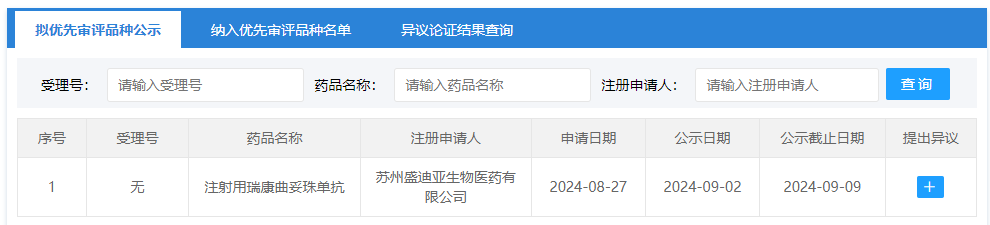 Image Source: CDE Official WebsiteSHR-A1811 is an HER2 ADC independently developed by Hengrui Medicine.Composed of trastuzumab, a cleavable linker, and the topoisomerase I inhibitor payload SHR169265.The payload SHR169265 not only exhibits higher membrane penetration capability but also significantly enhances cell-killing efficacy.More crucially, the drug innovatively introduces a chiral cyclopropyl design between the linker and the toxin, greatly enhancing the chemical stability of the drug, effectively controlling the precise release of the toxin, and significantly reducing potential side effects caused by early release.Previously, the phase I/II clinical study (SHR-A1811-I-103 study, NCT04818333) on the safety, tolerability, pharmacokinetics, and efficacy of SHR-A1811 in subjects with advanced non-small cell lung cancer characterized by HER2 overexpression, amplification, or mutation has had its phase I primary results published in the prestigious journal *Signal Transduction and Targeted Therapy*. The investigator-assessed confirmed ORR for the full-dose group was 38.1%, DCR was 90.5%, median DOR was 10.3 months (95% CI: 5.45-NR), and median PFS was 9.5 months.According to Insight, there are currently three approved HER2 ADCs on the market in China, among which only Rongchang Biopharmaceutical's Disitamab Vedotin is domestically produced. In addition, Kelun’s A166 (Boductuximab) was submitted for marketing approval on May 11, 2023, for HER2-positive breast cancer.Hengrui is set to launch the third domestically produced HER2 ADC drug in China.。 Proposed Breakthrough Therapy1. Roche/Zanrong Pharmaceuticals: HER2 Potential BIC Small Molecule, $680 Million DealOn September 6, the CDE website showed that ZN-A-1041 from Suzhou Zanrong Pharmaceutical was proposed to be included in the breakthrough therapy.Combination of Capecitabine and Trastuzumab for HER2-Positive Advanced Brain Metastases Progressed After Prior Trastuzumab-Containing TherapyBreast cancer patients.Notably, the global rights to this drug have been exclusively licensed to Roche for a total of $680 million.
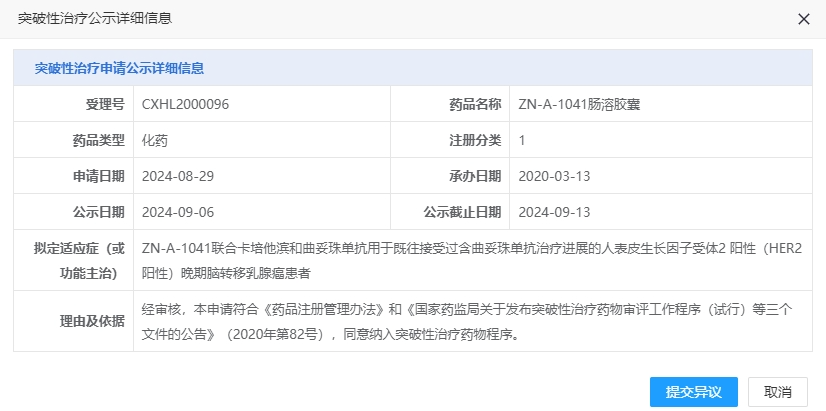 Image Source: CDE Official WebsiteZN-1041 is a potential best-in-class, brain-penetrant, selective HER2-targeting oral tyrosine kinase inhibitor (TKI), and is Zanrong Pharmaceutical's first candidate drug.With the following design features: 1)Crossing the Blood-Brain Barrier to Provide Therapeutic Effects; 2) Highly selective for HER2, with no inhibitory effect on wild-type EGFR; 3) Sufficiently safe to use in combination therapy; 4) Therapeutic activity in patients with no response or minimal response to large molecule drugs.At the 2023 ASCO Annual Meeting, Zanrong Pharmaceutical announced early clinical data for ZN-1041 in treating HER2-positive breast cancer with brain metastases.In the ZN-1041 monotherapy, HER2-positive tumor patients who have not previously received TKI treatment,Total ORR and iORR were 50%. The maximum treatment duration was 15 months. In phase Ic, 19 patients with BCBM completed at least two tumor assessments.The total ORR was 78.9%, iORR was 73.7%, and the disease control rate was 100%.Among the 6 patients who had only completed one tumor assessment before the data cutoff date (December 2, 2022), 5 achieved partial response and 1 had stable disease. Complete response of intracranial target lesions was observed in 3 patients, with 2 confirmed.In May 2023, Zanrong Pharmaceutical announced a global exclusive licensing collaboration with Roche for the blood-brain barrier penetrating compound ZN-A-1041. Under the agreement, Roche will obtain the rights for further development, manufacturing, and commercialization of ZN-A-1041 worldwide. For this, Roche will pay Zanrong Pharmaceutical an upfront payment and near-term milestone payments totaling $70 million, additional development and commercialization milestone payments of up to $610 million, as well as tiered royalties based on global annual net sales in the future.2. Takeda: OX2R Agonist for the Treatment of NarcolepsyOn September 6, the CDE website showed that Takeda's Class 1 new drug TAK-861 tablets are proposed to be included in the breakthrough therapy category.For the treatment of Type 1 Narcolepsy。TAK-861 is an oral orexin receptor 2 (OX2R) agonist.。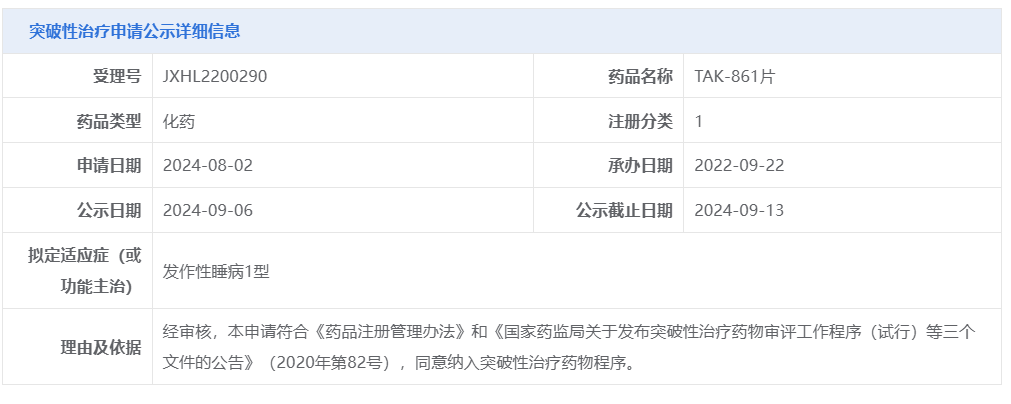
Screenshot source: CDE official websiteNarcolepsy is a chronic, rare central hypersomnia neurological disorder. Despite the approval of various therapies, there remains a significant unmet need. Type 1 narcolepsy is caused by the loss of orexin neurons, and symptoms in patients include excessive daytime sleepiness, cataplexy, disrupted nighttime sleep, hypnagogic/hypnopompic hallucinations, and sleep paralysis. Ox2R agonists can help restore orexin signaling in patients with type 1 narcolepsy by reinstating the lost downstream neurotransmitter activity that occurs when endogenous orexin levels decline.Takeda announced positive results from the Phase 2b study of TAK-861 for the treatment of type 1 narcolepsy patients in June 2024. The results showed that, compared to placebo, TAK-861 met the primary endpoint.Wakefulness Maintenance Test (MWT) showed a statistically significant and clinically meaningful increase in sleep latency. Most participants achieved this after using TAK-861.Epworth Sleepiness Scale(ESS) scores were comparable to those of healthy individuals (≤10). Compared with placebo, TAK-861 significantly reduced cataplexy events and was safe and tolerable within 8 weeks. Most cases of insomnia were mild or moderate and resolved within 5 days.Currently,TAK-861 hasIt has entered Phase III clinical trials overseas. In China, Takeda is conducting a Phase I clinical trial of TAK-861 for the treatment of type 1 narcolepsy. According to the Insight database, only one new drug for narcolepsy has been approved in China in the past 20 years, namely, the hydrochloride thioridazine tablet introduced by Langyu Group, which was approved in June 2023. Besides, currently, there is only one drug for narcolepsy in China that has entered the clinical stage, namely, Takeda's TAK-861. Approved for Clinical Use1. Eli Lilly: Long-acting RXFP1 agonist approved for clinical use in China for the first time, treating CKDOn August 30, the CDE website showed that Eli Lilly's new long-acting relaxin analog was approved for clinical use in China for the first time, intended for the treatment of chronic kidney disease (CKD).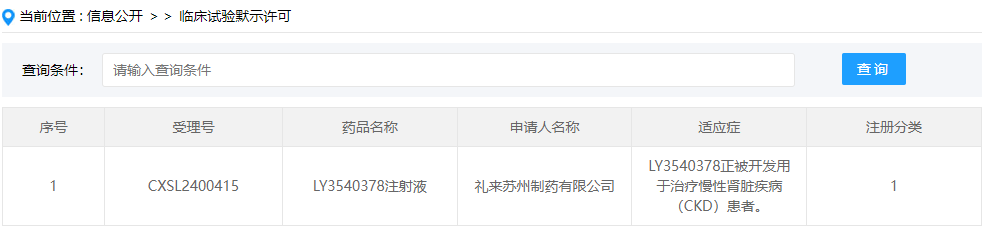 Image Source: CDE Official WebsiteLY3540378 (Volenrelaxin) is a novel long-acting relaxin analog that combines a single-chain relaxin-like molecule with a single-domain antibody against albumin to extend its half-life.In preclinical studies, LY3540378 demonstrated potent agonist activity against relaxin family receptor 1 (RXFP1) in both in vitro and in vivo studies, with favorable pharmacokinetic properties. In normal rats, intravenous and subcutaneous administration of LY3540378 increased renal blood flow (RBF) by 73% and 34%, respectively.Currently, the Phase 1 clinical trial (NCT04768855) has shown that LY3540378 is well-tolerated with acceptable safety, and its PK profile is suitable for chronic dosing. According to the Insight database, in addition to the CKD indication, LY3540378 for heart failure has progressed to Phase II globally.The 2024 European Society for Medical Oncology (ESMO) Annual Meeting will be held locallySeptember 13 to 17It was held in Barcelona, Spain. This annual event in the field of oncology is worth the attention of every industry reader.Currently, the ESMO official website has announced the abstract titles selected for this year's conference, with over 2,000 studies chosen. According to the Insight database, a number of abstracts related to new drug research in China have also been selected this year.Source:Official News/Information Released by Pharmaceutical Companies, Insight DatabaseCover Source:ZCool Hello Plus
Disclaimer:This article is for information sharing only,不代表 Insight 立场和观点, and does not recommend or introduce any treatment options. If needed, please consult and contact正规医疗机构.PR Article Coordination: WeChat insightxbSubmissionWeChat: insightxb; Email: insight@dxy.cn
Click the card to enterInsight Mini ProgramReview Progress in China, Global New Drug Development…Diversified functions, traceable data……Insight Database Web Version Awaits Your ExperienceClick to read the original text,ImmediatelyUnlock!