

Breakthrough Small Molecule Therapies Cross Blood-Brain Barrier, Achieve Tumor Shrinkage in 94% of HER2-Mutant NSCLC Patients

Boehringer Ingelheim
Developer of Innovative Drugs and Therapies
Bayer
Pharmaceutical Product R&D Developer
▎WuXiEdited by Kant Content Team
Recently, at the 2024 World Conference on Lung Cancer, Boehringer Ingelheim and Bayer announced the latest positive clinical results of their oral human epidermal growth factor receptor 2 (HER2) tyrosine kinase inhibitors (TKIs) in patients with non-small cell lung cancer (NSCLC).Boehringer Ingelheim's zongertinib (BI 1810631) and Bayer's BAY 2927088 achieved objective response rates (ORR) of 66.7% and 72.1%, respectively, in phase 1b and phase 1/2 clinical trials.These two drugs are currently in Phase 3 trials and are expected to yield preliminary results by May 2028.
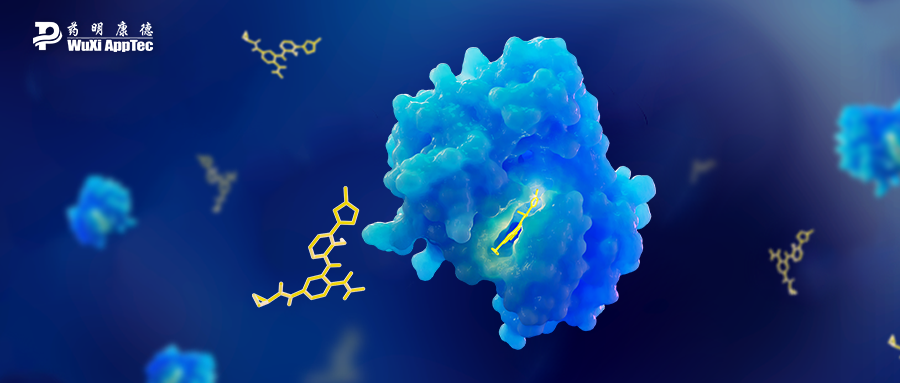
Lung cancer is one of the leading causes of cancer-related deaths worldwide, and it is projected that by2040The global incidence of lung cancer will increase to exceed300Ten thousand cases.NSCLC is the most common type of lung cancer, accounting for 80-85% of all cases. According to statistics, about 80% of NSCLC patients are diagnosed at an advanced stage, with a five-year survival rate of less than 30%., these patients are in urgent need of new treatment options.In the advanced stageNSCLCAmong the patients, approximately2-4%CarryHER2Activating mutations, these mutations lead toHER2Excessive protein expression and overactivation, leading to abnormal cell proliferation, inhibition of cell death, and promotion of tumor growth and spread.
Boehringer Ingelheim reported positive results from the analysis of Cohort 1 of the Beamion LUNG-1 trial at this meeting. This is an open-label Phase 1b trial designed to evaluate the efficacy and safety of zongertinib in previously treated patients with advanced NSCLC carrying HER2 activating mutations.
As of May 2024, a total of 132 patients received zongertinib treatment at 120 mg/240 mg once daily (n=75/n=57). The trial met its primary endpoint as assessed by blinded independent central review (BICR).The confirmed ORR in patients was 66.7% (97.5% CI: 53.8–77.5, p<0.0001).In patients at all doses, 94% of patients observed any degree of tumor shrinkage.

In addition, the data also shows,Zongertinib has preliminary brain activity.According to the RANO-BM (Response Assessment in Neuro-Oncology Brain Metastases) evaluated by BICR,Confirmed objective response was achieved in 33% (120 mg, n=27) and 40% (240 mg, n=25) of asymptomatic brain metastasis patients, with disease control rates (DCR) of 74% and 92%, respectively.NSCLC tumors often metastasize to the central nervous system, correlating with poor prognosis and quality of life for patients. Among NSCLC patients diagnosed with HER2-activating mutations, up to 30% develop brain metastases.
Zongertinib was generally well-tolerated at doses of 120 mg and 240 mg, with no treatment-related deaths, and low incidences of adverse events leading to dose reduction (11%) and discontinuation (3%).

Image Source: 123RF
Zongertinib is an orally administered HER2 tyrosine kinase inhibitor.Since this drug does not bind to wild-type EGFR, it exhibits relatively low associated toxicity. Zongertinib was granted Fast Track designation by the U.S. FDA in 2023 and subsequently received Breakthrough Therapy designation from both the U.S. FDA and China's National Medical Products Administration (NMPA) Center for Drug Evaluation (CDE) in 2024 for the treatment of adult patients with advanced NSCLC harboring HER2-activating mutations who have previously received systemic therapy.The global Phase 3 trial Beamion LUNG-2 is recruiting patients to examineCompared with standard treatment,The efficacy of zongertinib as a first-line therapy in patients with advanced NSCLC carrying HER2 activating mutations.
At the same time, Bayer also announced positive results from the expansion portion of its ongoing open-label, Phase 1/2 SOHO-01 study at the conference. The study evaluated the safety and preliminary efficacy of BAY 2927088 in patients with advanced NSCLC carrying HER2 mutations.Patients enrolled in the study had disease progression after receiving ≥1 systemic treatment for advanced disease but had not previously received HER2-targeted therapy. Patients were treated with BAY 2927088 orally at a dose of 20 mg twice daily in the trial.
Of the 44 patients enrolled, 43 were evaluable for efficacy.The confirmed ORR was 72.1% (n=31; 95% CI: 56.3-84.7), including one complete response (2.3%).The median duration of response (DOR) and progression-free survival (PFS) were 8.7 months (95% CI: 4.5–not estimable) and 7.5 months (95% CI: 4.4–12.2), respectively.In carrying HER2 YVMA insertion mutation (the most common variant)In patients, the ORR was 90.0%,DORThe duration was 9.7 months, with a PFS of 9.9 months.
The safety of BAY 2927088 is controllable and consistent with previous reports.

BAY 2927088 is an orally available, reversible TKI that potently inhibits mutated HER2, includingHER2Exon 20 insertion mutations andHER2Point mutations, while also inhibiting the epidermal growth factor receptor (EGFR), which has high selectivity for mutant EGFR and does not bind to wild-type EGFR. In 2024, the U.S. FDA and China's Center for Drug Evaluation granted BAY 2927088 Breakthrough Therapy designation for the treatment of adult patients with unresectable or metastatic NSCLC carrying HER2 activating mutations who have previously received systemic therapy.The first patient has been enrolled in the global Phase 3 SOHO-02 trial., an open-label, randomized, multi-center clinical trial,Aim to evaluate the efficacy and safety of BAY 2927088 as a first-line treatment for patients with advanced NSCLC carrying HER2 activating mutations.

▲To learn more about the application of cutting-edge technologies in the biopharmaceutical industry, please long press to scan the QR code above to access "WuXi Live Studio" and watch live discussions and exciting replays on related topics.


Share,PointLike,In ViewFocusing on Global Biomedical Health Innovation