

Johnson & Johnson’s IL-23 Dual Inhibitor Guselkumab Receives FDA Approval for Ulcerative Colitis – First and Only in Class

Johnson & Johnson
Healthcare Product Manufacturers, Health Service Providers

Welcome to follow Asymchem Pharma News

On September 11, 2024, Johnson & Johnson announced that the U.S. Food and Drug Administration(FDA) has approved Tremfya (guselkumab,Guselkumab) for the treatment of adult patients with moderately to severely active ulcerative colitis (UC)。
The company claims that Tremfya isThe first and only dual-action inhibitor targeting interleukin-23 (IL-23) approved for the treatment of active ulcerative colitis, this approval further solidifies Johnson & Johnson's leadership position in the field of inflammatory bowel disease.
About Guselkumab
Guselkumab is the world's first approved interleukin-23 (IL-23) inhibitor, which can selectively bind to the p19 subunit of IL-23, inhibiting its interaction with the IL-23 receptor, and has shown good efficacy in various autoimmune diseases;It can block IL-23 and also bind to the receptor CD64 on cells that produce IL-23.Currently approved for the treatment of plaque psoriasis, active psoriatic arthritis, and UC. Additionally, in June 2024, Johnson & JohnsonFDA submitted a supplemental Biologics License Application (sBLA) for the treatment of adult patients with moderate to severe active Crohn's disease (CD).。
The approval of the UC indication this time is mainly based on data from the Phase 2b/3 QUASAR study, which evaluated the efficacy and safety of Tremfya in adult patients with moderate to severe active UC who had an inadequate response or intolerance to conventional therapies, other biologics, and/or JAK inhibitors. The results showed:
Among them, 50% of patients receiving Tremfya 200 mg subcutaneously (SC) every four weeks (q4w) and 45% of patients receiving Tremfya 100 mg SC every eight weeks (q8w) as maintenance therapy achieved the primary endpoint of clinical remission at week 44, compared to 19% of patients receiving placebo (p<0.001).
After one year of maintenance treatment with Tremfya SC, 34% (200 mg) and 35% (100 mg) of patients achieved endoscopic remission, compared to 15% of patients receiving placebo (p<0.001).
During the induction treatment phase, receiveTremfya orThe most common adverse reaction (>2%) in patients treated with placebo was respiratory tract infection. During the maintenance treatment phase, the most common adverse reactions (>3%) in patients treated with TREMFYA or placebo were injection site reactions, arthralgia, and upper respiratory tract infections.
About IL-23 p19 Drugs
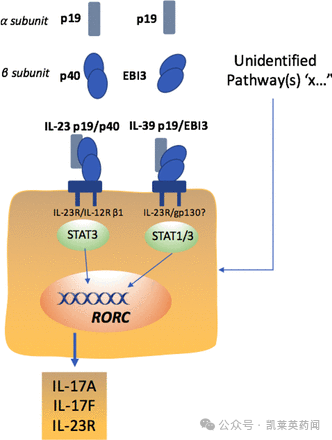
IL-23 p40 is the common subunit of IL-12 and IL-23. The p40 antibody can simultaneously block both the IL-12 and IL-23 immune pathways, representing a classic immunotherapy. In recent years, IL-23 p19 antibodies, represented by Guselkumab, have demonstrated better efficacy and higher safety compared to p40 antibodies.
p19 not only forms the classic inflammatory factor IL-23 with p40 but also combines with EBI3 to form IL-39, activating IL-23R and gp130, an important inflammatory pathway mediated by vascular endothelial cells. Both IL-23 and IL-39 can activate the intracellular JAK-STAT signaling pathway, stimulating the secretion of IL-17A/F.
According to incomplete statistics,Currently, there are approximately 15 IL-23 p19 drugs under research.
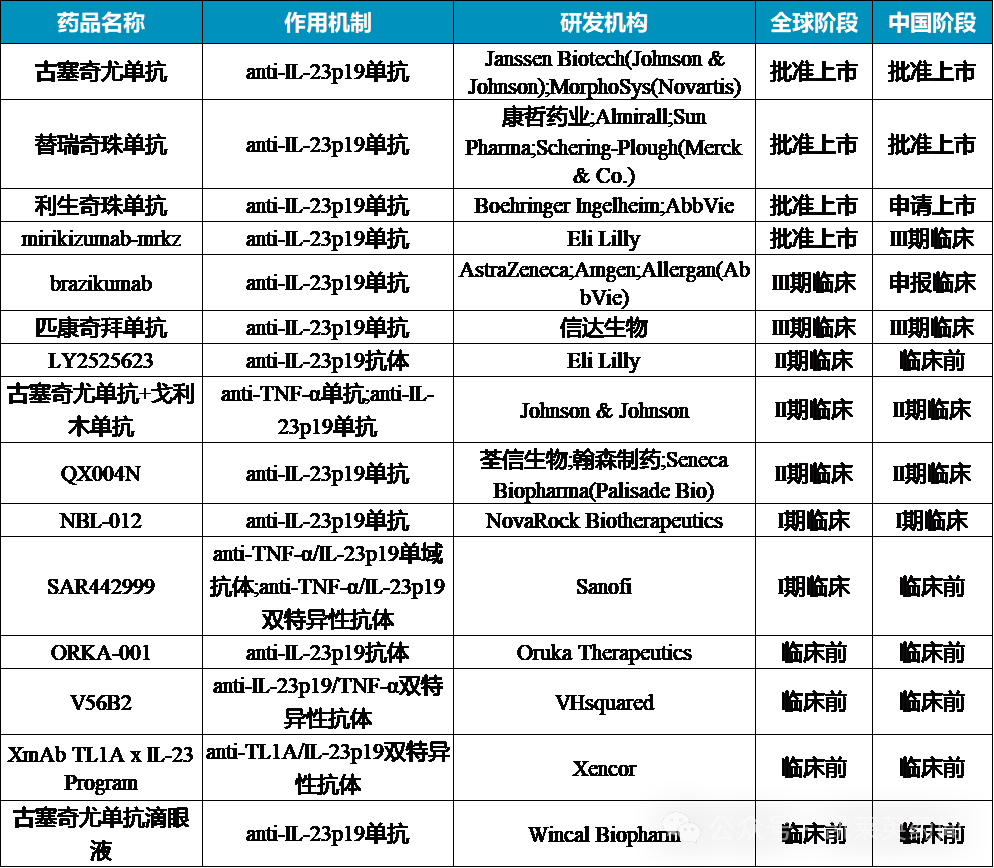
In October 2023, Eli Lilly's Omvoh (mirikizumab) was approved by the FDA for marketing to treat adult patients with moderate to severe active ulcerative colitis (UC). This is the first IL-23p19 antagonist used to treat this patient population. Additionally, AbbVie’s risankizumab was the first IL-23 drug approved by the FDA for treating inflammatory bowel disease (IBD). It was approved for Crohn’s disease (CD) in June 2022 and also received approval for UC in June 2024.
About Inflammatory Bowel Disease
Inflammatory Bowel Disease (IBD) is a non-specific, chronic, relapsing inflammatory disease of the intestine, typically characterized by diarrhea, rectal bleeding, abdominal pain, fatigue, and weight loss. The exact cause and pathogenesis of IBD have not been fully elucidated, but the prevailing view is that it involves autoimmune dysfunction, triggering abnormal immune responses that lead to the immune system attacking normal cells in the digestive tract.
IBD includes ulcerative colitis (UC) and Crohn's disease (CD). UC and CD differ in terms of the location of intestinal involvement and pathological characteristics:
UC causes inflammation and ulcers in the lining of the large intestine (colon) and rectum;
CD causes inflammation of the digestive tract lining, typically affecting the deeper layers of the small intestine. In a few cases, it may also involve the large intestine and upper digestive tract.
In 2019, the global number of IBD patients was approximately 4.9 million, with China accounting for 910,000 patients. From 1990 to 2019, the incidence of IBD among Chinese men increased from 1.72 cases per 100,000 people to 3.35 cases, while among women it rose from 1.20 cases to 2.45 cases per 100,000 people. The current global IBD market size has grown to 18 billion US dollars.
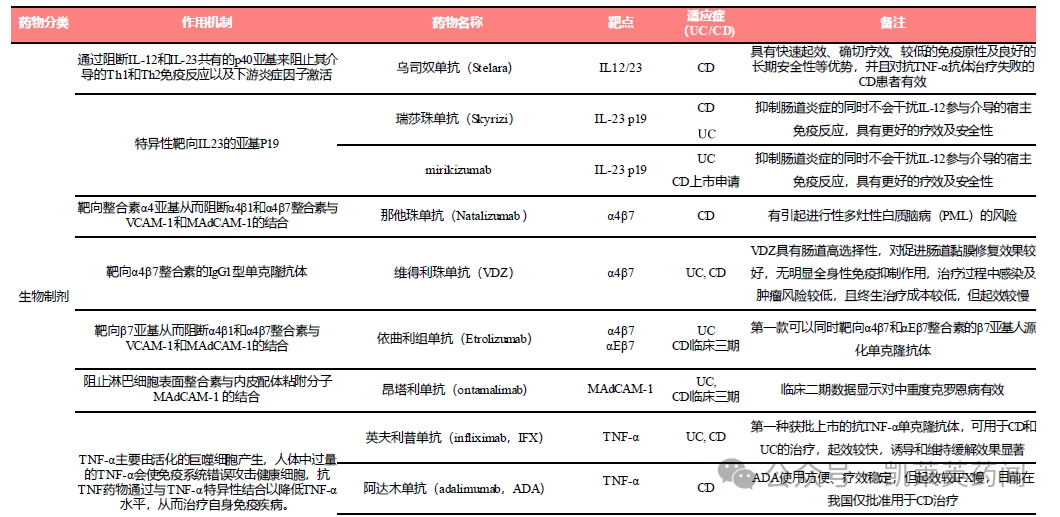
Studies show that the key to the onset and persistence of IBD intestinal inflammation is the migration of leukocytes into intestinal tissues, a process that relies on the specific binding of adhesion molecules (such as VCAM-1, MAdCAM-1) on the surface of endothelial cells with integrins (composed of α and β subunits) on the surface of leukocytes. Therefore, targeting the adhesion molecules on the surface of endothelial cells and integrins to block their specific binding can effectively treat IBD intestinal inflammation.
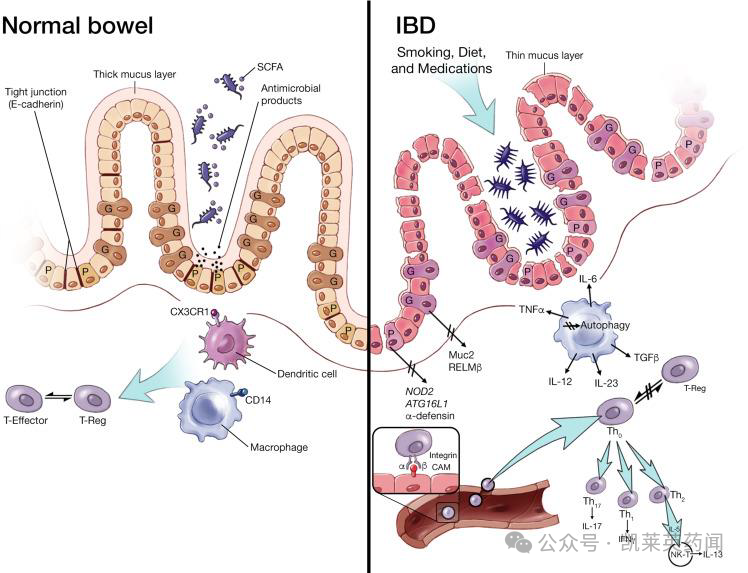
Currently, elevated expressions of tumor necrosis factor-alpha (TNF-α), interleukin-12/23 (IL-12/23), and leukocyte adhesion molecules are commonly observed during the active phase of inflammatory bowel disease (IBD). Blocking these cytokines can effectively prevent downstream inflammatory responses and intestinal mucosal damage caused by leukocyte chemotaxis. Additionally, the roles of the Janus kinase (JAK)/STAT pathway and gut microbiota as targets in IBD are gradually being revealed. The conventional strategies supported by treatment guidelines are as follows:
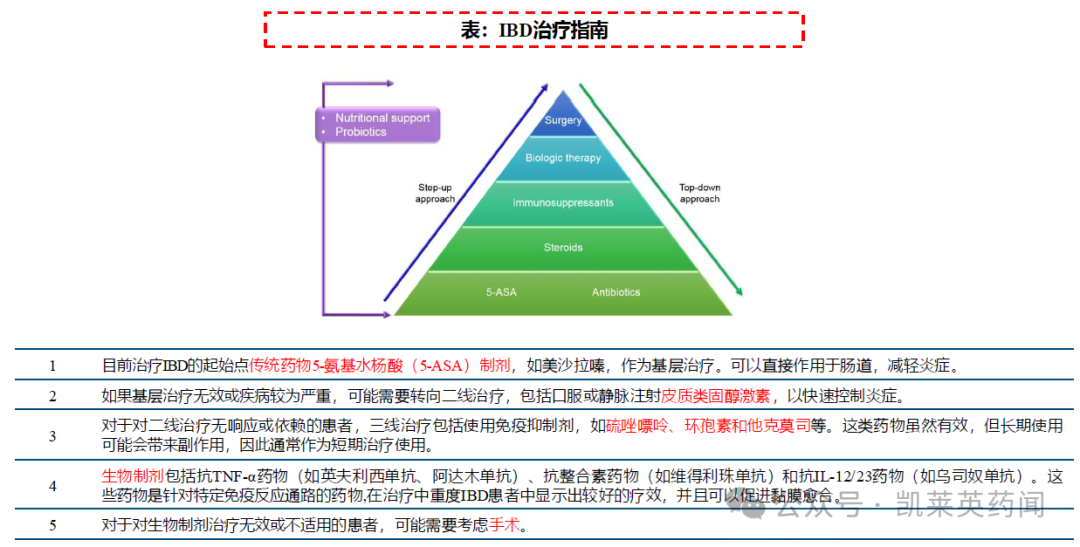
Since the etiology and pathogenesis of IBD remain unclear, it cannot be cured. The main purpose of drug treatment is to reduce inflammatory activity, maintain remission, and lower recurrence and surgery rates. Commonly used therapeutic drugs include anti-inflammatory drugs, immunosuppressants, antibiotics, small-molecule oral medications, and biologics.
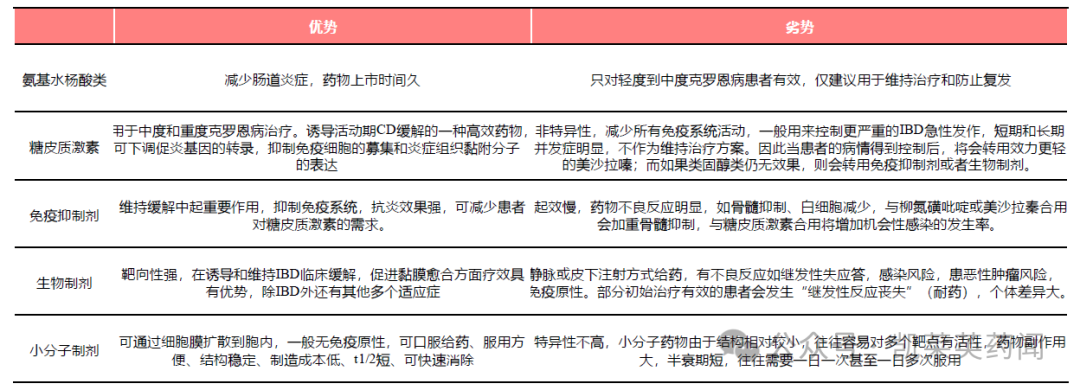
Among them, biologics have become the mainstream treatment for IBD due to their more definitive efficacy and good safety profile compared to traditional drugs such as 5-aminosalicylic acid, hormones, and immunosuppressants.
Johnson & Johnson's Layout in IBD
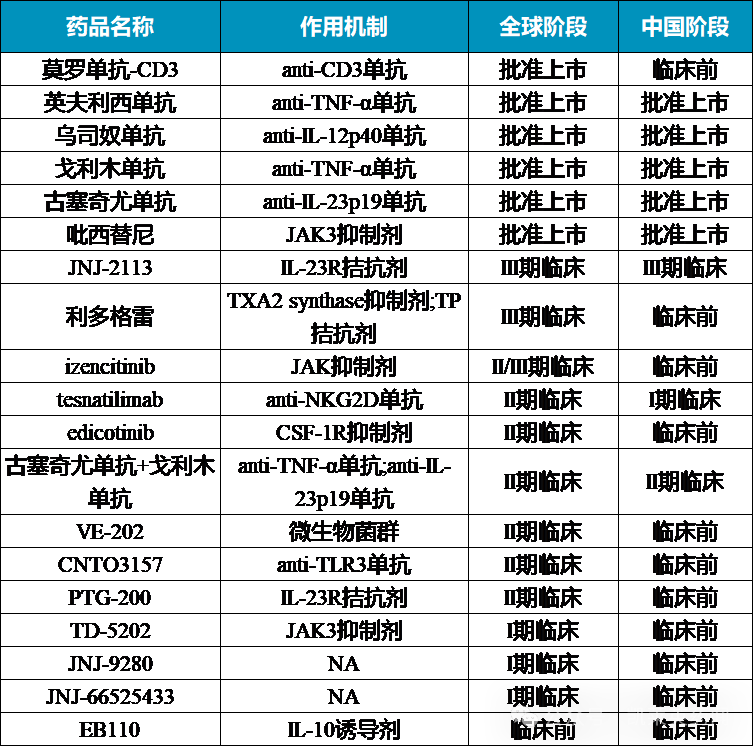
In the IBD field, Johnson & Johnson has laid out TNF-α monoclonal antibodies Infliximab and Golimumab, both of which exceeded $2 billion in sales in 2023. Apart from Guselkumab, the first IL-12/23 monoclonal antibody Stelara (Ustekinumab) and the oral IL-23 antagonist JNJ-2113 are also under development for IBD indications. In addition, the company is developing a combination drug (JNJ-8408) of Guselkumab and Golimumab for relapsed patients.
According to incomplete statistics, Johnson & Johnson currently has nearly 20 drugs in the pipeline for inflammatory bowel disease.
References
1. Official Website of the Company
2. CITIC Securities
3、XPharma


"Views"Click once