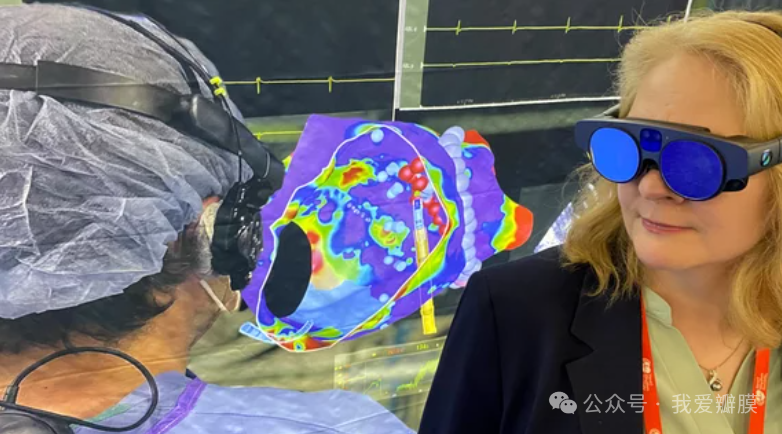
Demonstration of SentiAR's augmented reality (AR) technology for electrophysiology lab procedures during the 2024 Heart Rhythm Society meeting. This is one of at least six FDA-approved clinical AR and virtual reality applications designed to enhance cardiology workflows and patient outcomes. Photo by Dave Fornell.
In recent years, examples of virtual reality (VR) and augmented reality (AR) have been seen at many cardiology conferences. These technologies seem like products of the future, but many have already received approval from the U.S. Food and Drug Administration (FDA).FDA Releases List of 69 Clinical VR and AR Products Approved Since 2015, Number Expected to Grow Over Time. One-third of FDA Approvals Granted in the Past 18 Months.
Augmented Reality and Virtual Reality in Medical Devices | FDA
The list includes two products specific to cardiology, but several other products listed under radiology also target cardiology. This includesTechnology providing real 3D image evaluation, procedure planning, and guidance.The basic concept of all these software systems is to transform segmented medical images of patients into true 3D objects, enabling doctors to better understand complex anatomical structures, plan, practice, and guide procedures. Some products can also assist with patient education.
Augmented Reality Helps Guide EP Lab Procedures
SentiAR, Inc.Features two applications unique to cardiac EP labs. The SentEP system, approved in September 2020, projects multi-dimensional digital images within an augmented reality headset, which still allows electrophysiologists to see their surroundings, tools, and patients. The 3D projection is designed to assist with intraoperative device guidance.
SentiAR's second approval came in June 2023 for the CommandEP Data Manager PC, which is used to view, analyze, and communicate multi-dimensional digital images for intraoperative use. The approval also covers CommandEP, which allows electrophysiologists (EPs) to visualize electroanatomical data from mapping systems during ablation procedures.
In the past few years, this technology has beenHeart Rhythm Society (HRS)Was discussed and demonstrated in the meeting.
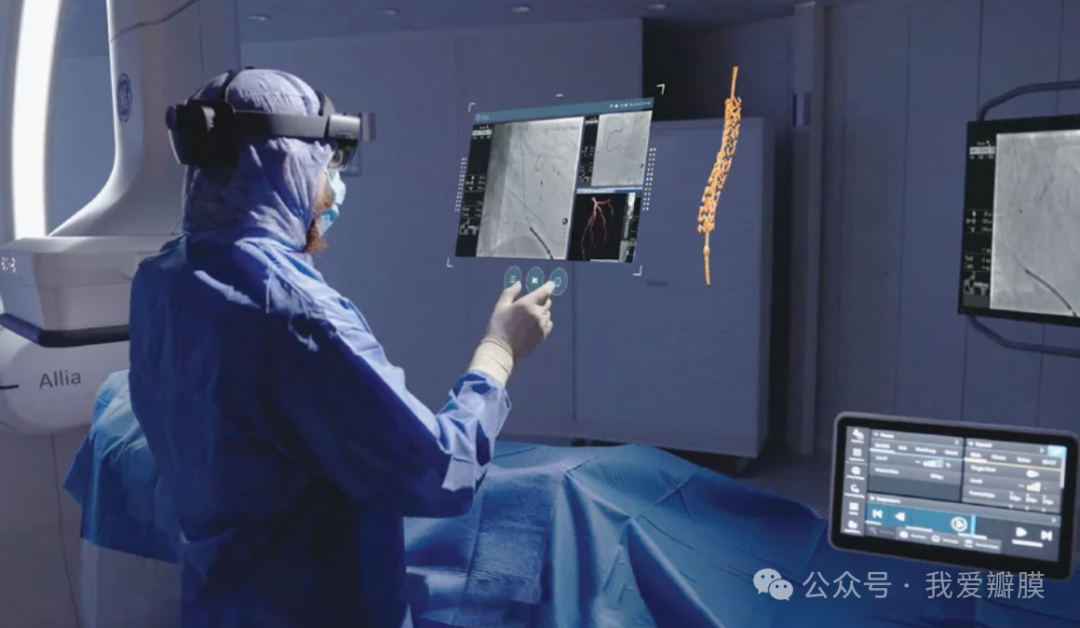
Recently, in collaboration with MediView XR Inc., augmented reality technology has been integrated with GE Healthcare's Allia IGS angiography imaging platform. It allows interventional cardiologists to view true 3D images and manipulate them with hand gestures without disrupting the sterile field. Photo provided by GE Healthcare.
Interventional Catheterization Lab AR Procedure Guidance
Similar augmented reality systems are being developed to help guide procedures in interventional cardiology and interventional radiology catheterization labs.
GE Healthcare announced in June 2024 withMediView XR, Inc.Collaboration to integrate its OmnifyXR interventional augmented reality solution into GE's angiography systems and catheter lab installations. The technology, which received FDA approval in July 2023, seamlessly integrates into existing interventional suites and leverages augmented reality to support workflow efficiency and ergonomics, improved visualization, and collaborative care.
Earlier this year, the GE/MediView integration was used clinically for the first time in two interventional radiology procedures.
EchoPixel, Inc.An AR system has been developed that allows users to view true 3D radiological imaging and 3D echocardiography images using special glasses. It was, in fact, the first clinical AR technology to receive FDA approval in 2015. The company aims to use new visualization technologies to eliminate the need for glasses or headsets and enable us to view real-time transesophageal echo (TEE) holograms during structural heart surgeries.
The supplier last year in 2023Transcatheter Cardiovascular Therapeutics (TCT)The technology was showcased to doctors at the conference. A few doctors in the United States also use it to guide transcatheter procedures.Left Atrial Appendage (LAA) OcclusionSurgery. The company targets its technology at structural heart, congenital heart, and cardiac surgery.
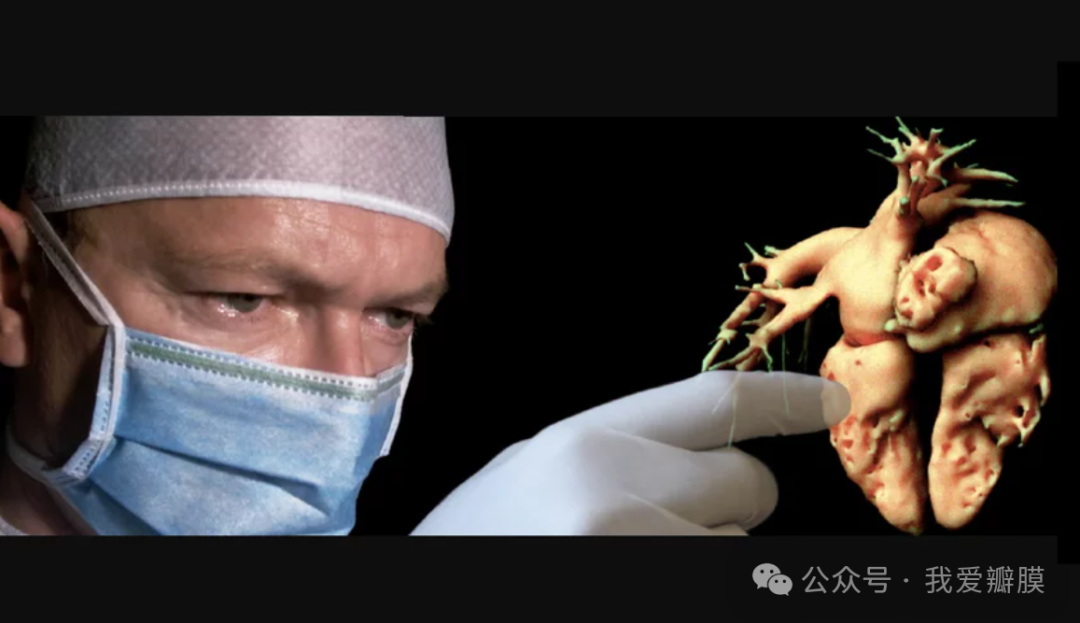
An example of Real View Imaging's technology, which projects holograms in mid-air without the need for AR headsets or 3D glasses.
Israeli StartupReal View Imaging Ltd.A technology has also been developed that can project holograms in mid-air without the need for AR headphones or 3D glasses. The system allows interventional cardiologists to manipulate and rotate images with their hands and fingers without breaking the sterile field.
The company's Holoscope-i holographic system received FDA 510(k) approval in May 2021. The system creates spatially accurate 3D interactive medical holograms through CT, rotational angiography acquisition, and 3D ultrasound.
Philips Healthcare has been developing AR systems for catheterization labs, the system uses Microsoft HoloLens headphones for interventional radiology and interventional cardiology. It was introduced in 2019.Radiological Society of North America (RSNA)Displayed in the cath lab as a work in progress, but not yet commercialized.
Real-time Holographic Echo Imaging
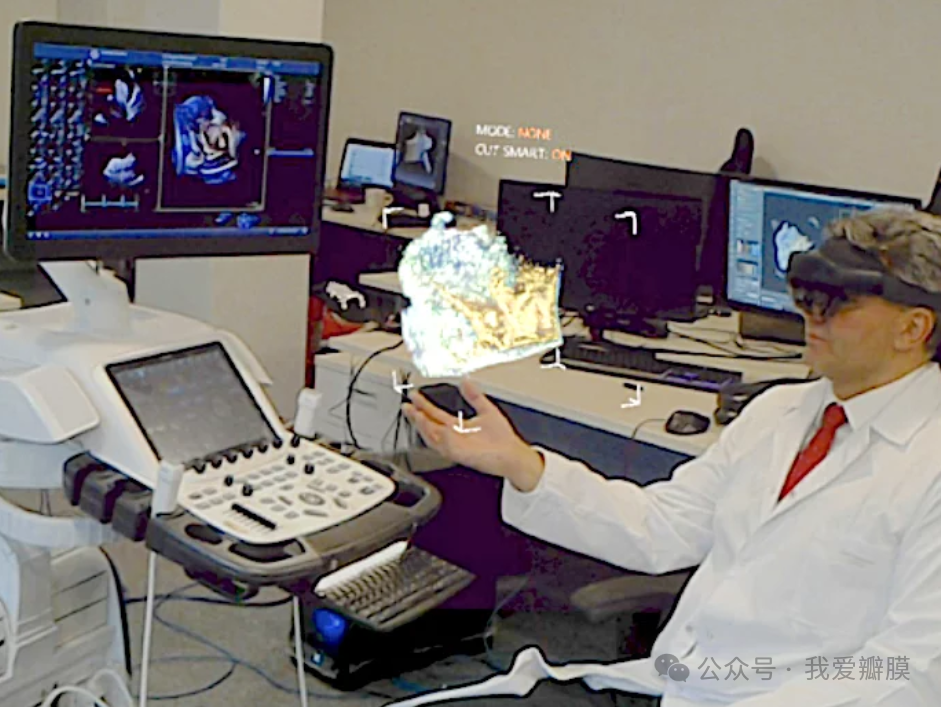
In addition to EchoPixel, Polish supplier MedApp has also developedCarnaLife Holo ARTechnology for viewing medical imaging and real-time 3D echo imaging. The FDA approved the technology in May 2023. The vendor stated that it is collaborating with GE Healthcare to integrate the technology into the Vivid E95 ultrasound system, which will provide real-time 3D visualization from ultrasound transducers and display it as an interactive hologram.
3D Echo Holographic Images Developed by MedApp and Integrated into GE Healthcare's E95 System.
Virtual Reality May Change Cardiac Surgical Consultation
Avatar MedicalAvatar Medical's Software V1 received FDA approval in May 2023, enabling cardiac imaging and the creation of virtual reality files, which could transform consultations between patients and surgeons. Another potential benefit of using this technology may be the enhancement of medical students' learning experiences.
At the same time,Sira MedicalSentiAR's AR preoperative surgical planning application received FDA approval in February 2024. The application creates high-fidelity, patient-specific 3D holograms. The technology can also be used to help patients better understand anatomy and procedures. It targets a variety of surgical use cases, including cardiology.
Some radiology AR applications are geared towards neuro and complex thoracic or abdominal surgical planning and guidance. A couple also focus on needle tracking for interventional radiology procedures. Both technologies can be applied to cardiovascular surgeries, guiding pericardiocentesis or vascular access.