

Bristol Myers Squibb Submits Phase III Trial Protocol for PD-1/LAG-3 Combination vs. Keytruda in First-Line NSCLC

Bristol-Myers Squibb
Biopharmaceutical and Nutritional Product R&D and Sales
▎Armstrong
On September 17, 2024, Bristol-Myers Squibb provided a comprehensive overview of the latest data presented at the ESMO conference, along with an introduction to its strategic layout and recent advancements in the field of oncology.
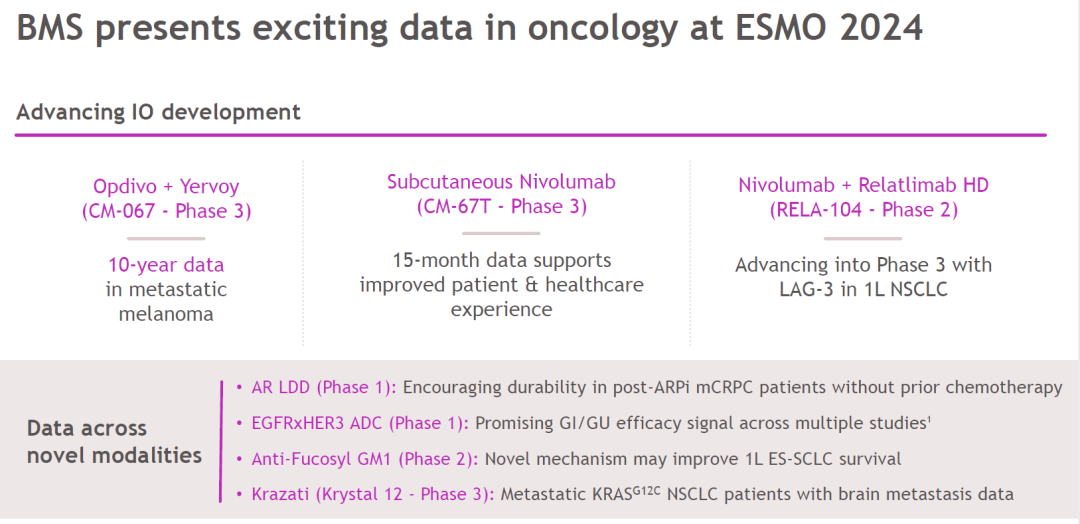
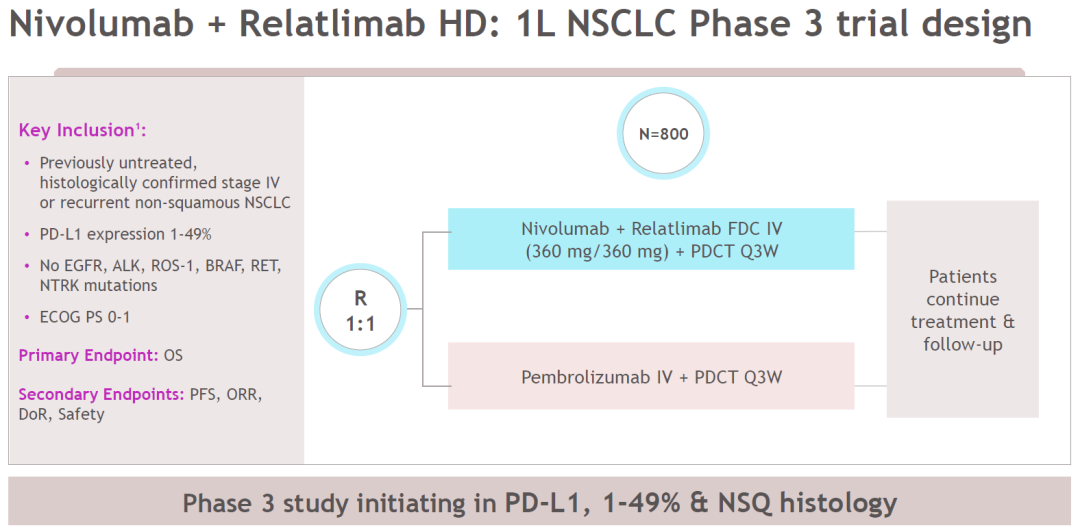
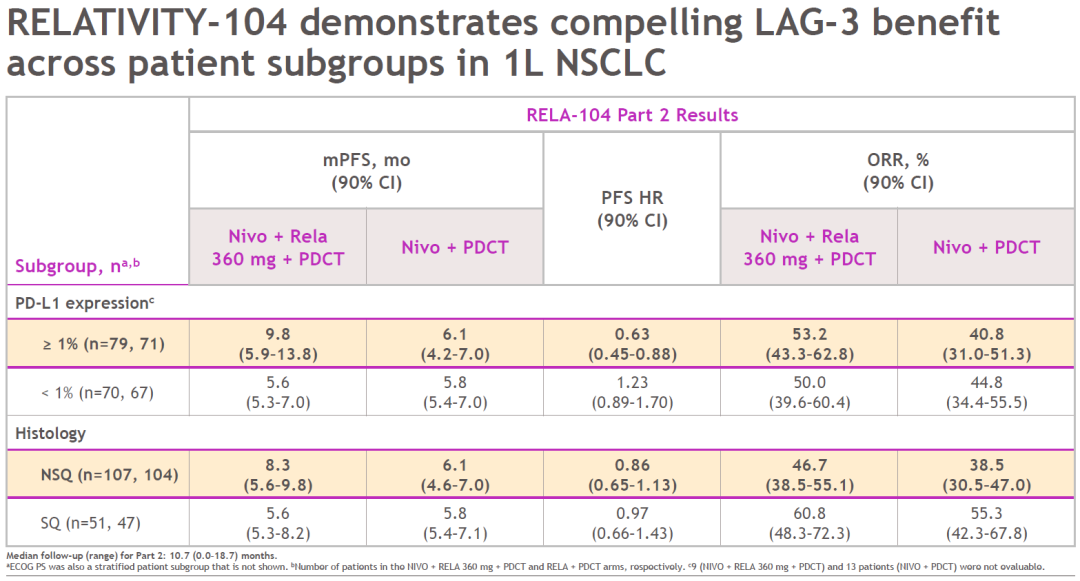
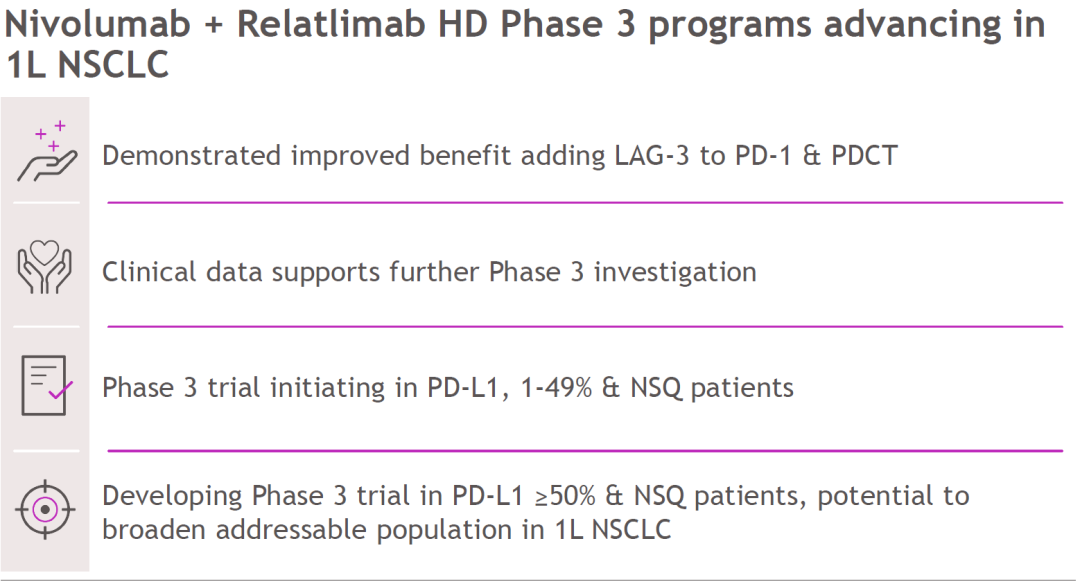
Nivolumab has fallen behind in the competition with Keytruda, but Bristol-Myers Squibb is looking for new breakthroughs, especially in the core battleground of first-line NSCLC.Bristol-Myers Squibb has chosen a combination therapy of PD-1 and LAG-3, with the enrollment criteria for its first Phase III clinical trial focused on non-squamous NSCLC patients with PD-L1 expression levels between 1-49%.
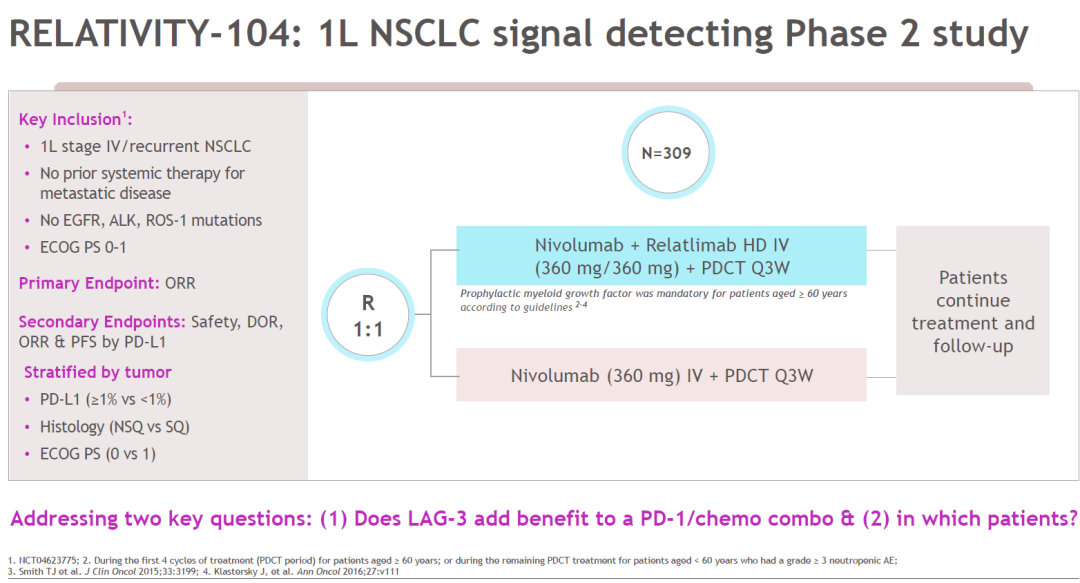
The design of Phase III clinical trials is based on the data from Phase II clinical trials.
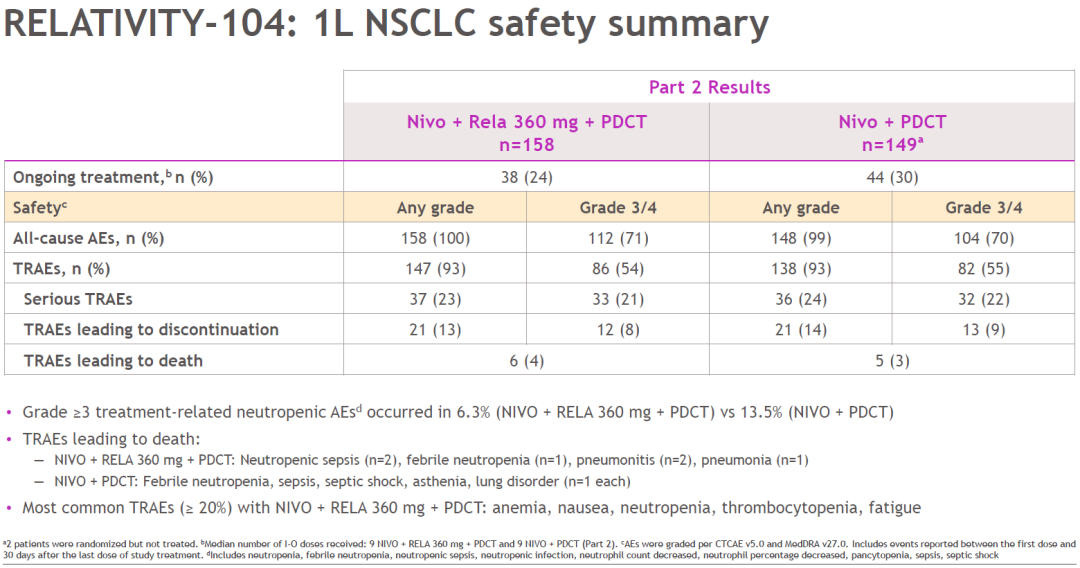
Standard treatment with PD-1 + chemotherapy, adding LAG-3 did not increase side effects.
PD-1+LAG-3+ Chemotherapy Brings Clinical Benefits, Especially in Non-Squamous NSCLC Patients.
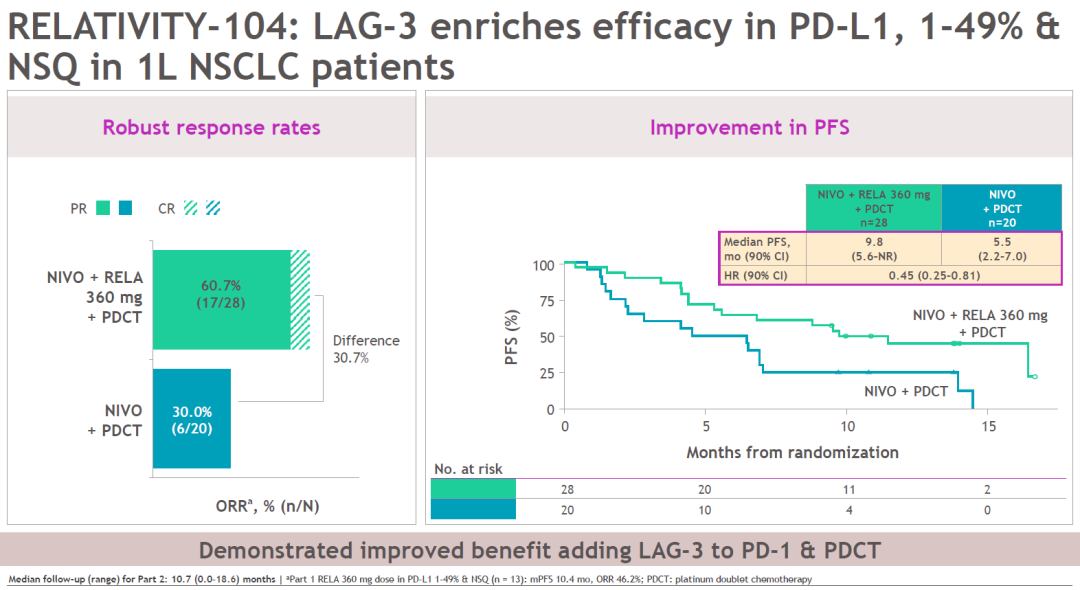
For non-squamous NSCLC patients with PD-L1 1-49%, the ORR increased from 30% to 60.7%, and the mPFS extended from 5.5 months to 9.8 months, with an HR of 0.45.
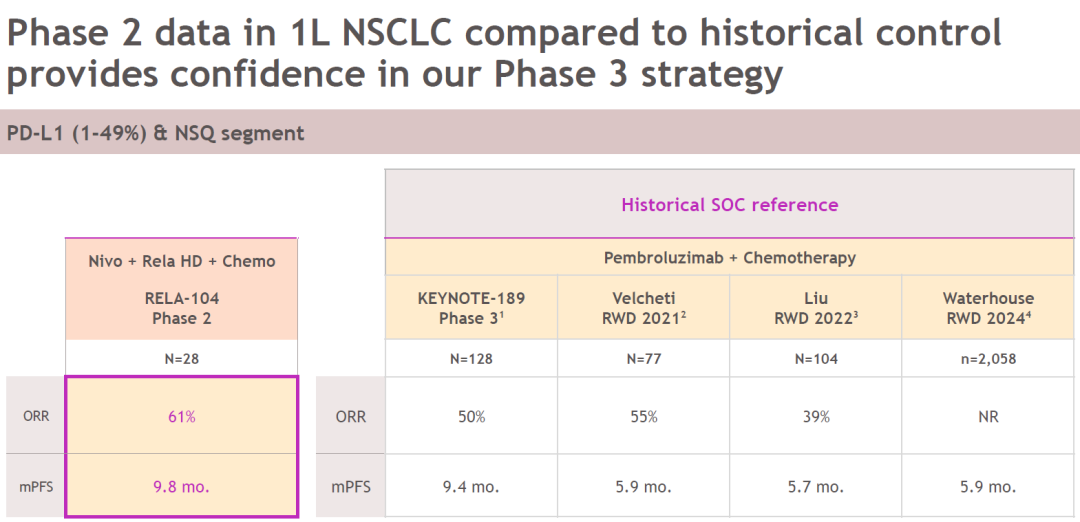
This is also the best efficacy data in history for this patient population.
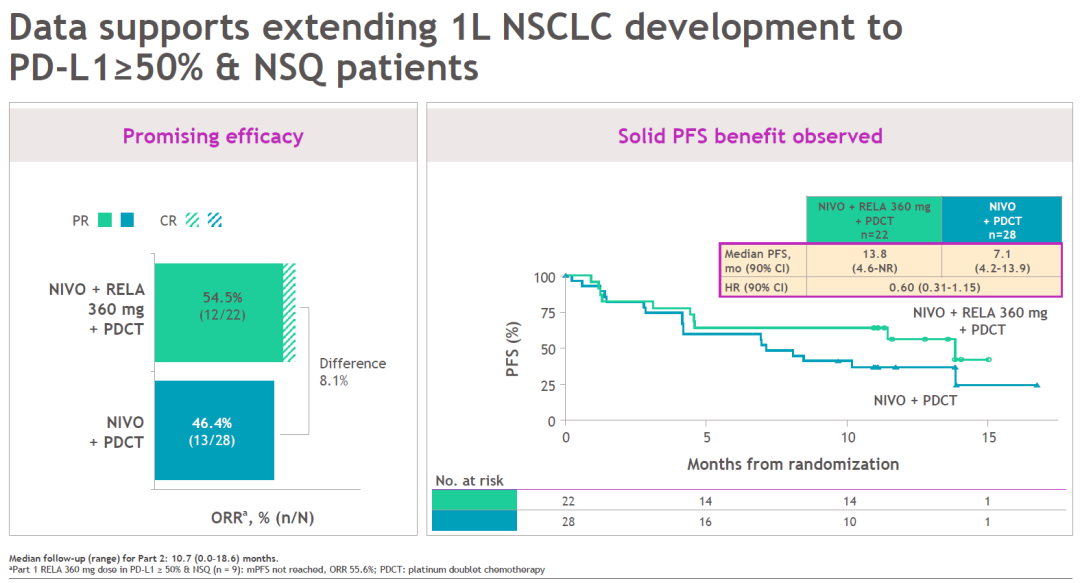
For non-squamous NSCLC patients with PD-L1≥50%, ORR and mPFS also showed improvement, but not as much as in the patient population with PD-L1 1-49%.
Summary
Bristol-Myers Squibb Hopes That PD-1+LAG-3 Can Defeat Keytruda's Position in First-Line NSCLC. Based on Phase II Clinical Results, the Company Conservatively Limited the Patient Population to Those with PD-L1 1-49%, and Plans to Subsequently Expand Coverage by Conducting Separate Studies for Patients with PD-L1 ≥50%. The Combination of PD-1+TIGIT Was Highly Anticipated Due to Phase II Clinical Data, But Has Faced Continuous Setbacks in Phase III Trials. There Is High Expectation That Bristol-Myers Squibb’s PD-1+LAG-3 Could Bring a Breakthrough for First-Line NSCLC. Additionally, Akeso Biopharma’s PD-1/VEGF Bispecific Antibody Achieved a Final mPFS Victory Over Keytruda in Phase III Clinical Trials. Cancer Immunotherapy May Witness More Clinical Breakthroughs, Accelerating the Transition Into the Post-PD-1 Era.
Comprehensive Review of Armstrong Technology Series
A Comprehensive Review of Complement-Targeted Drug Technologies;
Complement Drugs: An Important Direction in Ophthalmic Treatment;
The Landscape of Large Molecule New Drug Development in China;
A Comprehensive Review of China's Bispecific Antibody Technology;
A Comprehensive Review of Bristol-Myers Squibb Technologies;
A Comprehensive Review of Antengene's Pharmaceutical Technologies;
Comprehensive Overview of HBM Technologies; Comprehensive Overview of Rongchang Biotechnology; A Comprehensive Review of Zai Lab's Technologies; Comprehensive Overview of WuXi Biologics; Hengrui Medicine Technology: A Comprehensive Overview; Hansoh Pharma Technology: A Comprehensive Overview; Comprehensive Review of Chia Tai Tianqing's Technology; Comprehensive Review of GeneChem Technologies; Comprehensive Review of CStone Pharmaceuticals' Technologies; Comprehensive Overview of BeiGene Technologies; Beigene Technology Full Review 2nd Edition; Comprehensive Review of Innovent Biologics Technology; Comprehensive Review of Innovent Biologics Technology, 2nd Edition; Comprehensive Review of Zhongshan Kangfang Technology; Comprehensive Review of Fuhong Hanlin Technology; A Comprehensive Review of Simcere Pharmaceutical Technologies; Comprehensive Overview of Junshi Biotechnology; Comprehensive Overview of Genor Biopharma; Comprehensive Overview of Zhi Dao Biotechnology; A Comprehensive Review of Doyle Biotechnology; Full Review of Shangjian Biotechnology; A Comprehensive Review of Alphamab Oncology's Technologies; Comprehensive Overview of KeyoMed Technologies; Comprehensive Overview of KeyMed Technologies 2.0; Comprehensive Overview of Anerbio; Comprehensive Overview of Lixun Biotechnology; Comprehensive Review of CanBridge Capital Technology; Yu Guoliang's Antibody Drug Layout; Full Review of Quanxin Biotechnology; Comprehensive Review of An Yuan Pharmaceutical Technology; 3SBio Technology: A Comprehensive Overview; Comprehensive Review of Renhui Biotechnology; Comprehensive Overview of LePu Biotechnology; Comprehensive Overview of Tongrun Biotechnology; Comprehensive Review of Imeck Technologies; Comprehensive Review of PegBio; Comprehensive Overview of Mabwell Biotechnology; Comprehensive Overview of Momenta Technology; A Comprehensive Overview of NGM Technology; Comprehensive Overview of Promab Biotechnologies; Full Review of Promis Biotechnology 2.0; Comprehensive Overview of Clover Biotechnologies; Zelgen Pharma Antibody Drug Overview; Hengrui Medicine Antibody Drug Overview; A Comprehensive Overview of Qilu Pharmaceutical's Antibody Drugs; Comprehensive Overview of Antibody Drugs from Shijiazhuang Pharmaceutical Group; Hansoh Pharma Antibody Drug Overview; Huahai Pharmaceutical Antibody Drug Overview; A Comprehensive Overview of Kelun Pharmaceutical's Antibody Drugs; A Comprehensive Review of Bio-Thera Technologies; Full Overview of Fennec Technologies。