The 2024 European Society for Medical Oncology (ESMO) Congress shed light on a series of transformative advancements that are set to reshape the field of oncology. This year's event underscored the pivotal role of groundbreaking research and innovative treatments in advancing cancer care. The leading pharmaceutical giants also presented updates on their product developments at the conference, and let’s take a look at what they shared.
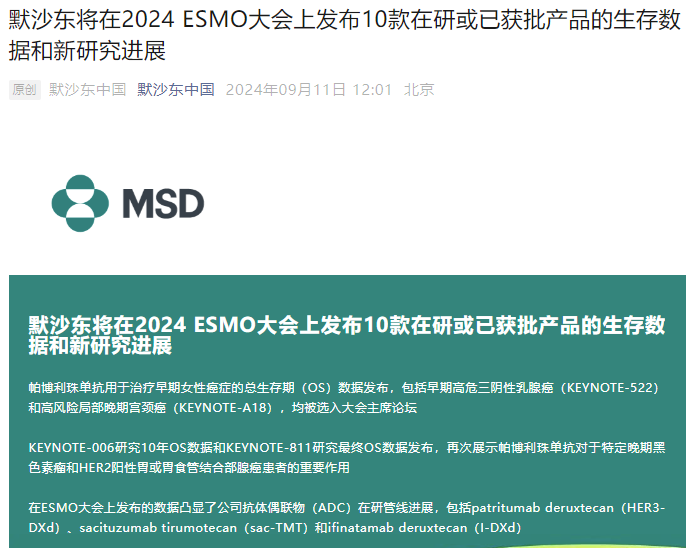
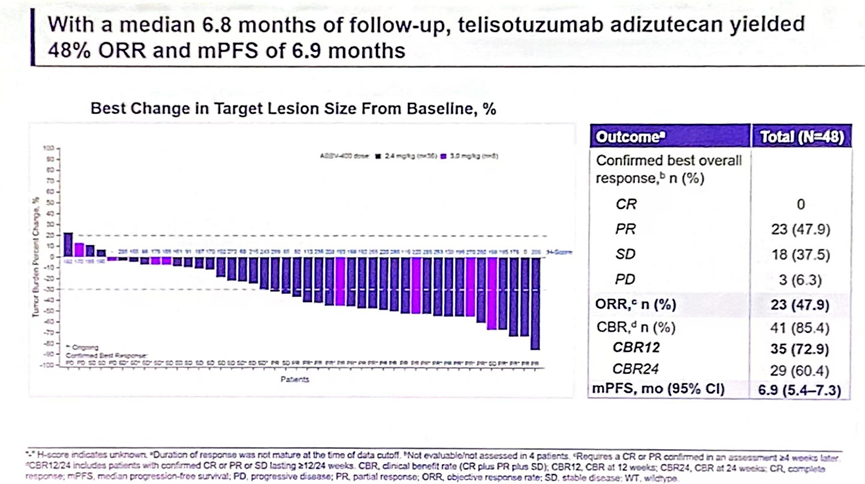
Four Approved Drugs and Six Investigational Drugs from Merck & Co.Phase III KEYNOTE-522 Study (#LBA4) in Early High-Risk Triple-Negative Breast Cancer, Phase III KEYNOTE-A18 Study (#709O) in High-Risk Locally Advanced Cervical Cancer, and Phase III LEAP-012 Study (#LBA3) in Unresectable Non-Metastatic Hepatocellular Carcinoma were selected for the Presidential Symposium session.The phase III KEYNOTE-522 study released overall survival (OS) data for the first time, evaluating pembrolizumab combined with chemotherapy as neoadjuvant treatment, followed by pembrolizumab monotherapy as adjuvant treatment after surgery in patients with early-stage high-risk triple-negative breast cancer. The results showed:PembrolizumabCan improve the overall survival rate of high-risk early triple-negative breast cancer. Similarly, data from the KEYNOTE-A18 trial suggestsPembrolizumabShows potential in high-risk locally advanced cervical cancer.Other trials, such as KEYNOTE-006 and KEYNOTE-811, supportPembrolizumabRole in advanced melanoma and HER2-positive gastric or gastroesophageal junction adenocarcinoma.The pipeline data released by Merck at the conference included patritumab deruxtecan (HER3-DXd) and ifinatamab deruxtecan (I-DXd, MK-2400), HER3-targeted ADC drugs co-developed with Daiichi Sankyo; sacituzumab tirumotecan (sac-TMT, MK-2870/SKB264), a TROP2-targeted antibody-drug conjugate (ADC) co-developed with Kelun-Biotech; and opevesostat (MK-5684/ODM-208), a steroid synthesis inhibitor under collaboration with Orion.Official WeChat Account of MerckAbbVie: New Advances in Ovarian Cancer and c-Met Overexpressed Solid TumorsAt ESMO, AbbVie presented the latest advancements in its ADC platform, focusing on tumor types with high unmet needs. They highlighted three key drugs: mirvetuximab soravtansine, Teliso-V, and ABBV-400.Mirvetuximab Soravtansine-gynx (MIRV) is a first-in-class conjugate targeting folate receptor α (FRα), composed of an anti-FRα monoclonal antibody, a cleavable linker, and maytansine derivative DM4 (a potent tubulin-targeting agent). It has been approved by the FDA for patients with platinum-resistant ovarian cancer (PSOC) who have previously received 1-3 lines of therapy. The results presented here are from the Phase 2 PICCOLO study, which showed an ORR of 51.9% (95% CI 40.4%-63.3%) in patients treated with MIRV, including 6 complete responses (CR) and 35 partial responses (PR). The DOR was 8.3 months (95% CI 5.5-10.8), the median PFS was 6.9 months (95% CI 5.9-9.6), and OS data are not yet mature.Teliso-V and ABBV-400(Telisotuzumab Adizutecan)Targeting tumors with c-Met overexpression, including non-small cell lung cancer (NSCLC). c-Met is a receptor tyrosine kinase that, when activated, affects various cellular signaling pathways. Teliso-V has demonstrated efficacy in EGFR wild-type NSCLC patients with high c-Met expression. AbbVie plans to submit an accelerated approval application in the third quarter of 2024, with FDA review expected in 2025.ABBV-400 is the result of AbbVie screening more than 400 linker-payload combinations.c-MetTargeted ADC.AbbVie AnnouncedABBV-400Clinical data of 2L+ NSQ EGFR WT NSCLC patients enrolled in Part 2 of the dose expansion phase of the NCT05029882 trial.ABBV-400 Clinical ResultsResults:The median follow-up time was 6.8 months, with an ORR of 47.9% and a median PFS of 6.9 months.The median treatment duration was 5.6 months.Better efficacy was observed in patients with high cMET expression, showing significantly superior outcomes in both ≥25% cells ICH3+ and ≥50% cells ICH3+ compared to 2L+ NSQ EGFR WT NSCLC patients (48 pts) (ORR of 60.0% and 77.8%, respectively).AstraZeneca: Efficacy Benefits for Non-Small Cell Lung Cancer Patients with Brain MetastasesAstraZenecaPublishedThe brain metastasis subgroup data of NSQ-NSCLC (non-squamous non-small cell lung cancer) patients from the TROPION-Lung01 study provides further evidence supporting the efficacy of Dato-DXd (a novel antibody-drug conjugate) in advanced pretreated lung cancer patients with brain metastases. Below is a summary of the study findings:Patients with brain metastases:- Median Progression-Free Survival (PFS): 4.9 months in the Dato-DXd group and 3.6 months in the docetaxel group, with Dato-DXd reducing the risk of disease progression or death by 41% (HR=0.59, 95% CI: 0.35-1.00).
- Objective Response Rate (ORR): 30% in the Dato-DXd group, more than twice that of the docetaxel group.
Patients without brain metastasis:- Median PFS: 5.7 months in the Dato-DXd group and 3.7 months in the docetaxel group, with Dato-DXd reducing the risk of disease progression or death by 36% (HR=0.64, 95% CI: 0.50-0.81).
- ORR: 31% in the Dato-DXd group and 13% in the docetaxel group.
- Regardless of the presence of brain metastases, the overall safety of the Dato-DXd group was better than that of the docetaxel group.
- ≥Grade 3 treatment-related adverse events (TRAEs): 2% in the Dato-DXd group and 8% in the docetaxel group.
- Dose Reduction: 12% in the Dato-DXd group and 19% in the docetaxel group.
- Discontinuation rate: 7% in the Dato-DXd group and 14% in the docetaxel group.
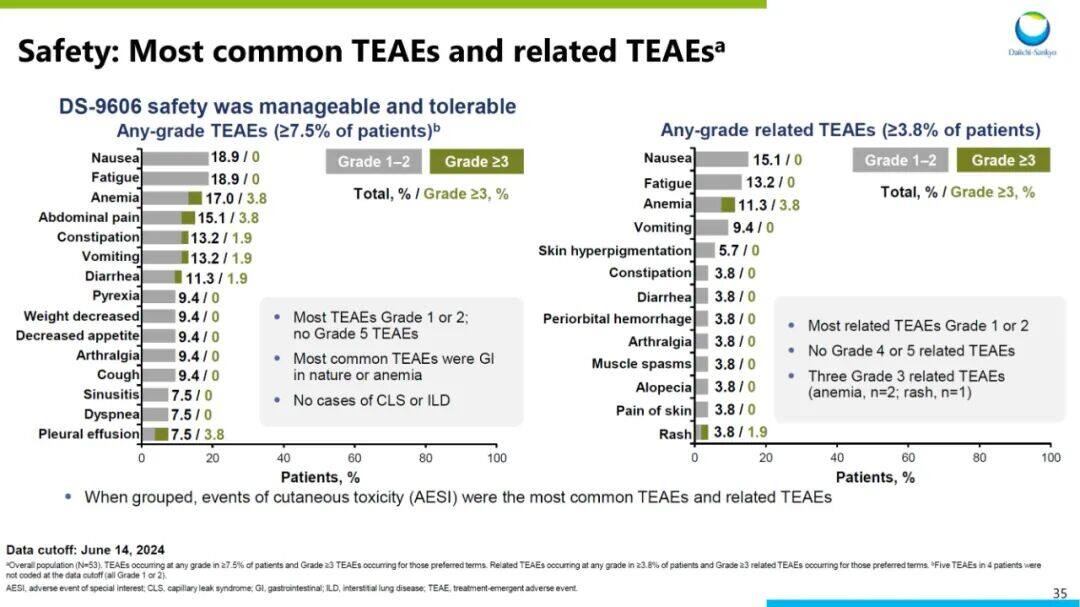
These data indicate that Dato-DXd has demonstrated significant efficacy and good safety in treating advanced pretreated NSQ-NSCLC patients, regardless of the presence of baseline brain metastases. Particularly in patients with brain metastases, Dato-DXd not only showed encouraging anti-tumor activity but also performed excellently in terms of safety, providing important reference value for clinical treatment.Bristol-Myers Squibb: Long-term Data and New TrialsBristol-Myers Squibb submitted nearly 60 abstracts, with a focus on the 10-year survival results of the Phase III CheckMate 067 trial evaluating nivolumab plus ipilimumab (NIVO+IPI) for the treatment of advanced melanoma. After a minimum follow-up of 10 years, the median OS was 71.9 months in the NIVO+IPI group, 36.9 months in the NIVO group, and 19.9 months in the IPI group. The OS HR for NIVO+IPI vs IPI was 0.53 (95% CI 0.44-0.65), and the OS HR for NIVO vs IPI was 0.63 (0.52-0.76), with consistent benefits across subgroups, including PD-L1 expression and BRAF mutation status. The final results of CheckMate 067 continue to demonstrate sustained, long-term survival benefits across subgroups in the NIVO-containing treatment arms, with the possibility of cure now achievable for patients responding to these therapies.Bristol-Myers Squibb also highlighted several new trials, including a Phase II study of nivolumab and relatlimab for advanced or recurrent non-small cell lung cancer, and a new antibody BMS-986012 for extensive-stage small cell lung cancer. Preliminary data on the protein degrader BMS-986365 for castration-resistant prostate cancer are also encouraging.Daiichi Sankyo: ADC Development in Lung Cancer and Breast CancerDaiichi Sankyo Announced New Clinical Data of its ADC Portfolio, Including Datopotamab Deruxtecan (Dato-DXd) and the ADC DS-9606 targeting CLDN6.Dato-DXdThe data from the TROPION-Lung01 study has been discussed above, so it will not be elaborated on further.Daiichi Sankyo Presented Initial Data of DS-9606 for the First Time, a Drug Targeting CLDN6 for the Treatment of Various Solid Tumors, with Its Payload Being a Modified PBD Instead of DXd. Daiichi Sankyo Announced Preliminary Safety and Efficacy Data from Phase I Clinical Trials of DS-9606.EffectivenessIn terms of efficacy, preliminary effects were observed at doses ≥ 0.072 mg/kg, with four patients showing confirmed objective responses (2 with GCT, 1 with gastric/esophageal cancer, and 1 with NSCLC). Among 7 evaluable GCT patients, the two patients with confirmed objective responses continued treatment for over 6 months.Safety data show: Dose escalation 0.016–0.225 mg/kg, no DLT occurred.In addition, the DESTINY-Breast12 trial also revealed the efficacy of ENHERTU in HER2-positive breast cancer. DESTINY-Breast12 is a Phase 3b/4, open-label, multicenter study designed to evaluate the efficacy and safety of ENHERTU in patients with HER2-positive advanced breast cancer who have been previously treated, regardless of the presence of brain metastases (BM).In the BM cohort, the 12-month PFS rate was 61.6% (95% CI, 54.9-67.6), while the 12-month central nervous system (CNS) PFS rate was 58.9% (95% CI, 51.9-65.3). The CNS ORR was 79.2% (95% CI, 70.2-88.3) in patients with stable BM and 62.3% (95% CI, 50.1-74.5) in those with active BM. The study concluded that ENHERTU demonstrated sustained overall and intracranial clinical activity in HER2+ metastatic breast cancer patients (including a large cohort of both stable and active BM) without new safety signals identified.To promote communication and innovation in the antibody industry,October 16-17, 2024The 7th Golden Autumn October Antibody Industry Development ConferenceAs scheduled. The conference aims to provide researchers with an interactive platform, which will help promote the further development of the antibody industry.Time:October 16-17, 2024
Location: Zhangjiang, Shanghai(Hotel Directional Notice)
Scale:600-800 people
Hosted by:Biopharmaceutical Circle, Antibody Circle
Speech Support:Entegris, Rui Fu Di, AS ONE CORPORATION
Conference Fee:Free FREE!(Only charge100YuanRegistration deposit (including participation in learning sessions, tea breaks, and conference materials; the deposit is non-refundable). First come, first served, until fully booked.!
Registration Method:Scan the QR code below or click "Read Original" at the bottom of the article → Fill out the form → Registration successful (Volunteer registration,Undertake certain work, please consider carefully, no deposit required.)!

After the organizing committee receives the registration information, they will conduct an initial screening based on the information and further communicate with registrants for confirmation to extend precise invitations. Those who pass the strict review will ultimately have the opportunity to join the conference WeChat group.
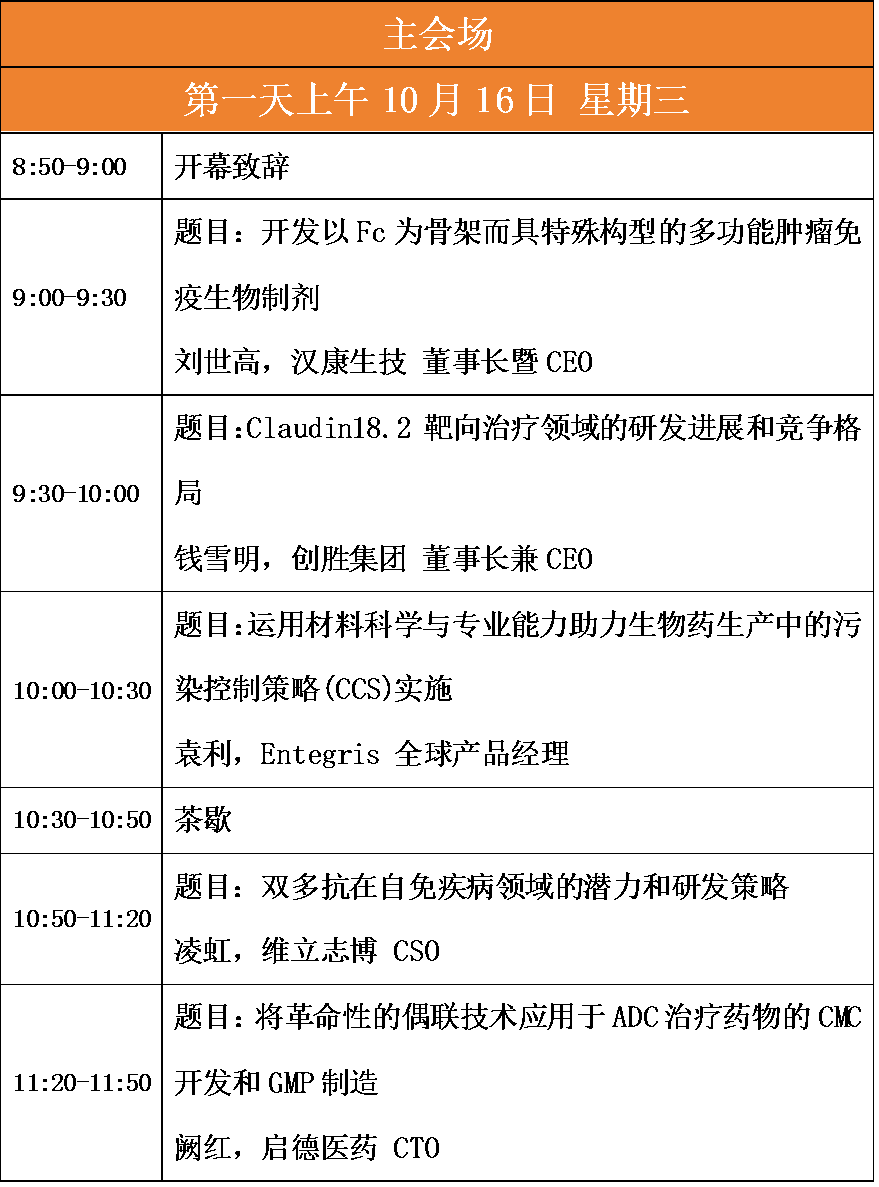
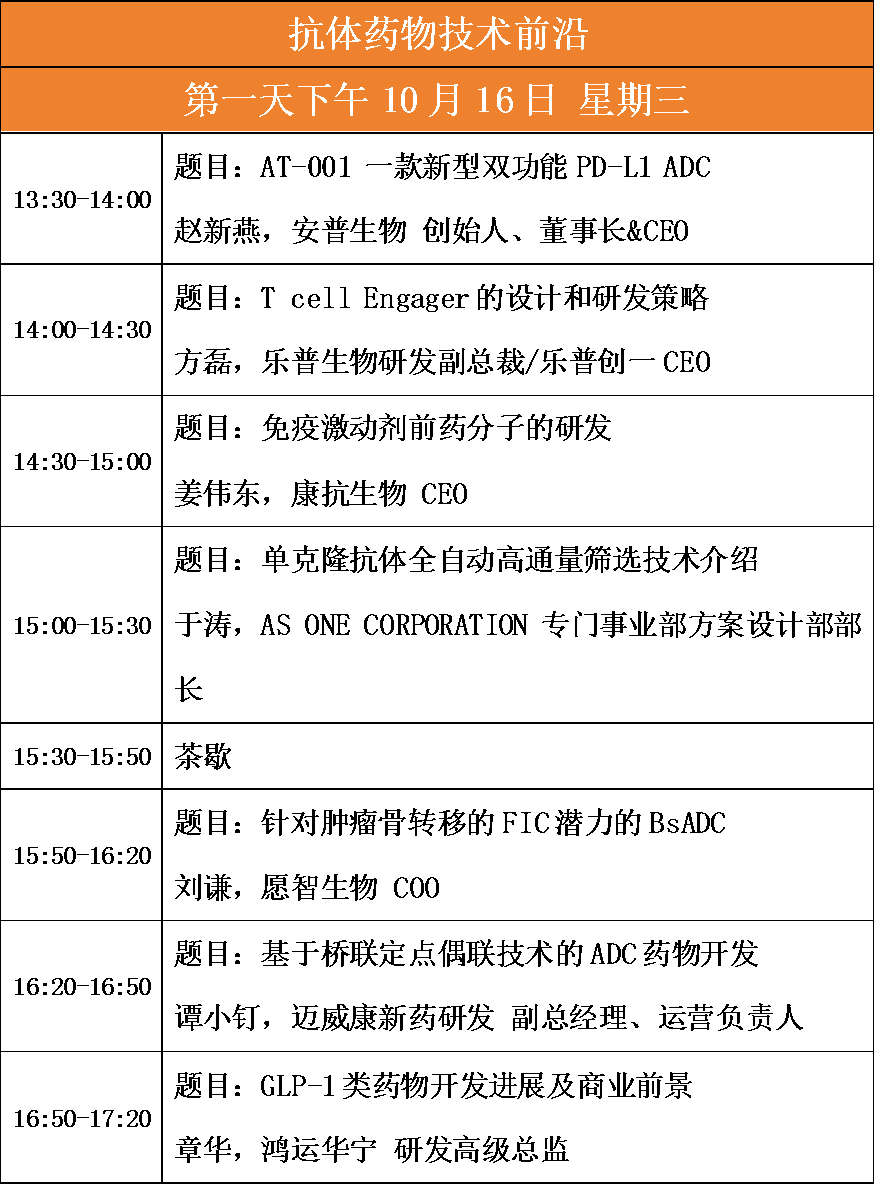
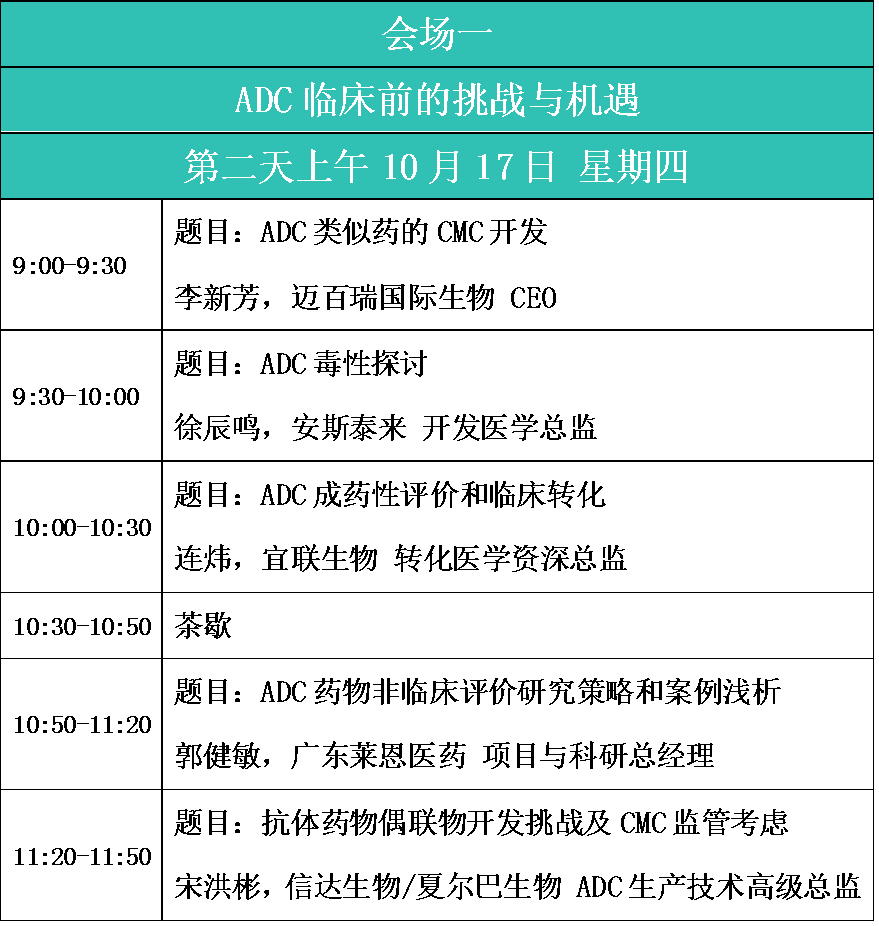
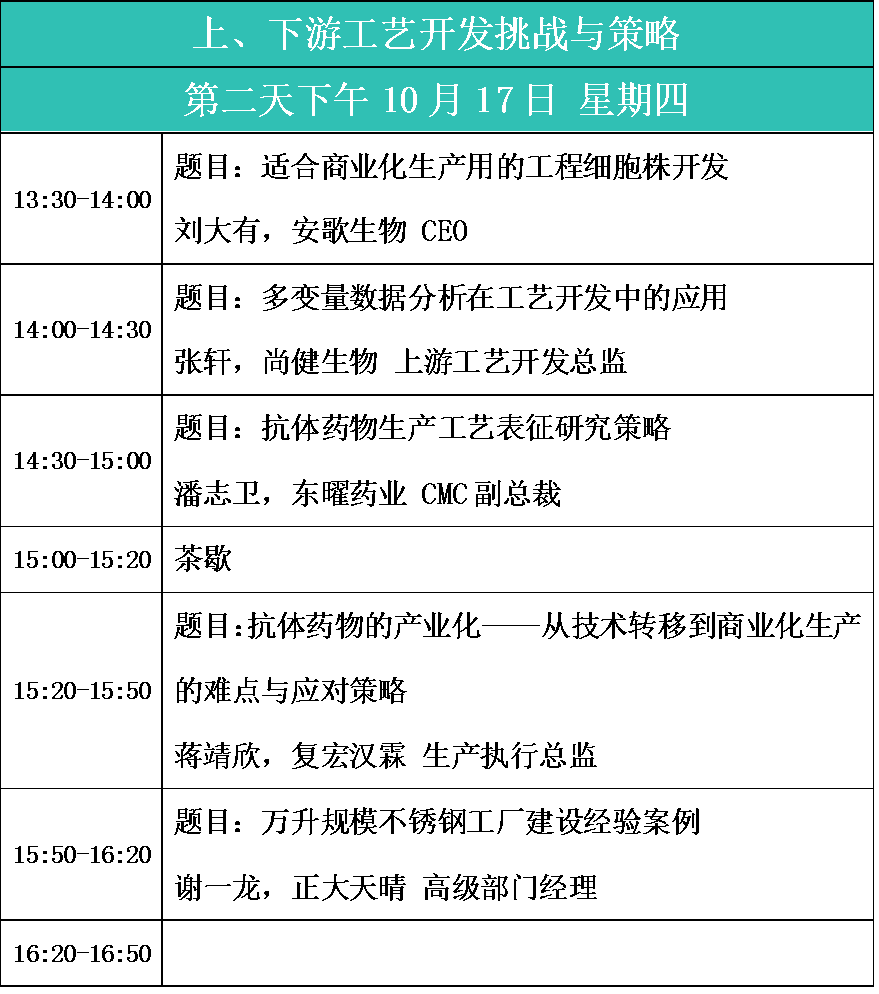
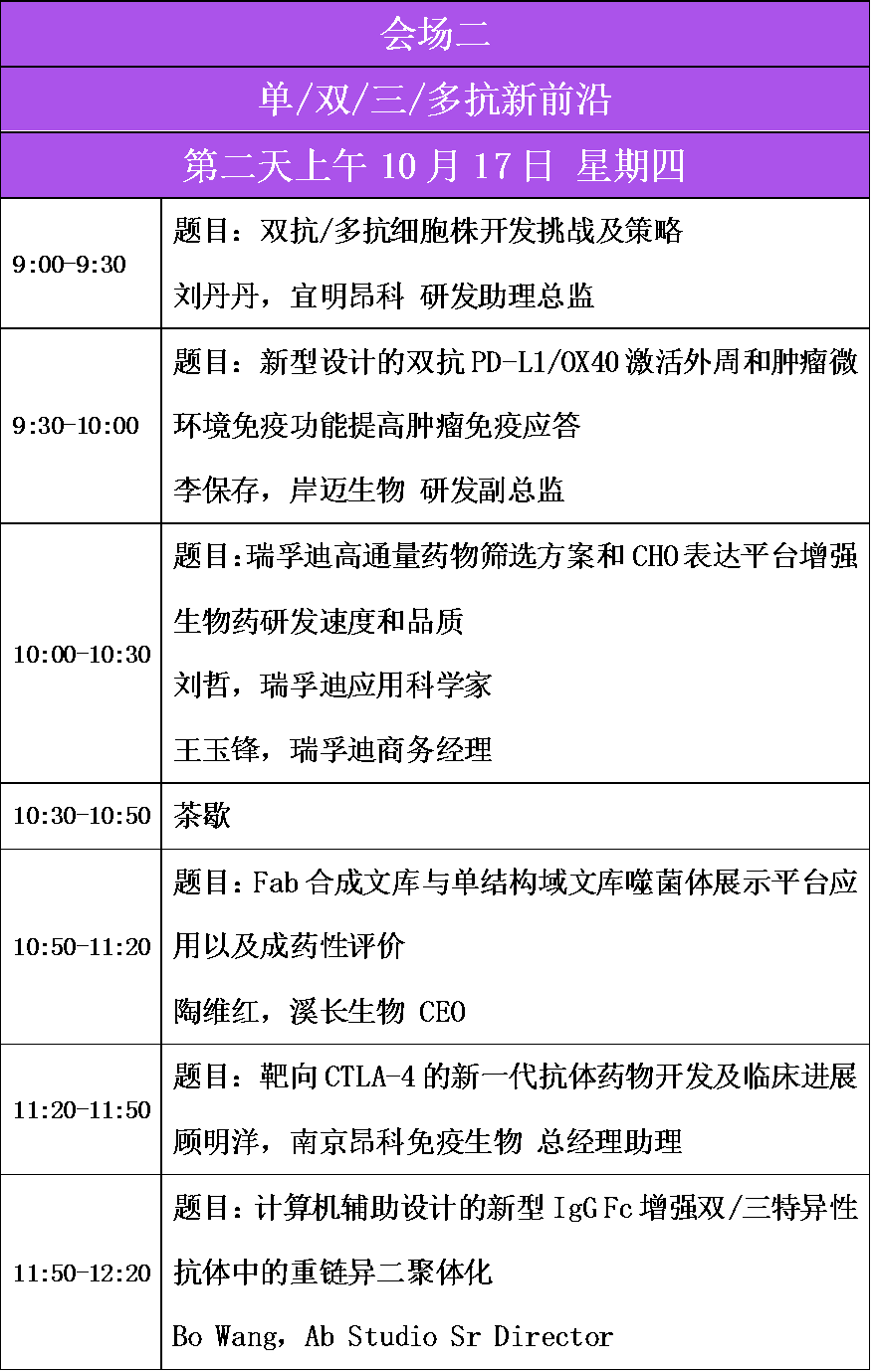
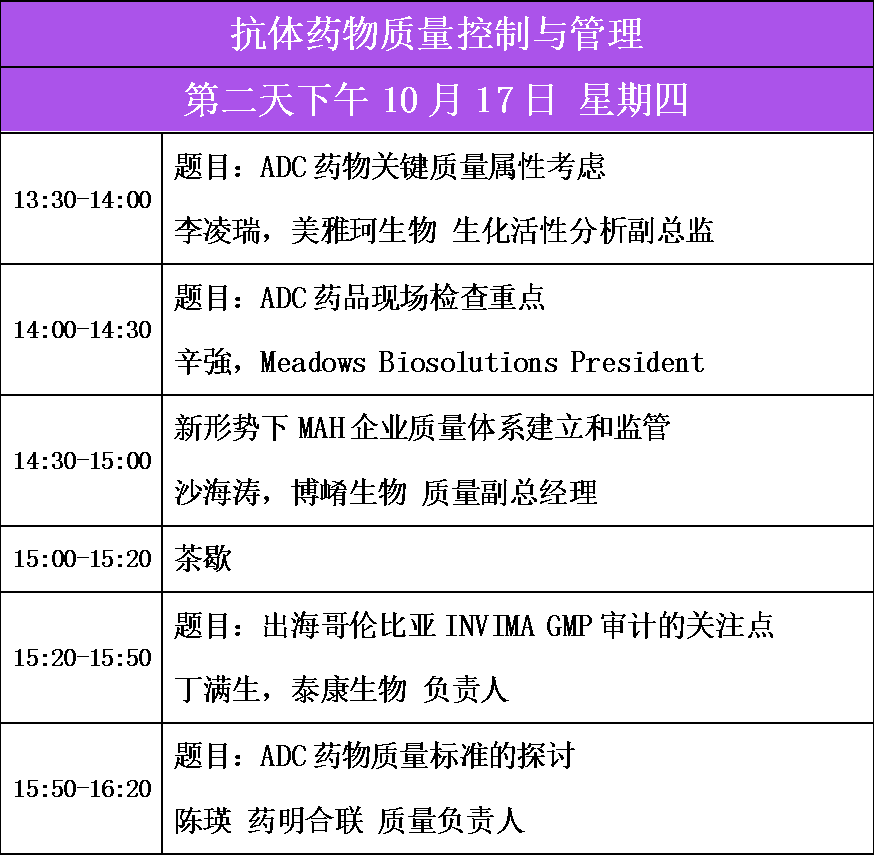
More guests are being invited.
Source:Official Websites of Various Companies
Scan the WeChat QR code to add the editor of Antibody Circle.Those who meet the requirements can join the Antibody Circle WeChat group!Please indicate: Name + Research Direction!All articles reproduced in this official account are intended to convey more information, with the source and author clearly credited. Media or individuals who do not wish to be reprinted may contact us (cbplib@163.com), and we will promptly remove the content. All articles represent the views of the author and do not reflect the position of this site.