Pfizer Unveils Novel Strategy to Map Protein-Ligand Binding Pockets with Implications for Cancer Drug Discovery

Pfizer
Pharmaceutical R&D Developer
At the forefront of biological research, scientists continuously explore the mysteries of proteins in hopes of finding new targets and methods for disease treatment. A recent study published by Pfizer has brought a new breakthrough. The article, titled "An allosteric cyclin E-CDK2 site mapped by paralog hopping with covalent probes," reveals an innovative research method and its significant findings in the study of cancer-related proteins.
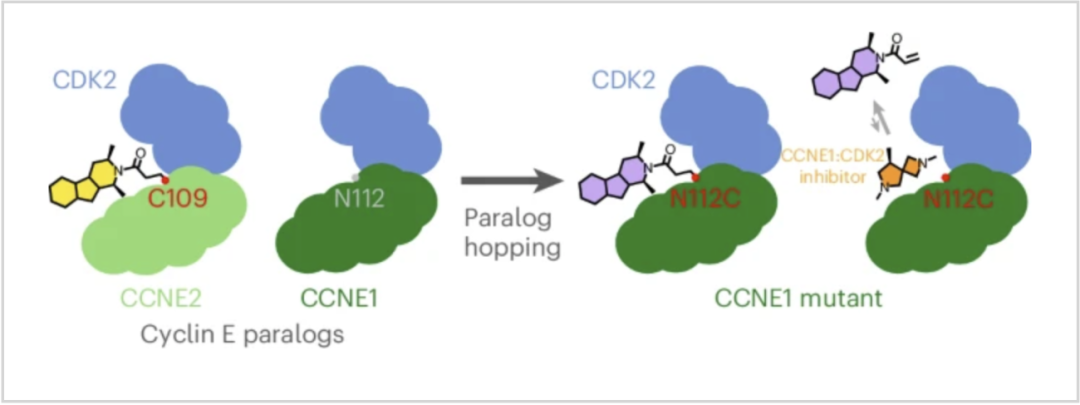 A method to explore protein ligand-binding pockets by using "paralog-hopping" strategy and electrophile-cysteine interactions discovered in chemical proteomics, applied to the study of cyclin E, providing potential targets for the development of novel therapeutic drugs against cancer.
Experimental Results: The Unveiling Mysteries Layer by Layer
Discovery of the Binding Pocket of CCNE1 - N112C Mutant
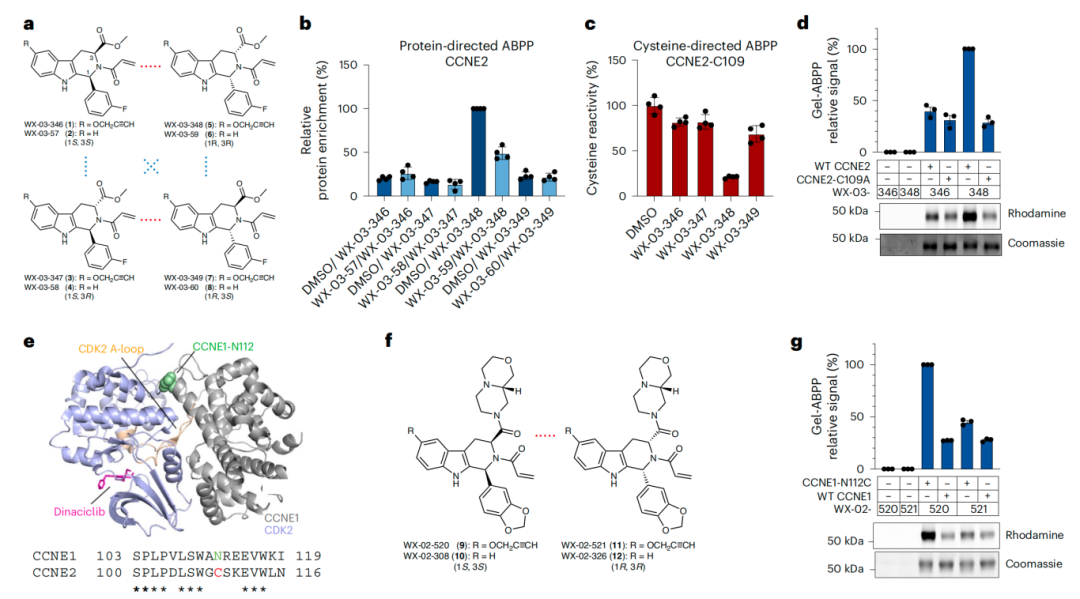 Through gel-based ABPP experiments, researchers were surprised to find that multiple tryptophan acrylamides showed specific reactivity towards the CCNE1-N112C mutant, with WX-02-520 exhibiting the strongest stereoselectivity.
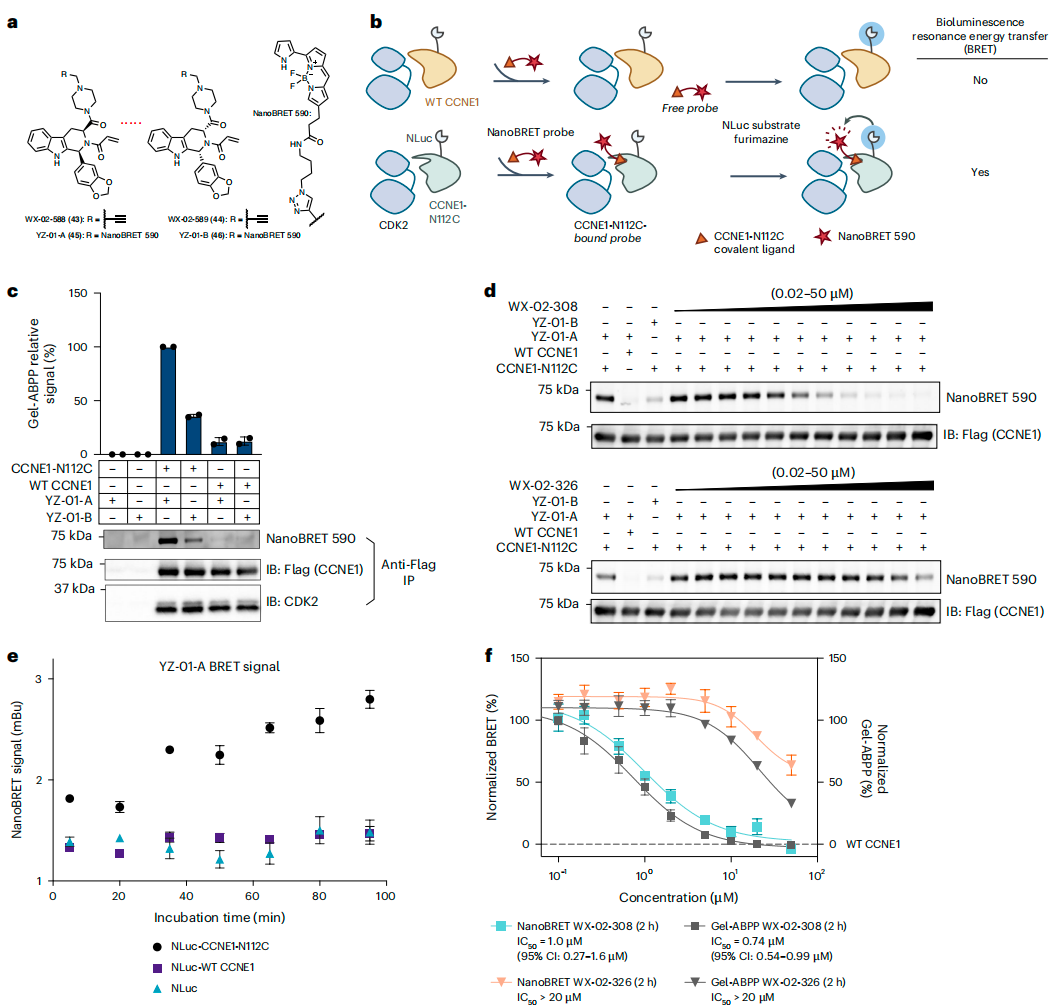 Further NanoBRET experiments once again verified the specificity of this binding and identified a small molecule binding pocket near N112, which was like finding a beacon in the dark, pointing the way for subsequent research.
Identification of Reversible Inhibitors
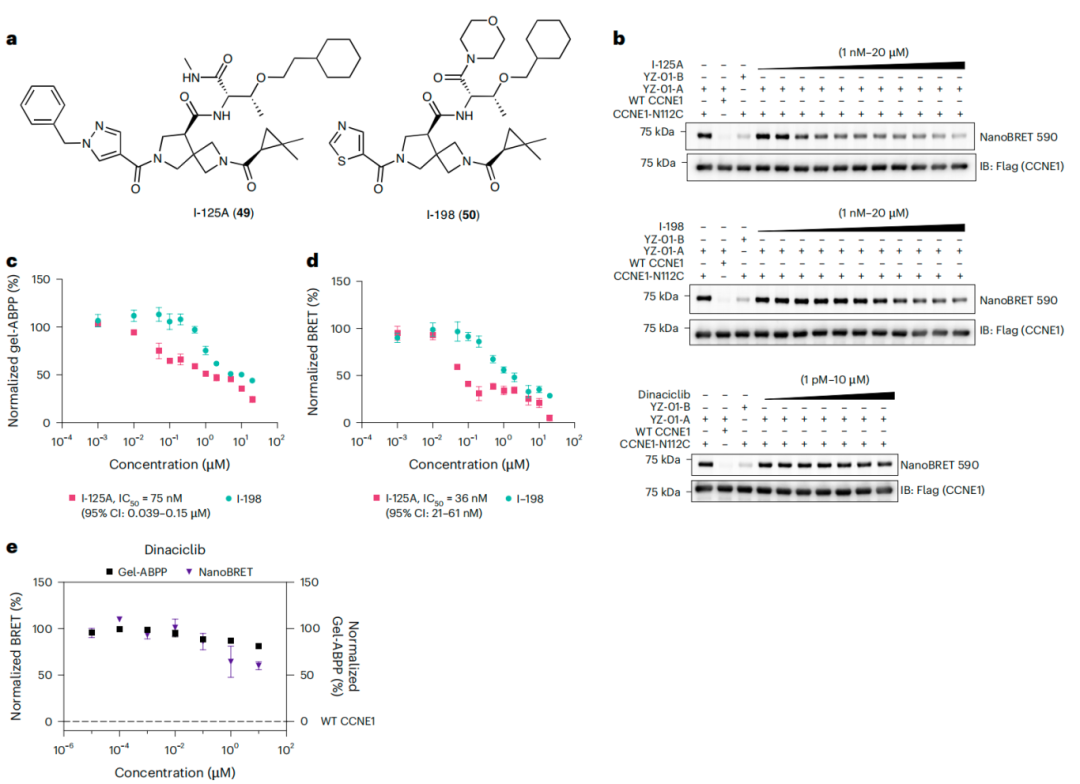 Researchers synthesized two 2,6-diazaspiro[3.4]octane inhibitors named I-125A and I-198. Through gel ABPP and NanoBRET assays, they demonstrated the ability of these inhibitors to bind to CCNE1-N112C and wild-type CCNE1:CDK2 complexes, while also inhibiting the binding of the tryptophan acrylamide stereo probe, offering a new approach for modulating protein activity.
Analysis of the Crystal Structure of the Inhibitor Complex
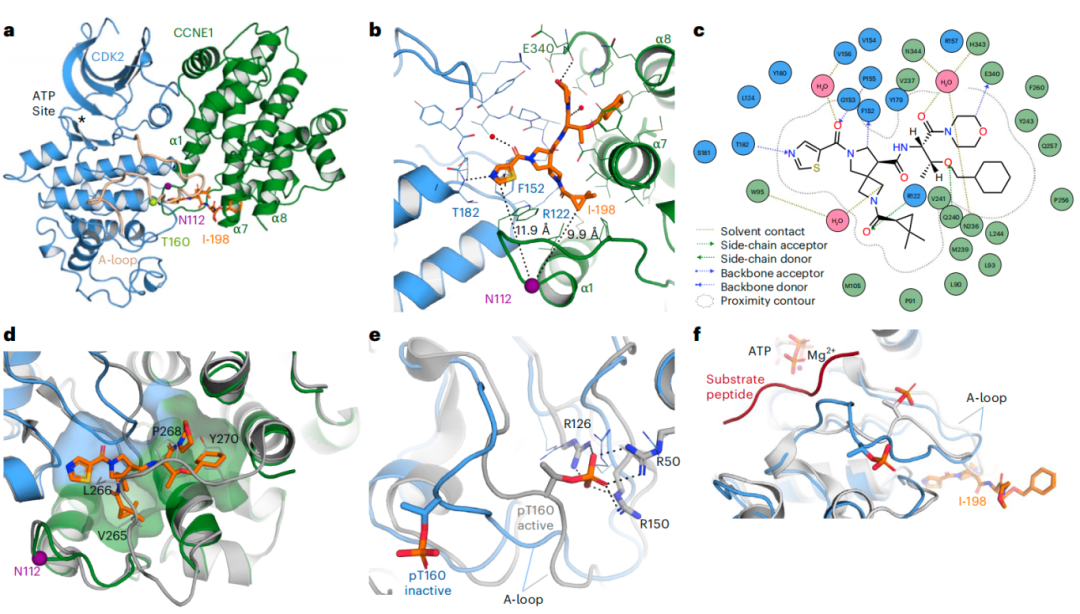 X-ray crystallography once again demonstrated its power by resolving the crystal structures of I-125A and I-198 in complex with CCNE1:CDK2. The results revealed that they bind to a hidden allosteric pocket at the CCNE1:CDK2 interface, adjacent to N112 and distinct from the ATP binding site, providing crucial structural insights into the allosteric regulation mechanism of proteins.
Evaluation of the Impact of Inhibitors on Kinase Activity
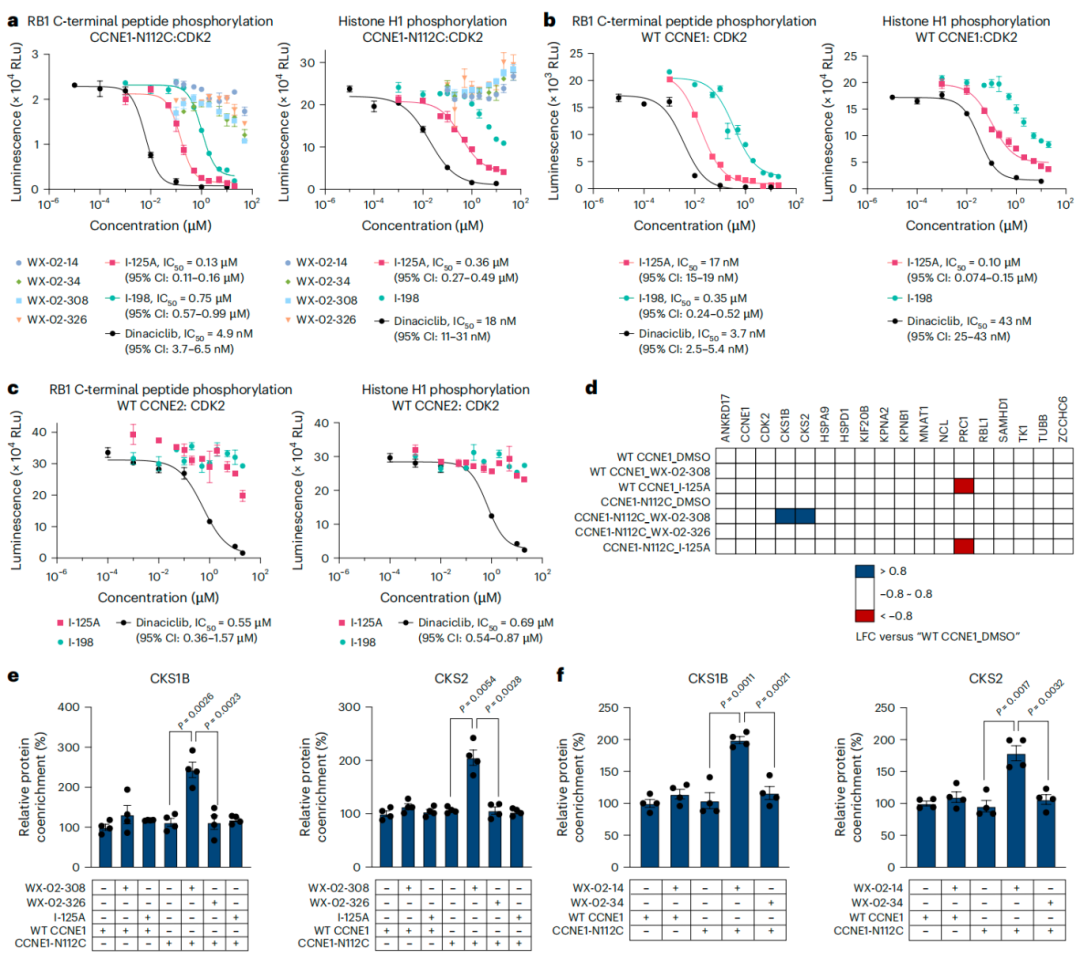
Through ADP-Glo kinase assays, it was found that I-125A and I-198 could inhibit the kinase activity of purified CCNE1-N112C:CDK2 and wild-type CCNE1:CDK2 complexes. However, tryptophan acrylamide WX-02-308 and WX-02-14 did not exhibit this inhibitory effect. More interestingly, immunoprecipitation-mass spectrometry experiments revealed that tryptophan acrylamide could selectively stabilize the interaction between the CCNE1-N112C:CDK2 complex and CKS1B and CKS2, while I-125A did not have this effect, indicating that different small molecules exert distinct functional impacts on protein complexes.
Research Conclusion: Opening New Doors for Research
Successful Validation of the “Paralog-Hopping” Strategy
This study successfully demonstrated the feasibility of the "paralog-hopping" strategy. By leveraging electrophile-cysteine interactions discovered in chemical proteomics, we were able to explore protein ligand-binding pockets, providing potential targets for the development of novel therapeutic drugs for cancer, akin to finding a key that unlocks new pathways in cancer treatment.
New Discoveries in the CDK2 Complex Pocket
The study revealed that the CCNE1:CDK2 complex has at least two distinct small-molecule binding pockets, one being the orthosteric pocket and the other(s) allosteric pocket(s). This discovery provides new insights for developing selective CDK2 inhibitors, aiding in more precise regulation of cell cycle-related physiological processes.
Implications of Different Small Molecule Functional Effects
Tryptophan acrylamide and 2,6-diazaspiro[3.4]octane inhibitors have different functional effects on the CCNE1-N112C:CDK2 complex, providing new clues for further research into the allosteric regulation mechanisms of proteins. Following this clue, we can delve deeper into the complex regulatory networks of proteins within cells, offering more theoretical support for future drug development.
Summary
This research achievement undoubtedly injects new vitality into the fields of biology and medical research. We look forward to these discoveries being transformed into practical treatments in the future, bringing new hope to cancer patients.




Selected Review of Articles with Over 10,000 Reads on This Official Account:
1. Science|Small Molecule Chemical Probes|Small Size, Big Impact
4. OPRD|30 Notable Chemical Reactions and Process Innovations Worth Attention
8. Review | February 2024: The Rise of Boron-Containing Compounds
9. Prediction: PROTAC Hot Molecules to Be Approved by the FDA in 2024
10. 2023 Org. Lett. Second Most Read Article: Pfizer Redefines the Logic of Drug Chemical Synthesis
11. "Bioisosteres," the New Favorite in Small Molecule Drug and Molecular Building Block Design