Medtronic and Siemens Healthineers Forge Strategic Alliance to Advance Spine Surgery Innovation

Medtronic
Medical Device Manufacturer

Recently, Medtronic, a global leading medical device manufacturer, announced a series of innovative products and technologies for spinal and cranial surgeries at the 39th Annual Meeting of the North American Spine Society (NASS) held in Chicago. These new technologies and solutions aim to enhance the predictability of surgical outcomes and the quality of patient care through its intelligent ecosystem, AiBLE™. Medtronic also announced a partnership with Siemens Healthineers to jointly explore possibilities for expanding advanced preoperative and postoperative imaging technologies in spine care.
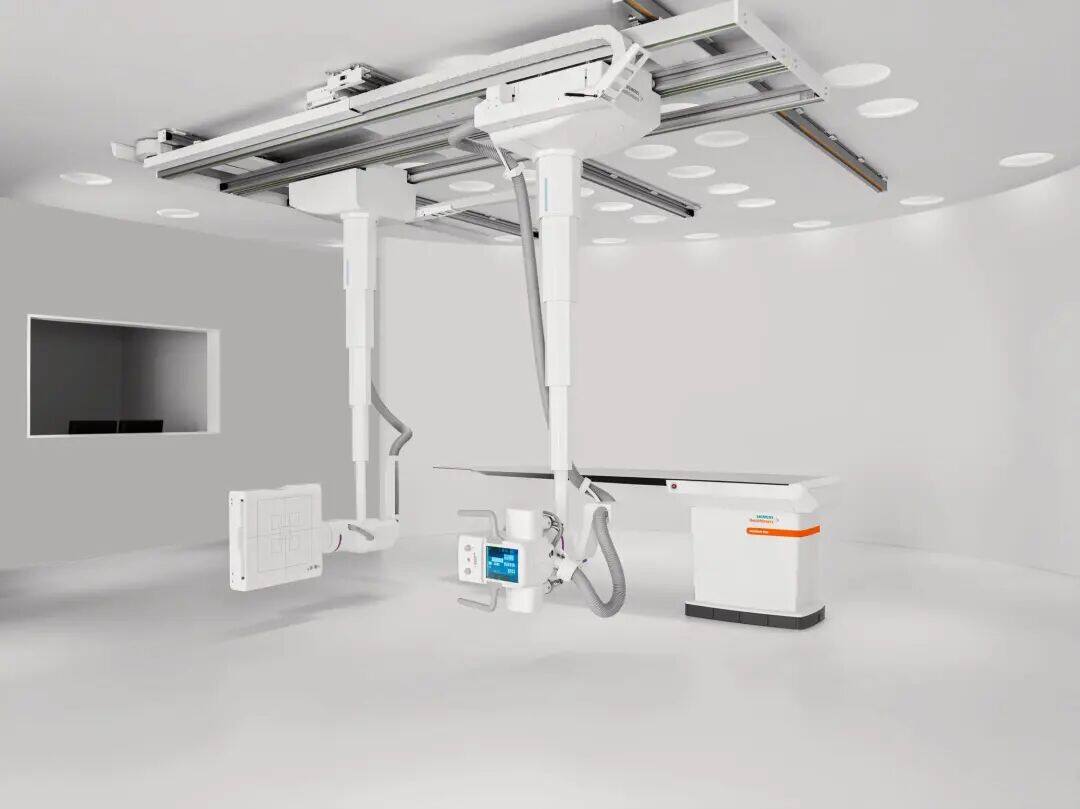
The new progress of the AiBLE™ ecosystem launched this time reflects the innovative achievements of the collaboration between Medtronic and Siemens:
O-arm™ 4.3 Software Update Enables Enhanced Navigation Volume, Dose Reduction, and Image Confirmation. UNiD™ Adaptive Spine Intelligence (ASI) Platform Adds MRI Vision Function, Which Utilizes Computer Vision Technology to Automate the Analysis of Lumbar MRIs by Integrating Smart Soft Healthcare’s CoLumbo for Segmentation, Annotation, and Measurement of Key Pathological Features.The platform has been developed based on more than 28,000 patient surgical cases and has been widely applied globally. The Mazor software, updated to version 5.1, has become the first spinal robotic system to integrate artificial intelligence, bone cutting, and graft delivery. The new version introduces Maximum Intensity Projection (MIP) technology, further enhancing image quality. The ModuLeX Spinal System introduces new implant innovations, improves visibility in the surgical area, and enhances surgical flexibility, thereby creating more optimized anatomical outcomes for patients.
In response, Skip Kiil, President of Medtronic's Cranial and Spinal Technologies division, pointed out that the collaboration with Siemens Healthineers strengthens the company’s commitment to reducing uncertainties during patient treatment and improving outcomes. This partnership will fully leverage the extensive expertise of both parties in the fields of imaging and data science to jointly advance the AiBLE strategy, aiming for better patient treatment results.
Verena Schoen, Executive Vice President of X-ray Products at Siemens Healthineers, also expressed her anticipation for the collaboration. She emphasized that the geometrically precise imaging technology provided by Multitom Rax™ is highly significant for the diagnosis, treatment planning, surgical execution, and postoperative monitoring of spinal surgeries. This partnership is expected to combine the technical strengths of both parties, offering spine surgeons and neurosurgeons greater precision and support.
01
Those Years' Layout in the Spine Field

▲Figure: Shutterstock
In 2012, Medtronic spent $816 million to acquire Kanghui, then the leader in China's spinal market, with a particular focus on developing Kanghui’s spinal business.
In 2018, Medtronic acquired Mazor Robotics, an Israeli surgical robotics company, for $1.64 billion (approximately RMB 11.2 billion), thereby gaining the Mazor X surgical platform. The completion of this acquisition solidified Medtronic's absolute leading position in the field of spinal surgical robotics.
In January 2023, Orthofix and SeaSpine announced the successful completion of their previously announced merger of equals, an all-stock transaction, following the receipt of approval from shareholders of both companies at their respective special shareholder meetings, to create a global spine and orthopedics company.
In April 2023, NuVasive, a leading spinal company, and Globus Medical, an orthopedic robotics company, announced that they had received approval from both sets of shareholders to merge, creating the world's second-largest spinal technology company after Medtronic.
In October 2023, Silony Medical, the global leader in spinal fusion, completed the acquisition of Centinel Spine's global fusion business. This transaction will combine the expertise and product portfolios of both companies, creating a new giant in spinal fusion technology.
In August 2024, DePuy Synthes, a subsidiary of Johnson & Johnson, announced that the VELYS SPINE active robotic assistance system, developed in collaboration with eCential Robotics, has received FDA 510(k) clearance, marking a strong entry into the spinal robotics field.
02
The Spine Market in China
315 People, Global Consumables Giant Plans to Close Factory and Lay Off Workers!