

SCLC: Yilien Bio Shows Strong Potential with B7-H3 ADC YL201, While Merck & Daiichi Sankyo Advance with DLL3-Targeted TCE

MediLink
Antibody-Drug Conjugates Developer

GSK
Pharmaceutical R&D Manufacturer

Daiichi - Sankyo
Pharmaceutical Development, Production, Sales, and Consulting Service Provider

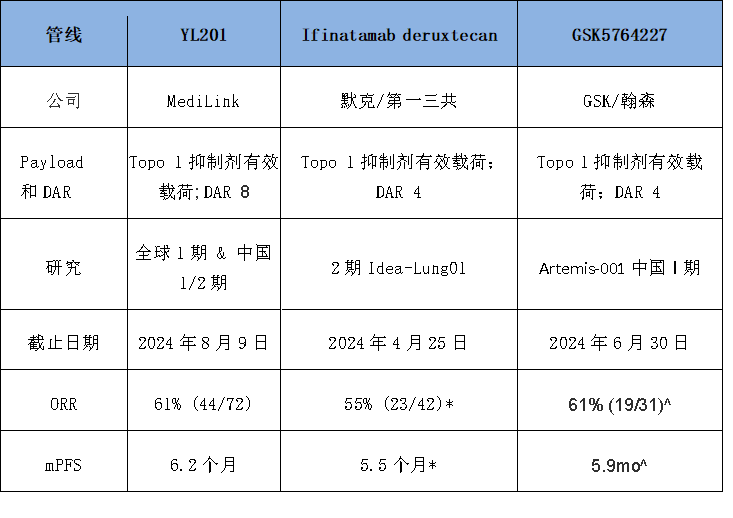
In the field of small cell lung cancer,AmgenTheDLL3/CD3The bispecific antibody has been approved for marketing, marking a breakthrough in solid tumors.TCEA New Chapter in Treatment, and inADCField, with the development of related target drugs in recent years,SCLCThe competition in clinical layout is also quite intense. Recently, MediLinkESMOThe meeting announced its targetedB7-H3-ADC YL201Clinical data, and inSCLCIndications, itsORRArrived61%,The mPFS was 6.2 months, and compared with the two ADCs from Daiichi-Sankyo and GSK targeting the same site, the efficacy was comparable.
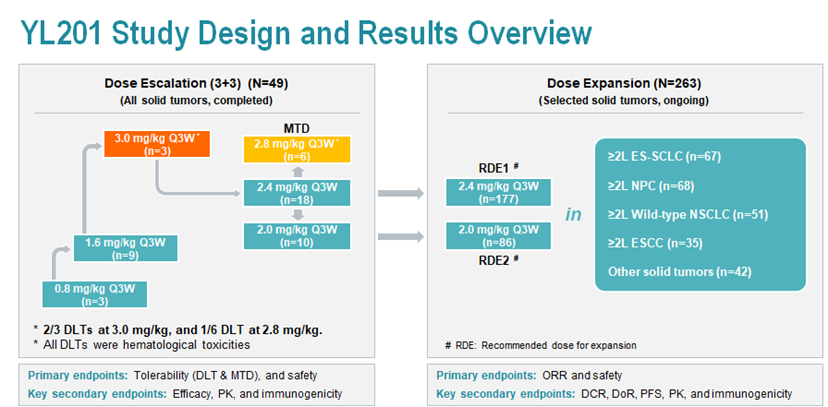
According to the disclosure by MediLink, the dose escalation for YL201 ranged from 0.8 mg/kg to 3.0 mg/kg. However, DLTs were observed at doses of 2.8 mg/kg and 3.0 mg/kg. Therefore, subsequent expansion studies selected doses of 2.0 mg/kg and 2.4 mg/kg, enrolling a total of 263 patients, including 67 patients with SCLC who had received two or more prior lines of therapy.
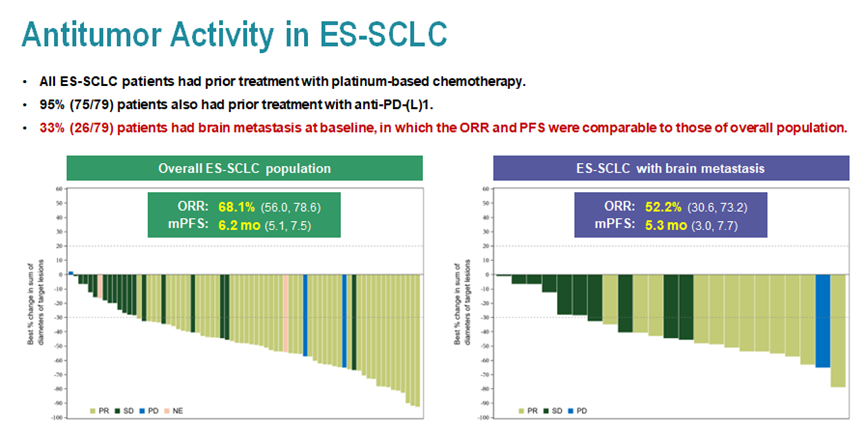
In terms of efficacy, inIn all patients, the ORR was 68.1%, and the mPFS was 6.2 months, with an ORR of 70.0% and an mPFS of 6.2 months at doses ≥2.0 mg/kg. Additionally, in patients with brain metastases, the overall ORR was 52.2%, and the mPFS was 5.3 months.。
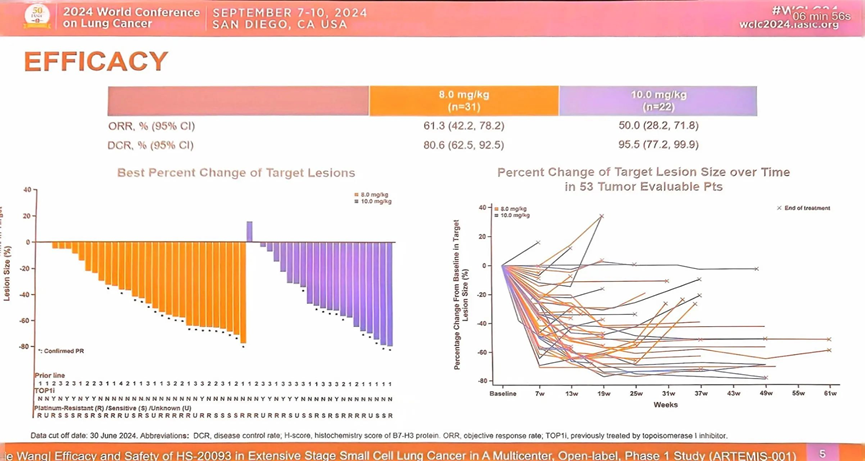
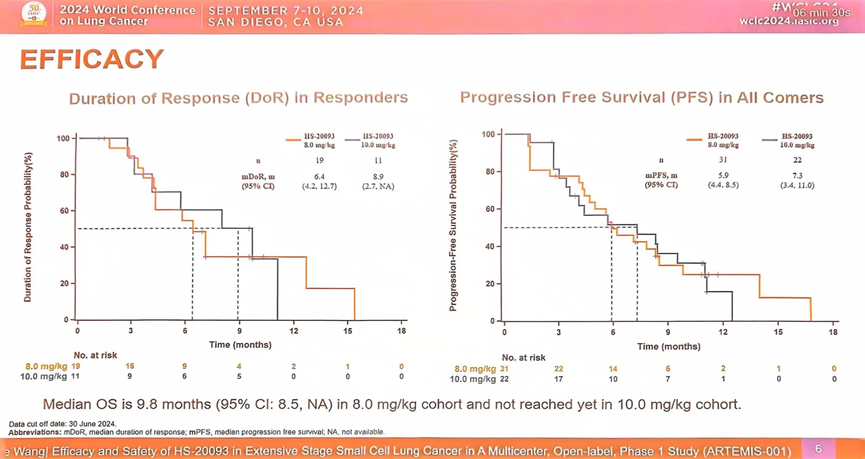
Next, let's look at the Phase I clinical dose-expansion cohort data of HS-20093 released by GSK and Hansoh at the WCLC. A total of 56 patients with ES-SCLC were enrolled, all of whom had received platinum plus etoposide treatment; 73.2% of the patients had received immunotherapy, and 23.2% had received TOPO1 inhibitors. The expansion doses were also divided into two groups: 8 mg/kg and 10 mg/kg.
In terms of efficacy, the ORR was 61.3%, DCR was 80.6%, mDOR was 6.4 months, mPFS was 5.9 months, and mOS was 9.8 months in the 8.0 mg/kg dose group; while in the 10.0 mg/kg dose group, the ORR was 50.0%, DCR was 95.5%, mDOR was 8.9 months, mPFS was 7.3 months, and mOS has not yet been reached. Comparing the two groups, the lower dose showed a relatively higher ORR, which has also been observed in other ADC drugs—increased doses may lead to a decrease in overall response rate and potentially reduce mPFS as well. This could be related to toxic side effects caused by higher doses and also demonstrates the complexity of ADC drugs.
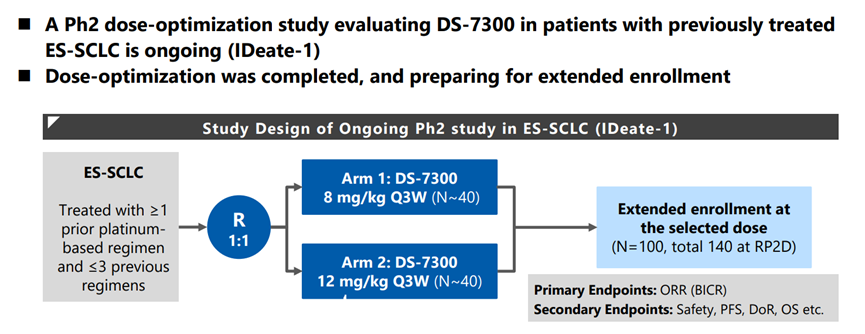
Let's take a look at the data from Daiichi-Sankyo, the leading ADC company, presented at the WCLC conference. The Phase II IDeate-Lung01 study of DS-7300 for the treatment of ES-SCLC also utilized two dosage groups: 8 mg/kg and 12 mg/kg.
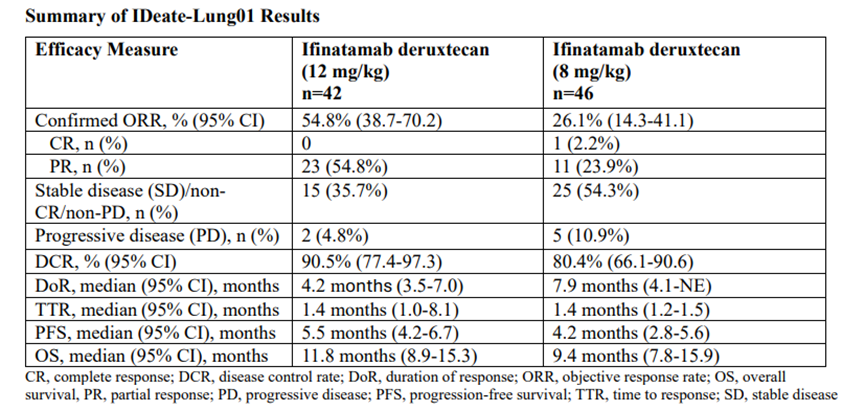
In terms of efficacy, among 88 patients evaluable for tumor response, the ORR was 26.1%, the DCR was 80.4%, the mDOR was 7.9 months, the mPFS was 4.2 months, and the mOS was 9.4 months in the 8 mg/kg dose group; the ORR was 54.8%, the DCR was 90.5%, the mDOR was 4.2 months, the mPFS was 5.5 months, and the mOS was 11.8 months in the 12 mg/kg dose group.
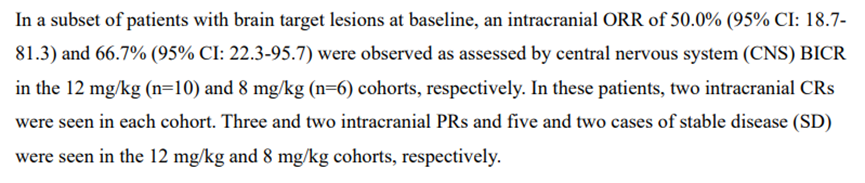
In the subgroup of patients with brain metastases, the response rates for the 8 mg/kg and 12 mg/kg dose groups were 66.7% and 50.0%, respectively. Additionally, two patients in each group achieved CR.
Finally, let's compare Amgen's marketed TCE bispecific antibody AMG757. Last year, Amgen published the phase II clinical results of this therapy in the top international journal NEJM.Can DLL3/CD3 Break the TCE Bispecific Antibody Solid Tumor Curse with Further Improved ORR?》,ORR further improved, reaching up to 40% in the 10mg dose group. A total of 220 patients received treatment with the bispecific antibody AMG757 in the clinical study. The median number of prior treatment lines was 2 for these patients. Among the treated and evaluated patients,The median follow-up time was 10.6 months in the 10 mg group and 10.3 months in the 100 mg group. Objective response rates were 40% (97.5% CI, 29–52) in the 10 mg group and 32% (97.5% CI, 21–44) in the 100 mg group.Among these patients who achieved objective response, 59% (40 out of 68 patients) had a duration of response lasting at least 6 months. At the time of data cutoff, 22 (55%) of the 40 patients in the 10 mg group and 16 (57%) of the 28 patients in the 100 mg group maintained an objective response.The median progression-free survival was 4.9 months (95% CI, 2.9–6.7) in the 10 mg group and 3.9 months (95% CI, 2.6–4.4) in the 100 mg group. The estimated 9-month overall survival rates were 68% and 66%, respectively.。
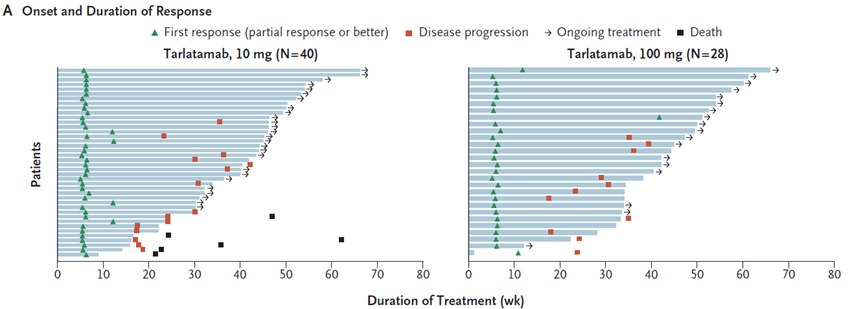
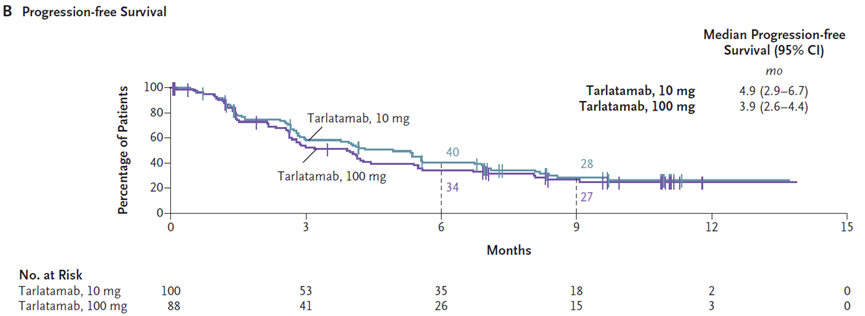
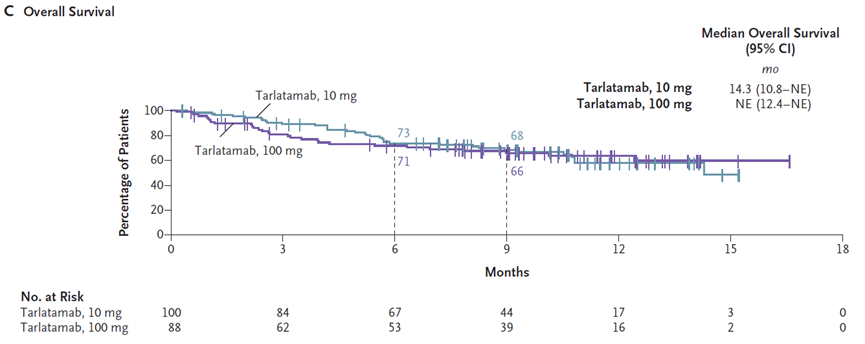
Overall, the three B7-H3 ADC drugs have achieved remarkable efficacy in SCLC, and in terms of efficacy, all three drugs surpass the already marketed DLL3/CD3 bispecific antibody. However, discussing efficacy without considering the patient baseline is misleading. After the subsequent detailed data disclosure, a parallel comparison between ADC and TCE can be made.
In addition, forDLL3 TCE Therapy and B7-H3 ADC Therapy, The two therapies fromThere are also essential differences in technology, and the targets are different, so there is great potential for the combination of the two in the future. In this aspect, Daiichi-Sankyo and Merck are more forward-thinking.In August this year, Daiichi Sankyo announced that it would jointly develop the bispecific antibody MK-6070 targeting DLL3/CD3 with its partner Merck. Merck and Daiichi Sankyo will now co-develop and commercialize MK-6070 globally, but Merck will retain exclusive rights in Japan. Meanwhile, Merck will be responsible for the production and supply of this experimental drug, and the two companies will share the costs of research, development, and commercialization.Why Did Daiichi-Sankyo Introduce the TCE Bispecific Antibody?". MK-6070, also known as HPN328, is a drug that Merck acquired from Harpoon earlier this year. In SCLC patients, an initial low dose of 1mg was administered, followed by the full dose. The bORR (confirmed + unconfirmed) for this therapy was 54%, with a confirmed ORR of 35%.
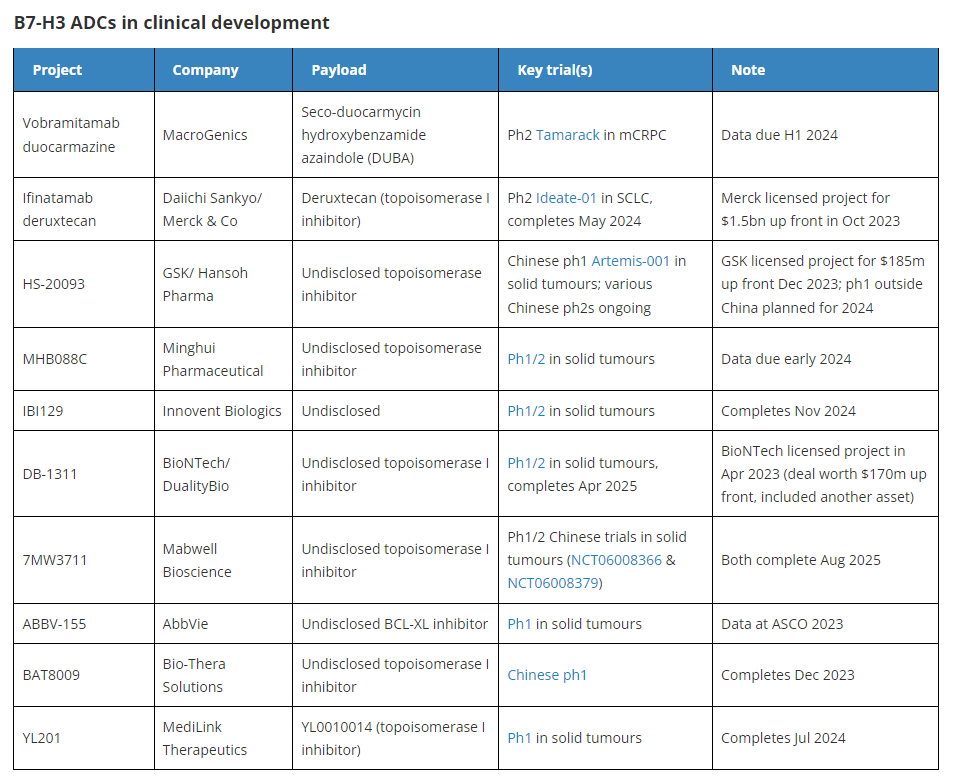
Of course, besides the B7-H3 ADC for SCLC treatment introduced in the article, the competition for ADCs related to this target remains very intense. Currently, 10 drugs have entered clinical trials, including those from Innovent and Mabwell, which have already entered clinical stages.

Click "PharmSnap" below to follow more exciting content.
Disclaimer
The push rules of WeChat Official Accounts have changed again. If you don't tap"Under observation"Or not set to"Star Mark", we might just dissipate in the vast ocean of text ~ click here, don't miss out on the latest news from PharmaDJ!??